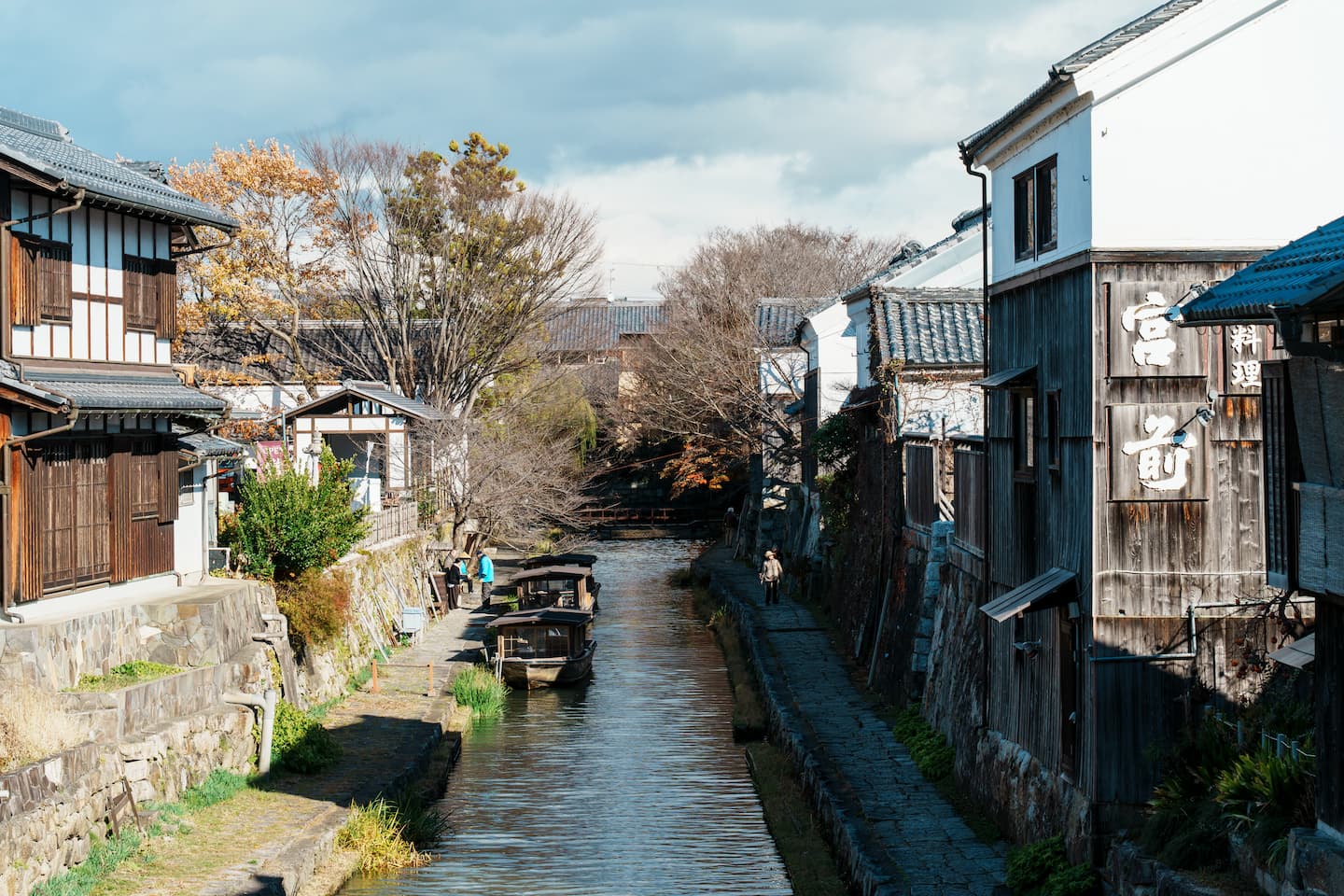
The Journey in Kansai2025
This was my third trip to the Kansai region of Japan. This journey lasted 12 days and 11 nights, and this year I traveled with friends.
Originally, we planned to go to Hokkaido this year, but since I’m sensitive to the cold, I figured I wouldn’t be able to handle more than ten days there. On top of that, with this year’s reports of “bear incidents,” I felt a bit uneasy. In the end, we decided to return to the Kansai region instead.
Route
- Osaka: 2 days
- Kyoto: 6 days
- Uji: 0.5 day
- Nara: 1 day
- Kobe: 1 day
- Wakayama: 1 day
- Rinku Town: 0.5 day
Before Departure
| Item | Details |
|---|---|
| Round-trip flights | Spring Airlines mini program |
| Hotel reservations | Ctrip / Meituan / Booking / Agoda |
| Travel insurance | WeSure |
| Immigration registration | Visit Japan Web |
| SIM card (eSIM) | Airalo This link contains an affiliate referral |
| Some cash (20,000 JPY) | Currency exchange & cash withdrawal |
Detailed Itinerary
Date | Itinerary (local time) |
|---|---|
| 2025/11/29Saturday | Shanghai => Osaka ✈️ 8:05 - 11:20 |
| 2025/11/30Sunday | Osaka Nanzō-ji Temple, Expo ’70 Commemorative Park, Osaka Aquarium Kaiyukan |
| 2025/12/01Monday | Kyoto Ginkaku-ji, Eikandō, Nanzen-ji |
| 2025/12/02Tuesday | Kyoto Arashiyama, Kiyomizu-dera Night Maple Viewing |
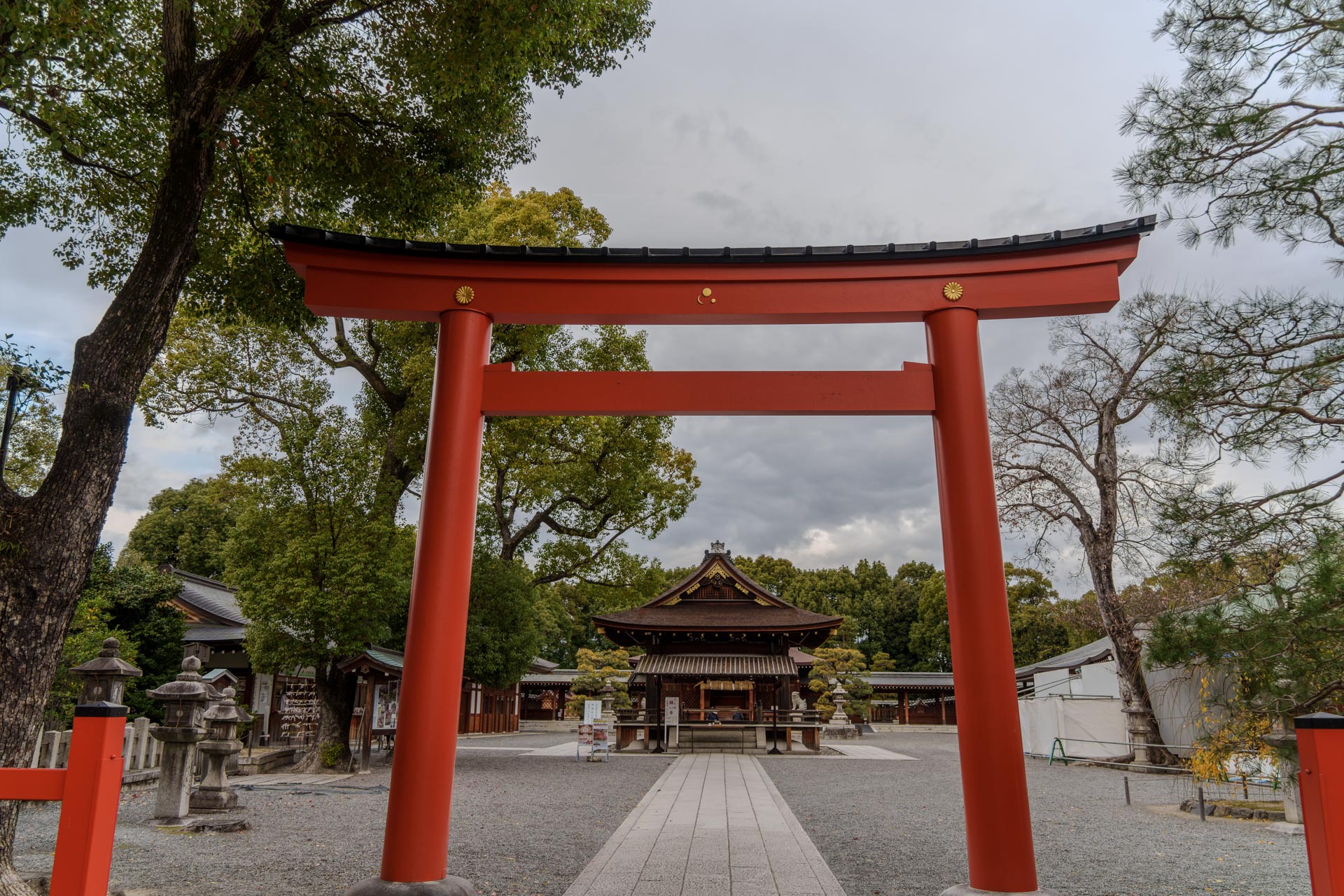
| 2025/12/03Wednesday | Kyoto Nijō Castle, Nishi Hongan-ji, Jōnangū Shrine, Fushimi Inari Taisha |
| 2025/12/04Thursday | Kyoto Shinnyodō, Zoo |
| 2025/12/05Friday | Kyoto Ōtsu, Ōmihachiman |
| 2025/12/06Saturday | Kyoto Amanohashidate, Ine |
| 2025/12/07Sunday | Uji - Nara Uji River, Nara Park |
| 2025/12/08Monday | Nara - Kobe Nara Park, Meriken Park |
| 2025/12/09Tuesday | Kobe - Wakayama Maiko Park |
| 2025/12/10Wednesday | Osaka => Shanghai Rinku Town ✈️ 17:00 - 19:00 |
Day 1 · Departure · Osaka
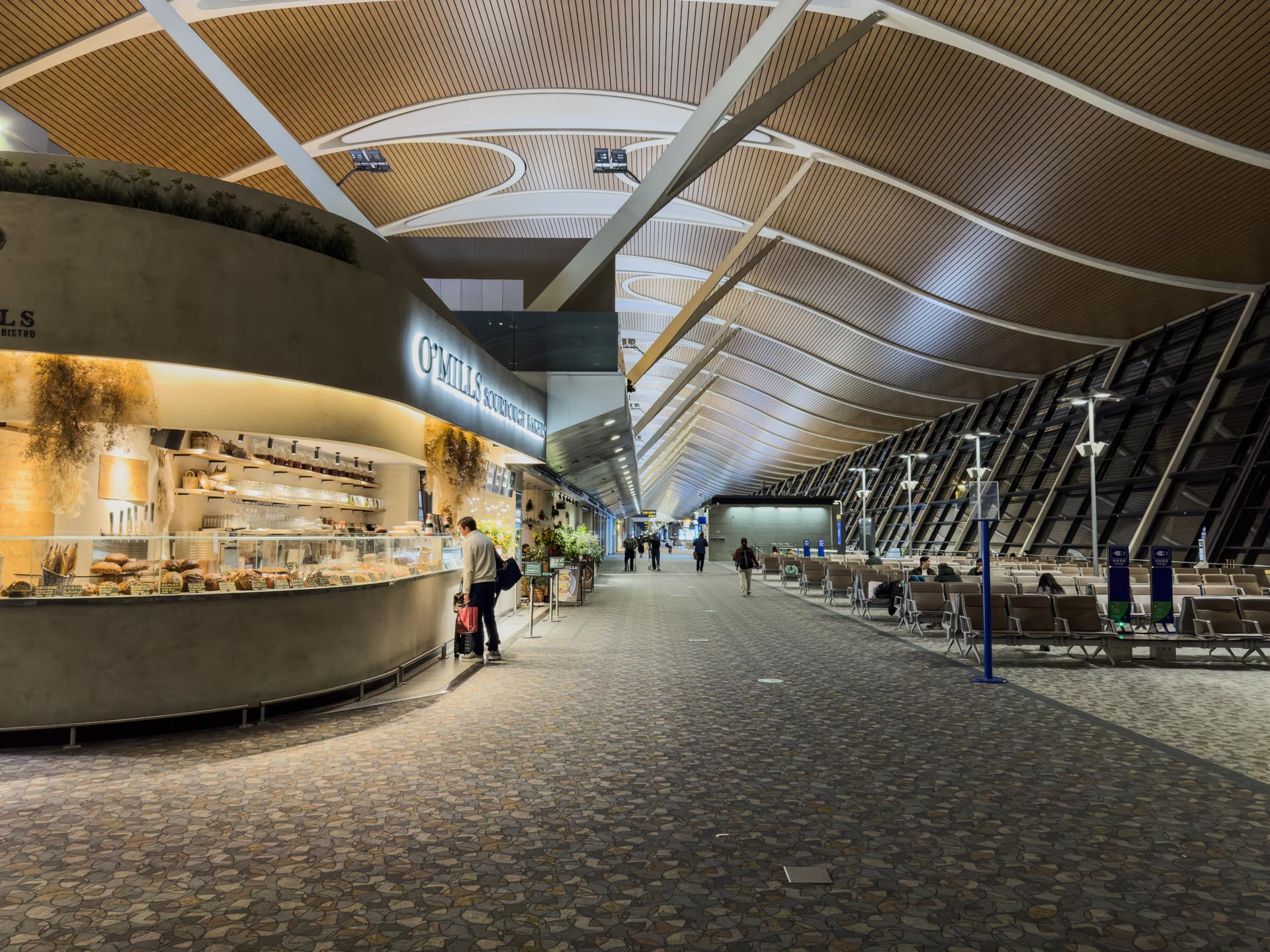
To make the most of this holiday, we booked the earliest flight of the day to Kansai International Airport.
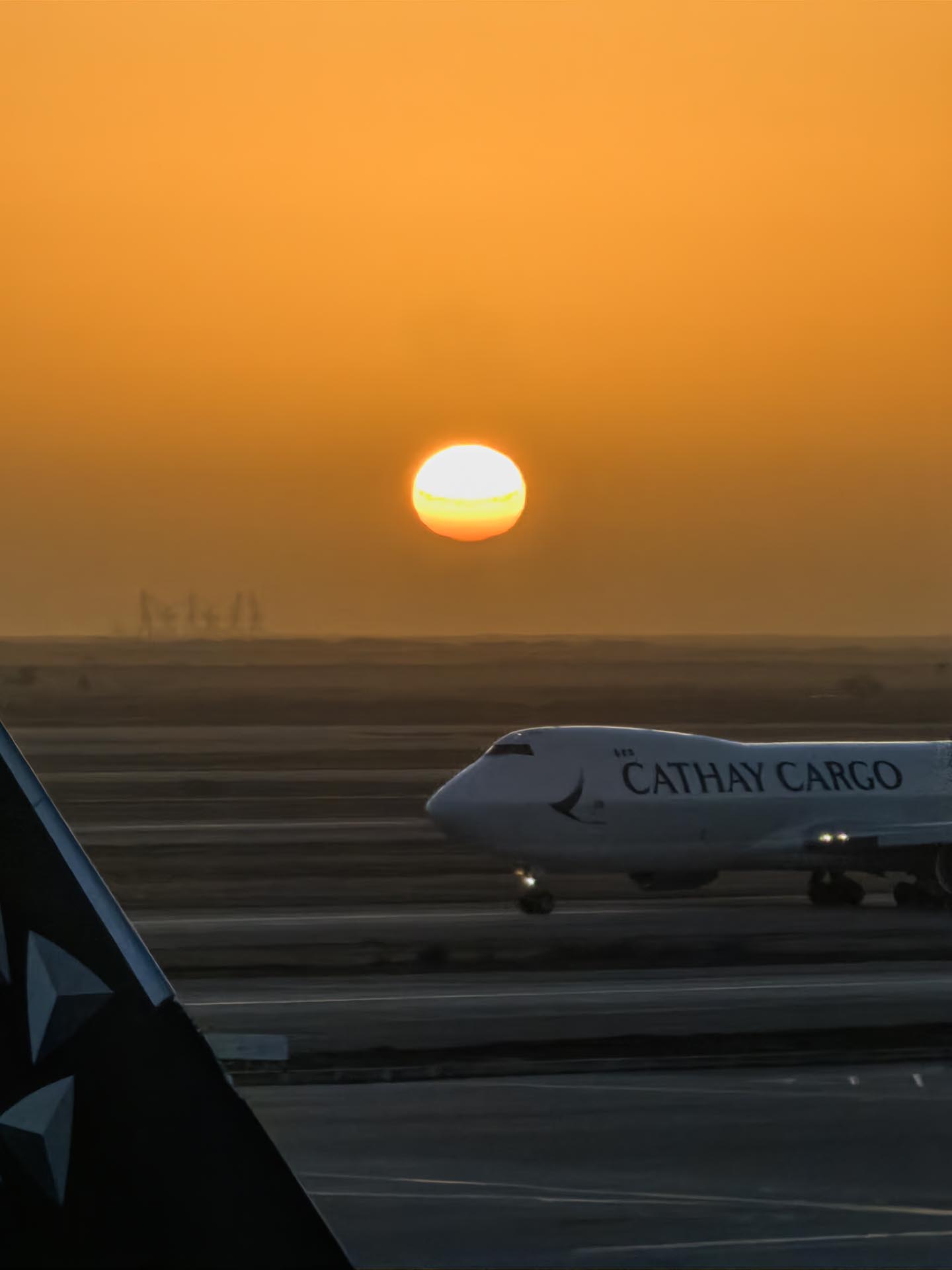
We arranged a ride-hailing car the day before, and watched the sunrise inside the departure hall. Sunrises and sunsets seem to have a kind of magic—I always find myself stopping to admire them without realizing it.
The flight took off a little after 8 a.m. and landed at 11:20 a.m. local time, just in time for lunch.
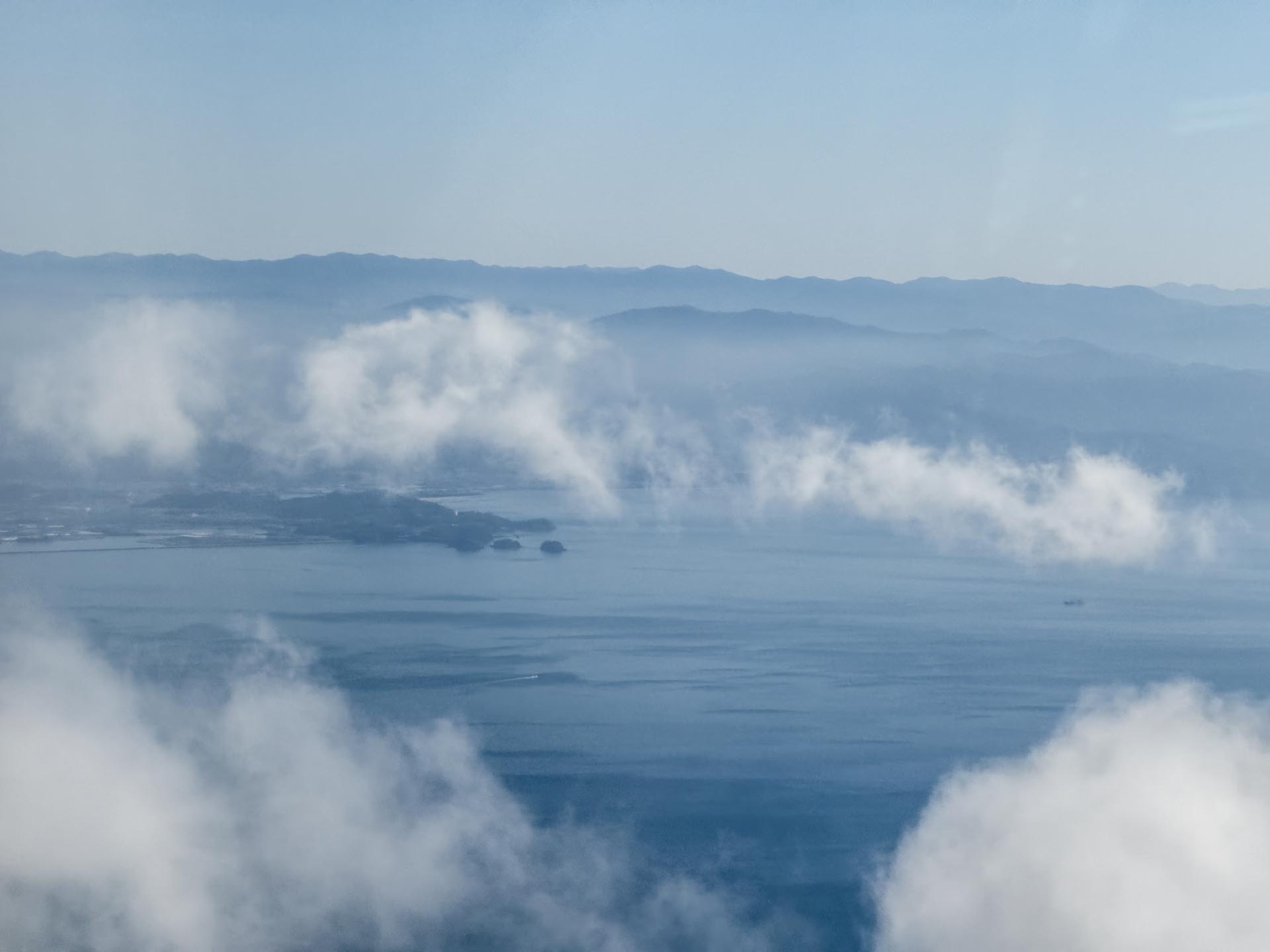
The plane was probably full. After landing, the two of us walked quickly toward the front of the line, passed immigration smoothly, and took the shuttle bus to T1 to grab lunch first.
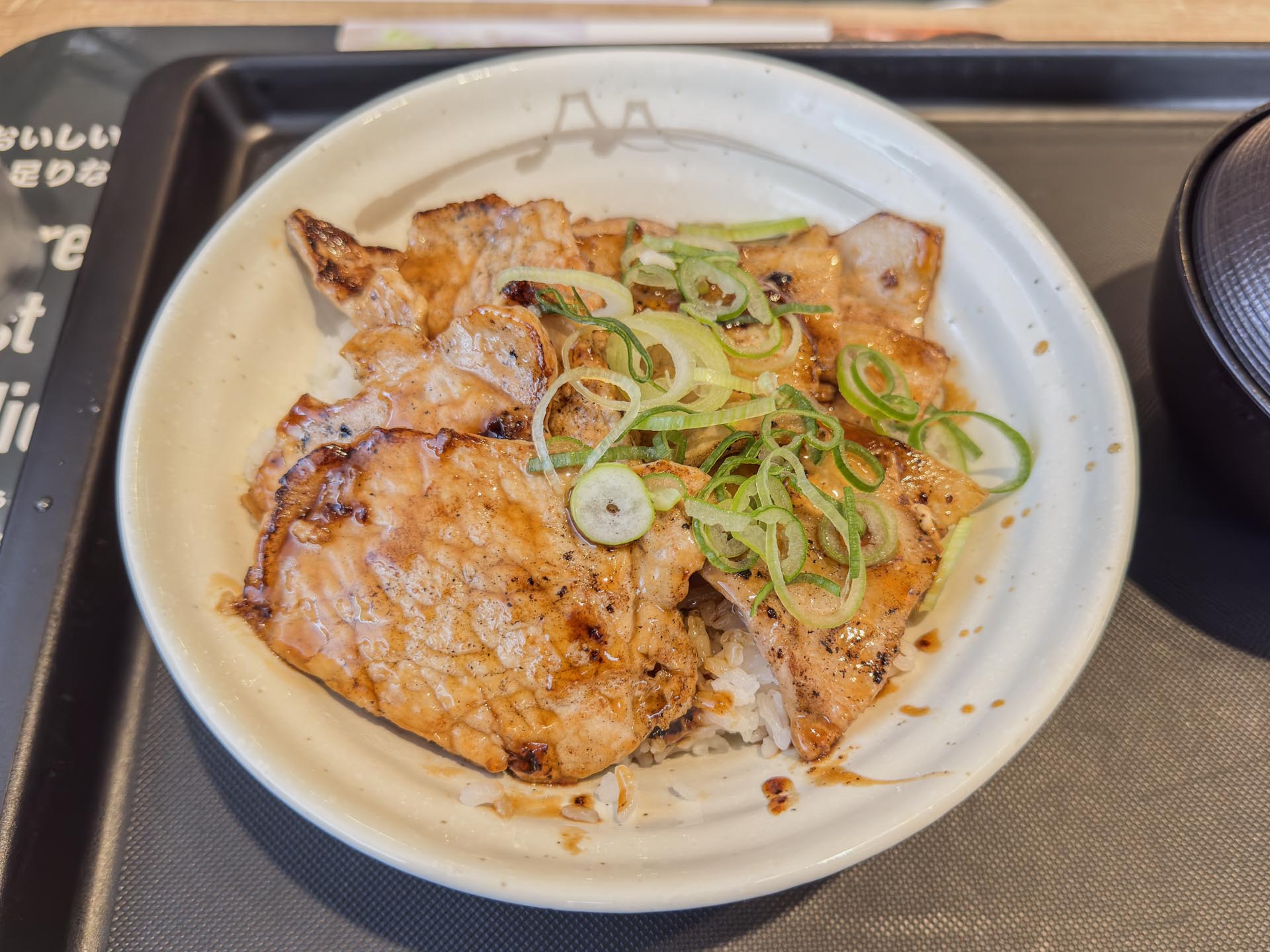
We walked around T1 for a bit but didn’t find anything we particularly wanted to eat, so we went to Sukiya and ordered a rice bowl. After not being here for a year, I had completely forgotten the ordering process. When it was my turn, I went straight to the cashier, and the staff told me I needed to place my order at the machine first and then pay. A quiet sumimasen later, I managed to place the order. I had one rice bowl plus an ice cream, then got ready to head to the hotel we’d be staying at tonight (or at least drop off our luggage). At the Nankai Railway counter in T1, I exchanged for a Nankai 2-day pass (I’ll write a separate post to explain these passes in detail).
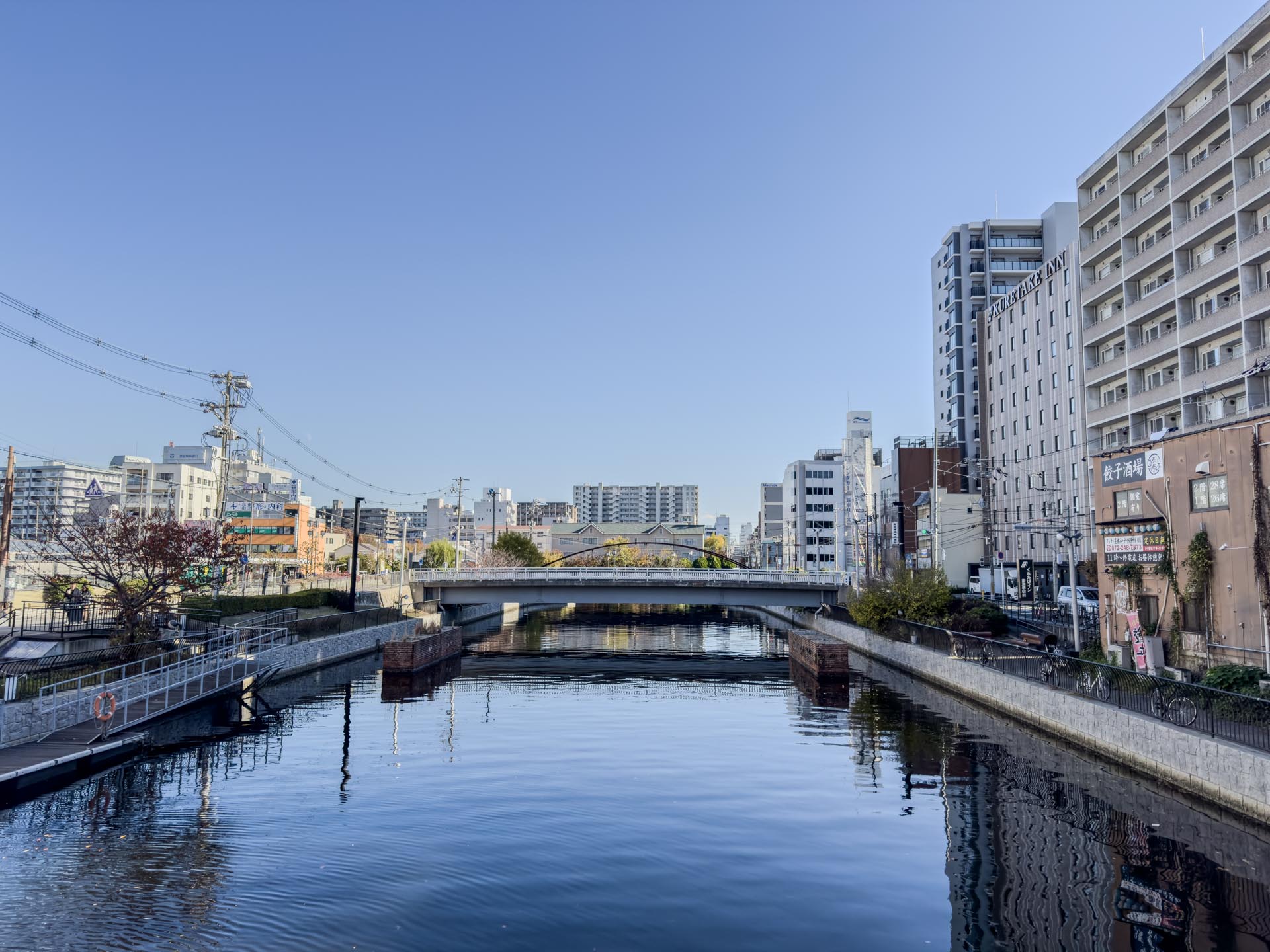
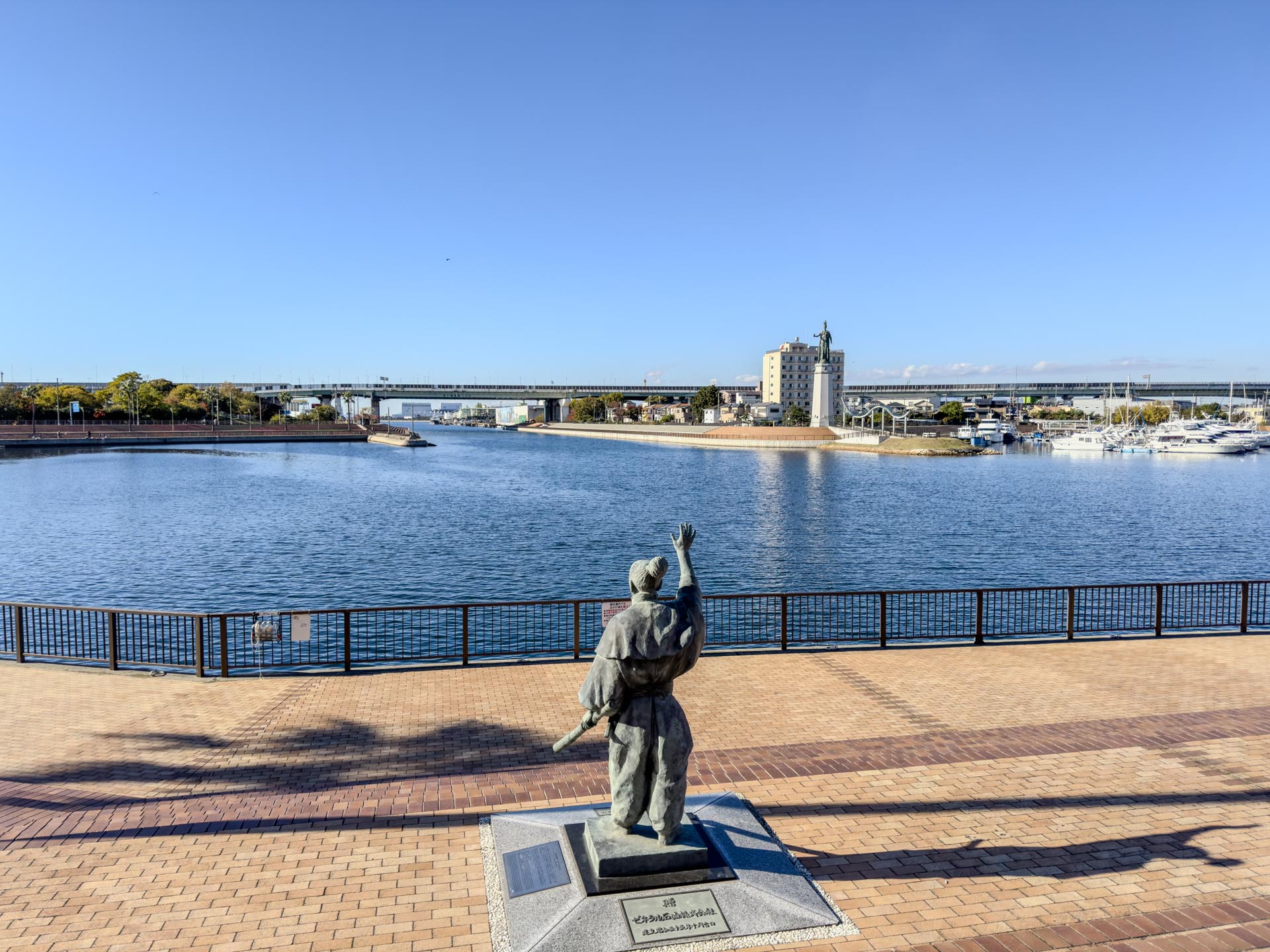
We stayed in Sakai City tonight—to save money, since it was Saturday, and paying several times the usual price for an average hotel didn’t feel worth it. I have a very good impression of this small city. It feels simple and uncrowded, yet it meets my needs perfectly. We arrived at the hotel before 3 p.m., and the front desk let us check in right away—huge thumbs up. After entering the room, we tidied up and rested for a while. The hotel was newly opened, so the facilities were quite new. It was close to the station, and most importantly, the seaside view was excellent.
From Sakai City, it takes about 30 minutes to get to Namba by Nankai Railway.
Osaka Castle Park
Today we headed to Osaka Castle, which my friend had been looking forward to for a long time, just to take a photo in the same spot as Black Chicken. I guess this counts as a kind of pilgrimage 😊. Since we planned two full days in Osaka, we bought a 26-hour Osaka Metro pass for today.
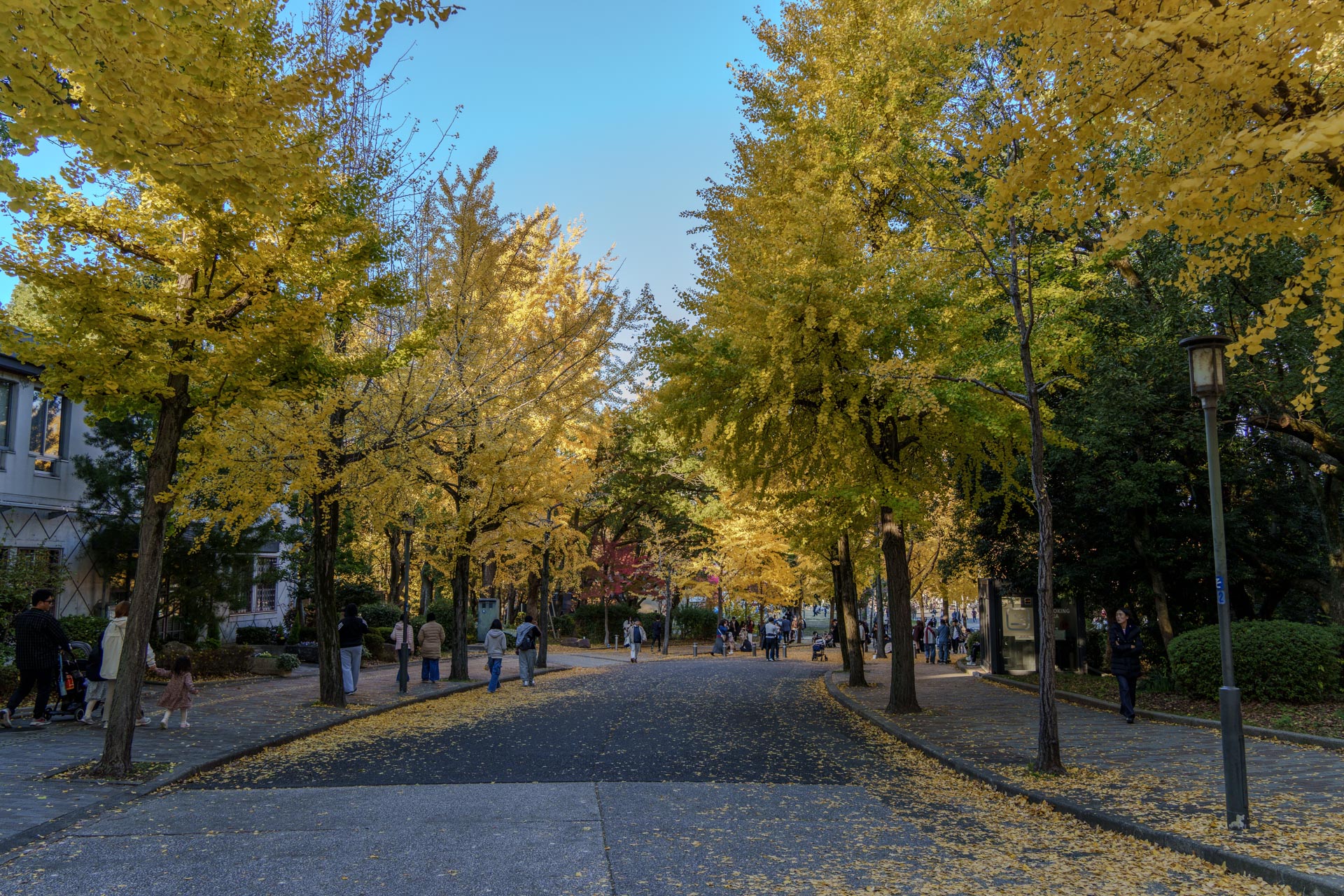
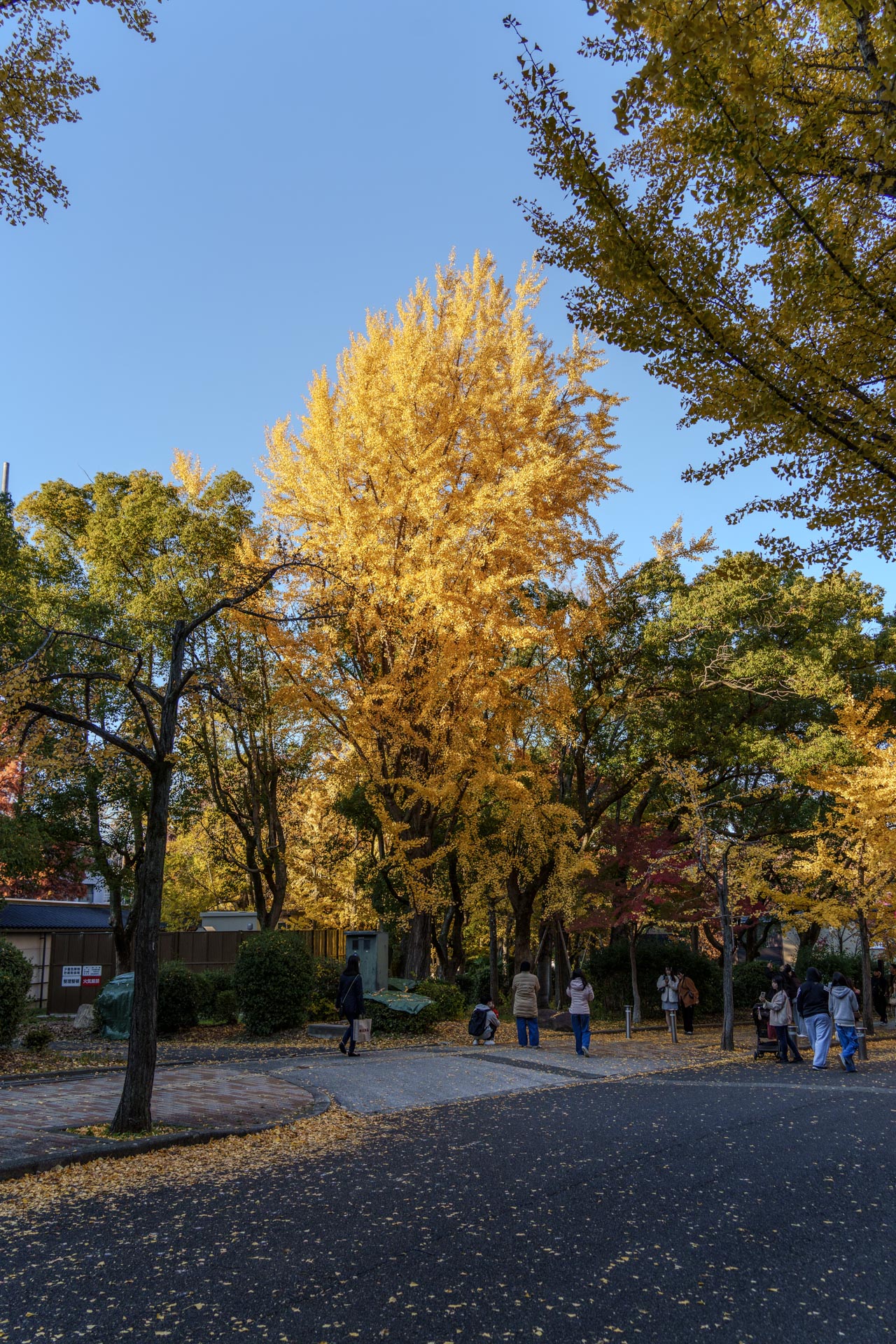
We took the Nankai Railway and then transferred to the subway to get to Osaka Castle. As soon as we exited the station, we were greeted by ginkgo trees along the road, full of autumn colors. Bathed in sunlight, they looked absolutely beautiful.
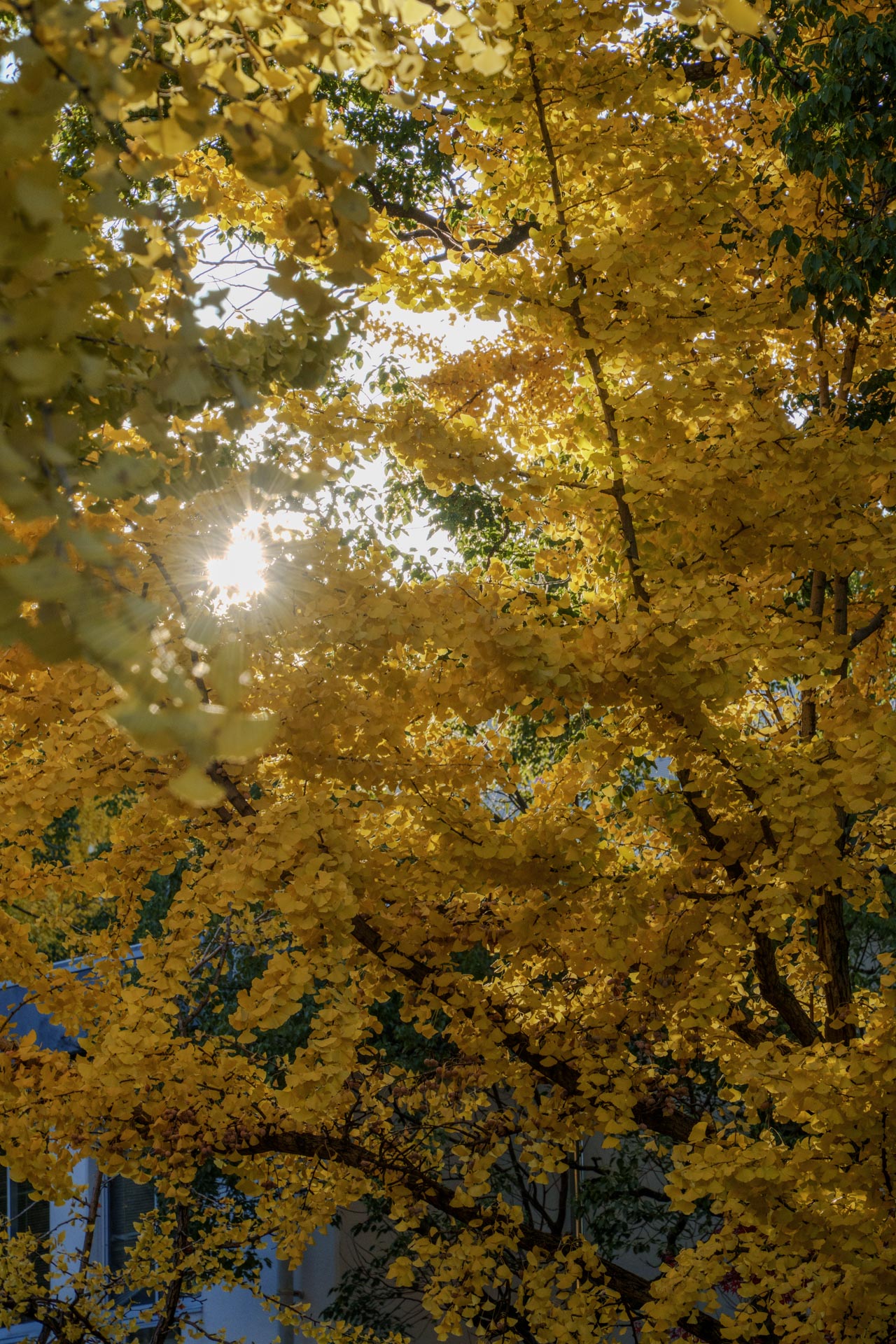
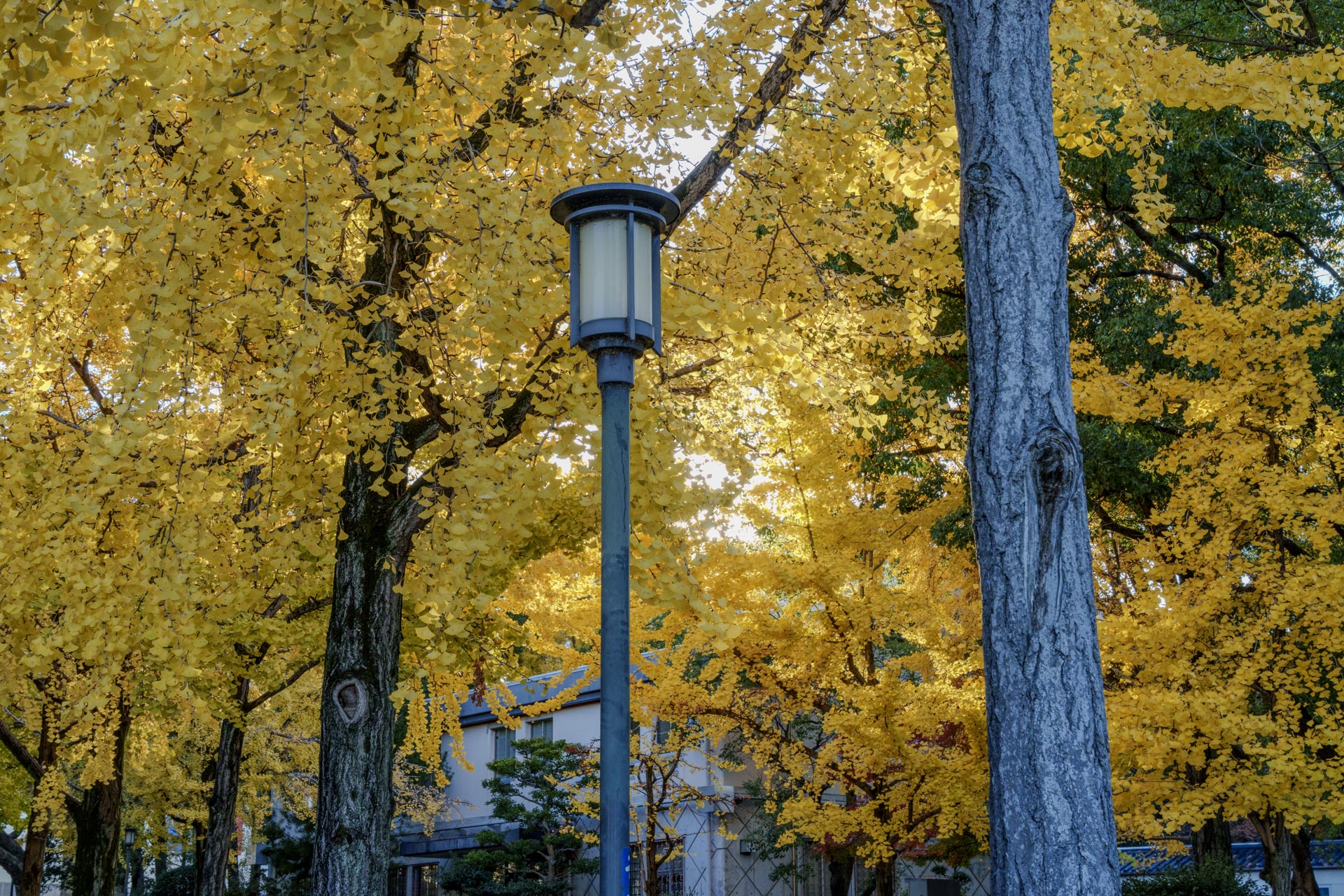
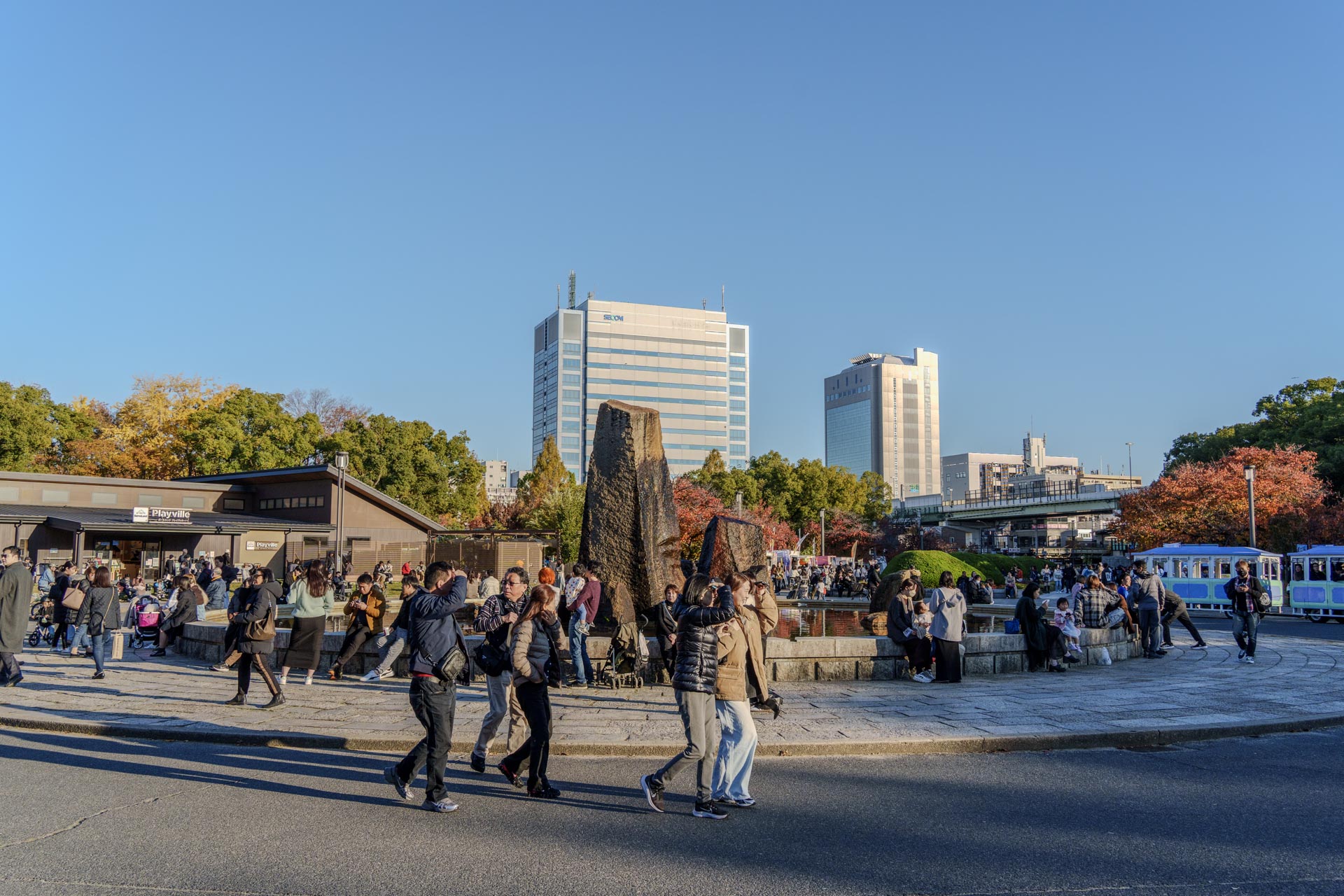
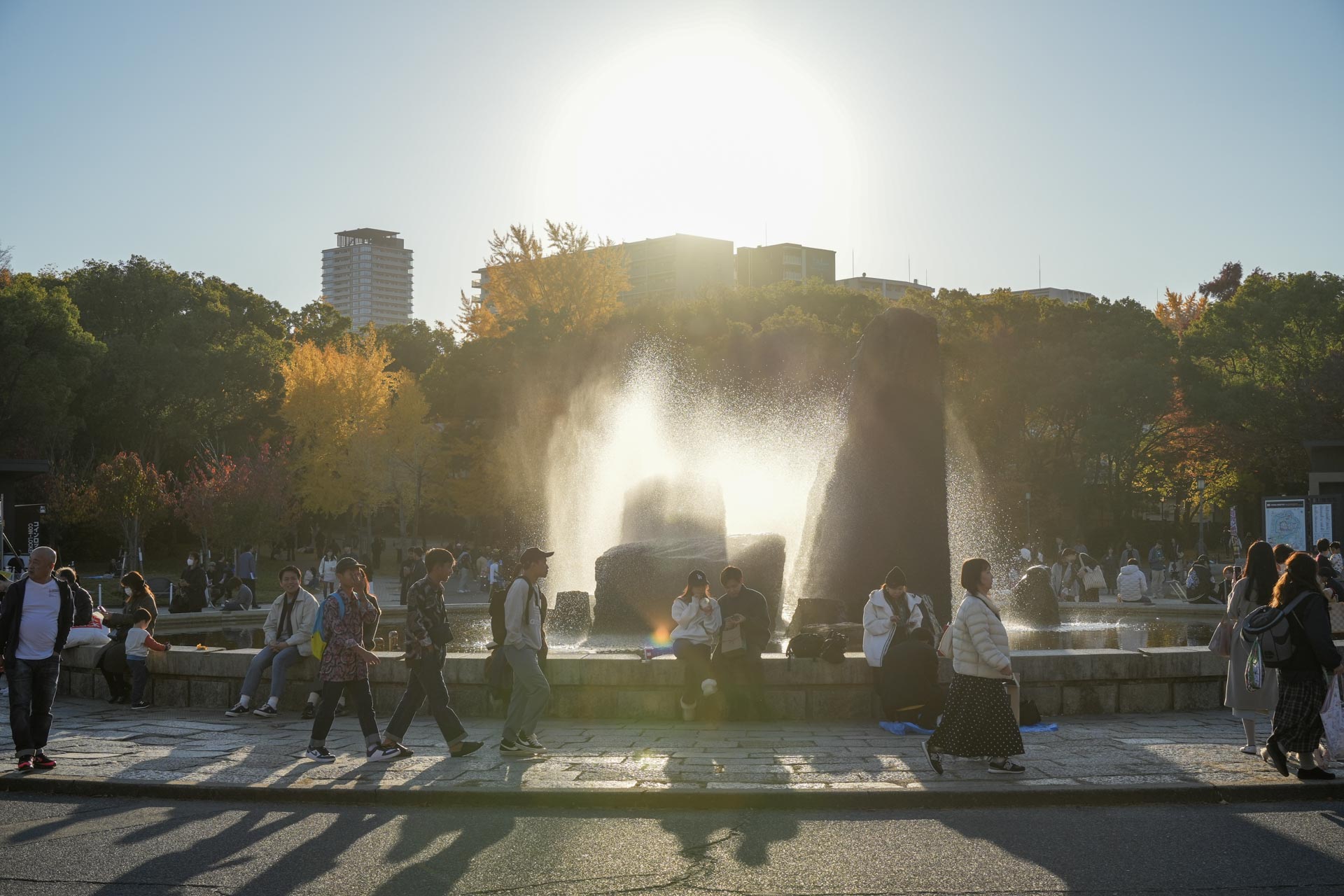
Coming back to Osaka Castle Park after a year, I felt a strong sense of familiarity along the paths I walked.
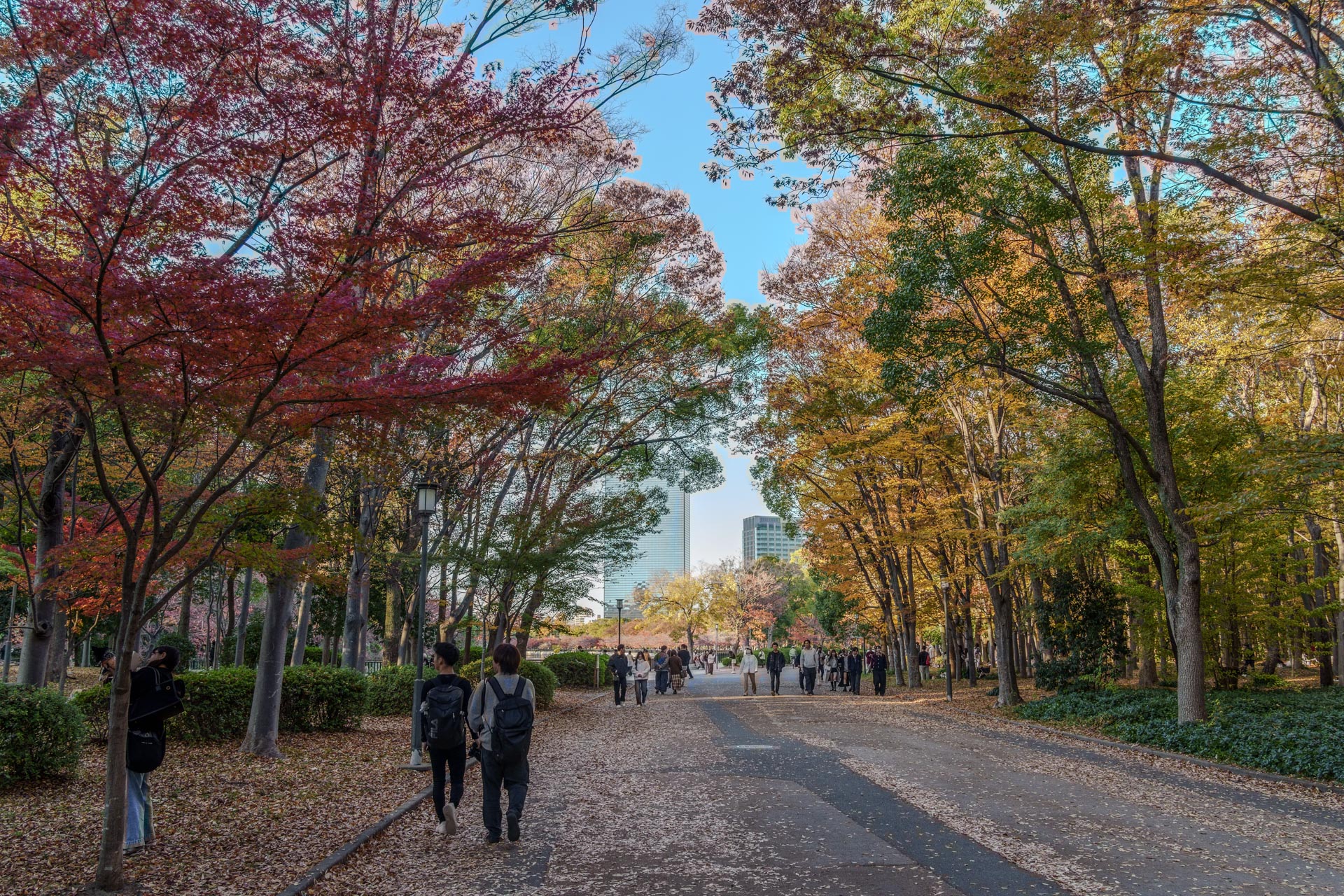
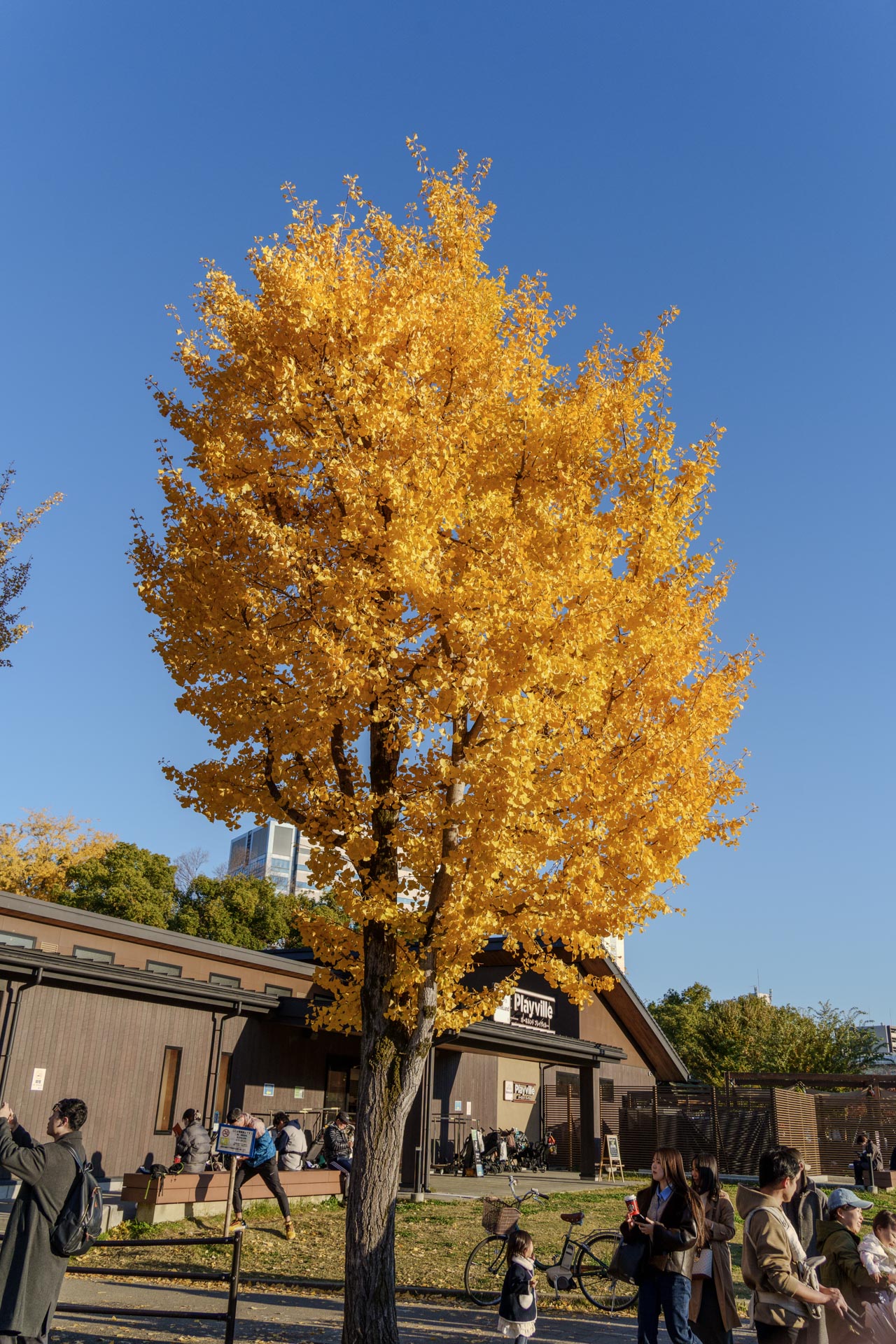
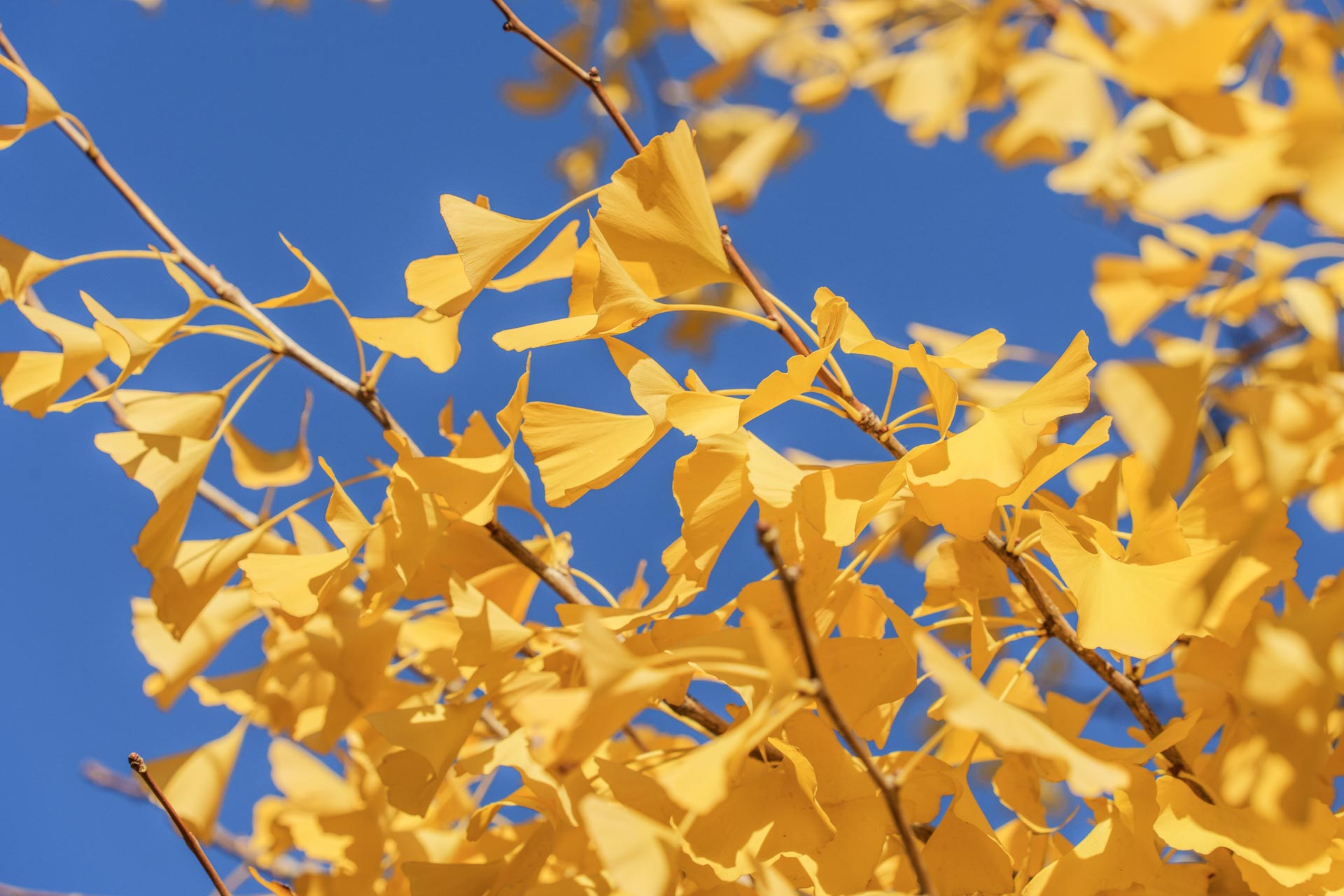
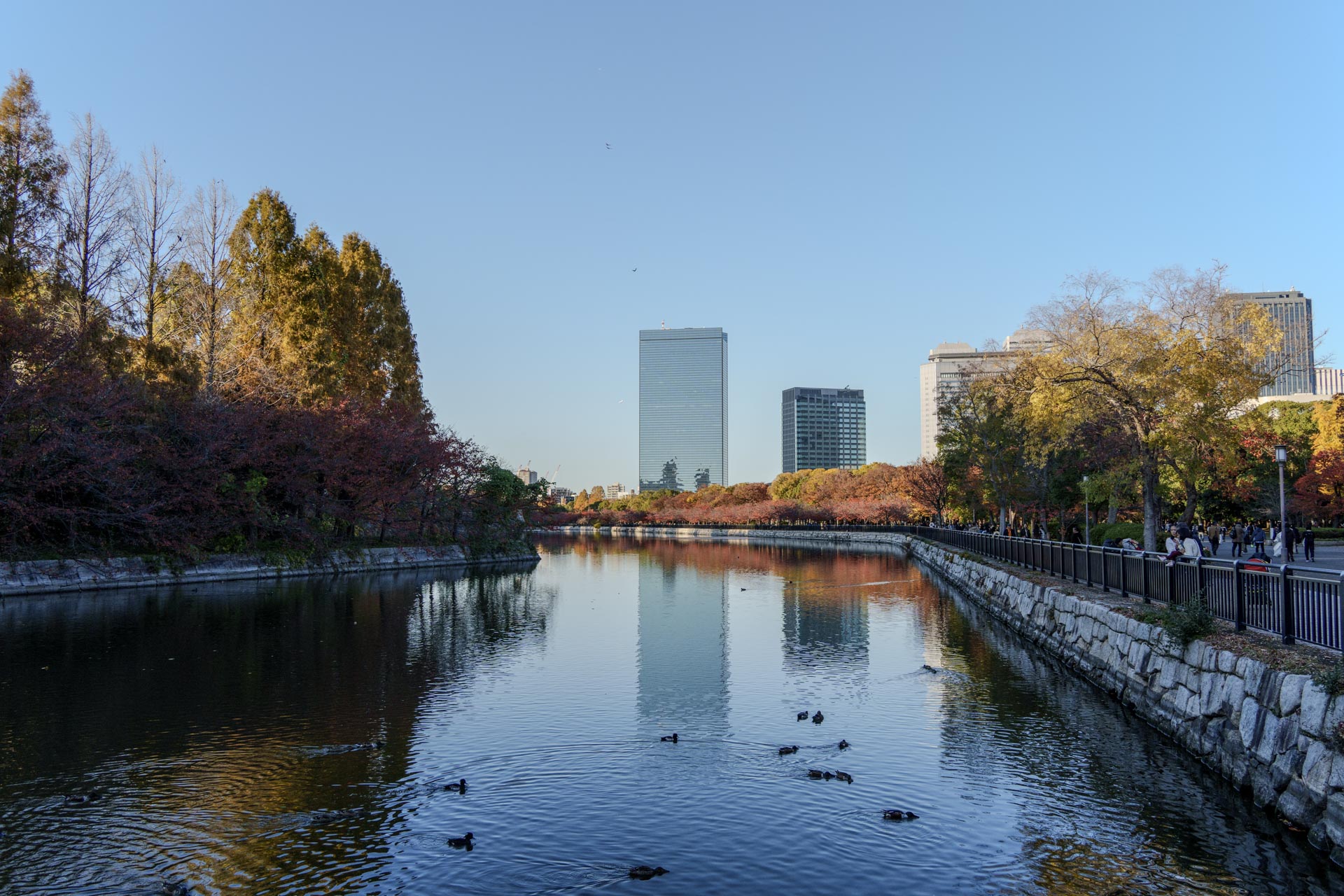
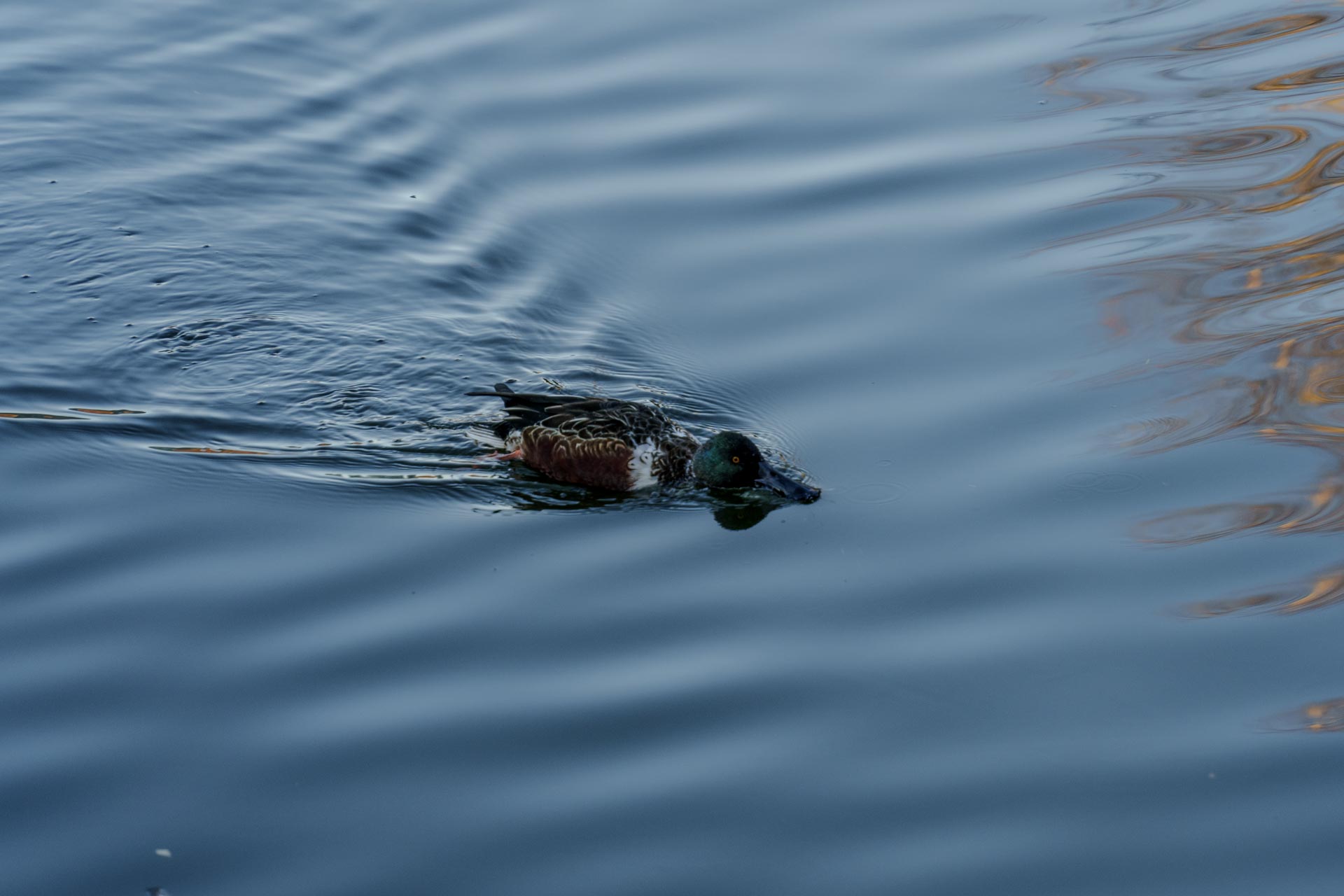
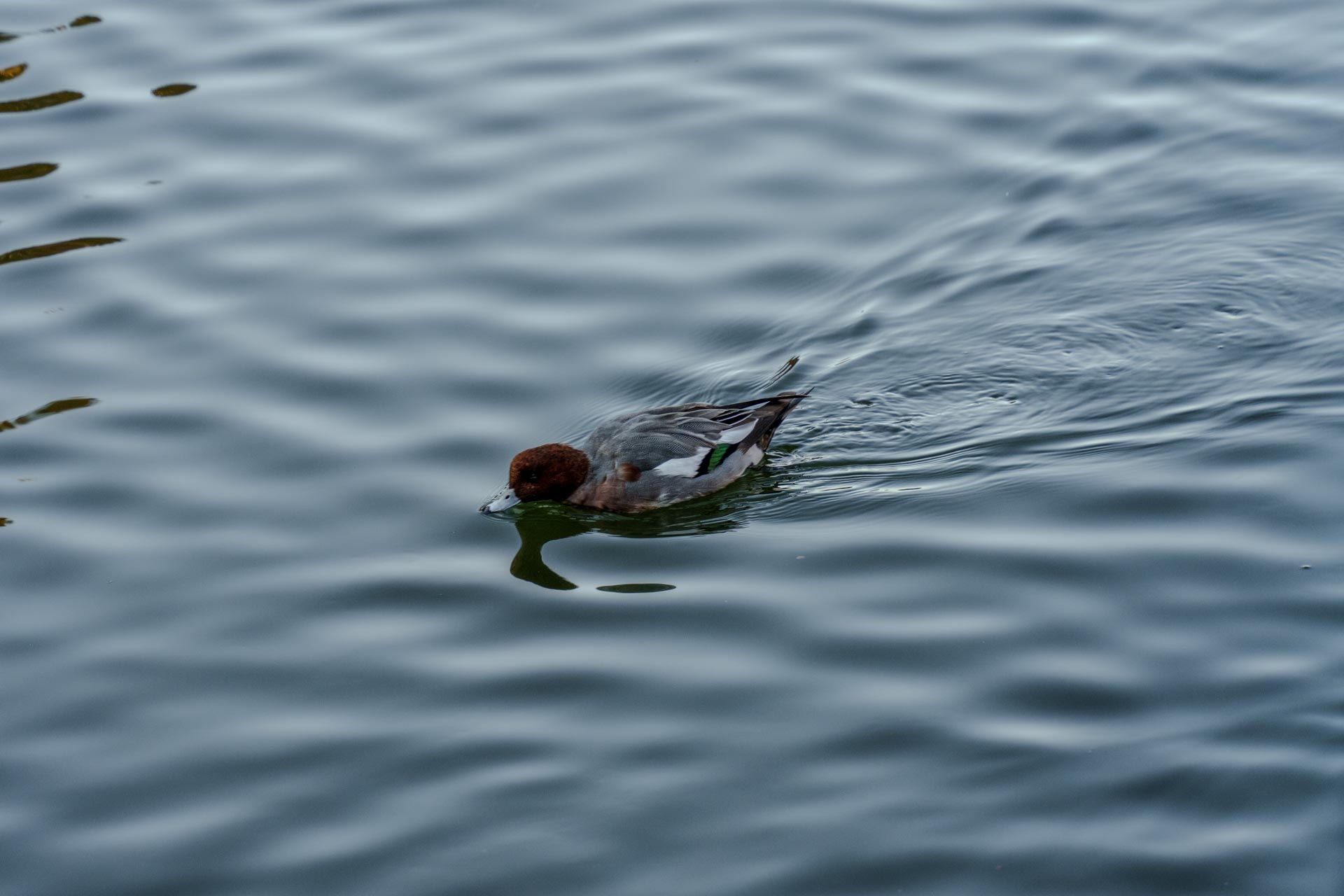
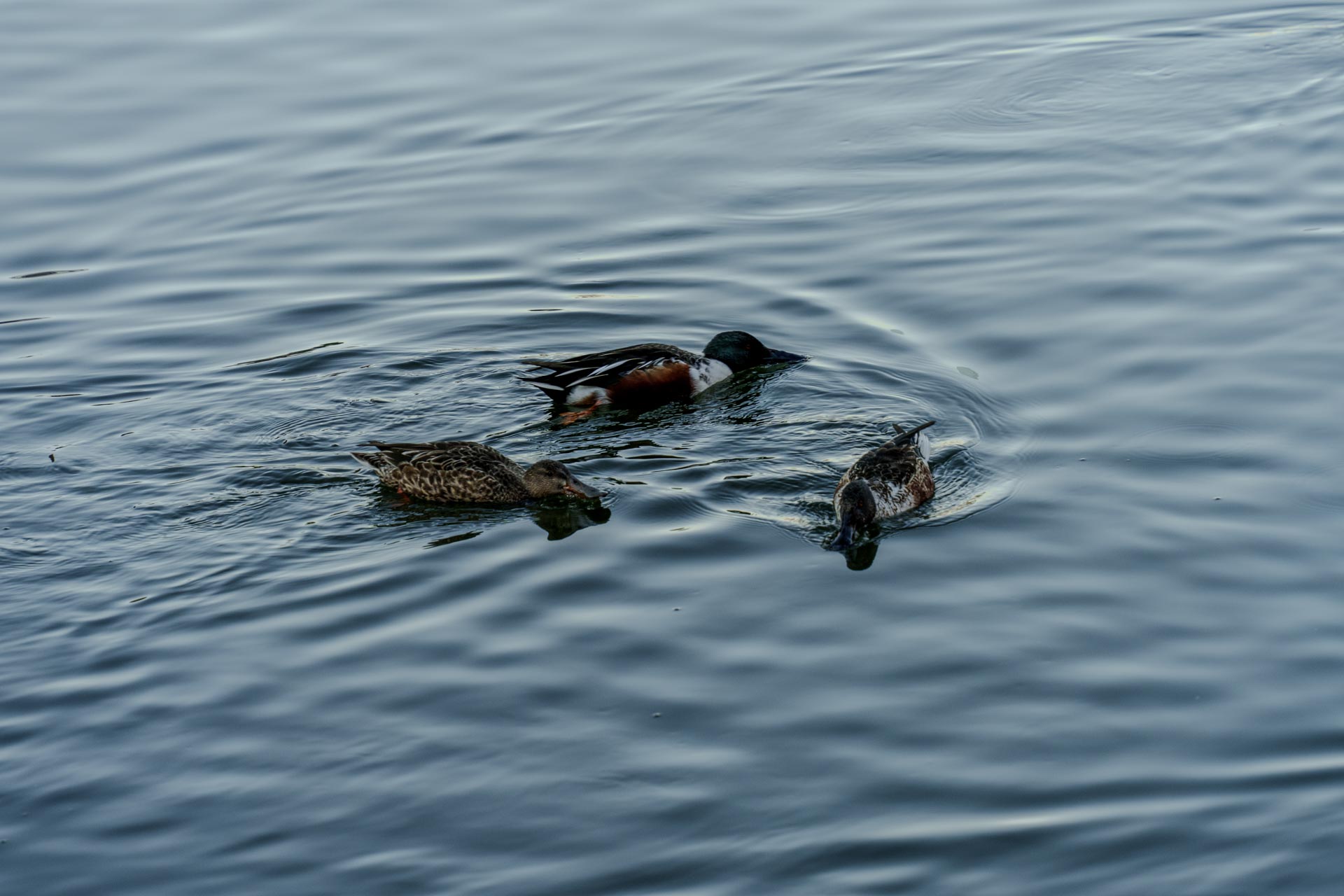
The ducks in the moat of Osaka Castle were lively and cheerful.
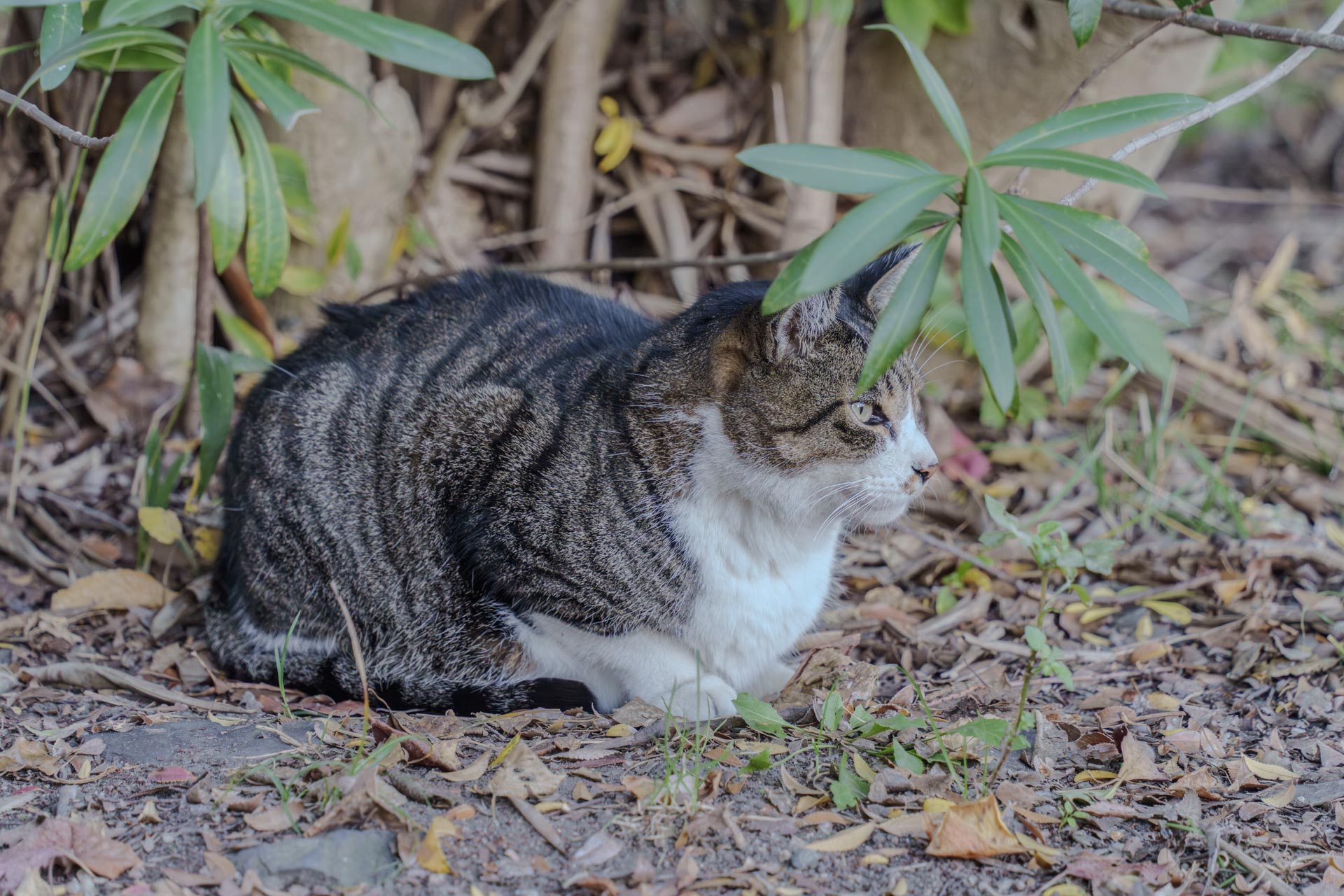
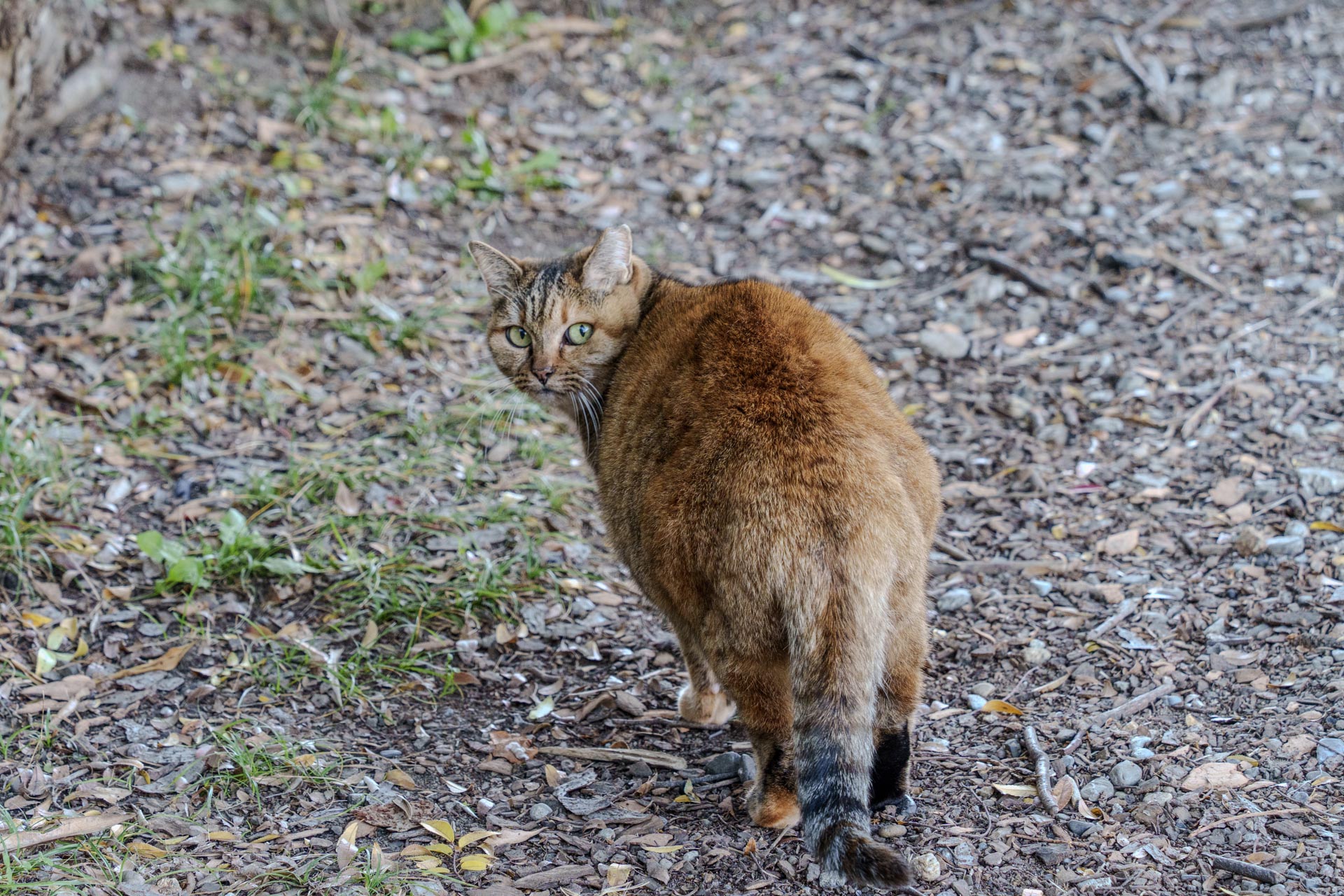
There was a cat hiding in the bushes, and another one outside. An elderly Japanese man noticed me taking photos of the cats and smiled at me warmly. I smiled back. The kindness from a stranger eased my worries a little.
When we reached the base of Osaka Castle Tenshukaku, we bought tickets (about 55 RMB) and went inside. There were many exhibits in the tower, along with plenty of explanations about its history. I wasn’t particularly interested in these, mainly because I don’t really have a clear understanding of Japan’s dynastic history.
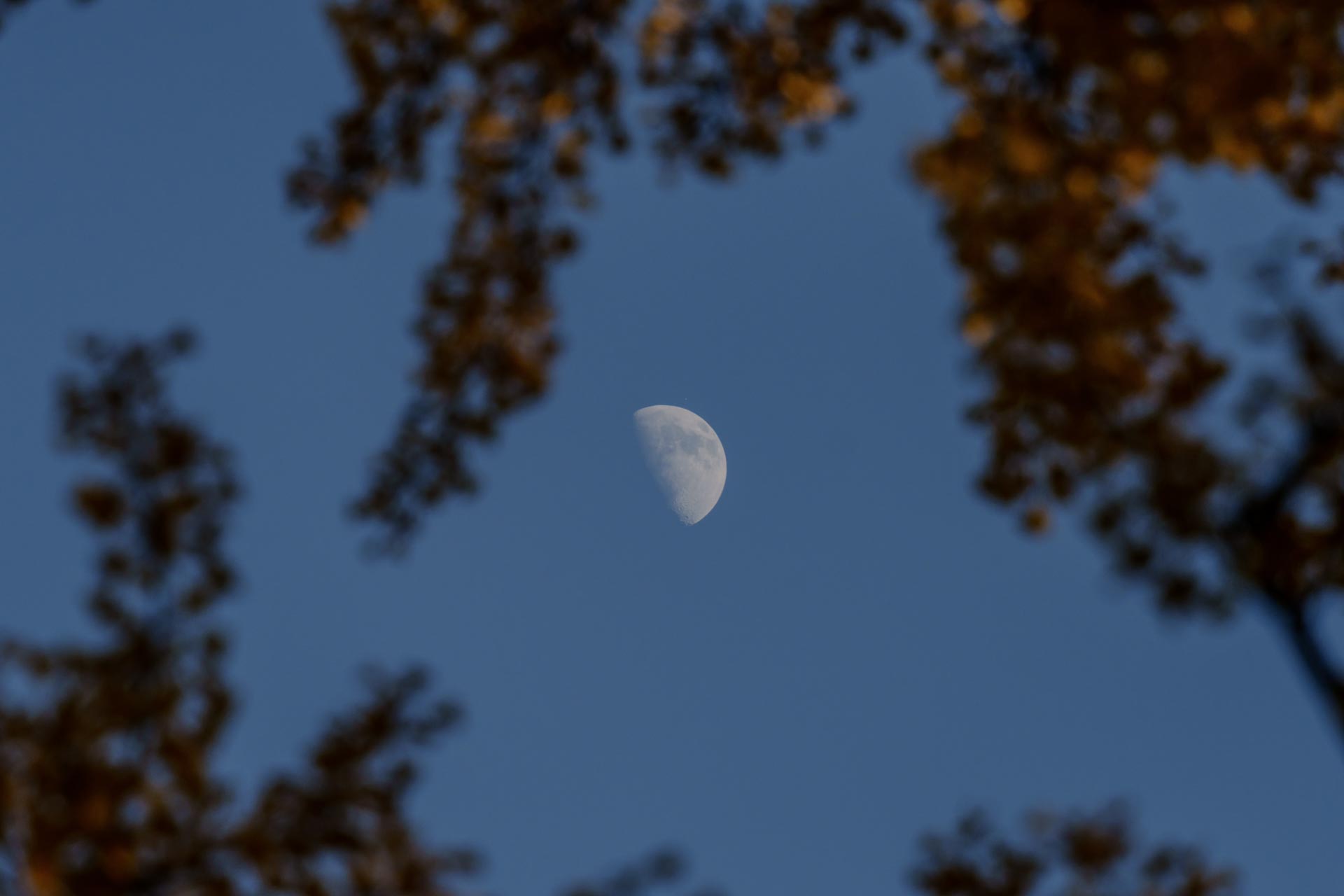
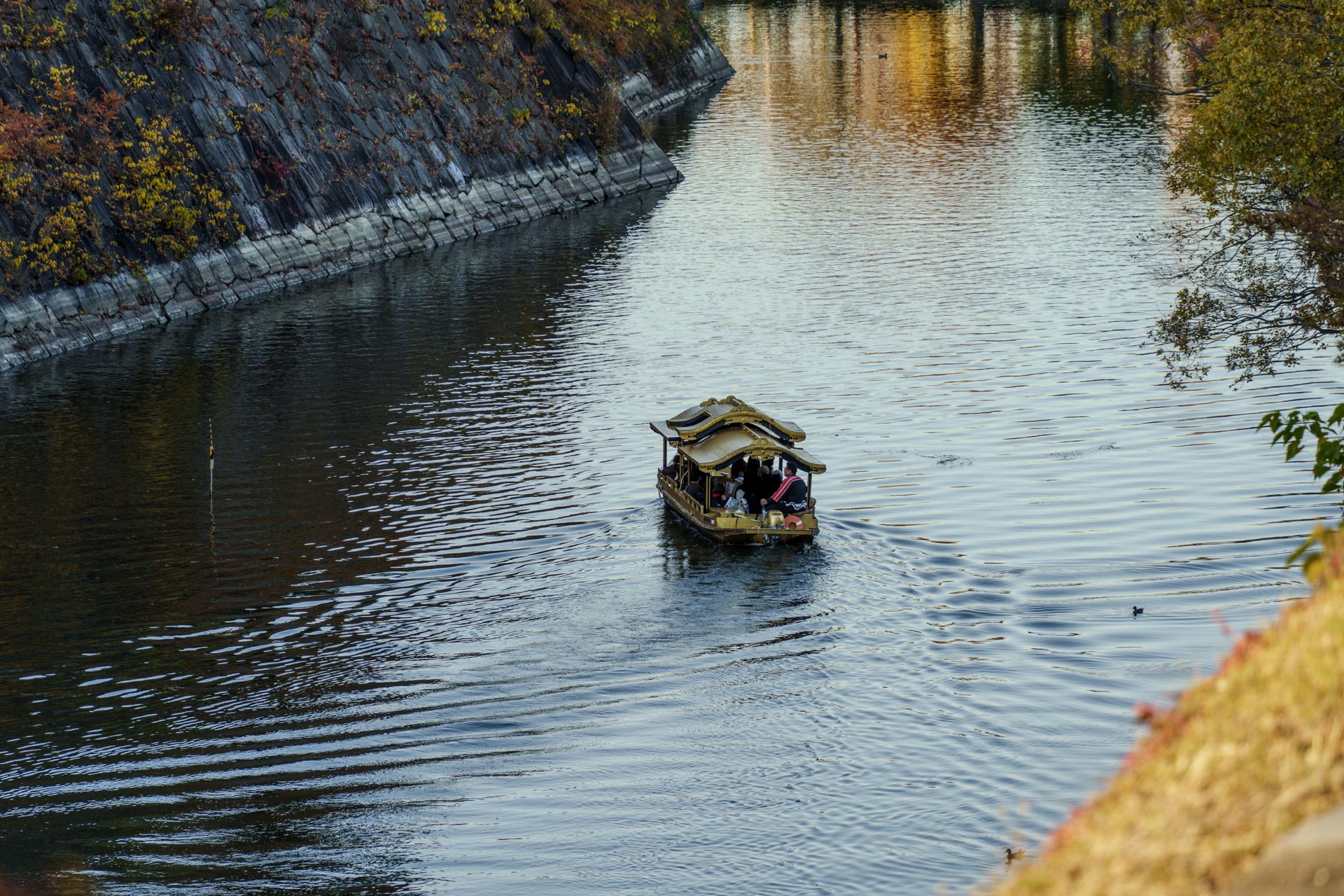
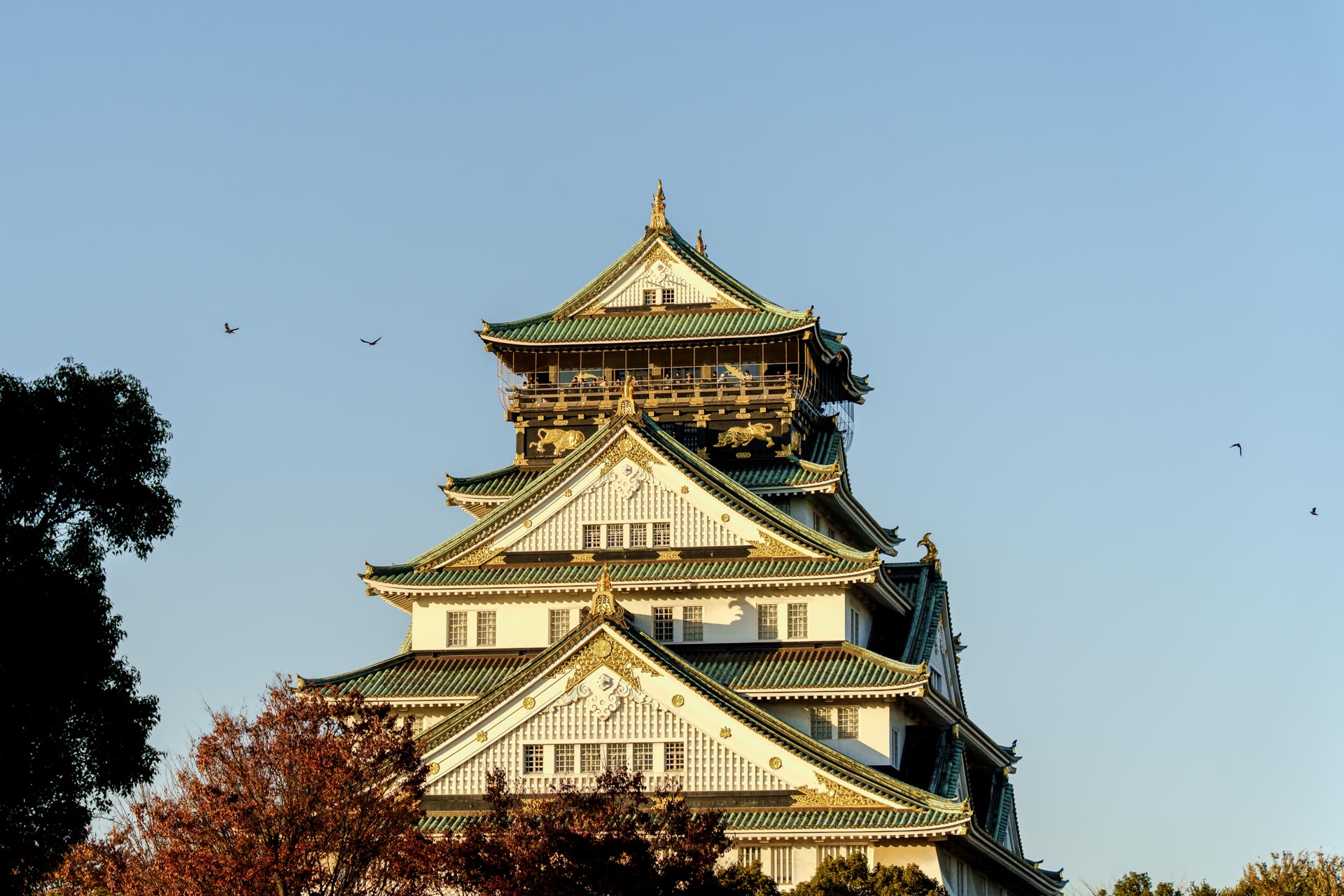
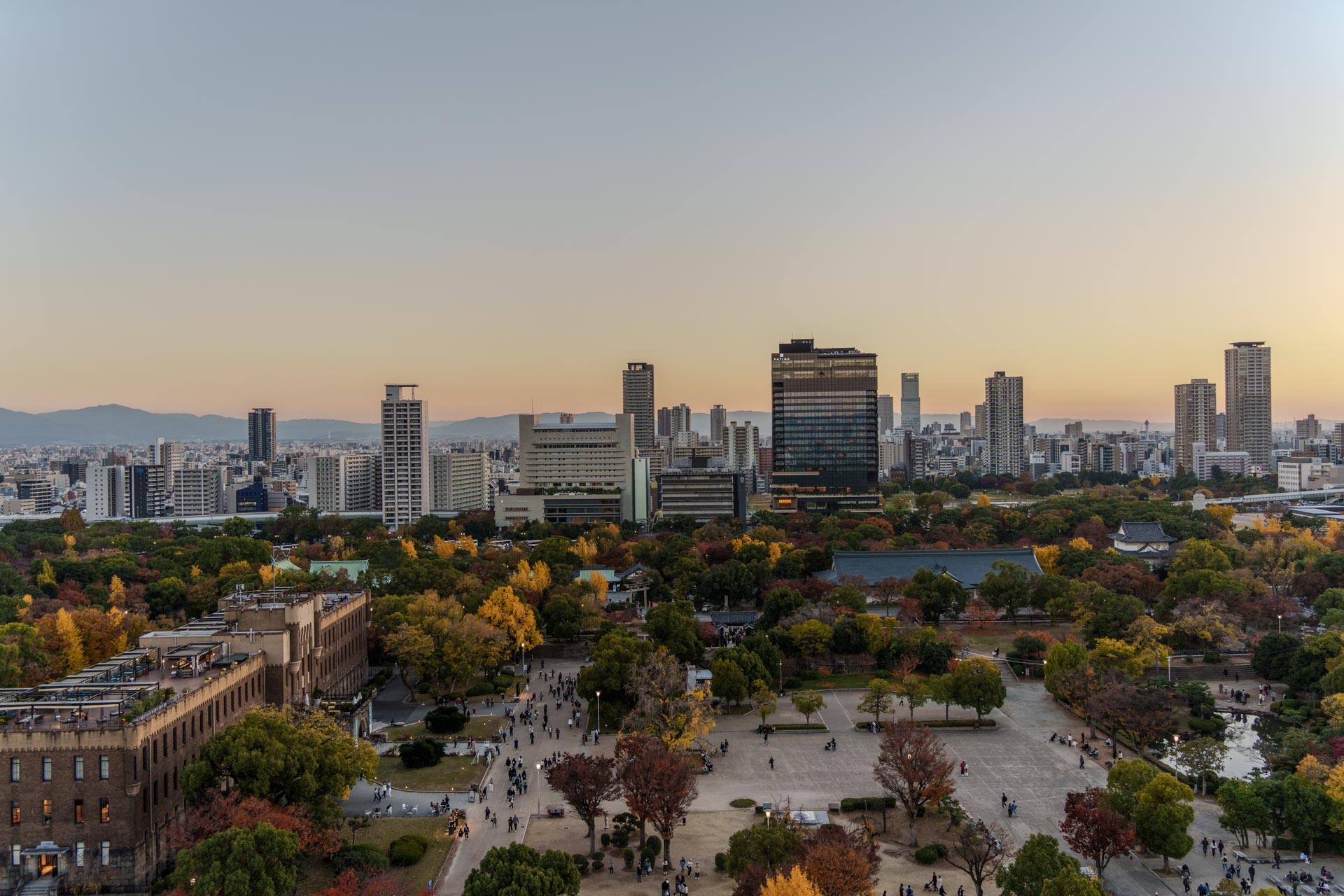
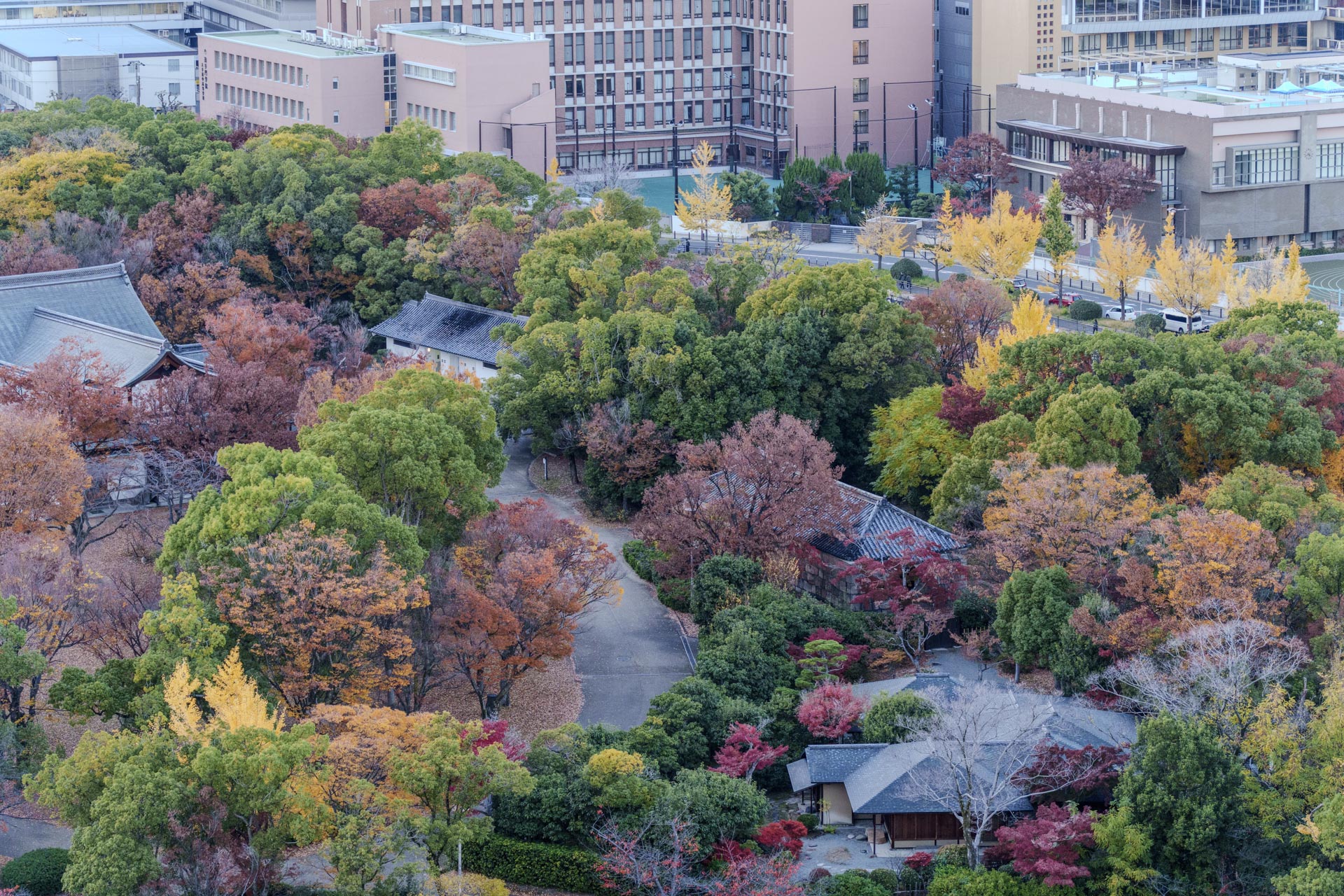
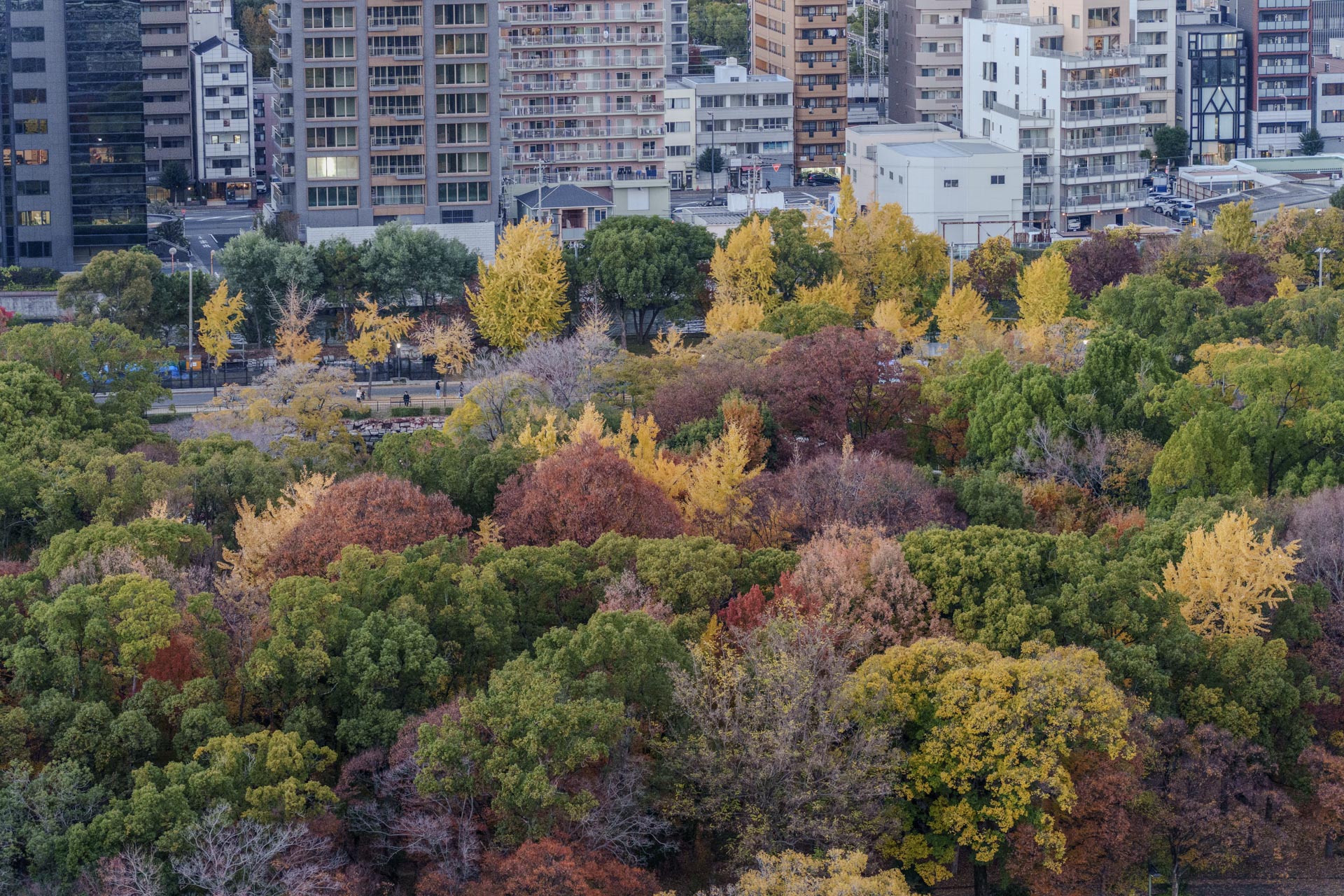
At sunset, standing on the observation walkway at the top of the Tenshukaku and looking out over Osaka Castle and its surroundings was actually a very nice experience.
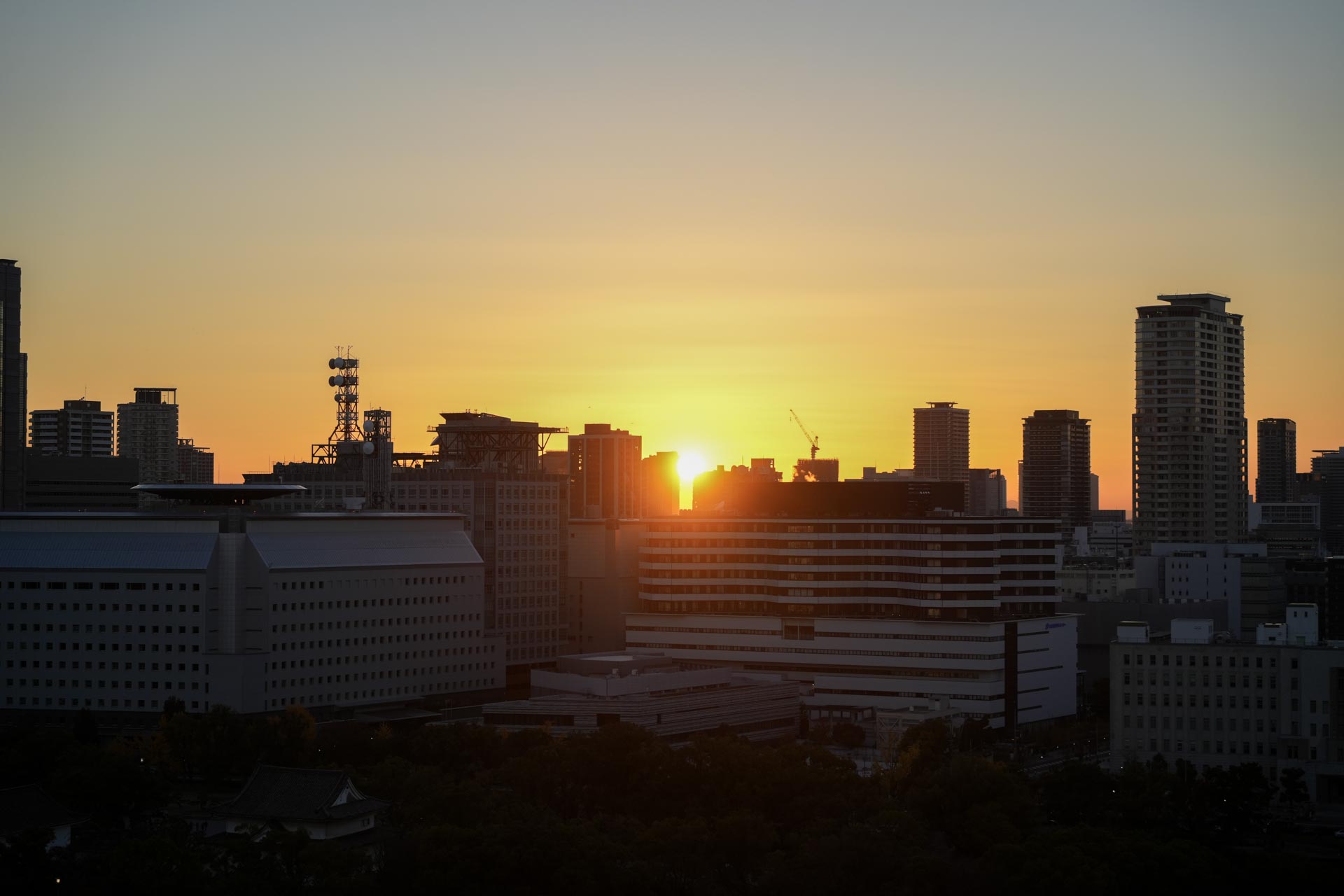
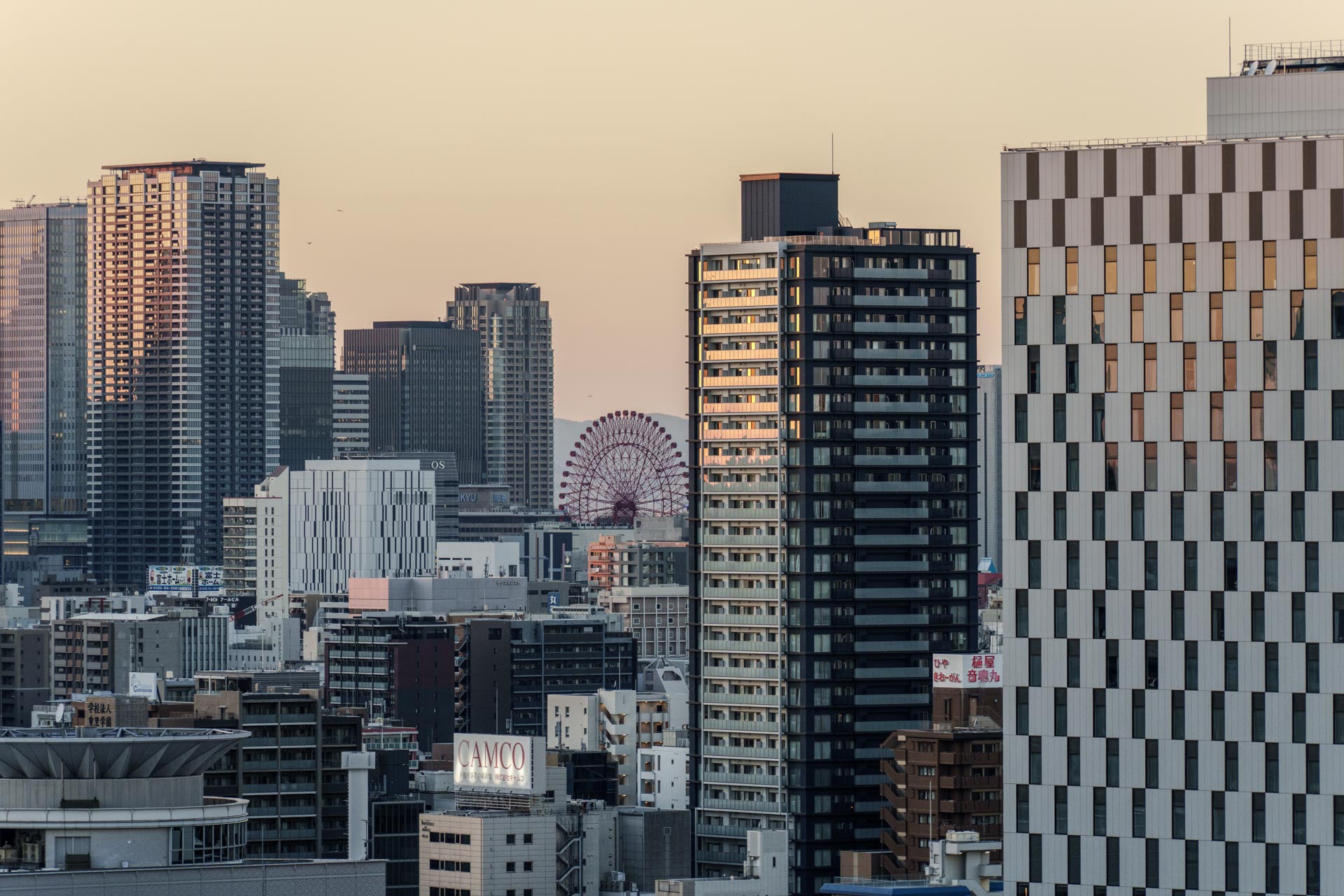
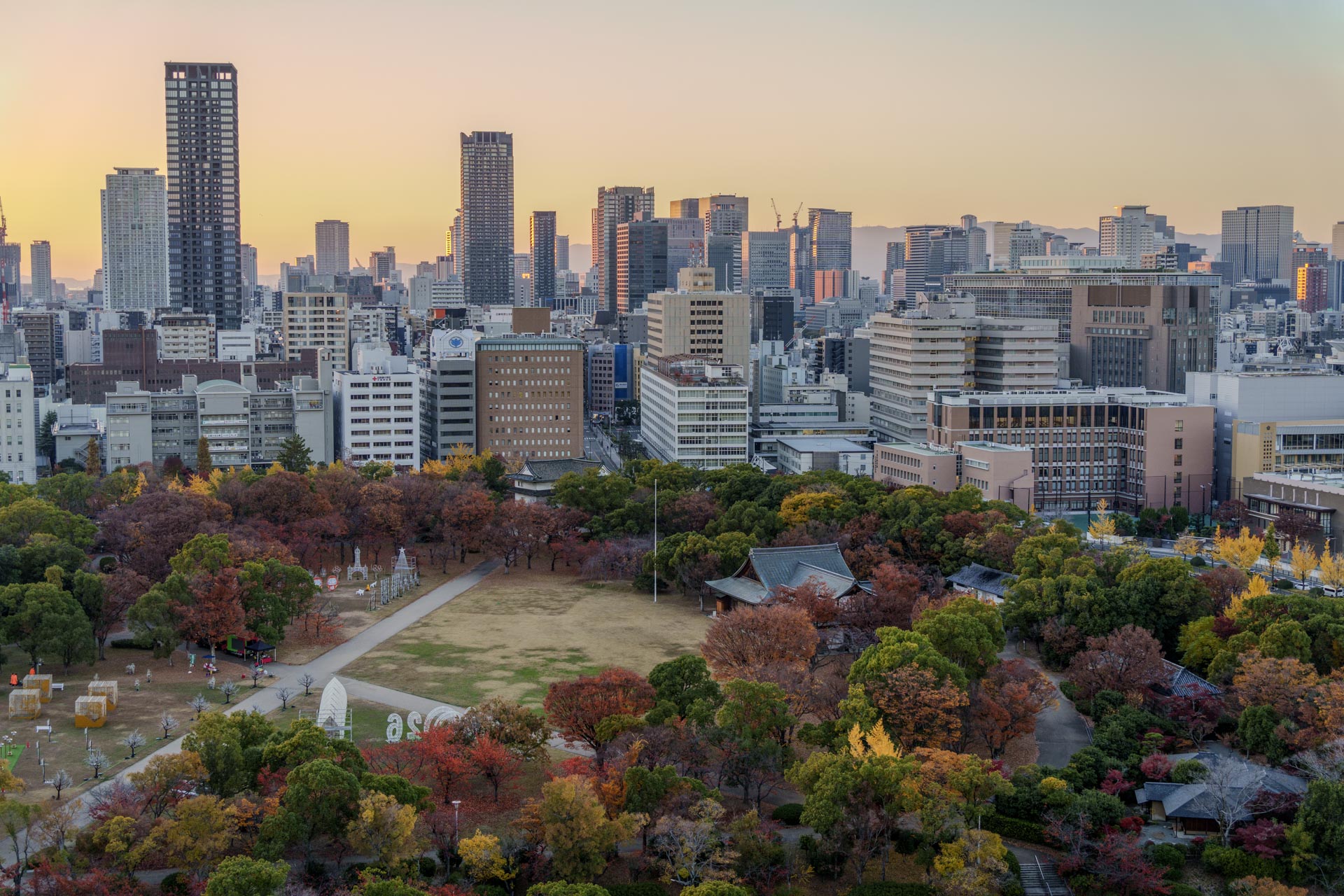
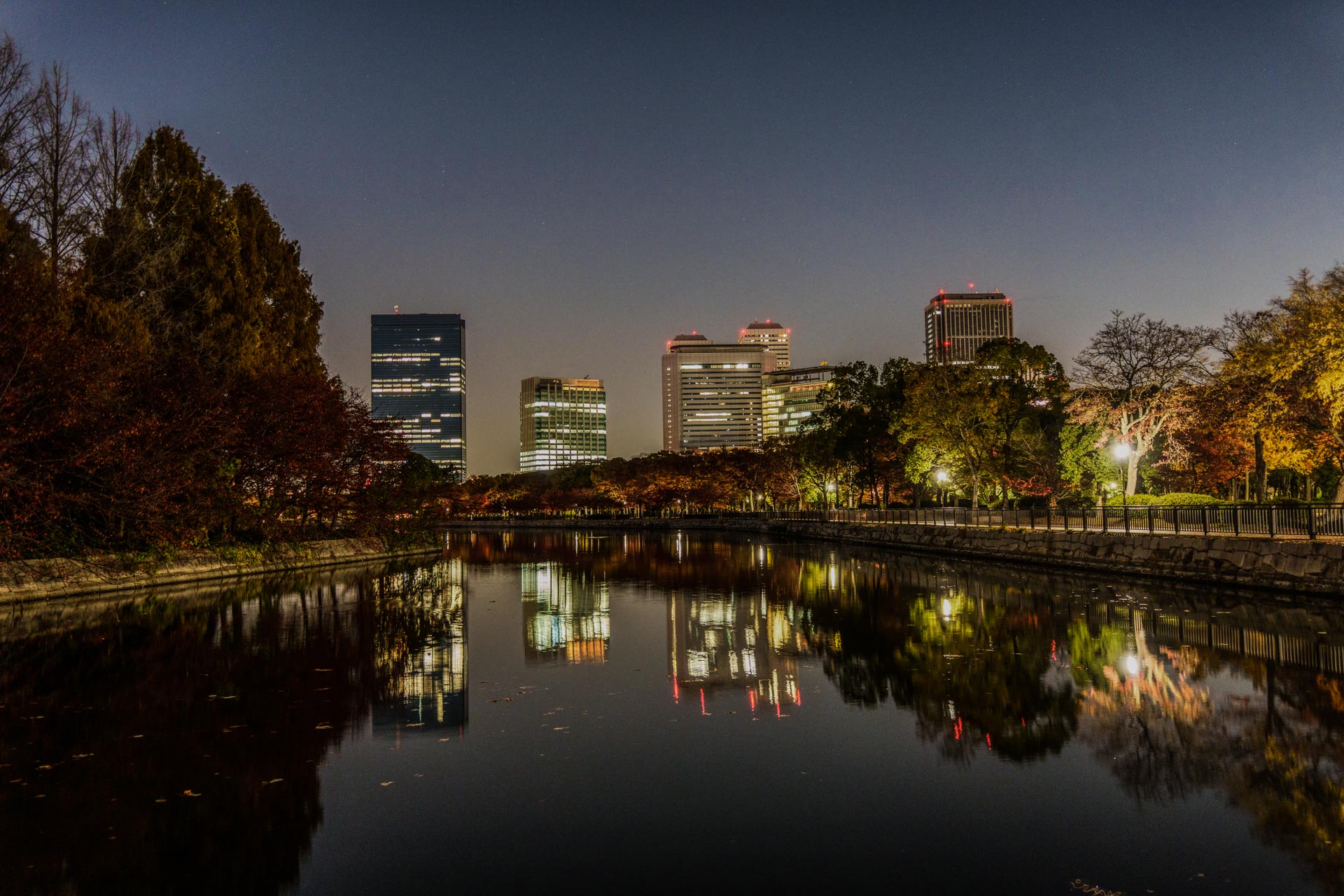
As night fell, we prepared to head to the area near Shinsaibashi to find something to eat.
Tonight we had a yakiniku buffet, and it was delicious. The meat was rich in fat, tender, and flavorful—absolutely satisfying.
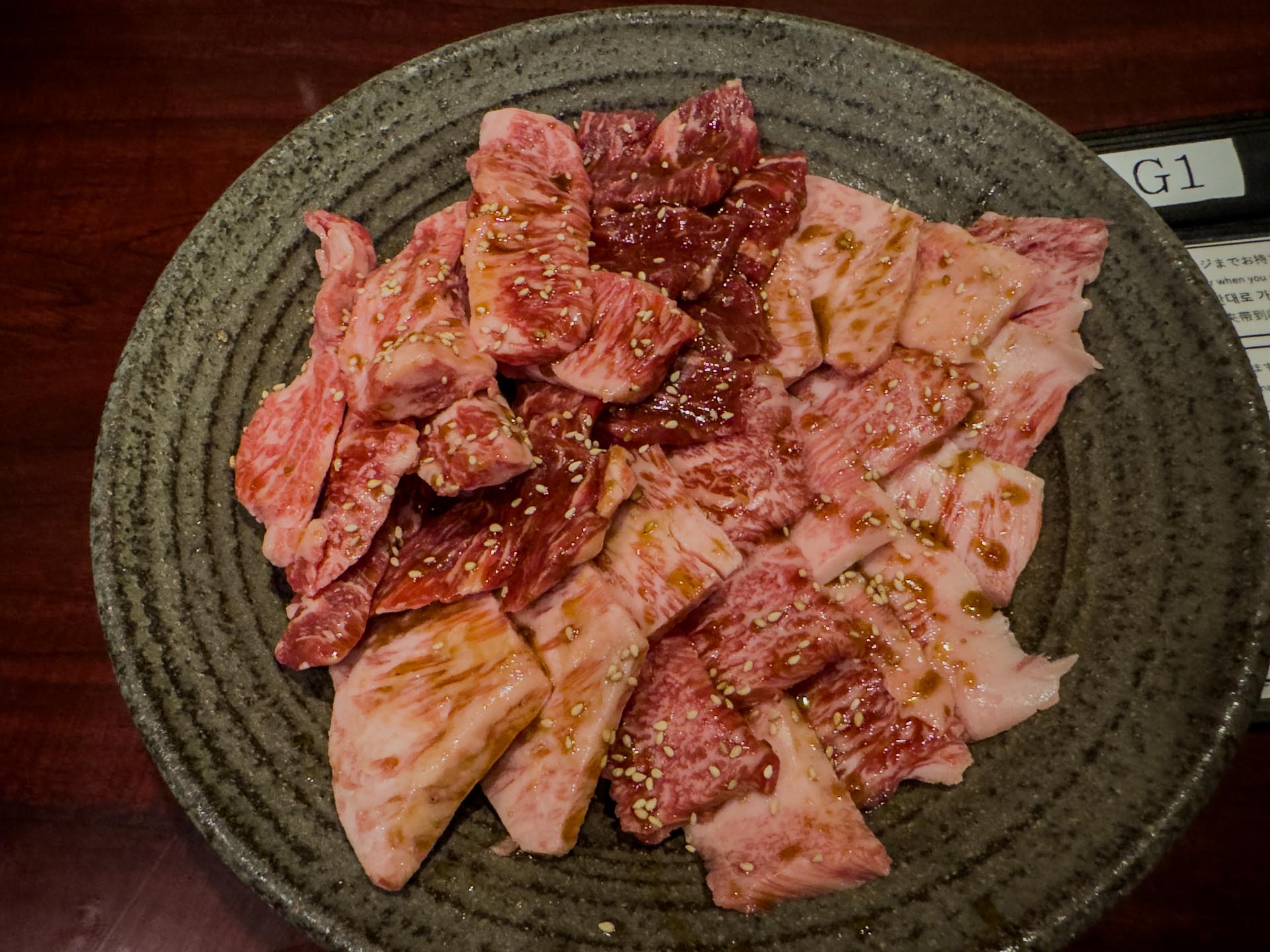
After dinner, we took a ride back to the hotel to rest.
Day 2 · Osaka
The weather today is really beautiful!
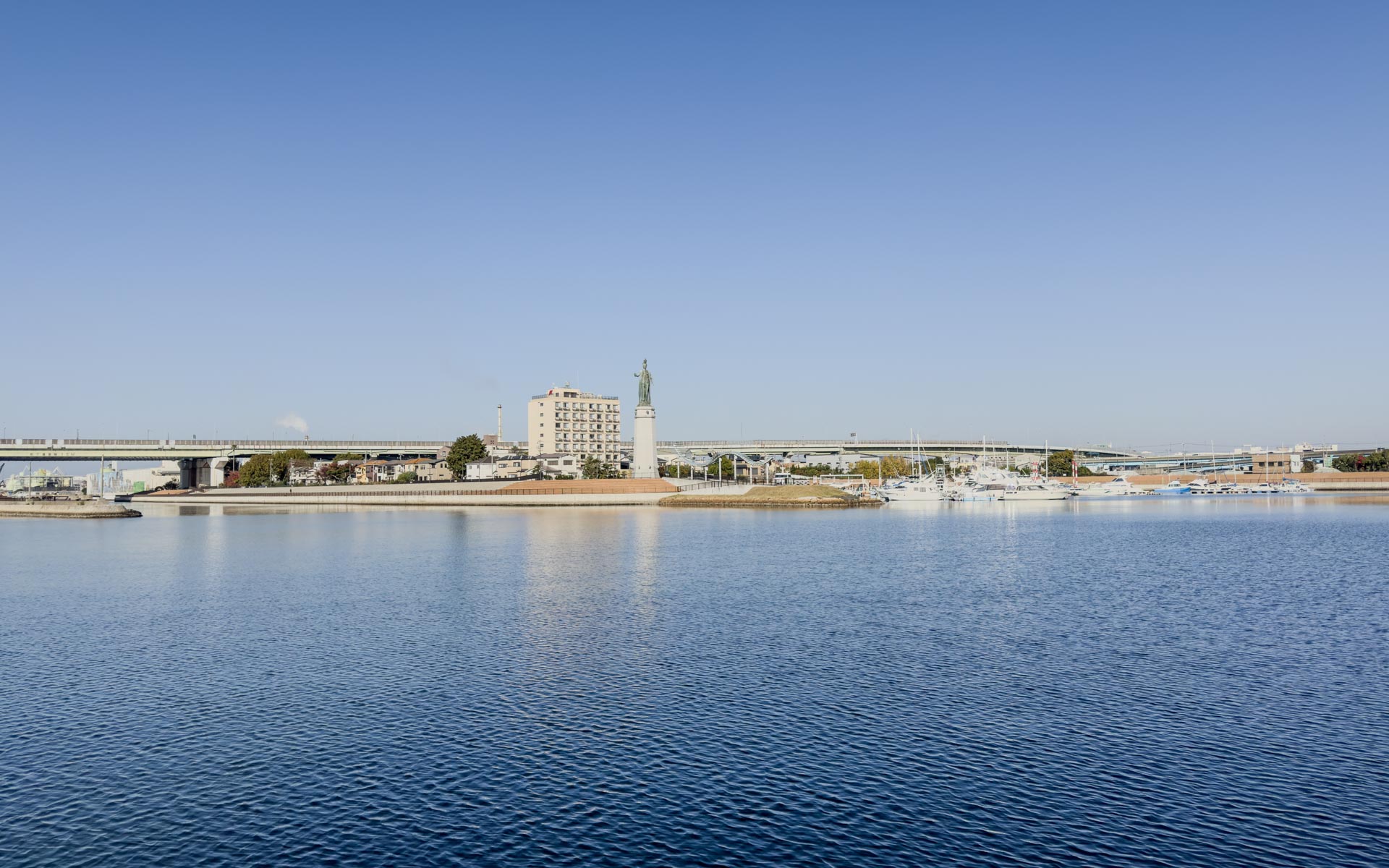
Nanzō-ji Temple
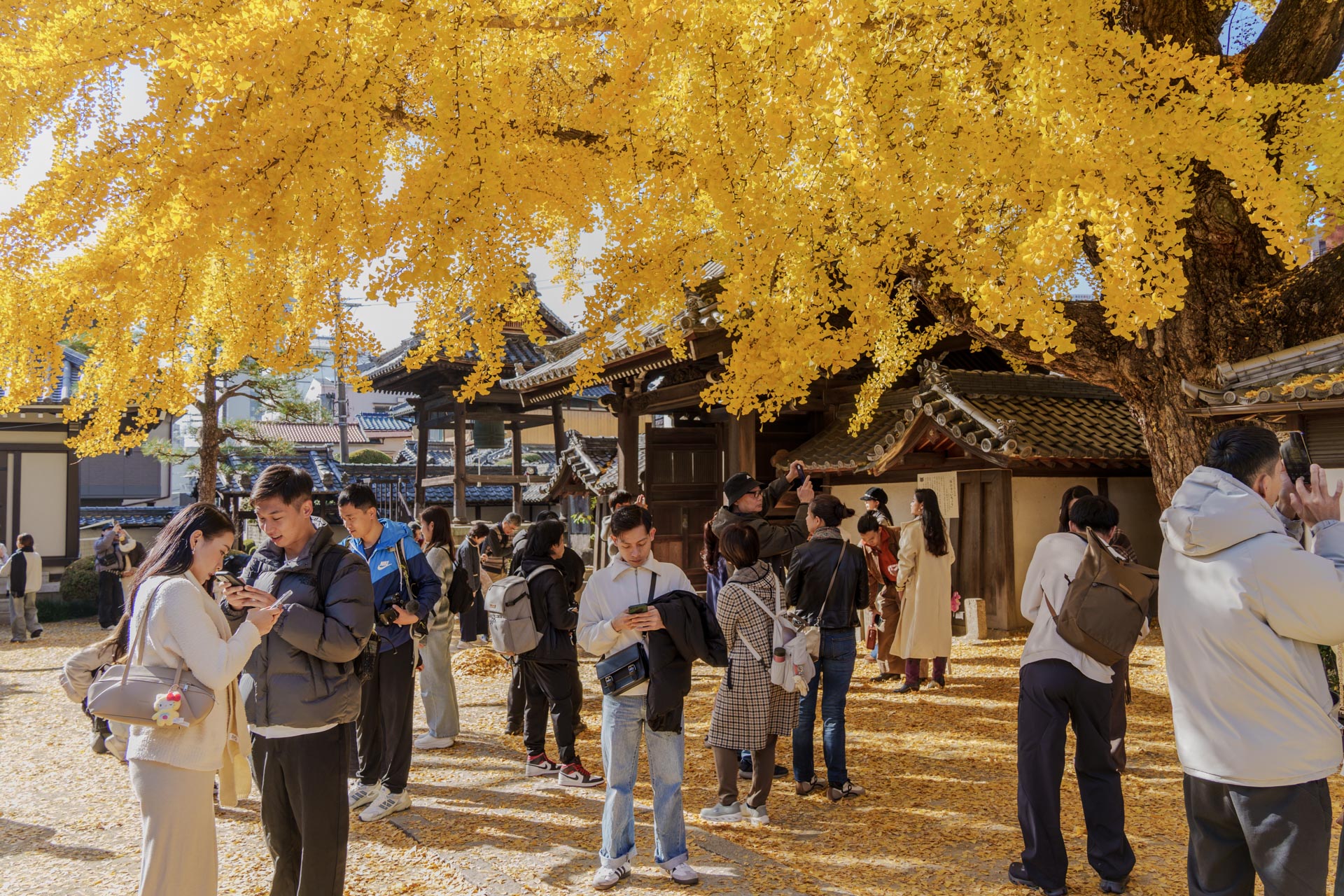
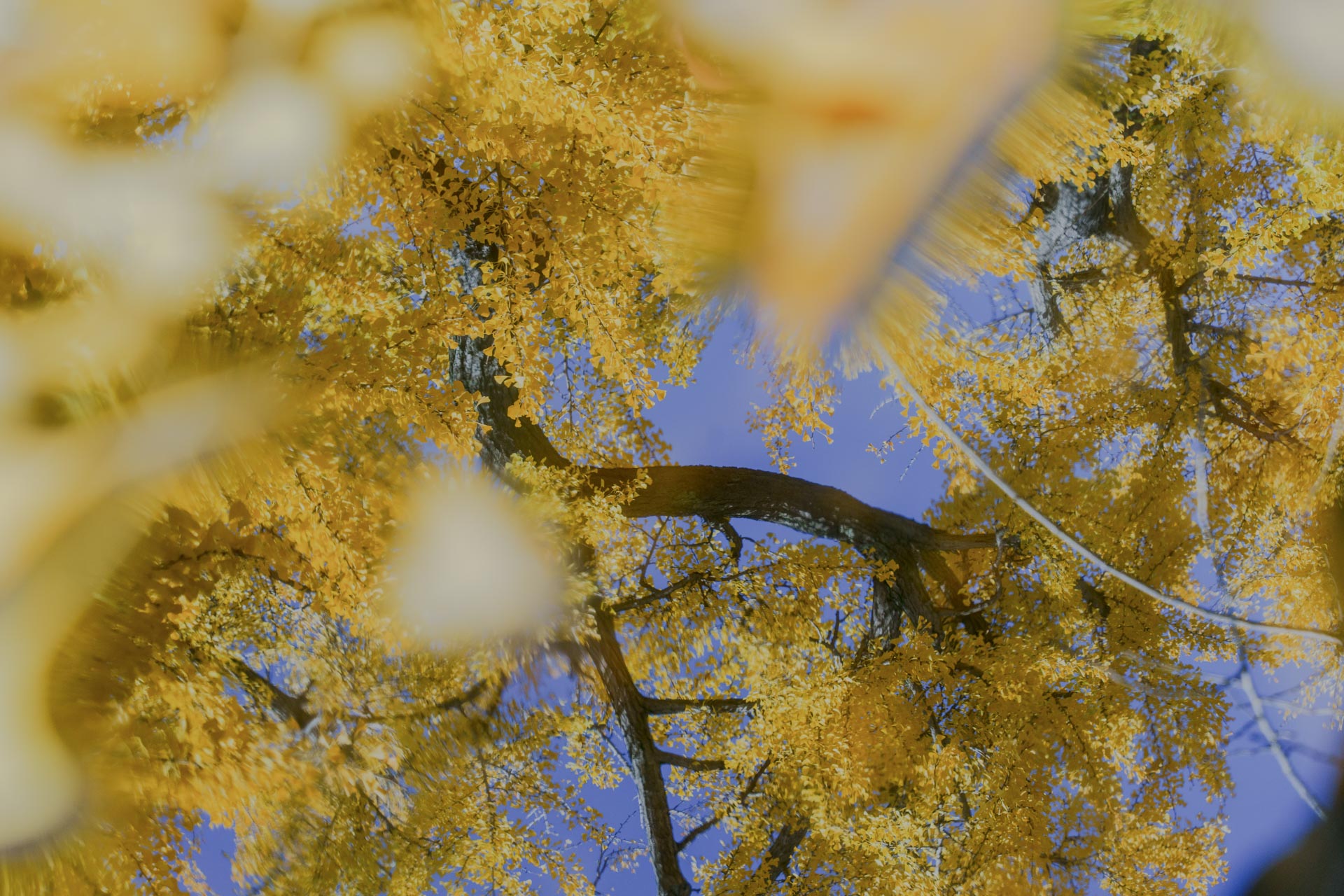
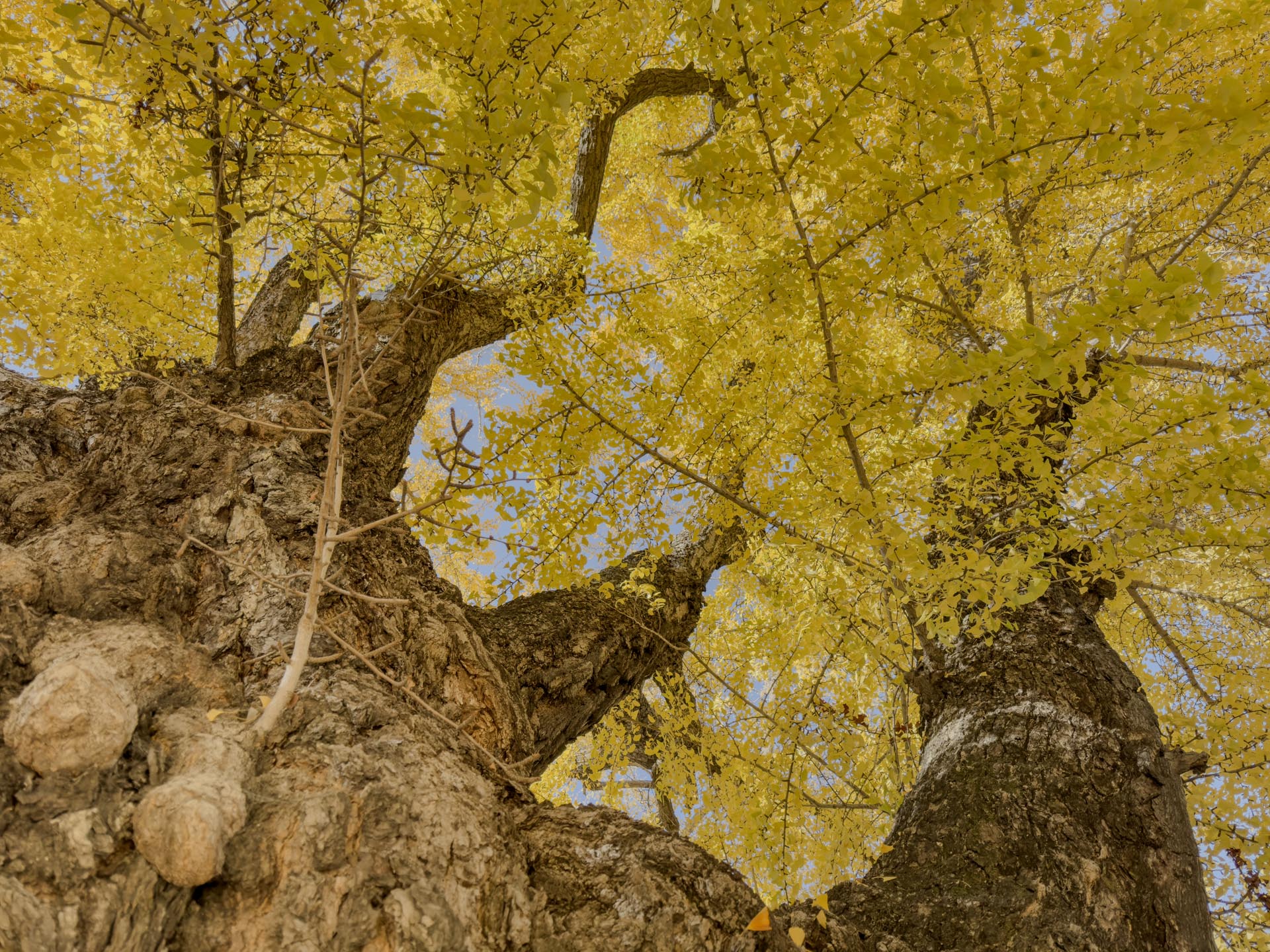
In the morning, we headed to Nanzō-ji Temple. I had seen on Xiaohongshu that someone shared a photo of a large ginkgo tree here, which was at its peak viewing season.
Upon arrival, it was indeed beautiful. The sky was blue with white clouds, the sun was shining brightly, and a gentle breeze brushed my face. Nanzō-ji is quite small, and you can sit quietly in the corridor in front of the main hall to feel the Zen atmosphere.
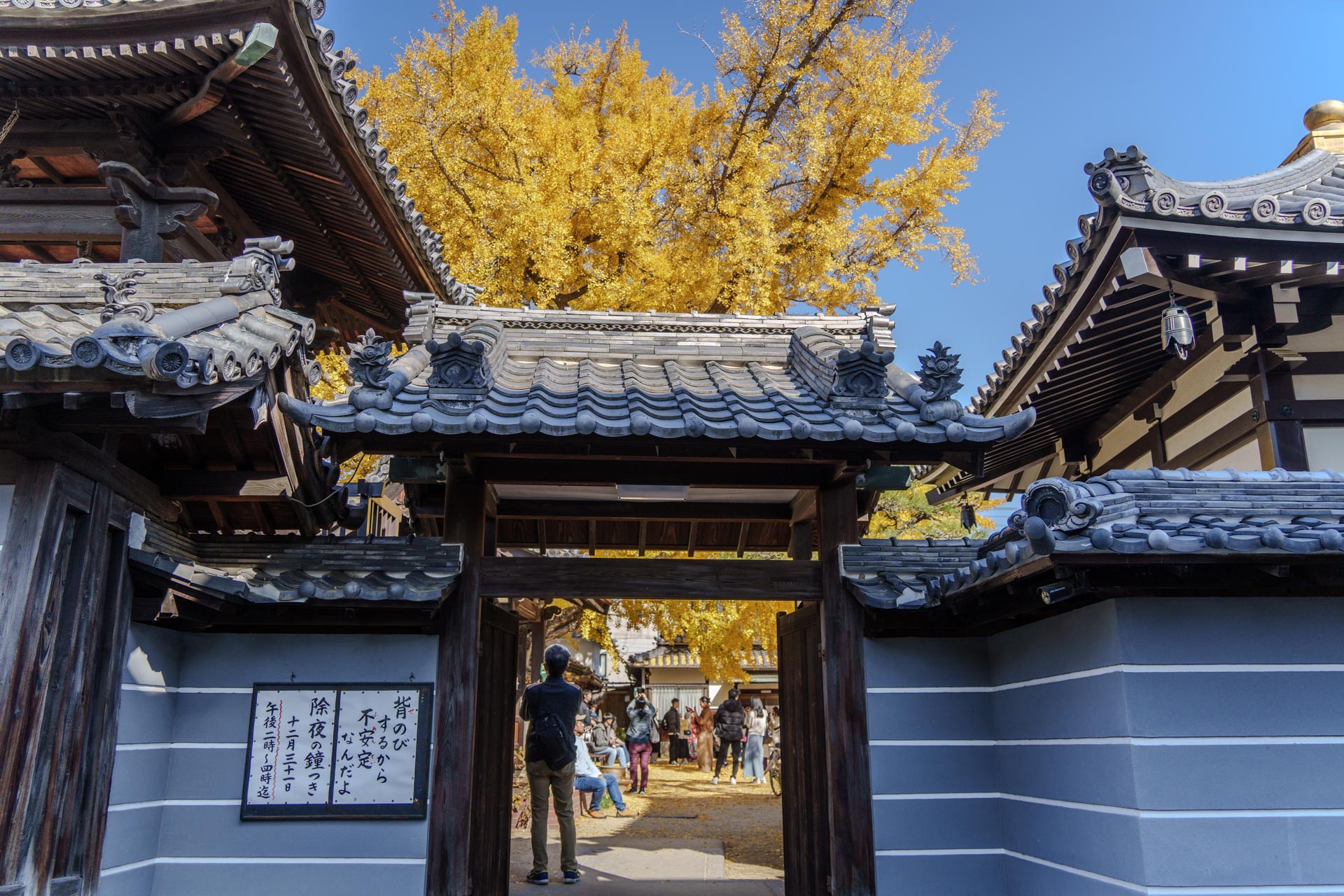
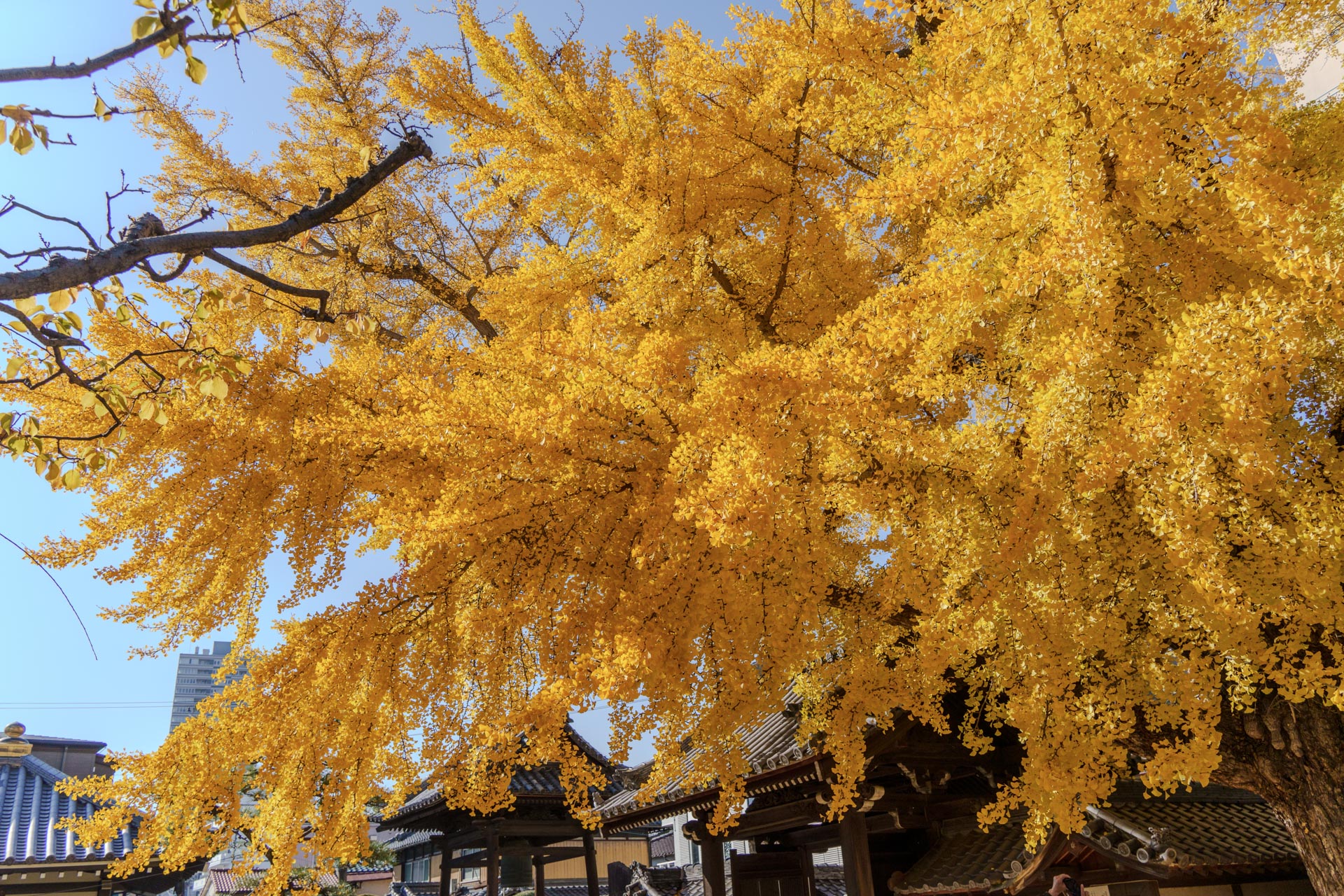
After leaving, we weren’t sure where to go next, so we thought of Expo ’70 Commemorative Park and navigated our way there. Yes, we hadn’t had lunch today 😅, only some small snacks.
Expo ’70 Commemorative Park
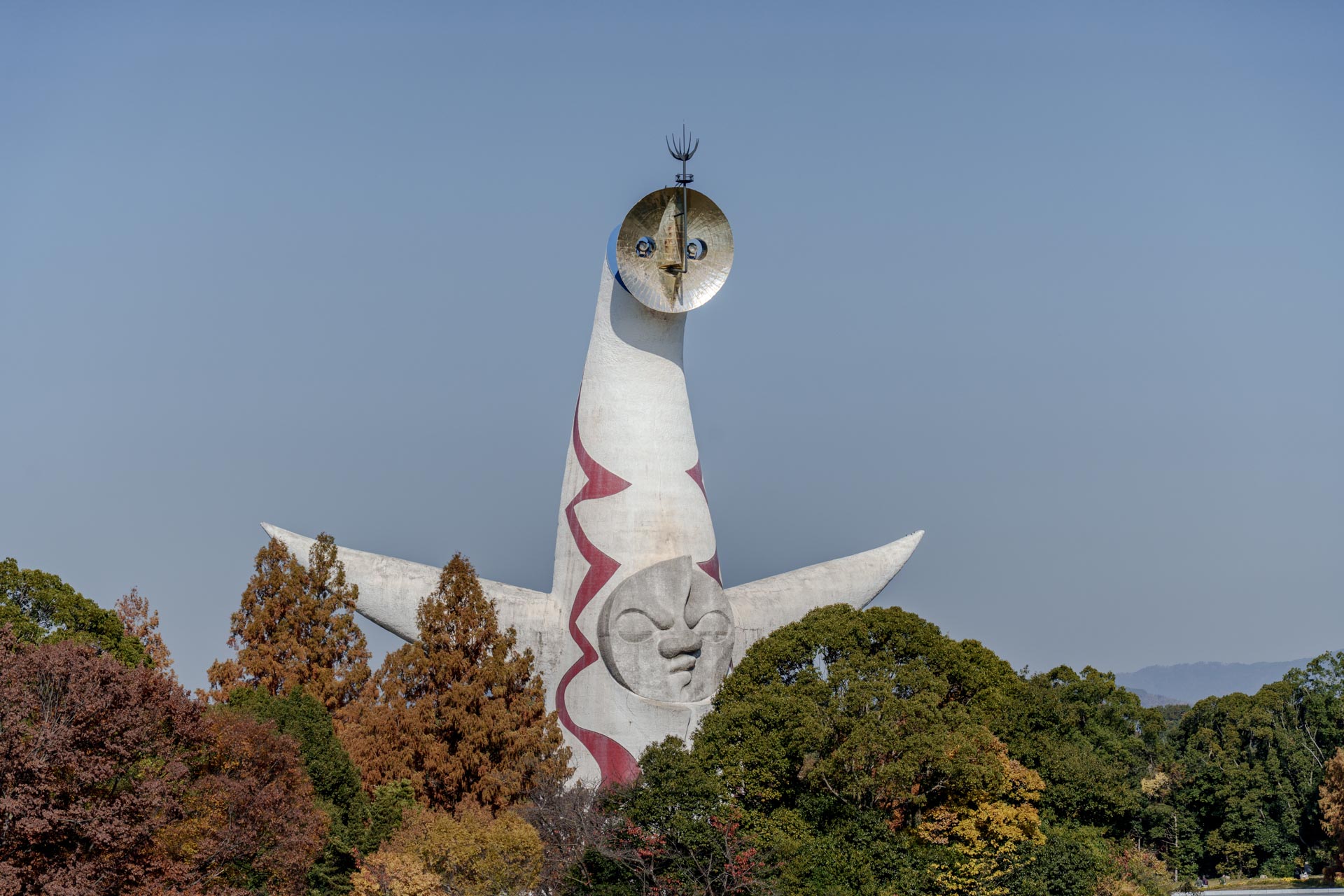
As we arrived at the station across from the park, we could already see the huge “Ya-Ha-Ha” sculpture inside. Check the map here 👉https://stroly.com/viewer/1740129557?lang=en
We bought tickets (260 JPY, about 12 RMB) to enter the park. We first went to the right side of the park, which featured displays and shops related to railways and trains (Sheldon’s Happy Zone).
Neither of us was particularly interested in the train-related exhibits, so we headed to the Japanese Garden exhibition area instead.
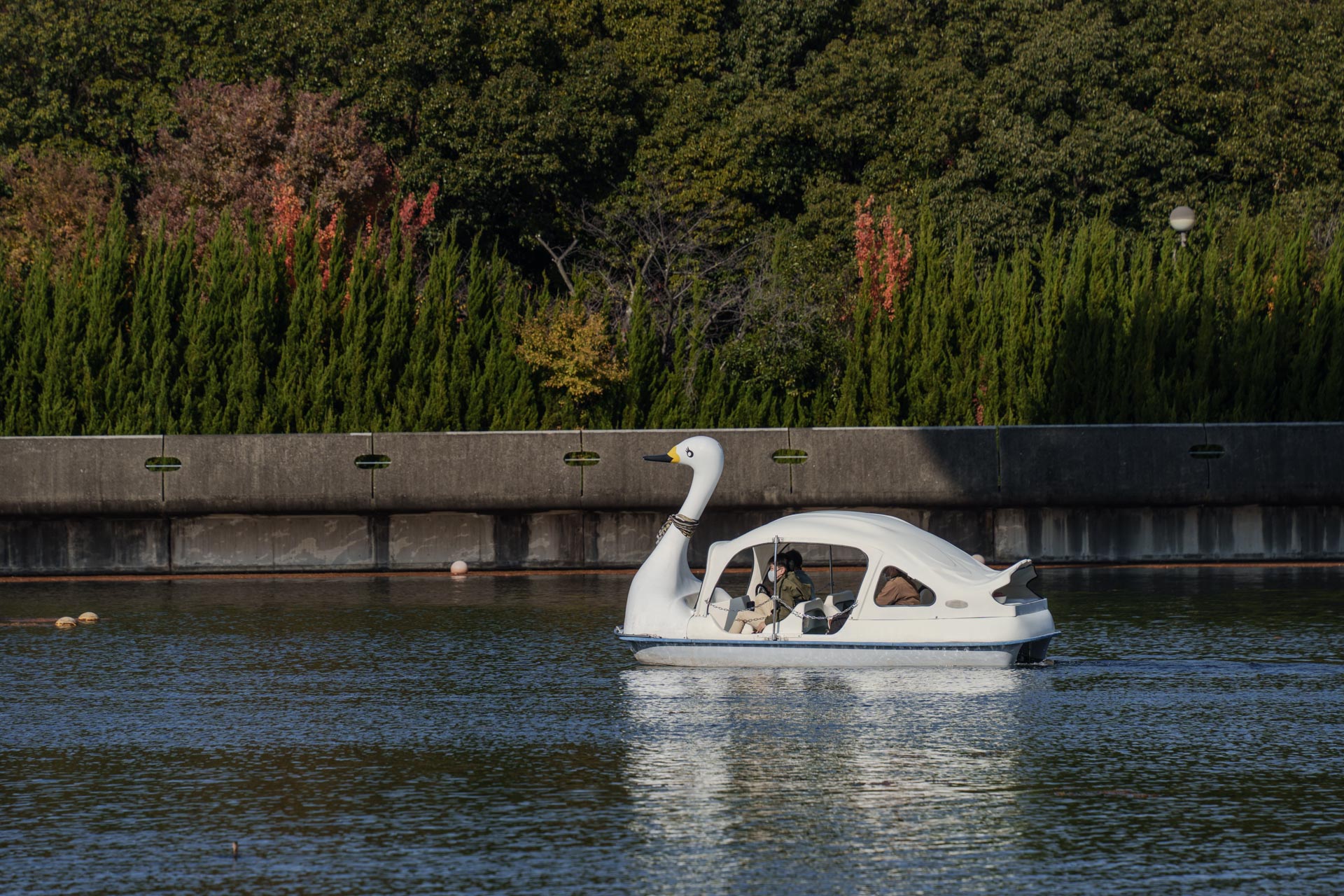
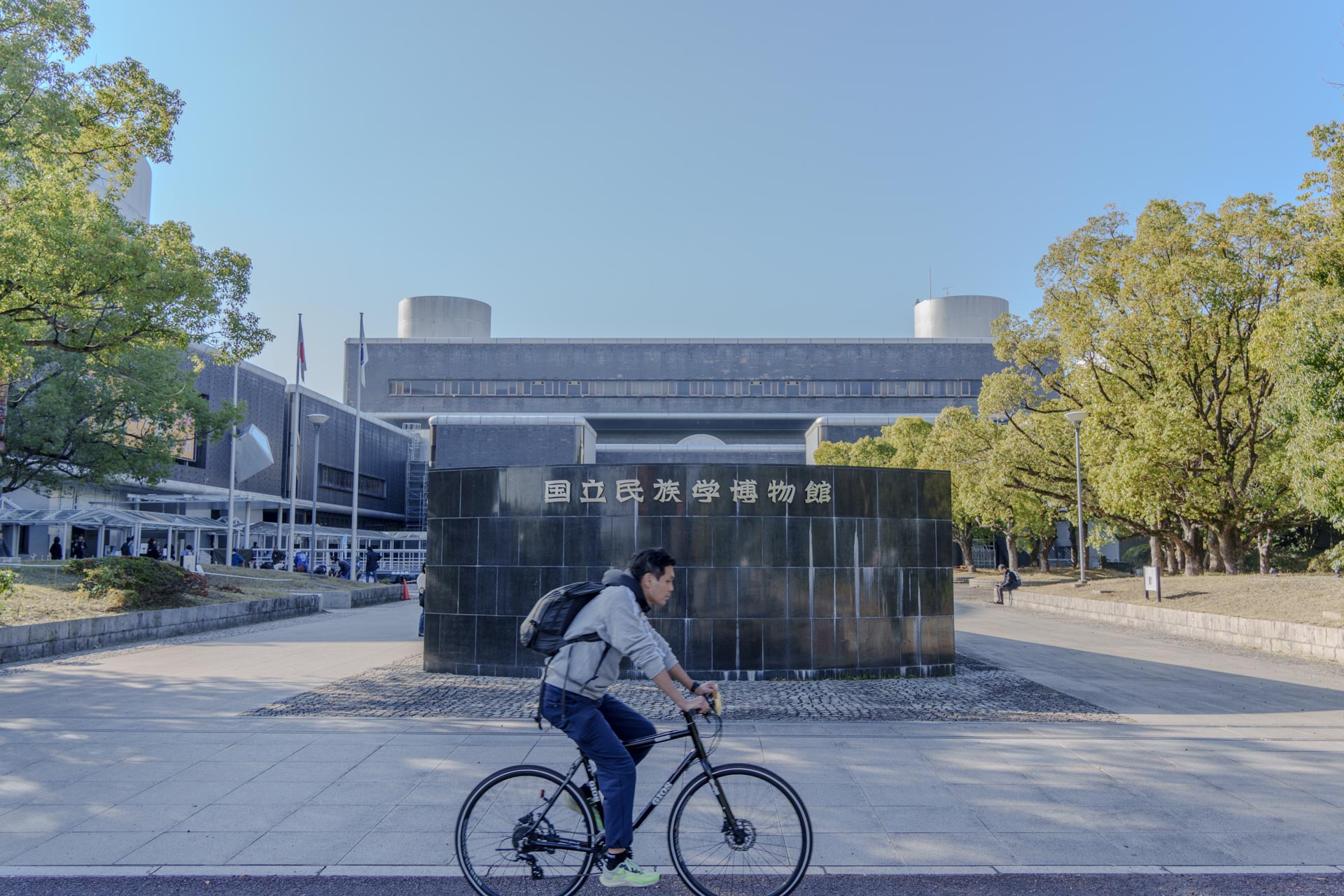
We arrived at the Japanese Garden area.
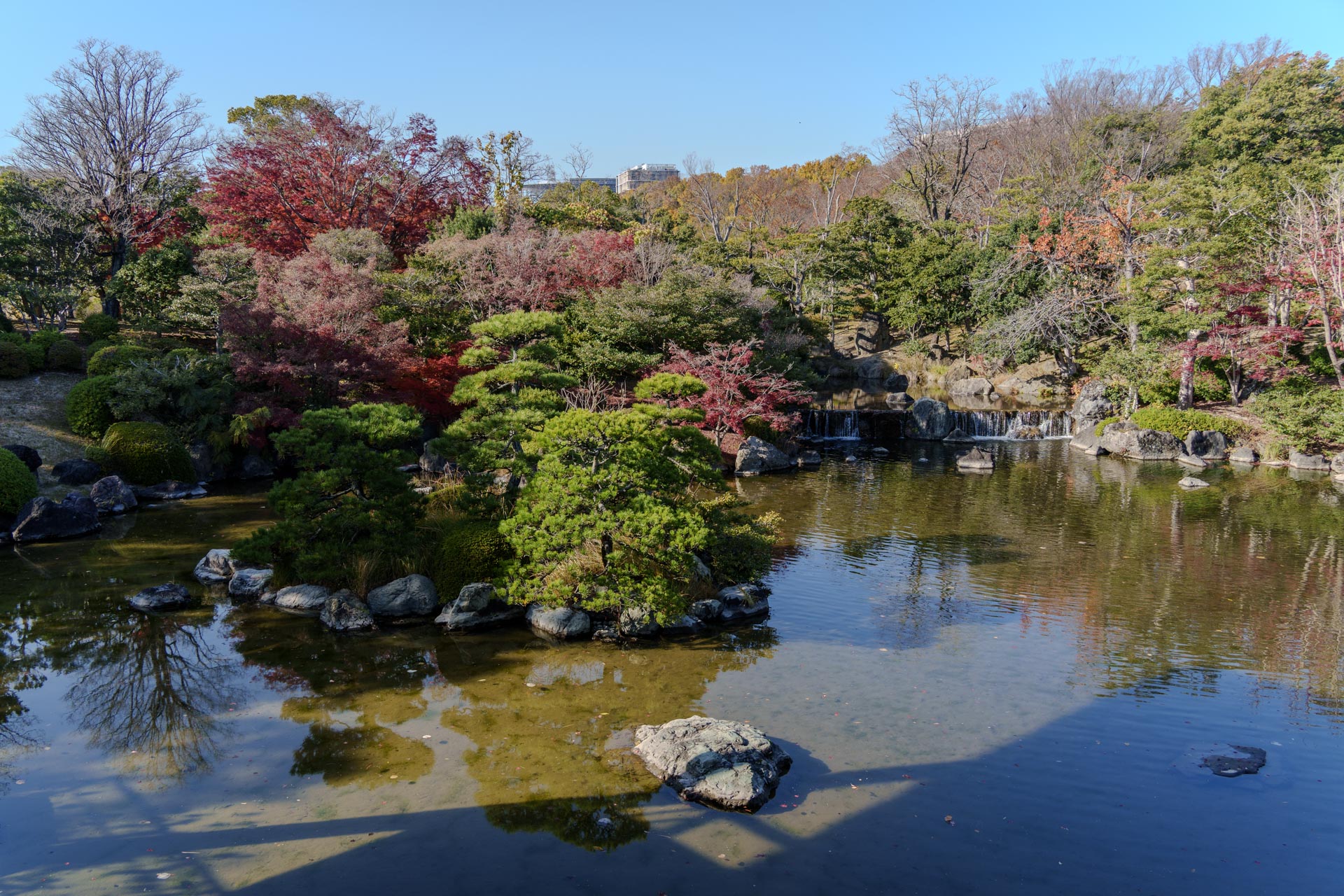
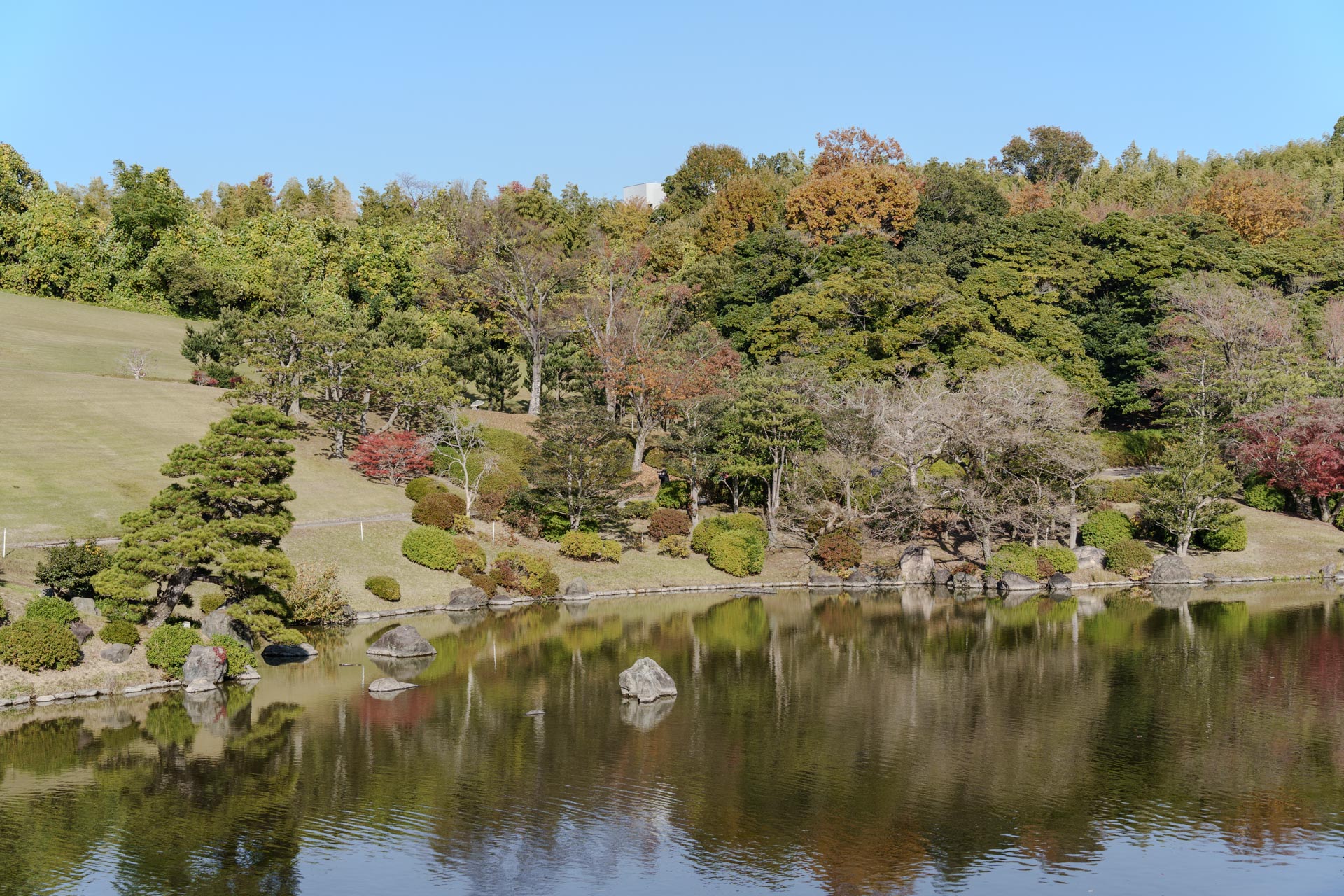
The Japanese Garden exhibition area is divided into four sections. We decided to start from the far side to appreciate the garden styles from ancient times to the present.
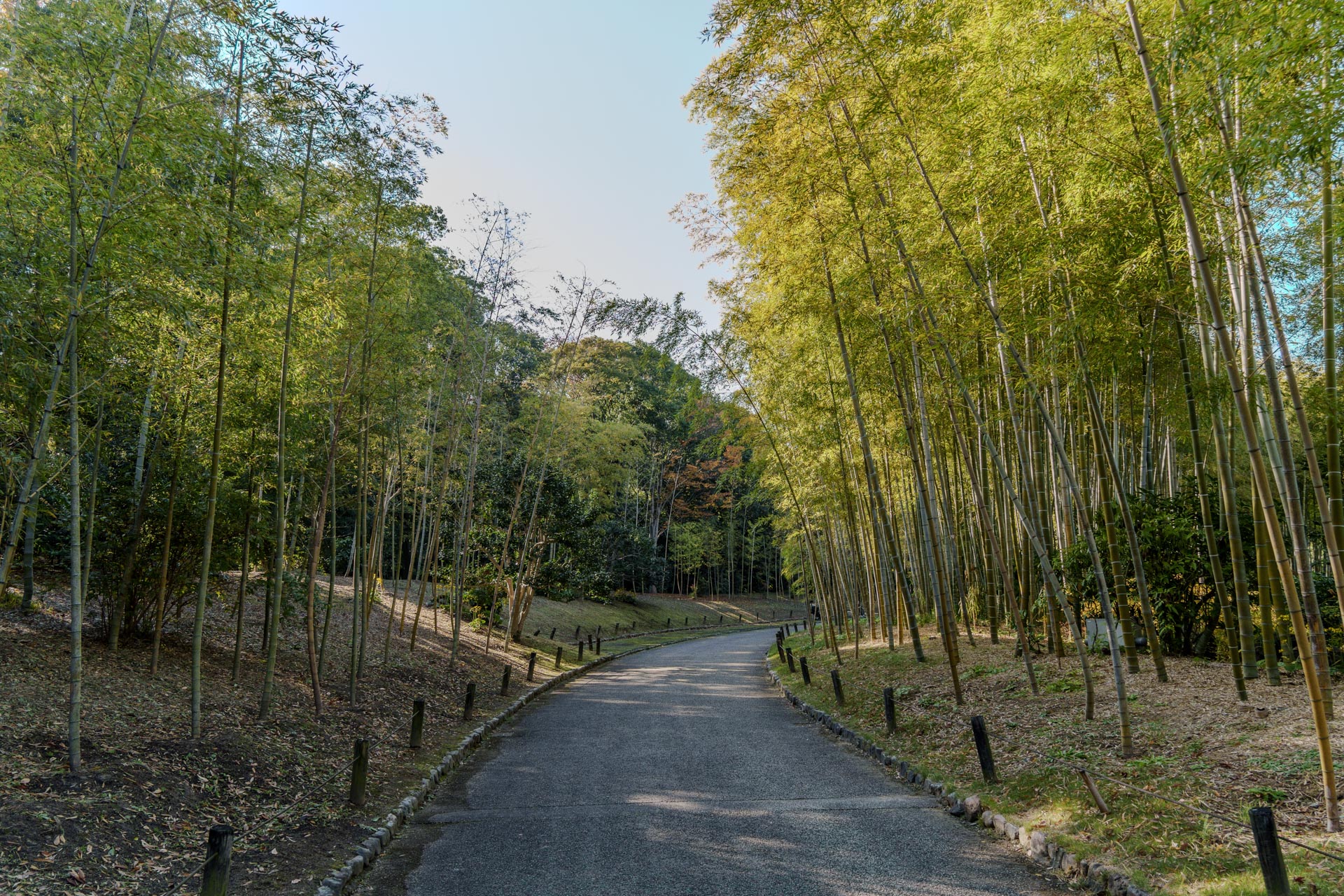
Walking to the left, we came across a large bamboo grove. Although it wasn’t as tall as the one in Arashiyama, it was still beautiful under the blue sky.
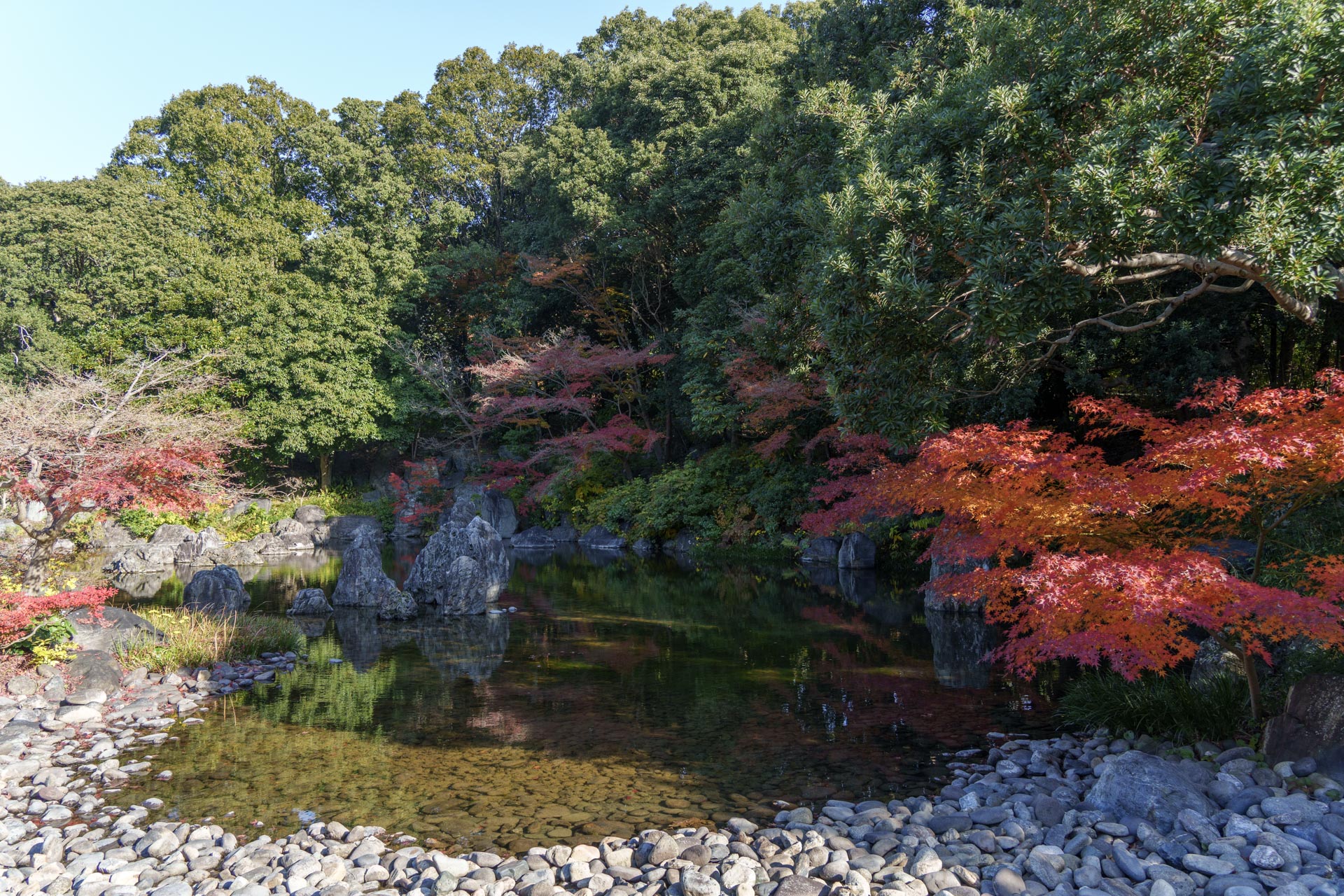
After passing through the bamboo grove, we began to see landscaped areas with ponds, complemented by red autumn leaves, creating a very delicate scene. We arrived a bit later this year, so some of the leaves had already turned brown and fallen, but overall, it was still quite beautiful.
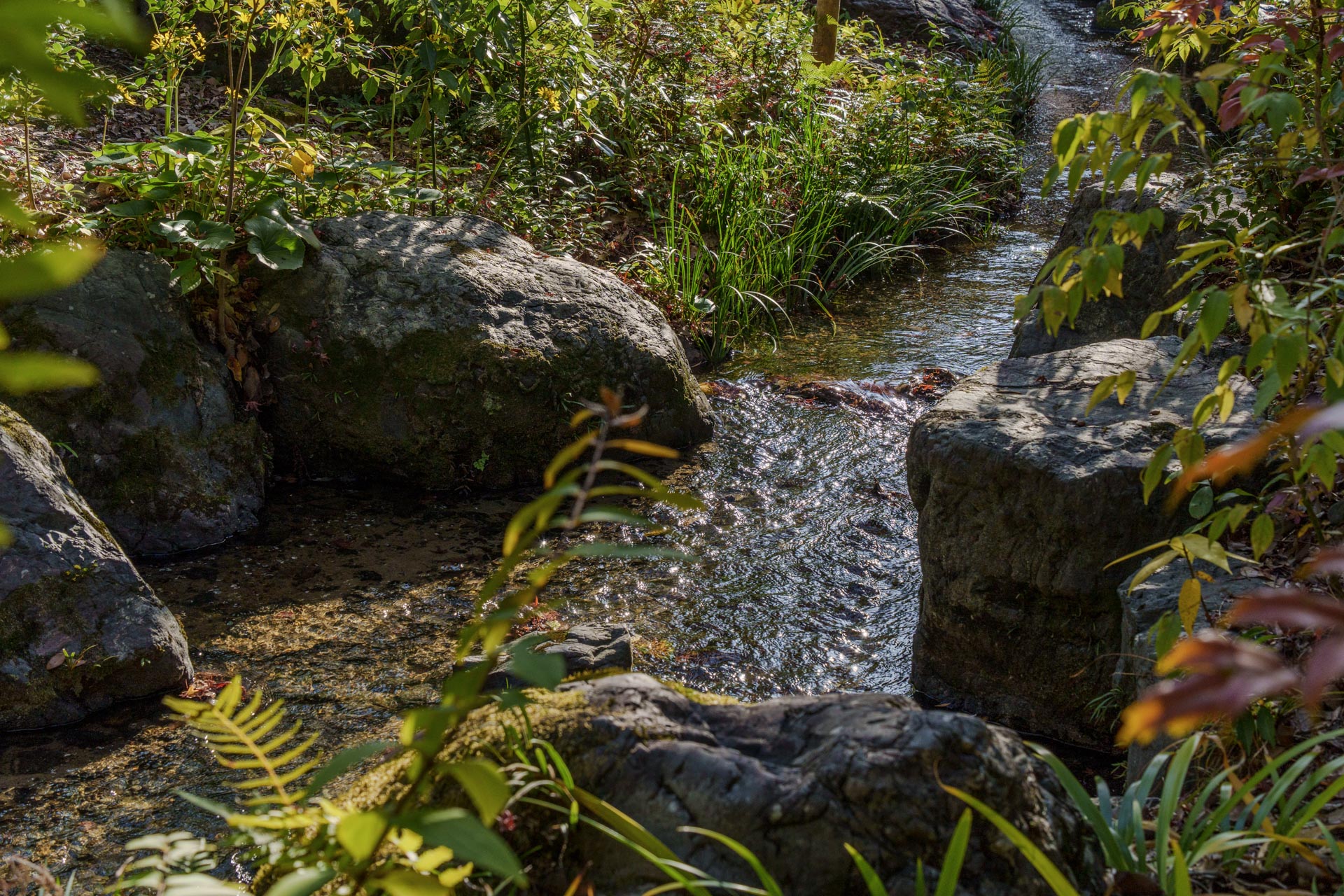
Mountain Spring. The maple leaves in this area were still at their peak, looking absolutely stunning.
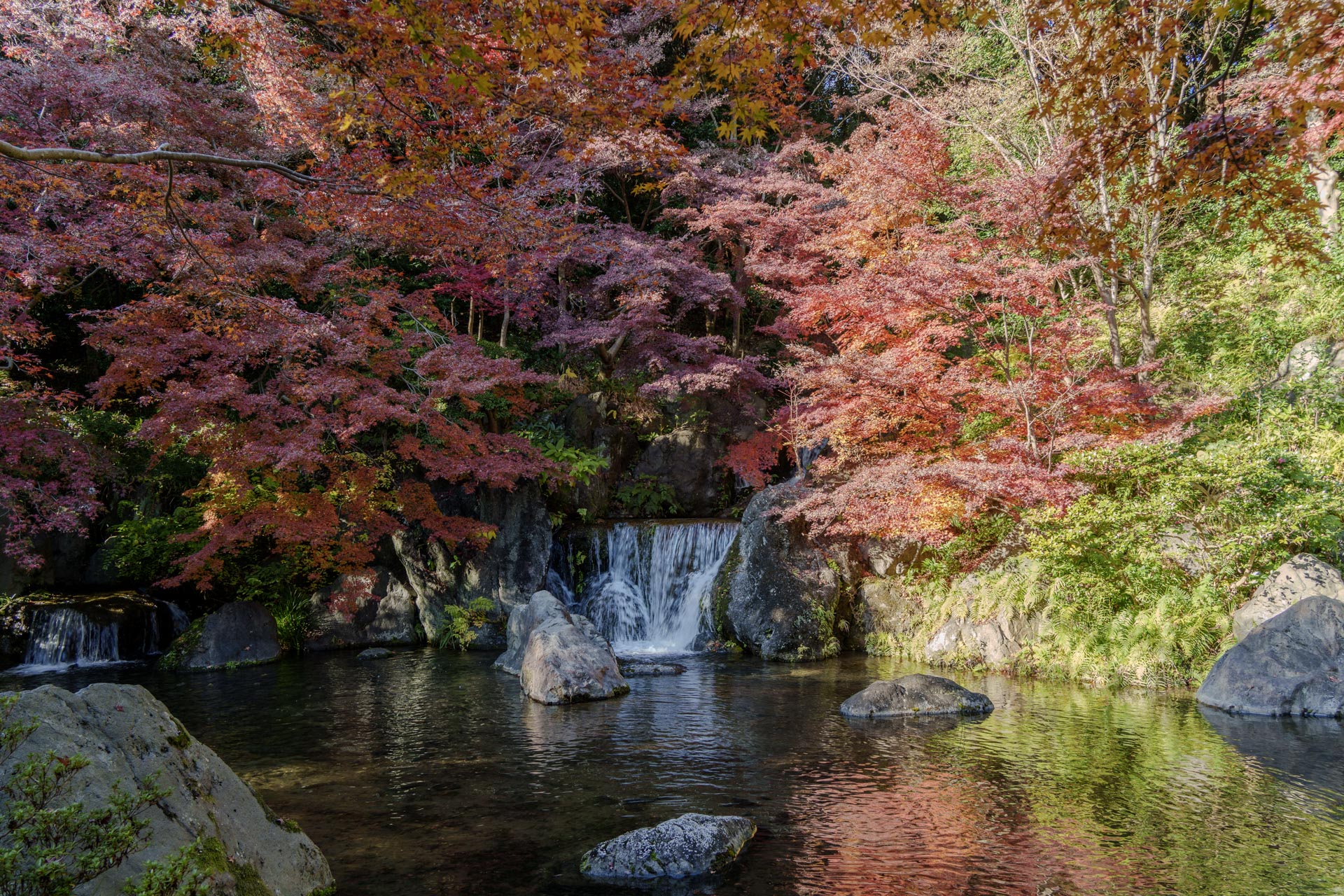 Mountain Spring
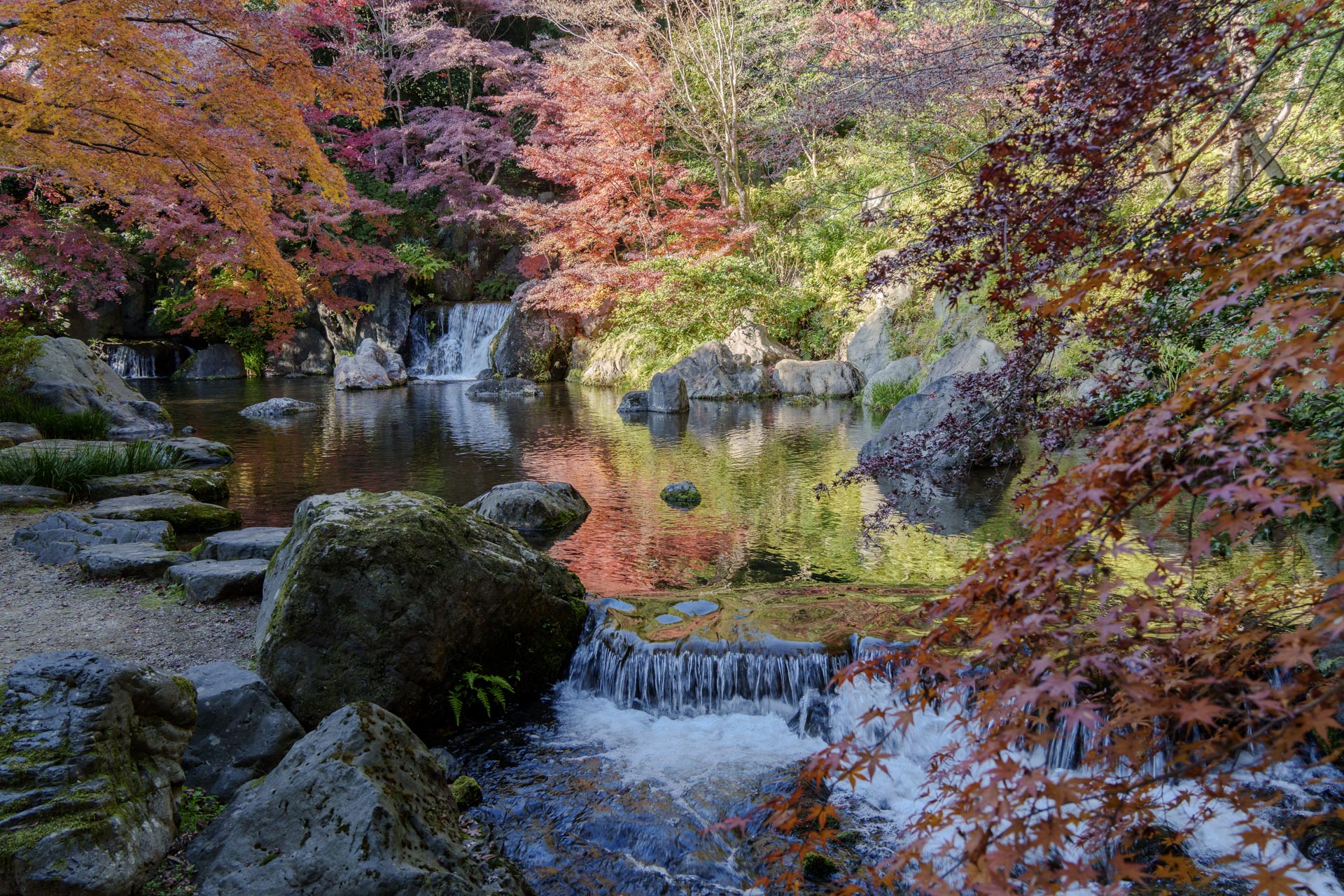 Mountain Spring
We continued walking and reached the karesansui (dry landscape) garden. The landscaping here was much simpler; personally, I felt it wasn’t as impressive as the karesansui at places like Myōkō-an. We then continued back along the path.
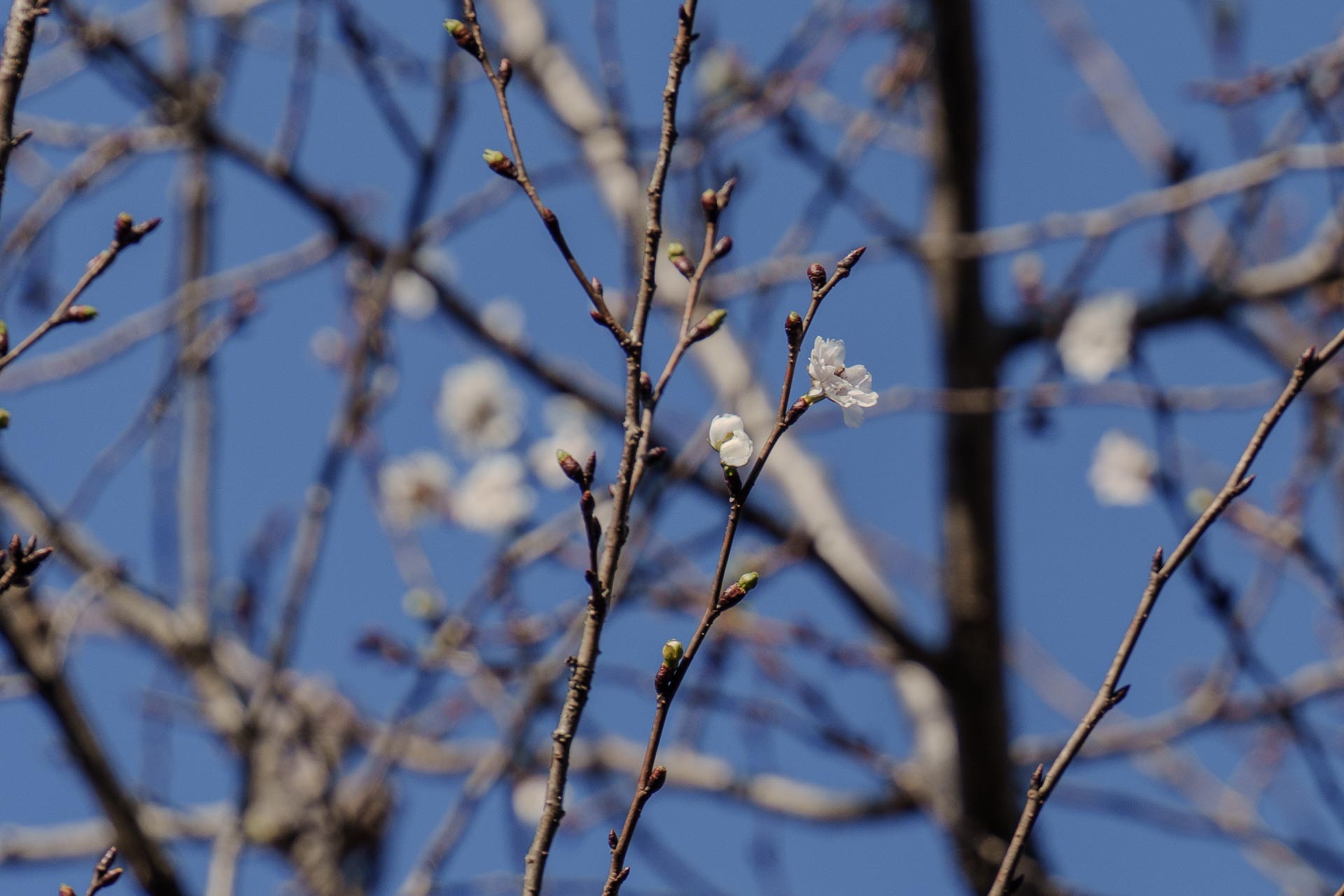
Outside, there was a plum grove. Although it’s still autumn, I was surprised to see one plum tree starting to bloom.
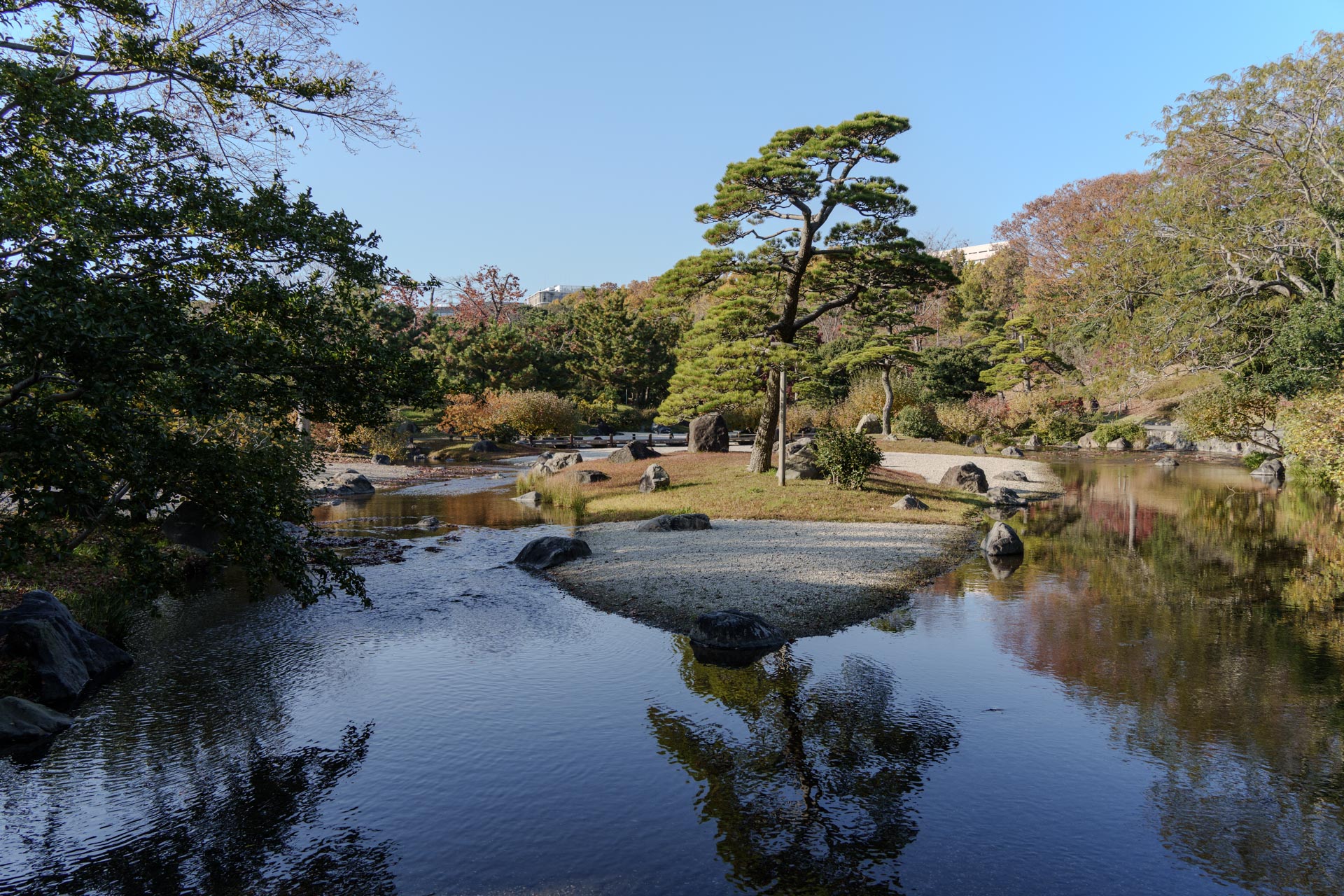 Matsuno-shūhama
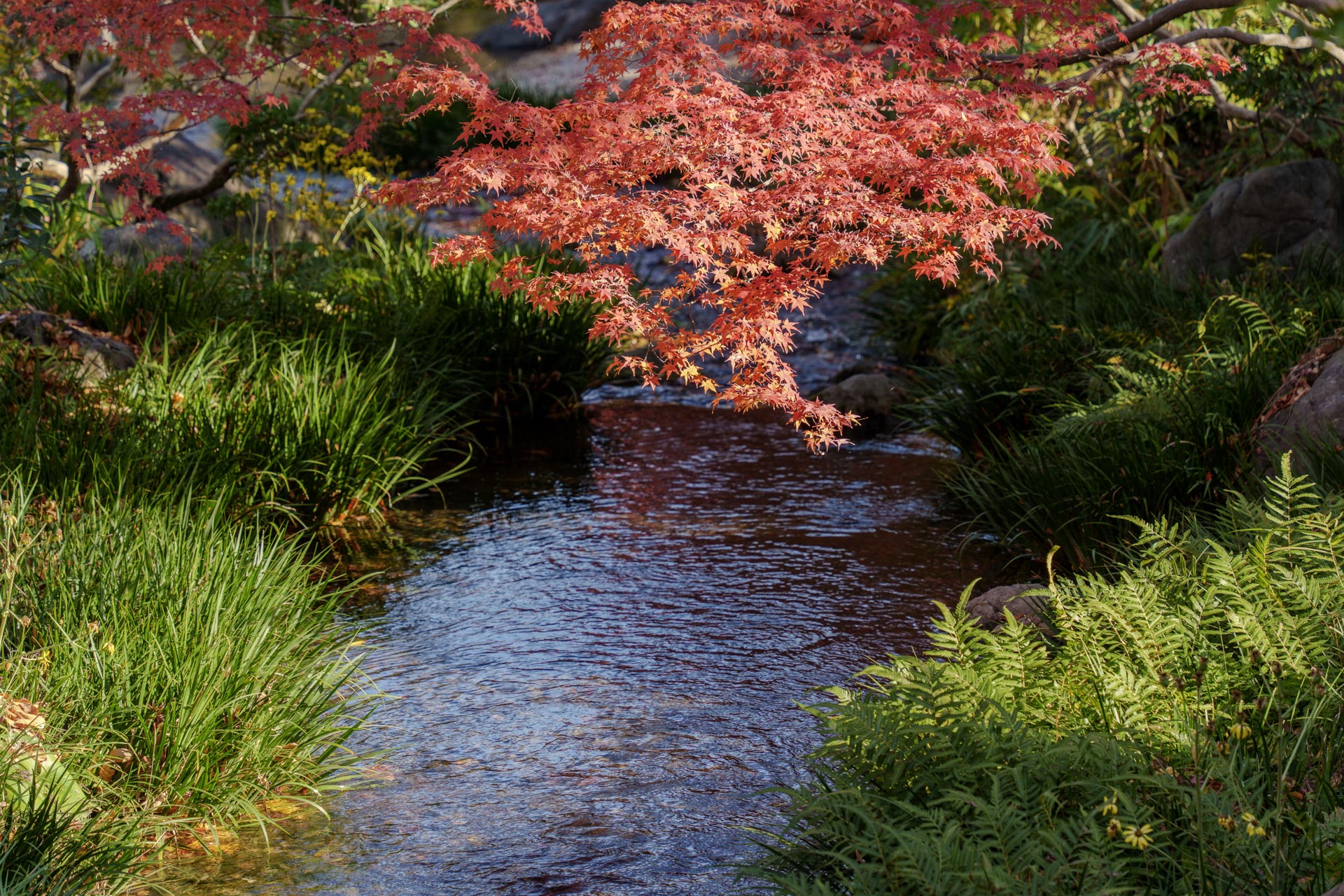
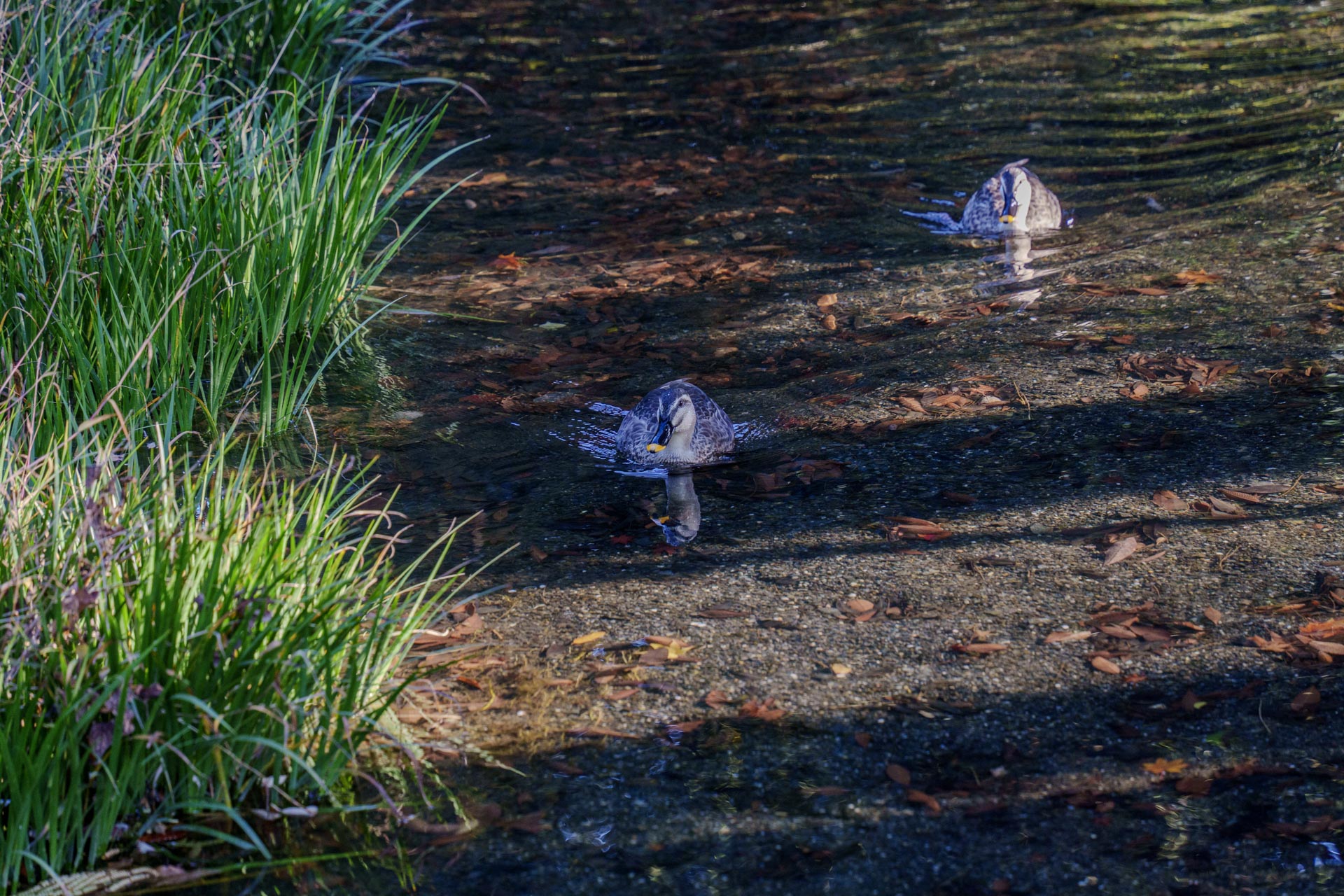
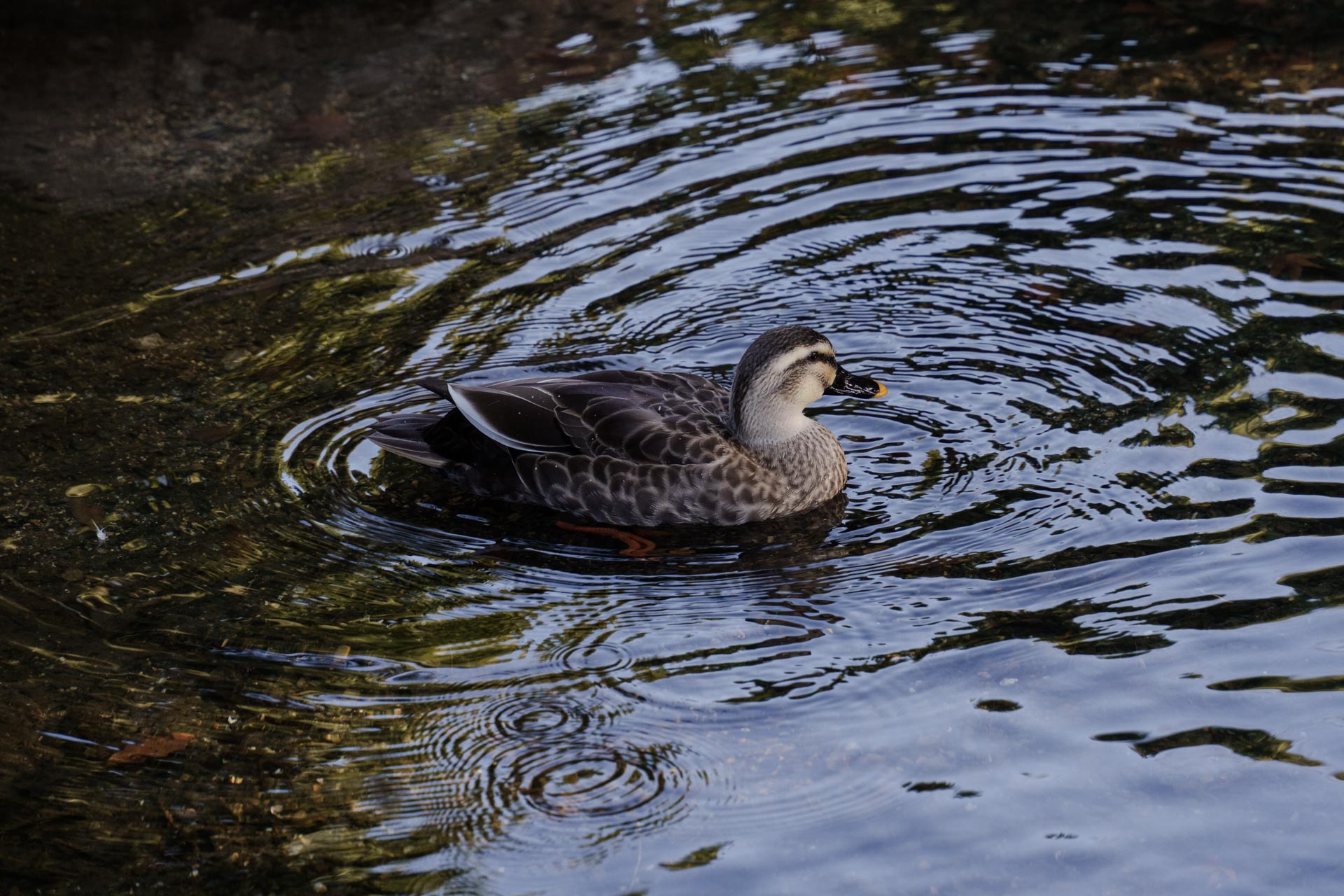
In the small stream, ducks were playing in the water and foraging.
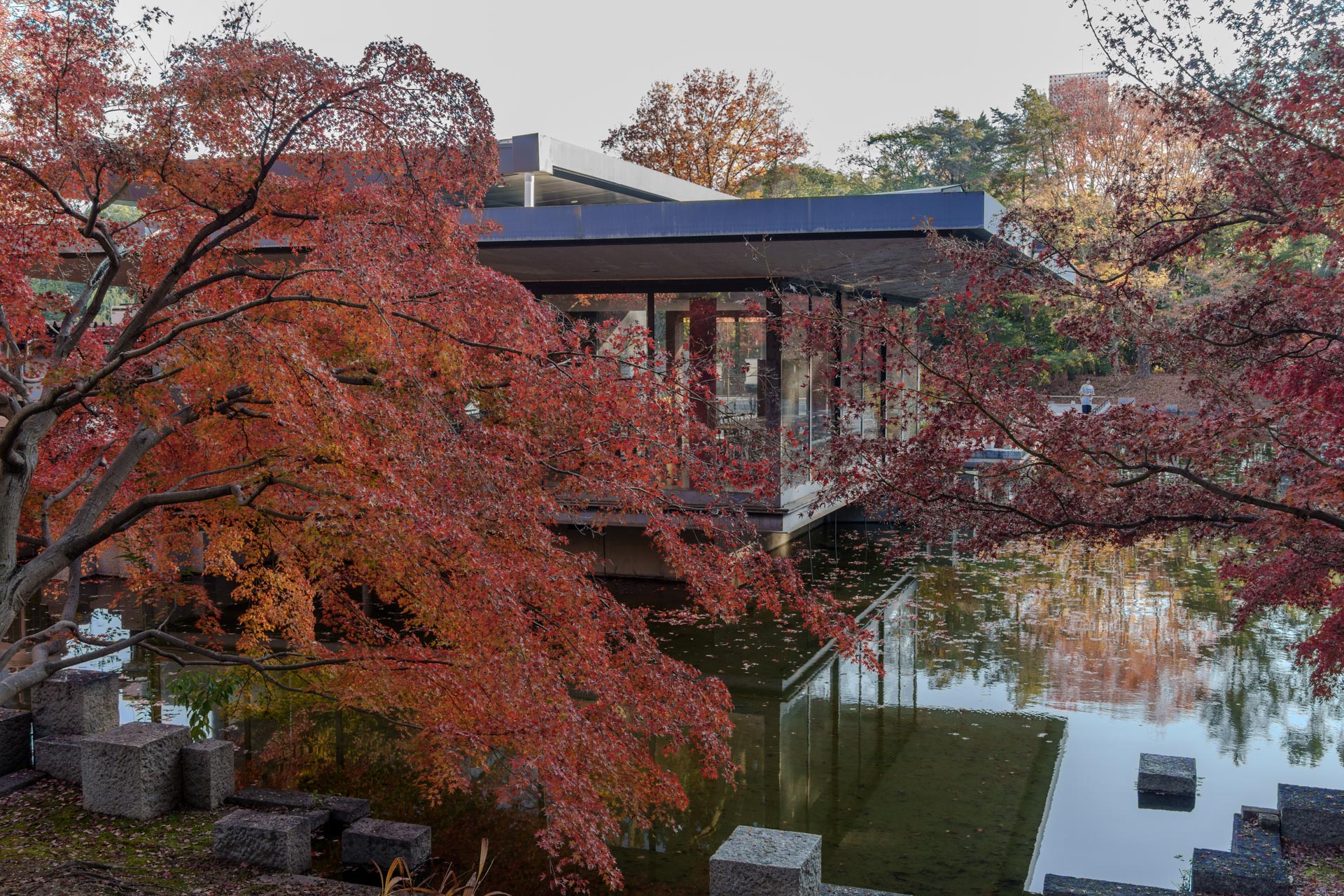 Rest Area
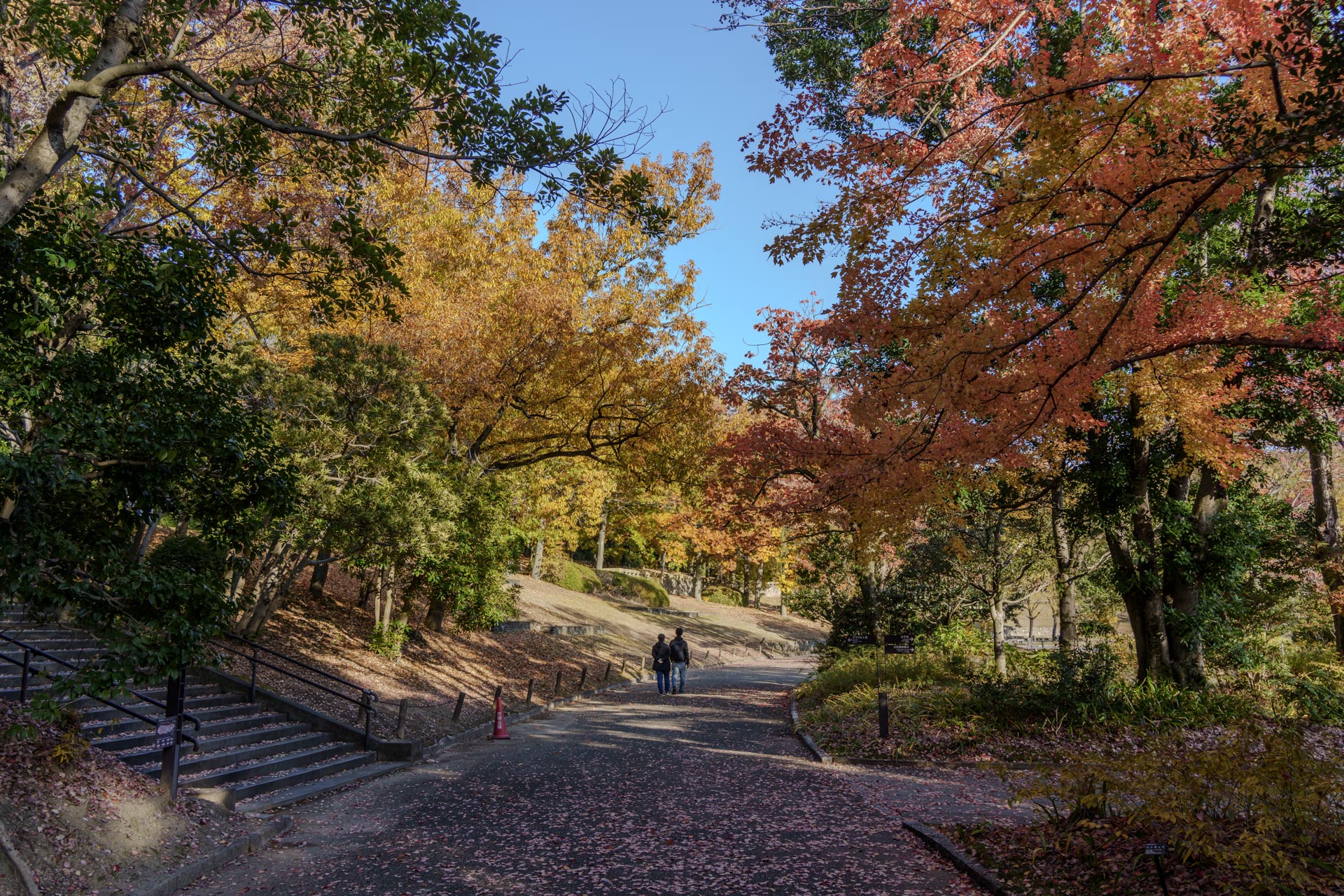
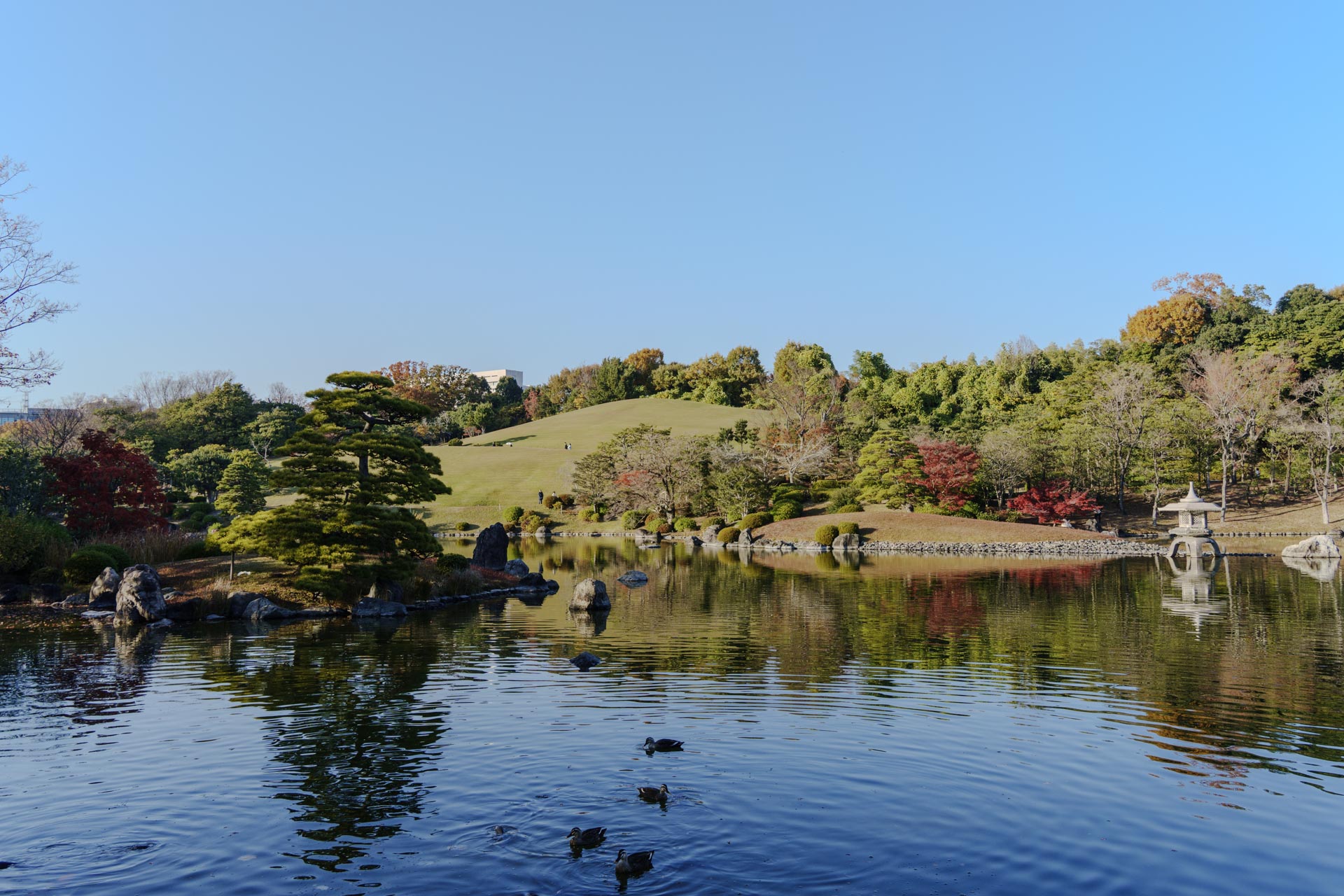 Melody Koi Pond
We hadn’t finished exploring Expo ’70 Commemorative Park yet, but we decided to leave since we needed to head to the Osaka Aquarium Kaiyukan before our 26-hour metro pass expired.
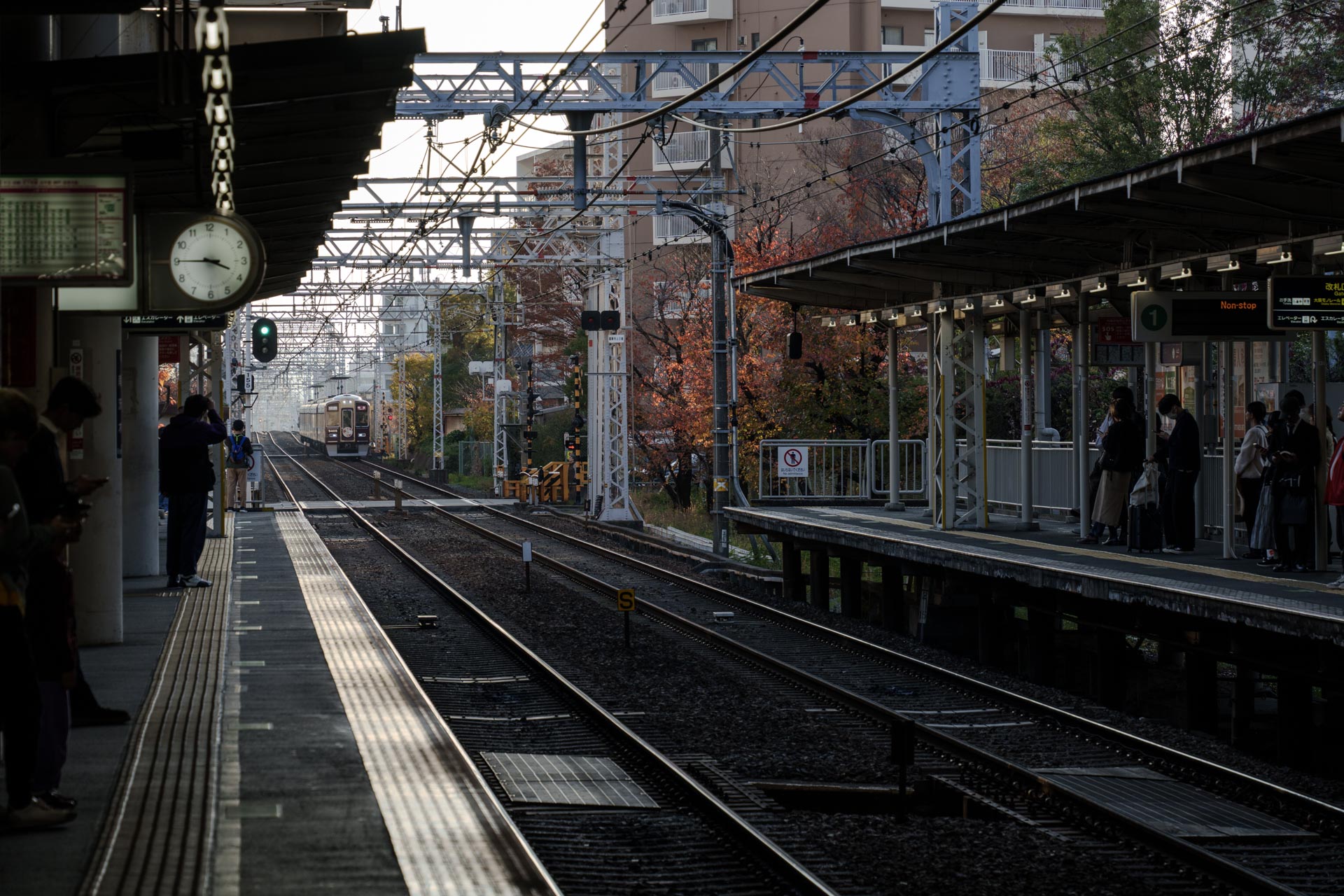
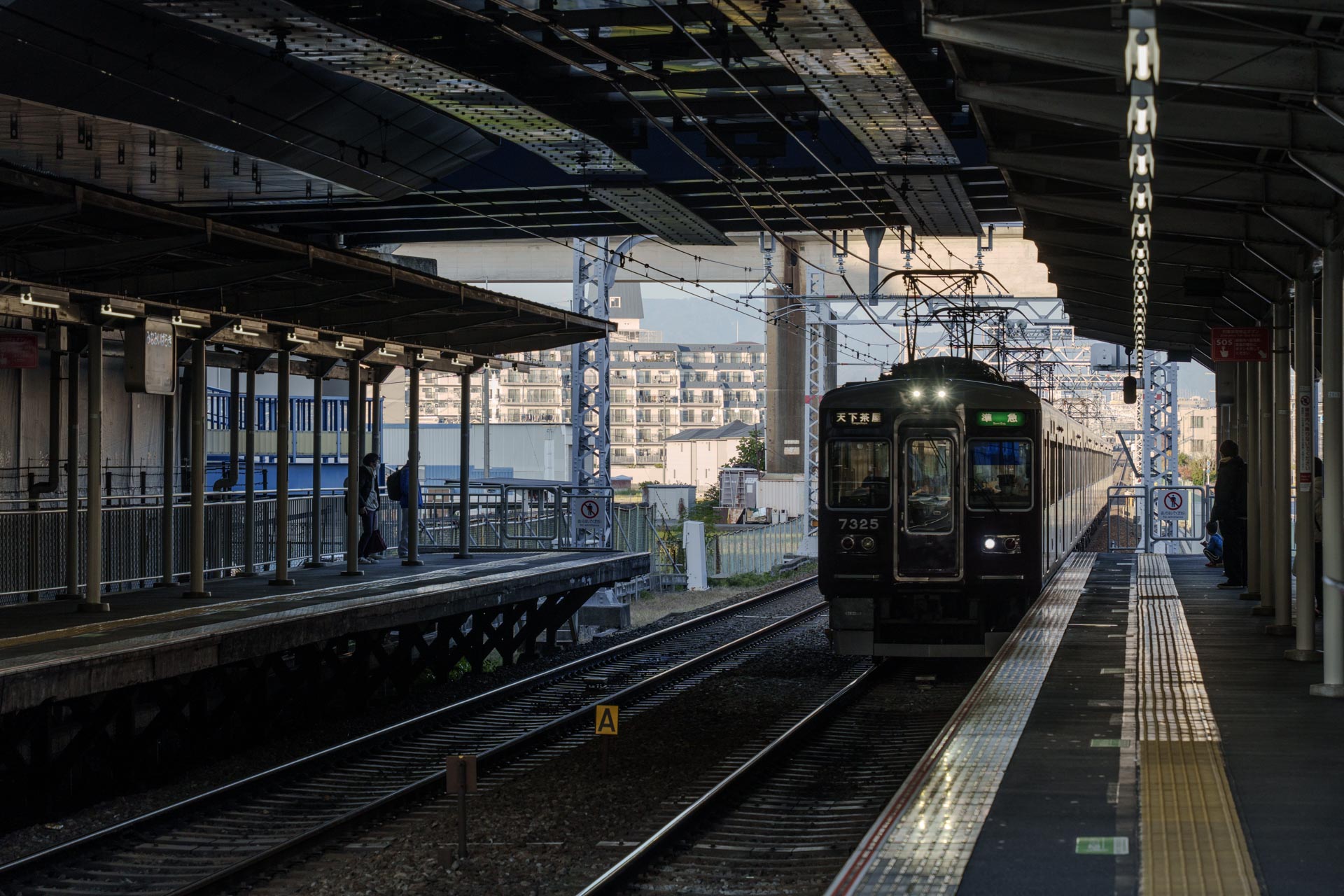
Tempozan Ferris Wheel & Osaka Aquarium
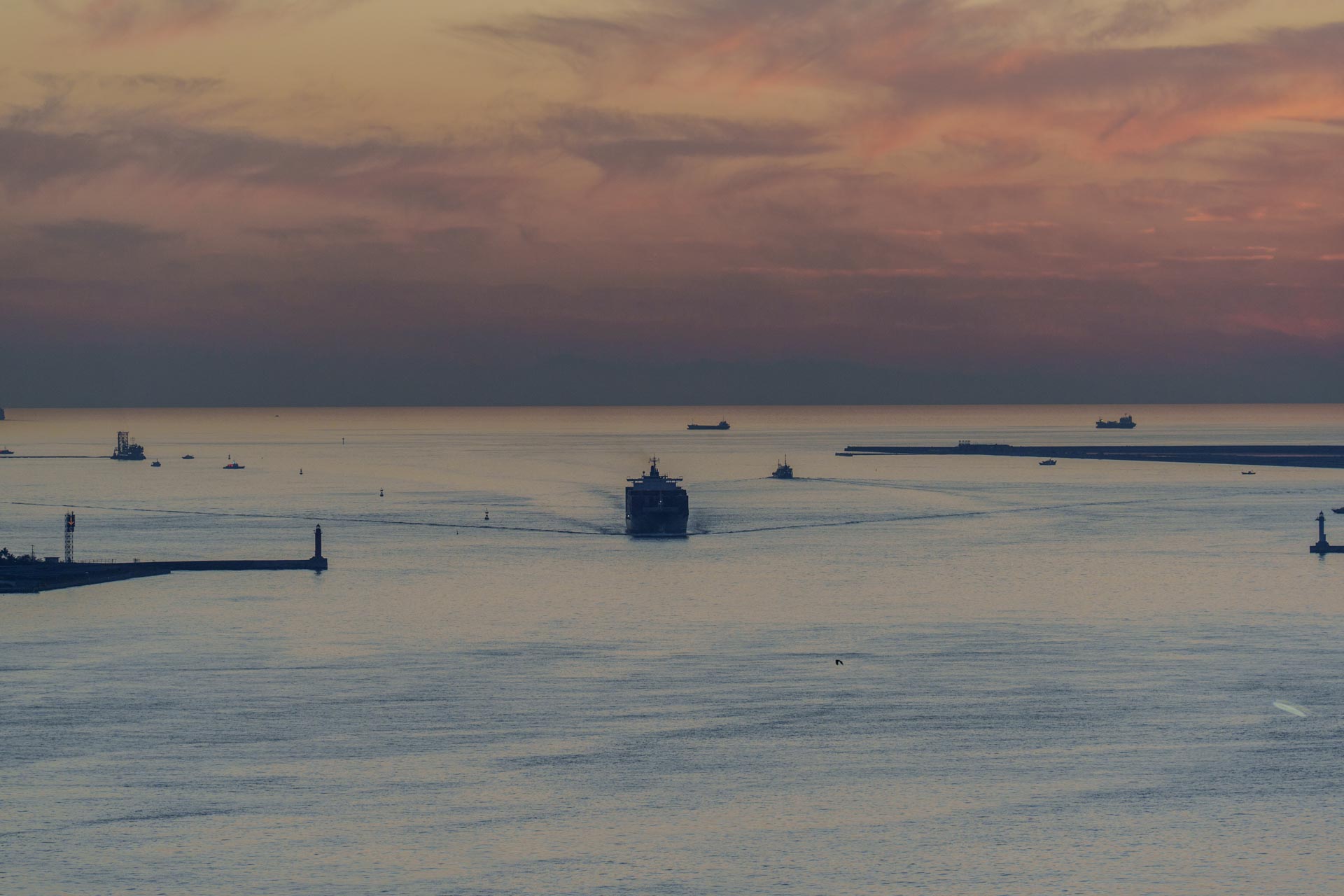
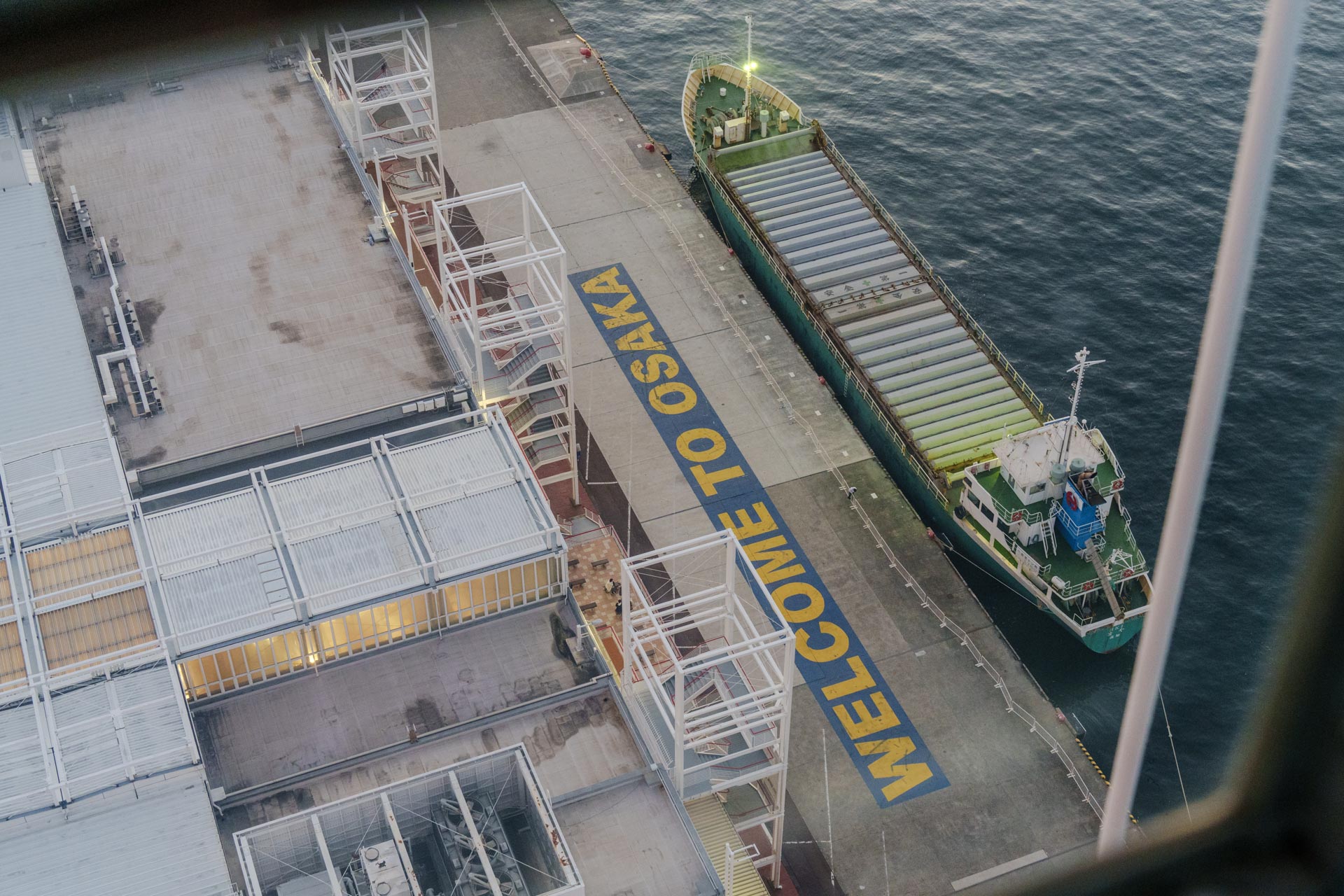
We first went on the Tempozan Ferris Wheel next to the aquarium (using the metro pass gave us a discounted price). We arrived just a little late, and as we ascended, the sun was setting. The transition from the golden hour to the blue hour was stunning.
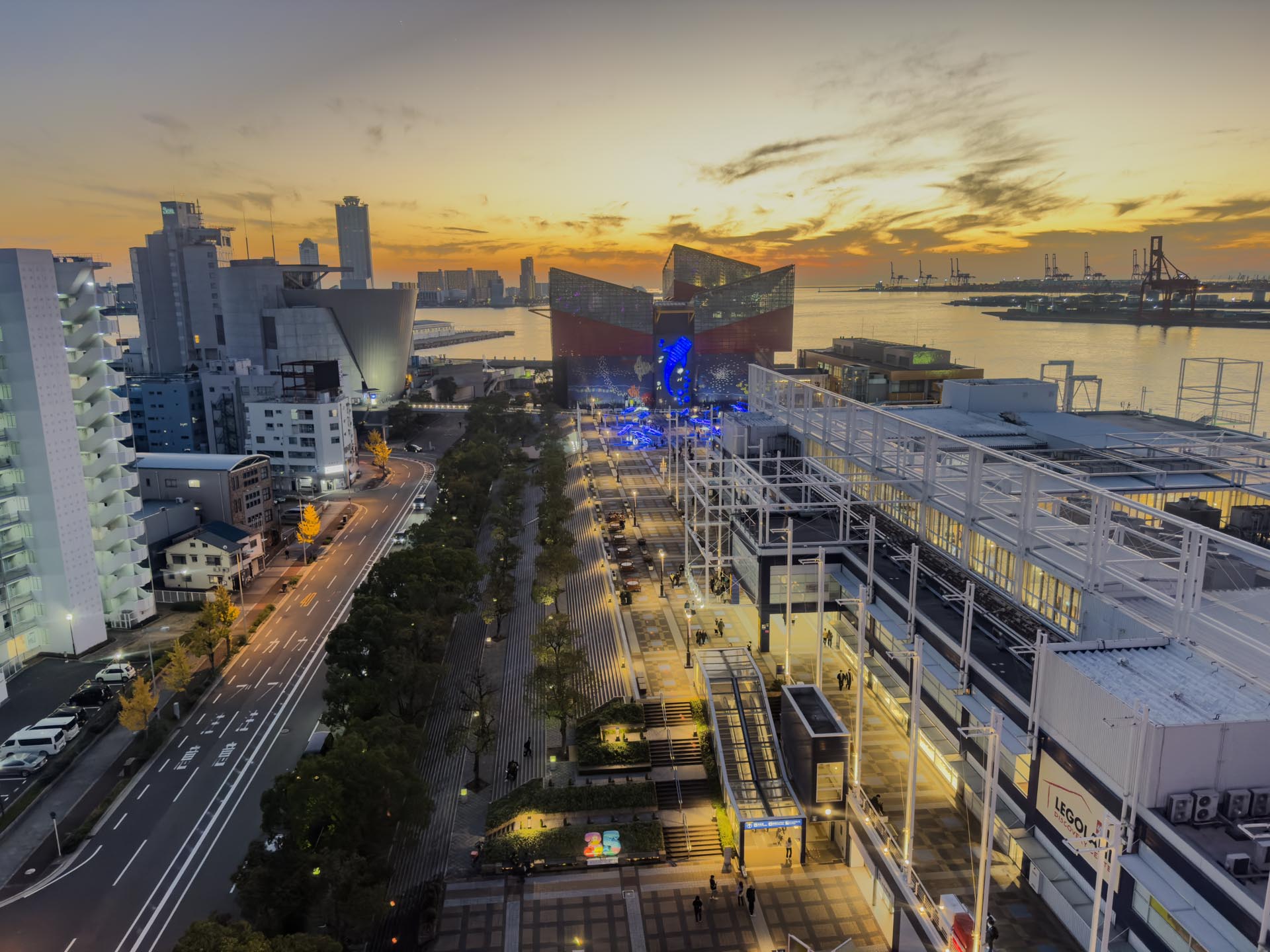
After the Ferris wheel, we went to the nearby mall to have dinner. Tonight, I had a pork cutlet with rice in broth. I would rate it as average because the cutlet lost its crispiness after being soaked, which I didn’t really like.
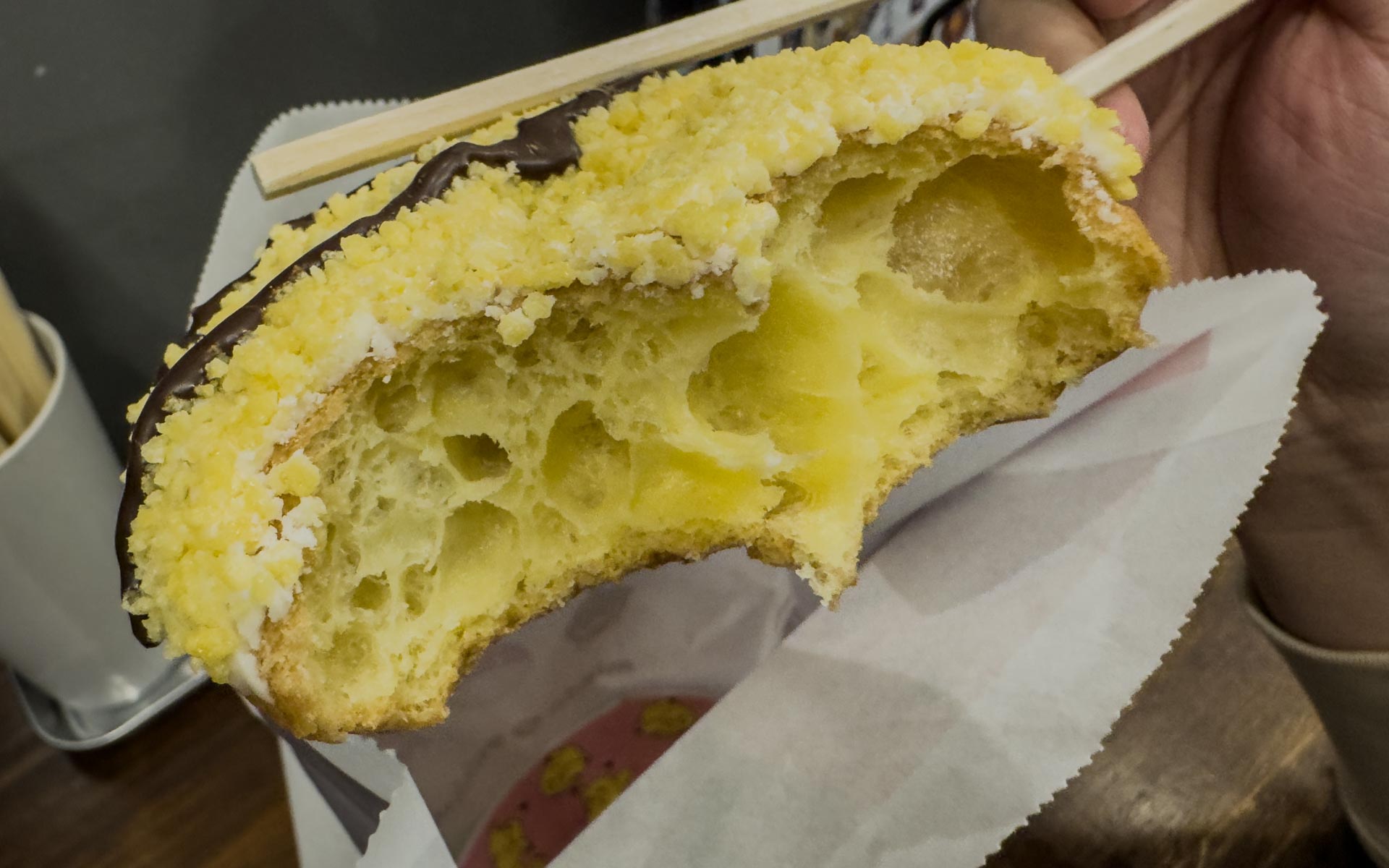 Mr. Donut
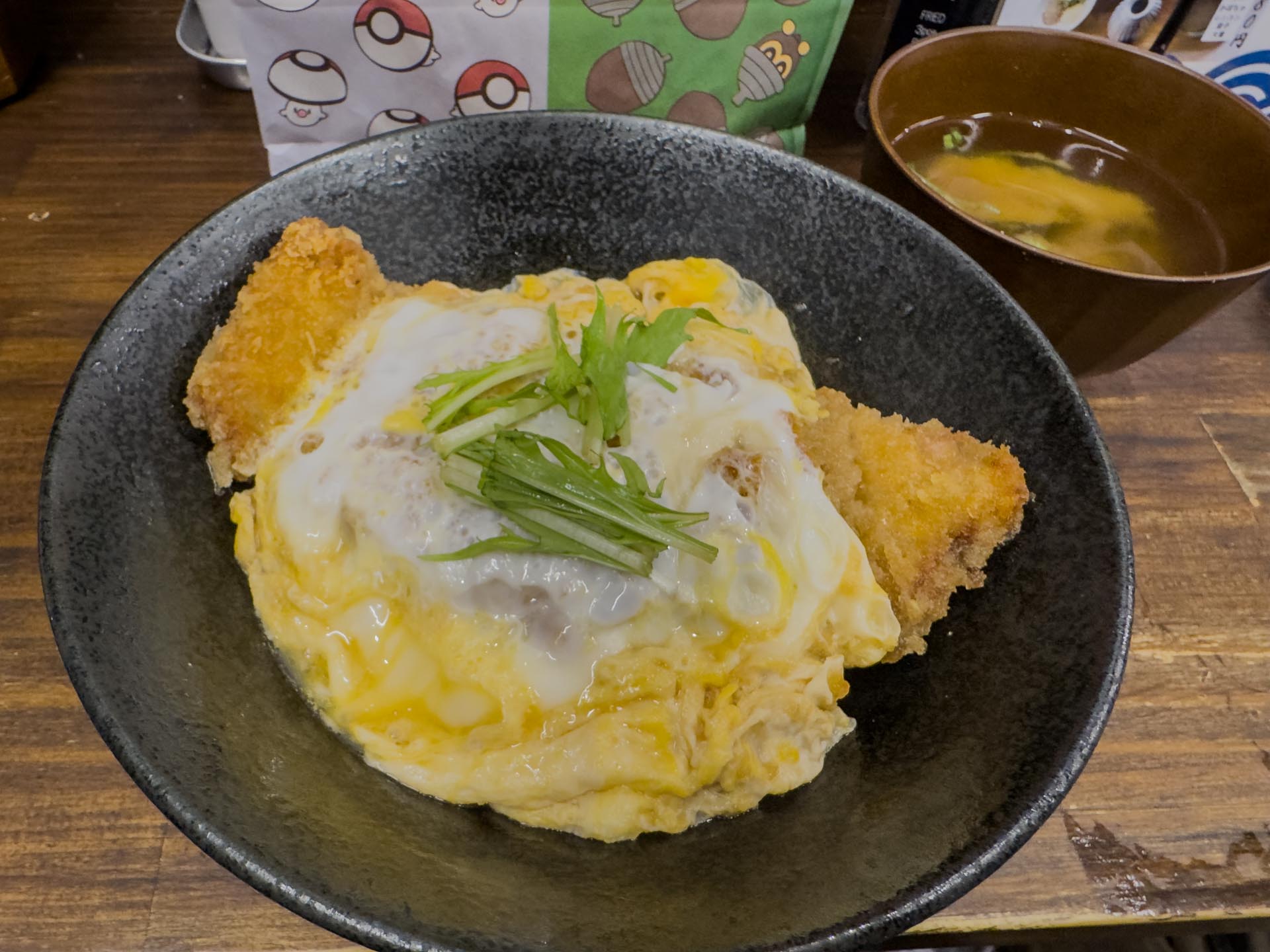 Pork Cutlet with Rice in Broth
After dinner, we headed to today’s final destination—the Osaka Aquarium Kaiyukan. Inside, some of the animals had already “clocked out” and were sleeping, while others were still “working overtime” to entertain us. I really hope all the animals are happy in there too.
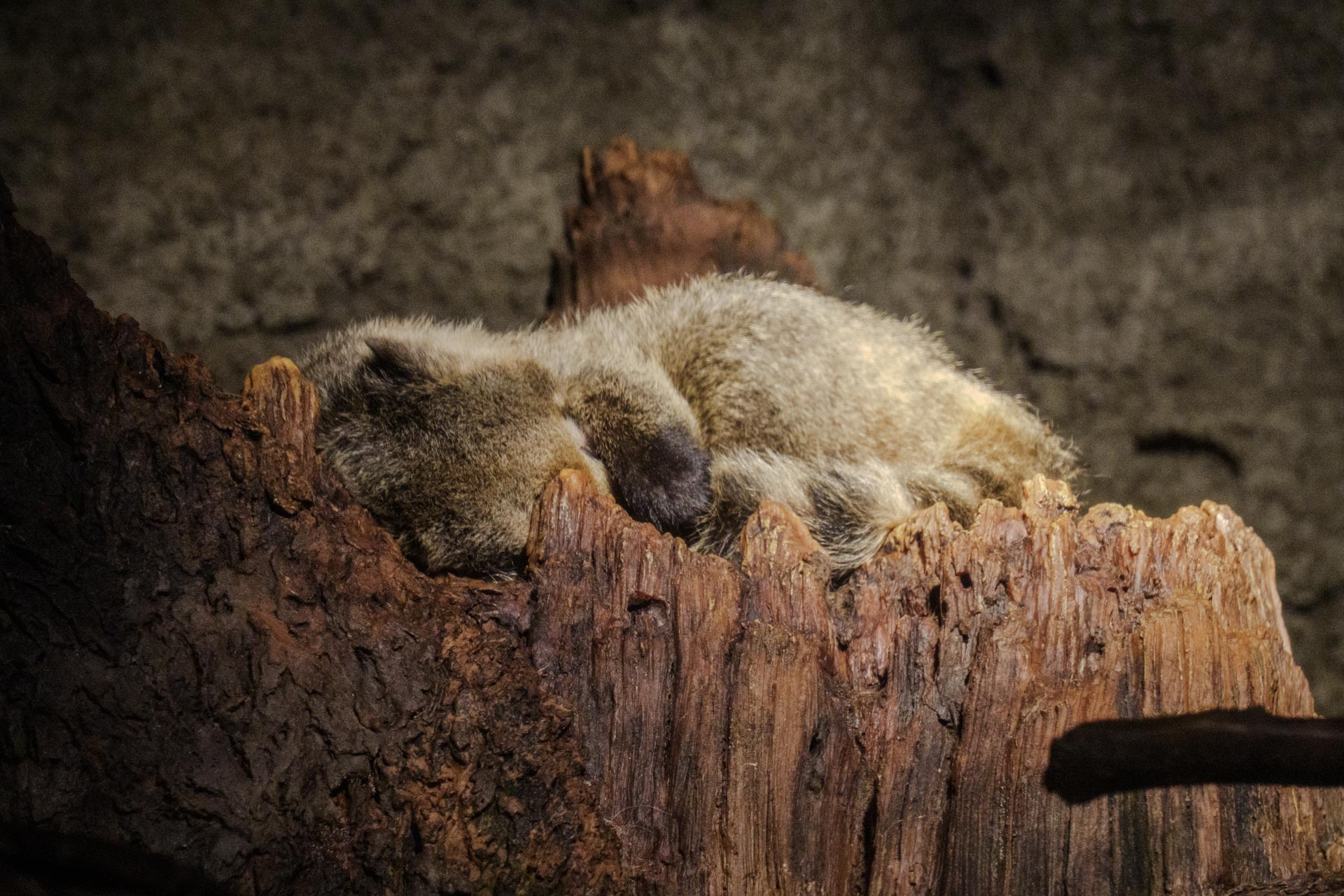
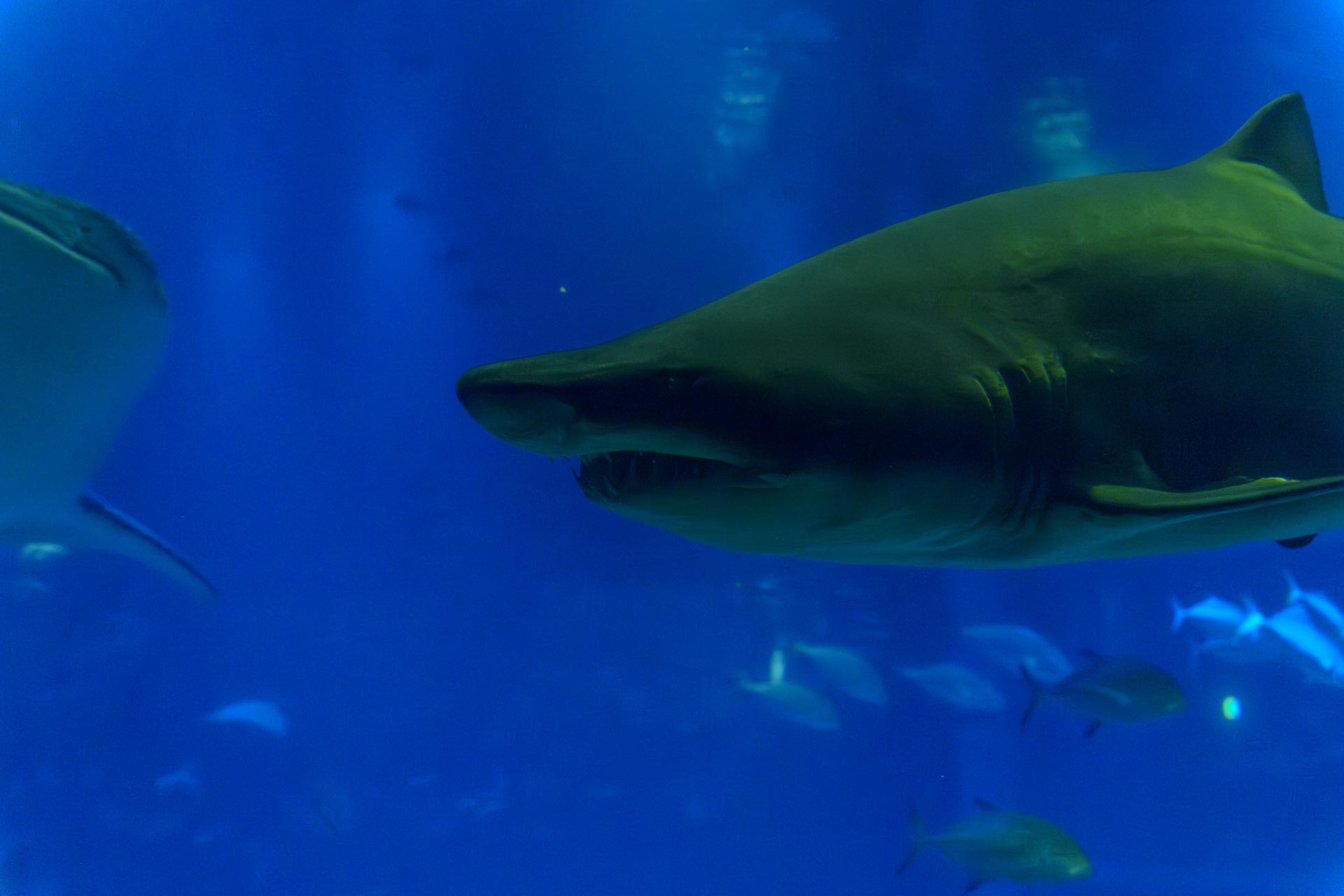
The lively and adorable little penguins.
The graceful jellyfish.
After leaving the aquarium, we returned to the hotel to rest.
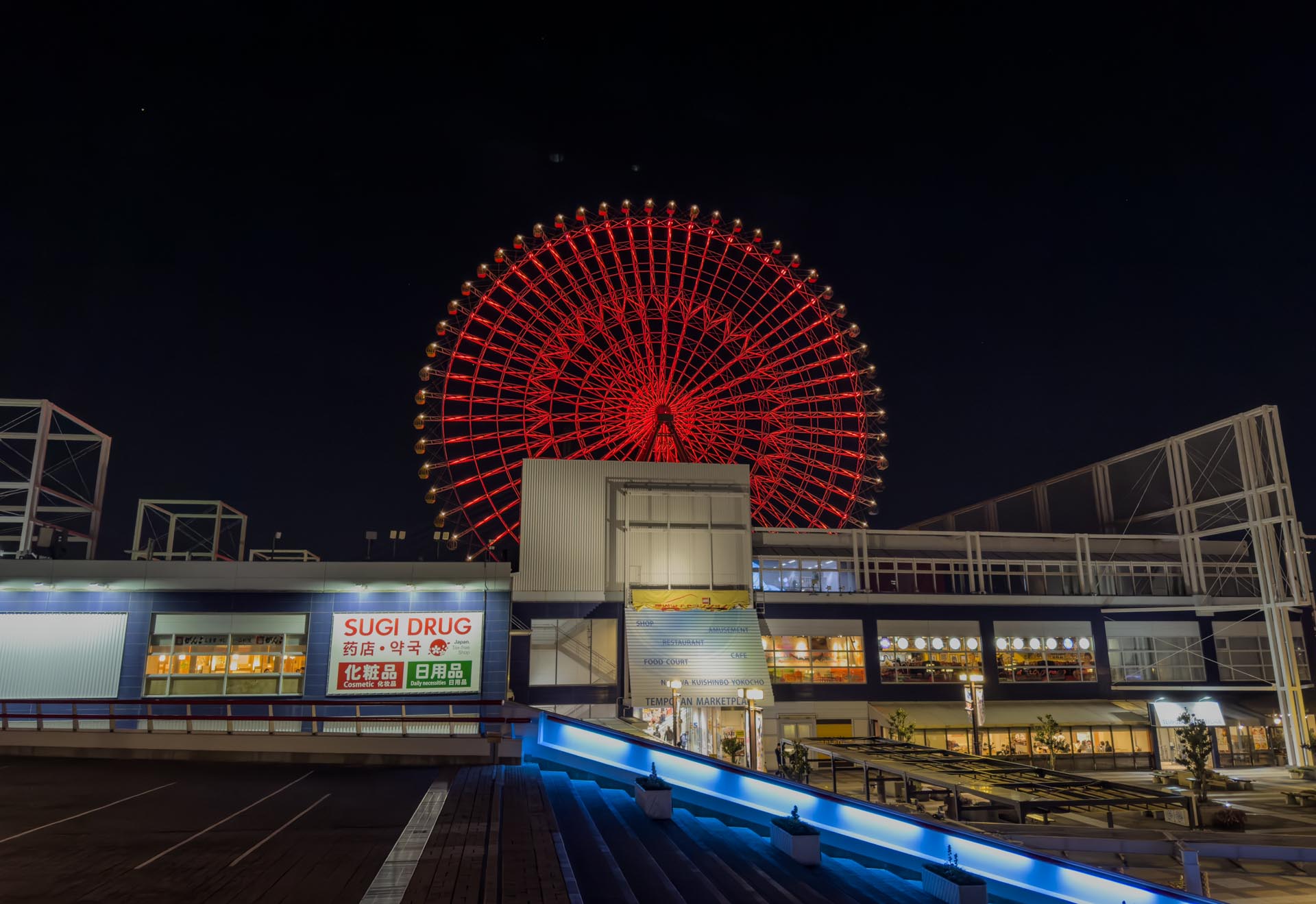 Tempozan Ferris Wheel
Day 3 · Kyoto
We slept in a bit last night and only set off around check-out time. Upon arriving in Kyoto, we first went to the hotel to drop off our luggage. The hotel didn’t allow early check-in, but the front desk said they would deliver our luggage to the room once it was ready.
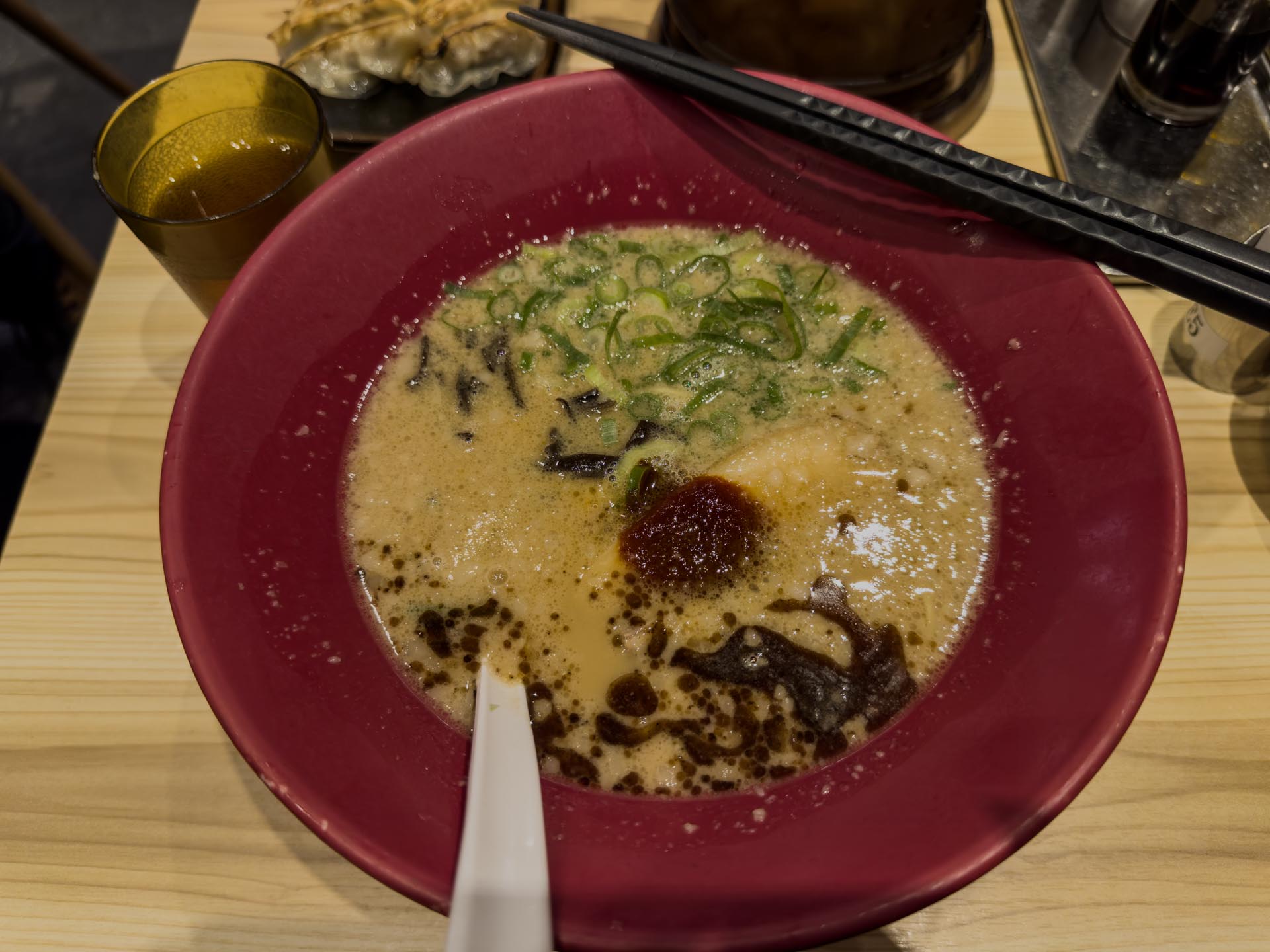
Once outside, it was lunchtime, so I decided to take my friend to Ichiran Ramen, which was very close to the hotel and we had passed by it earlier.
I found the standard flavor too rich, but the mild flavor was just right. The double-spicy option wasn’t too hot and was tolerable. After finishing lunch, we took the bus to Ginkaku-ji.
Ginkaku-ji
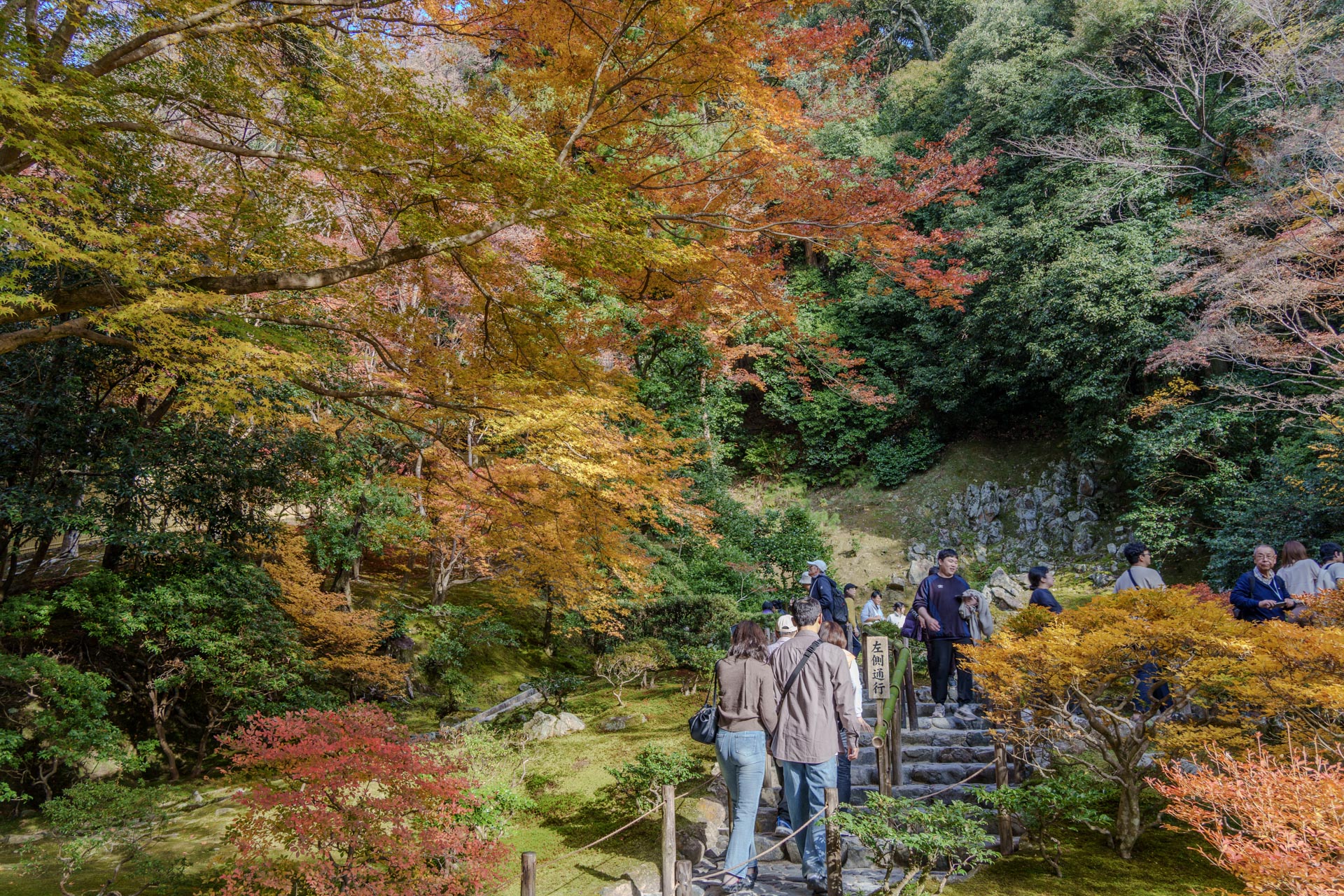
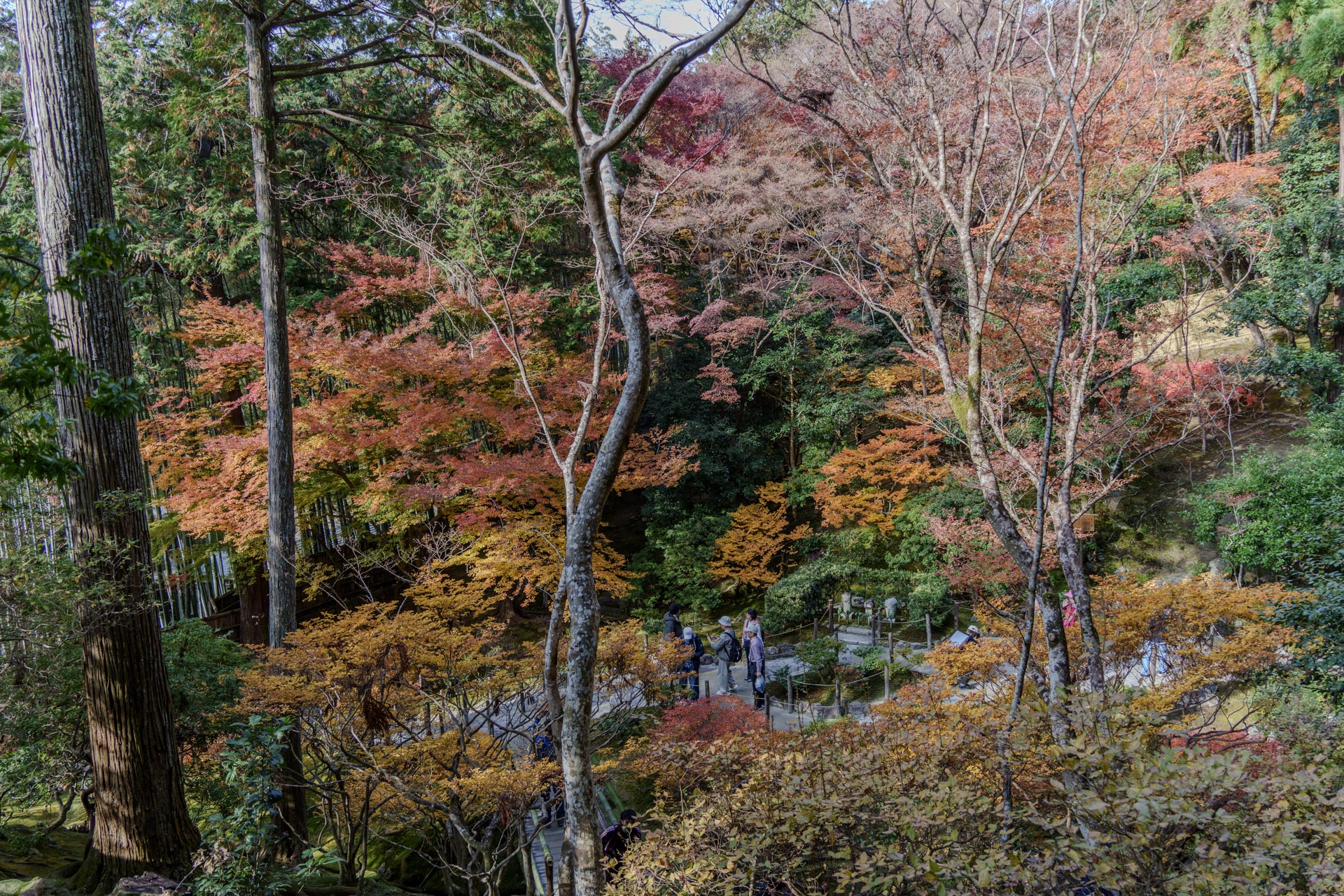
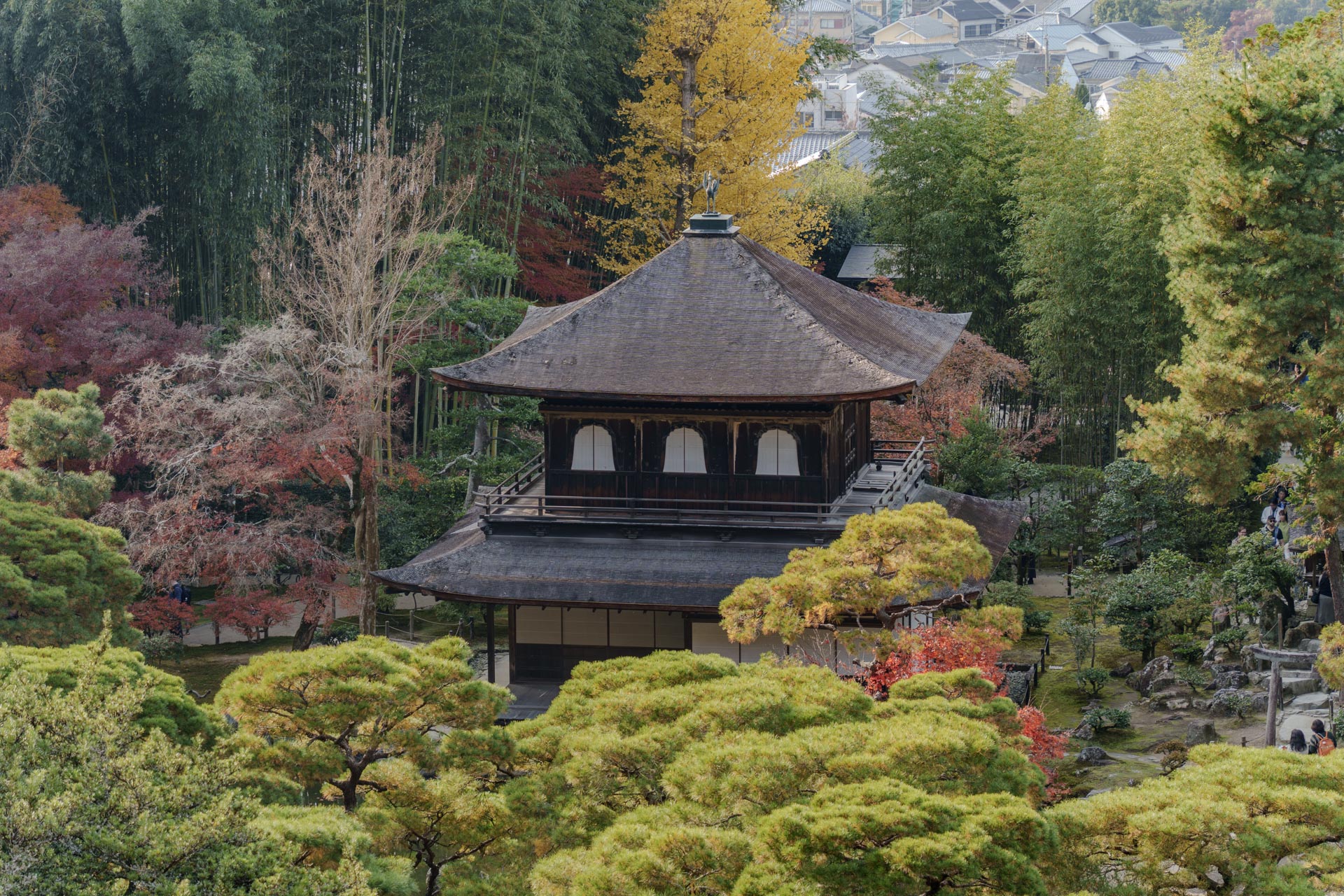
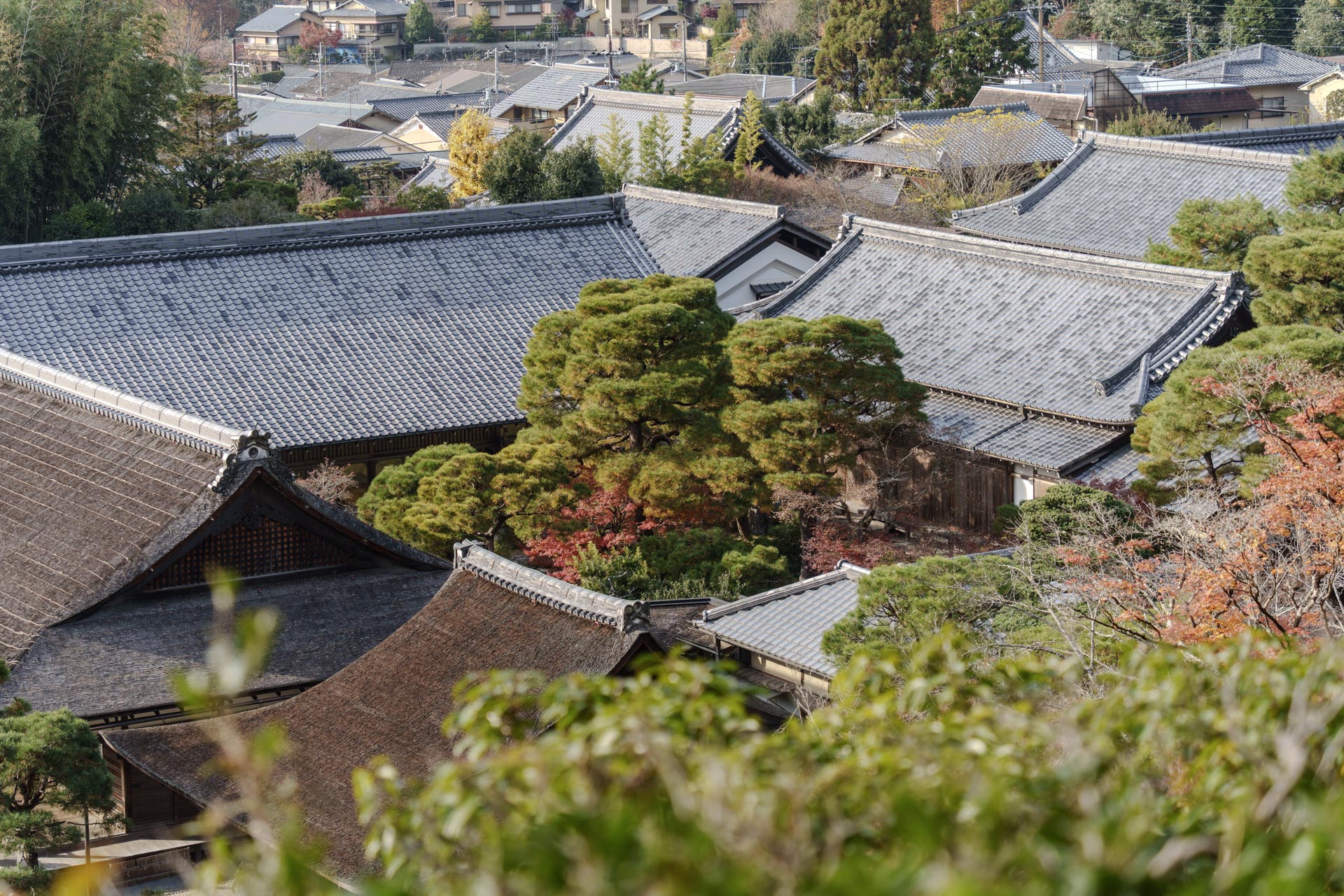
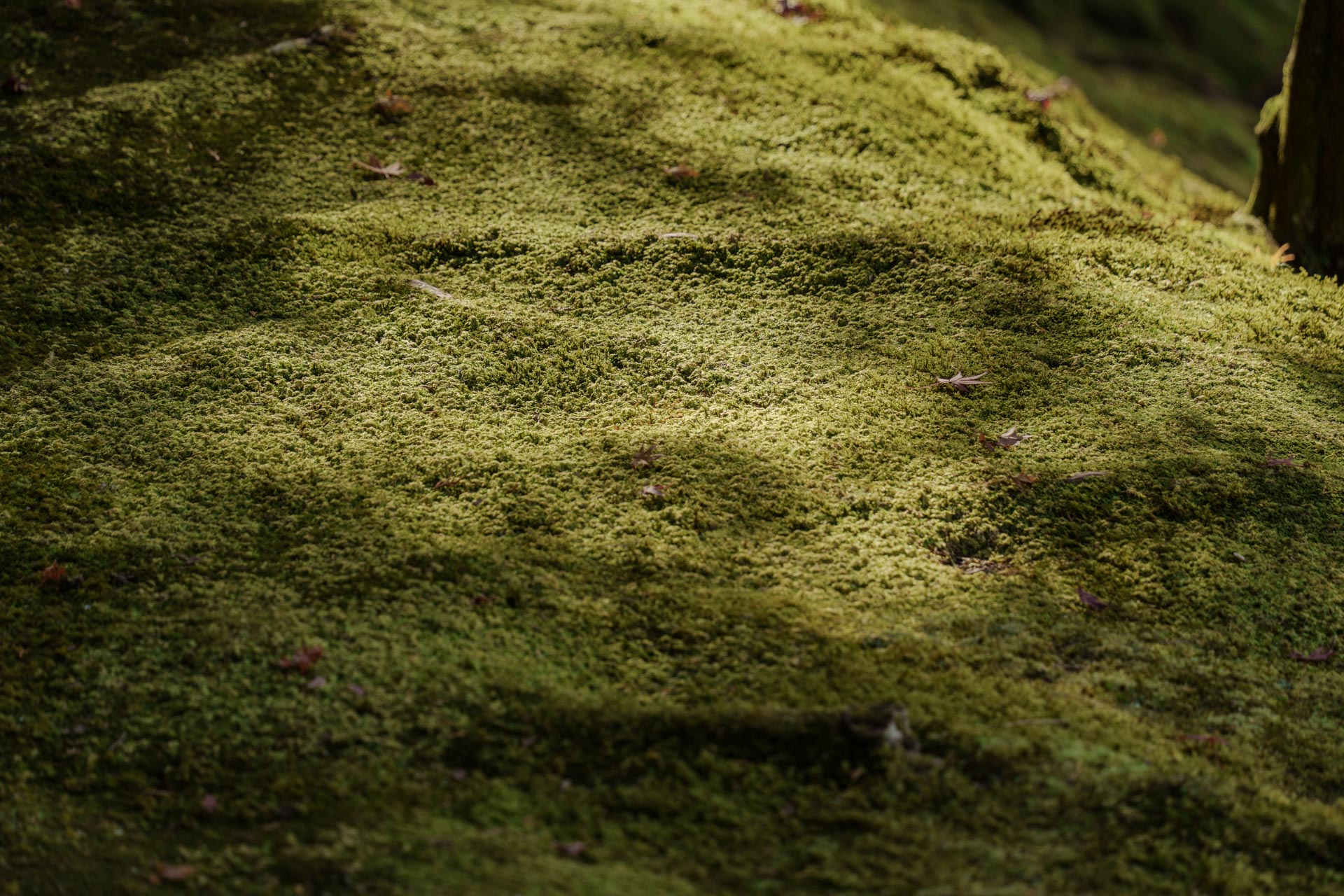
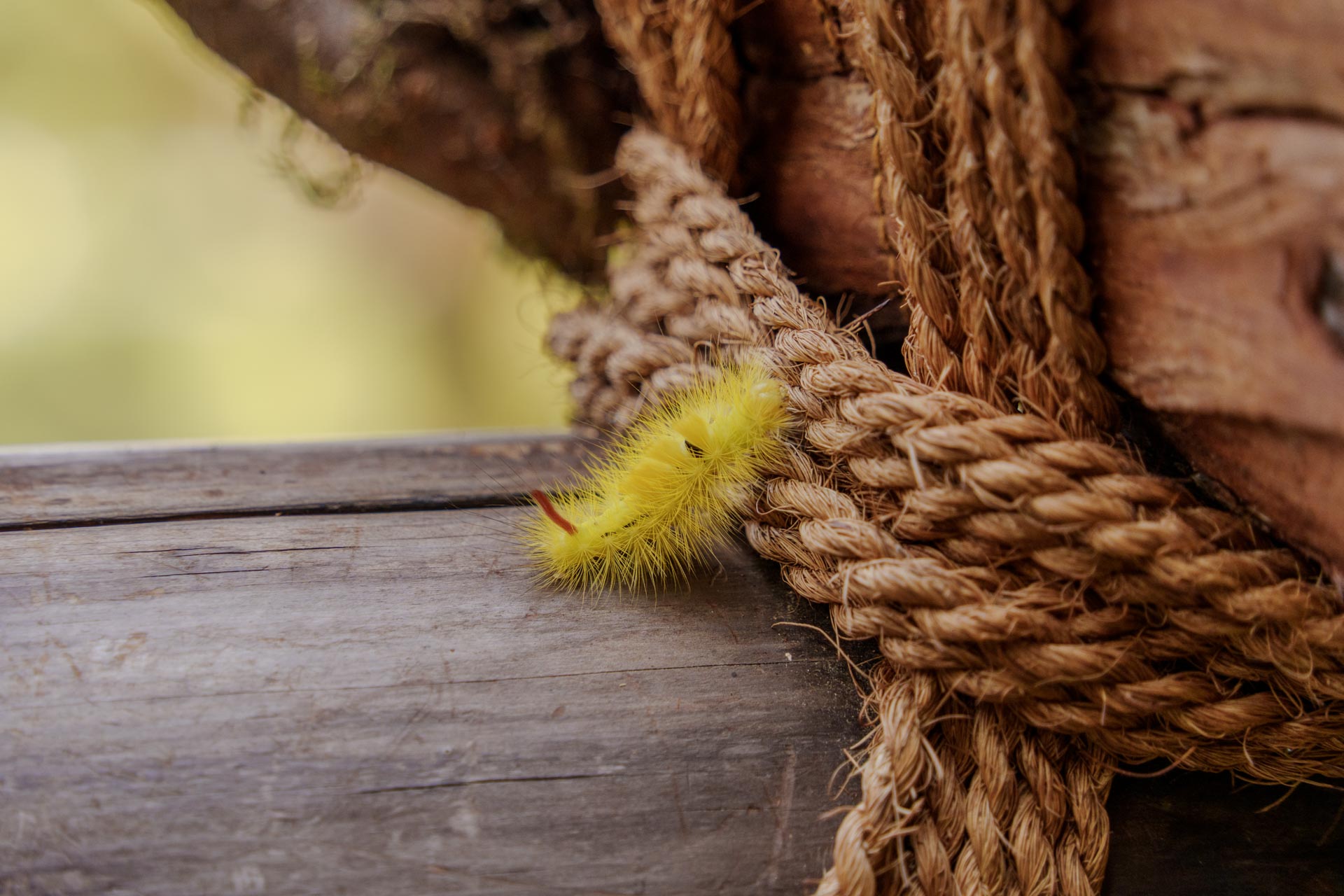
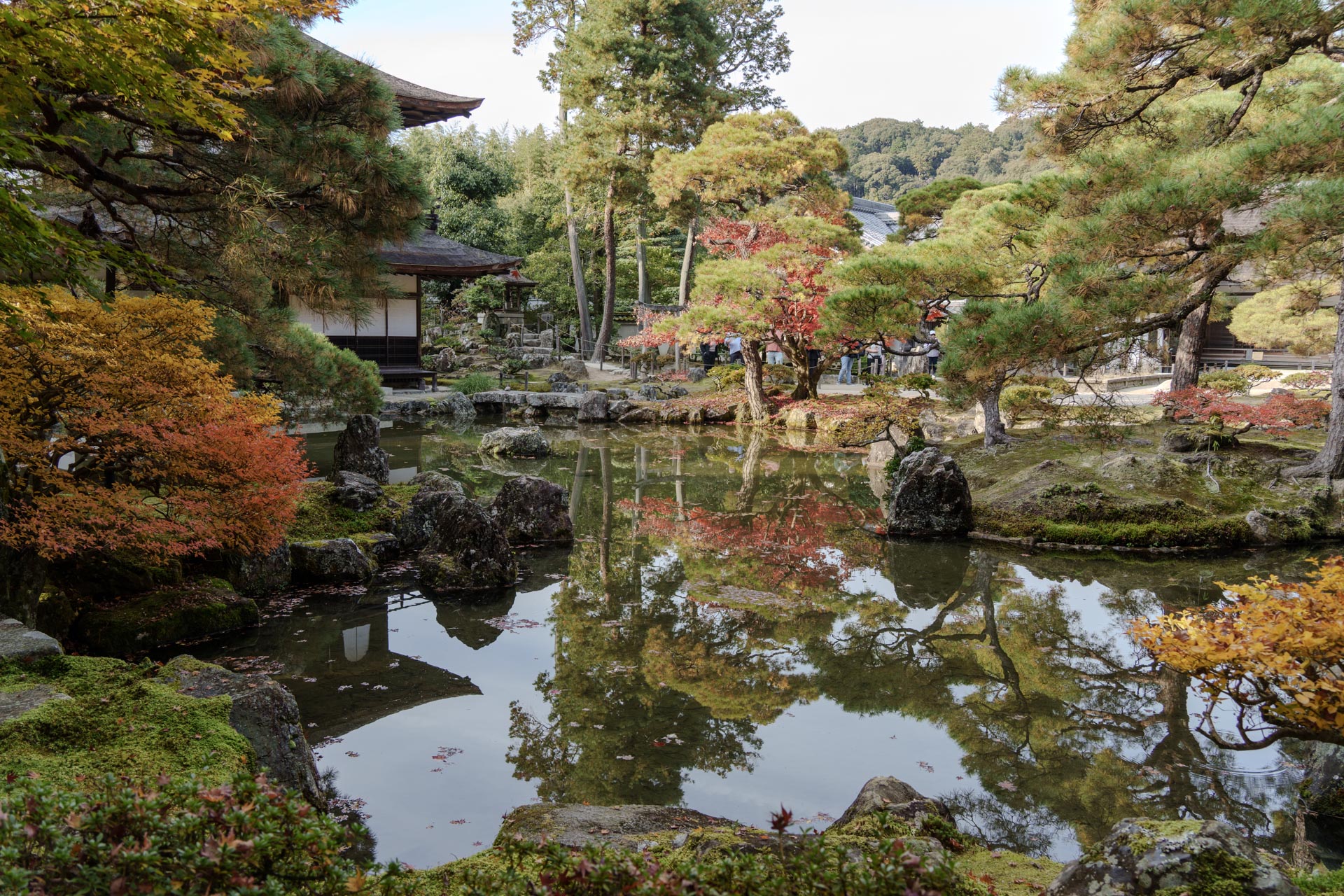
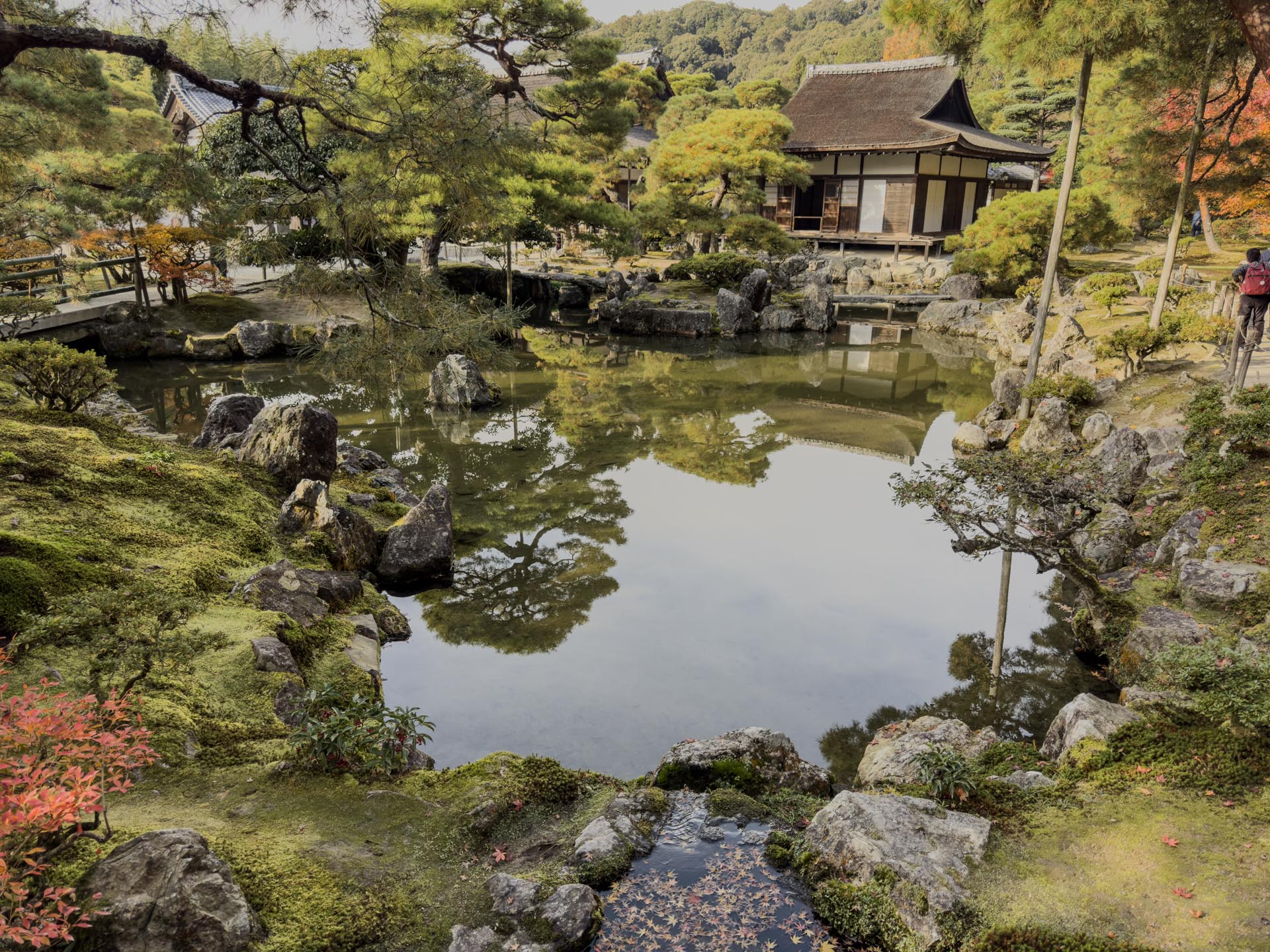
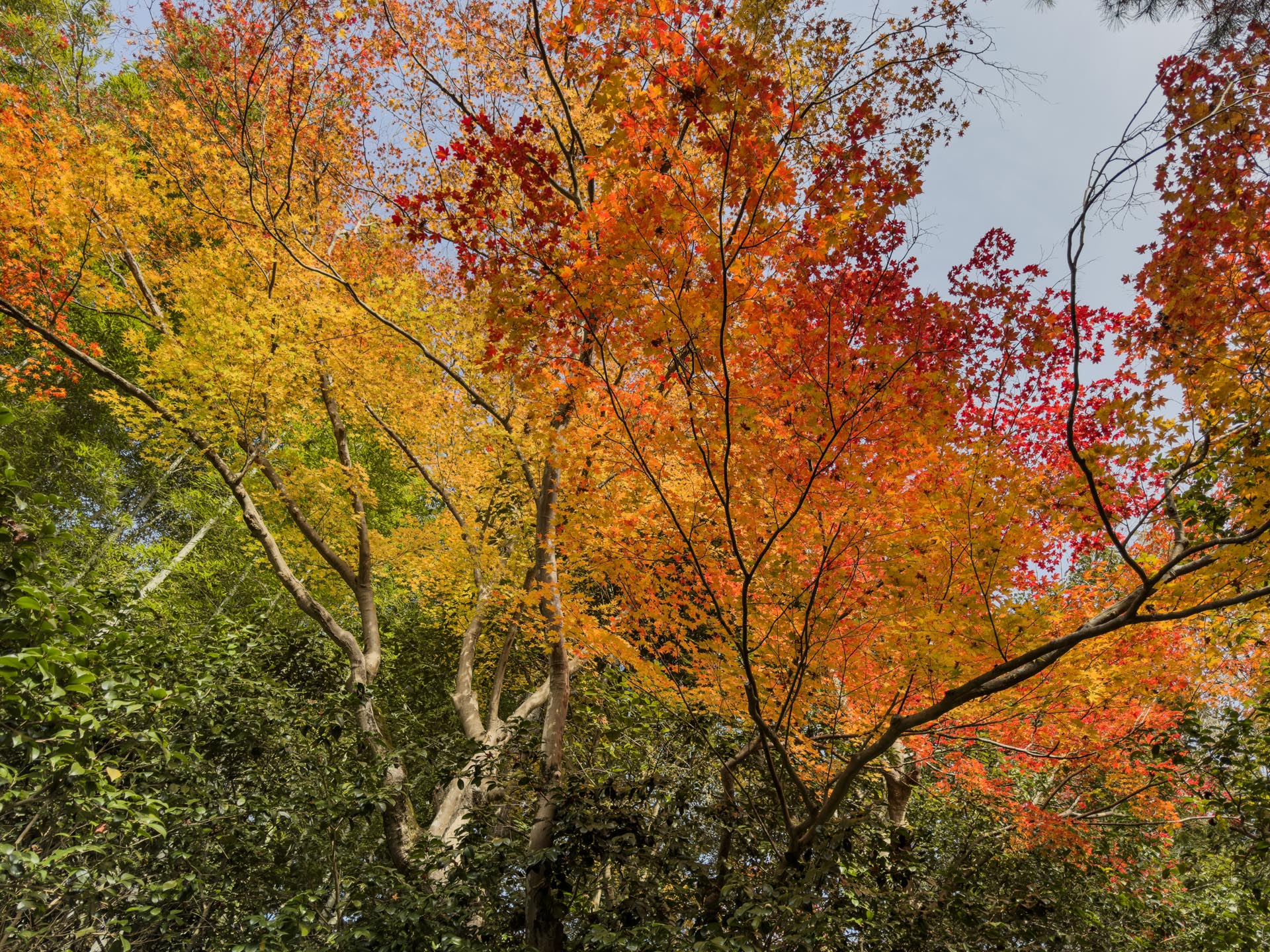
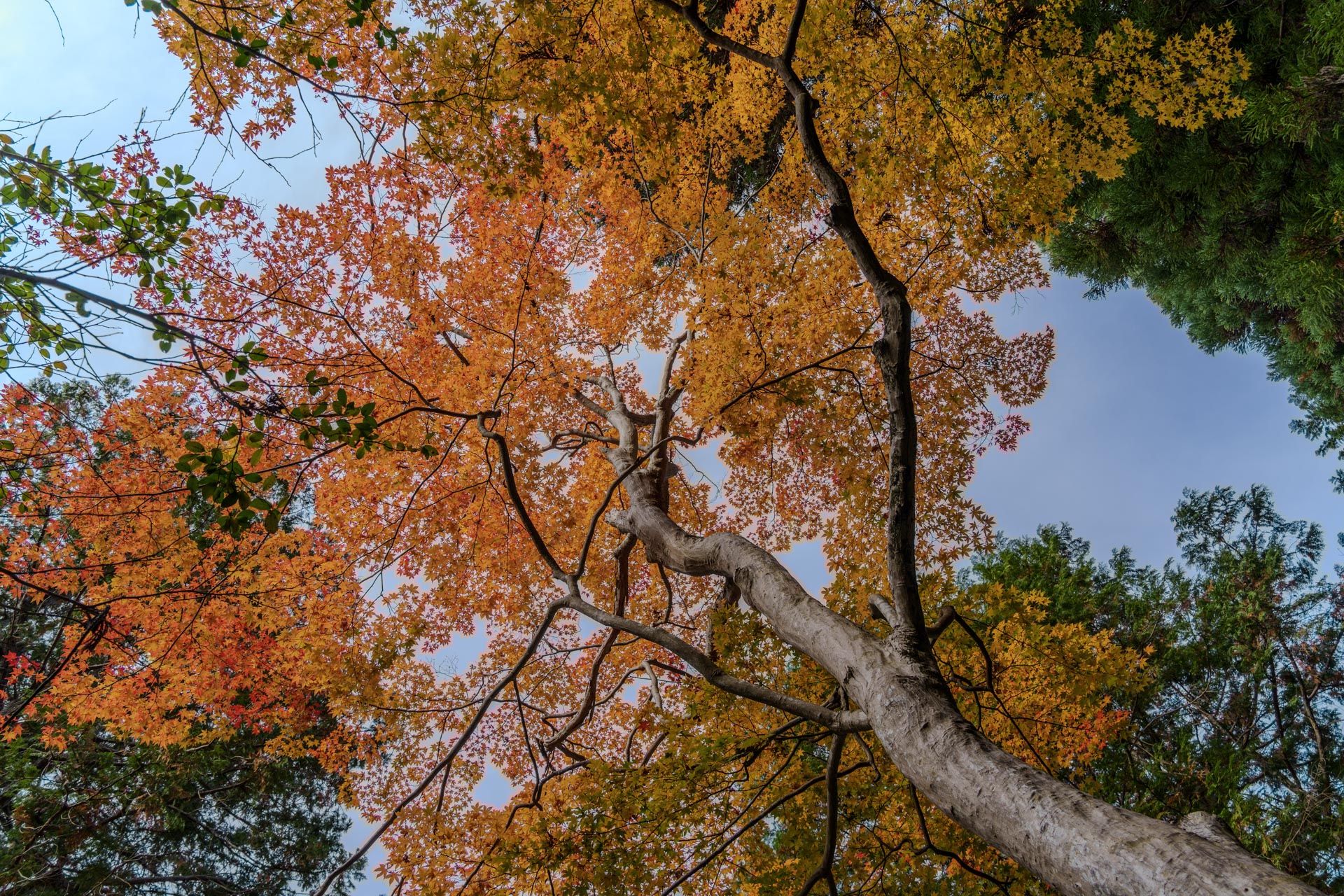
Ginkaku-ji has many evergreen trees, and the moss grows very well. With the clear weather, the garden exudes a serene beauty.
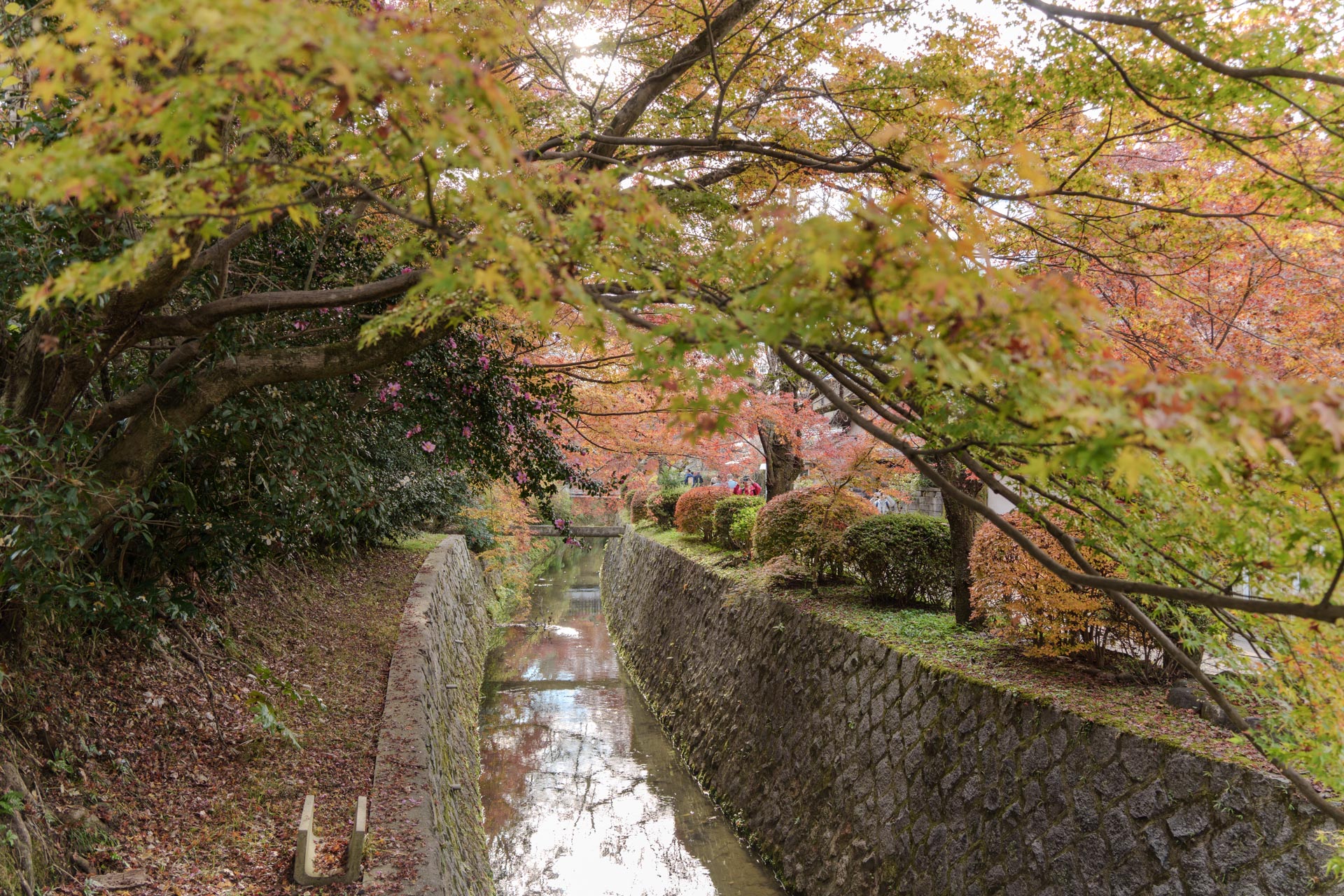
After leaving Ginkaku-ji, we walked along the Philosopher’s Path toward Eikando.
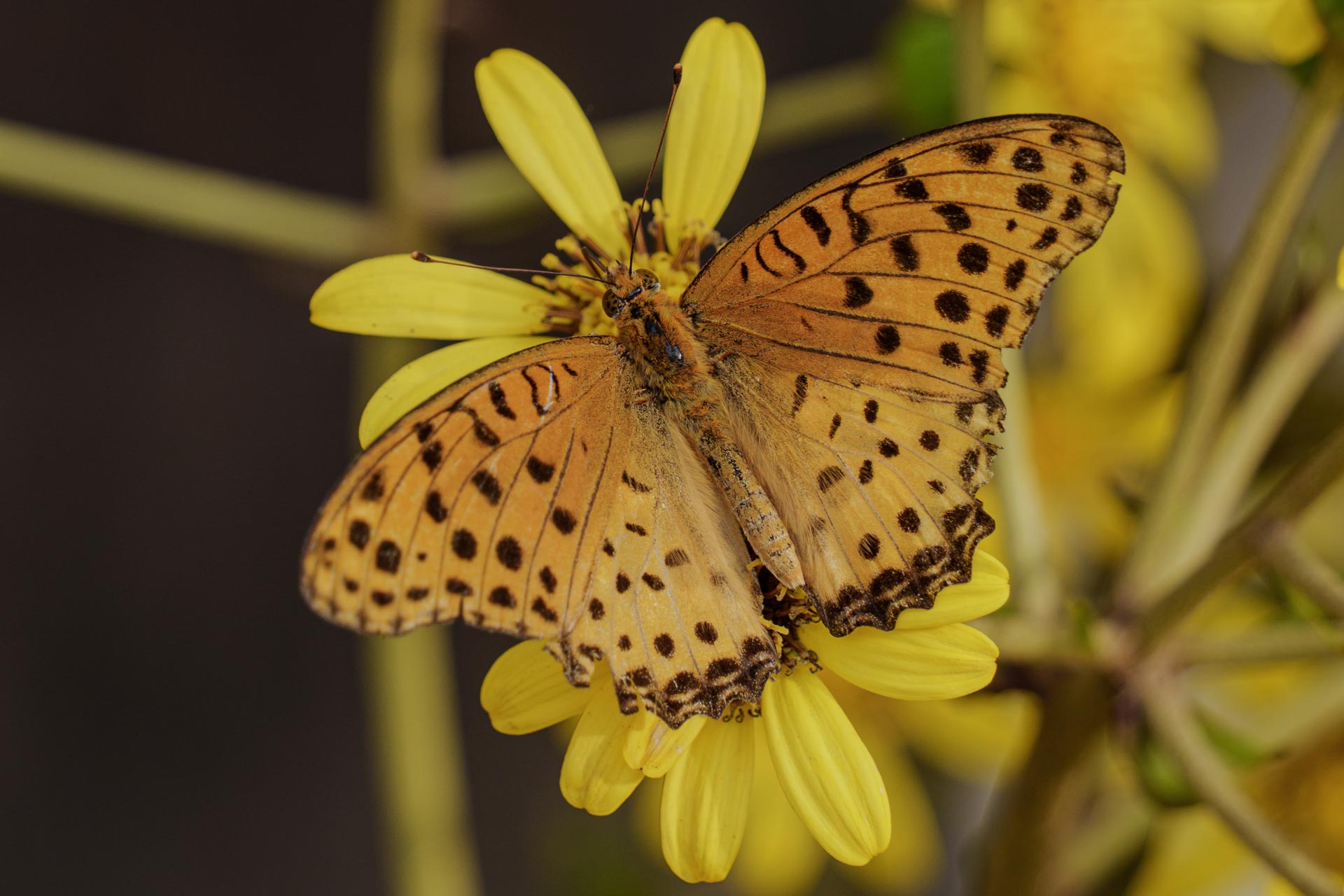
Along the way, we spotted a beautiful butterfly.
Eikando
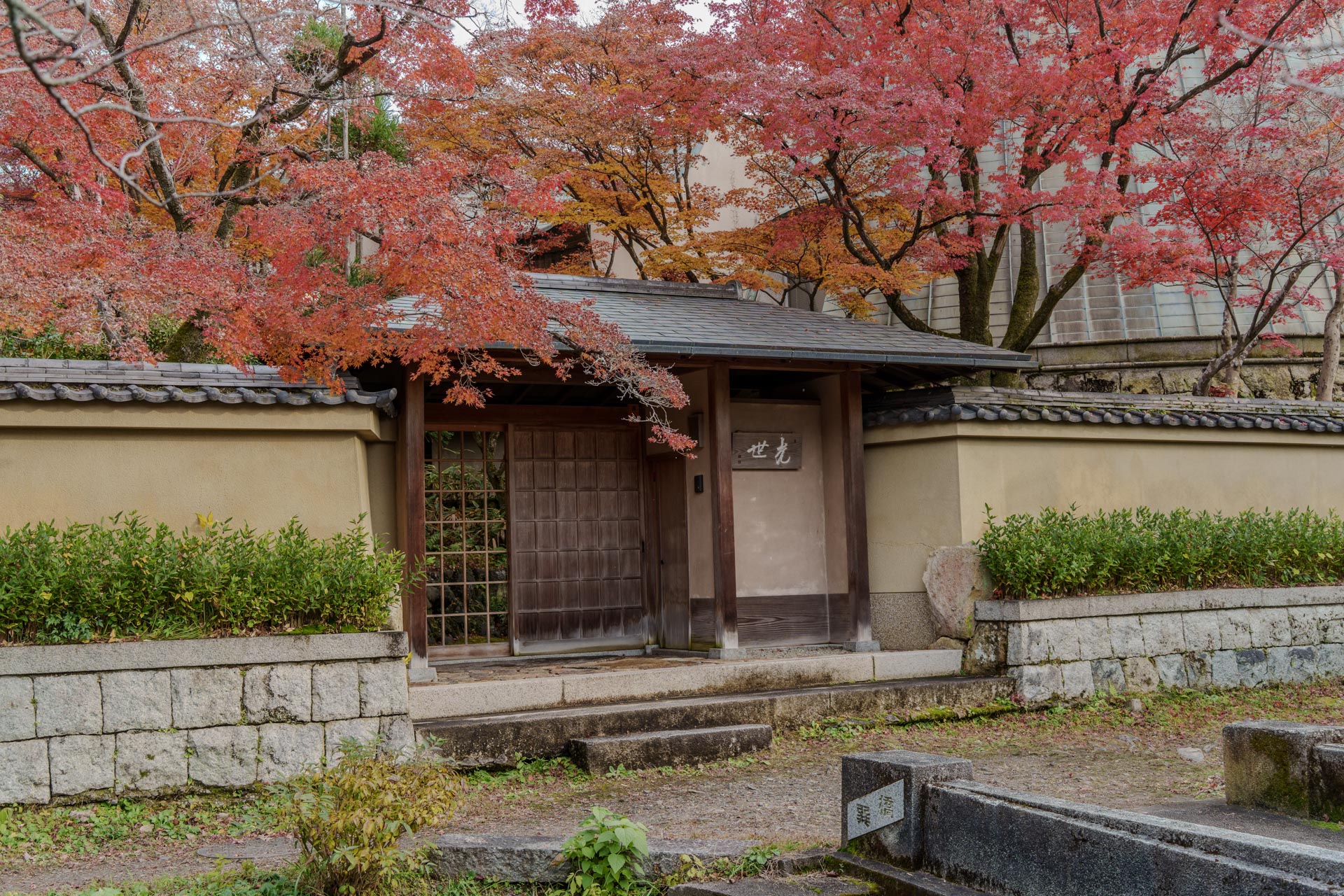
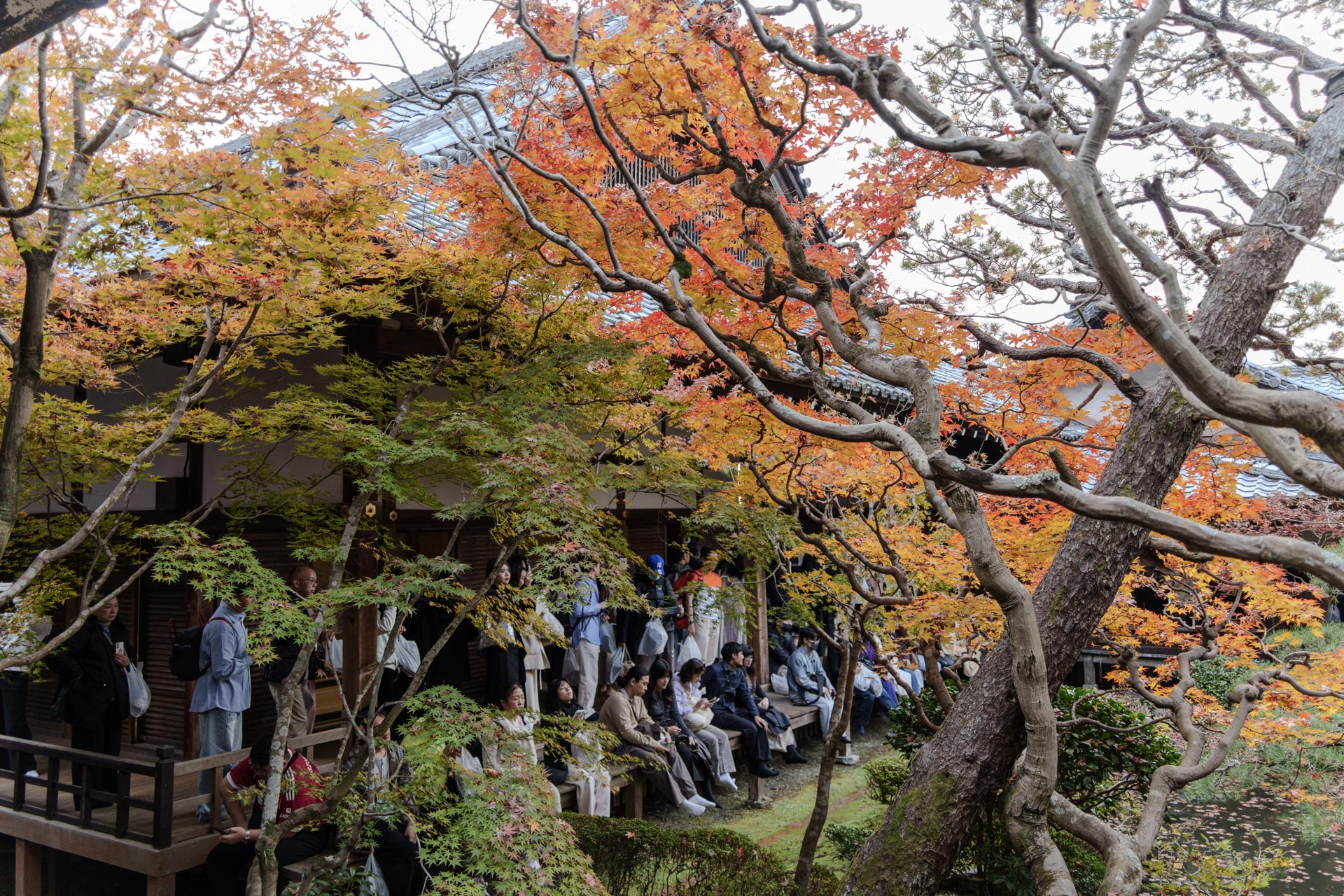
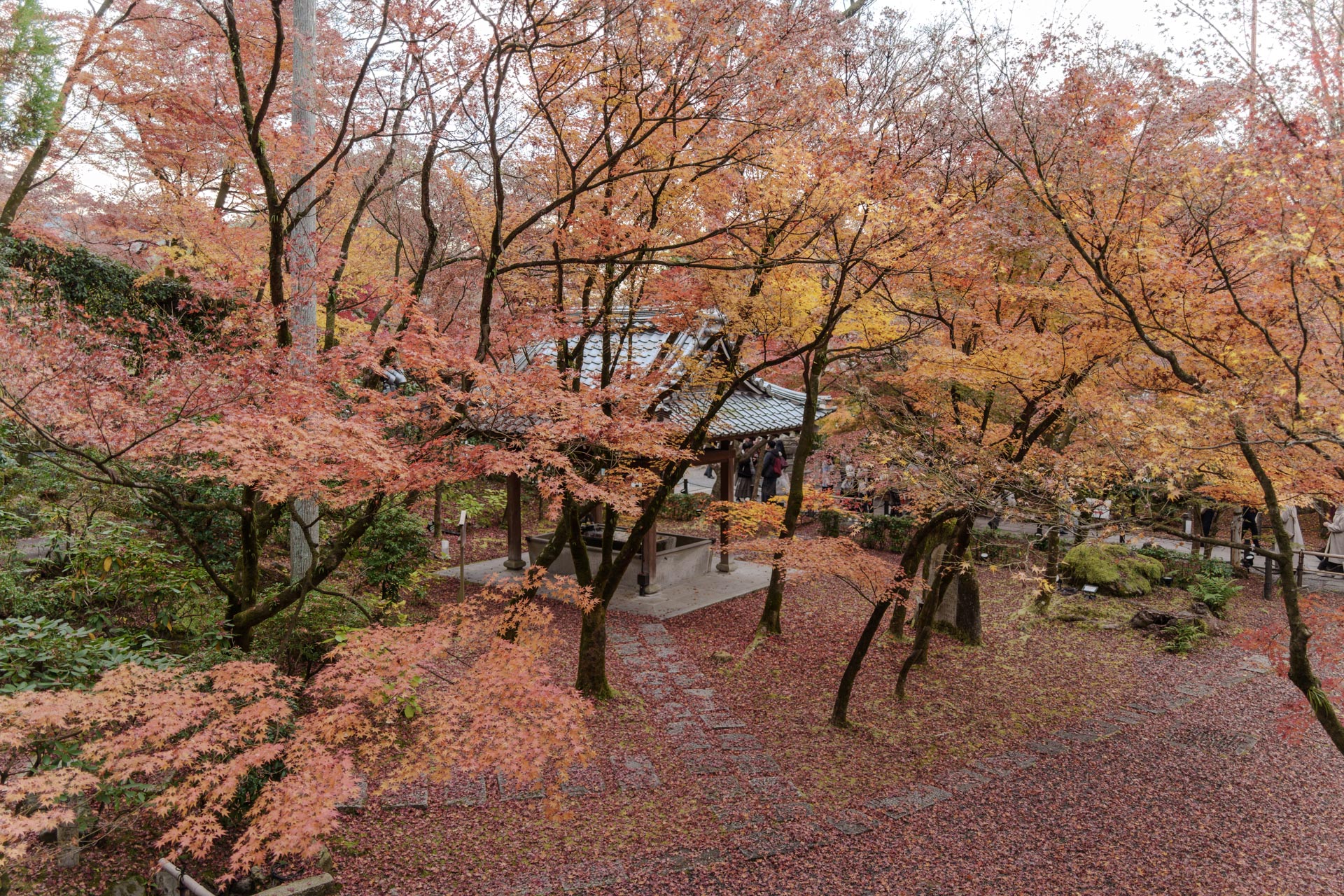
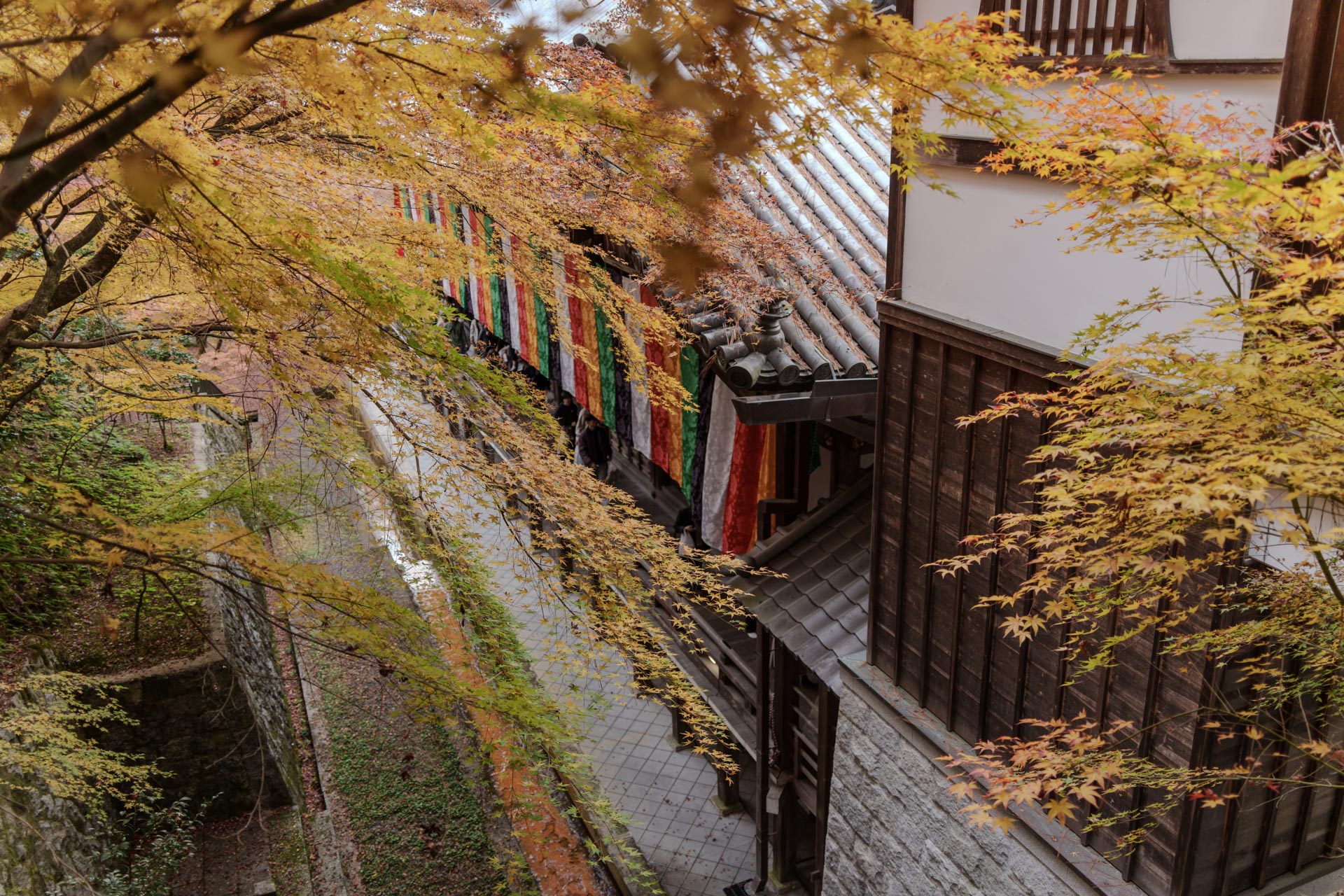
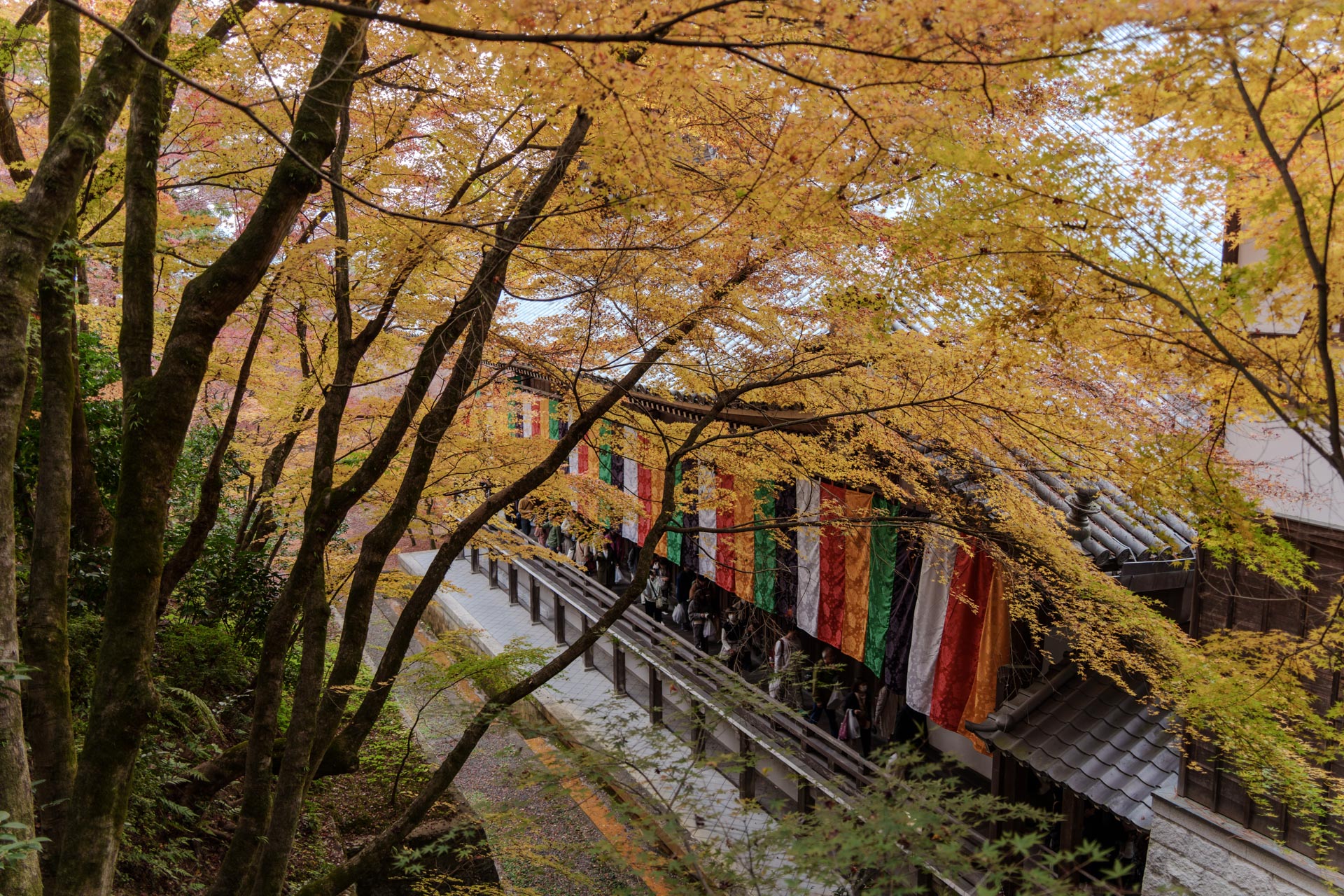
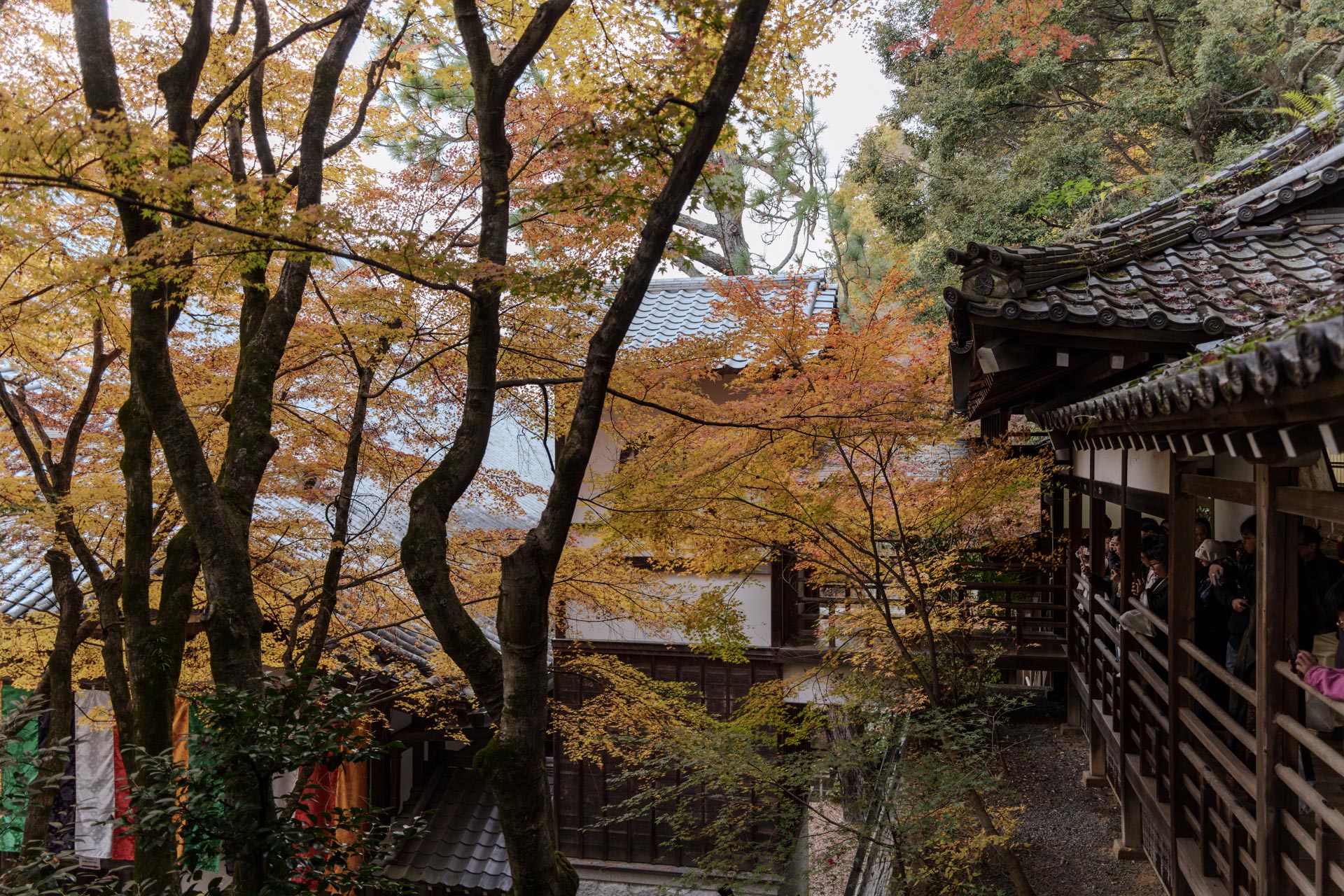
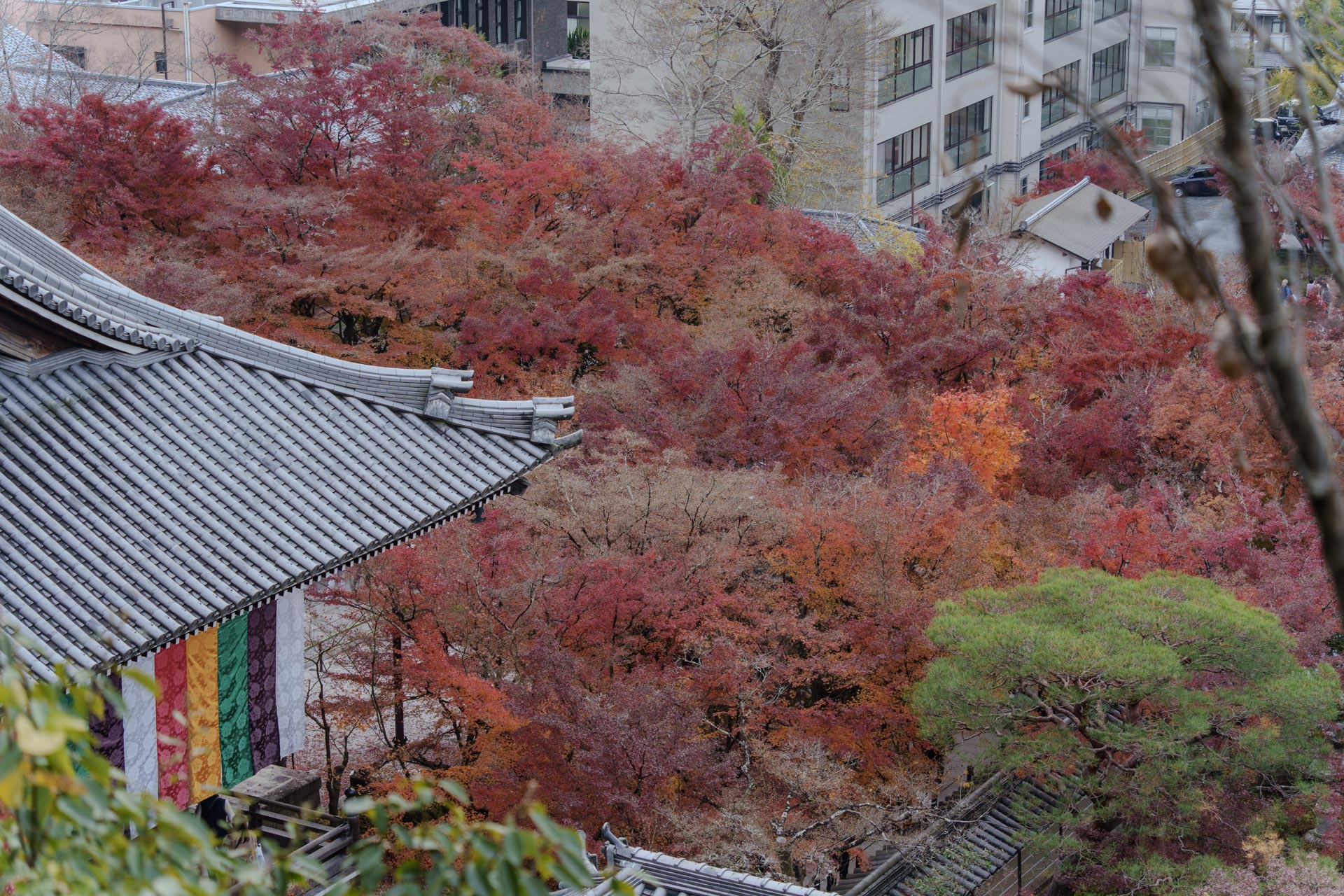
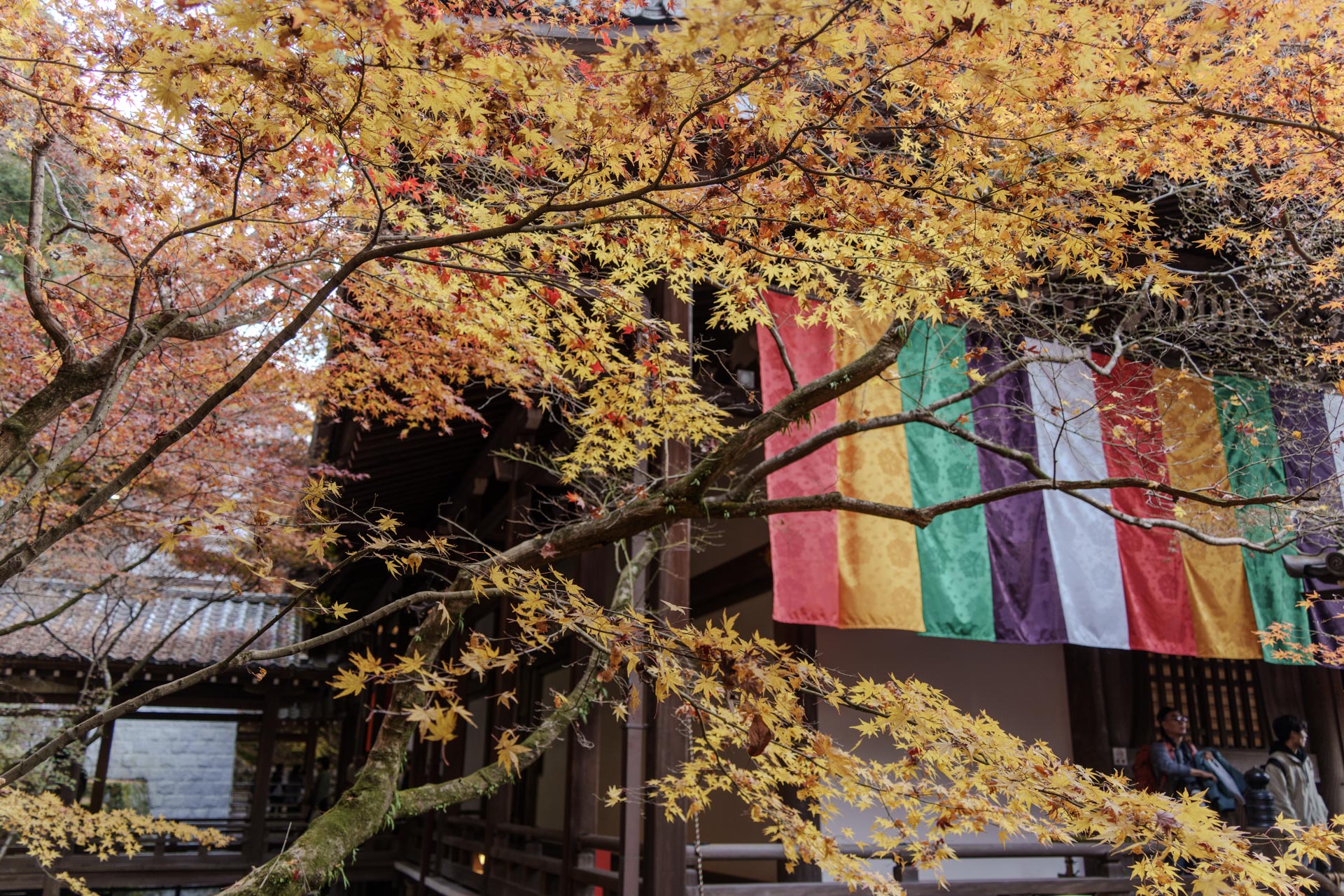
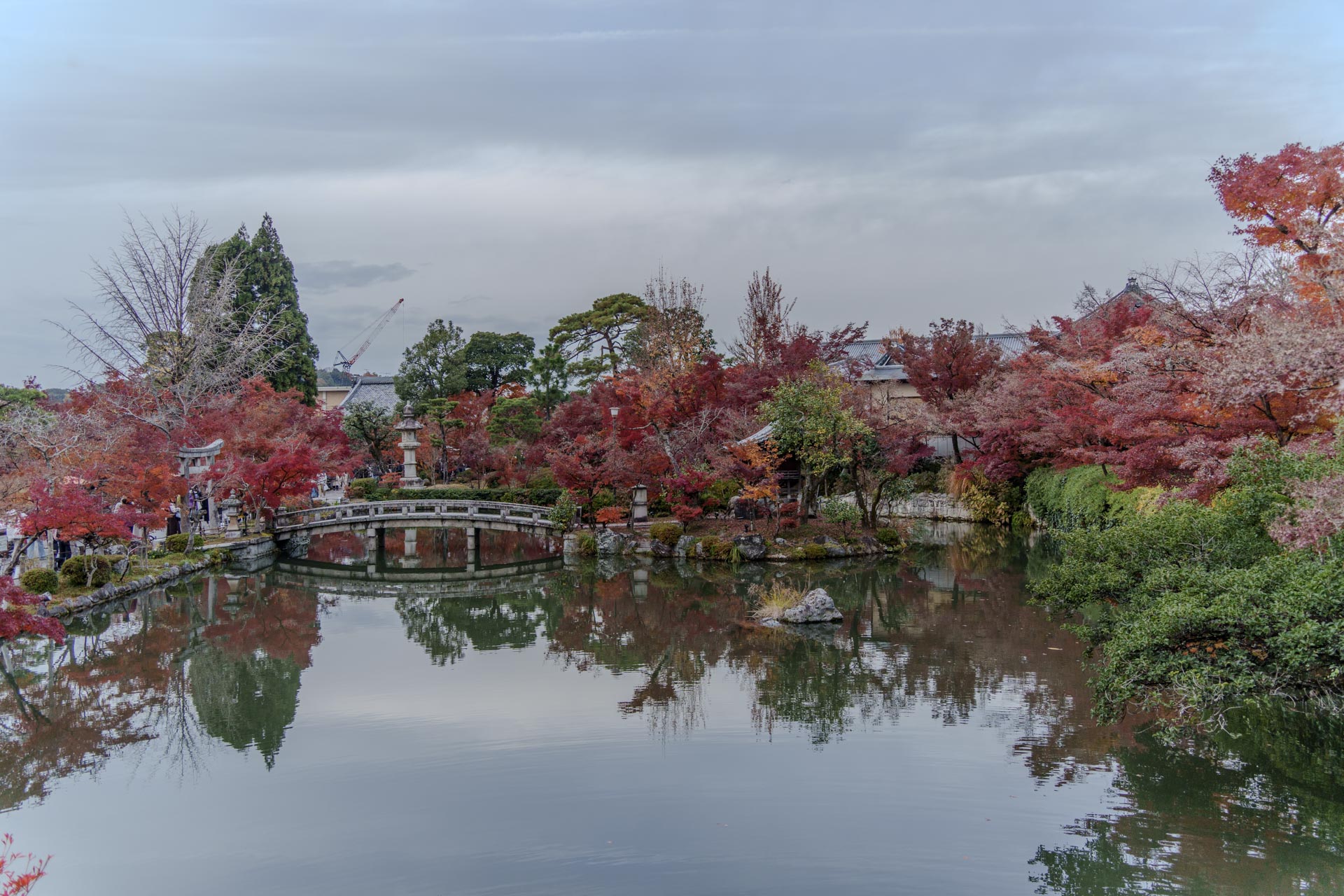
Eikando is famous for its maple leaves. Although we arrived a bit later in the season, we were still able to see many beautiful maples within the temple grounds.
Nanzen-ji
After leaving Eikando, we headed to Nanzen-ji.
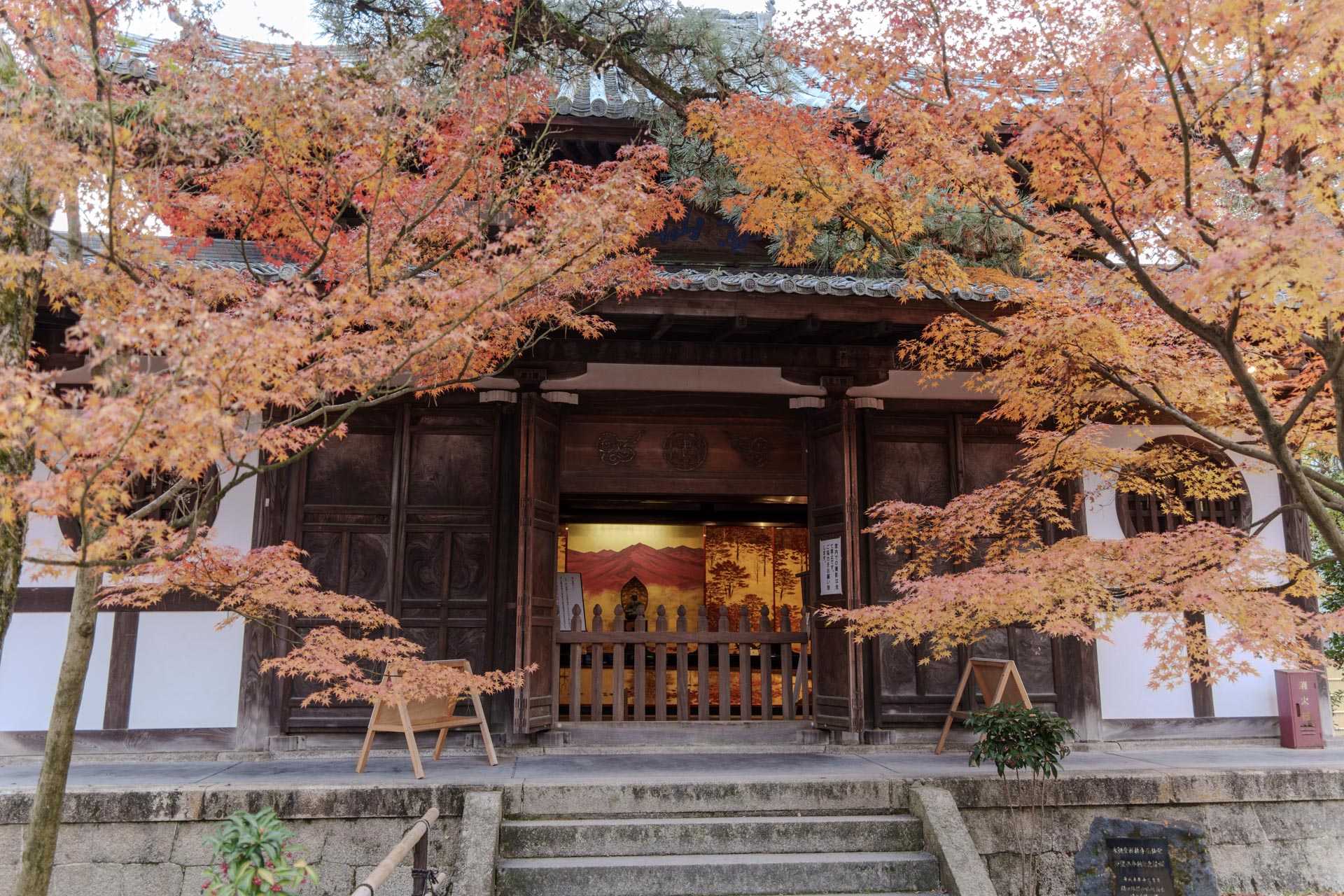
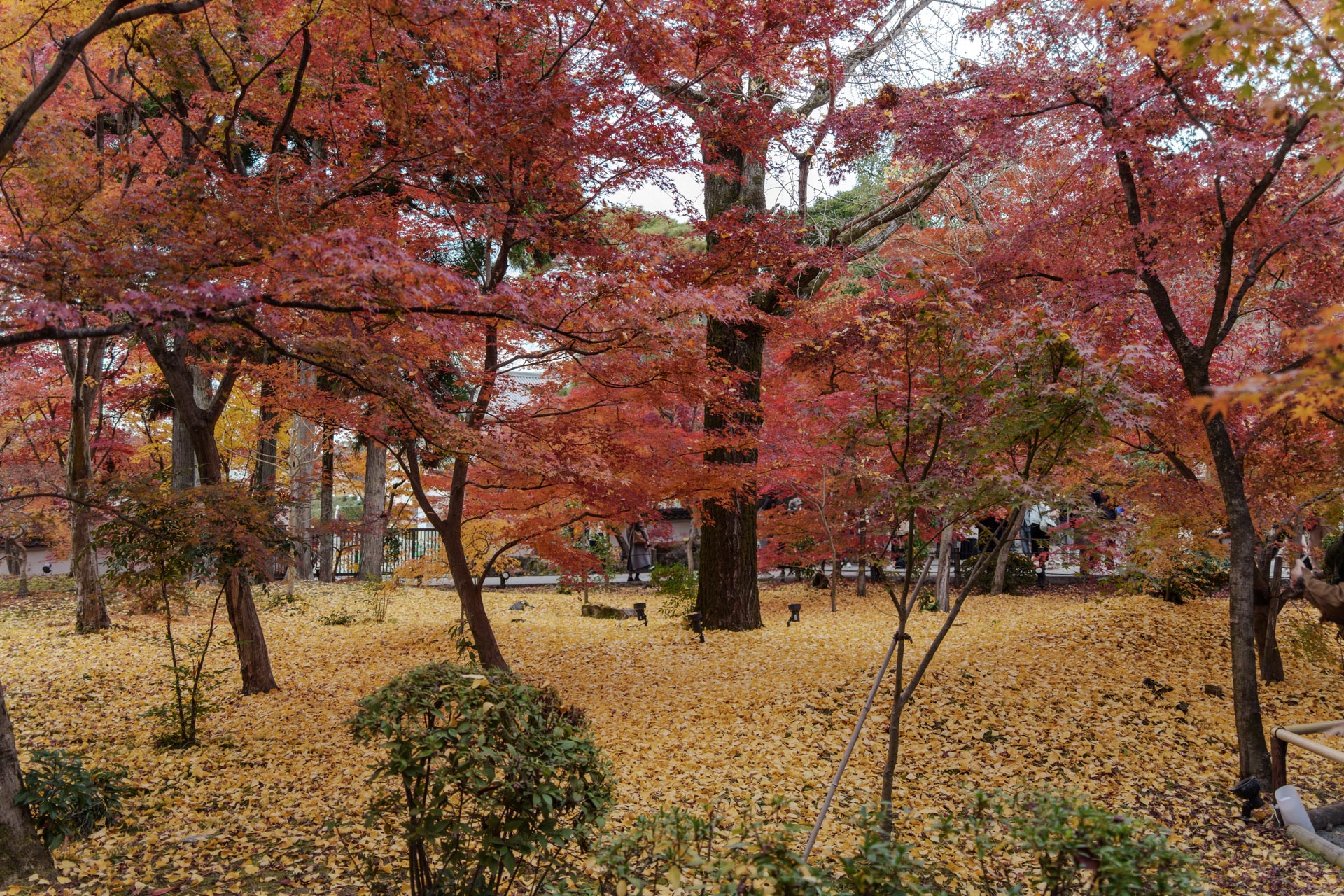
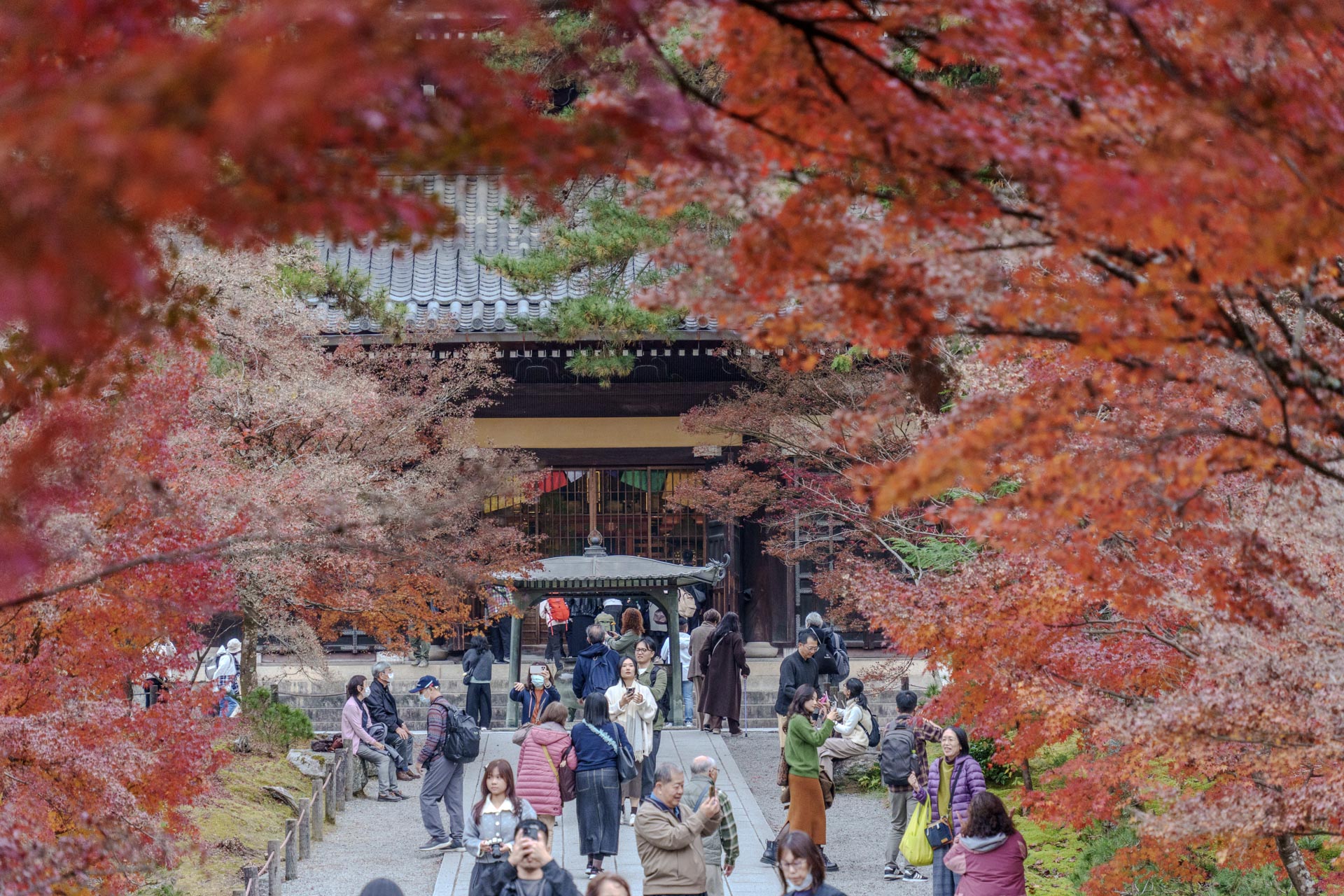
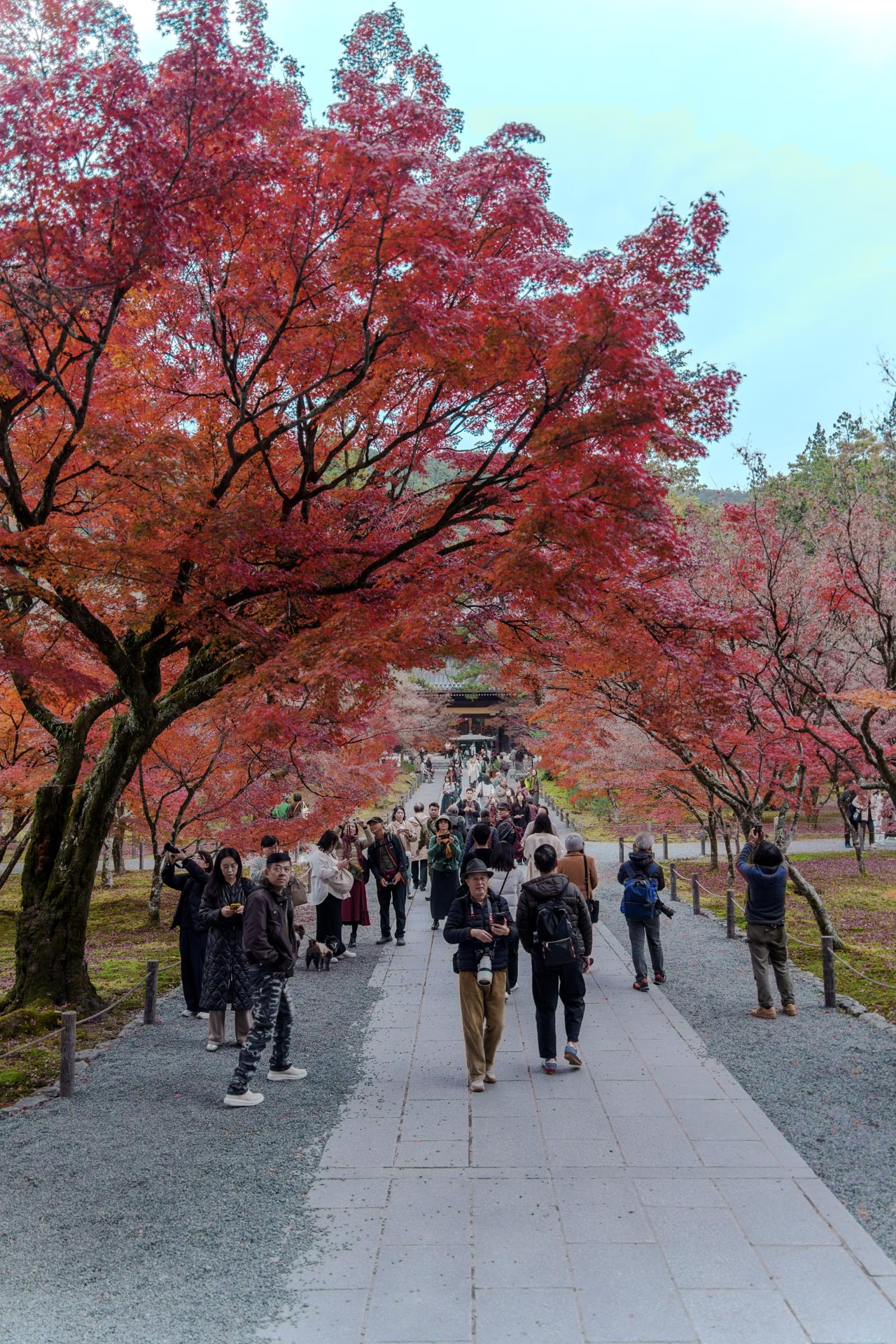
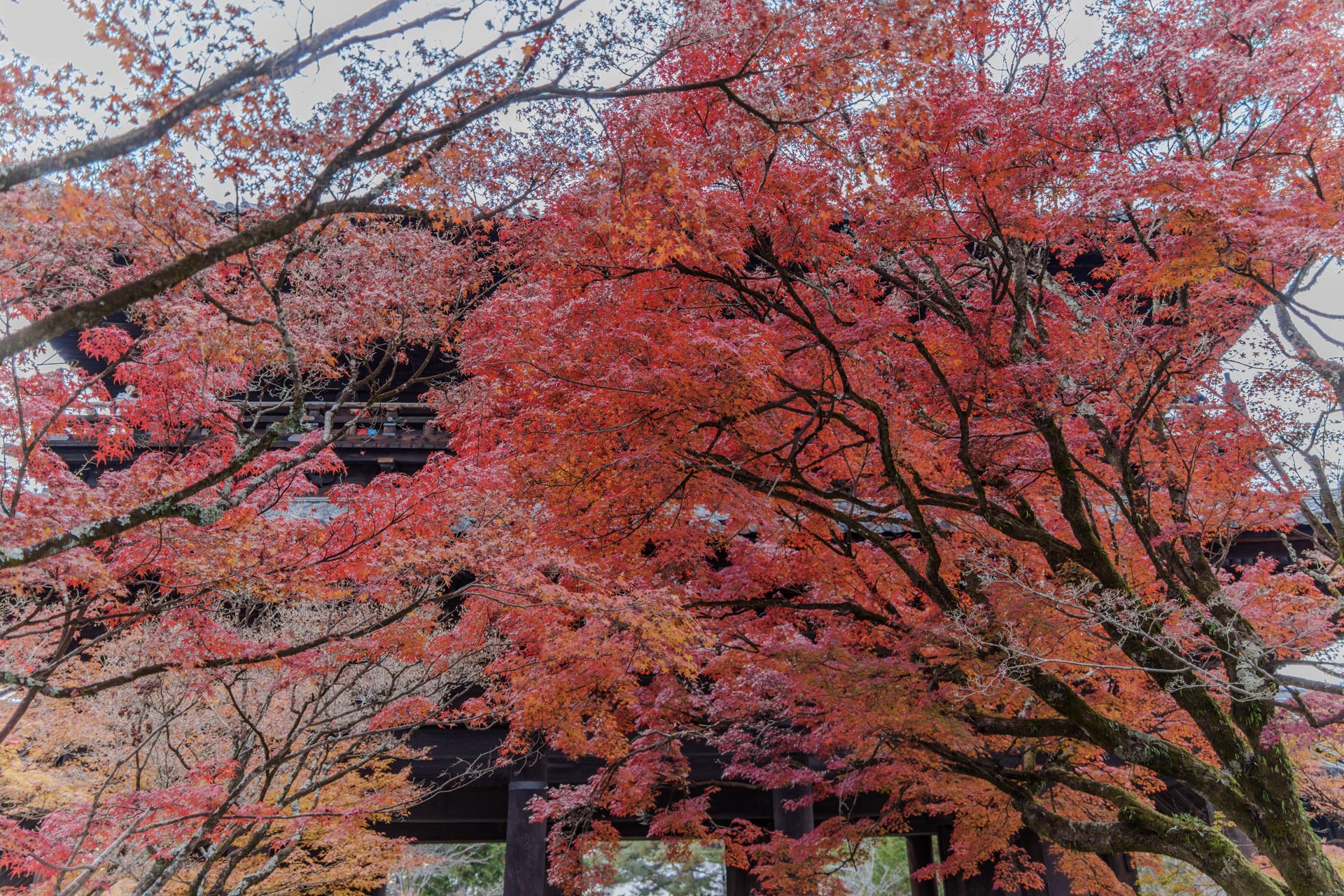
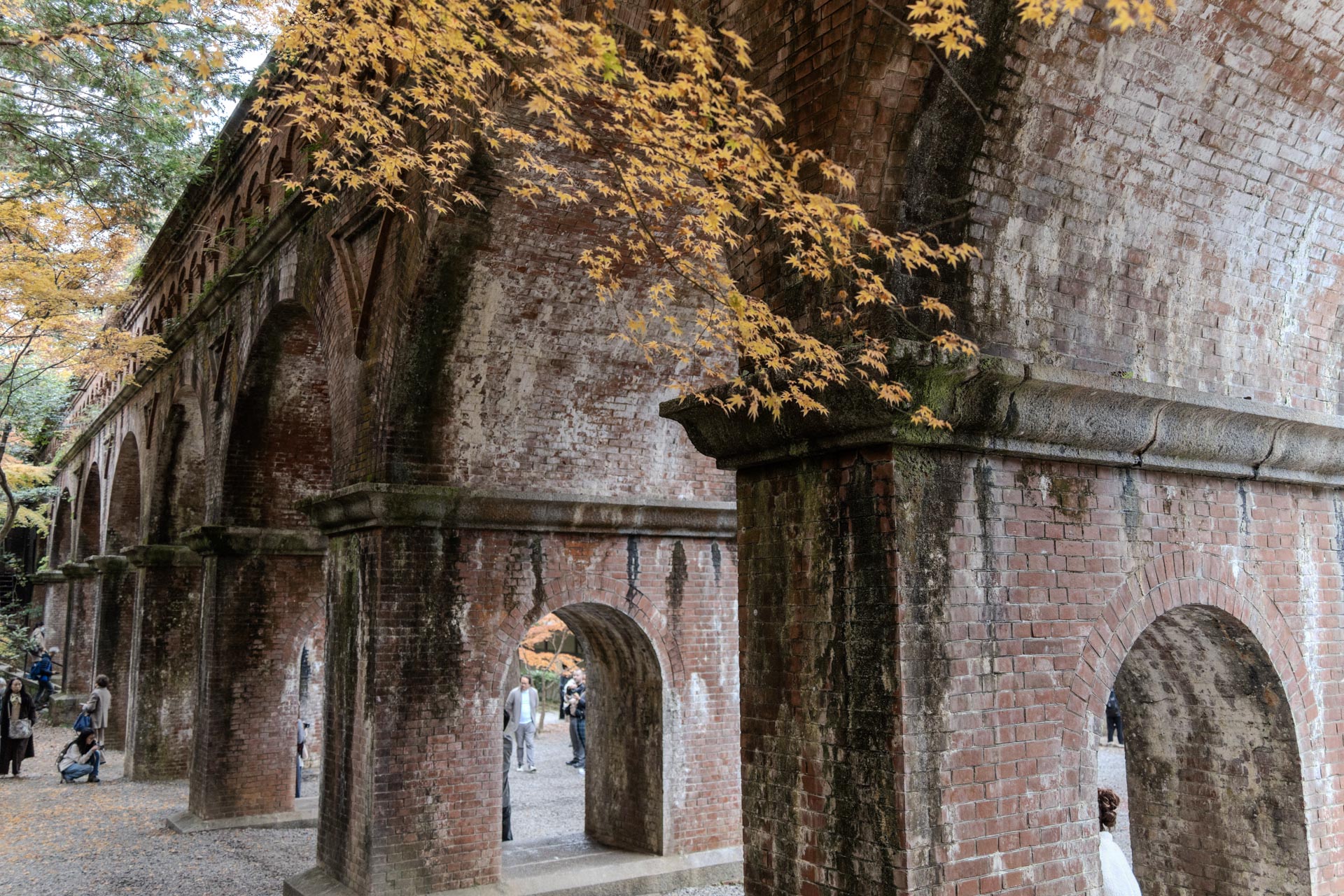
I have visited this area of Nanzen-ji for three consecutive years. Even within the free-access areas, the scenery is quite beautiful and definitely worth seeing.
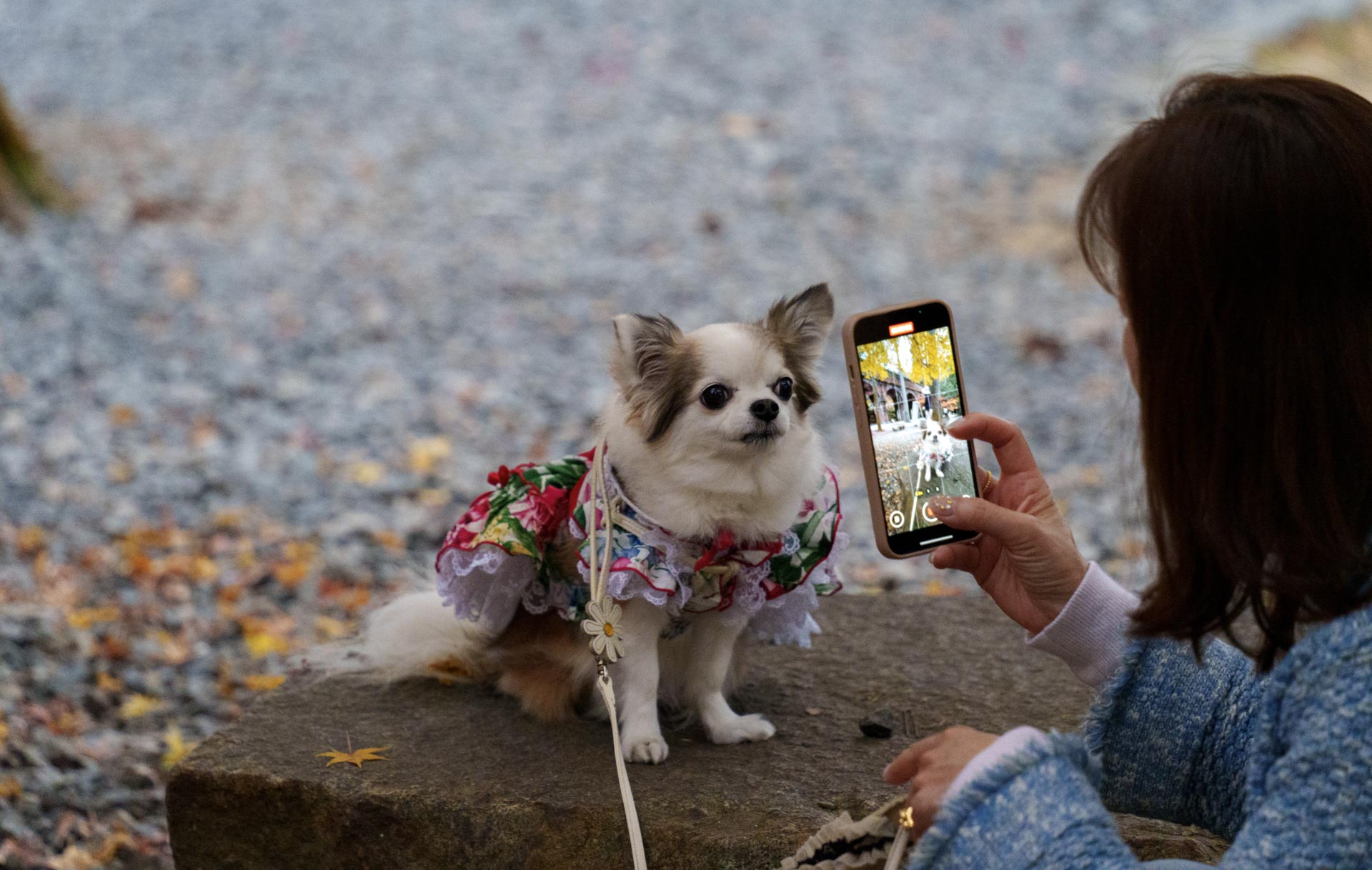 An adorable little dog
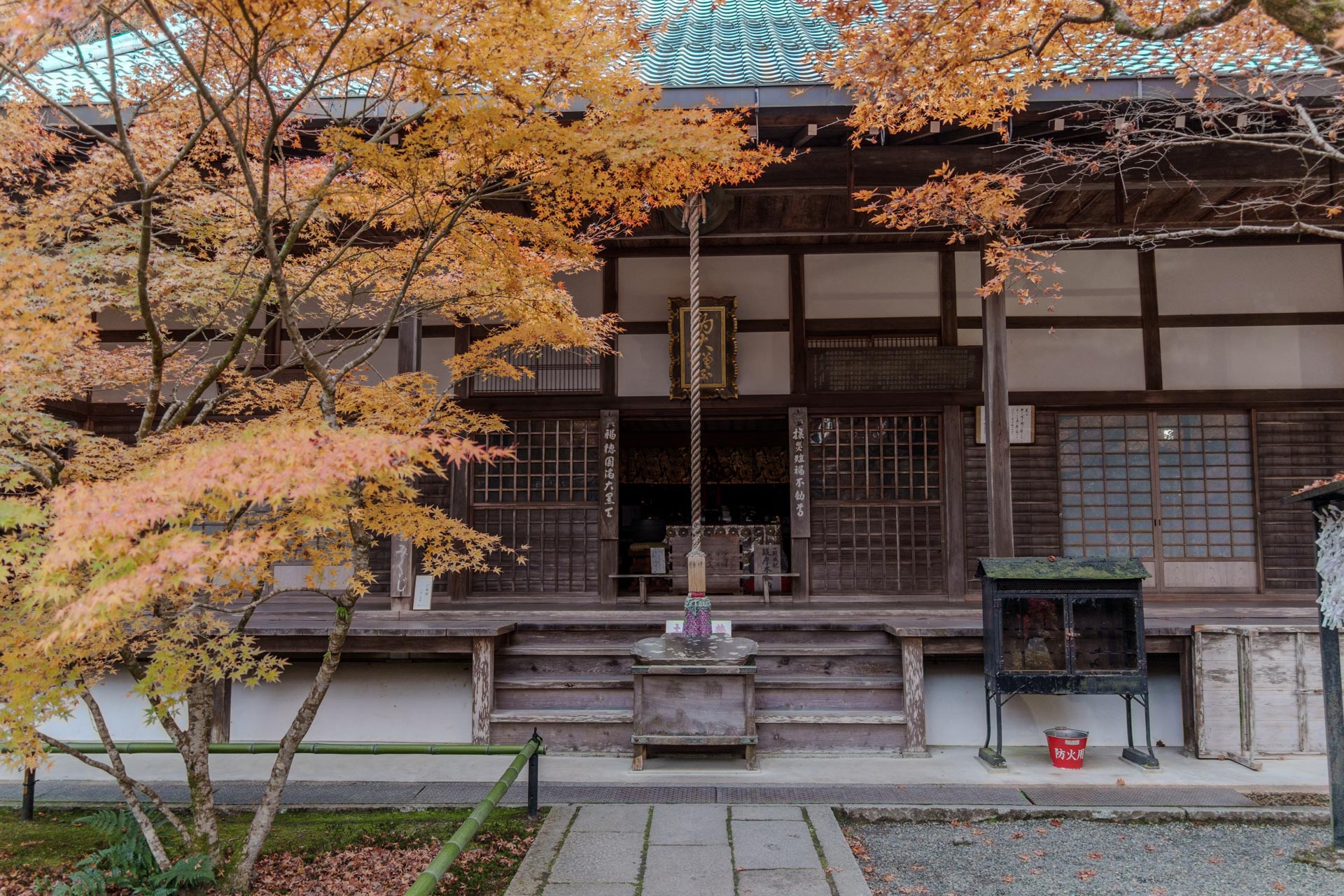
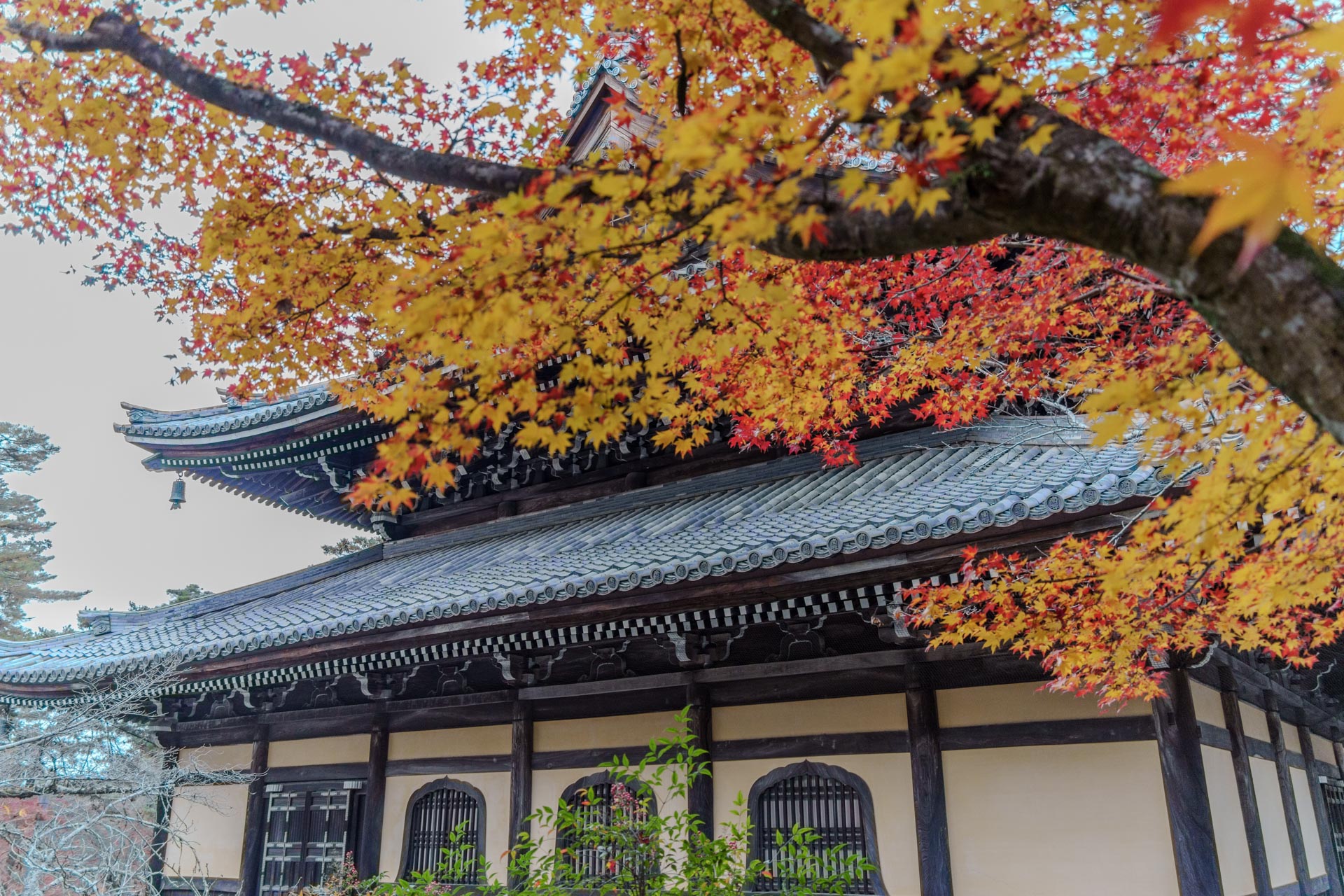
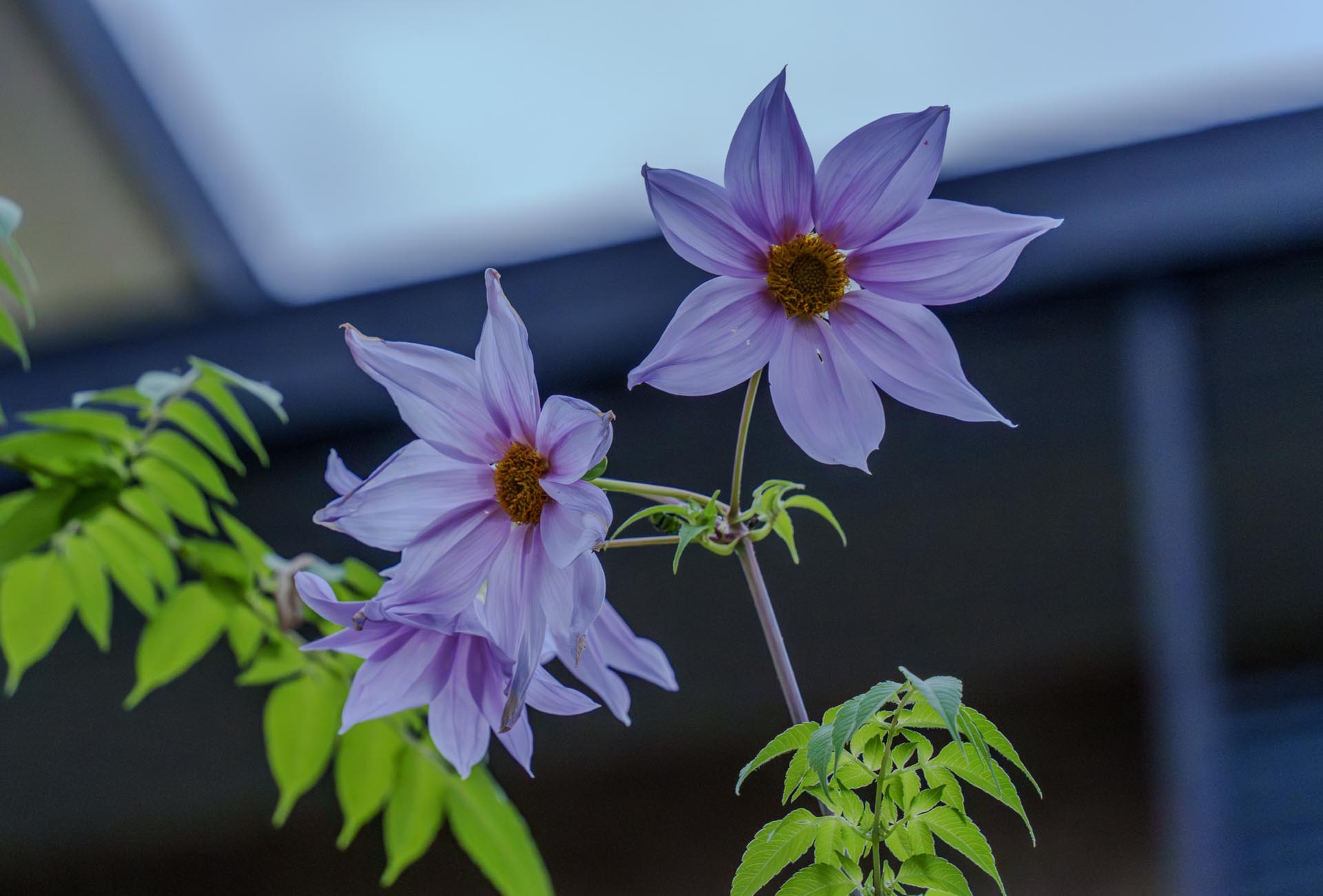 beautiful flowers
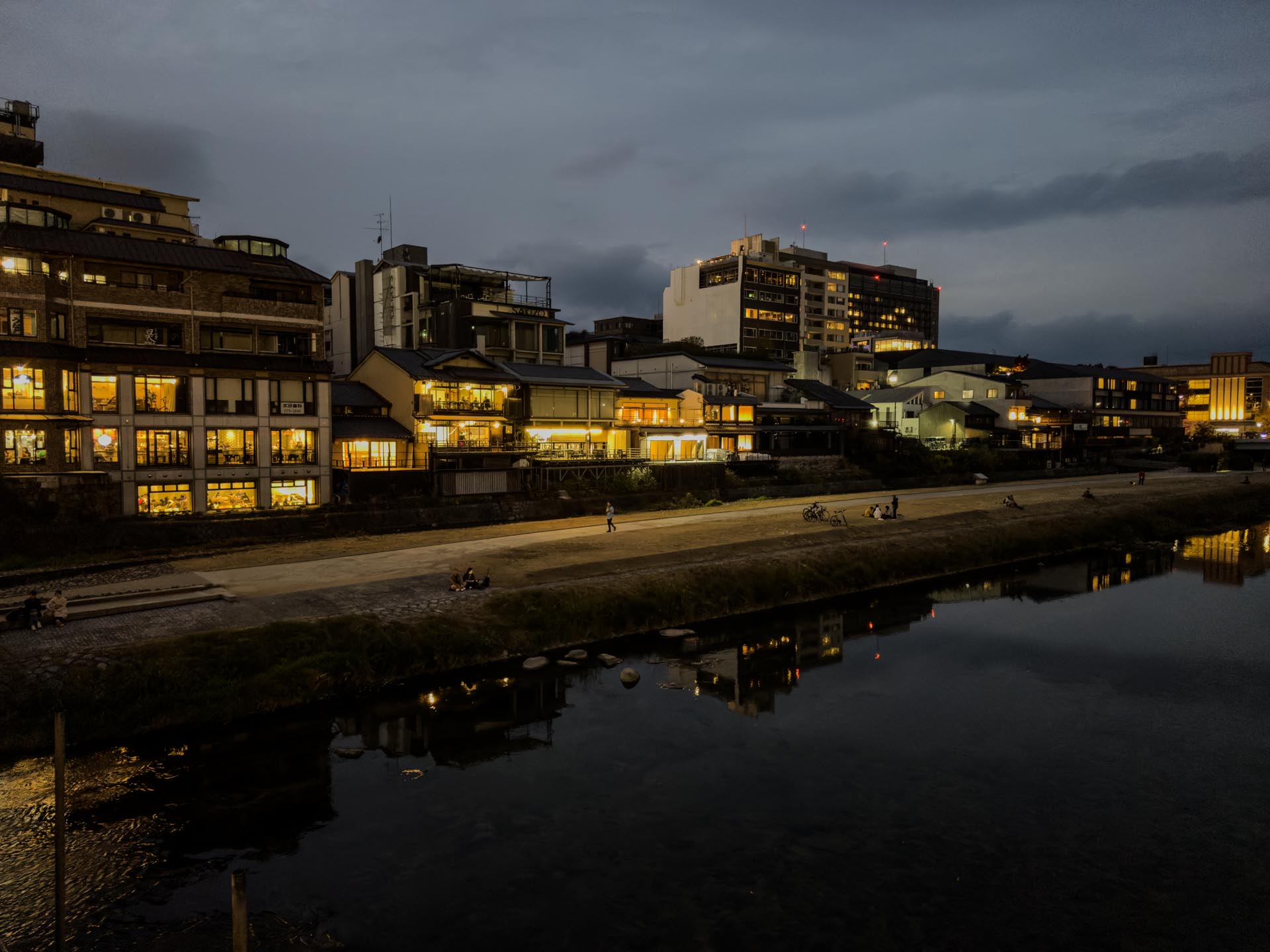 Kamo River
After leaving Nanzen-ji, we walked to the Shijo area and found a sukiyaki buffet (run by Chinese owners). It was quite tasty. After eating our fill, we returned to the hotel.
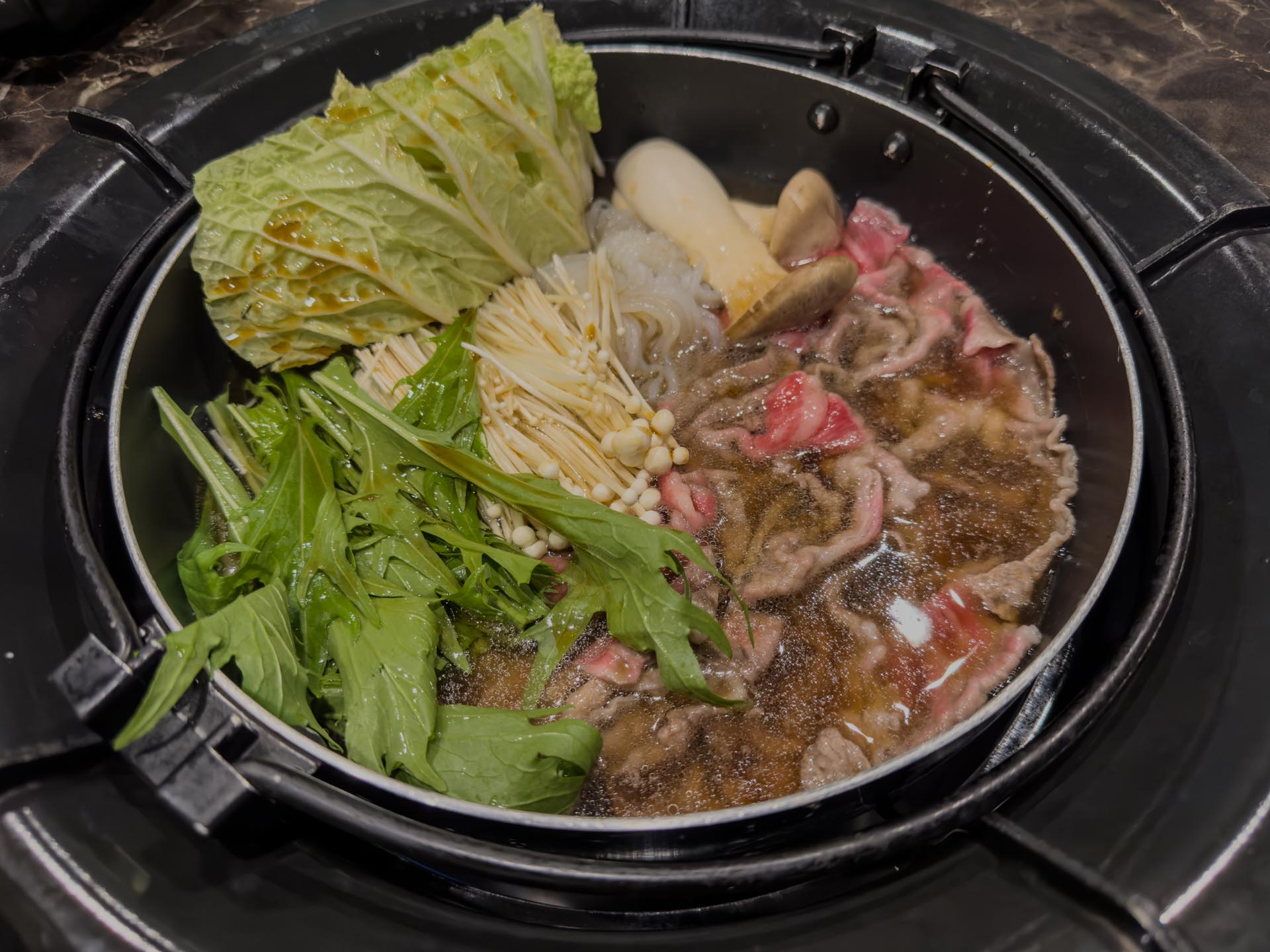 Sukiyaki
Day 4 · Kyoto
We slept in again last night. After getting up, washing, and having breakfast, we took the bus to Arashiyama. Most of the autumn leaves had already fallen, so our first stop was Jōjakkō-ji Temple.
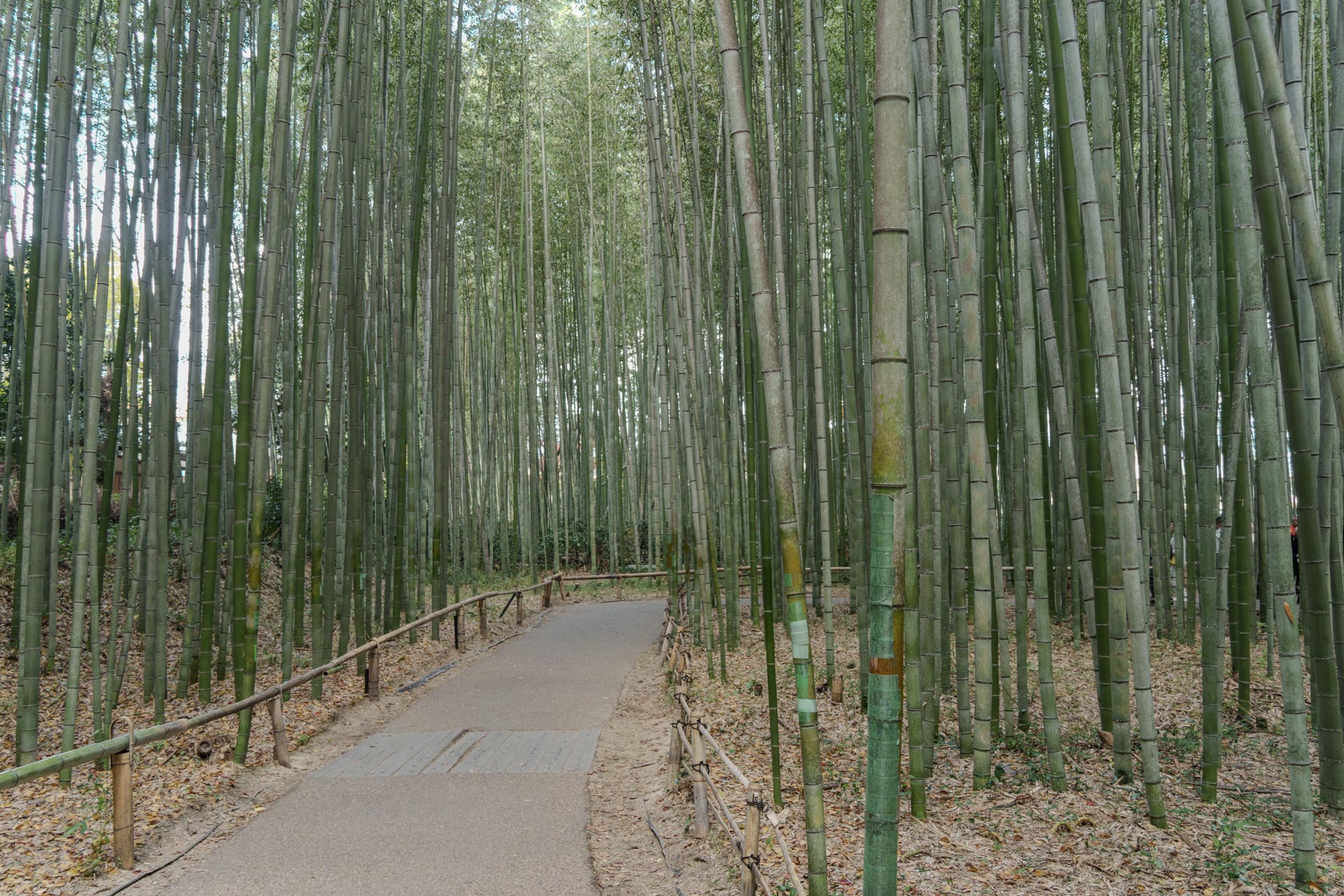
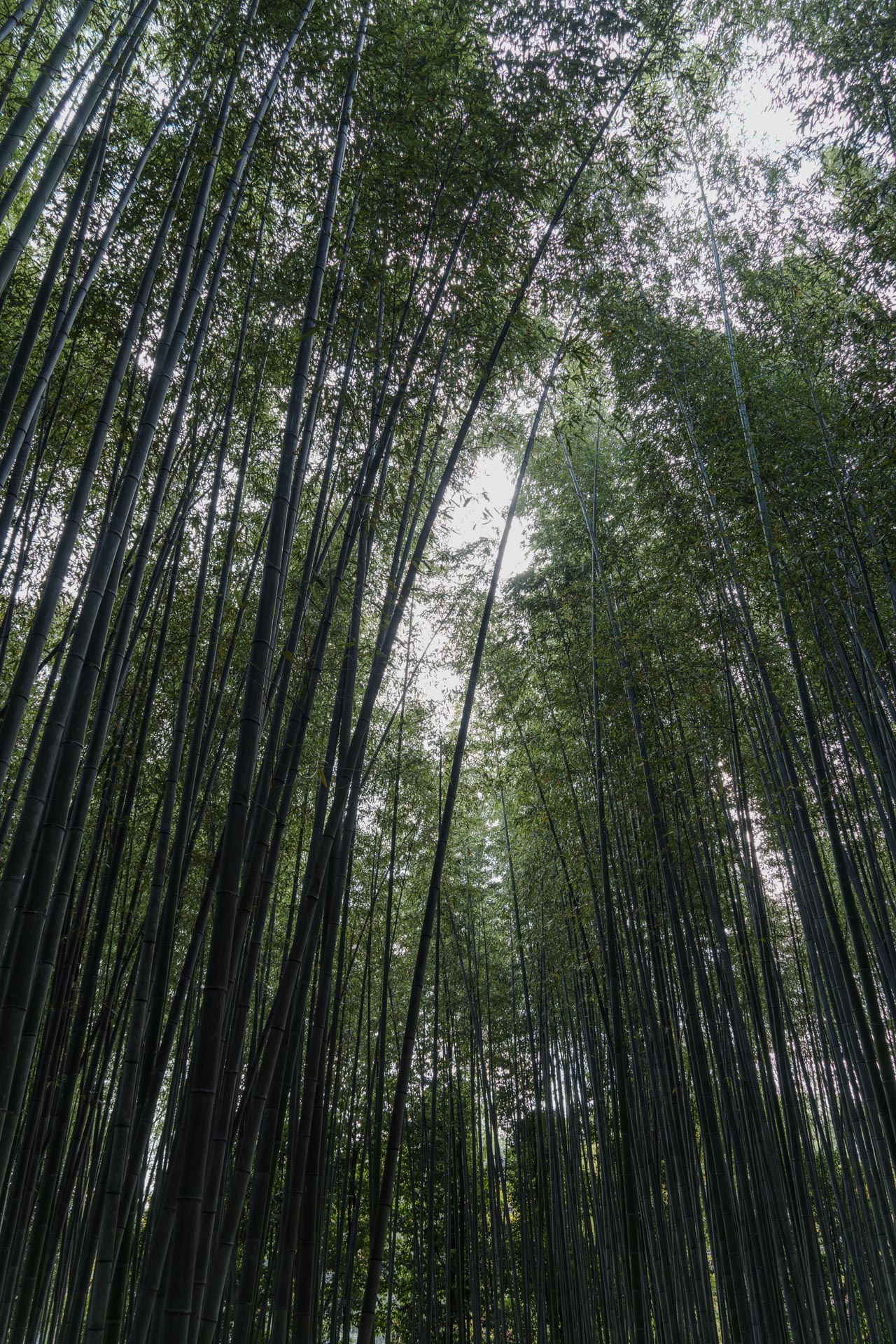
We took the bus to the entrance of Tenryu-ji and then walked through the bamboo grove.
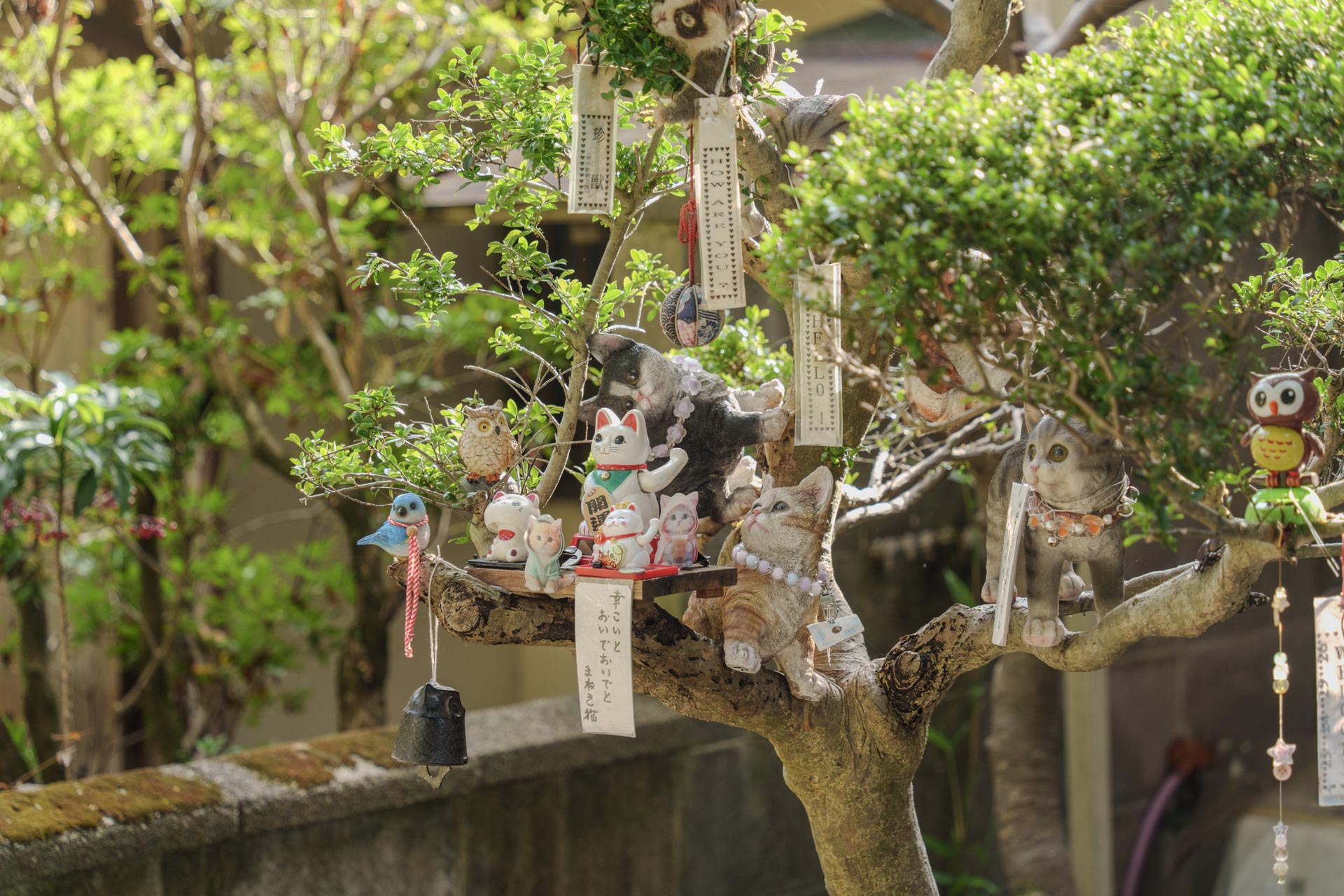
So cute—a Maneki-neko (beckoning cat).
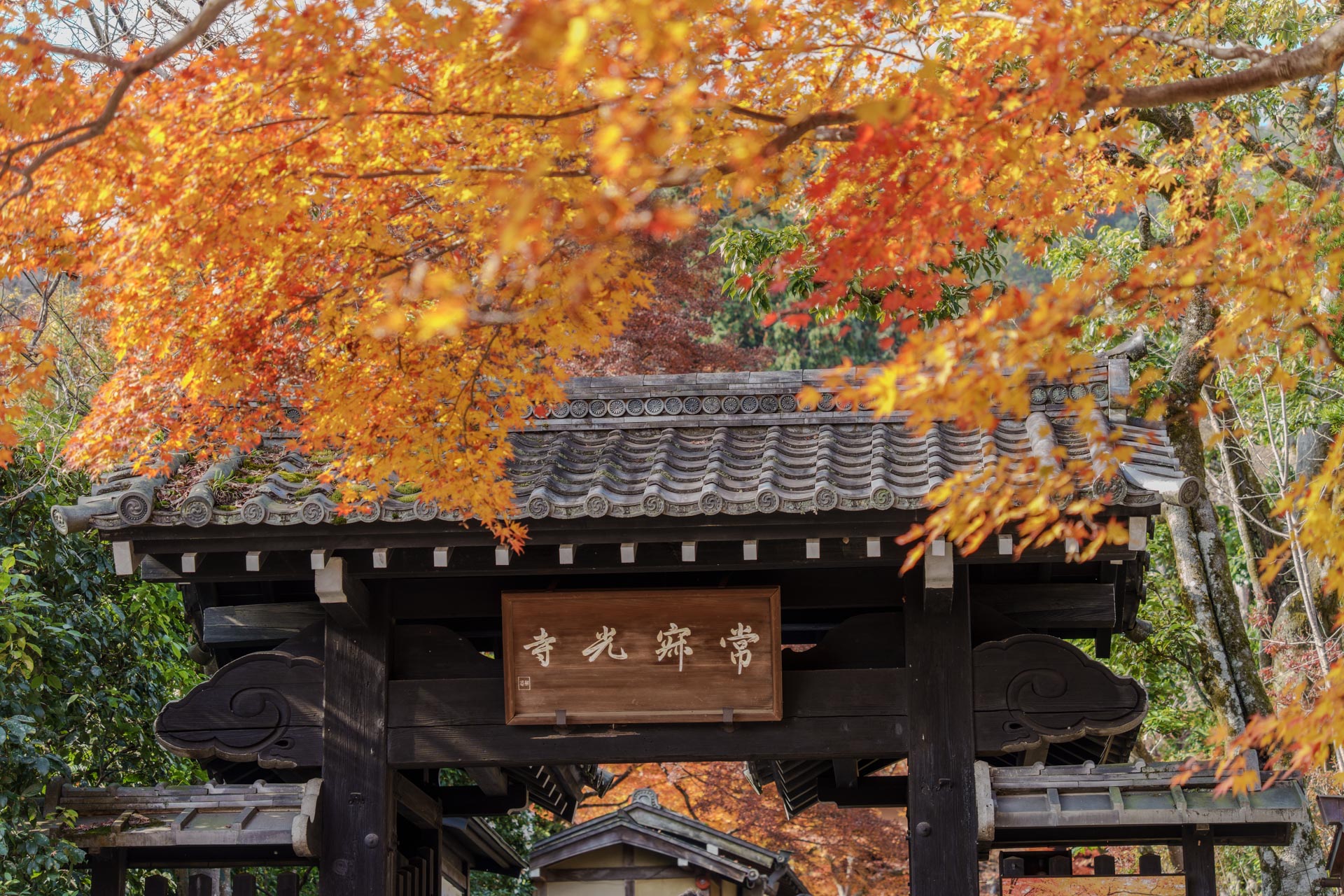
Jōjakkō-ji Temple
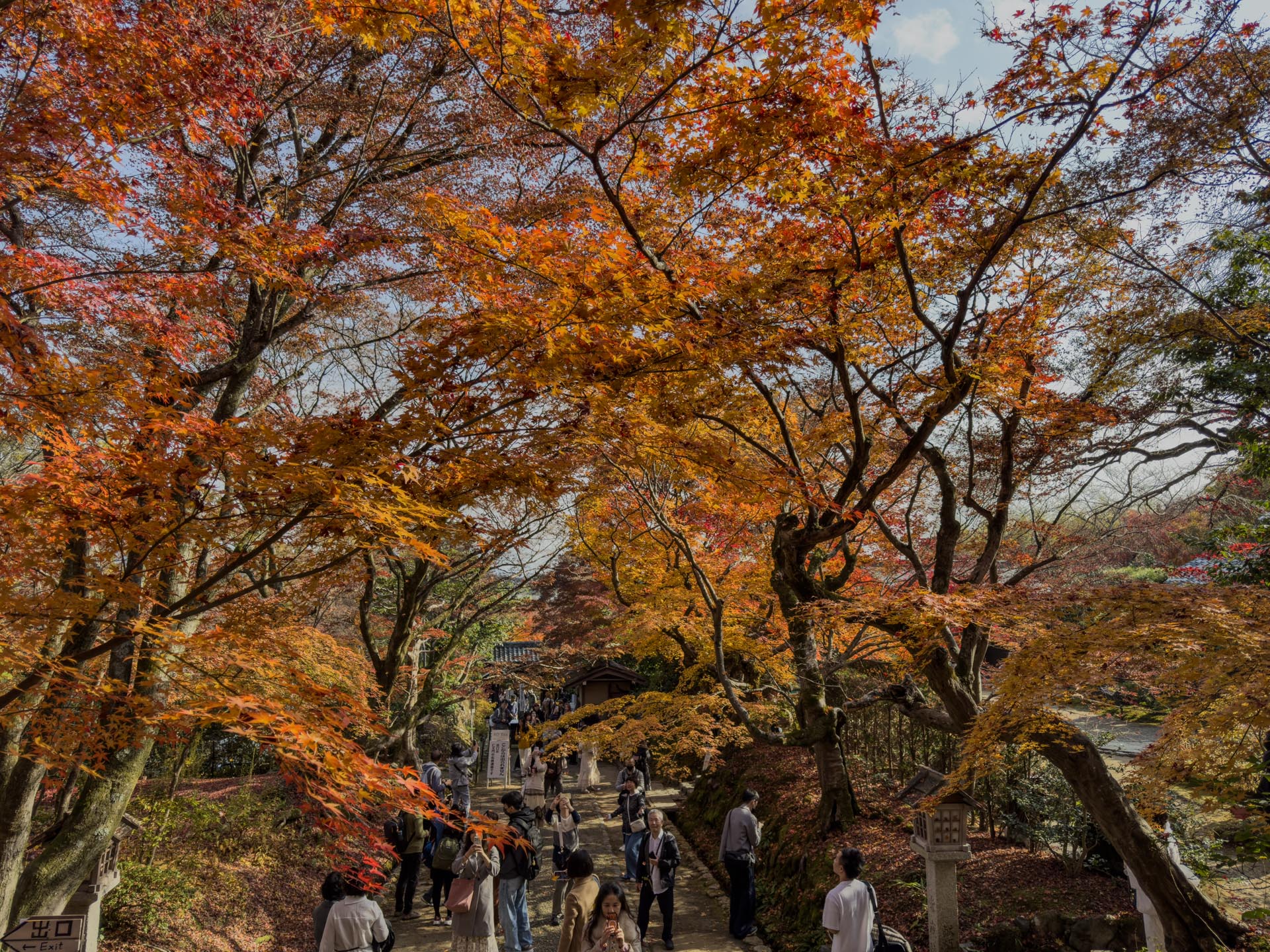
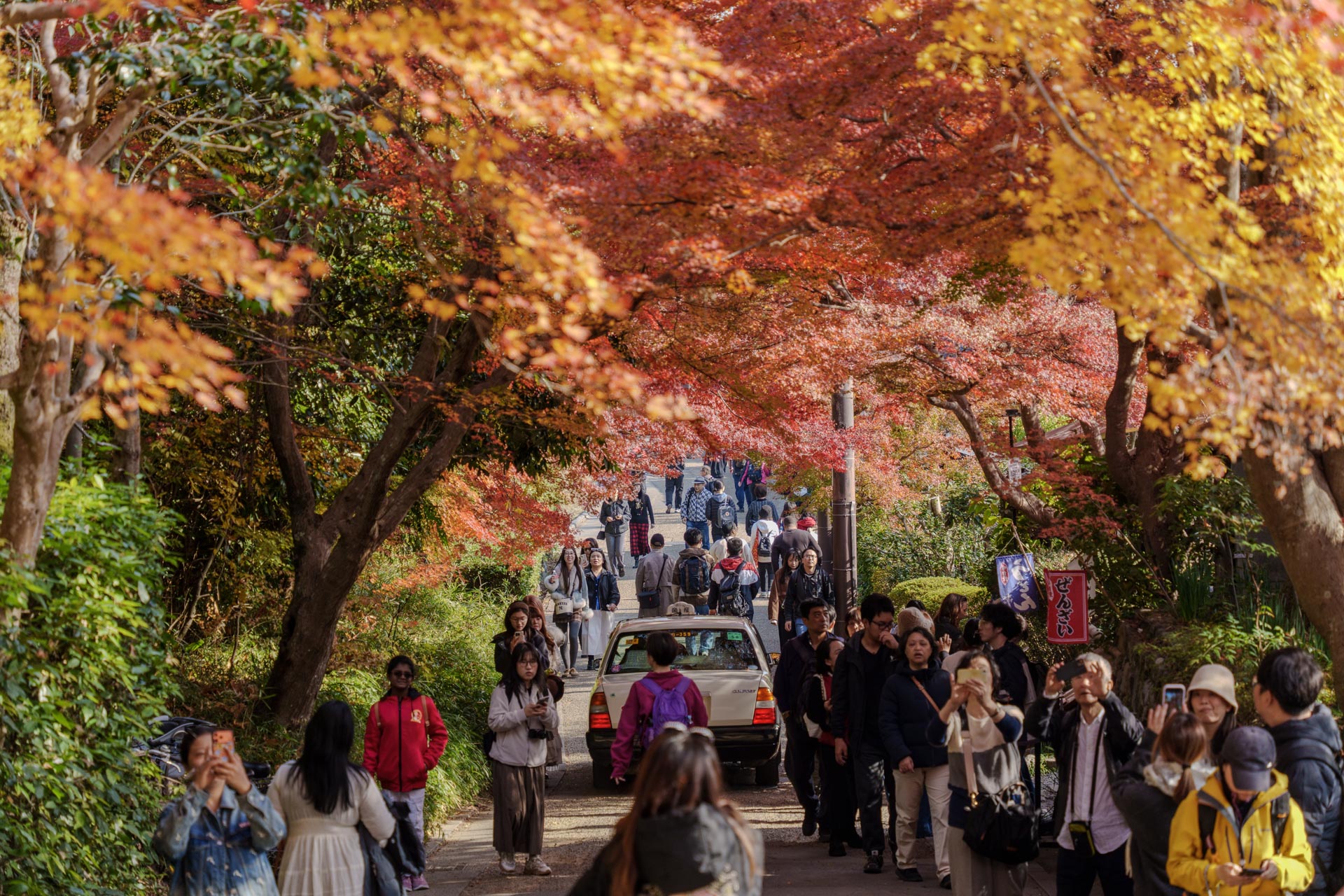
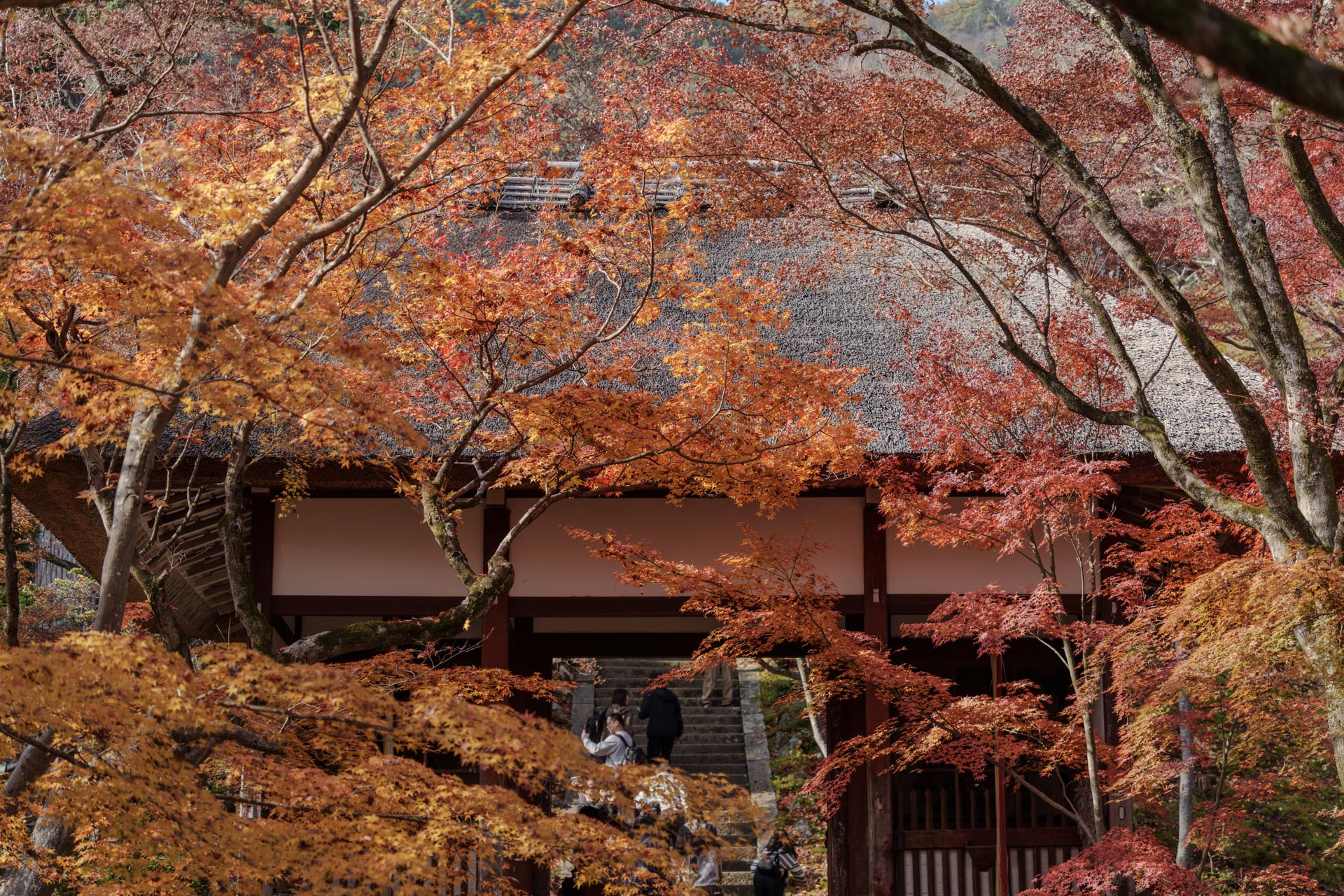
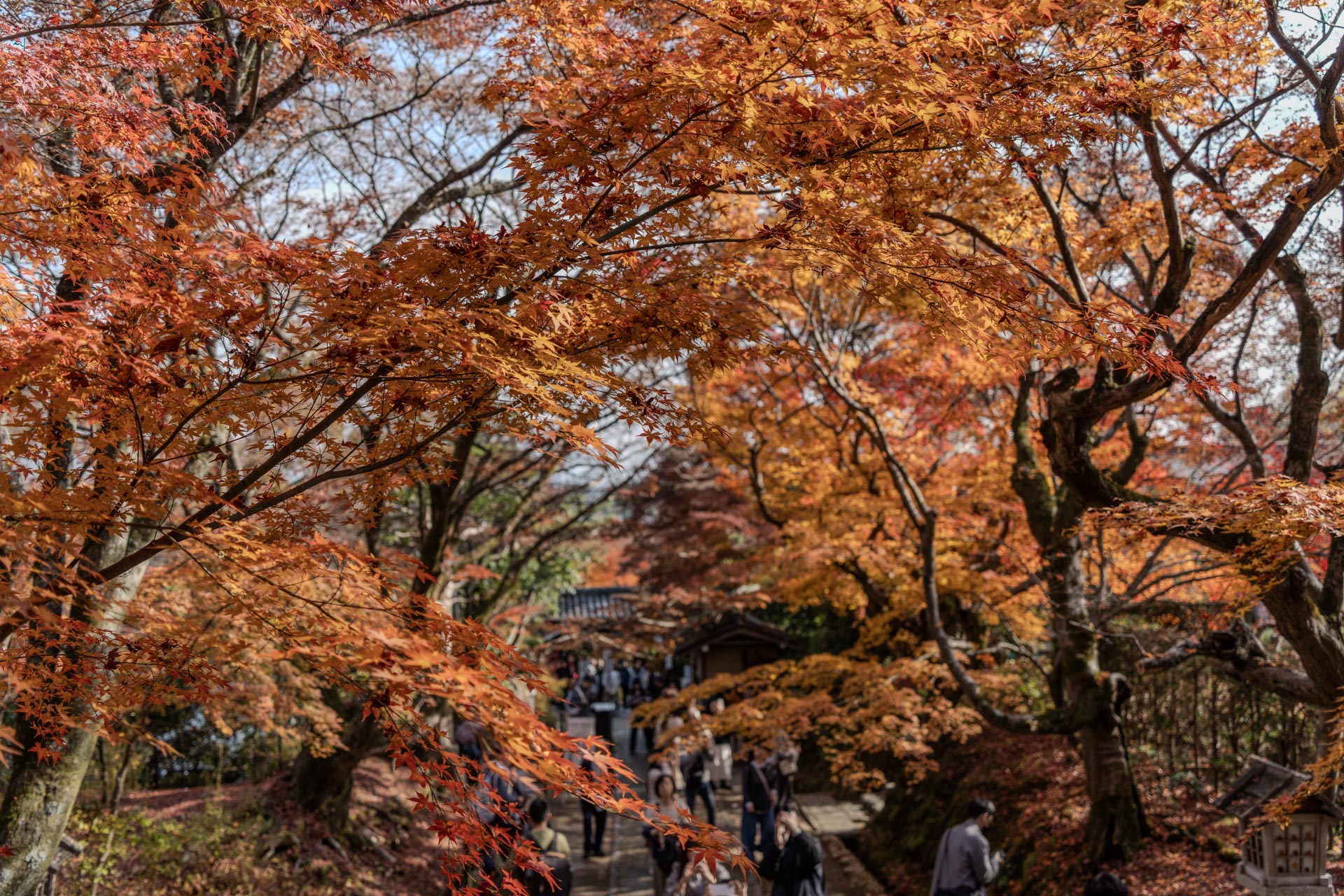
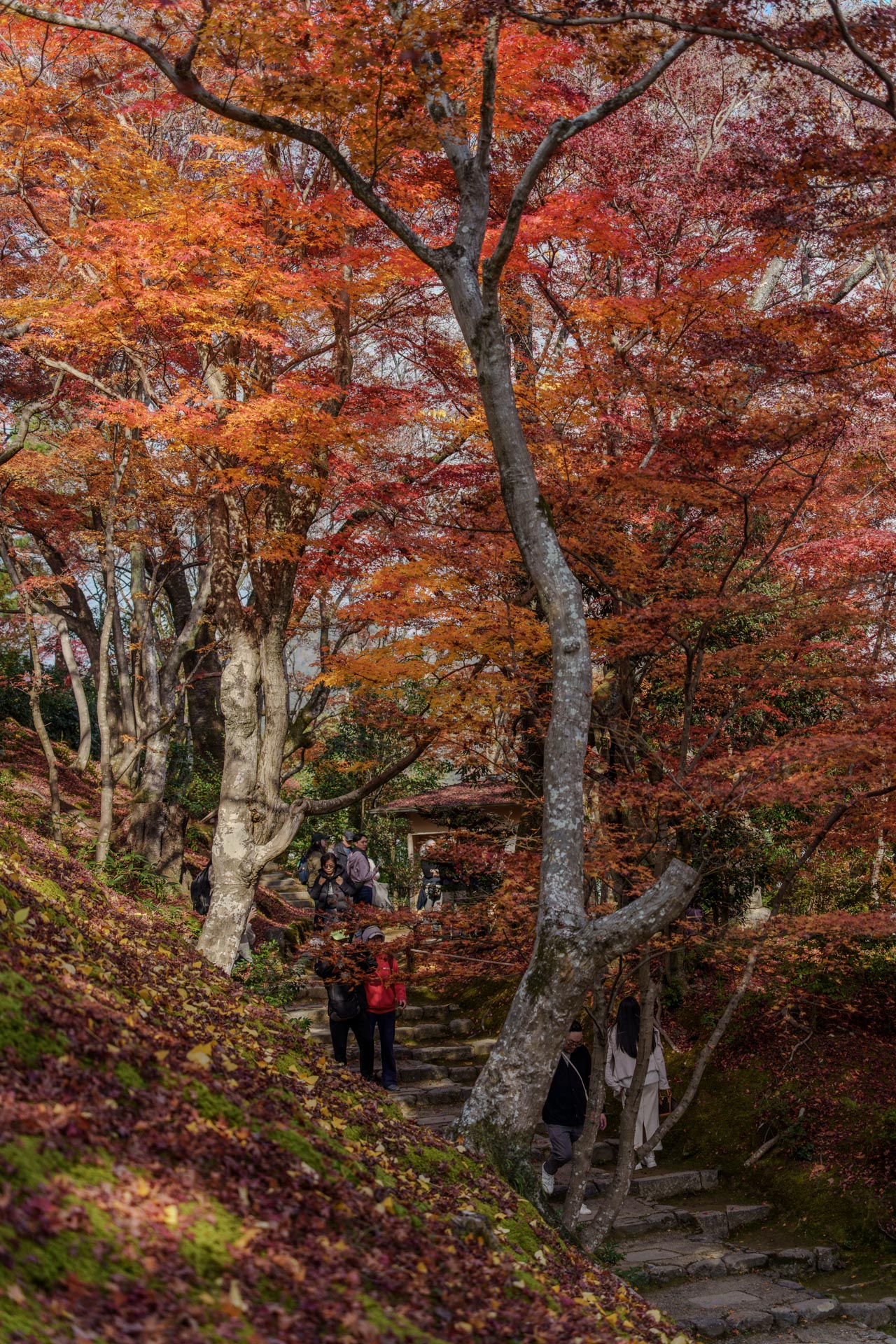
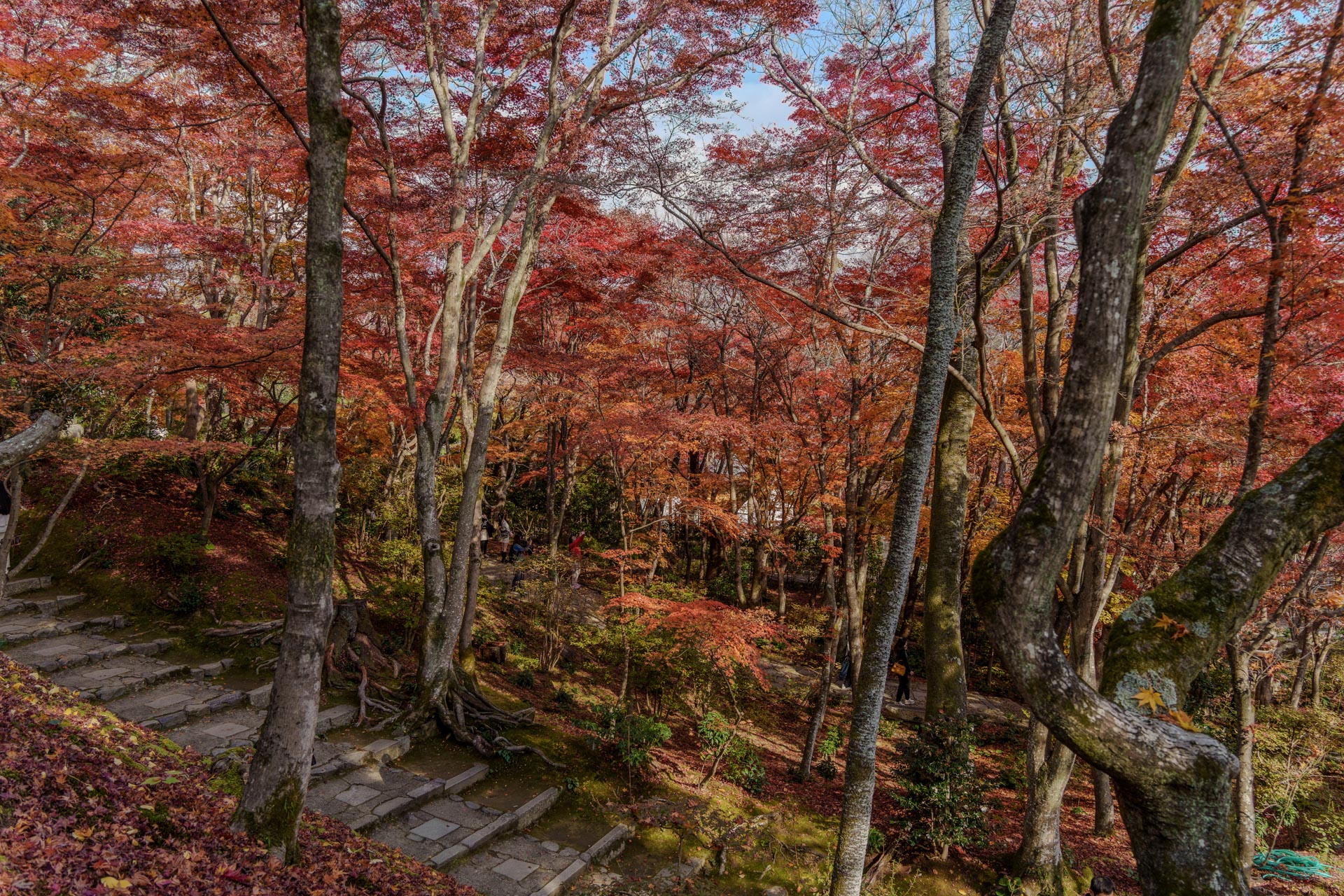
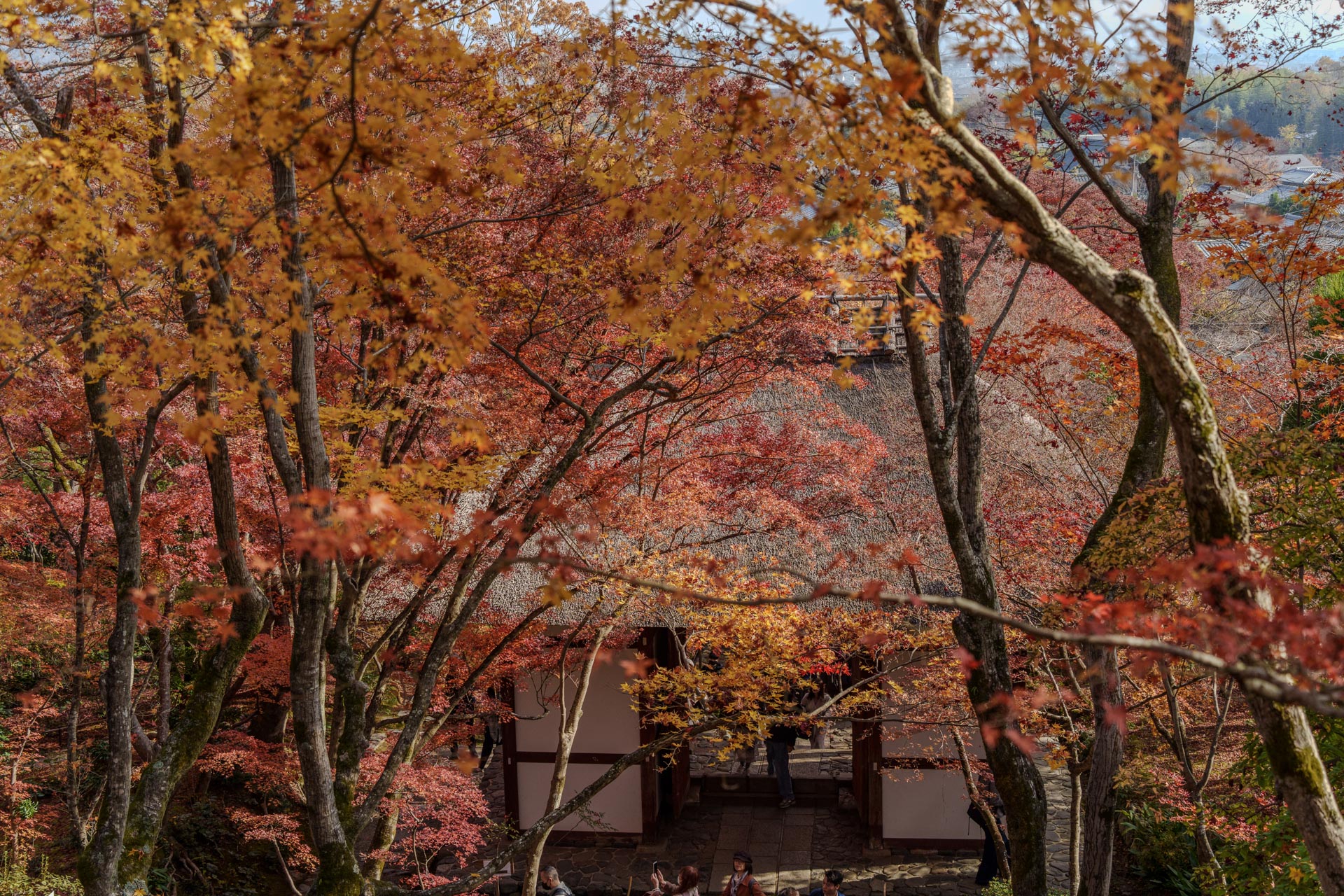
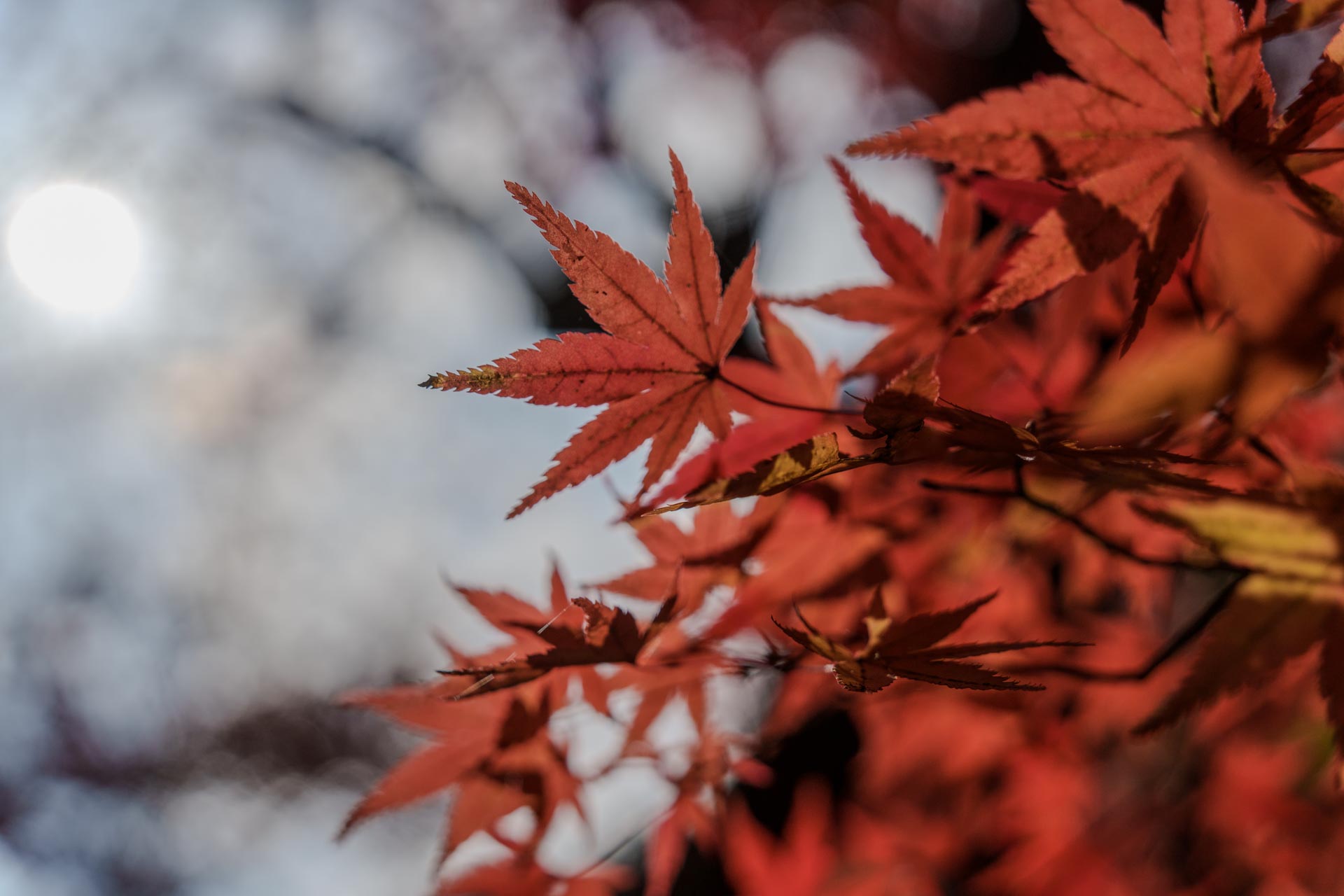
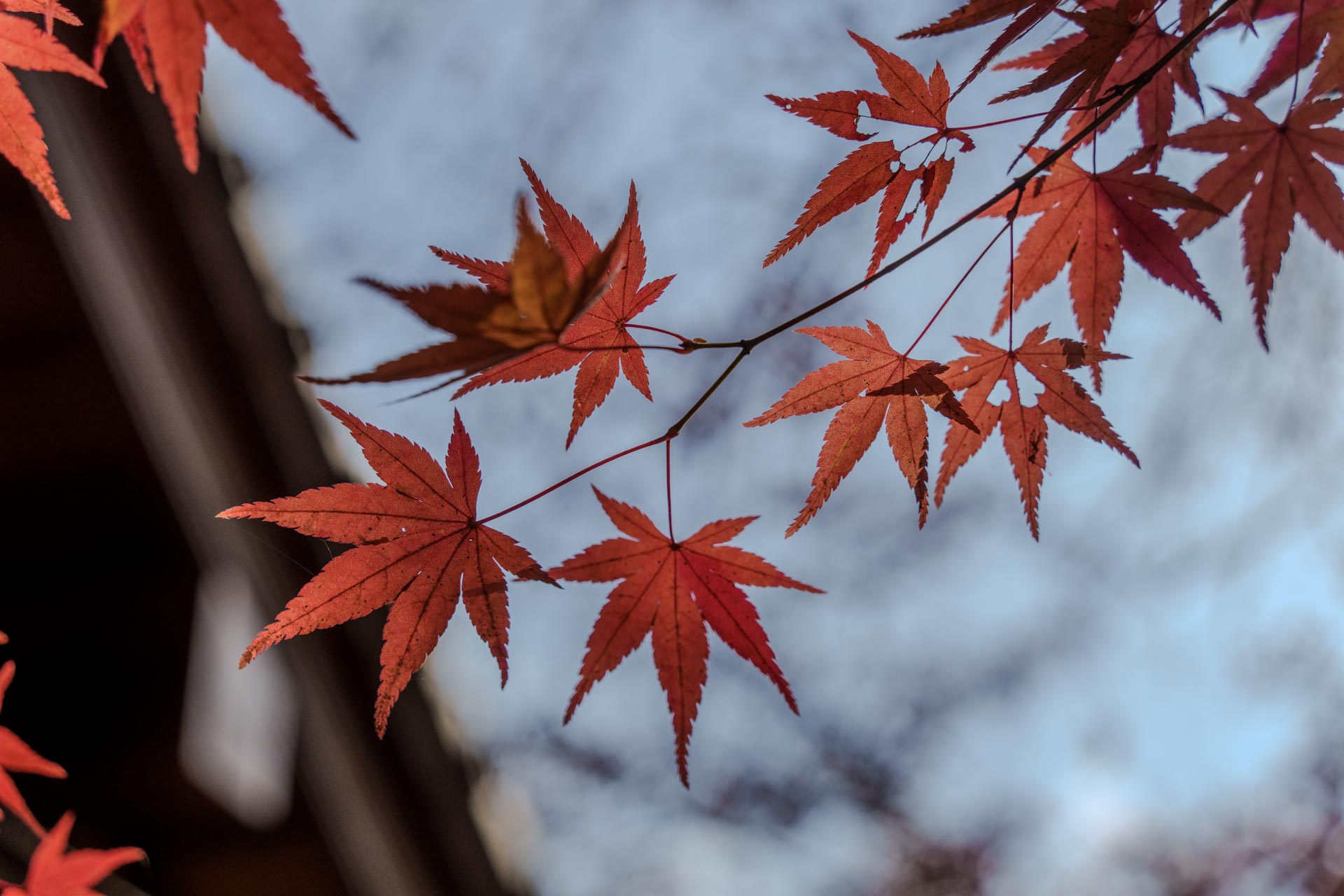
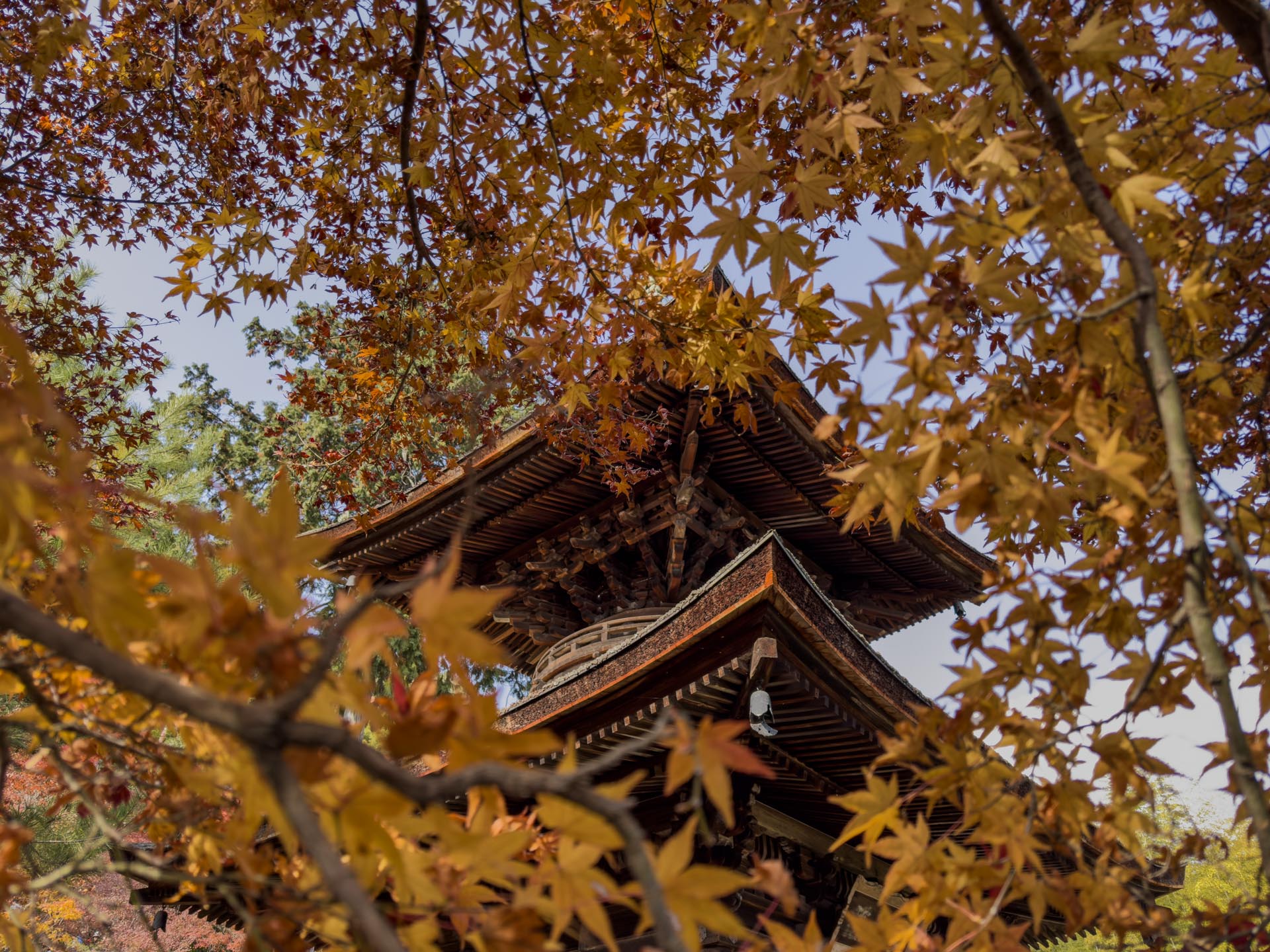
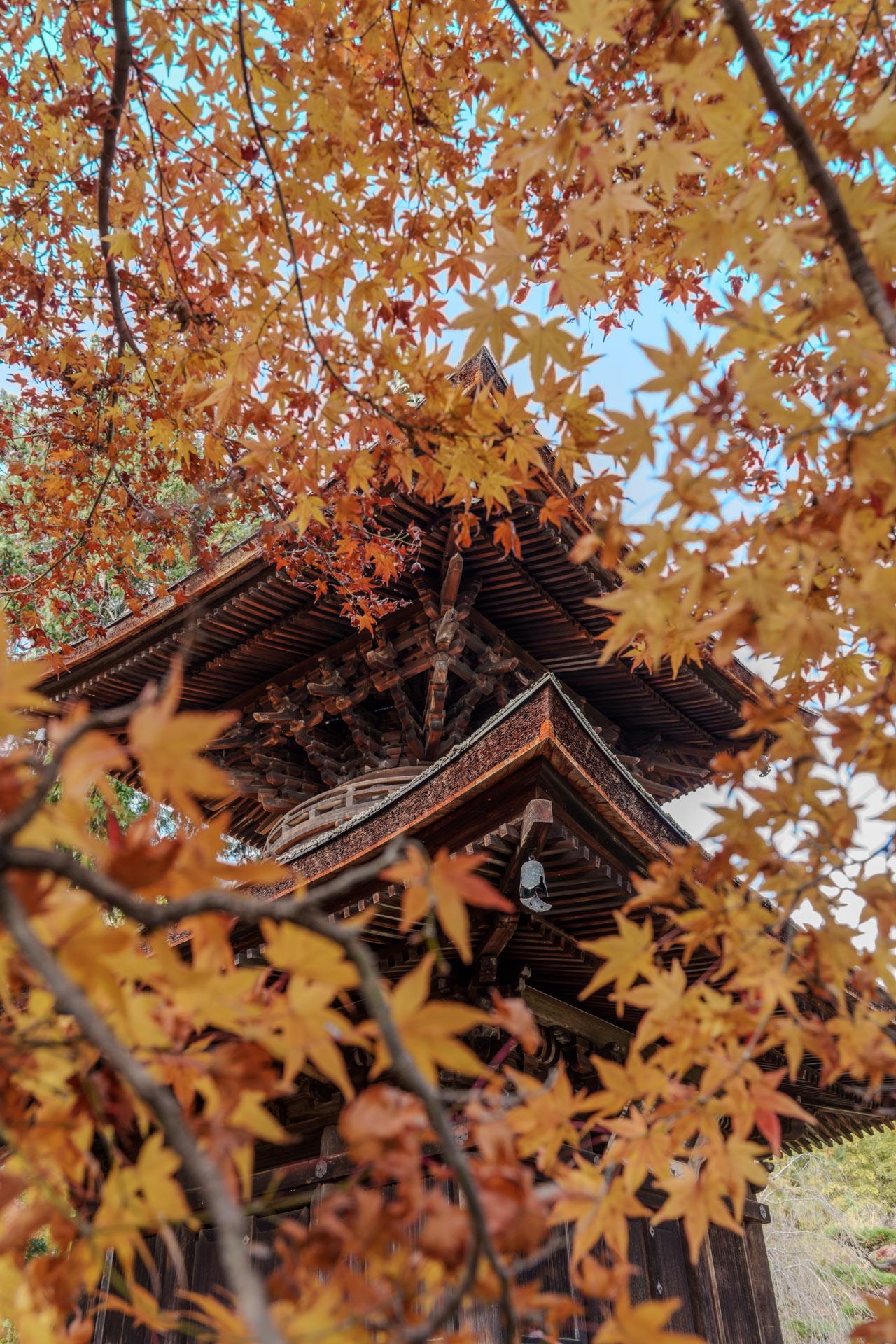
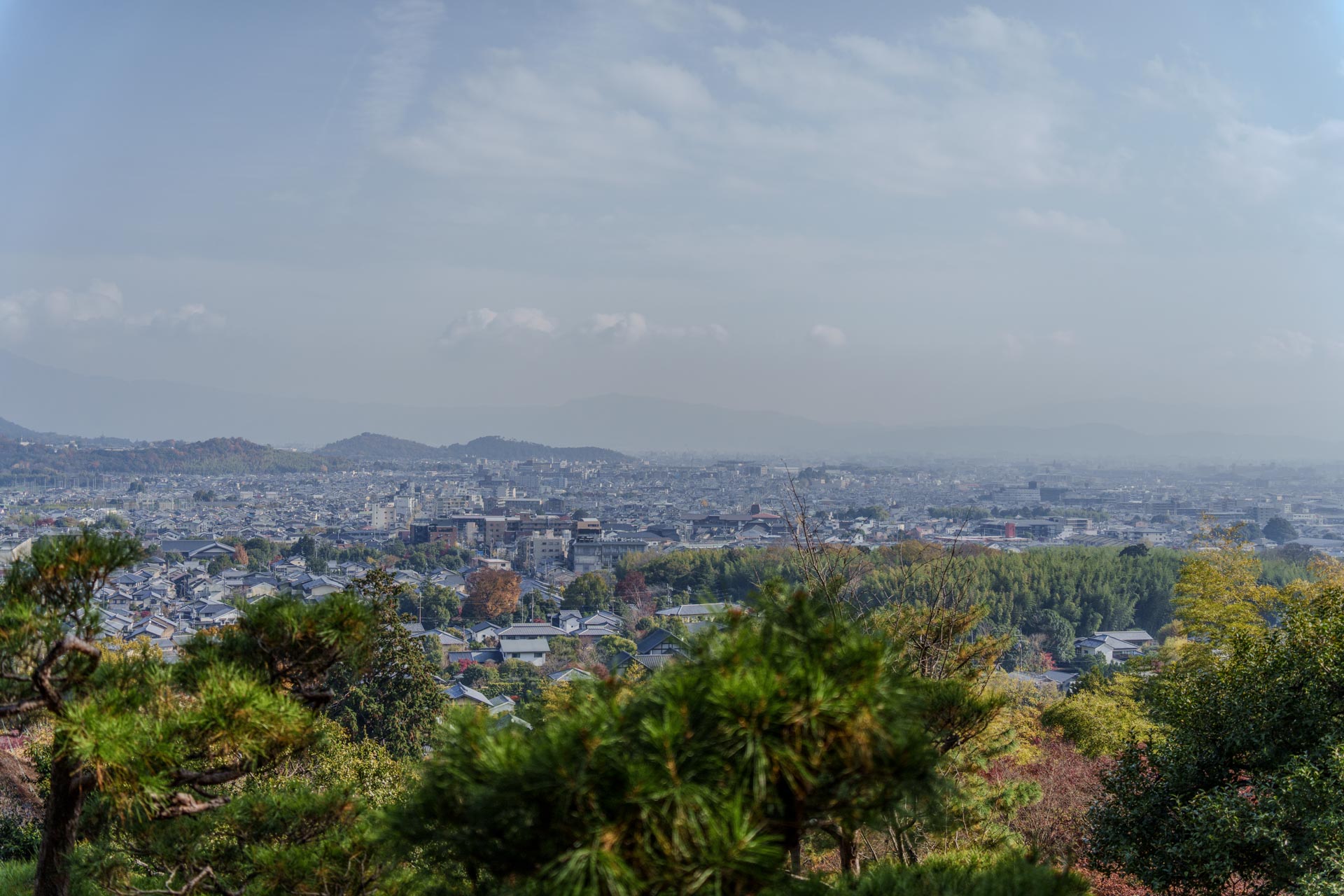
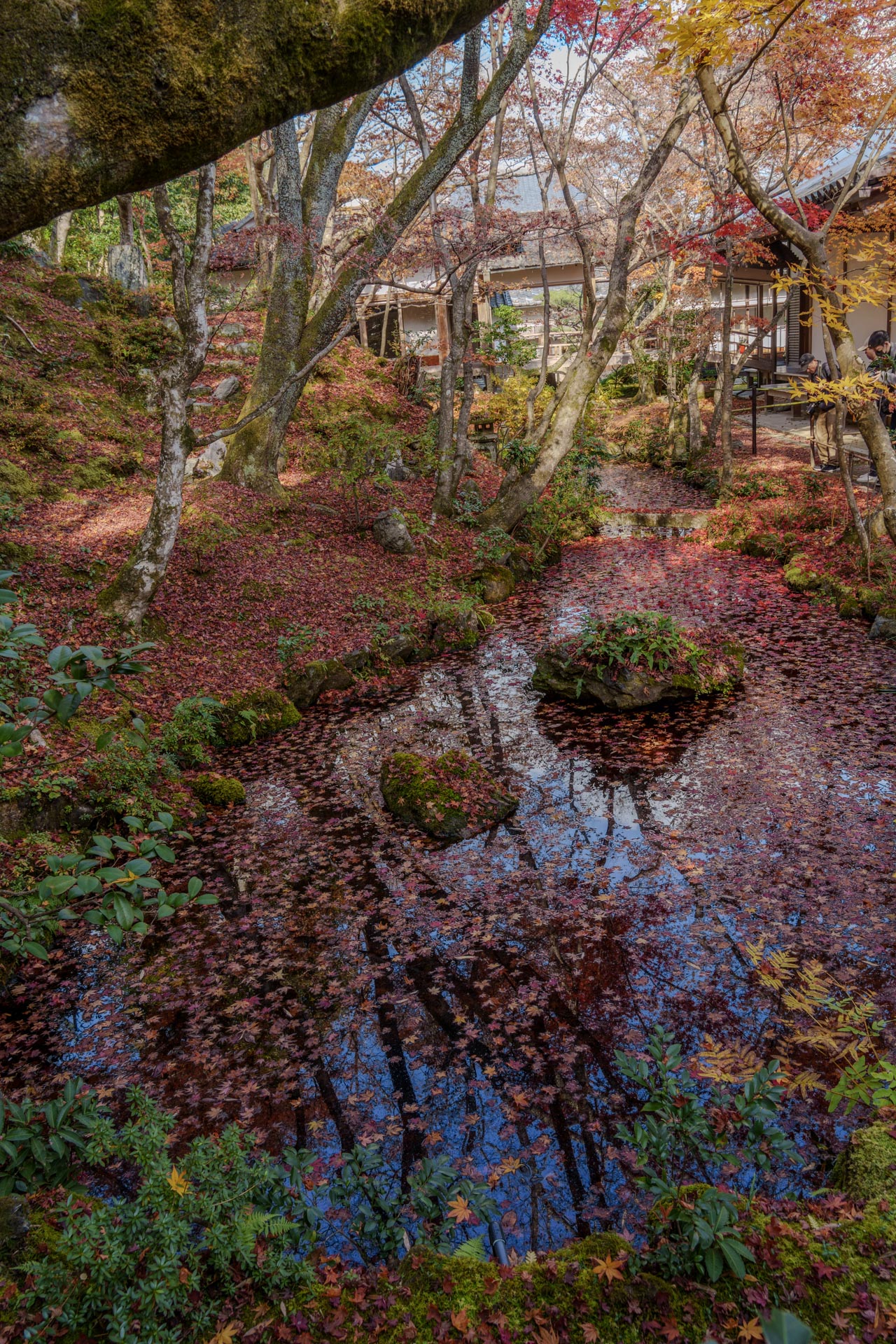
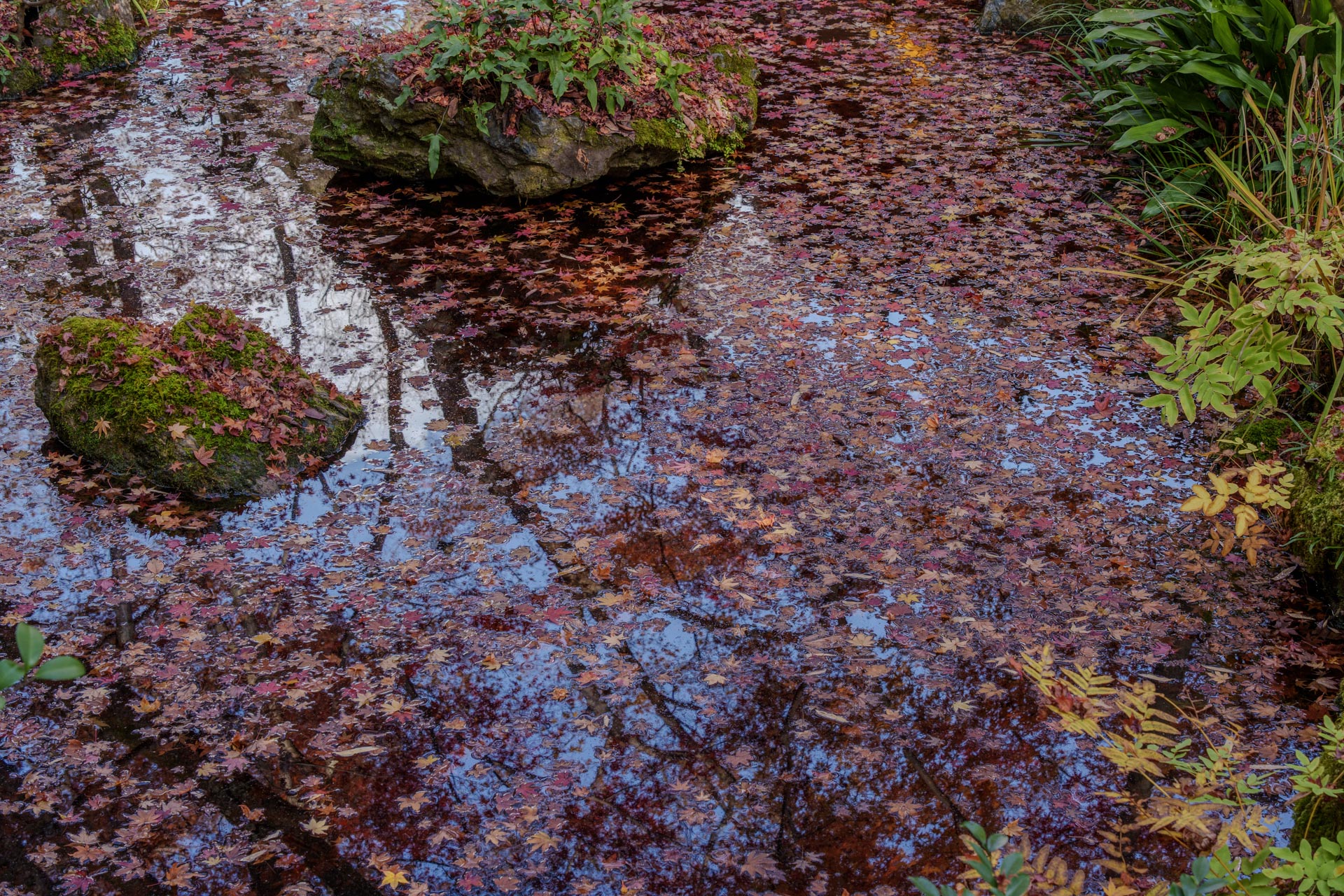
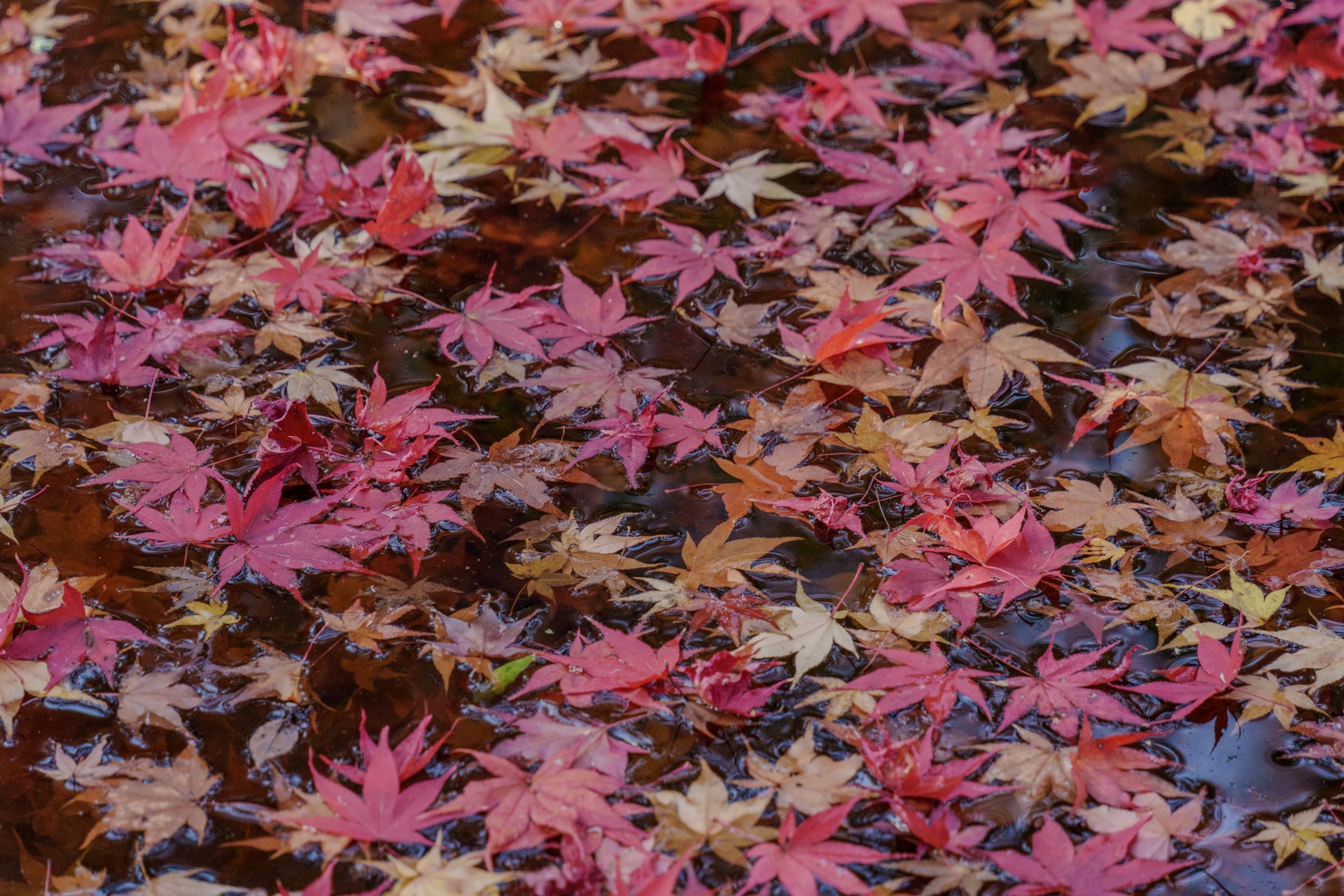
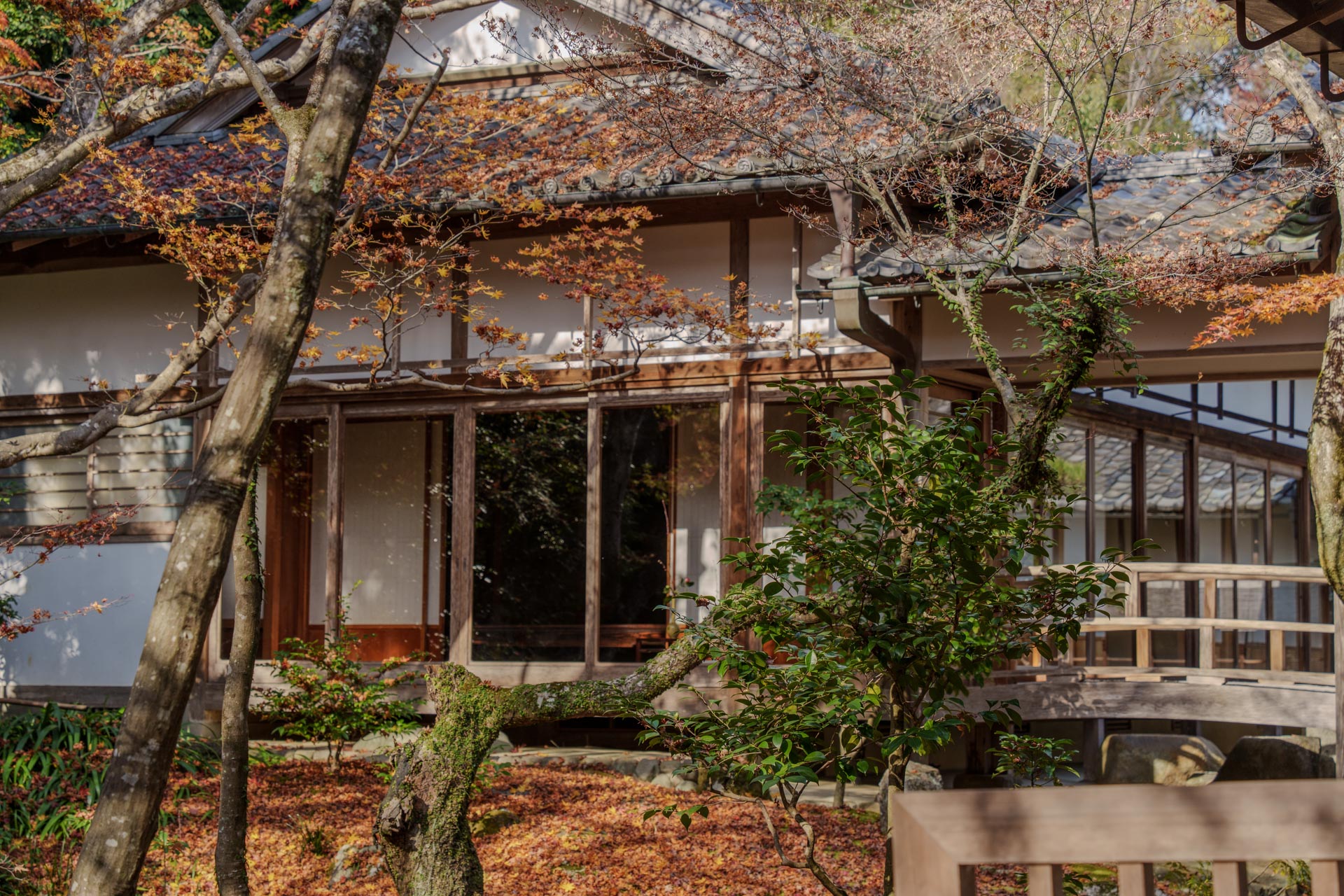
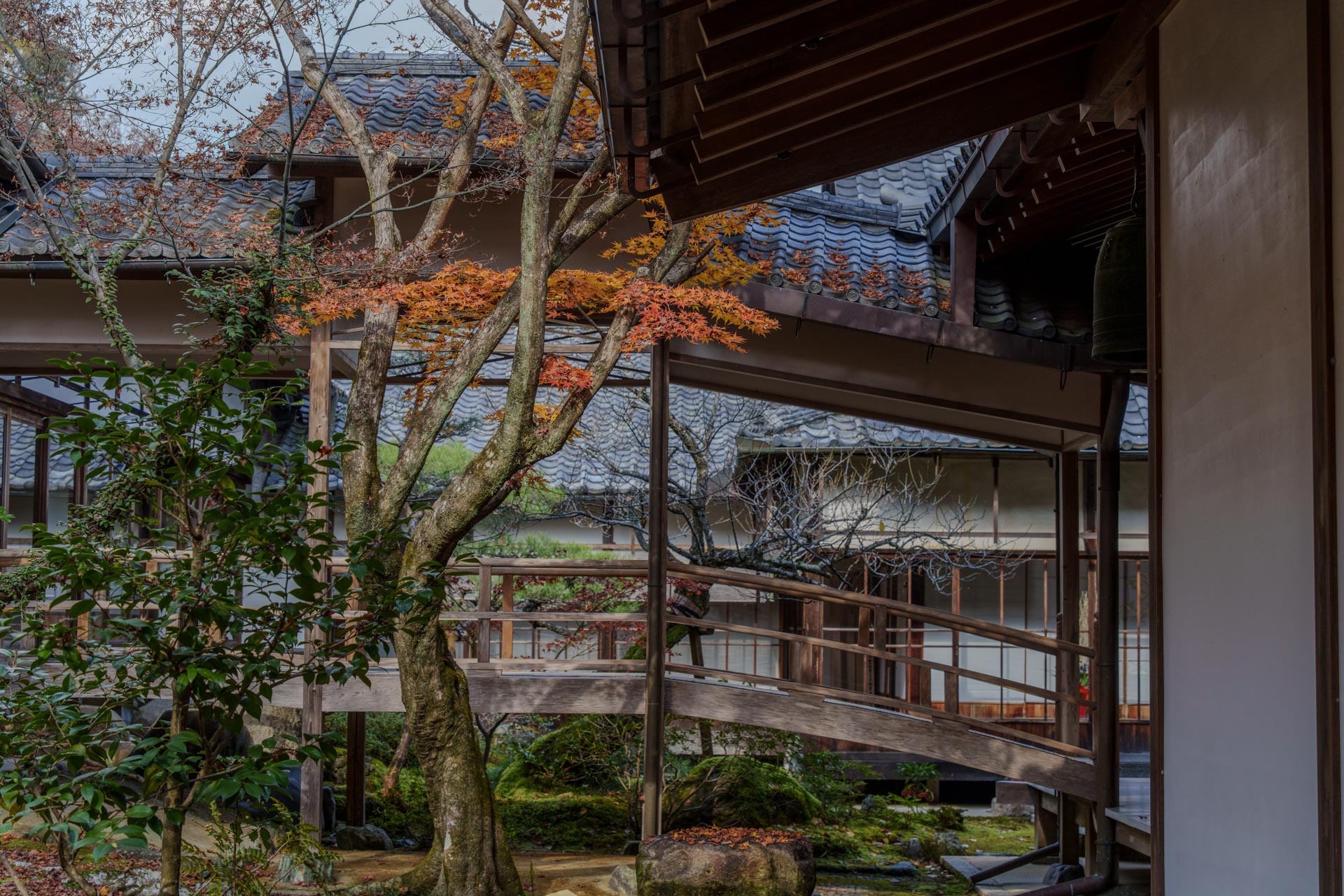
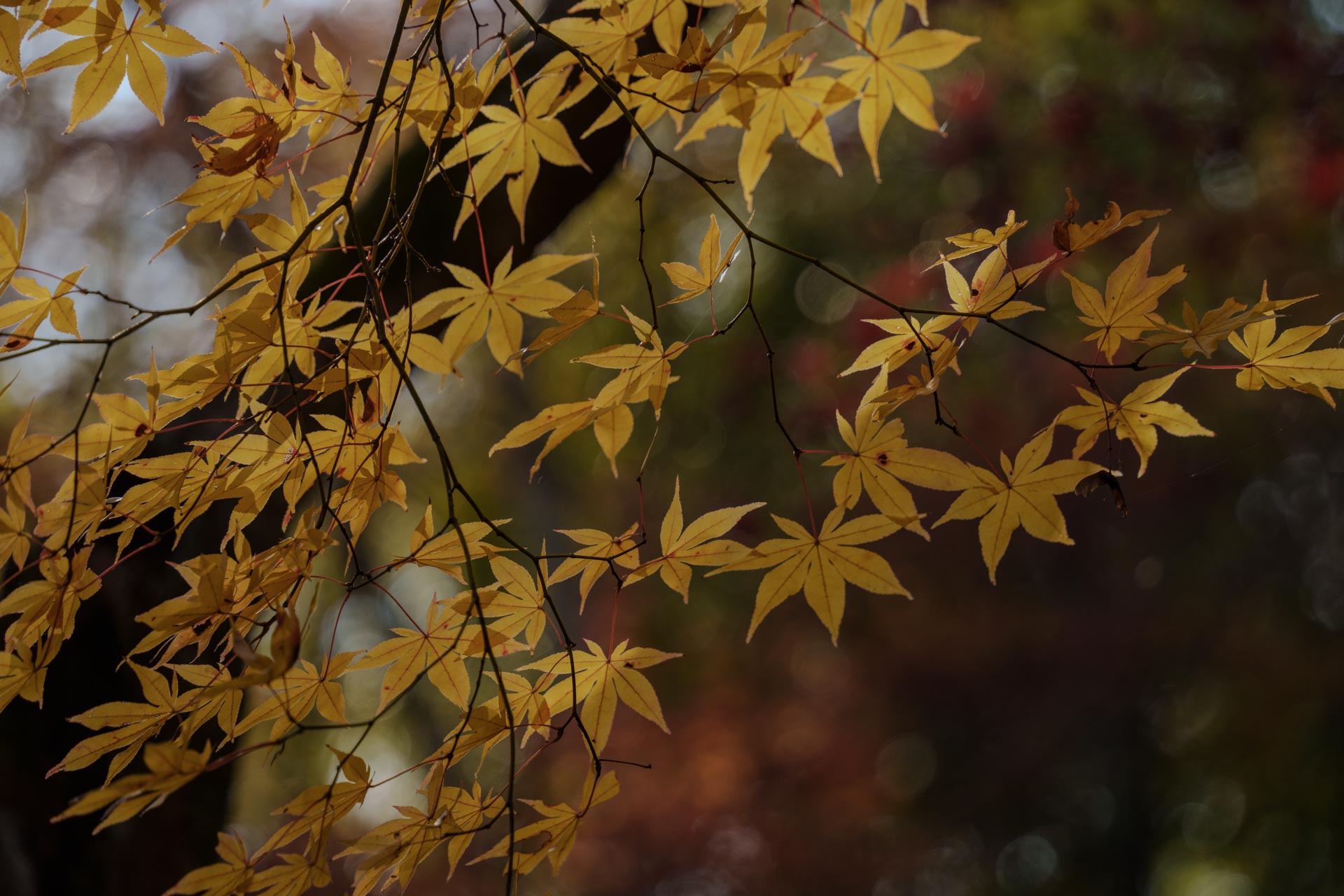
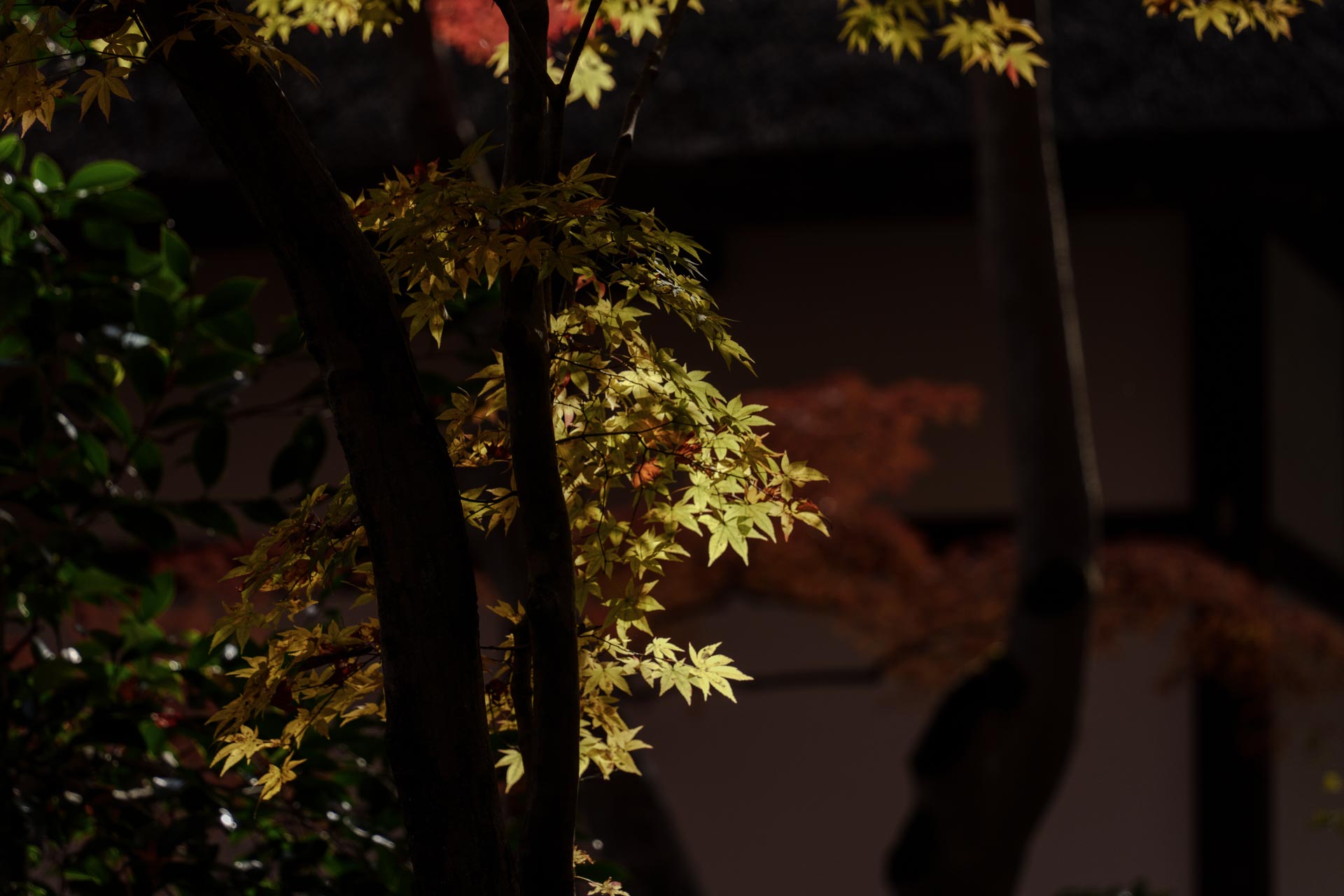
We happened to arrive just in time for the bell-ringing ceremony.
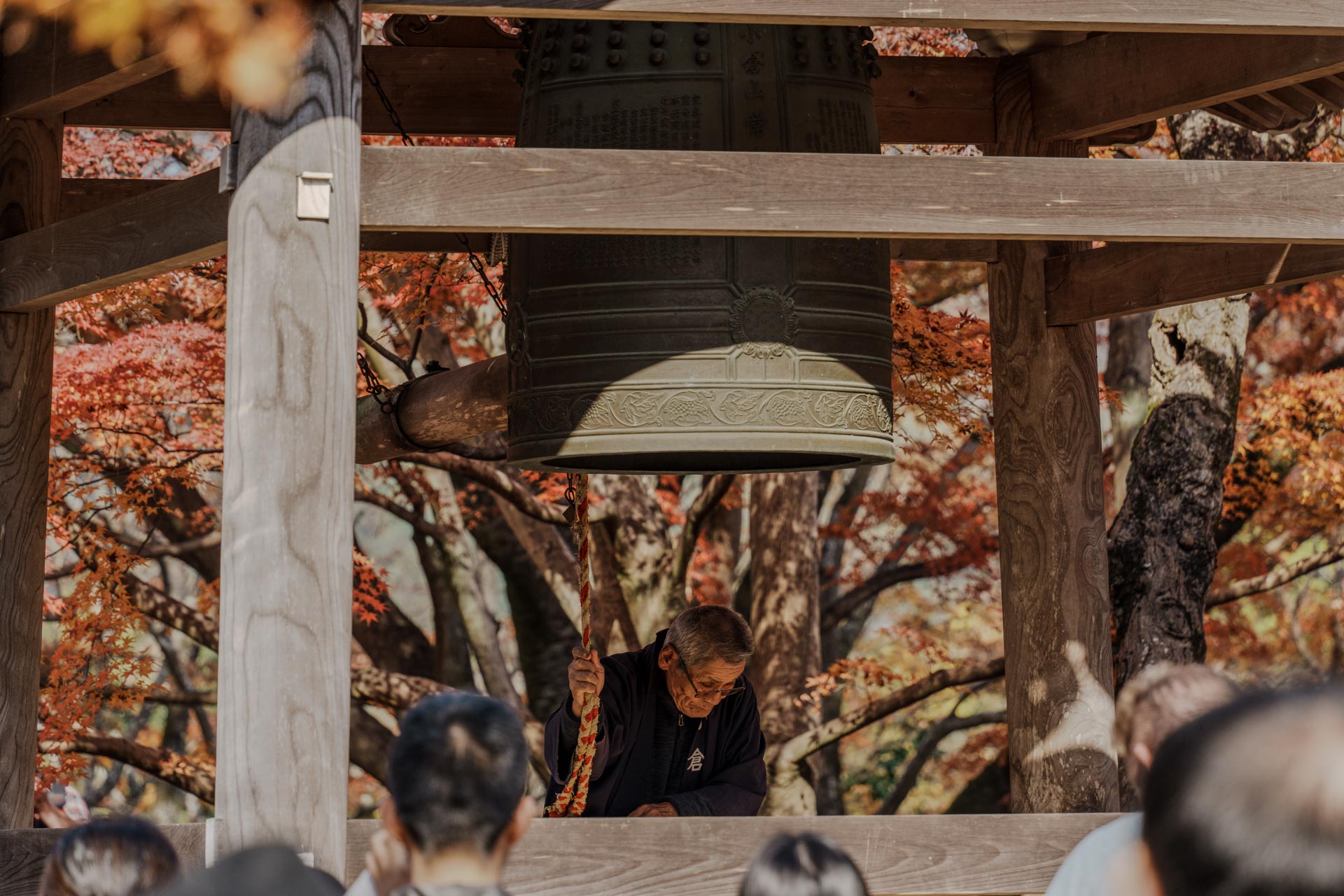
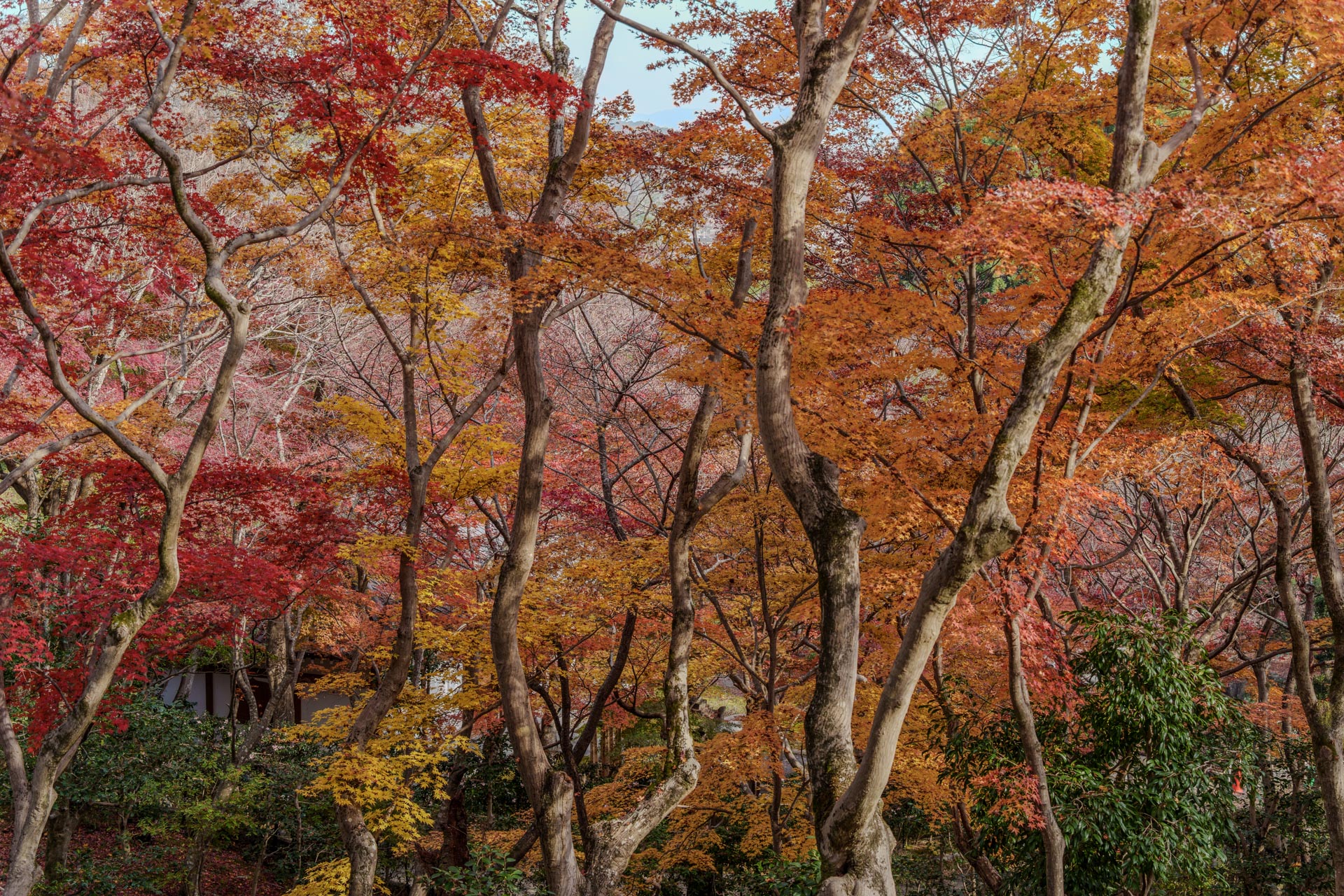
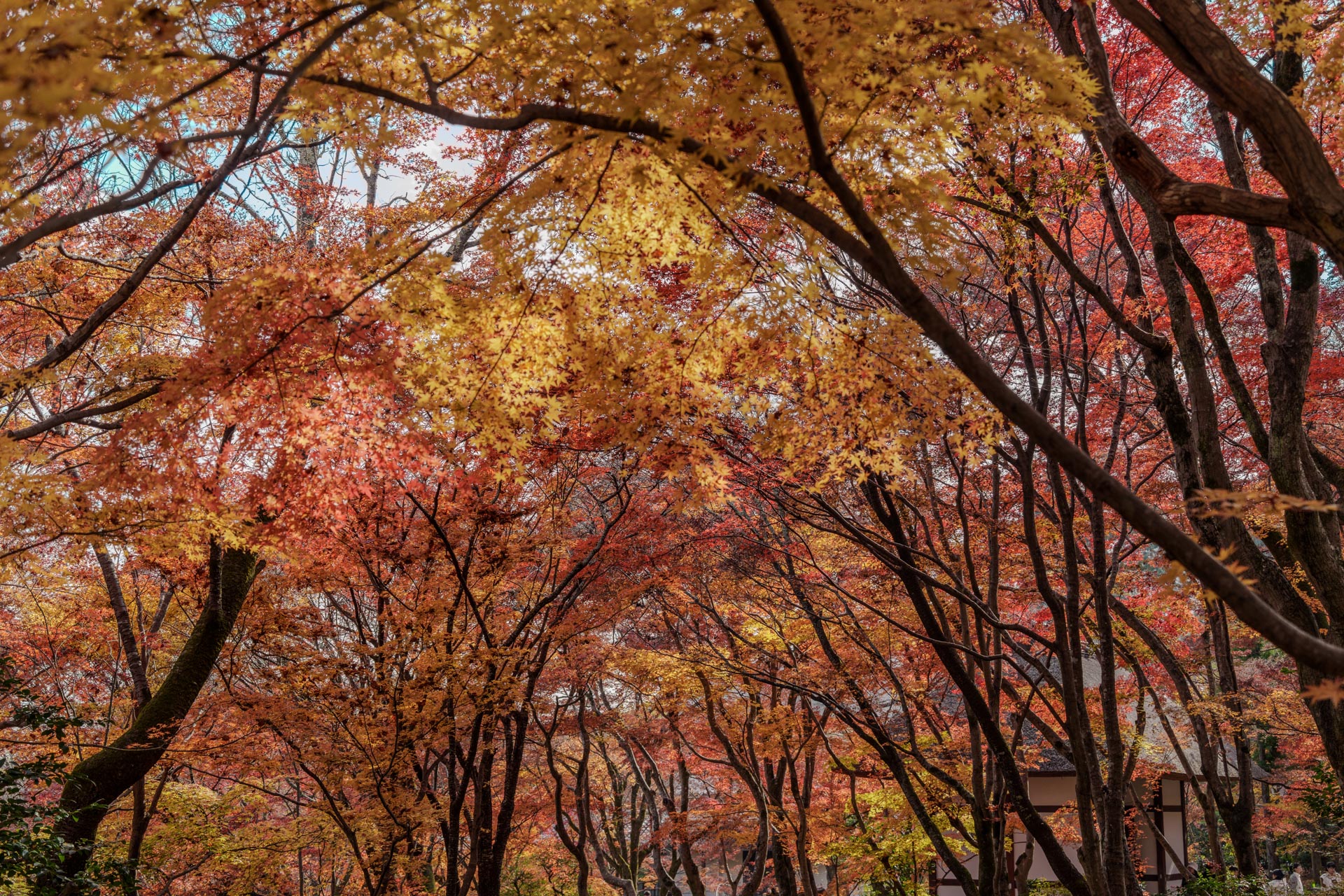
Every time I visit Jōjakkō-ji, I find it incredibly beautiful. On the way out, we passed by a small shop we had visited before, selling various handicrafts.
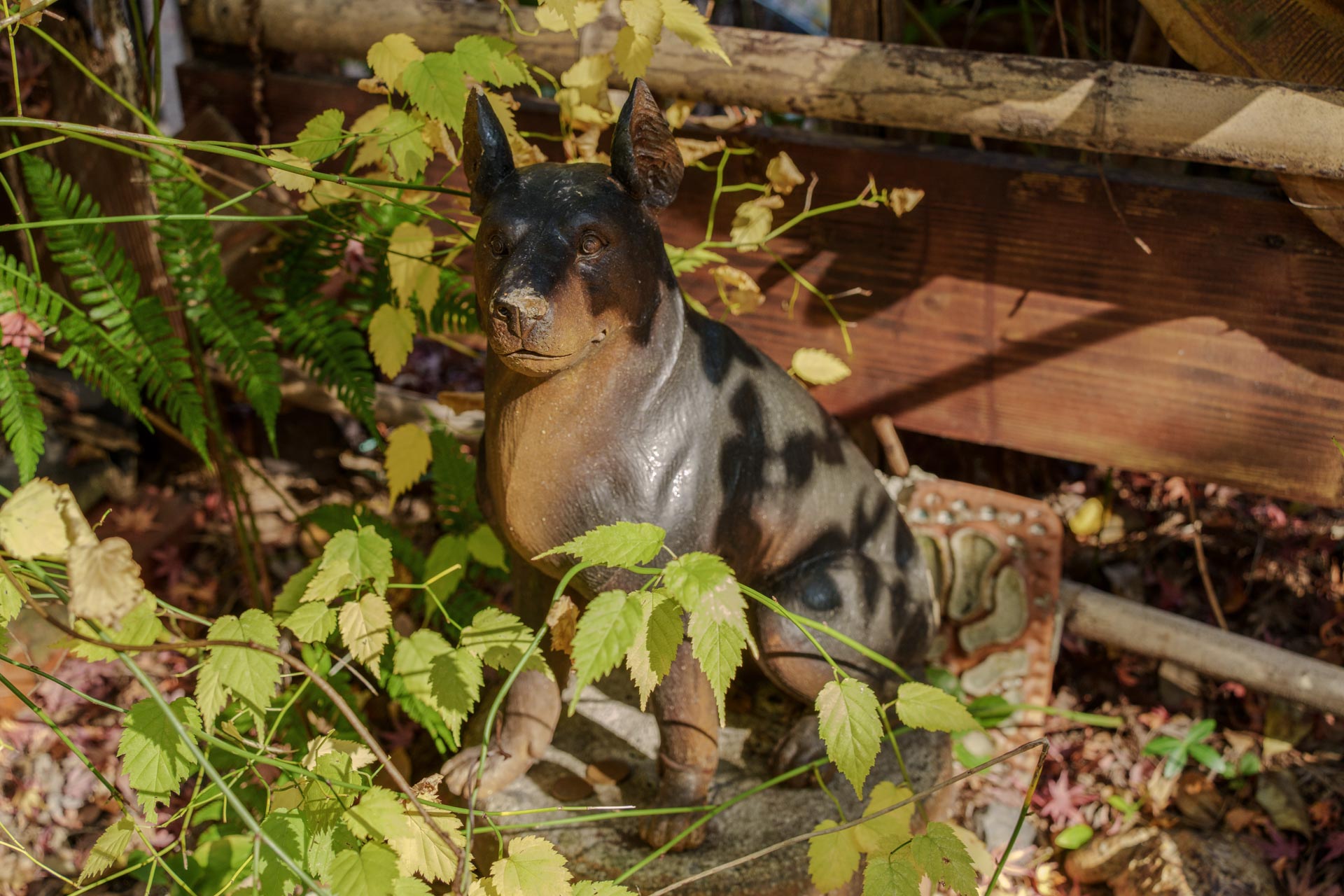
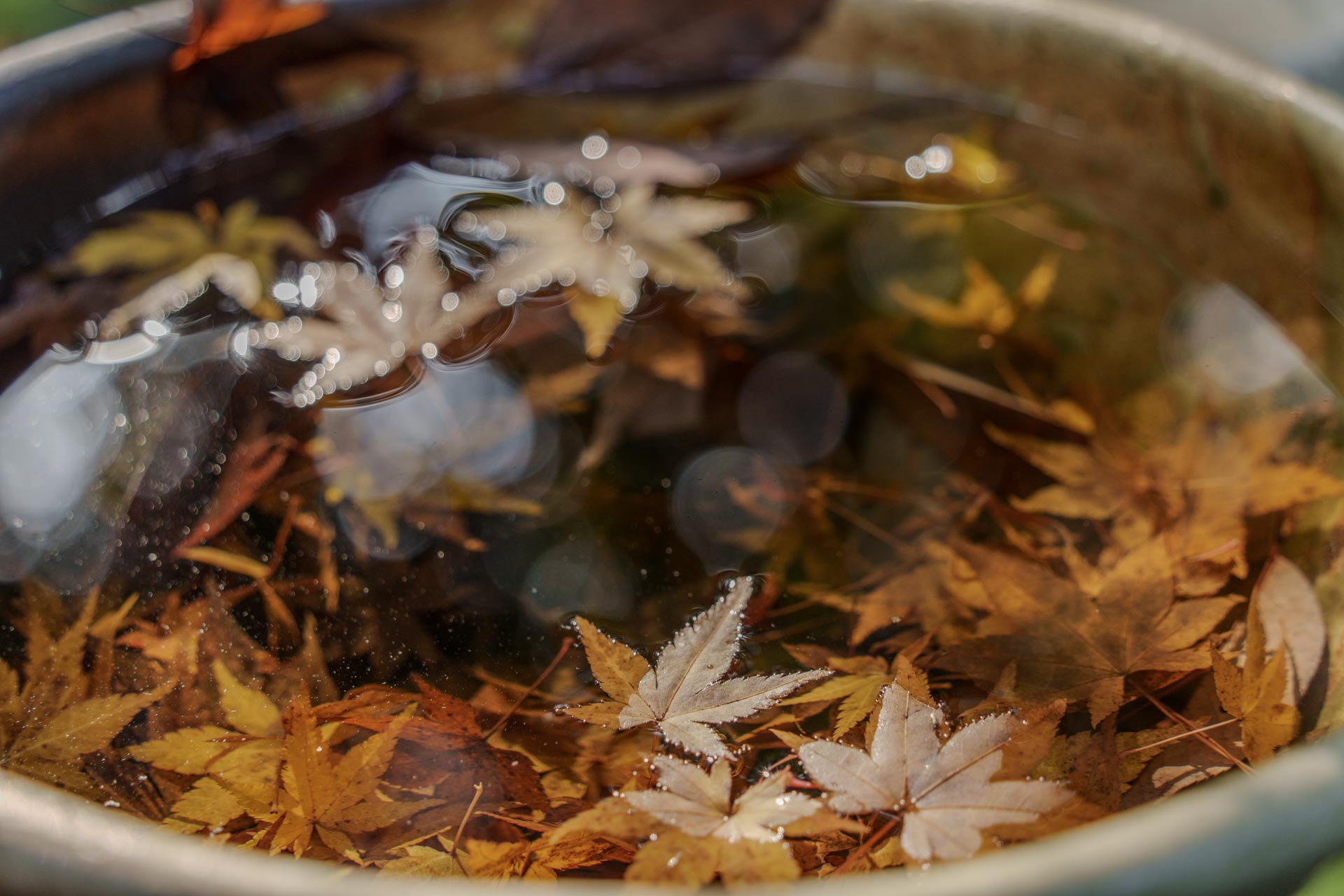
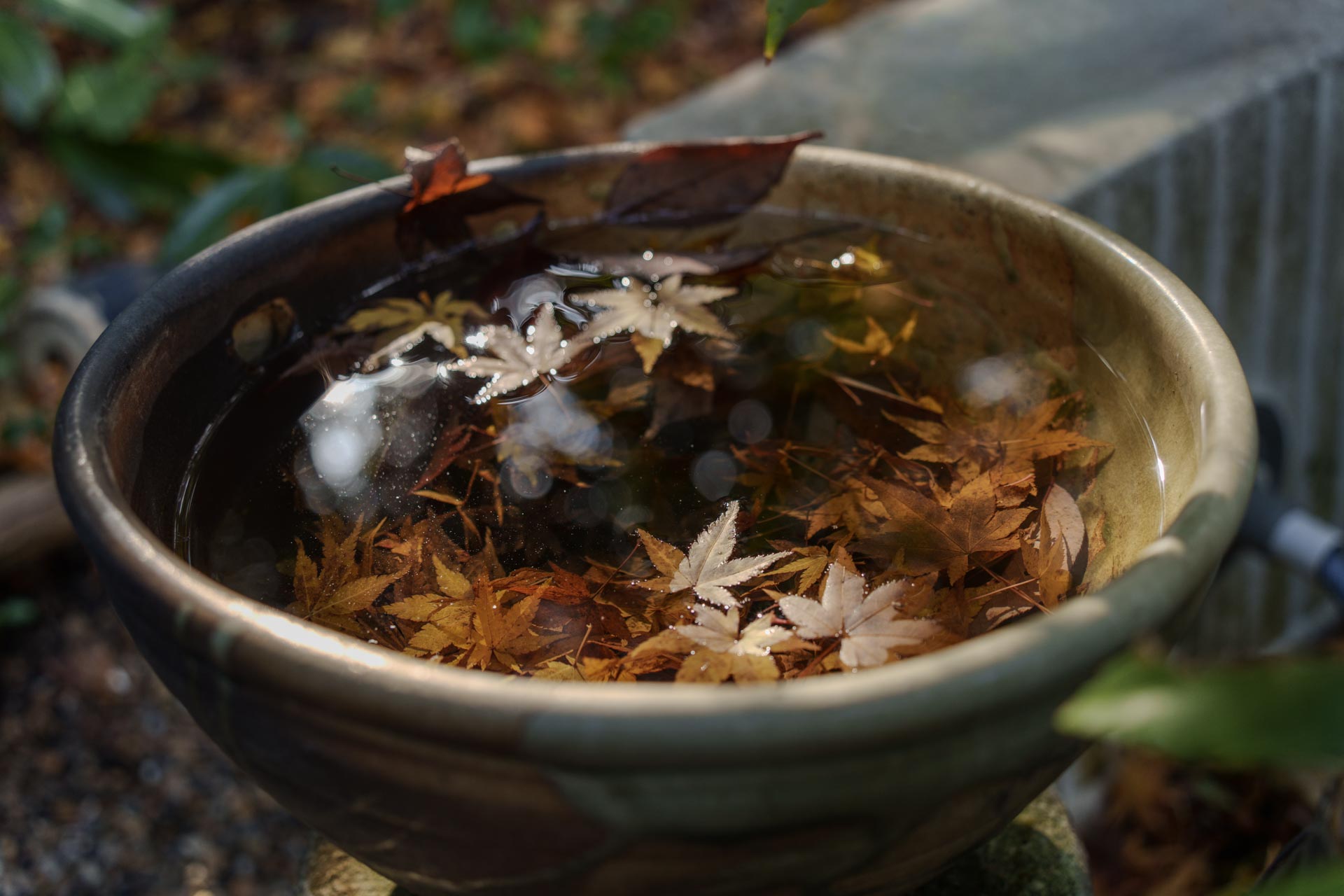
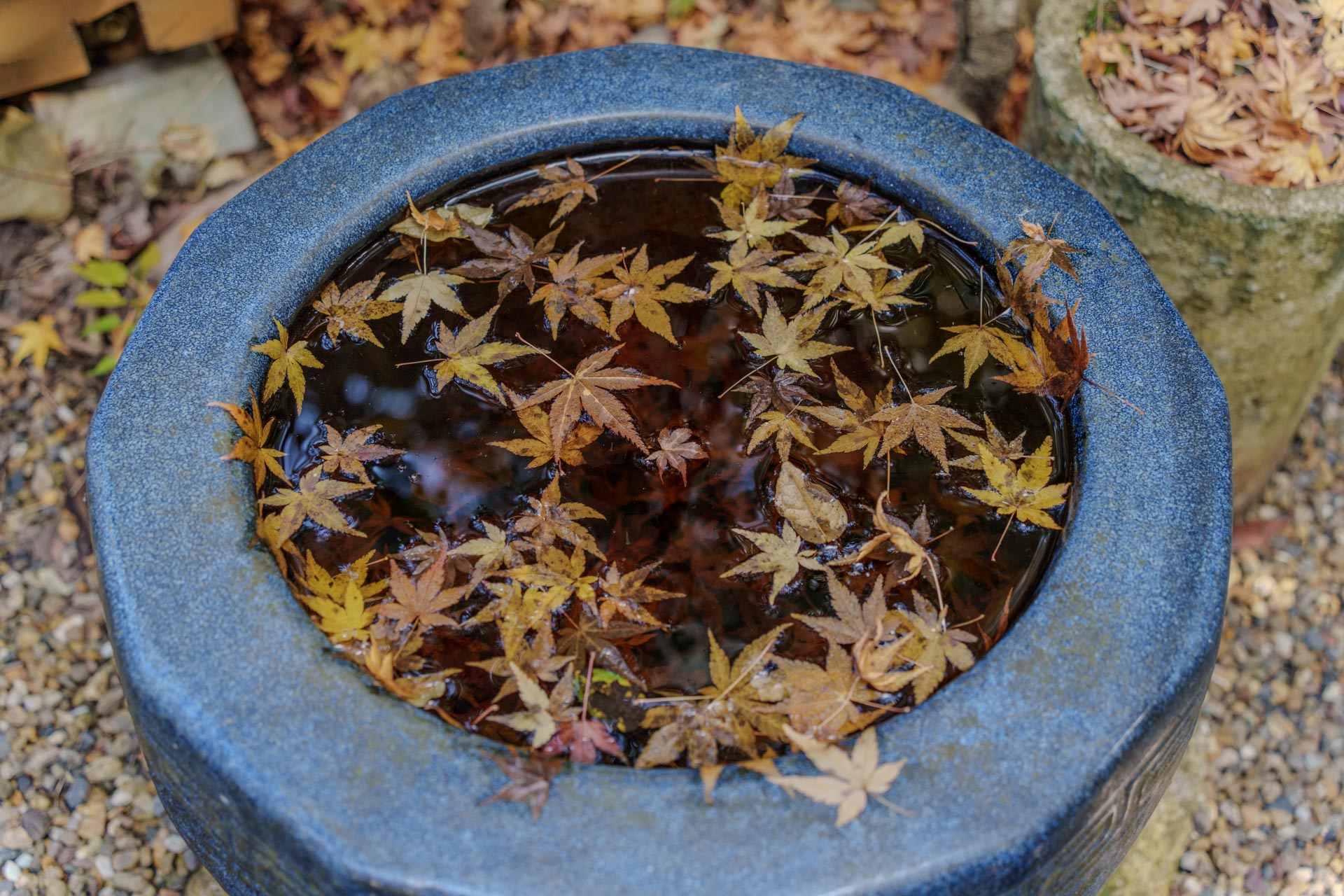
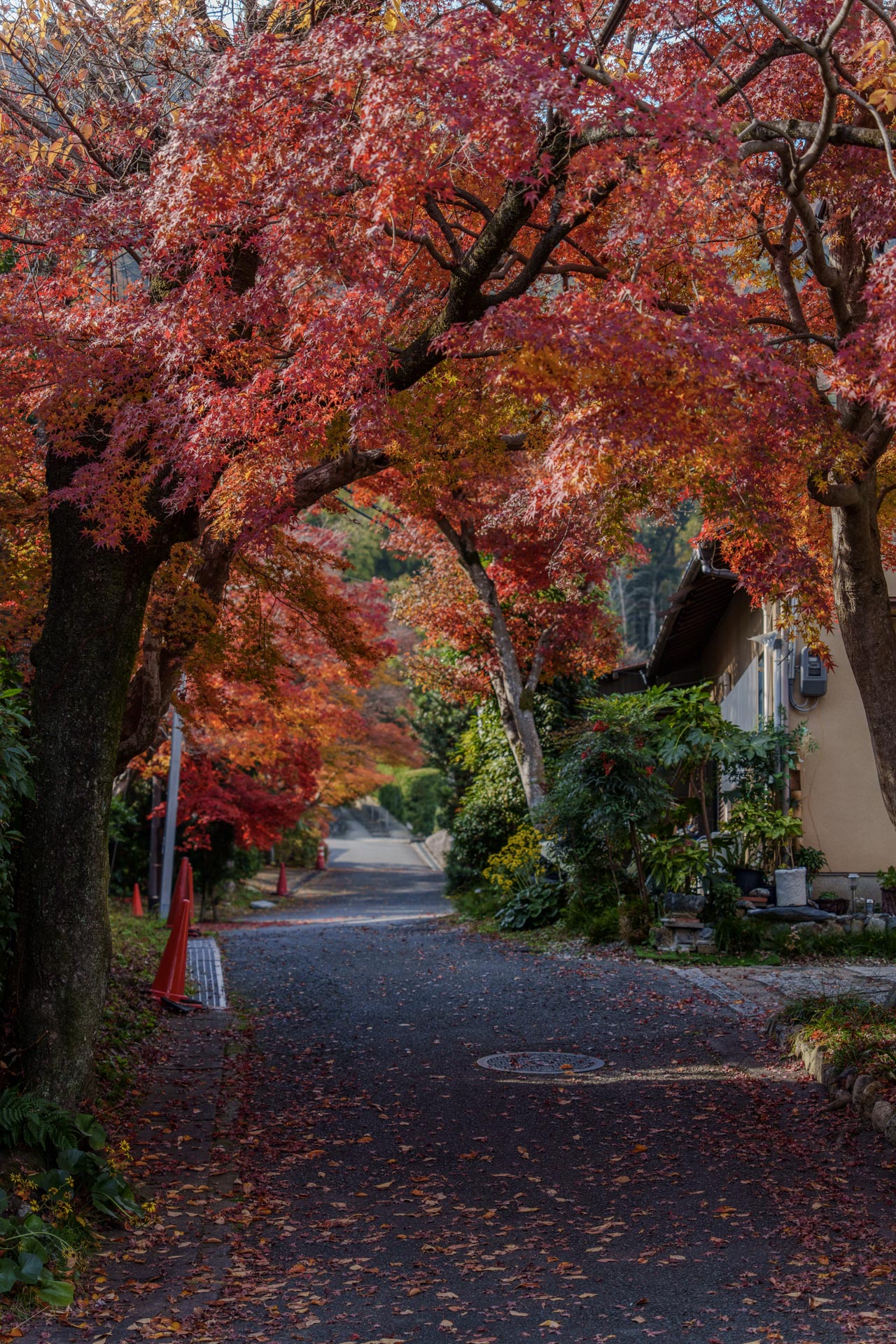
We walked through a narrow alley.
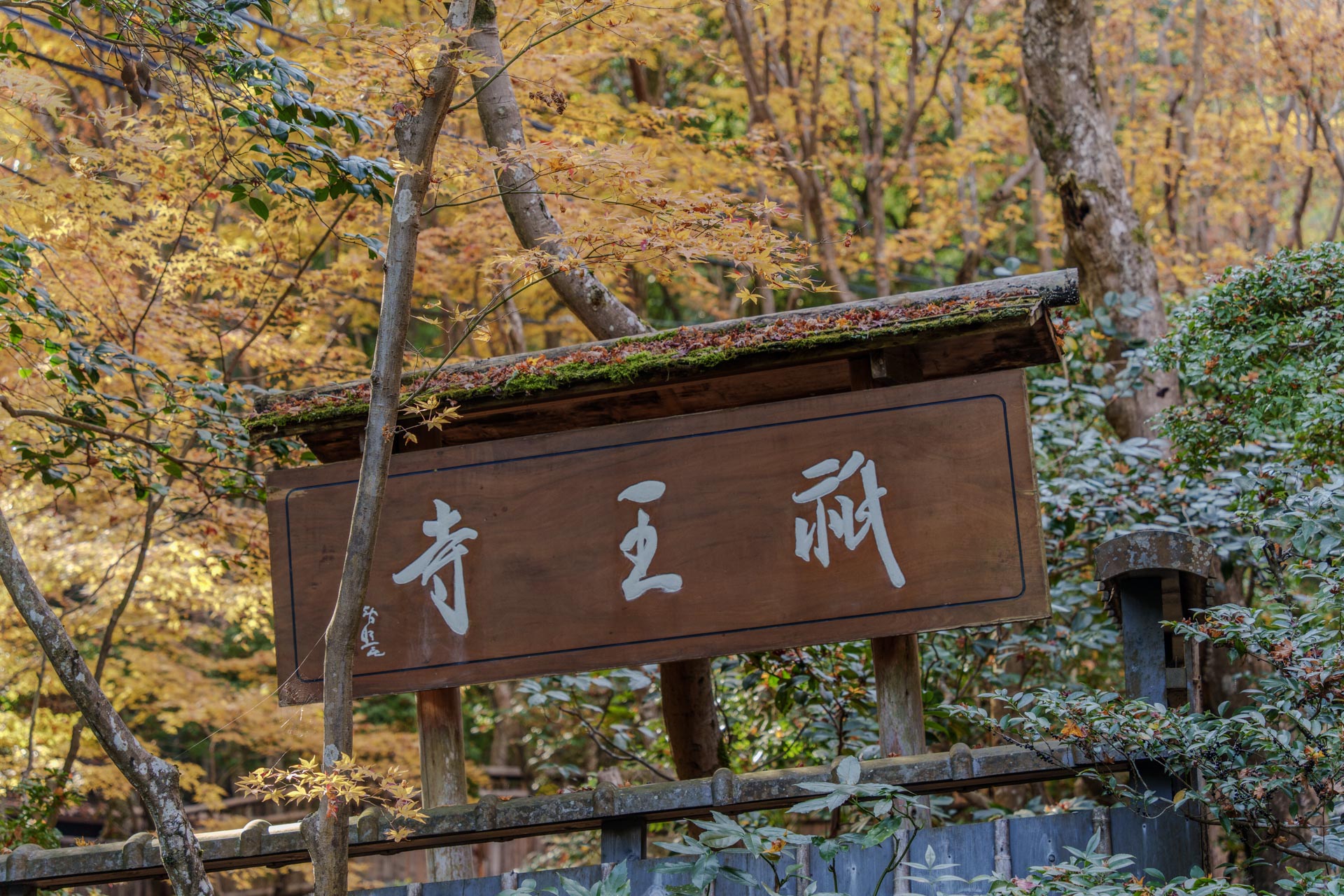
Gio-ji Temple
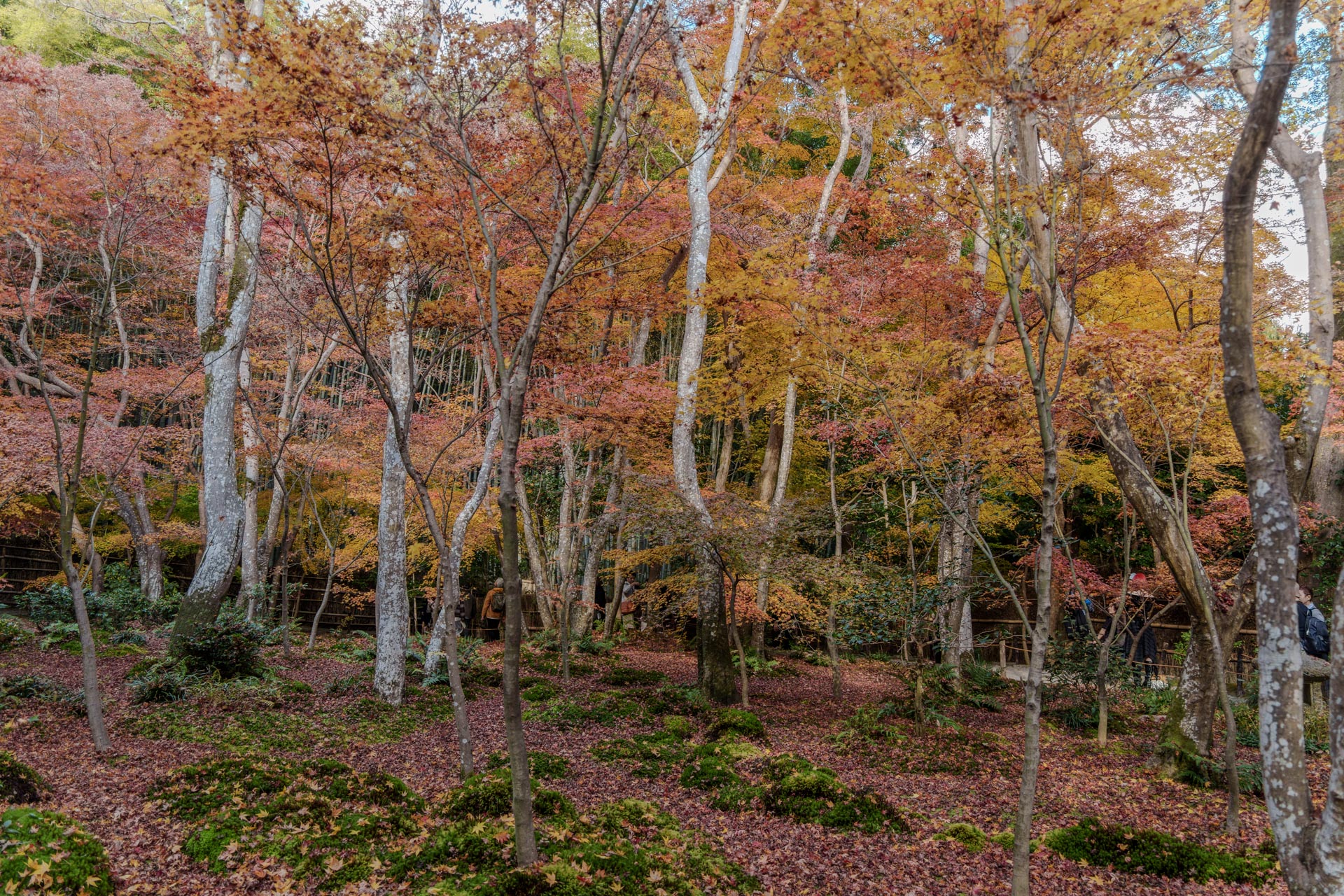
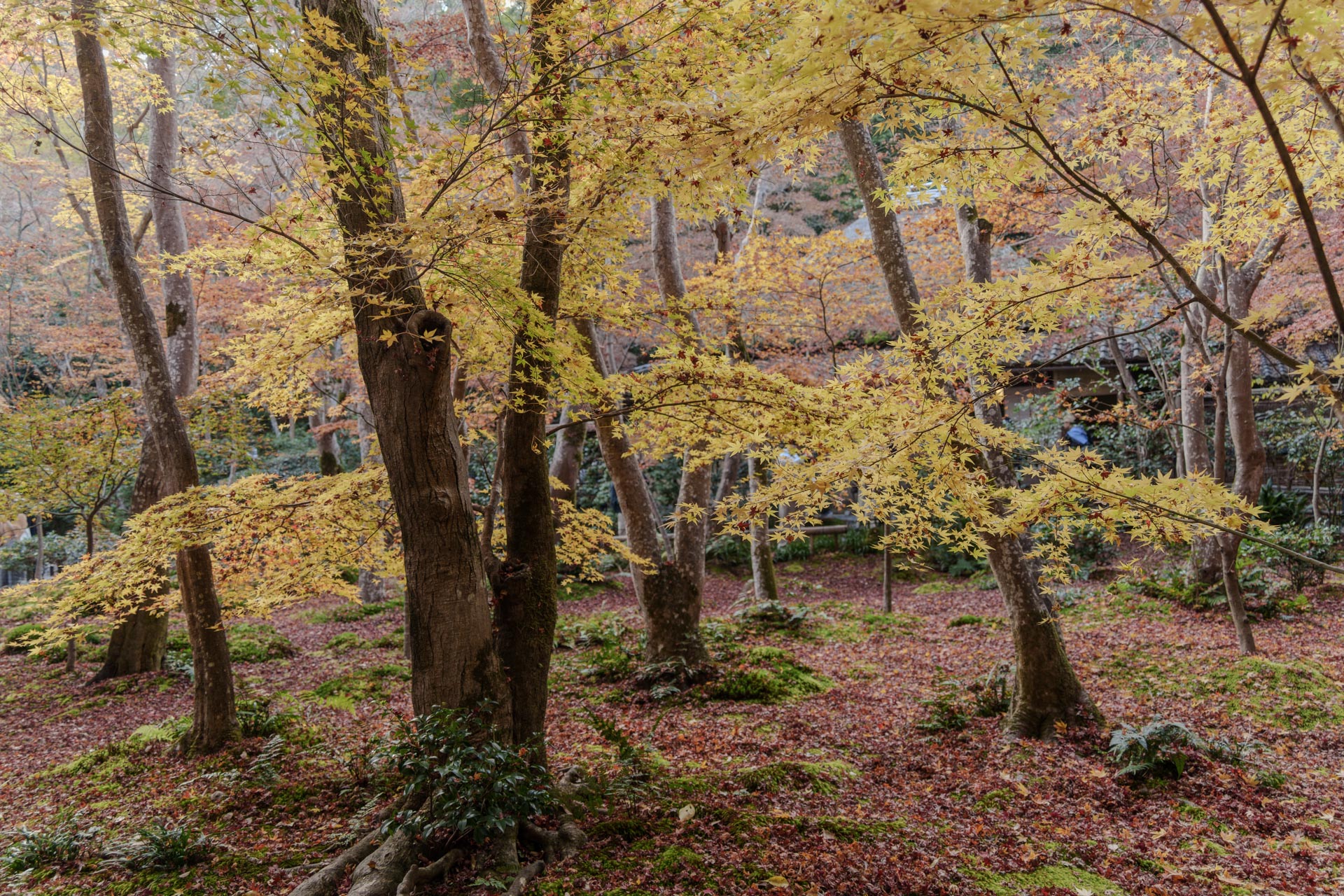
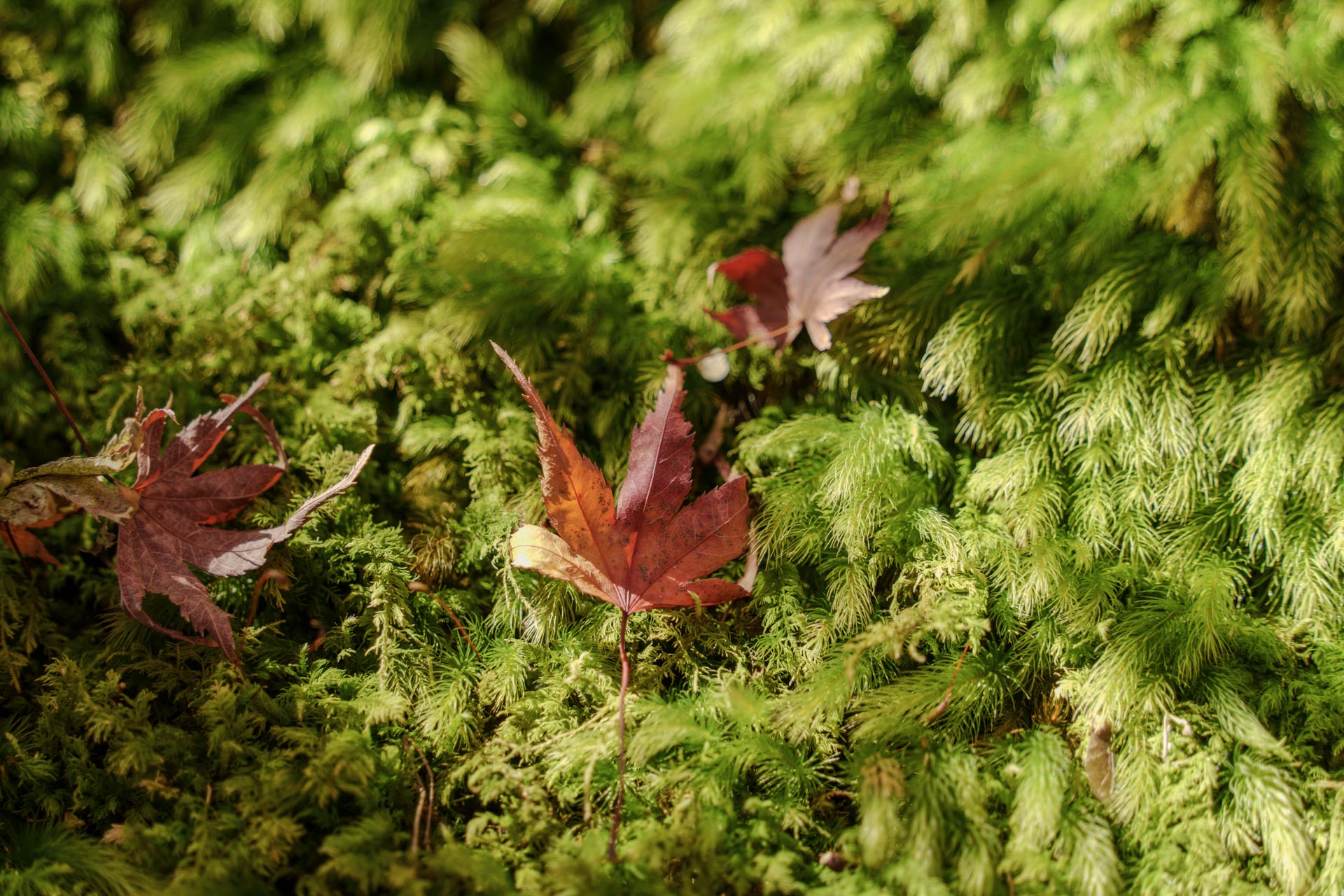 Lush green moss
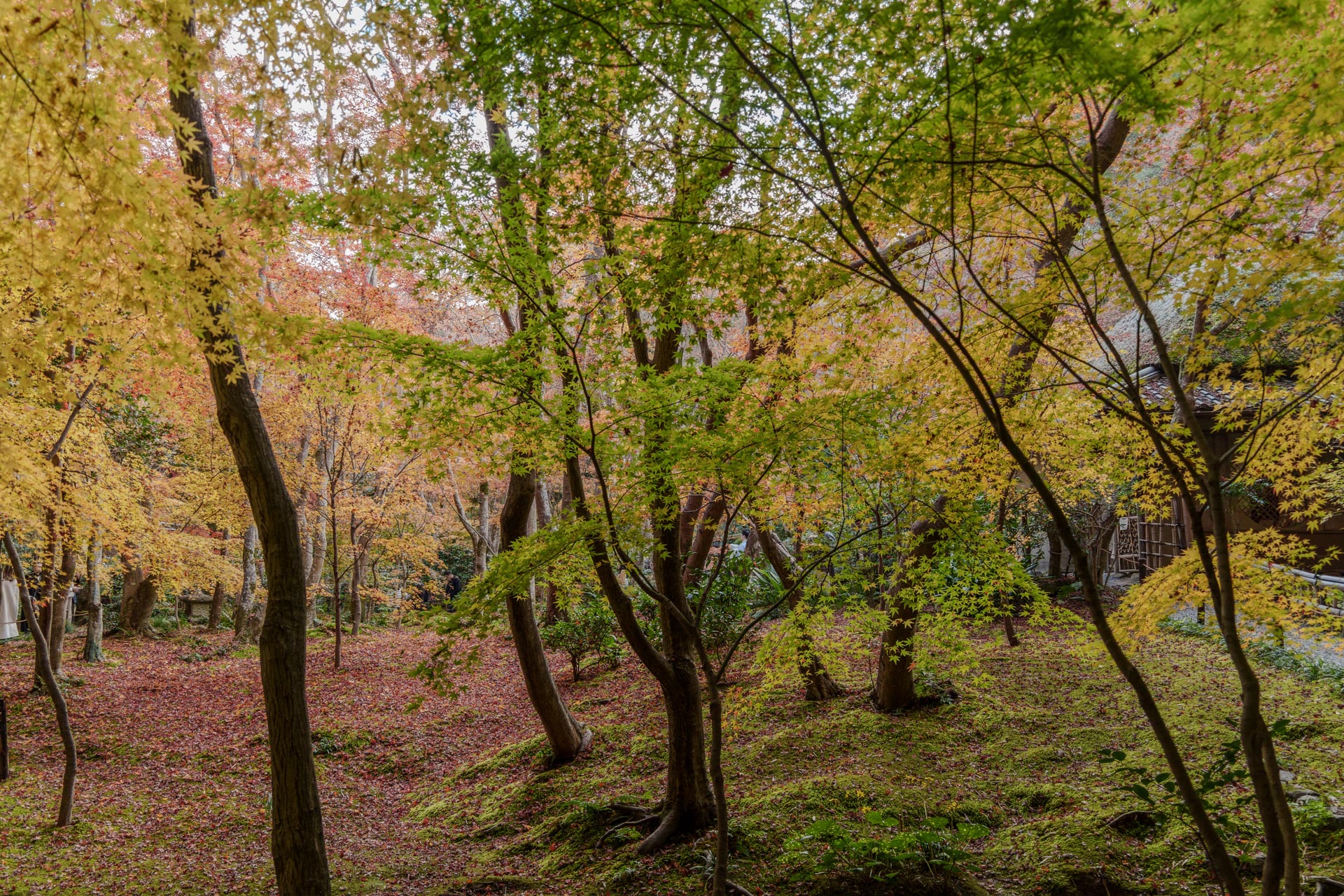
After leaving Gio-ji, we headed to Tōkō-ji.
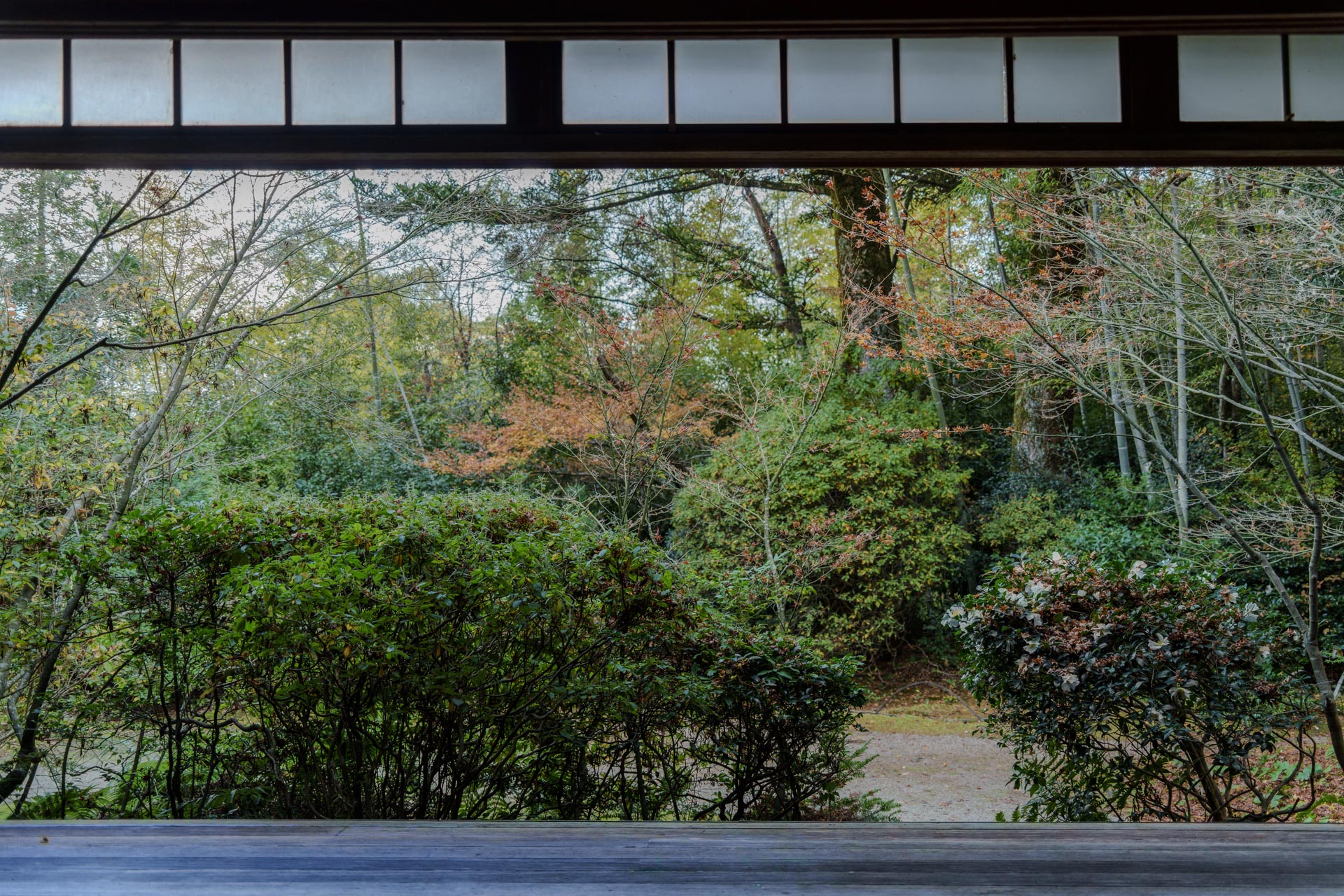
Tōkō-ji Temple
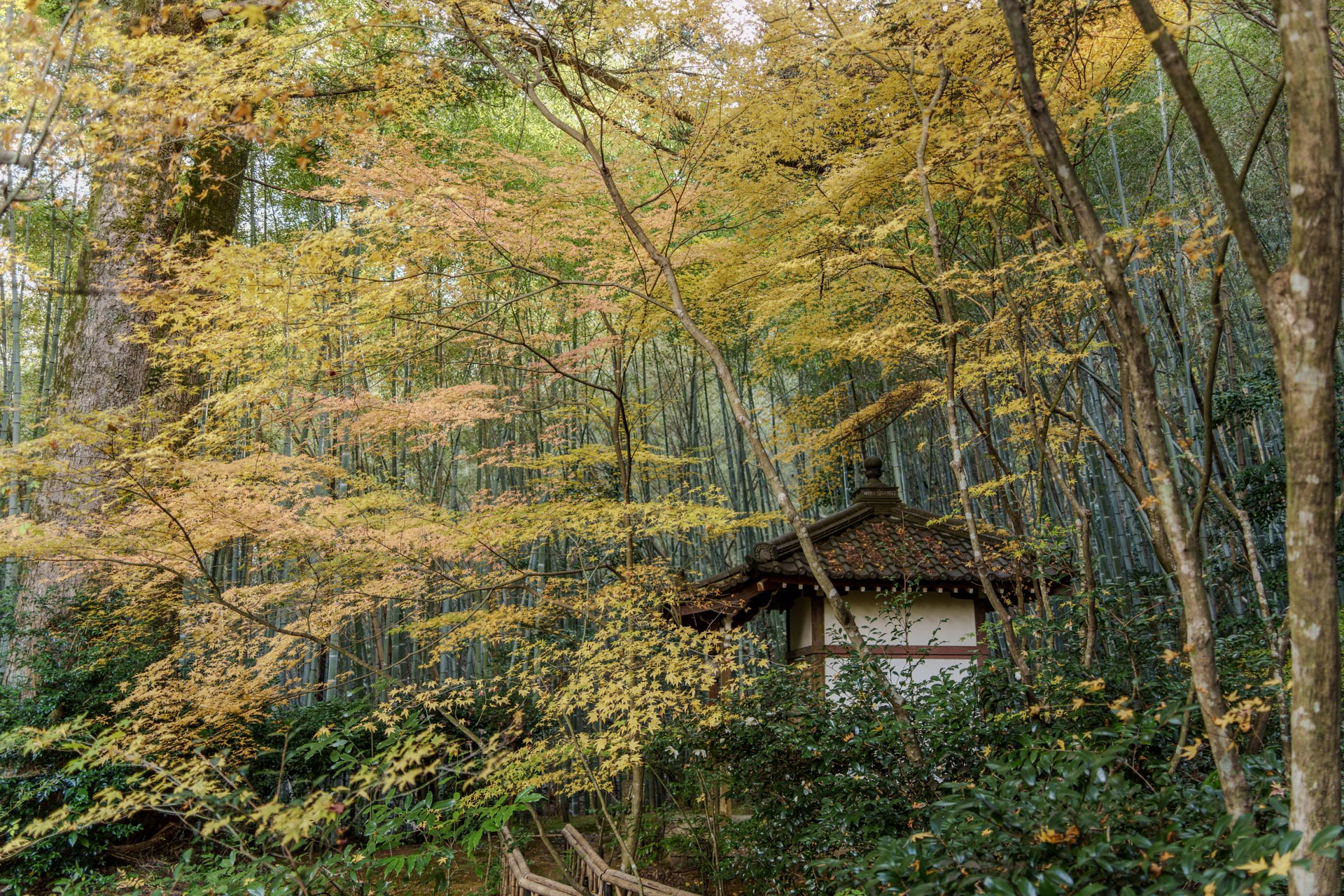
We sat quietly here for a while; it was very peaceful.
Camellias in full bloom, with a delicate fragrance.
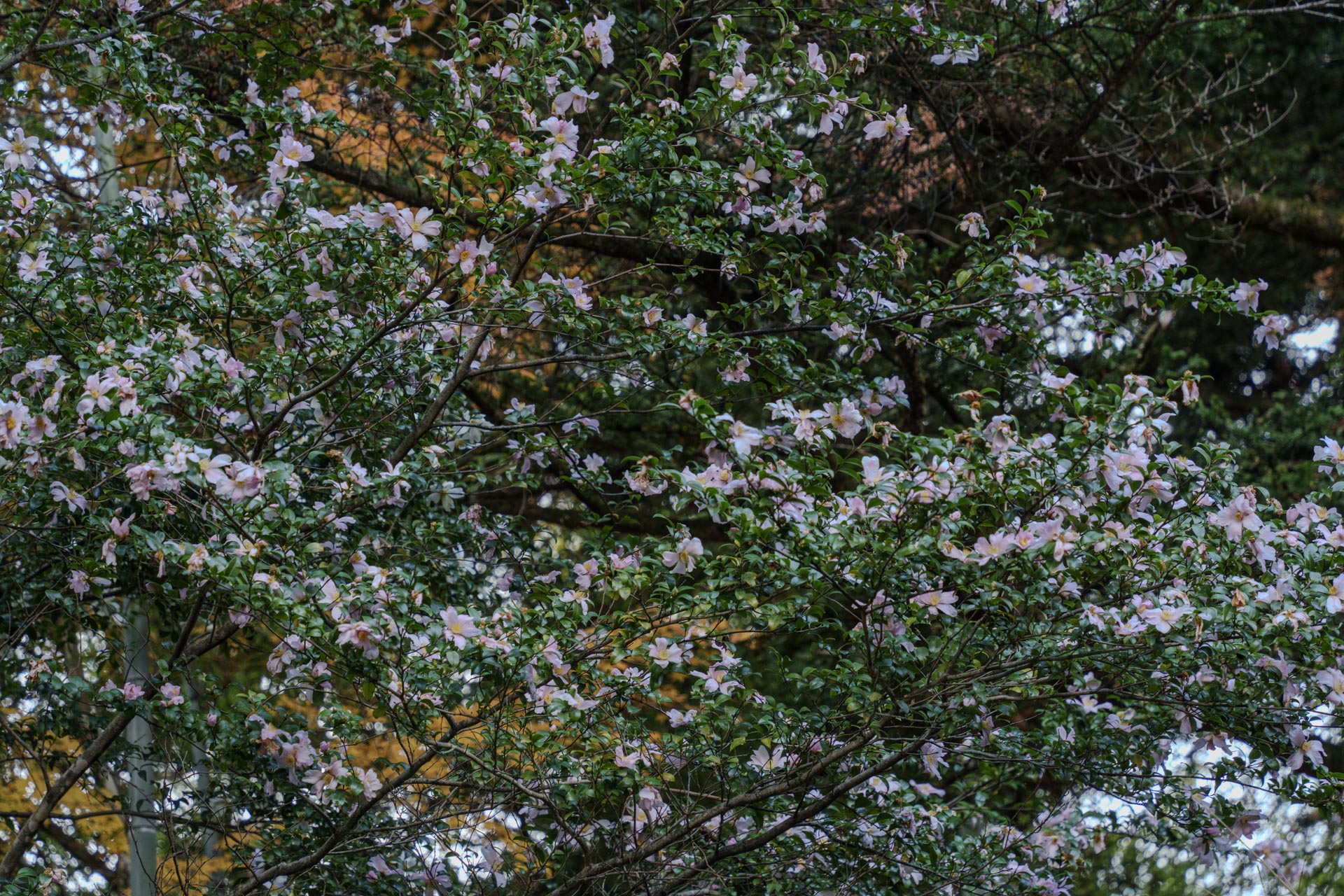 Camellias
Adashino Nenbutsu-ji
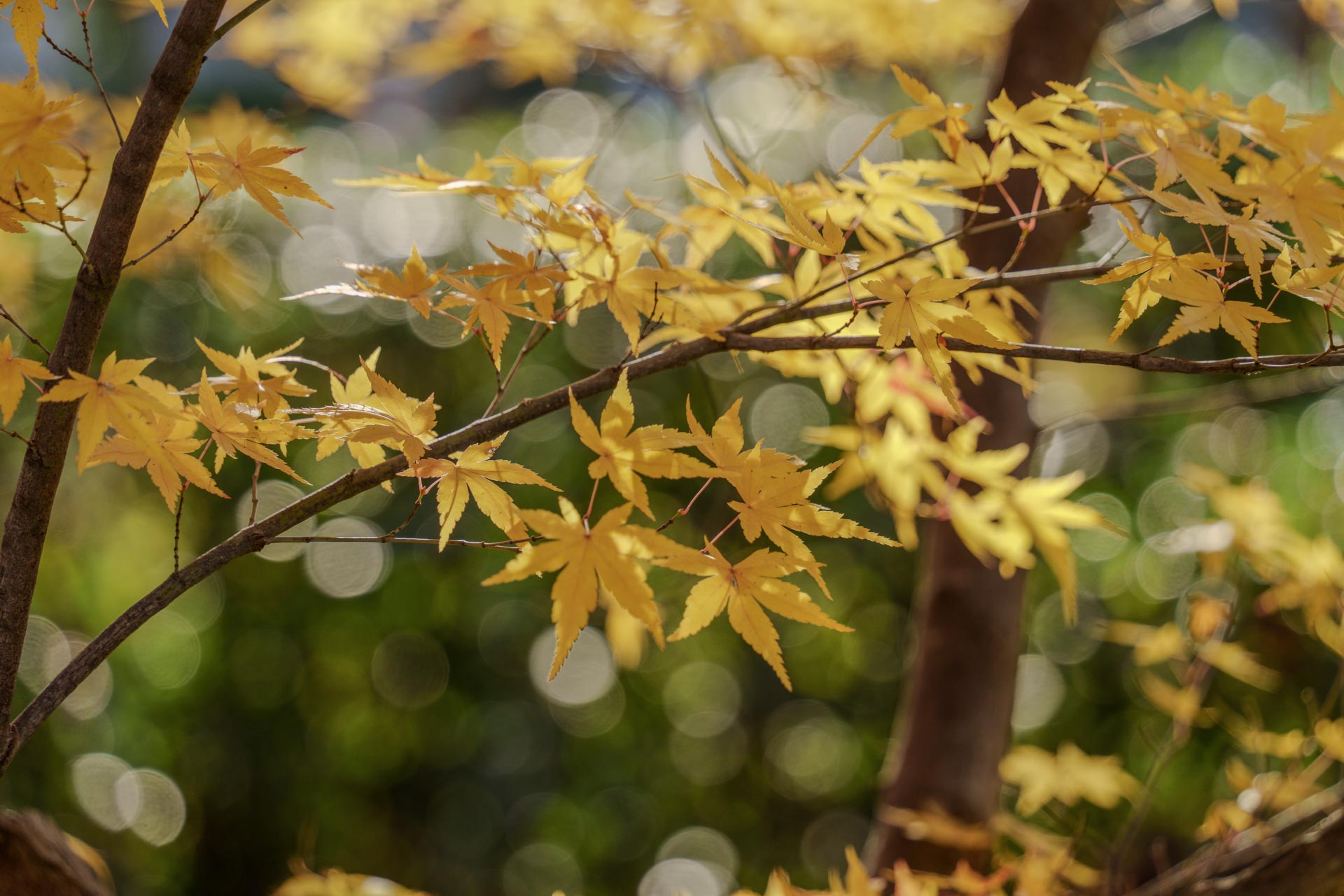
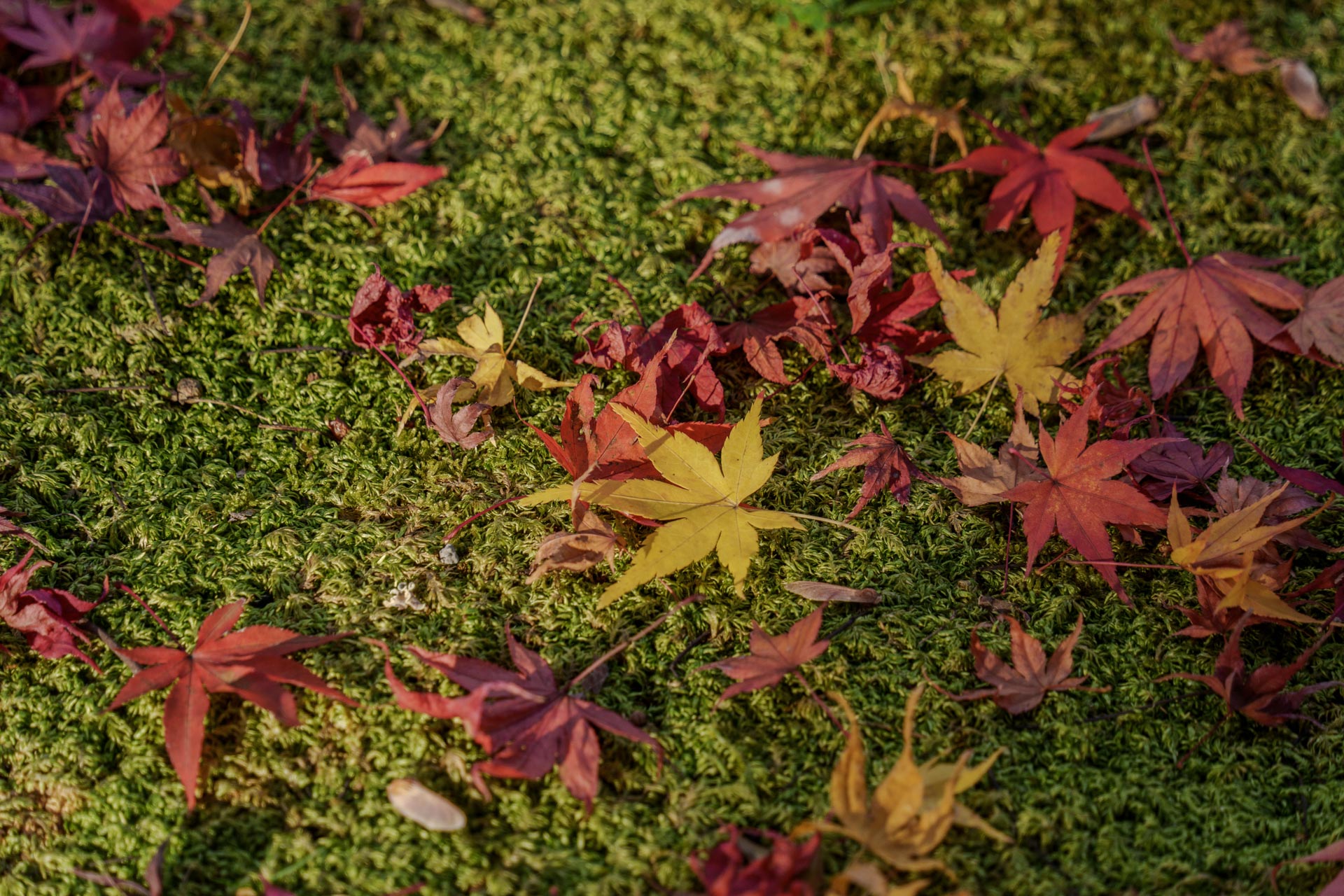
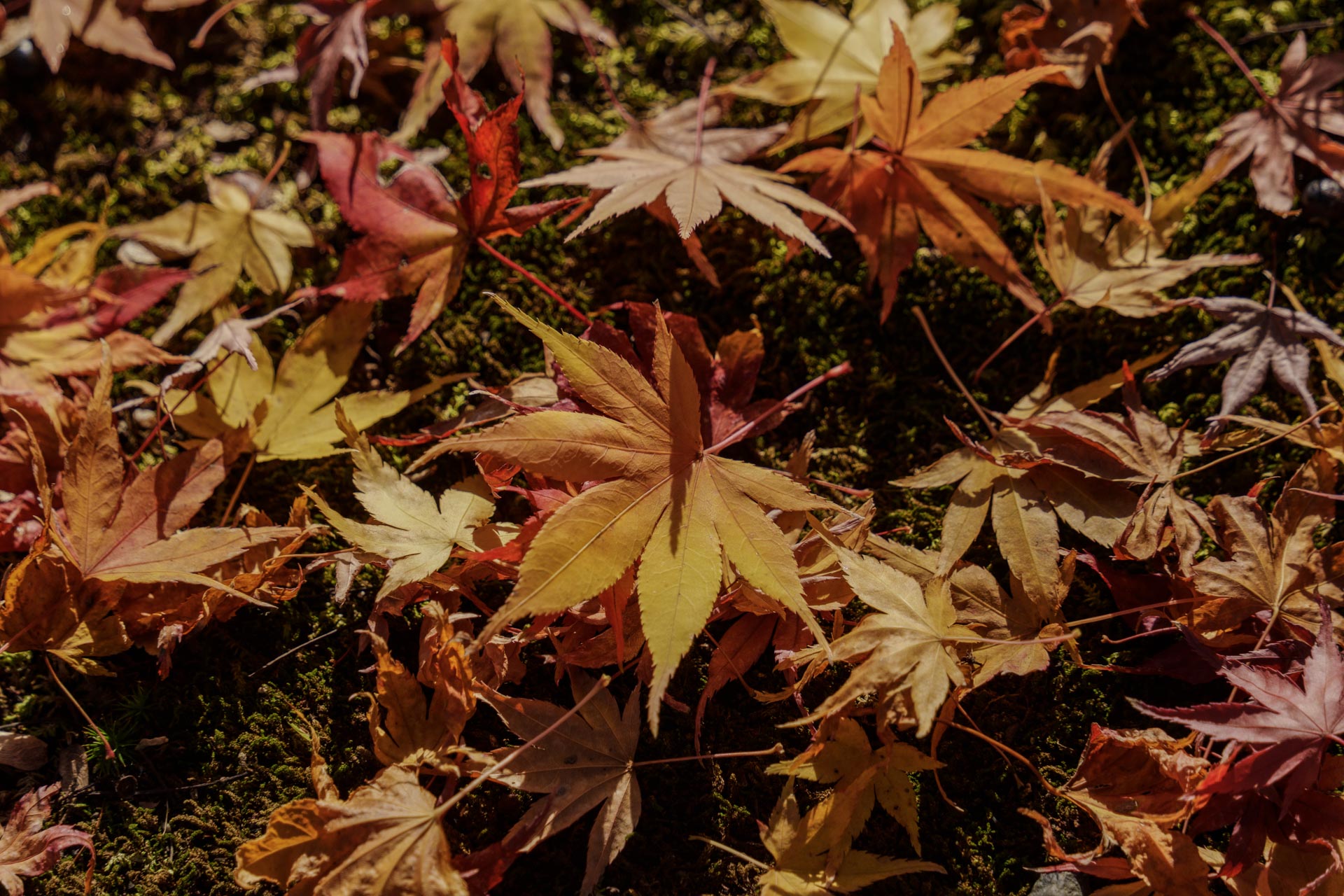
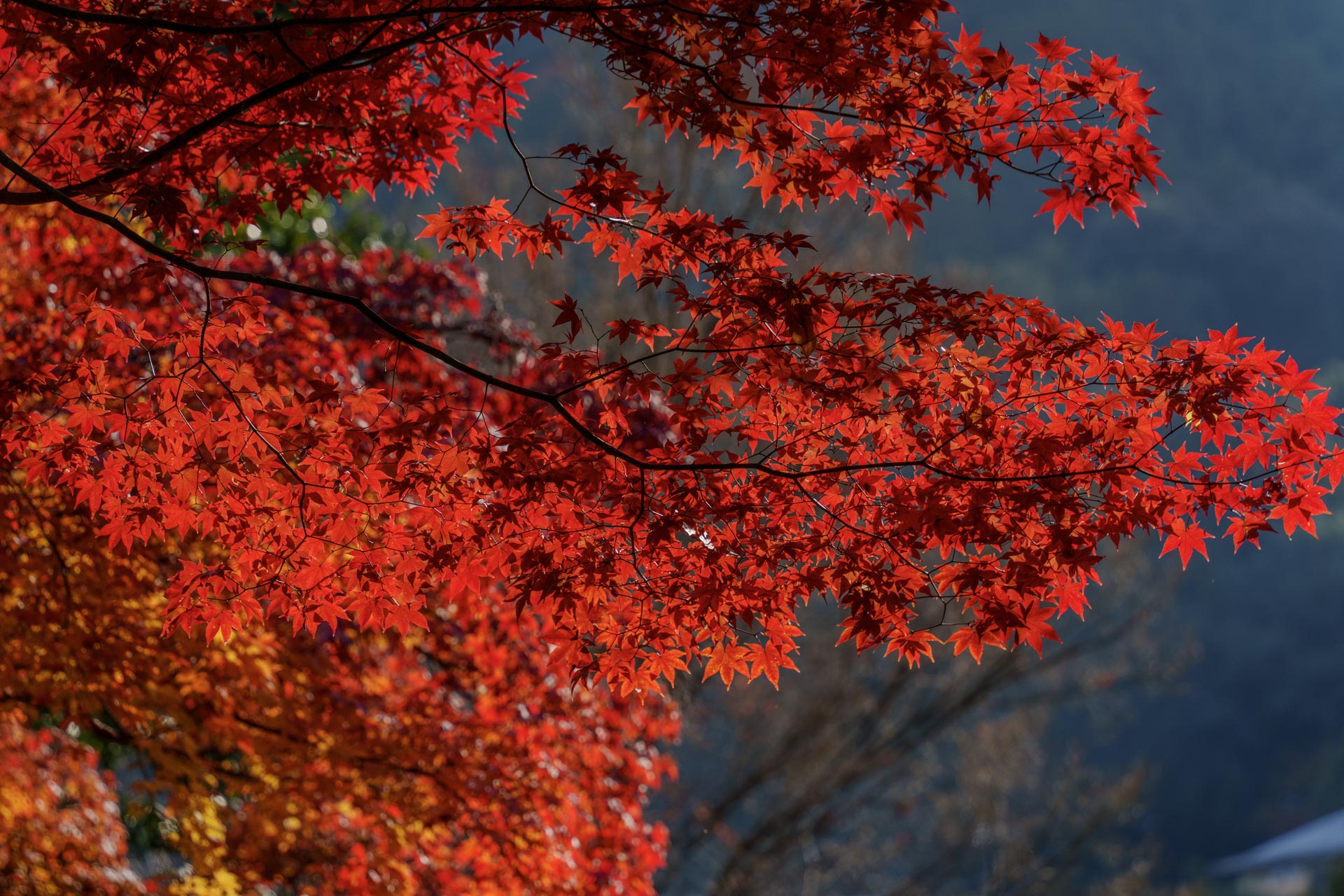
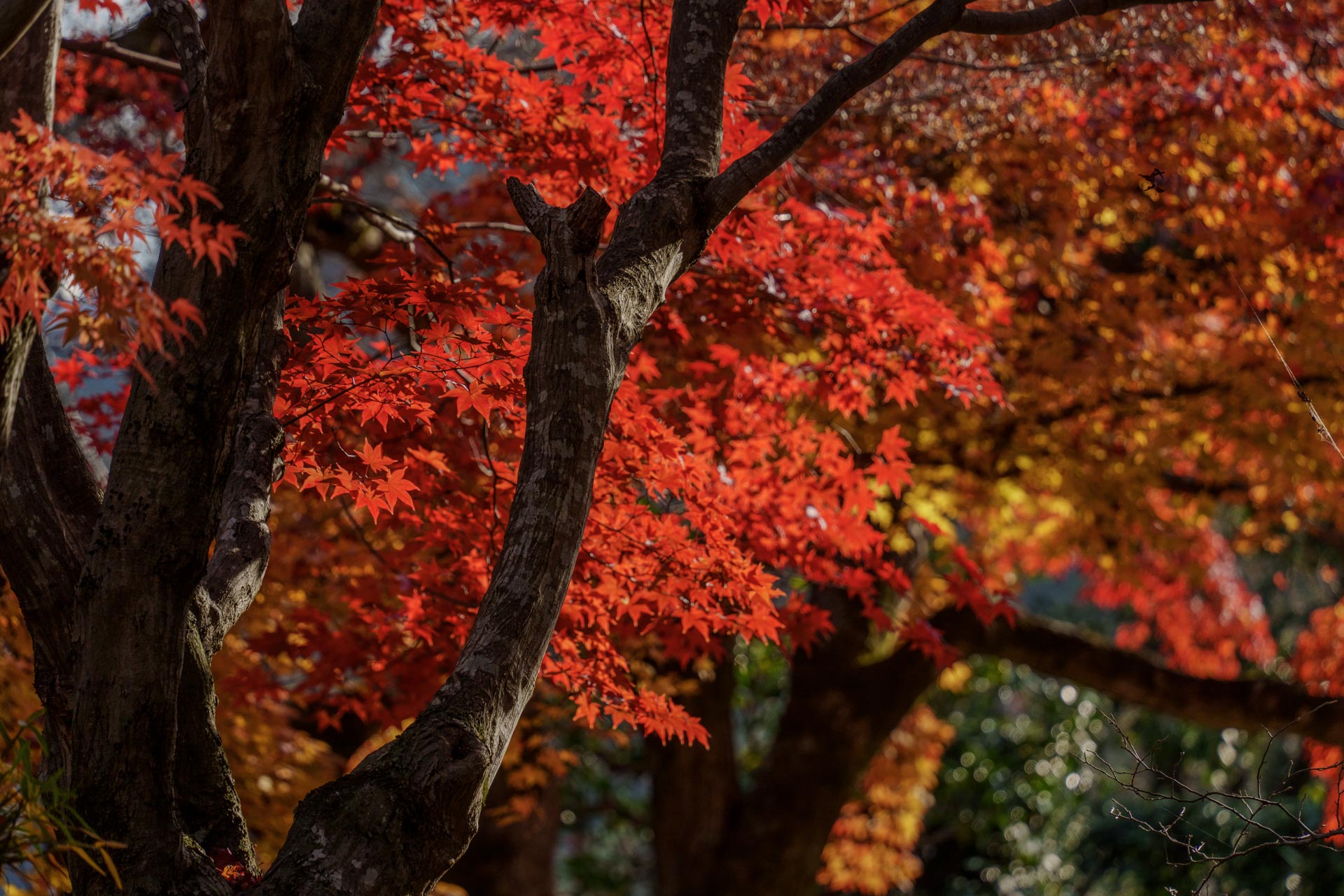
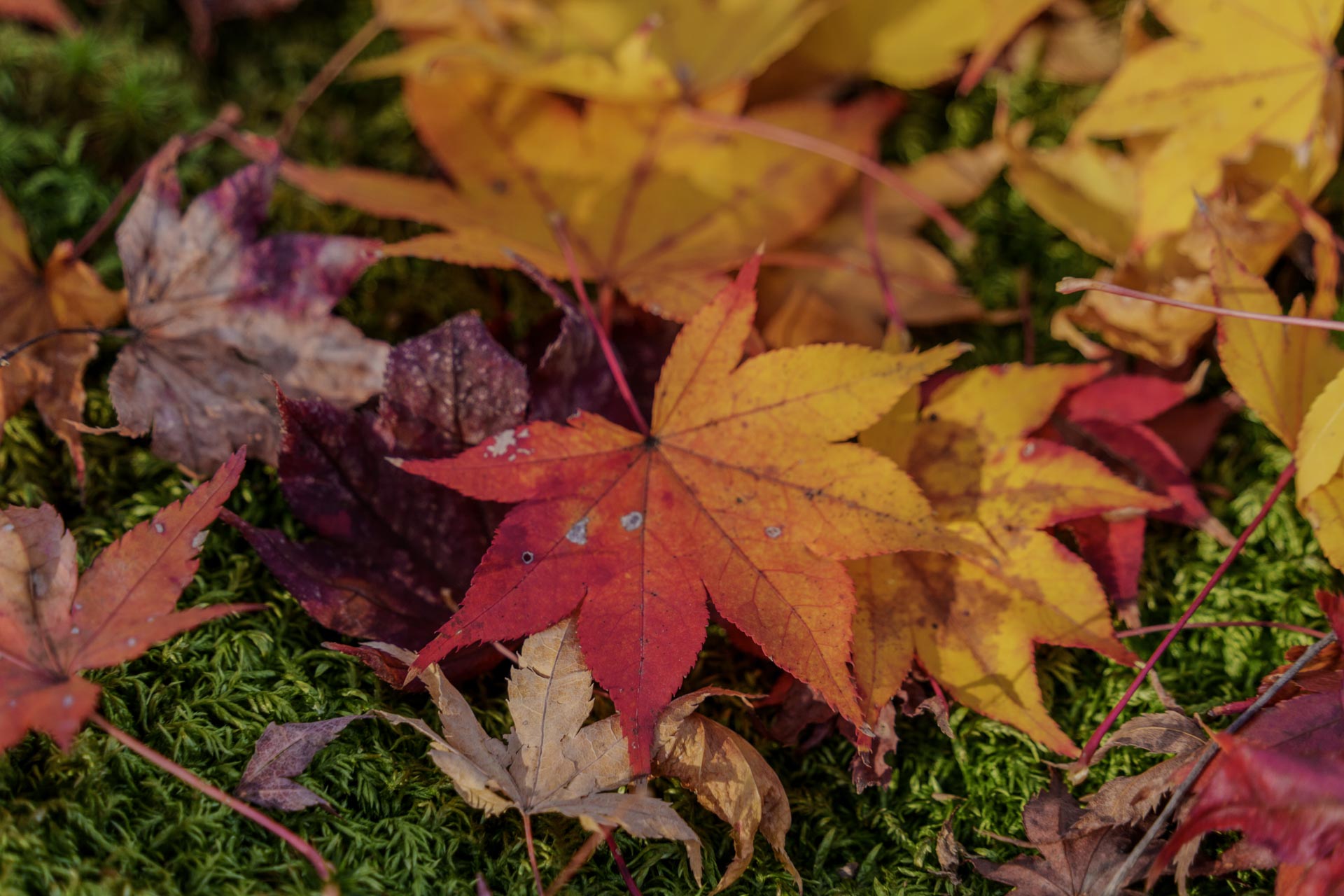
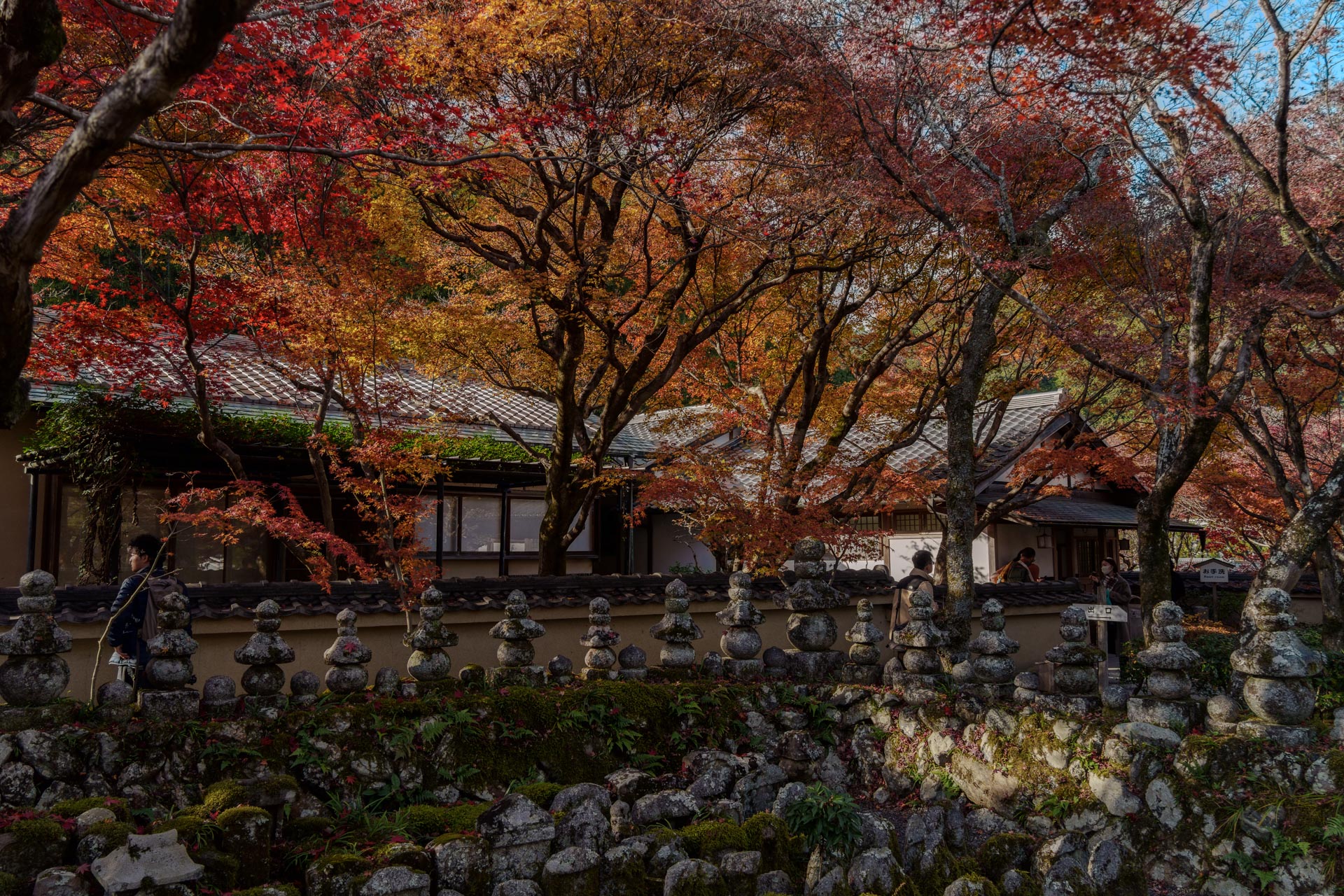
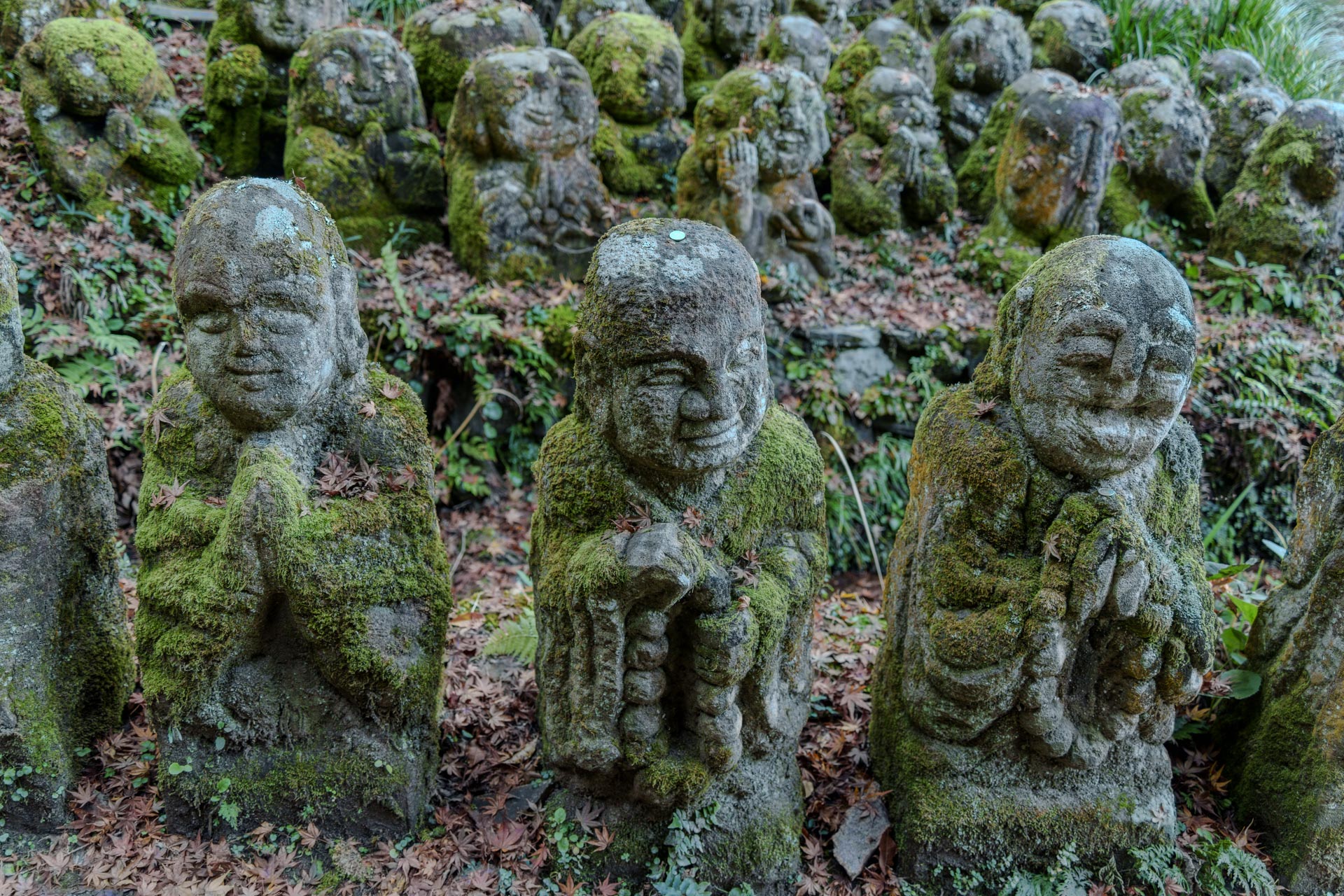
The maple leaves were beautiful, but I probably won’t come back next time, as there is a large cemetery inside.
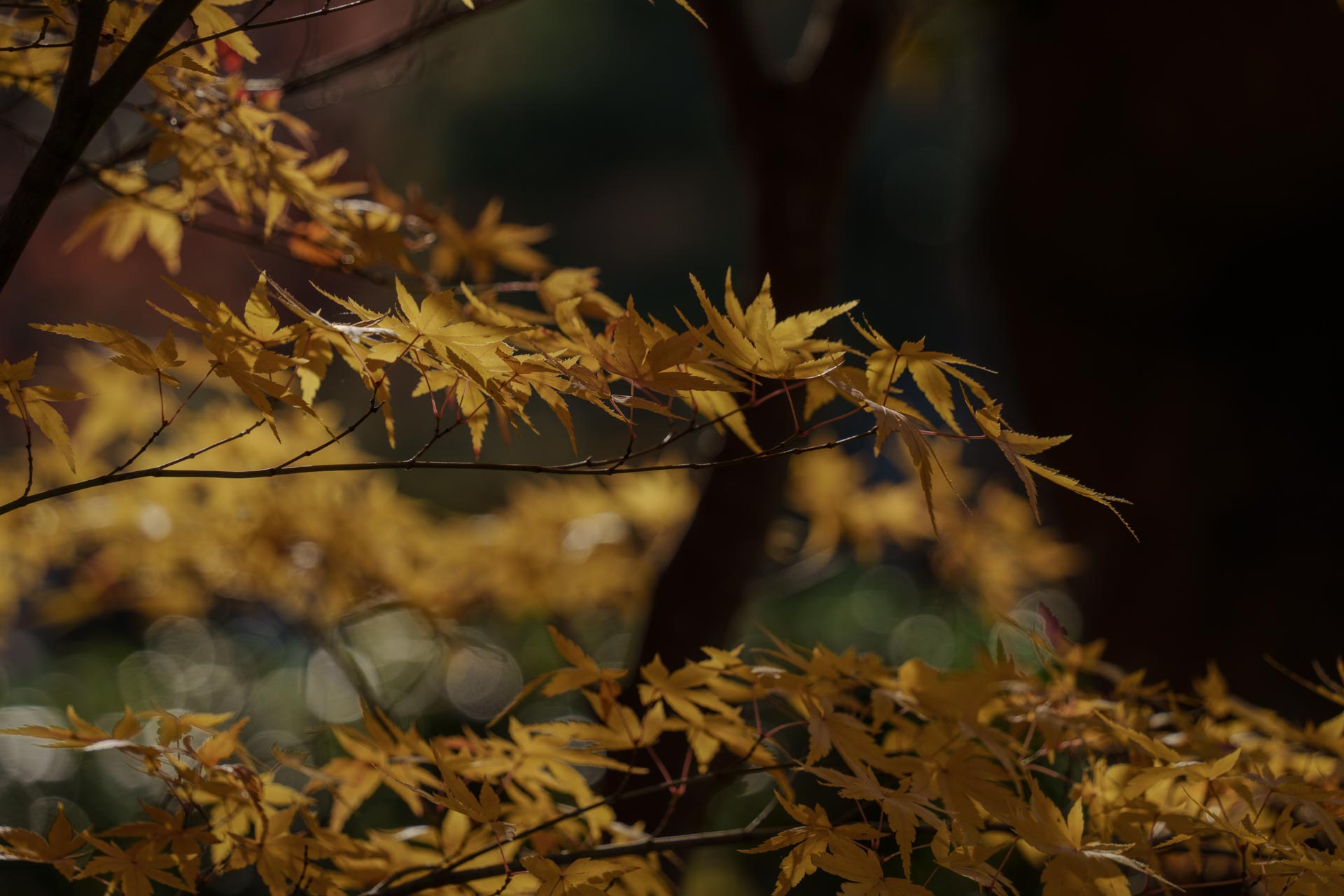
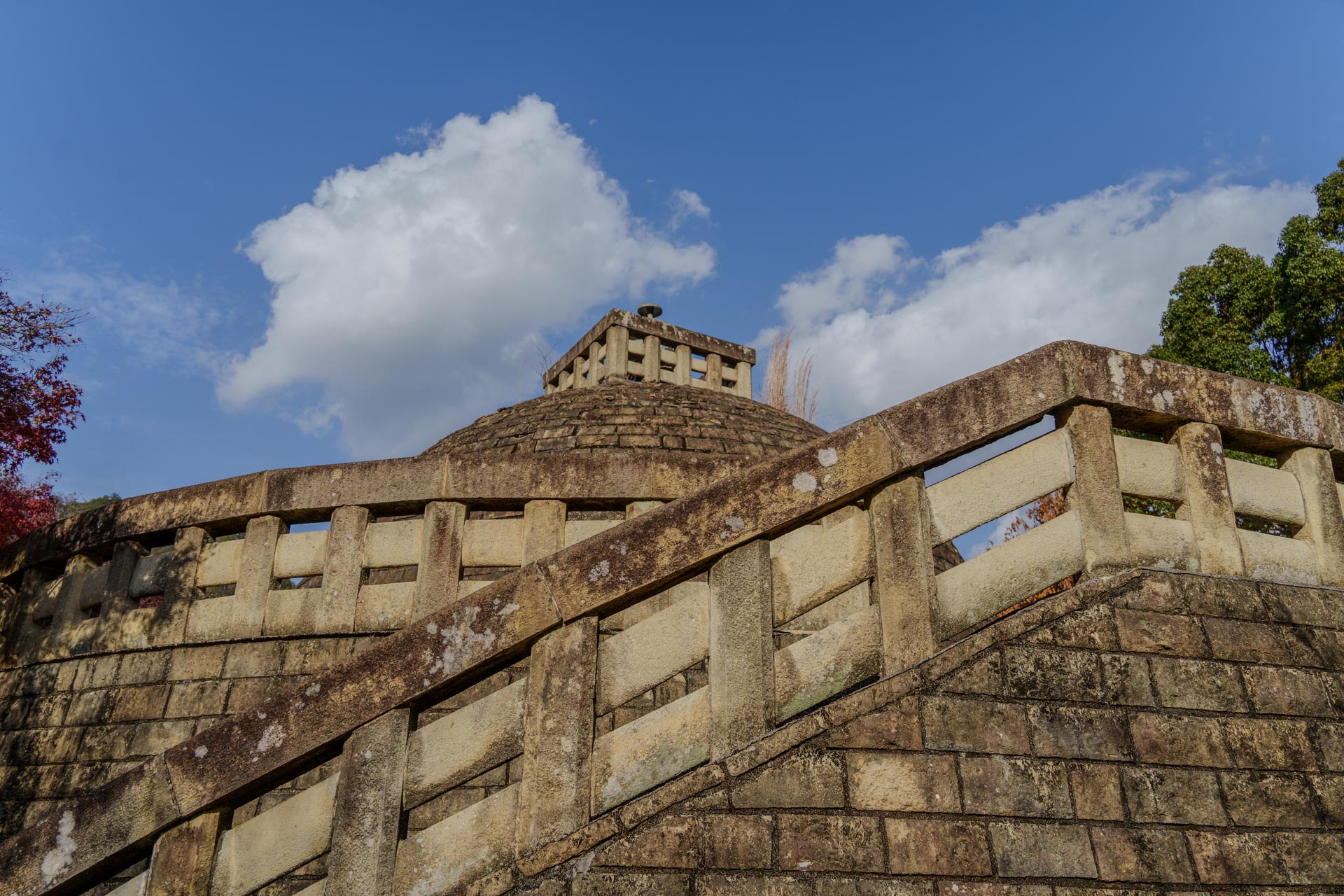 Stupa
Stupa
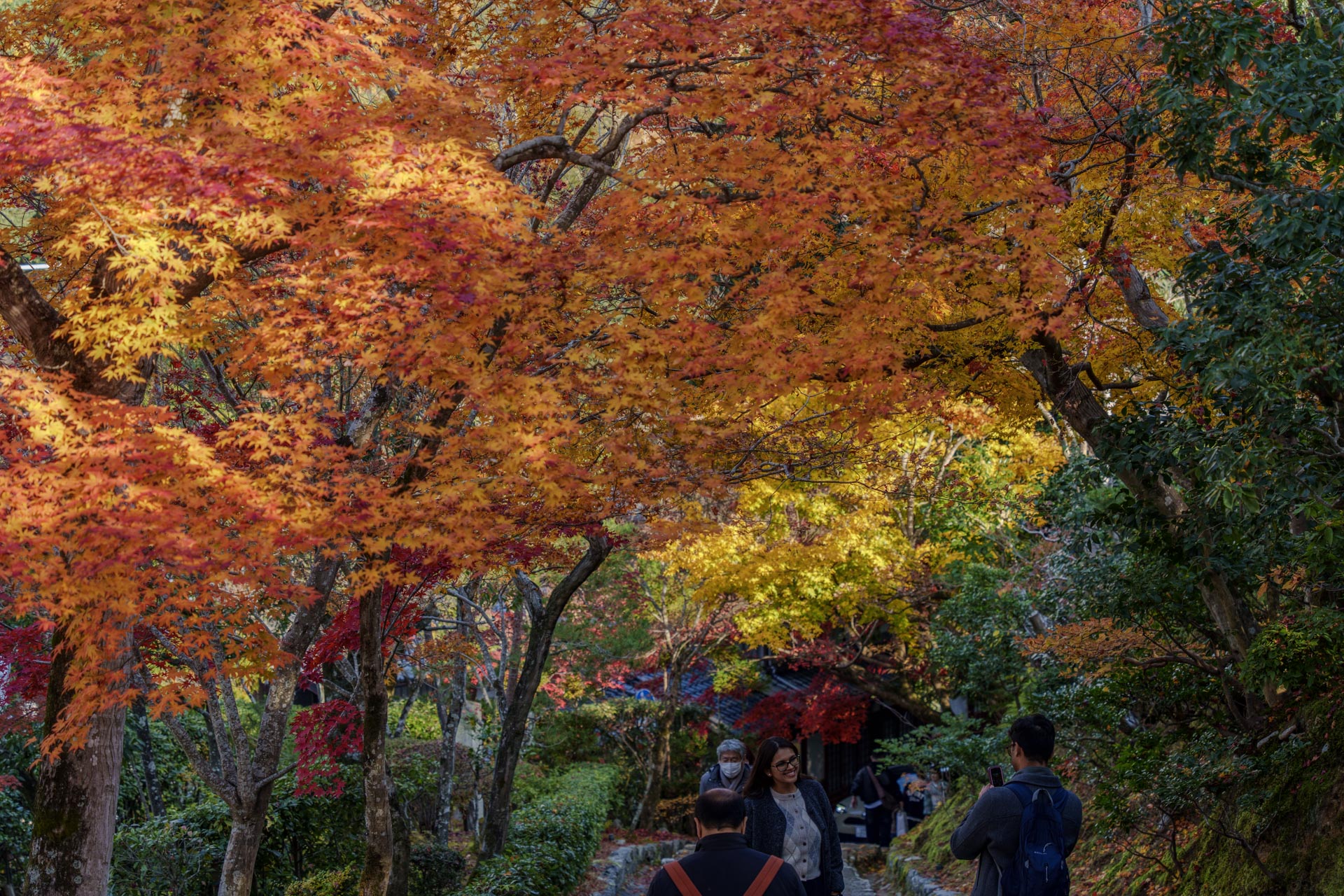
Atago Nenbutsu-ji
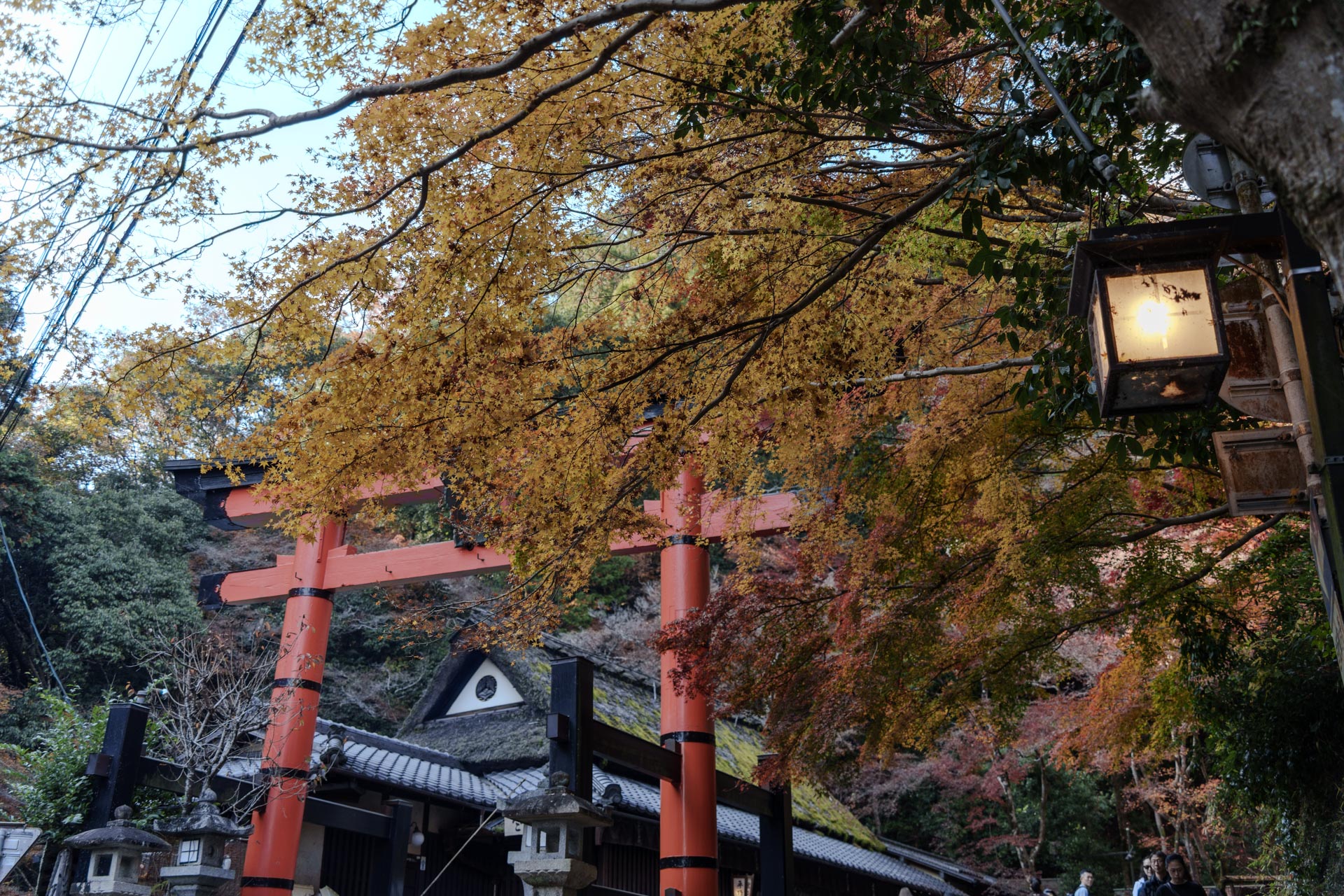
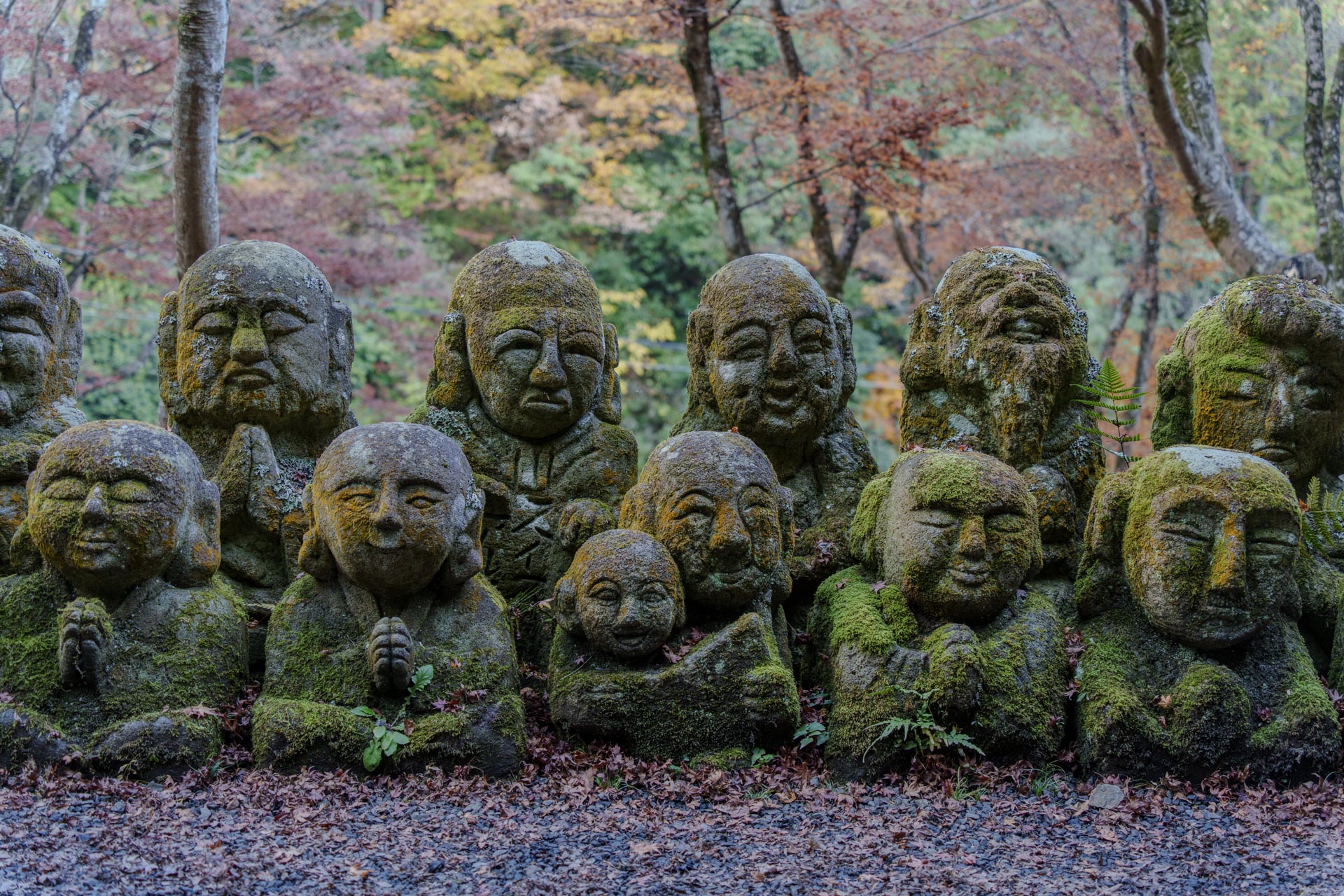
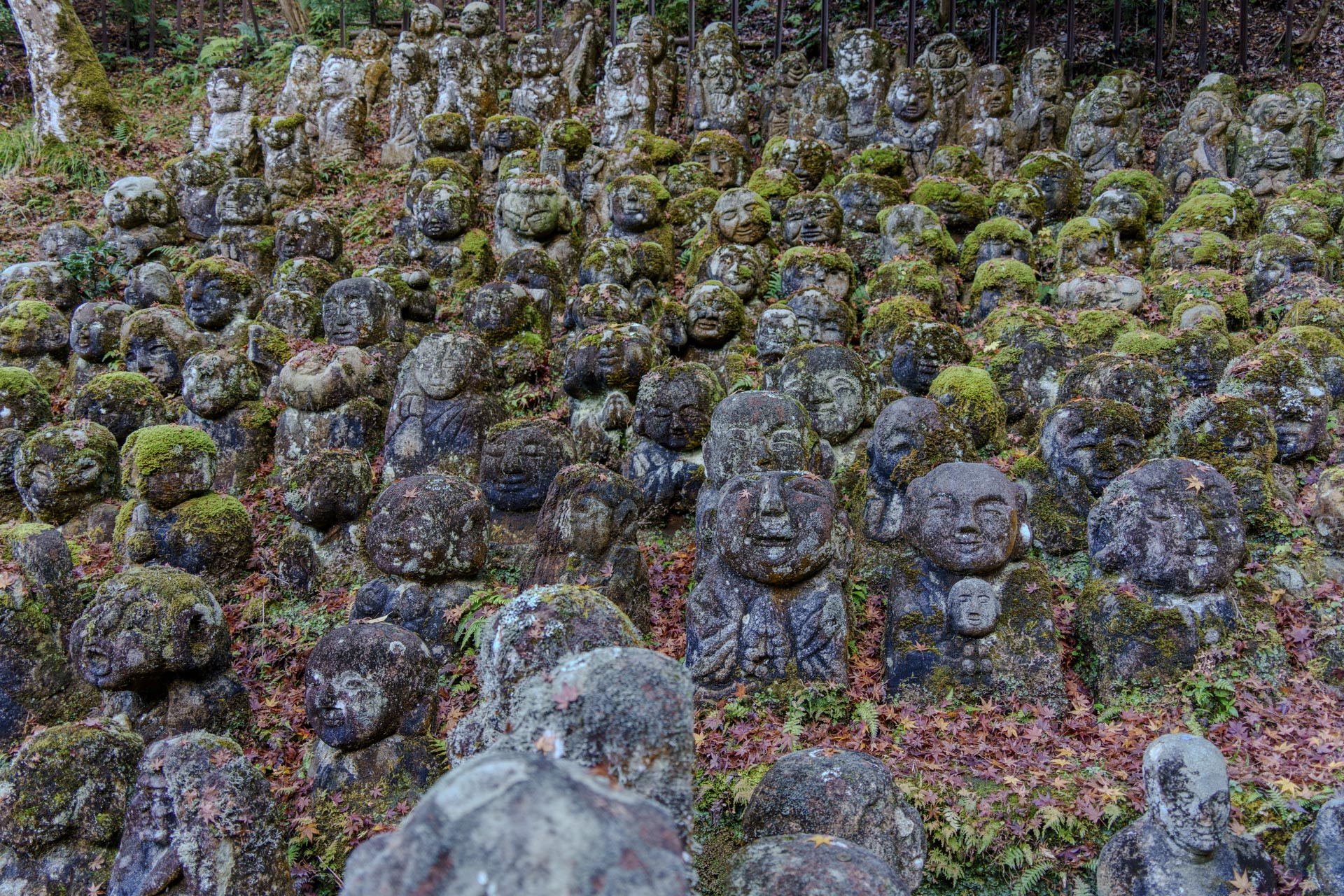
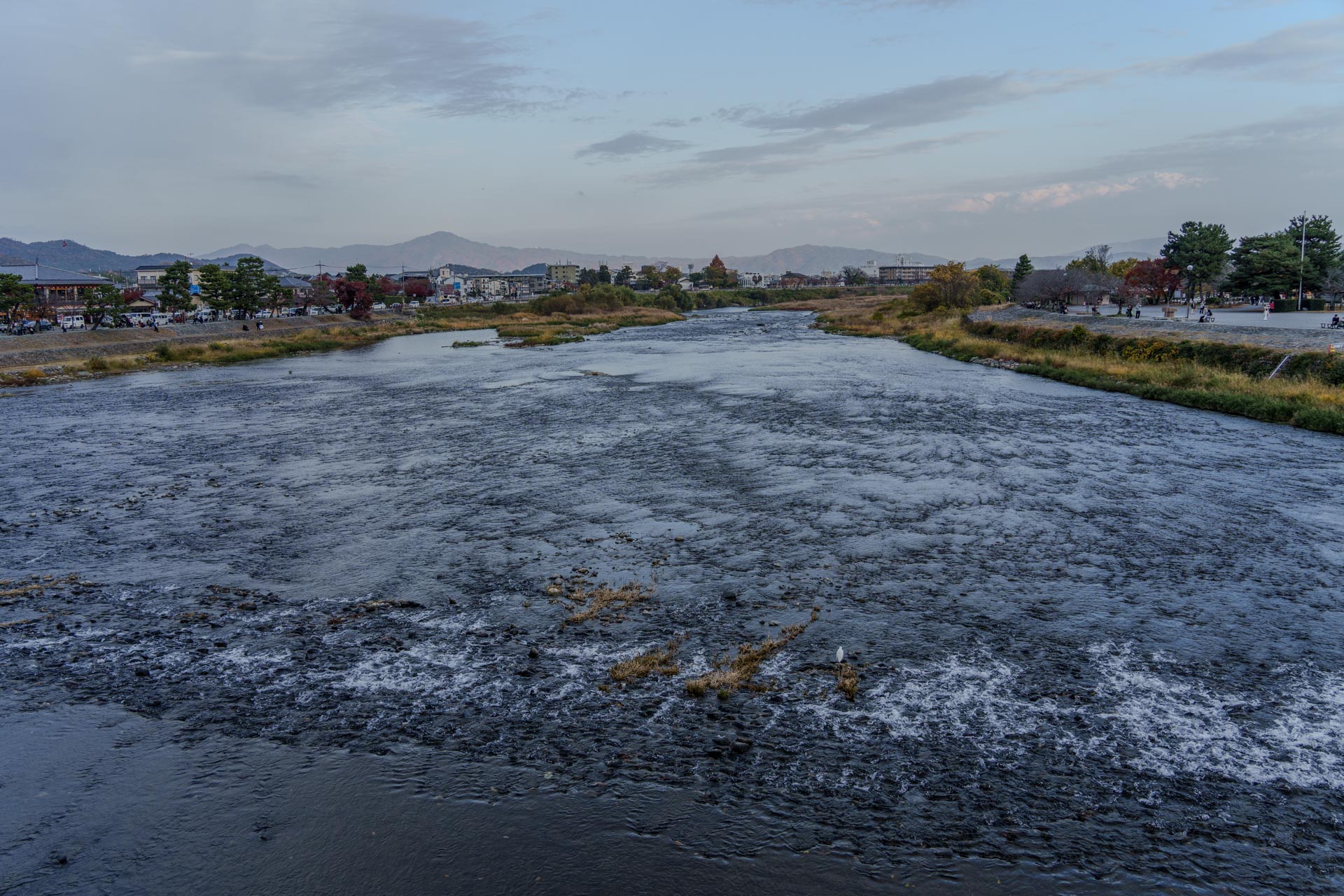
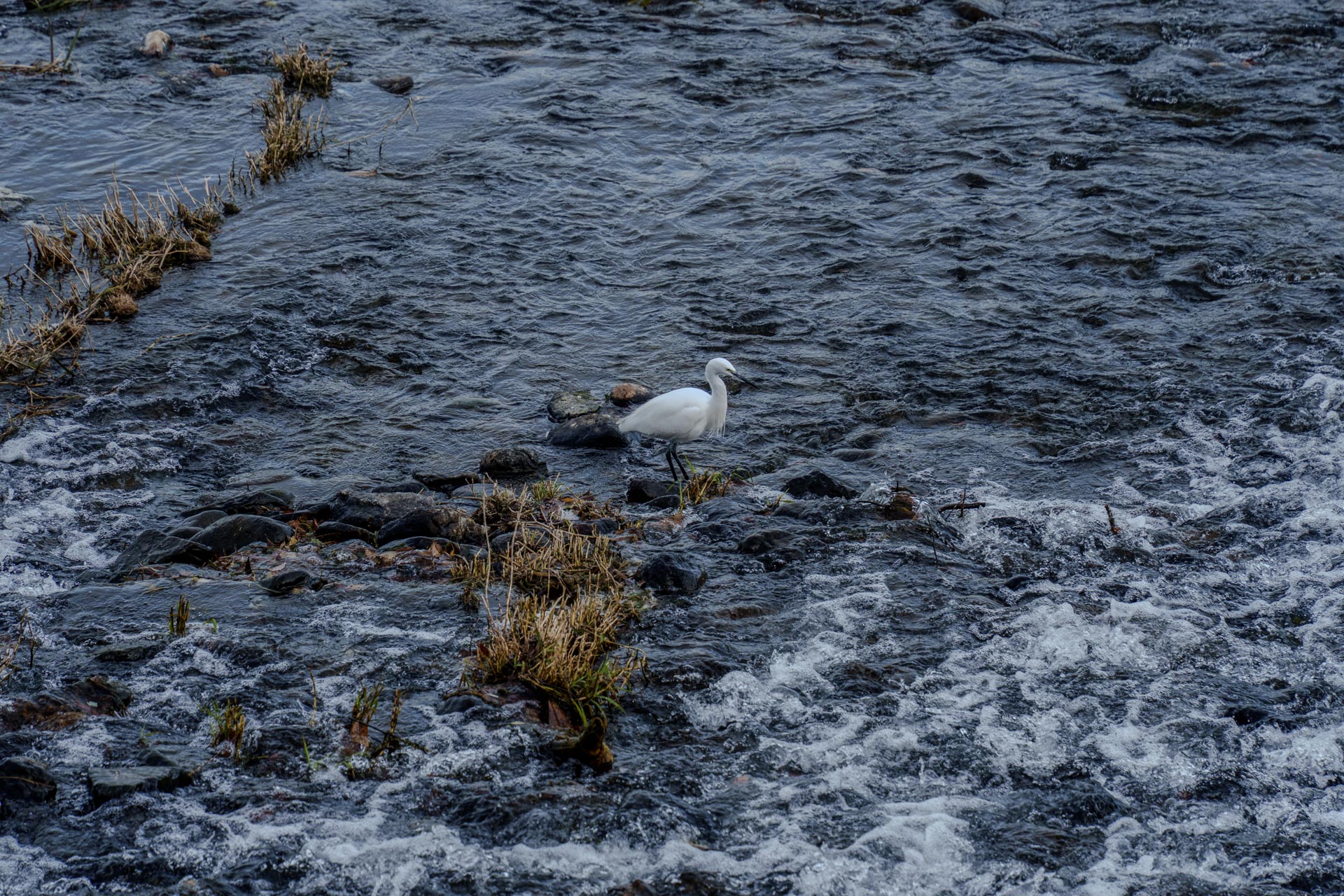
Katsura River
We took a bus from Atago Nenbutsu-ji to Togetsukyo Bridge.
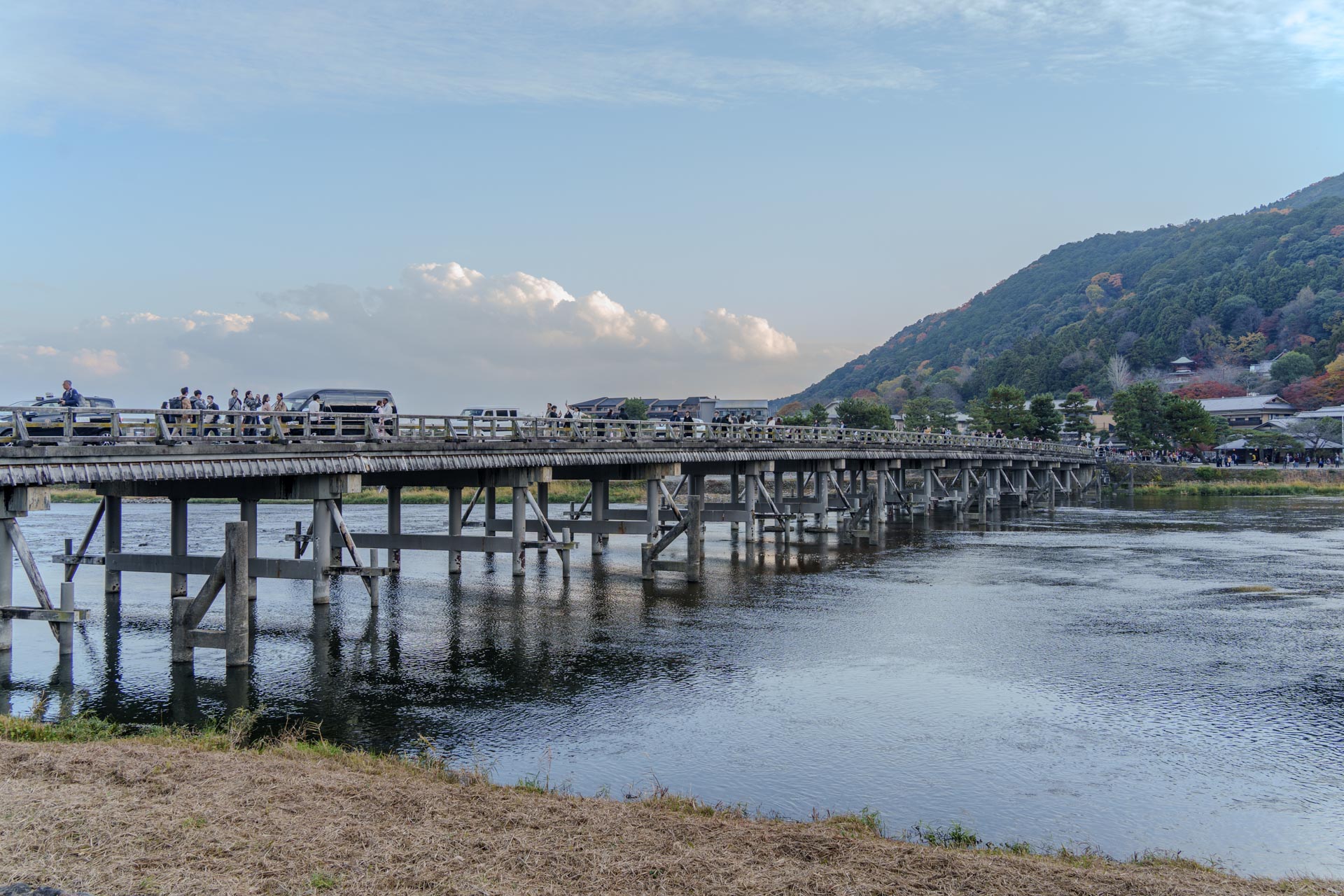
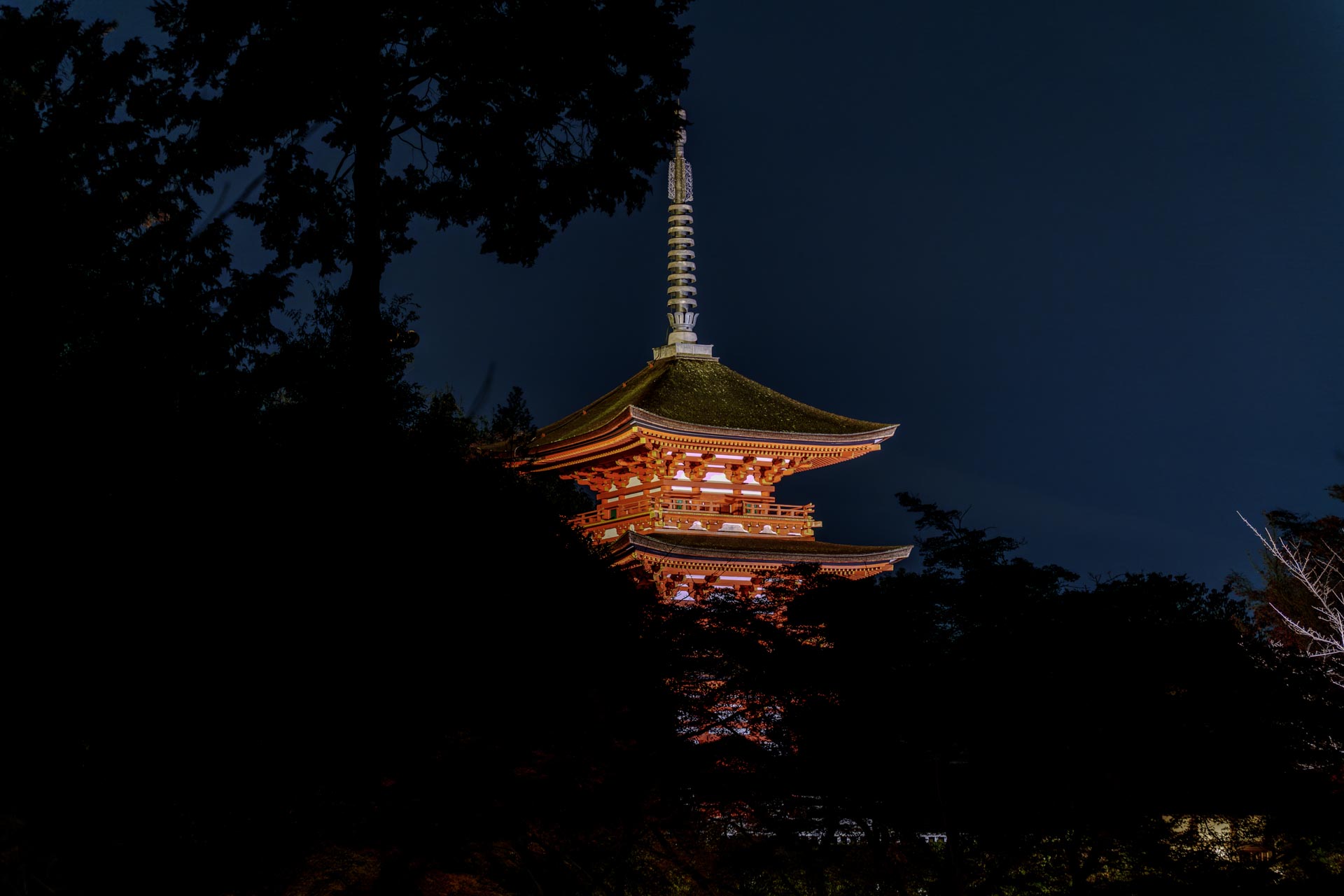
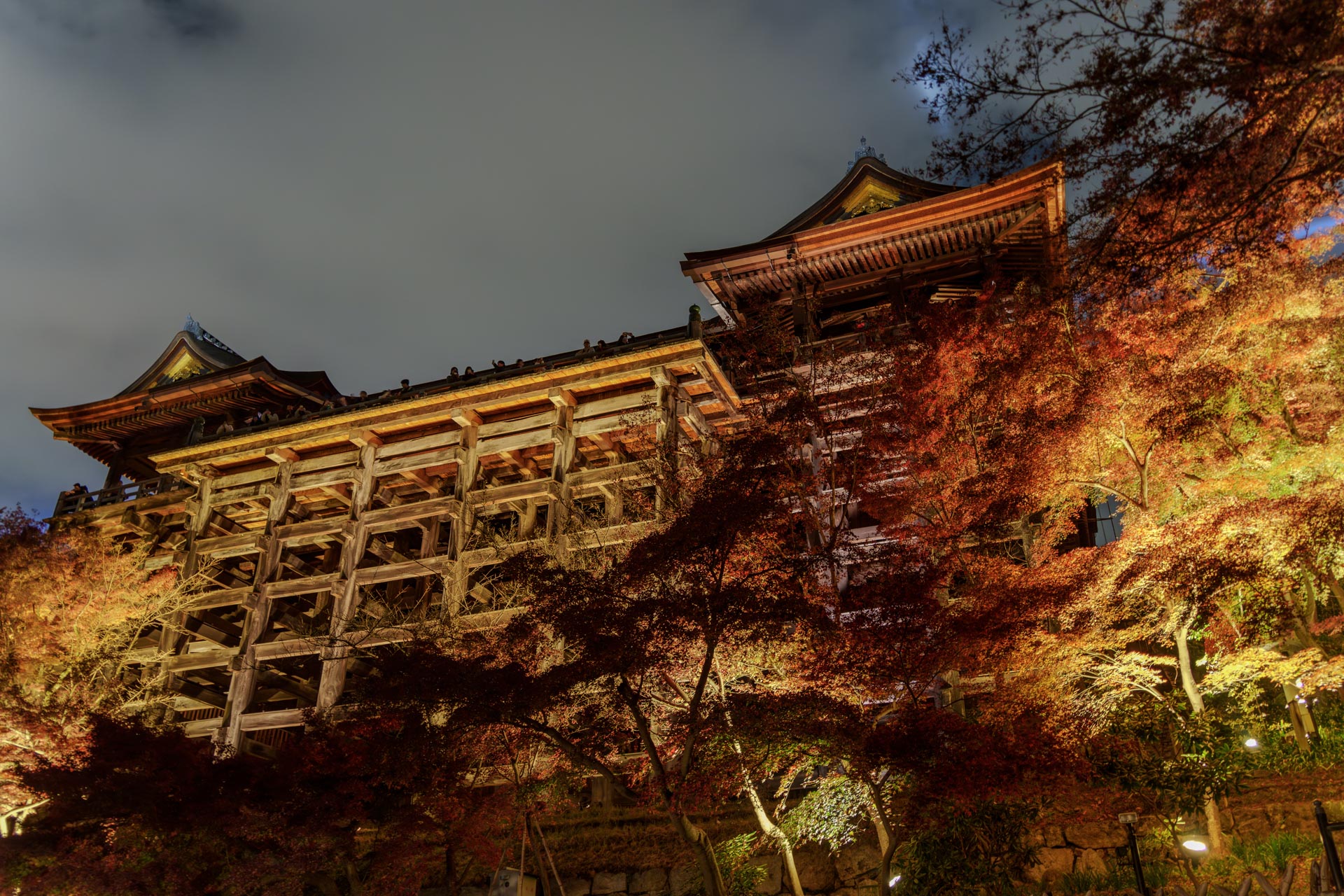
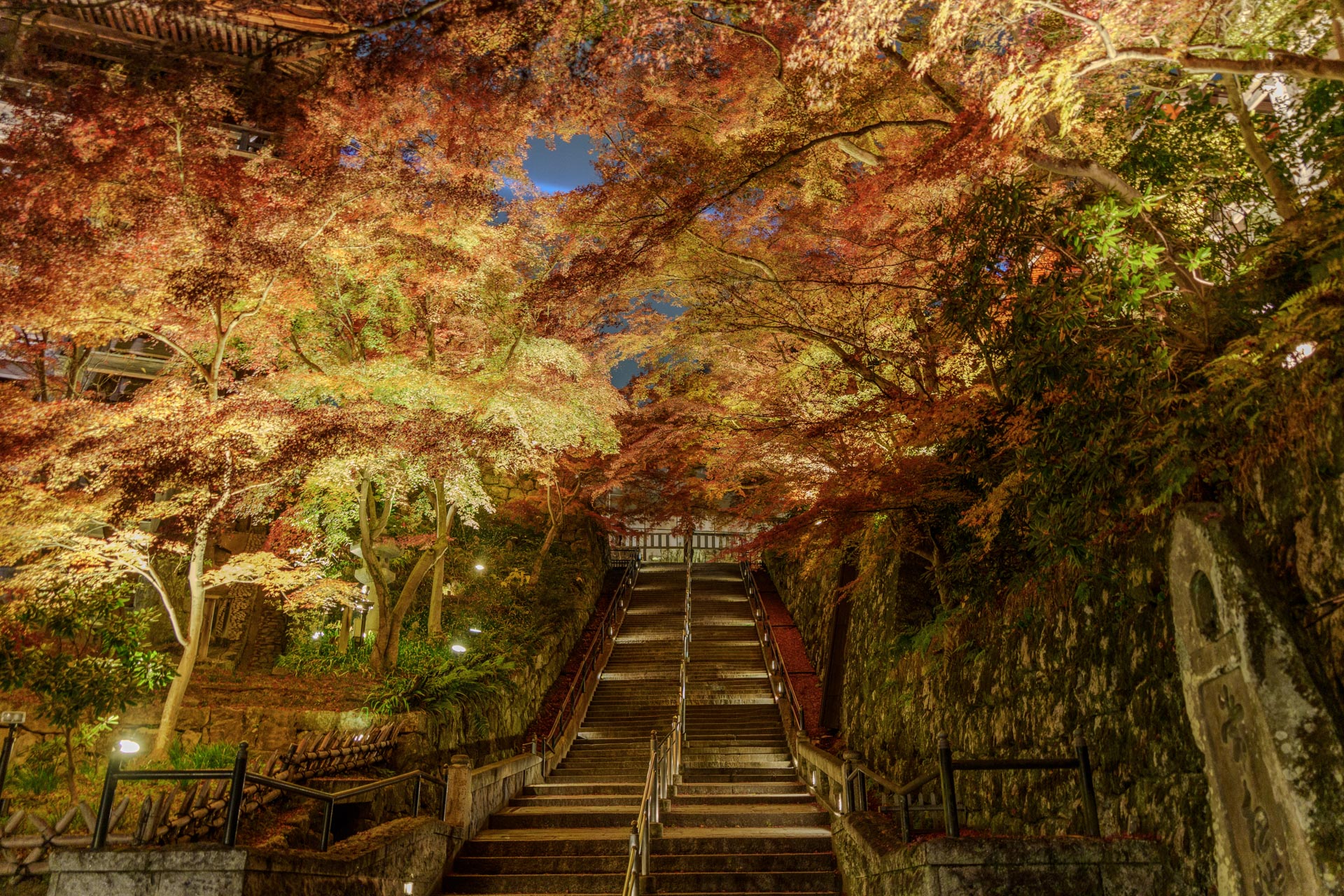
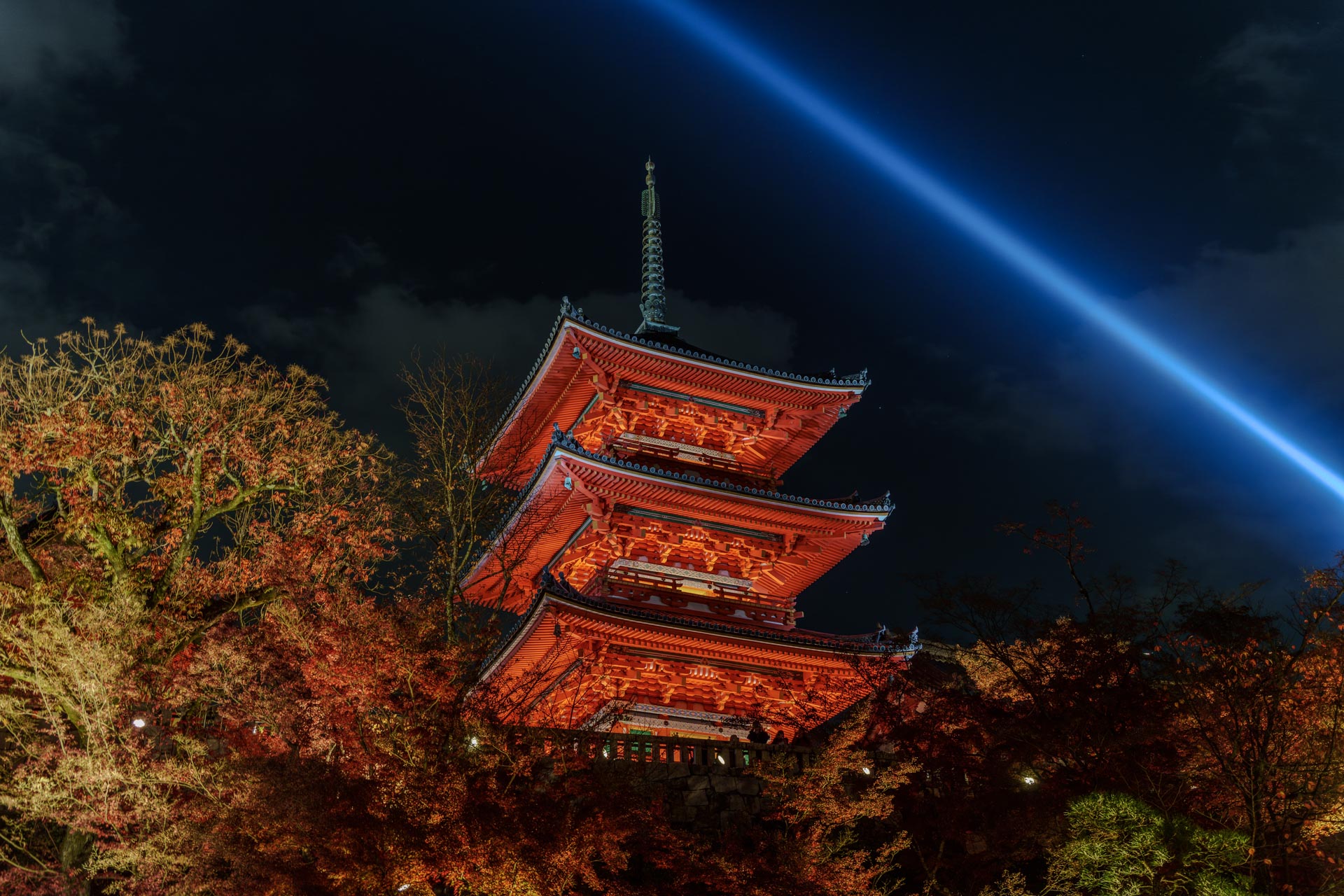
Kiyomizu-dera
We took a bus to Kiyomizu-dera to enjoy the autumn leaves at night.
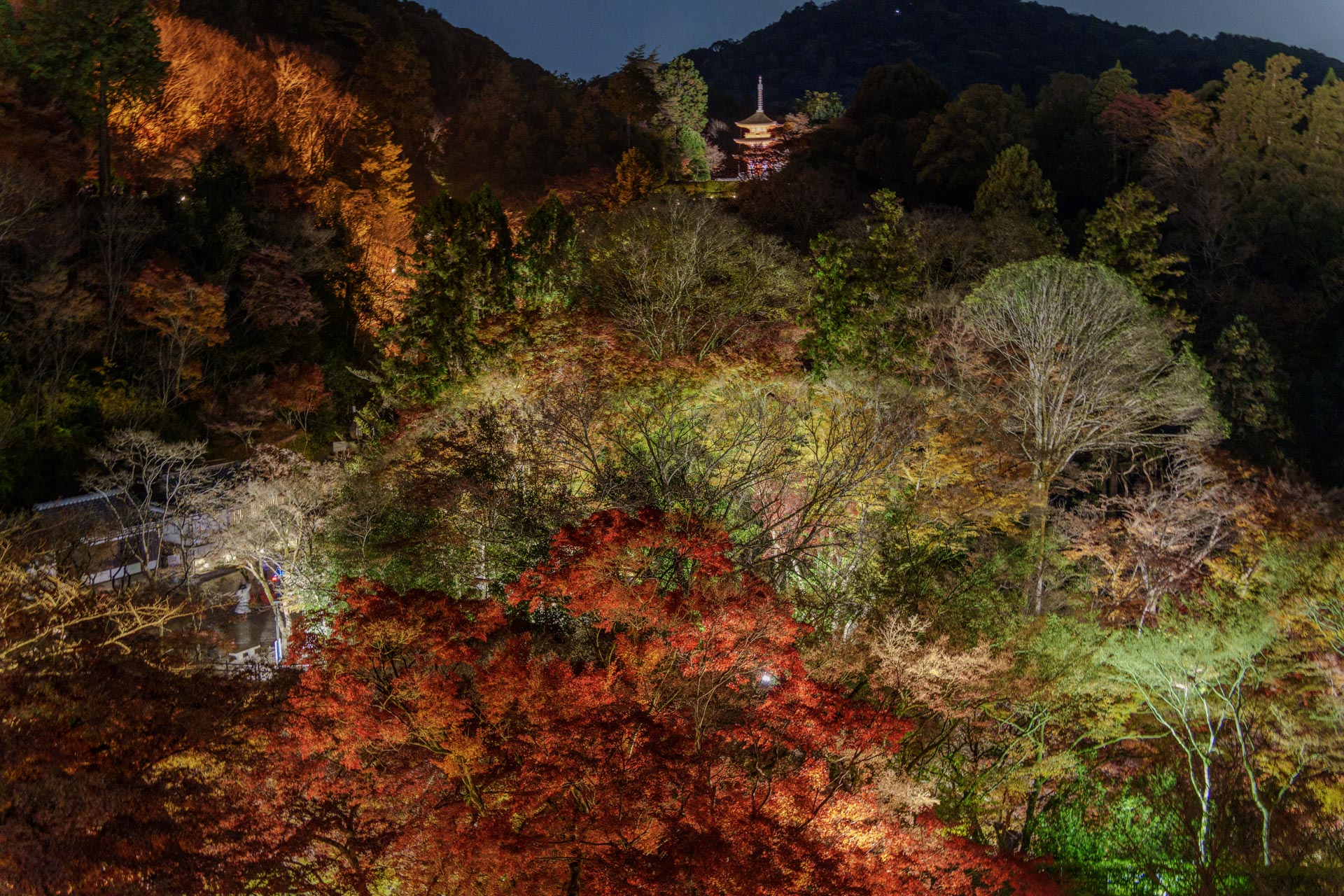
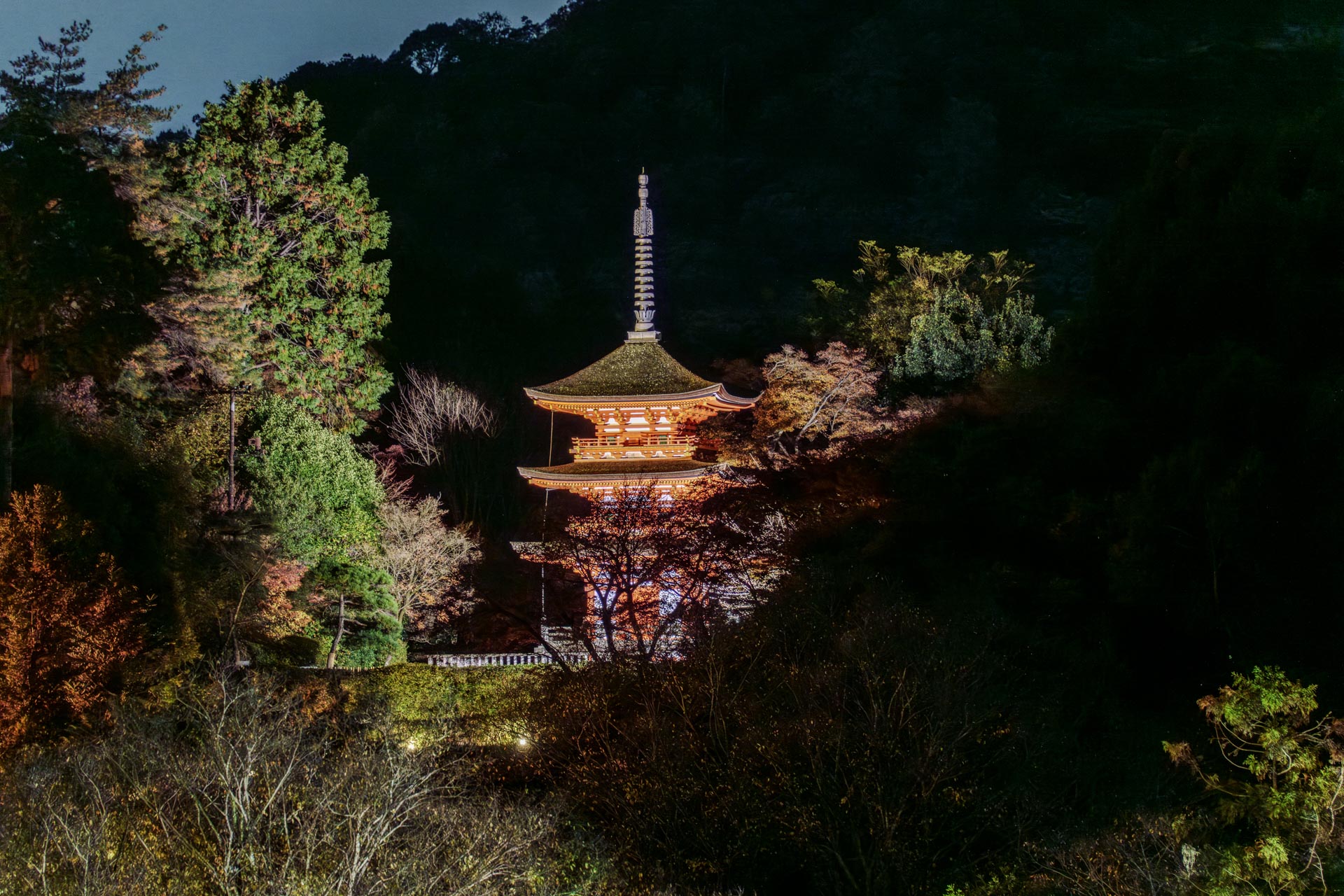
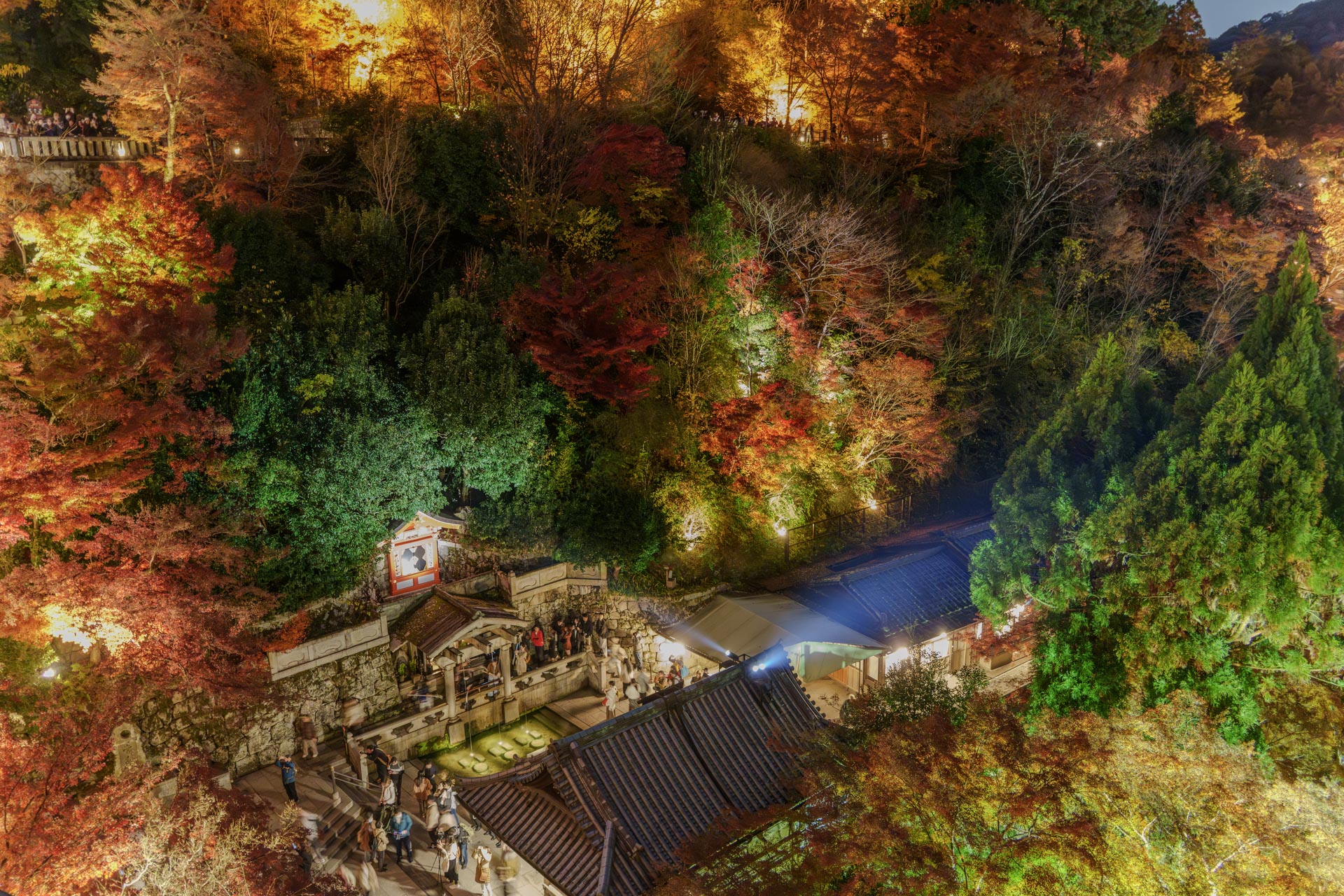
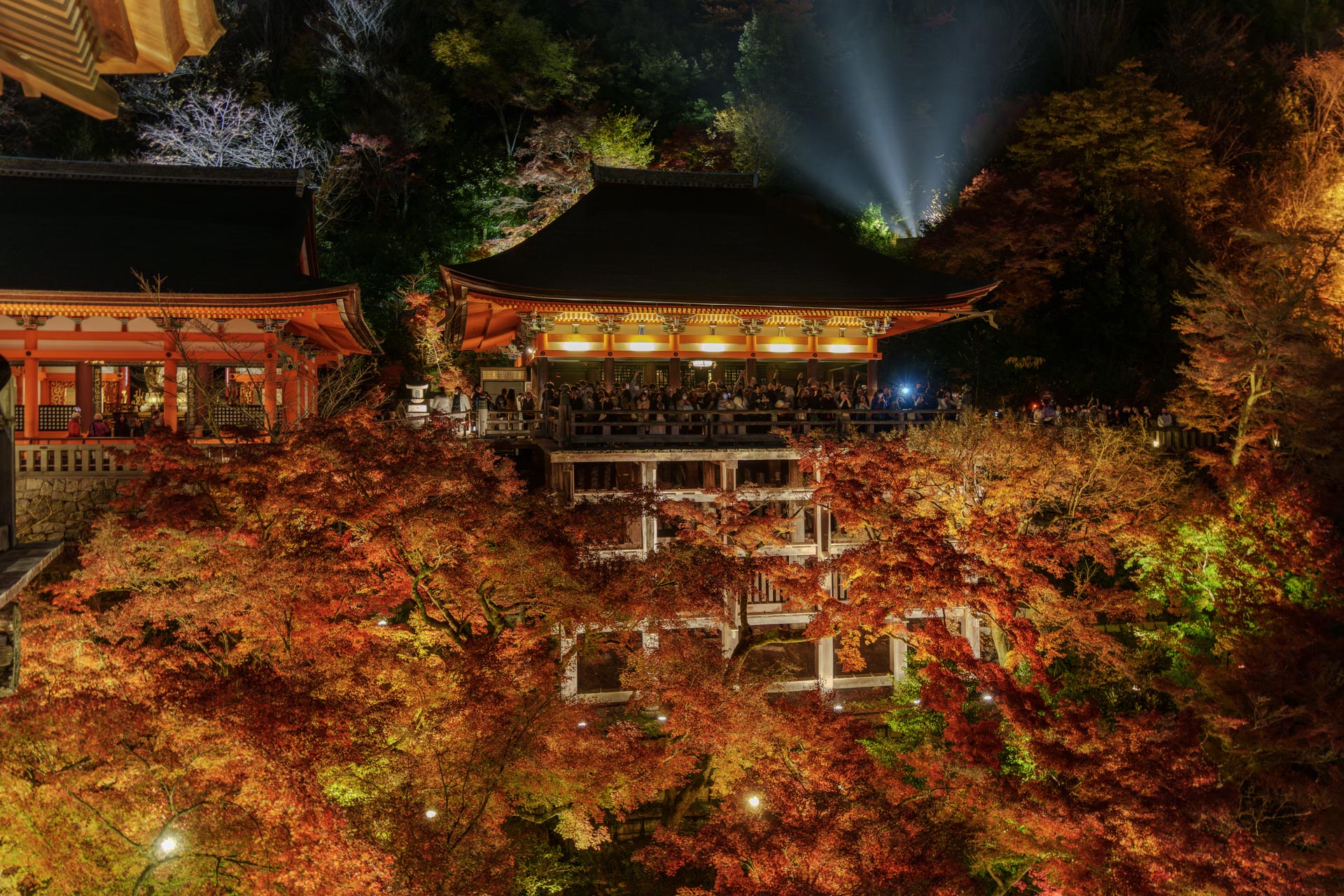
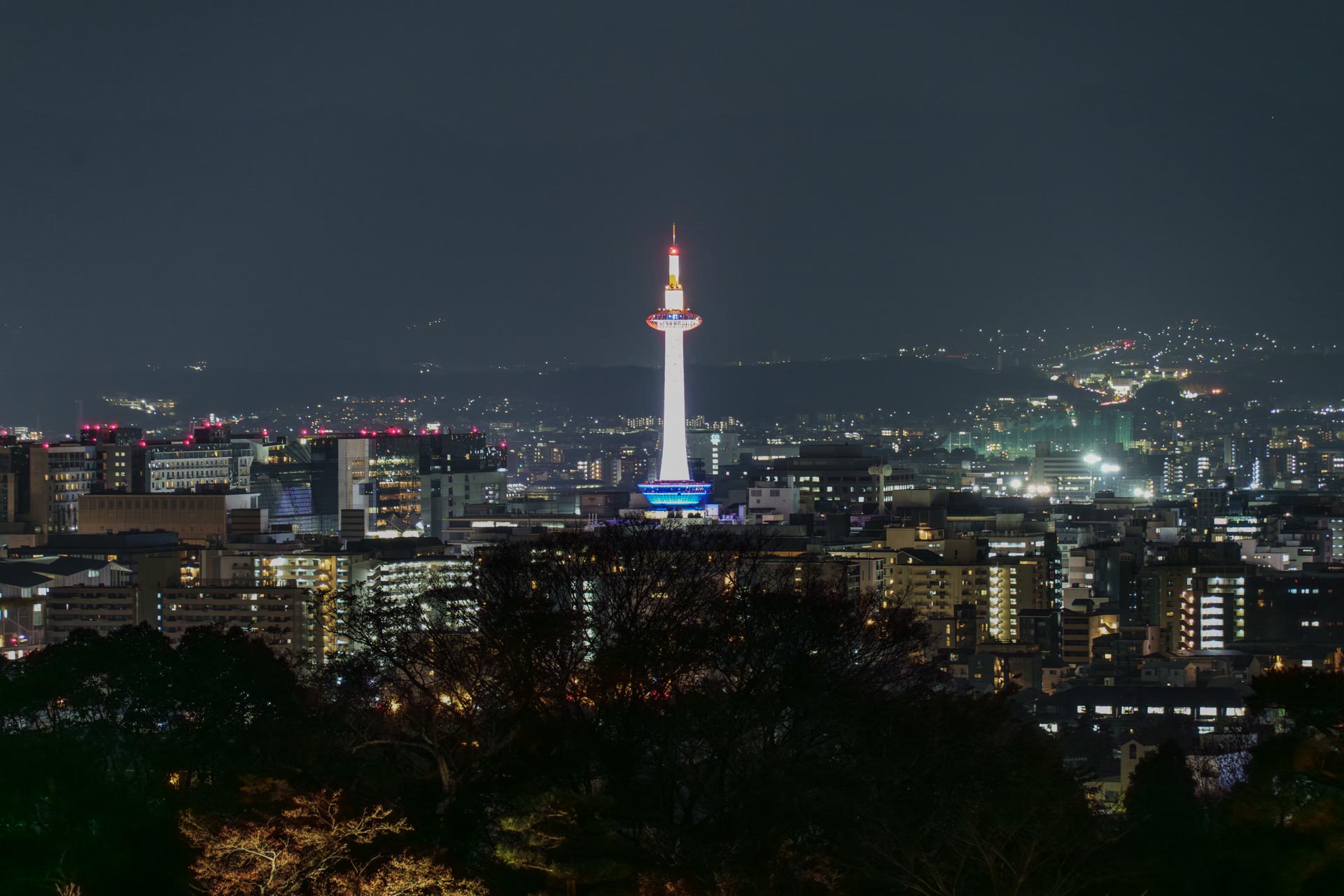
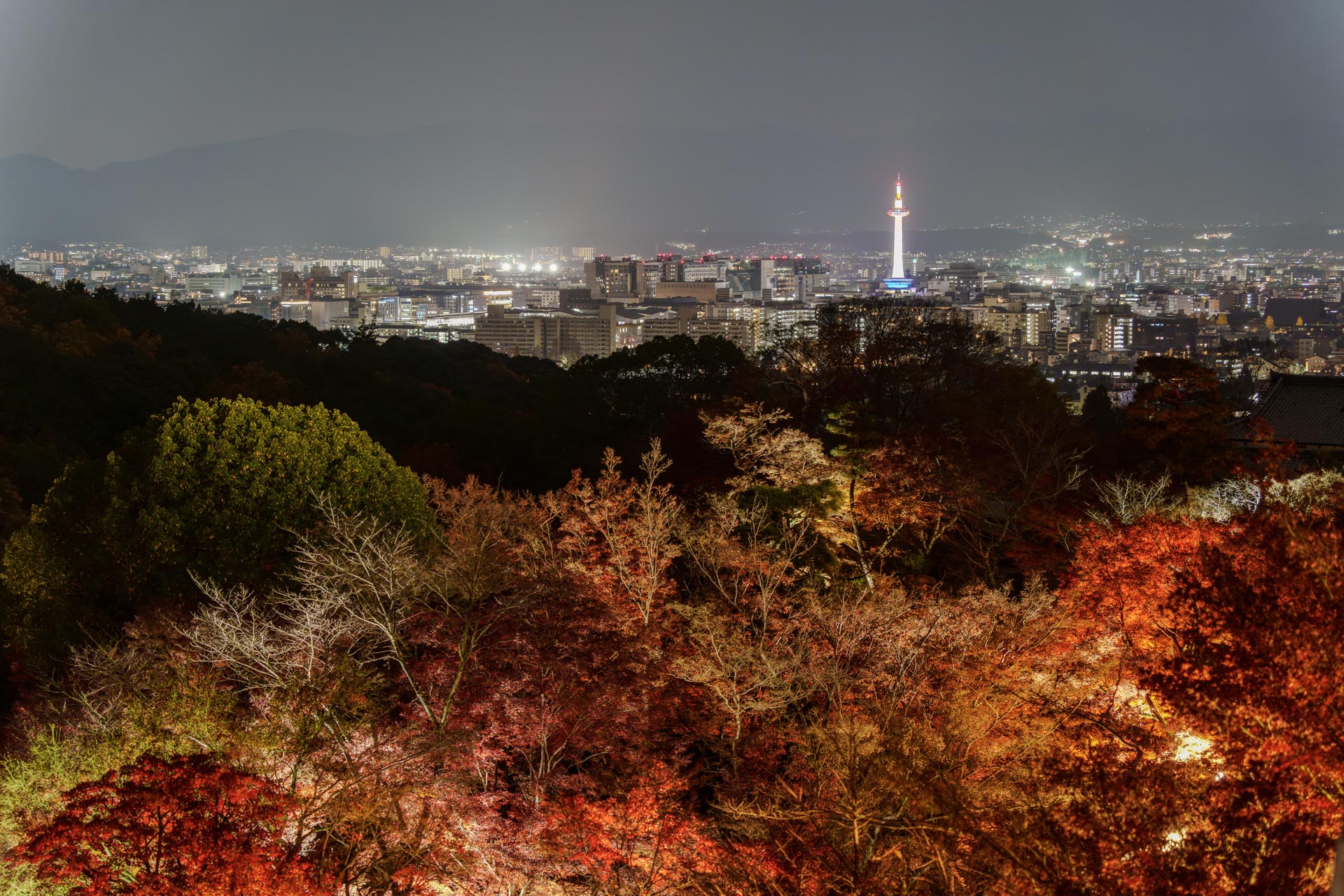
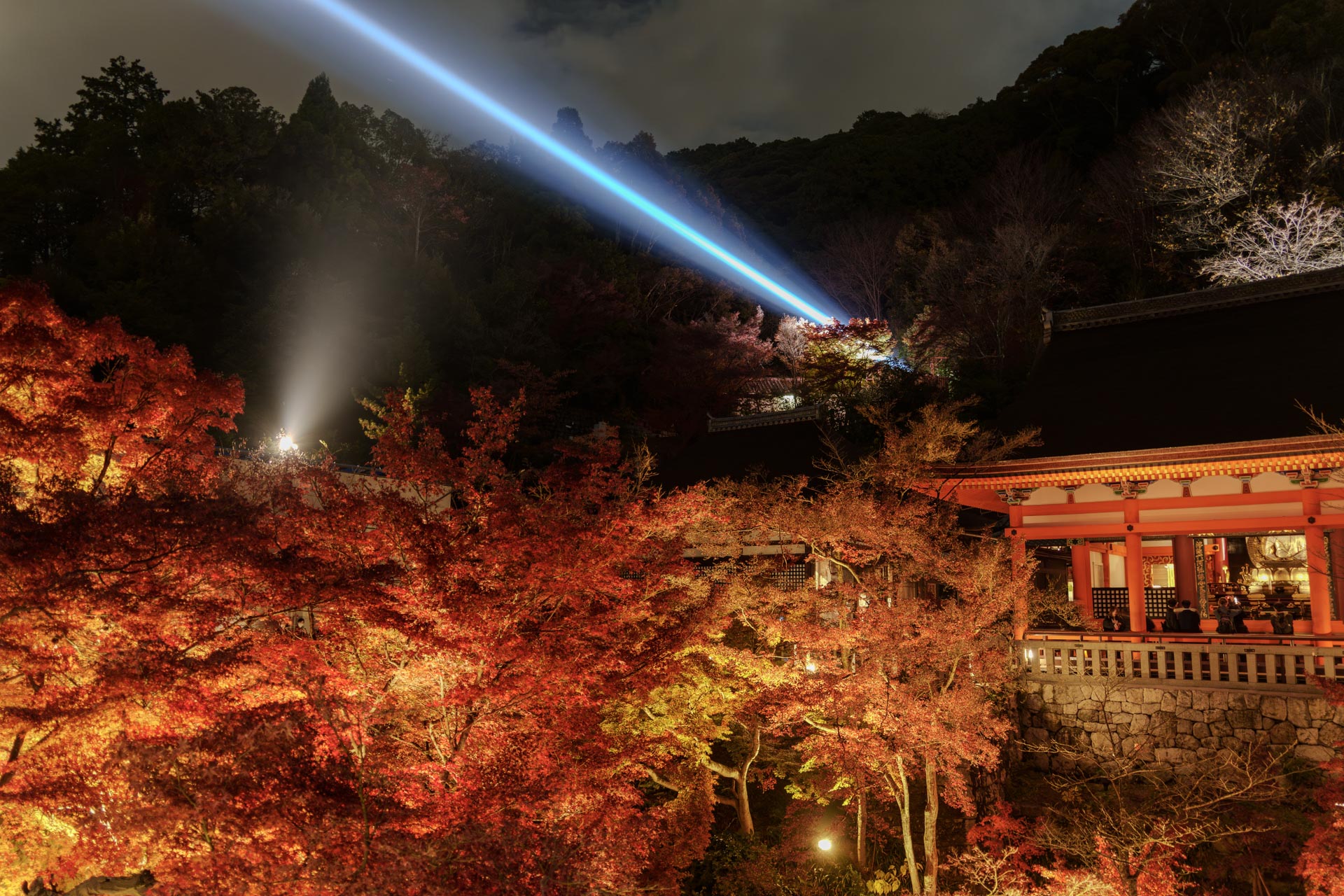
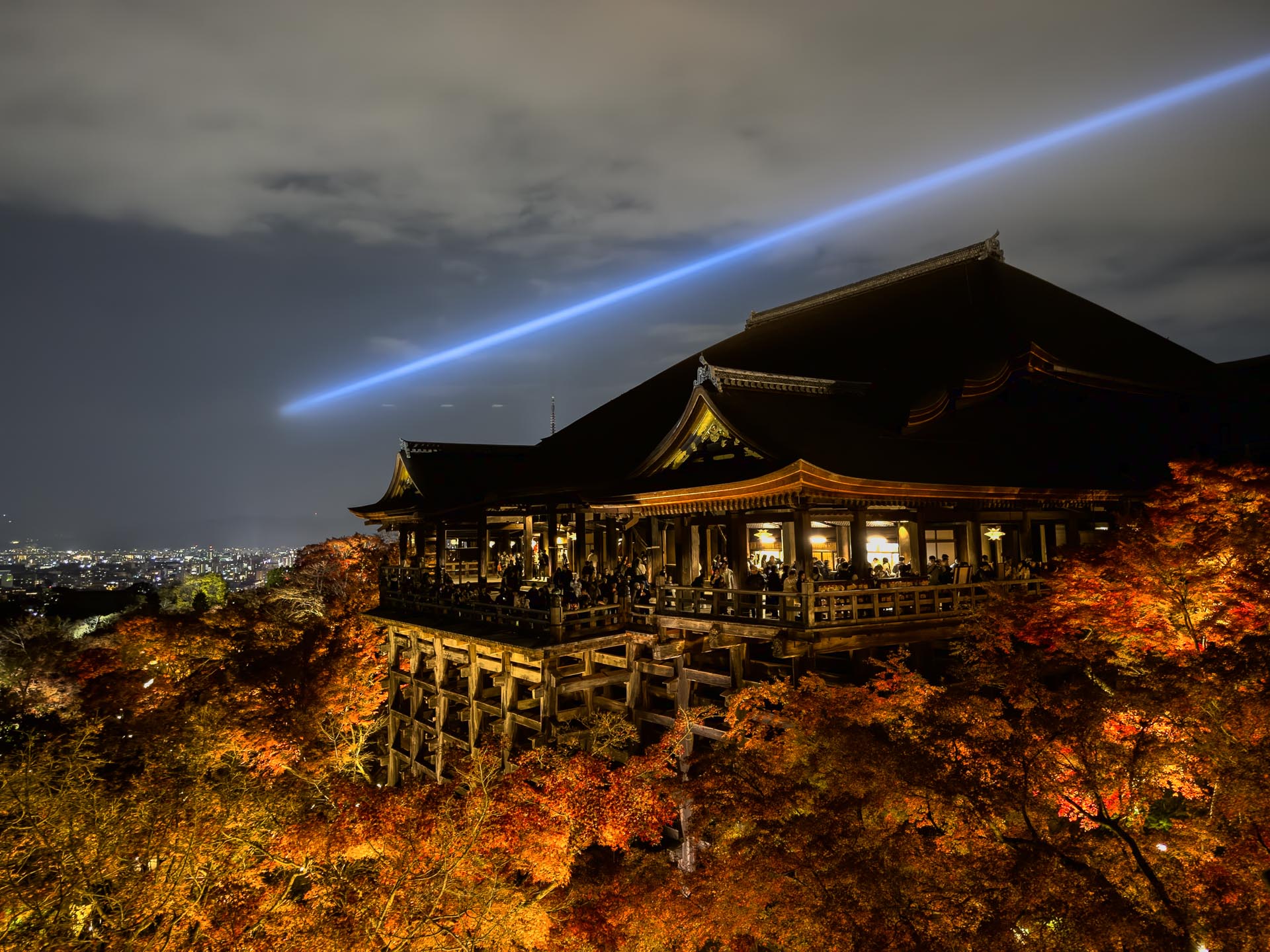
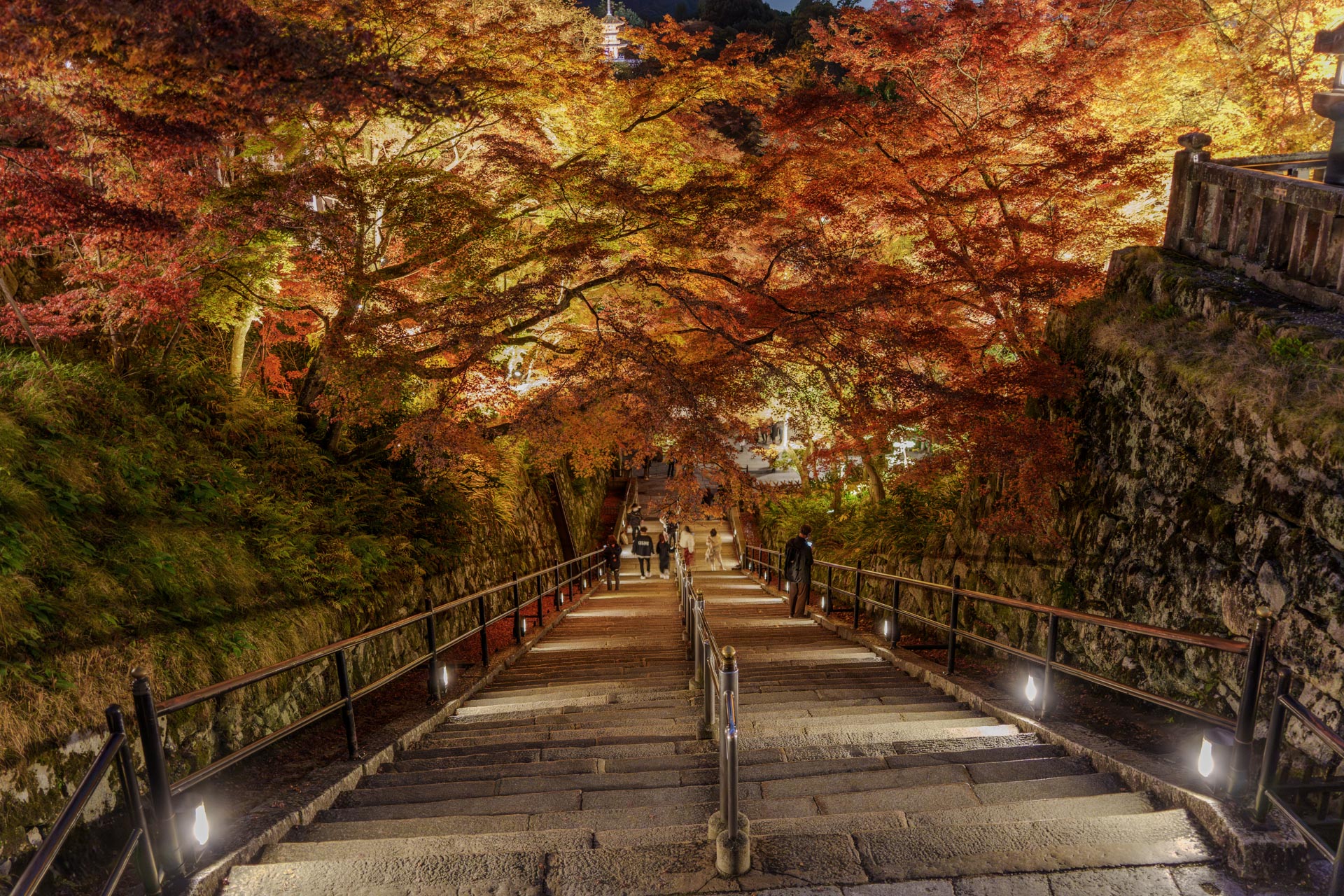
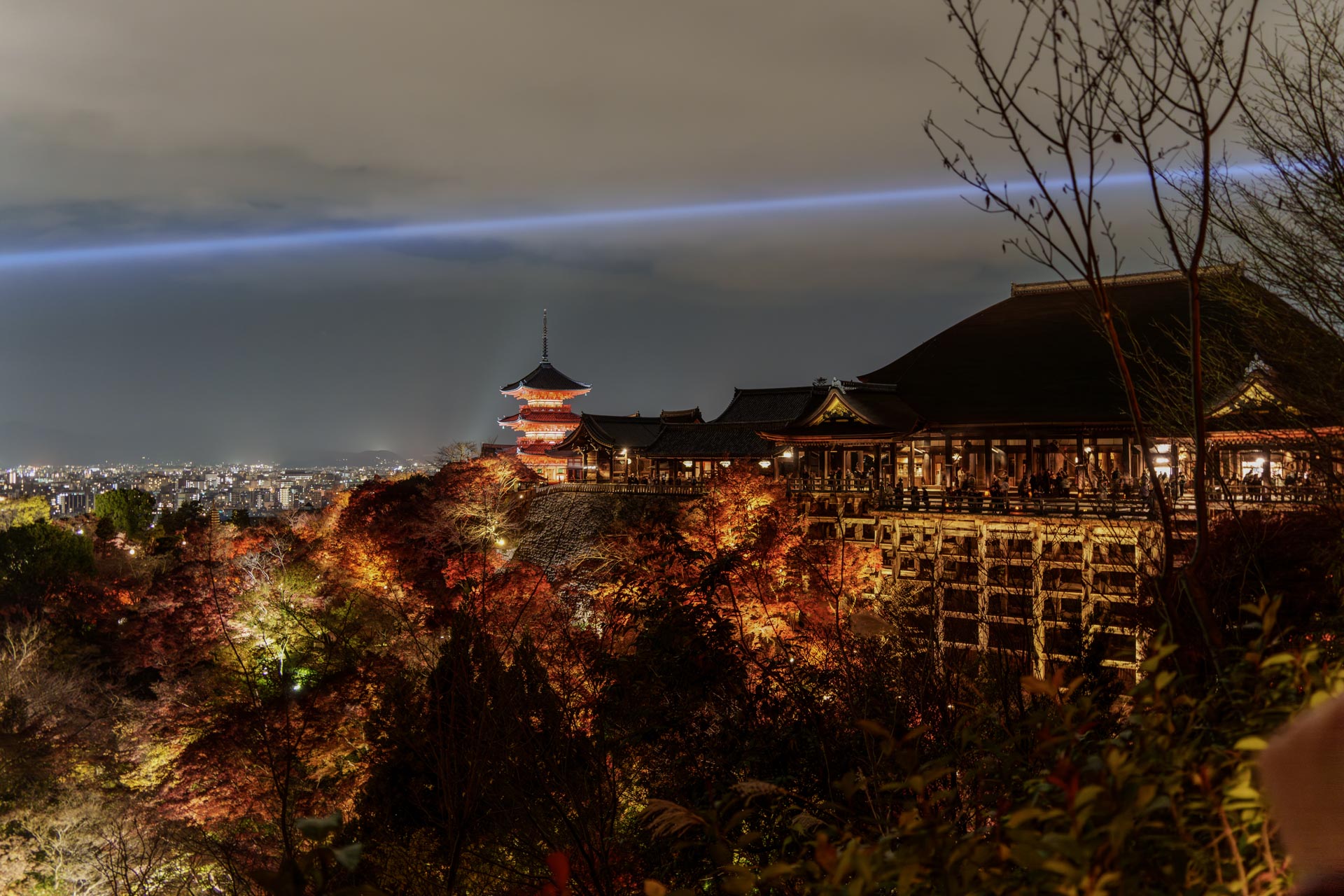
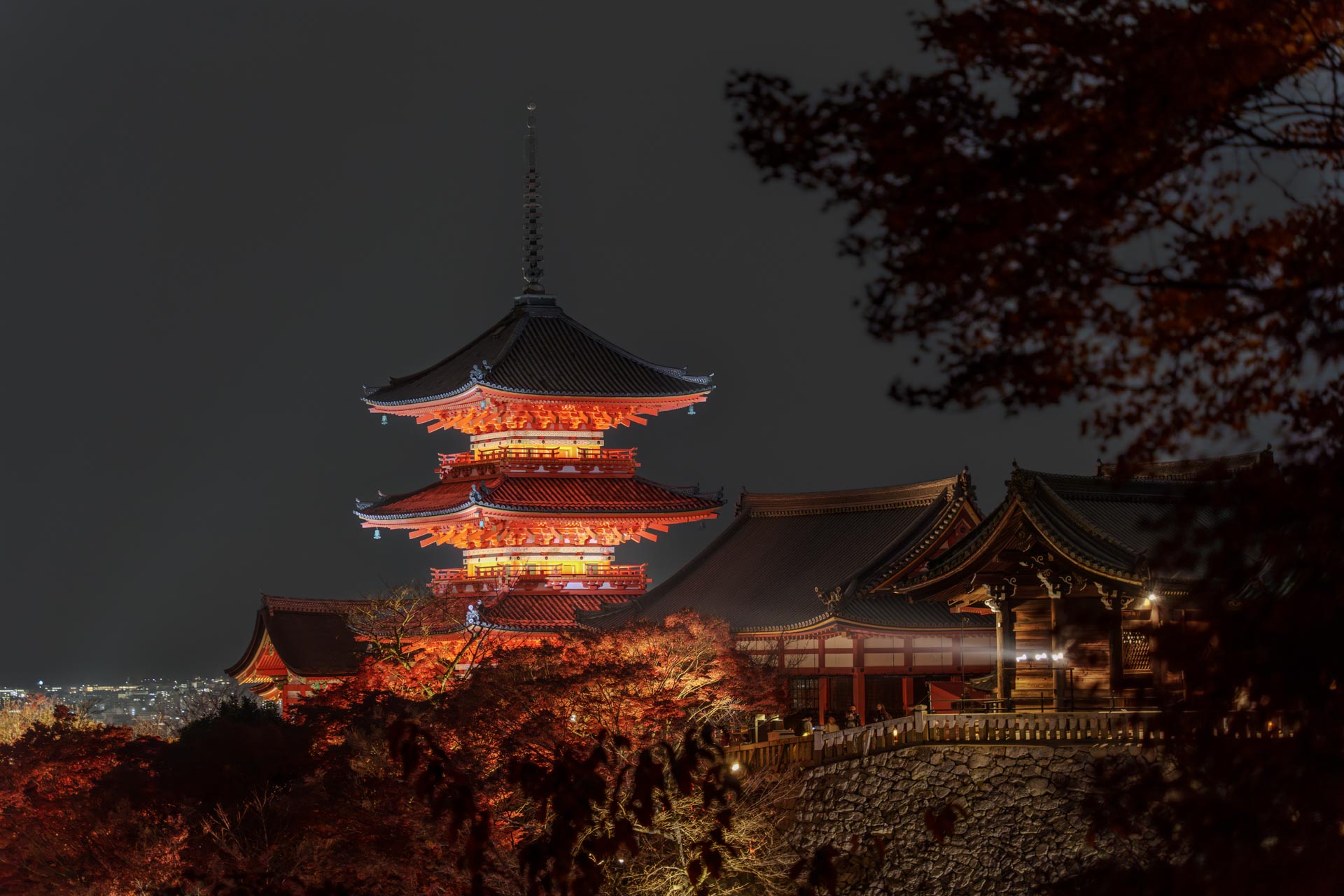
Looking up at the Kiyomizu Stage from below.
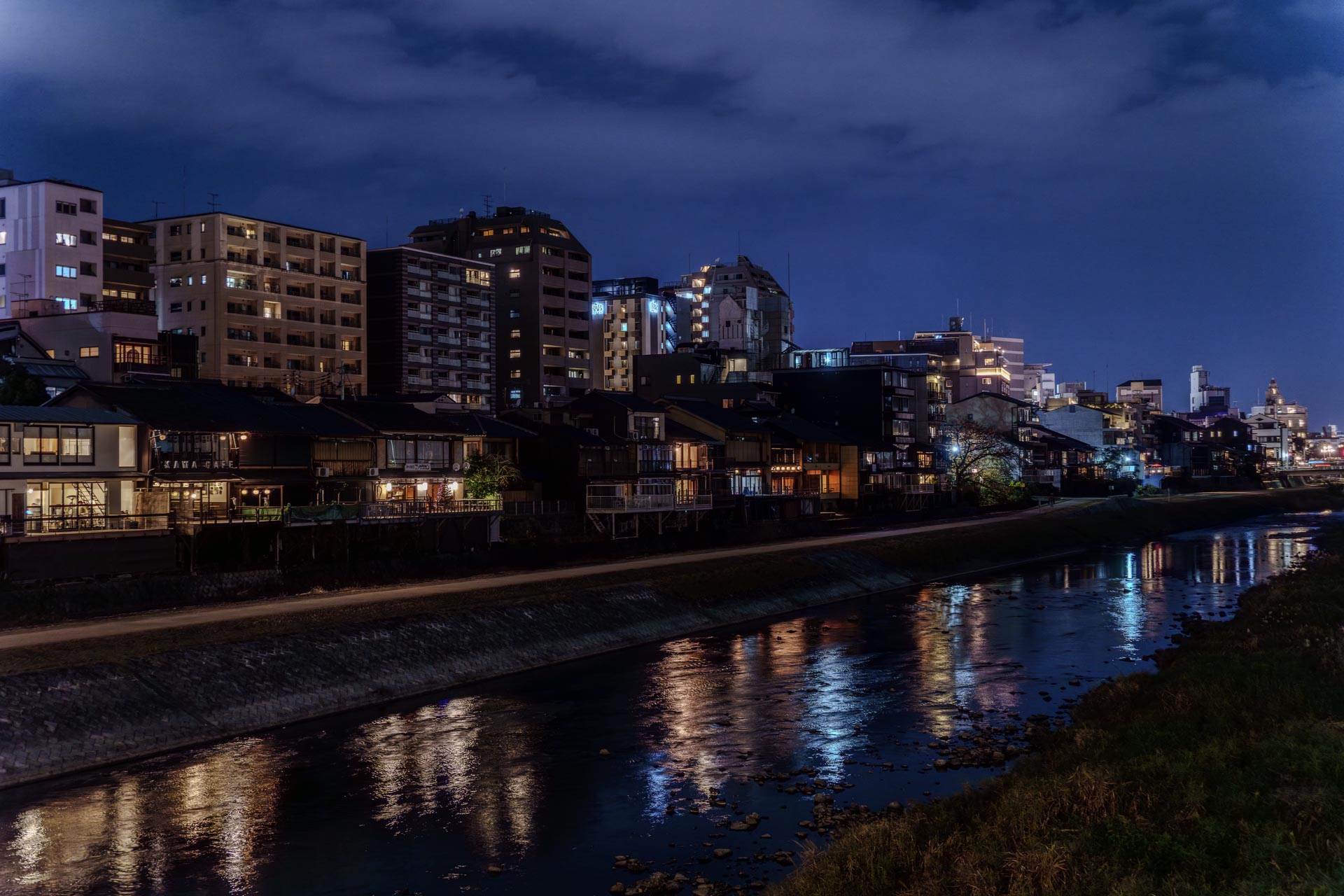
On our way to dinner, we passed by the Kamo River.
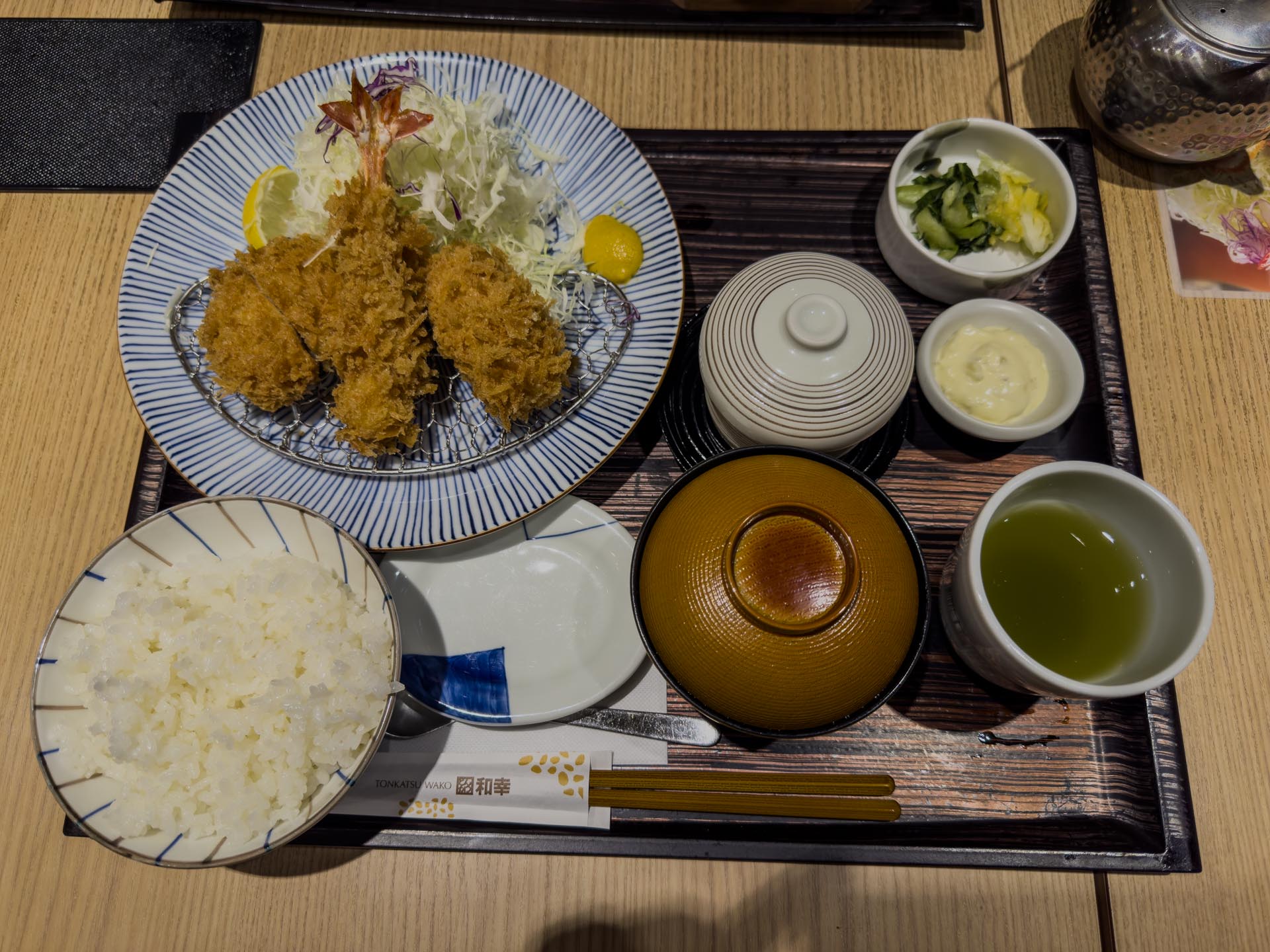
For dinner, we went to Wako Tonkatsu. I ordered the mixed fried set, which was delicious.
Day 5 · Kyoto
We decided to visit Nishi Hongan-ji, which my friend had discovered on Xiaohongshu.
We bought an ice pop at a FamilyMart and started eating it inside, thinking we could throw the wrapper in the store’s trash can afterward. Then I noticed a sign asking customers not to eat inside, and I felt a bit embarrassed, so we quickly went outside to finish it.
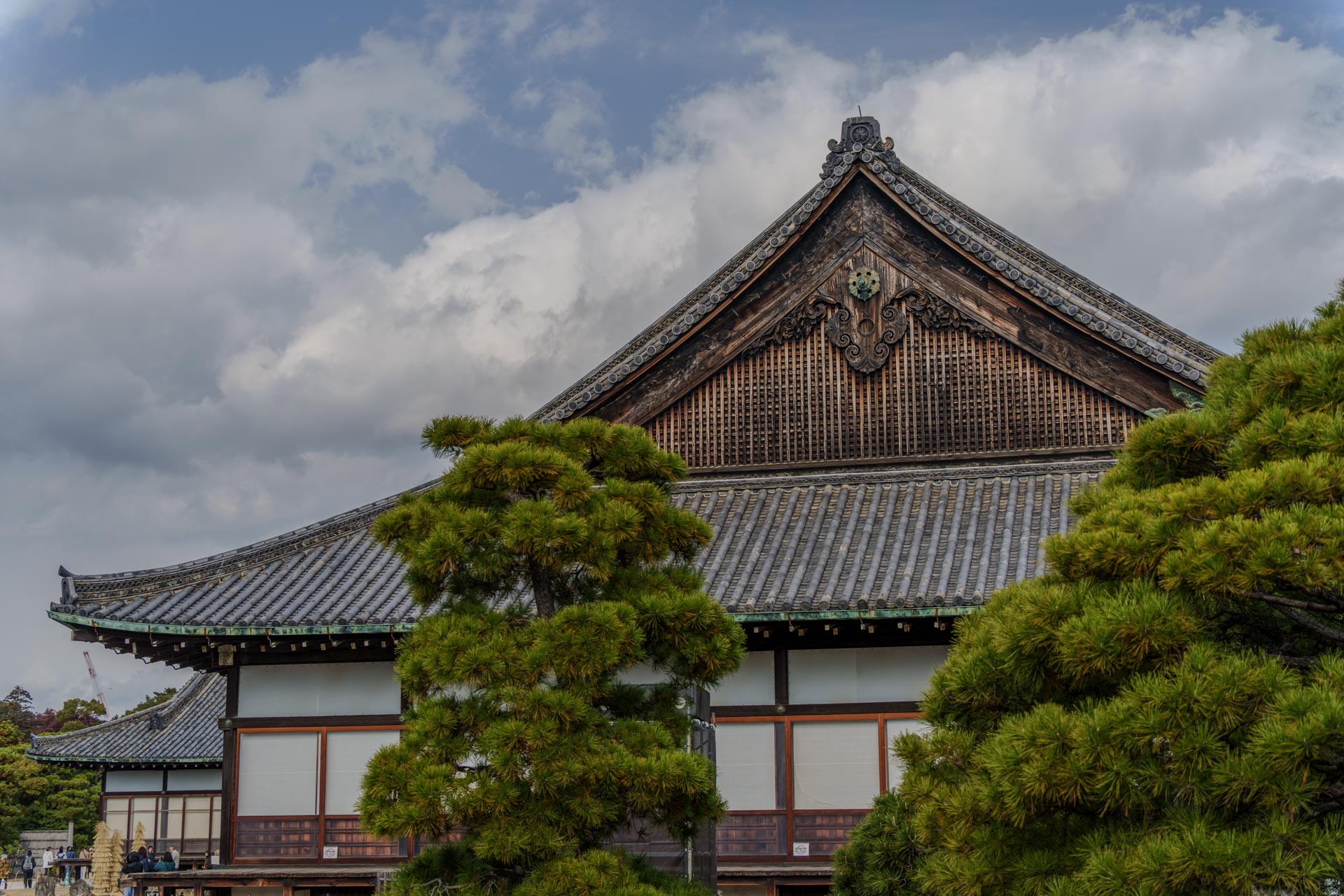
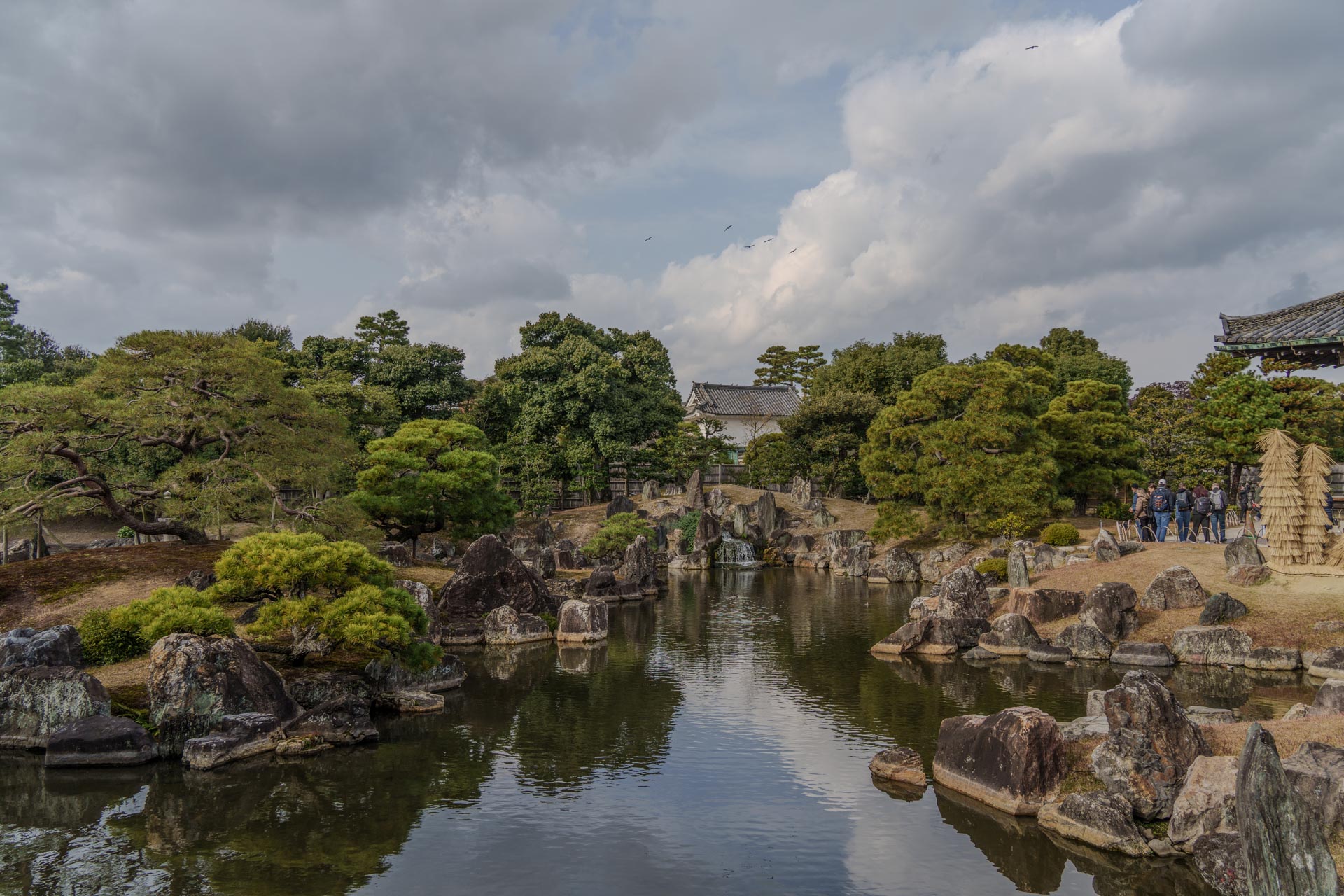
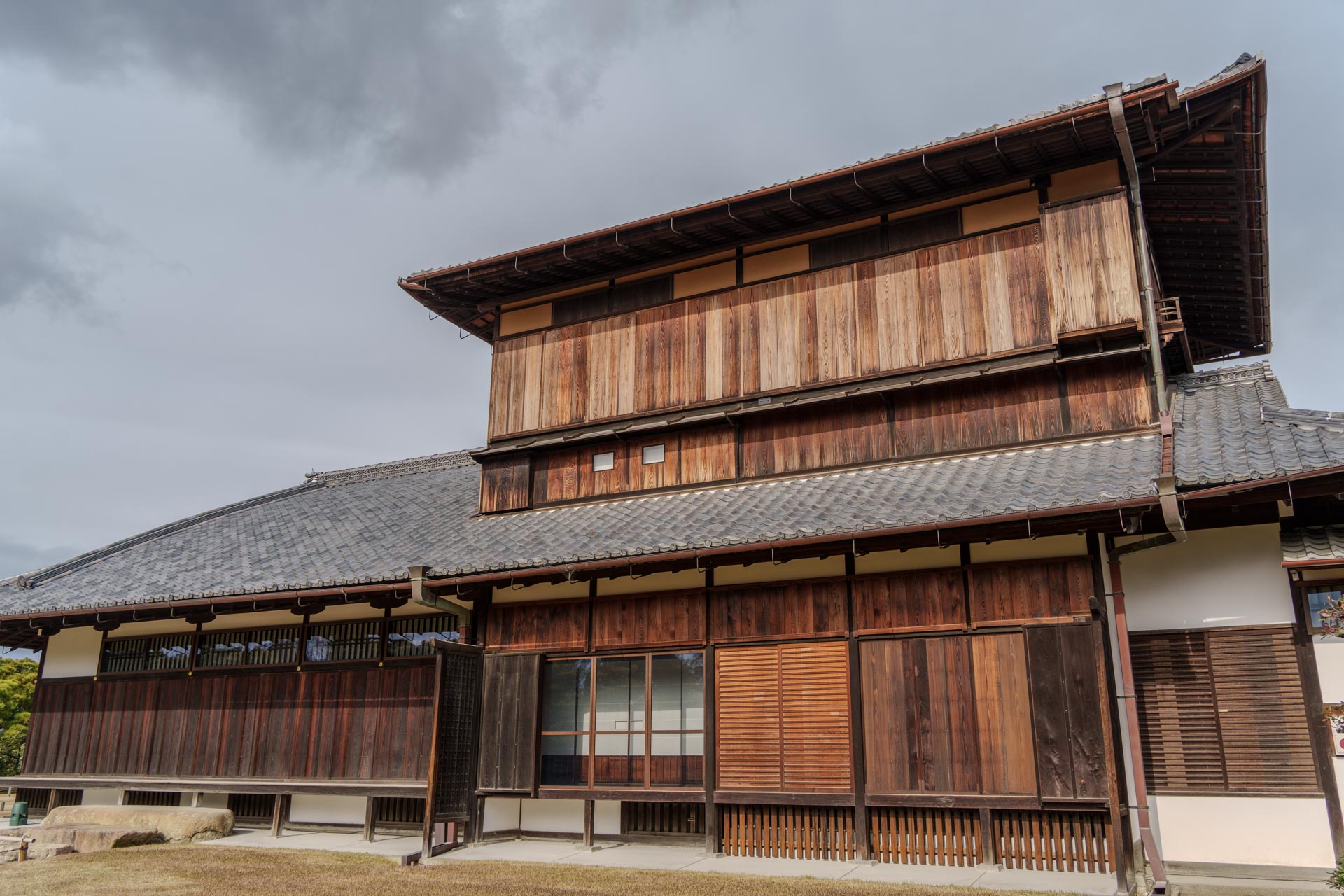
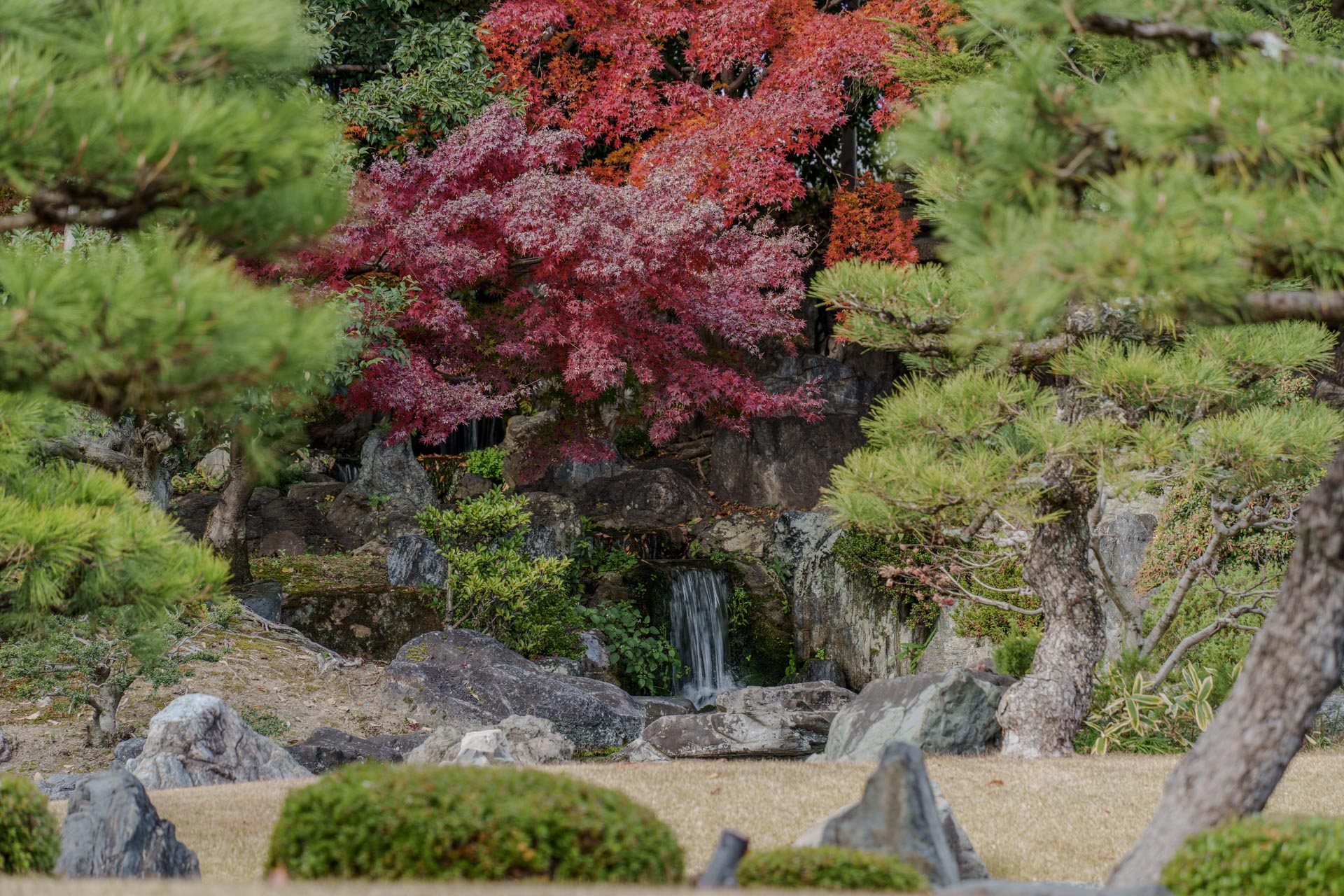
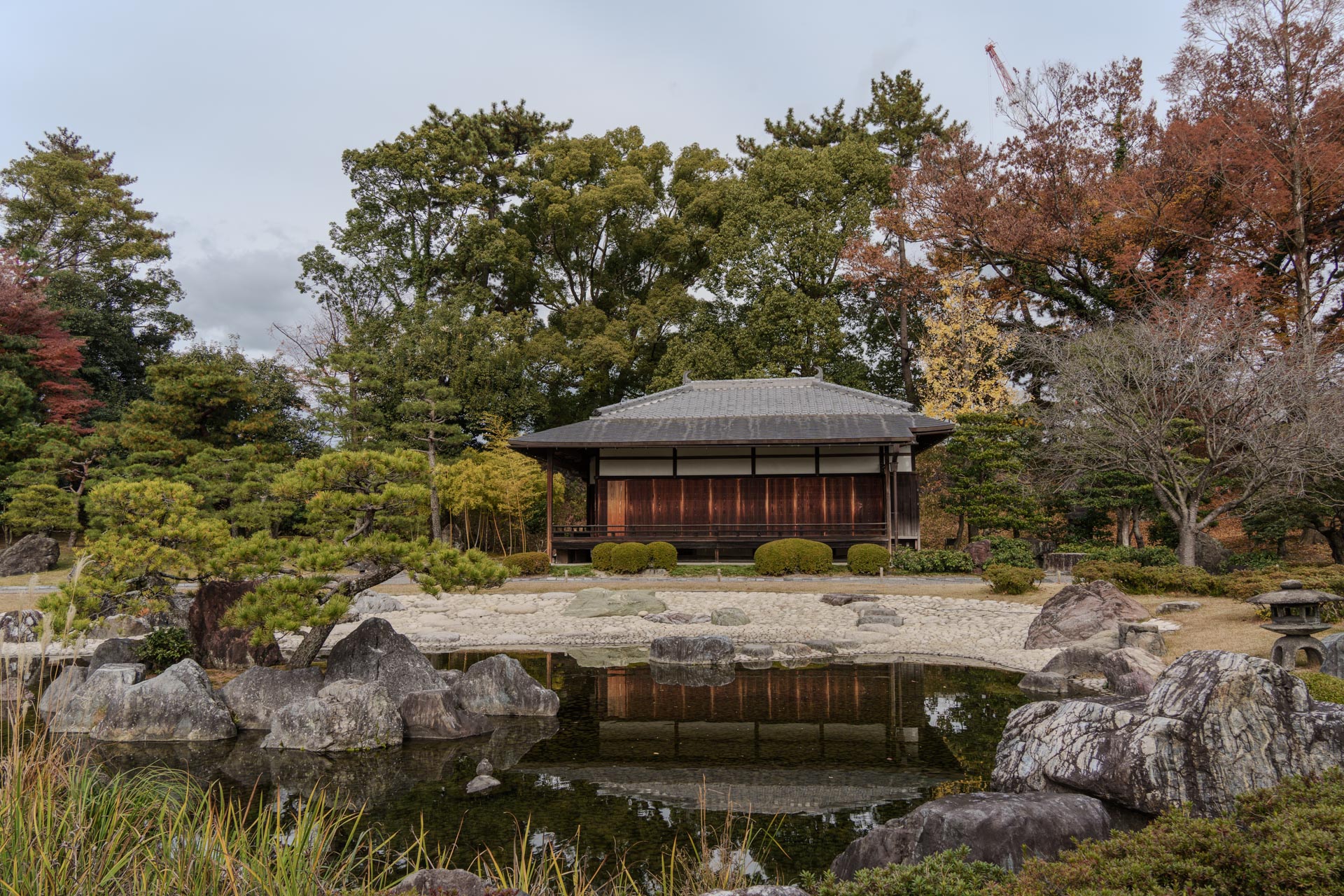
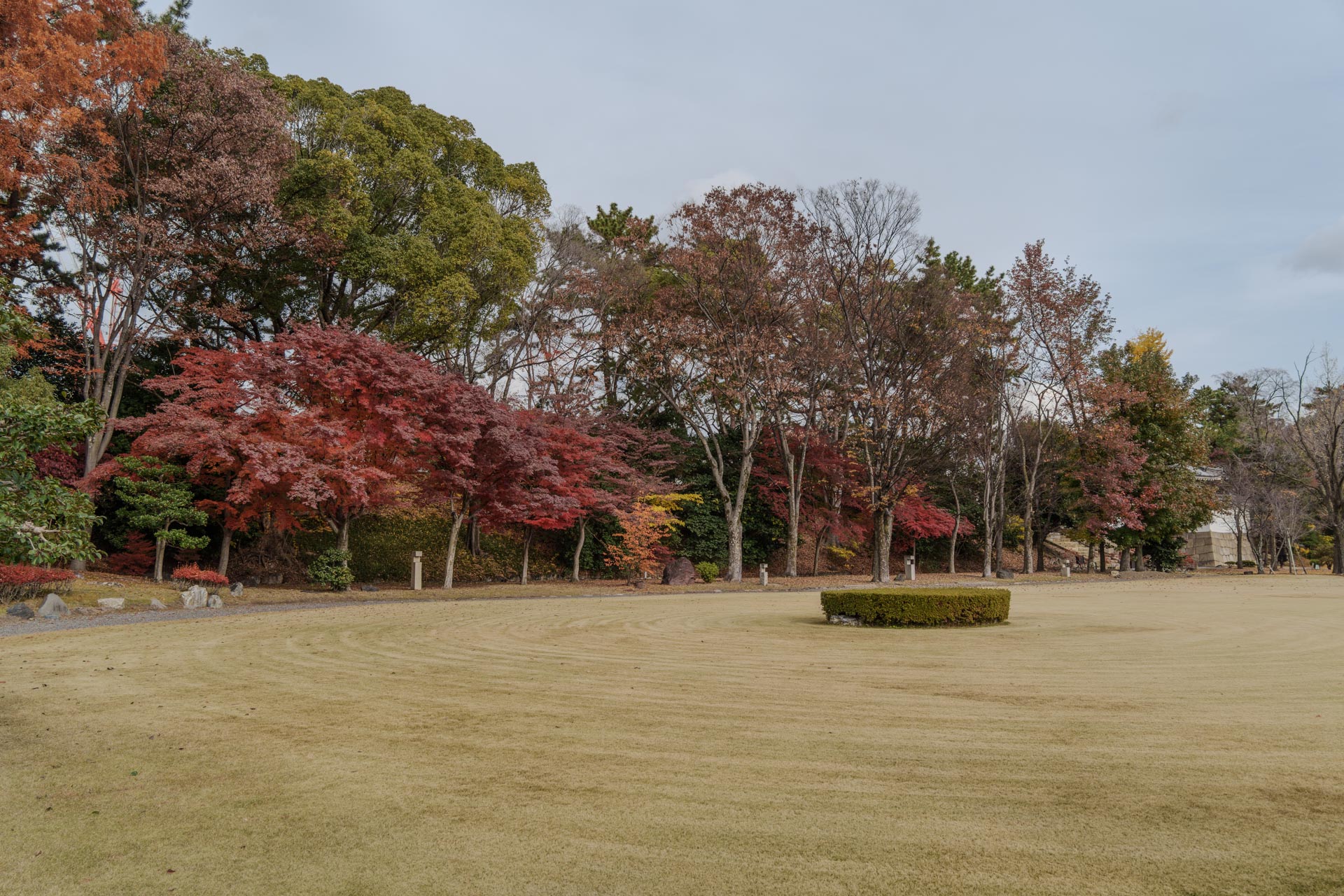
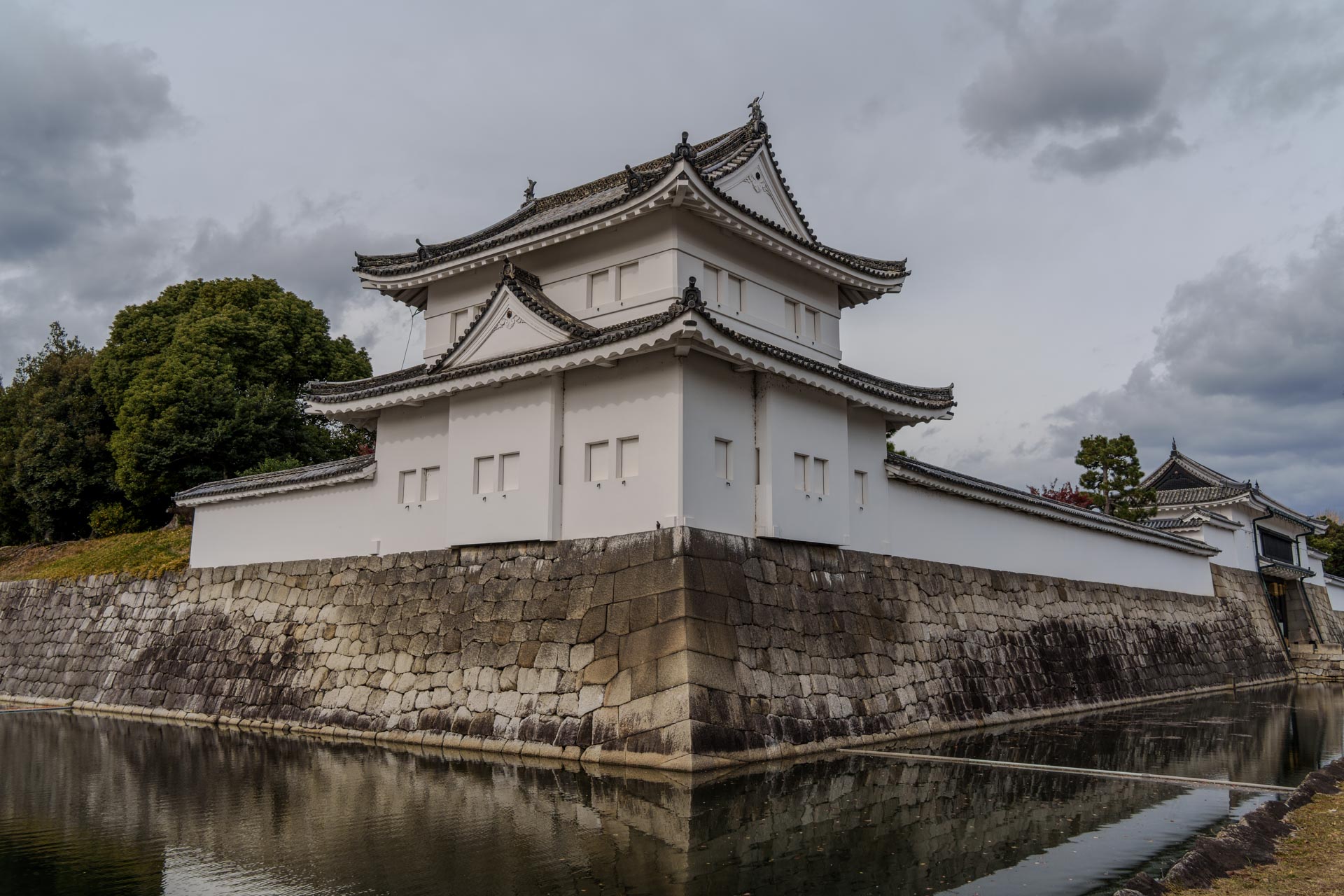
After leaving FamilyMart, I mentioned that Nijo Castle was just across the street, so we decided to take a look. The entrance fee for Nijo Castle was 800 JPY, which is relatively expensive.
Nijo Castle
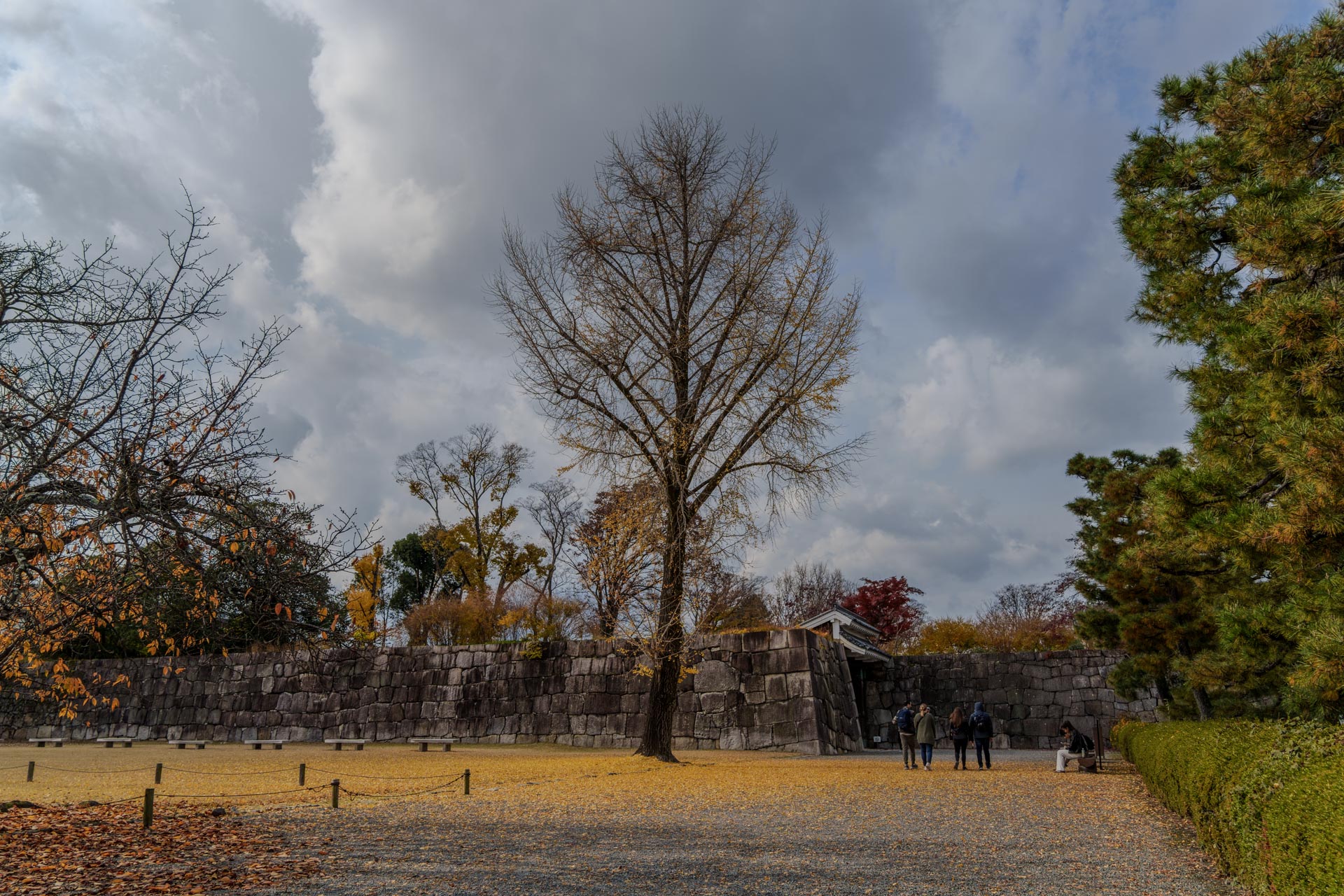
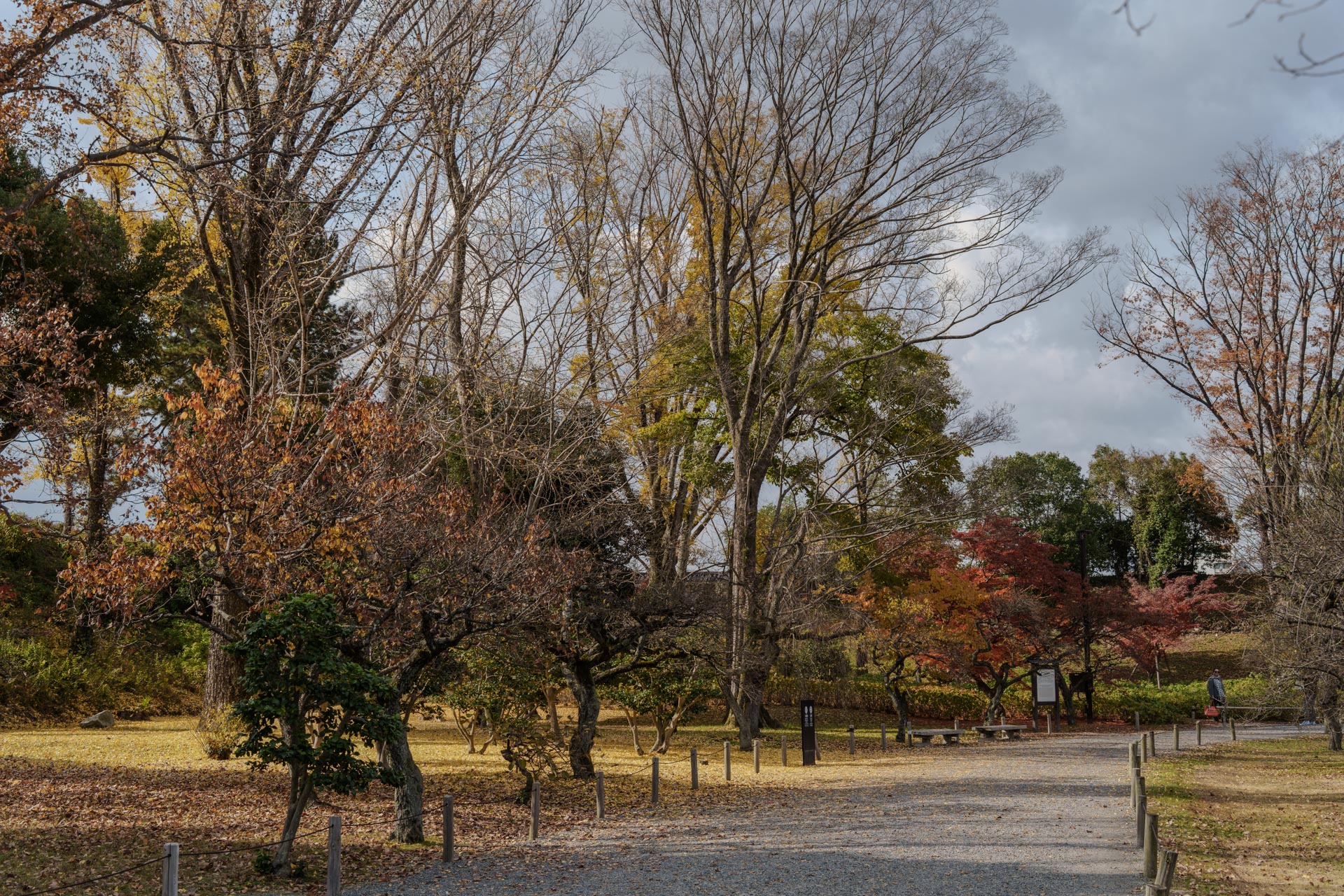
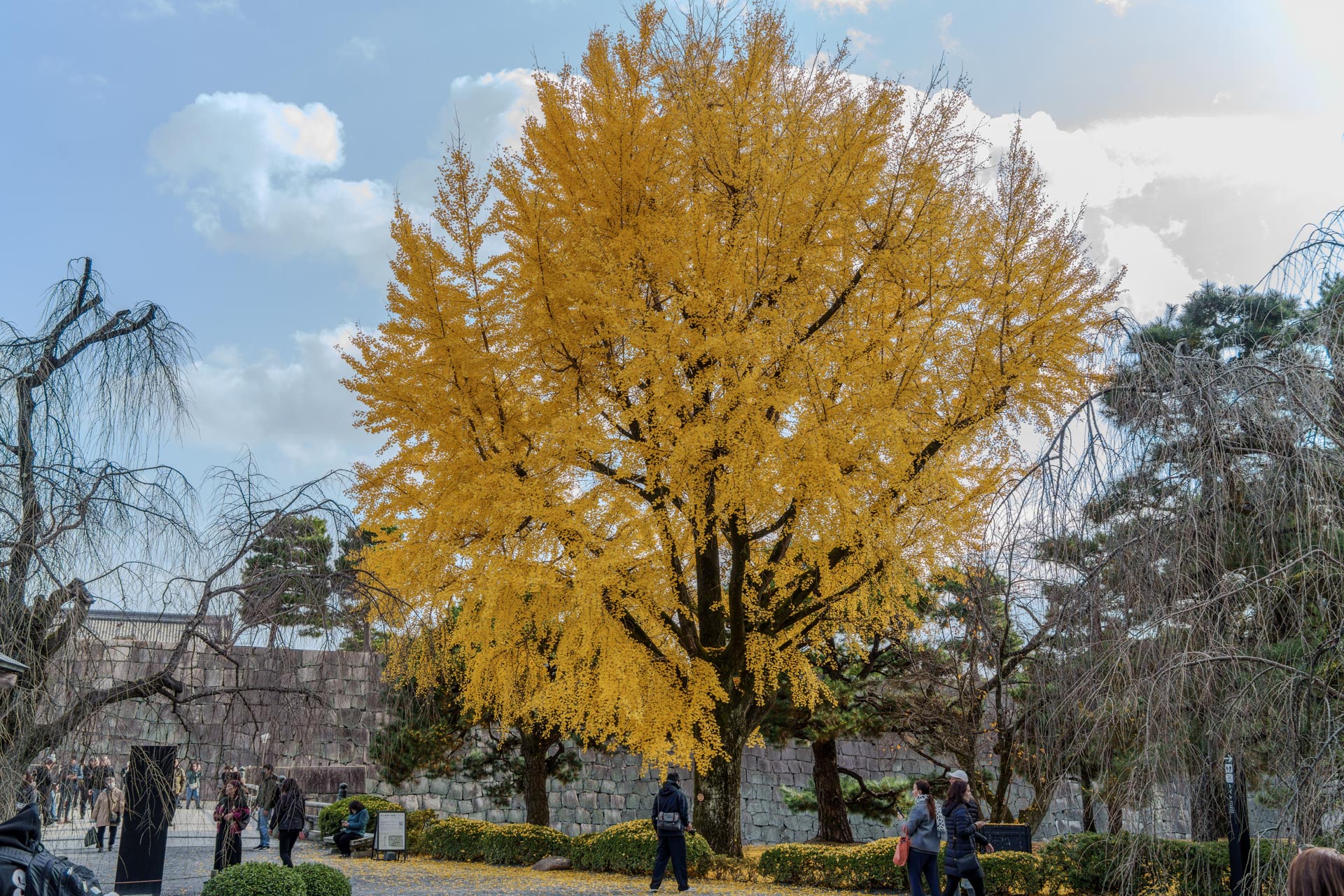
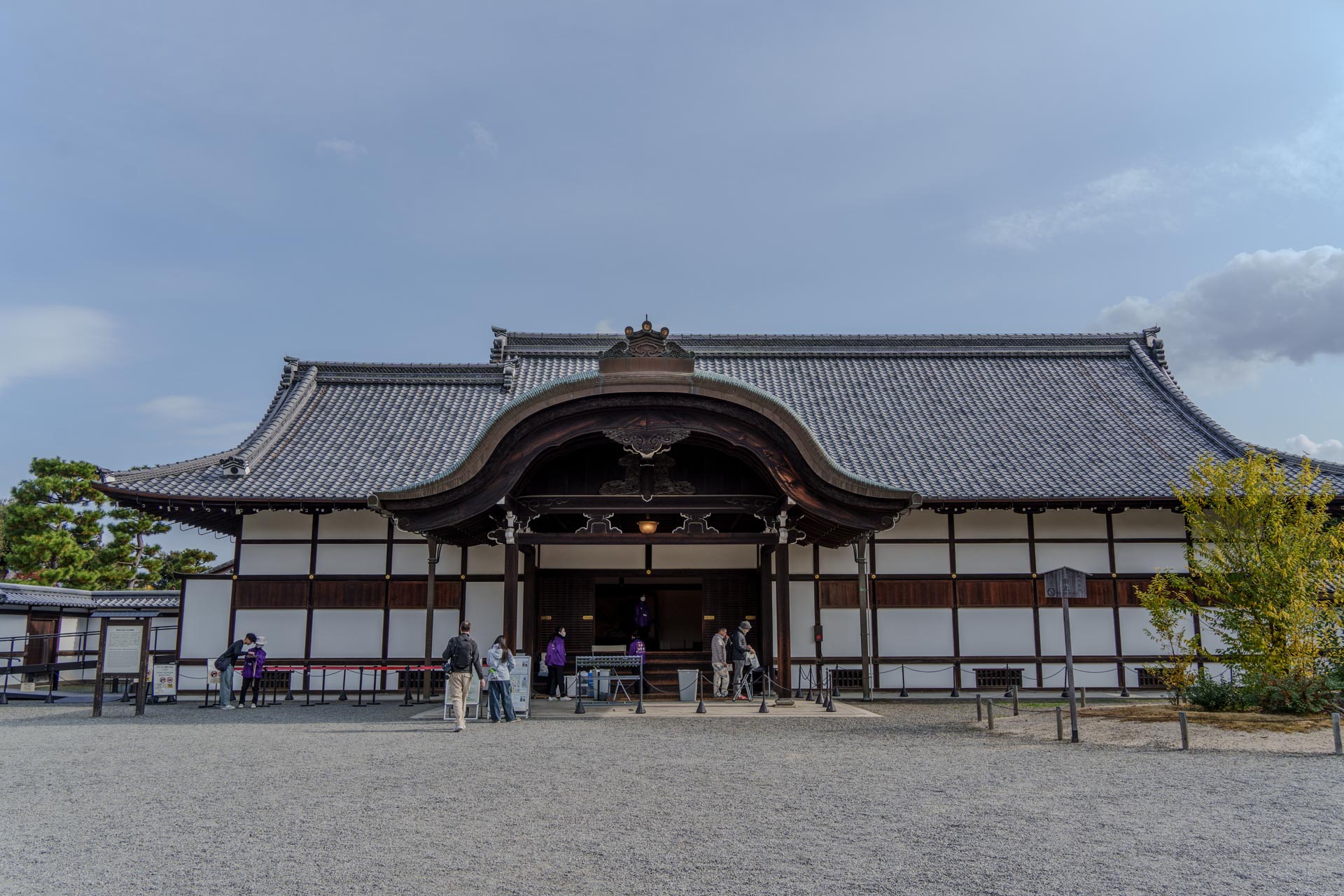
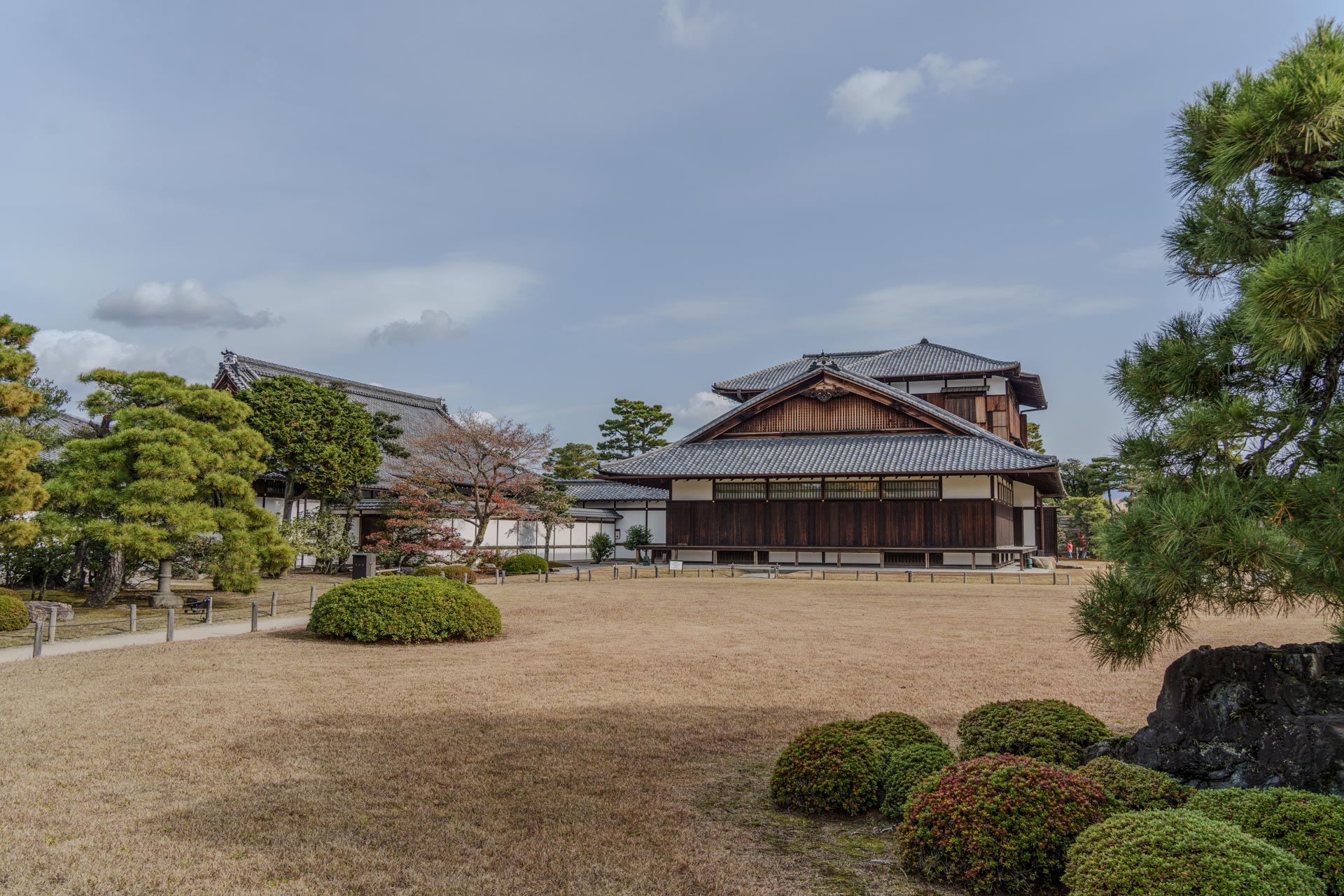
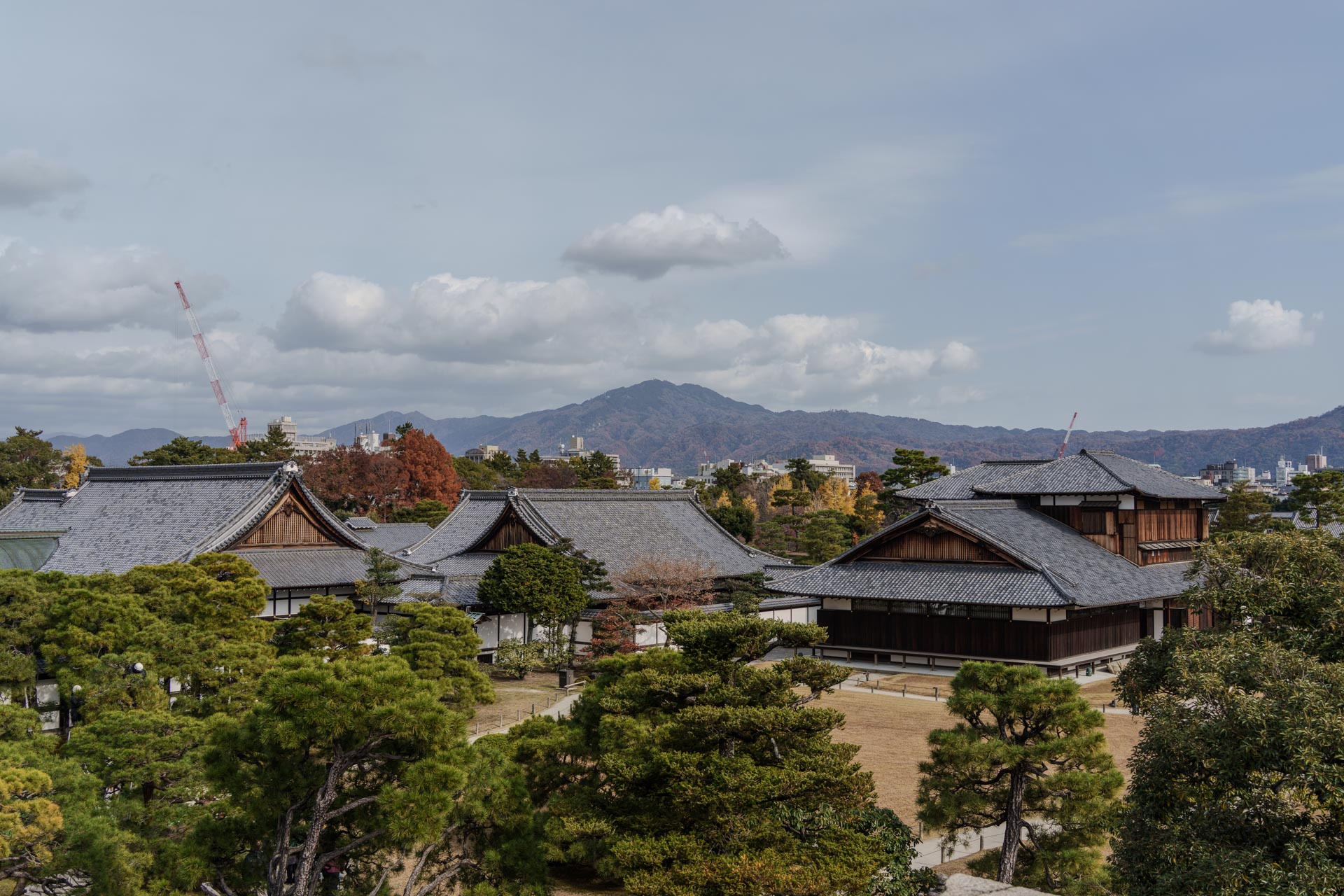
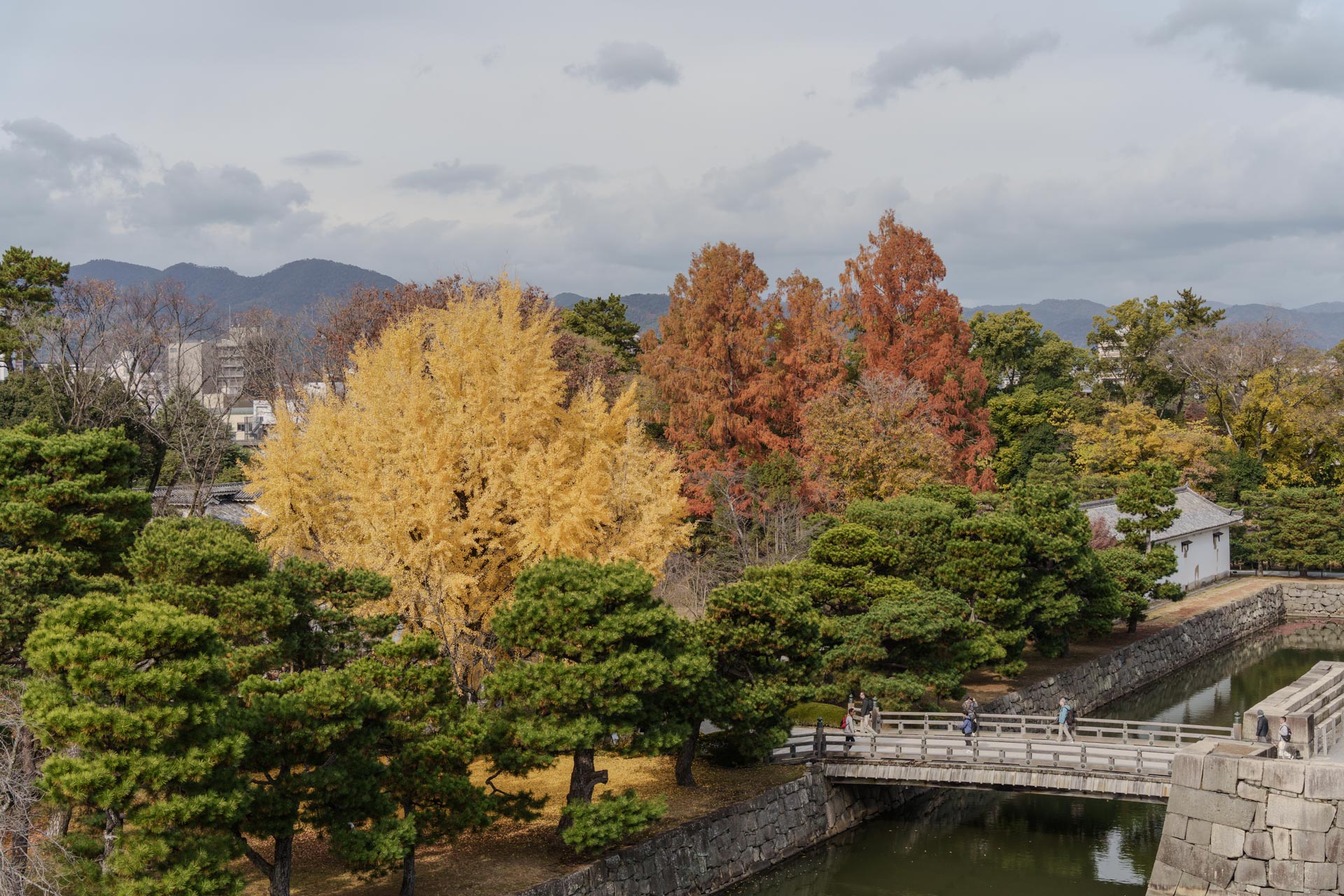
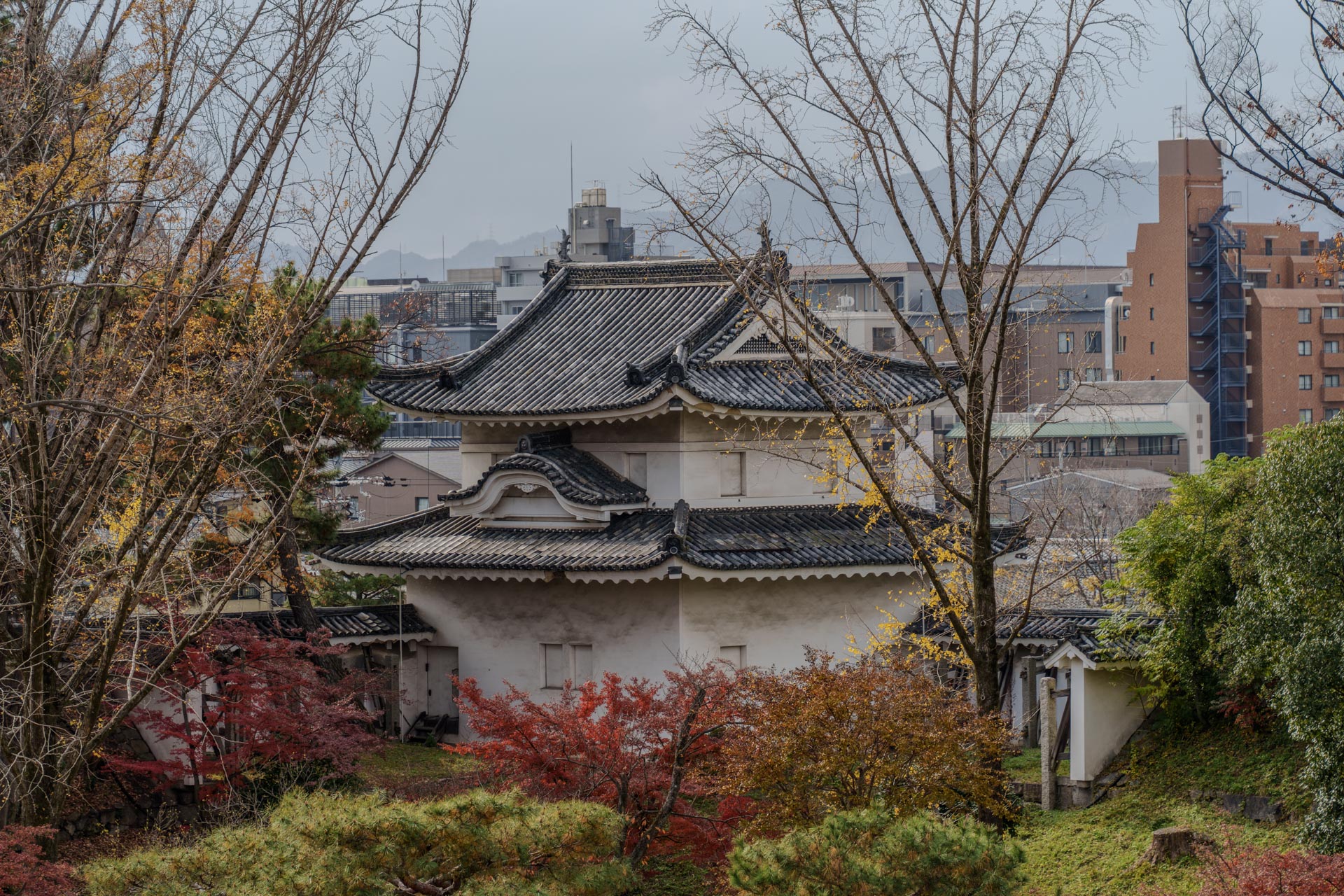
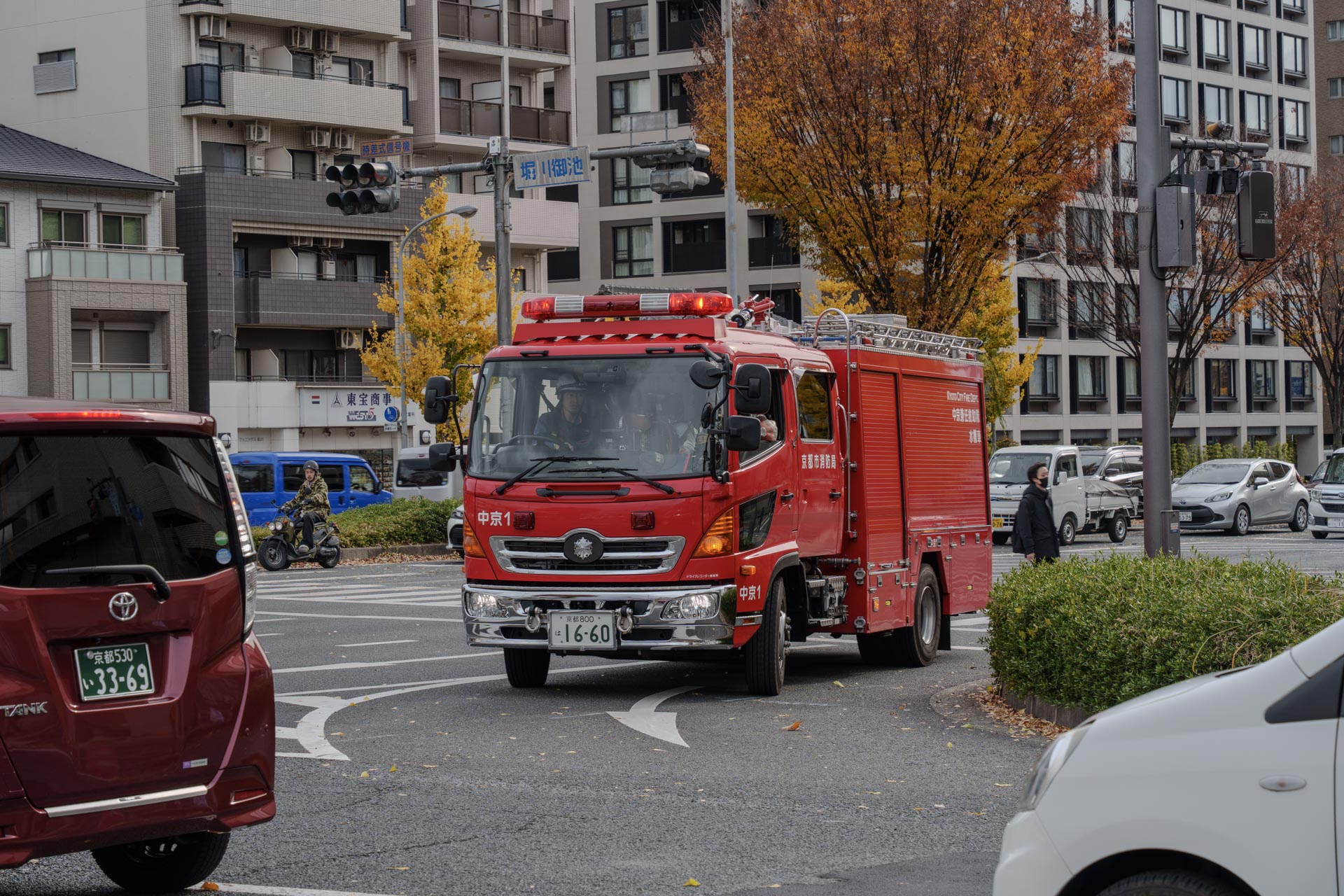
A fire truck was heading out on duty.
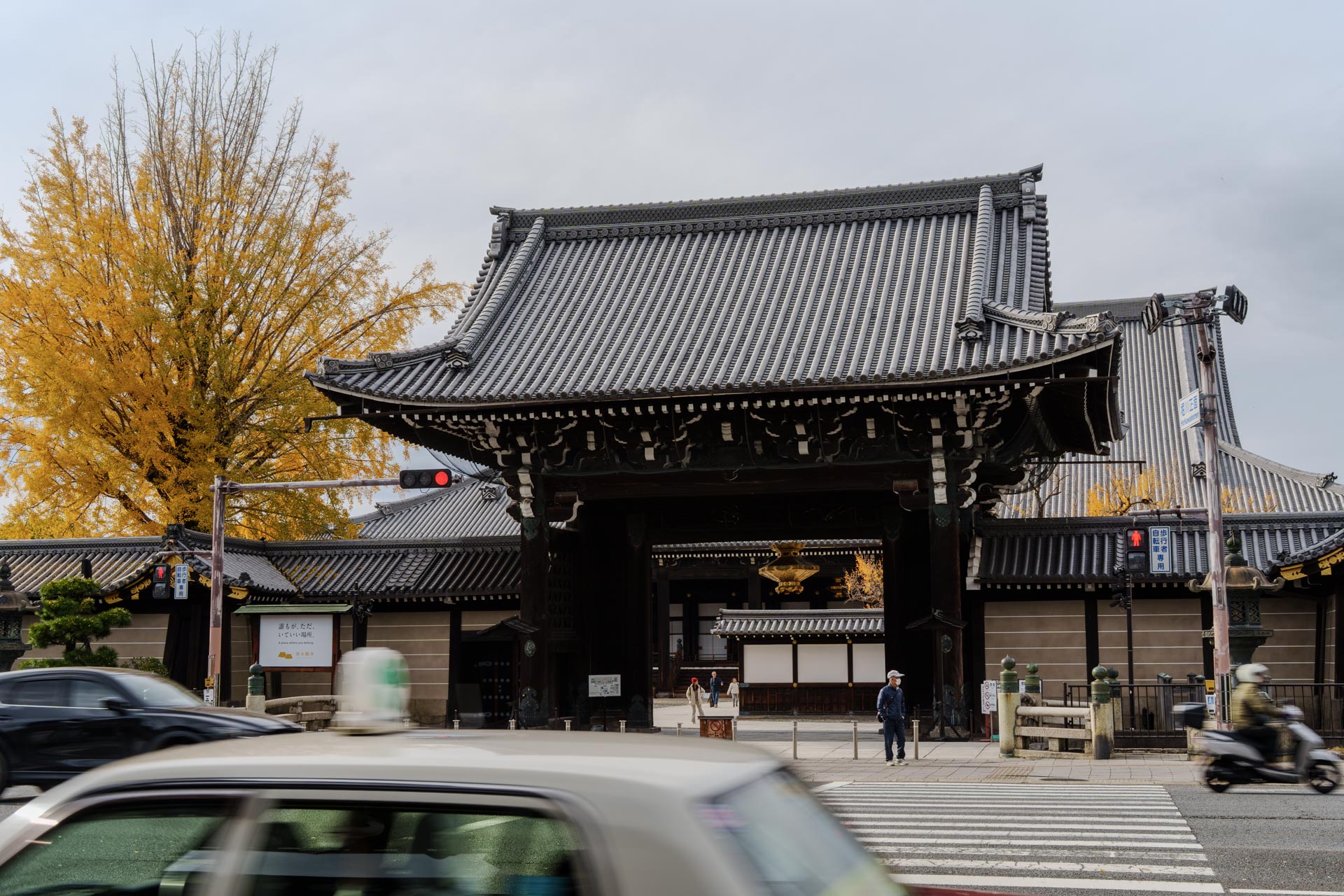
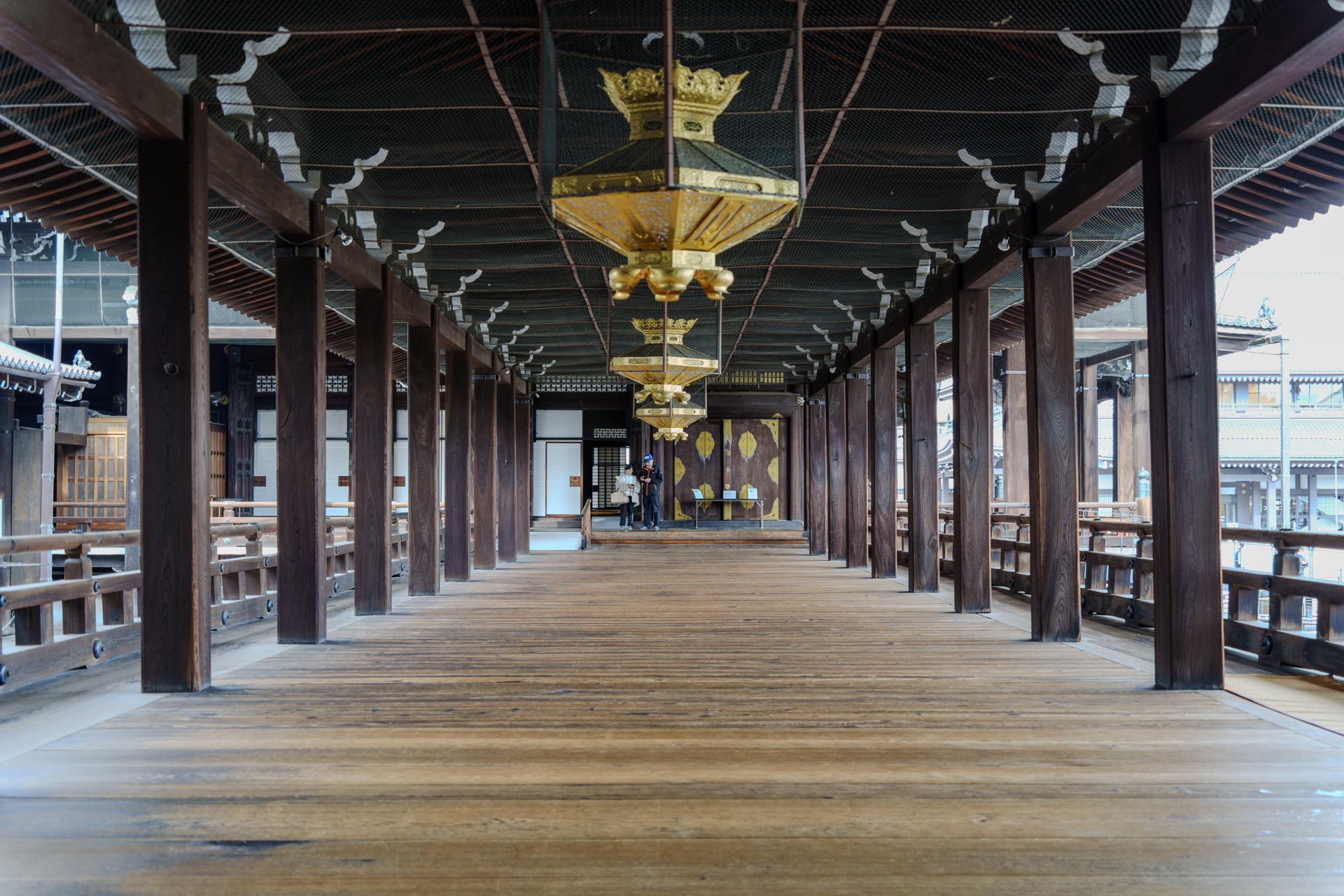
Nishi Hongan-ji
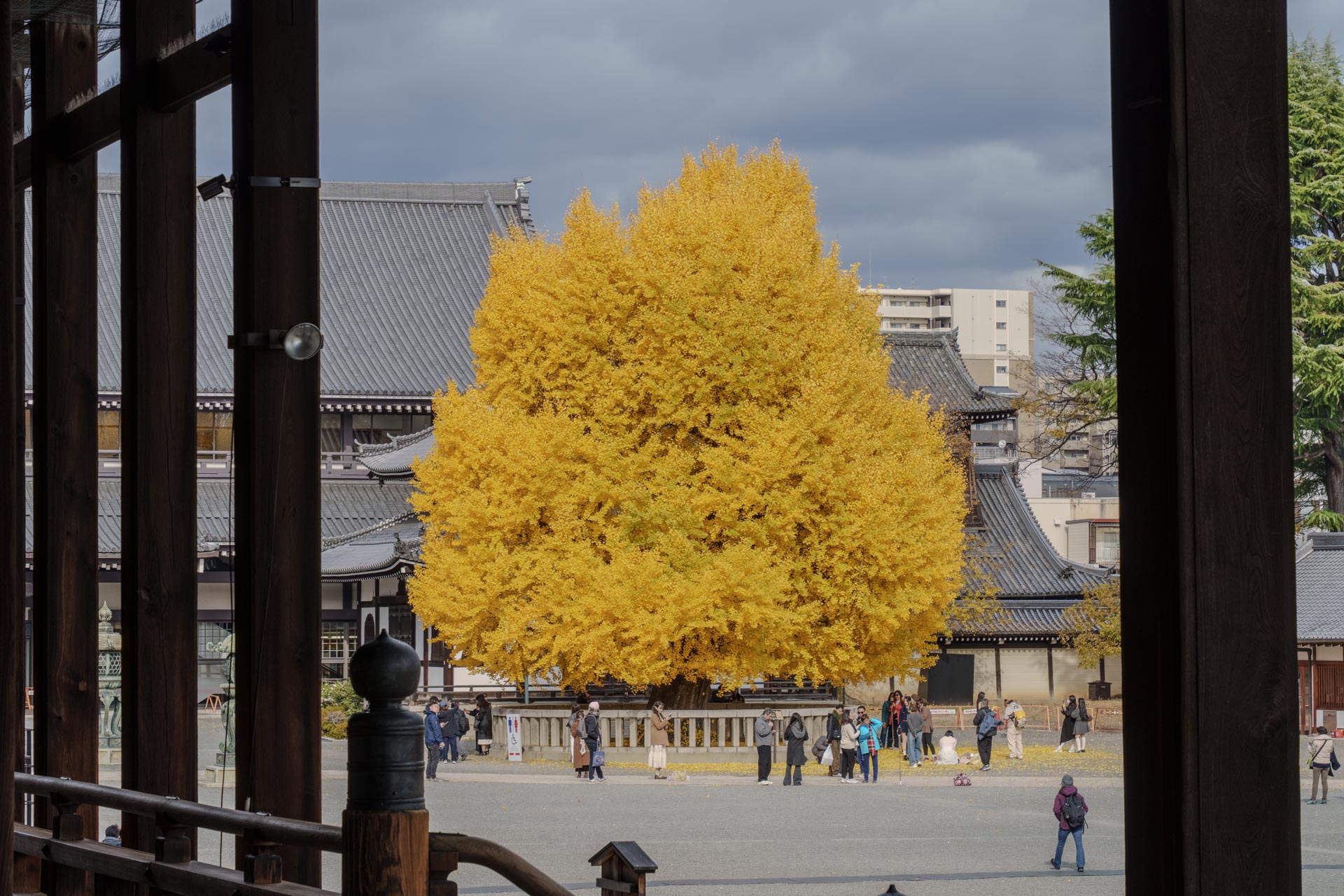
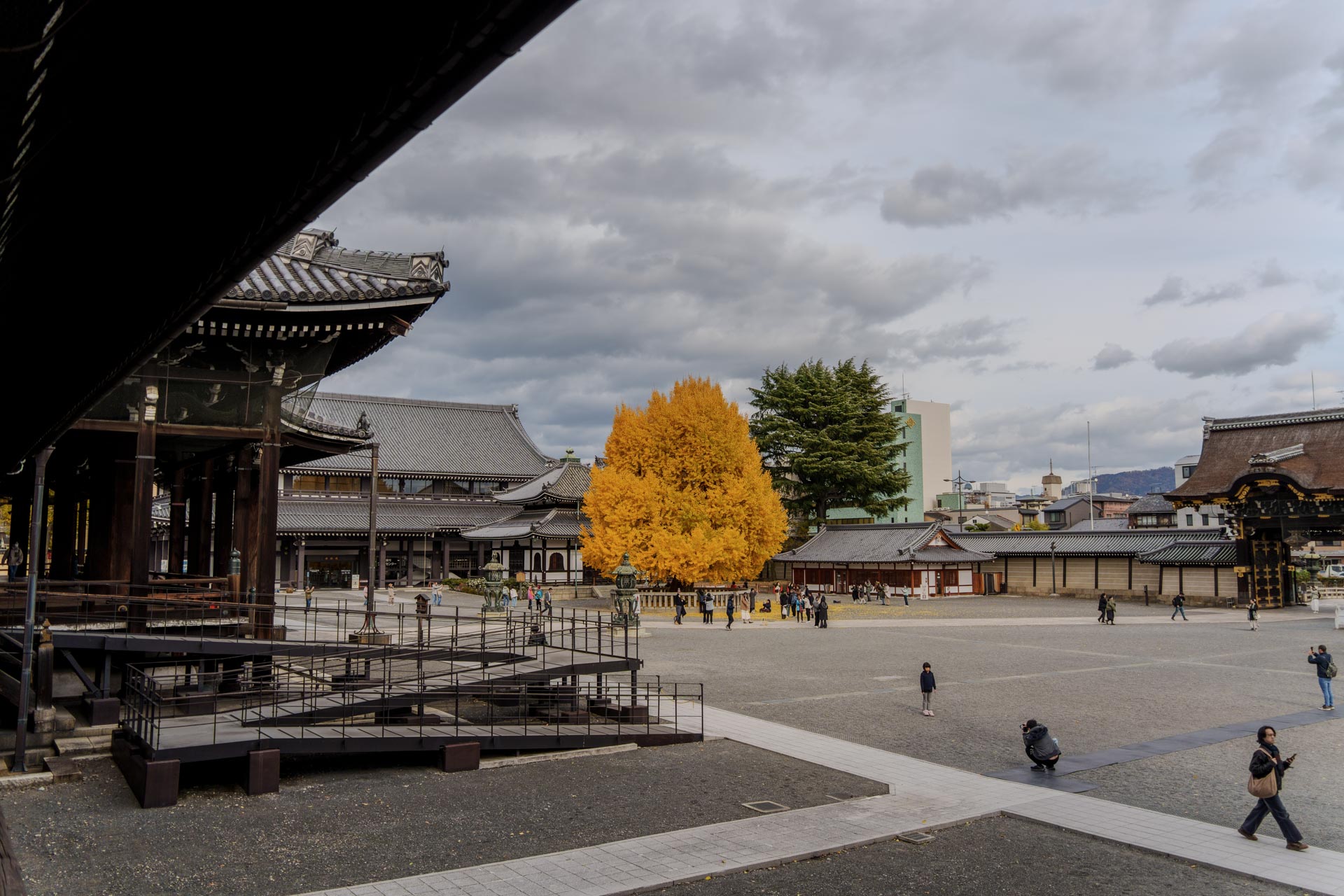
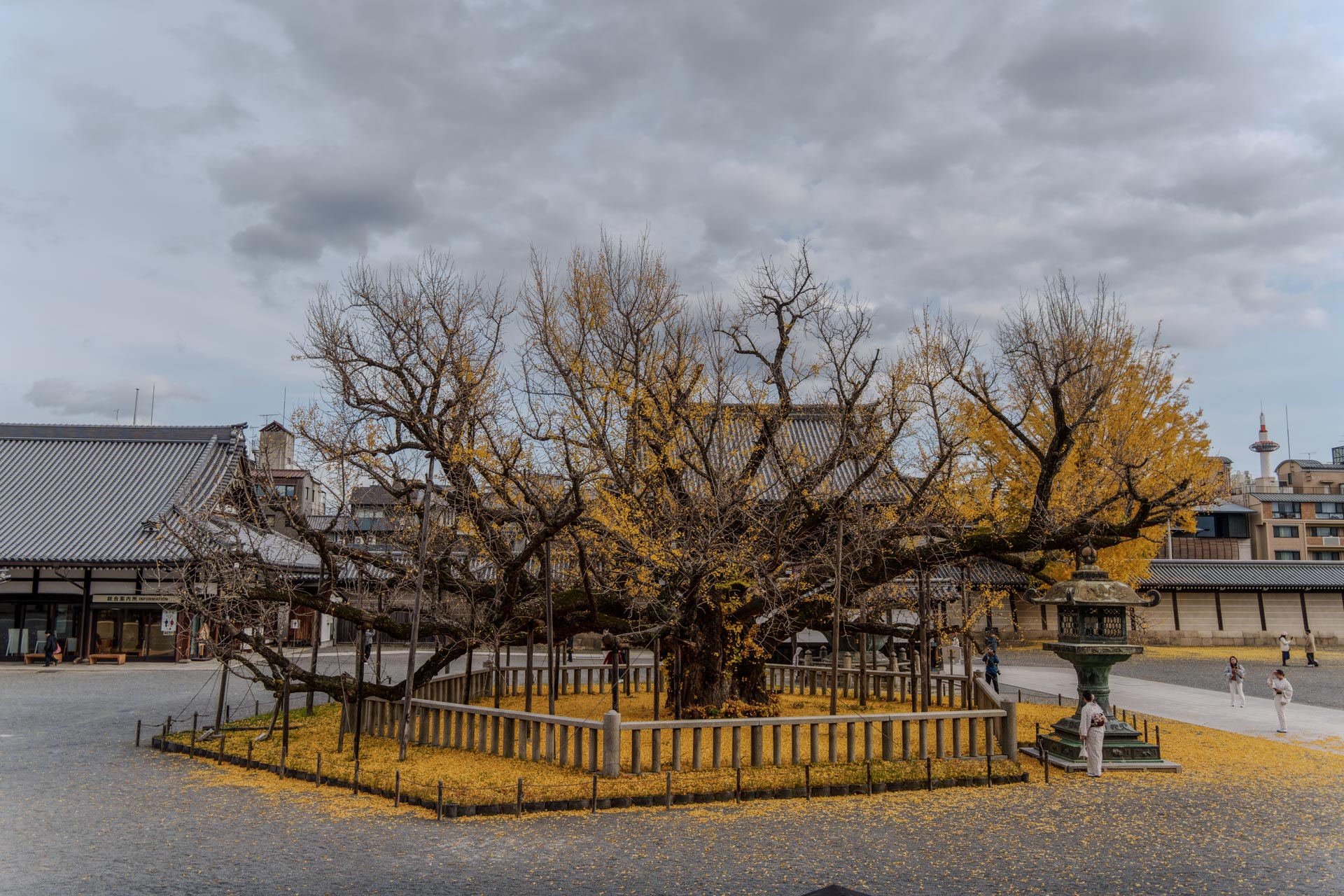
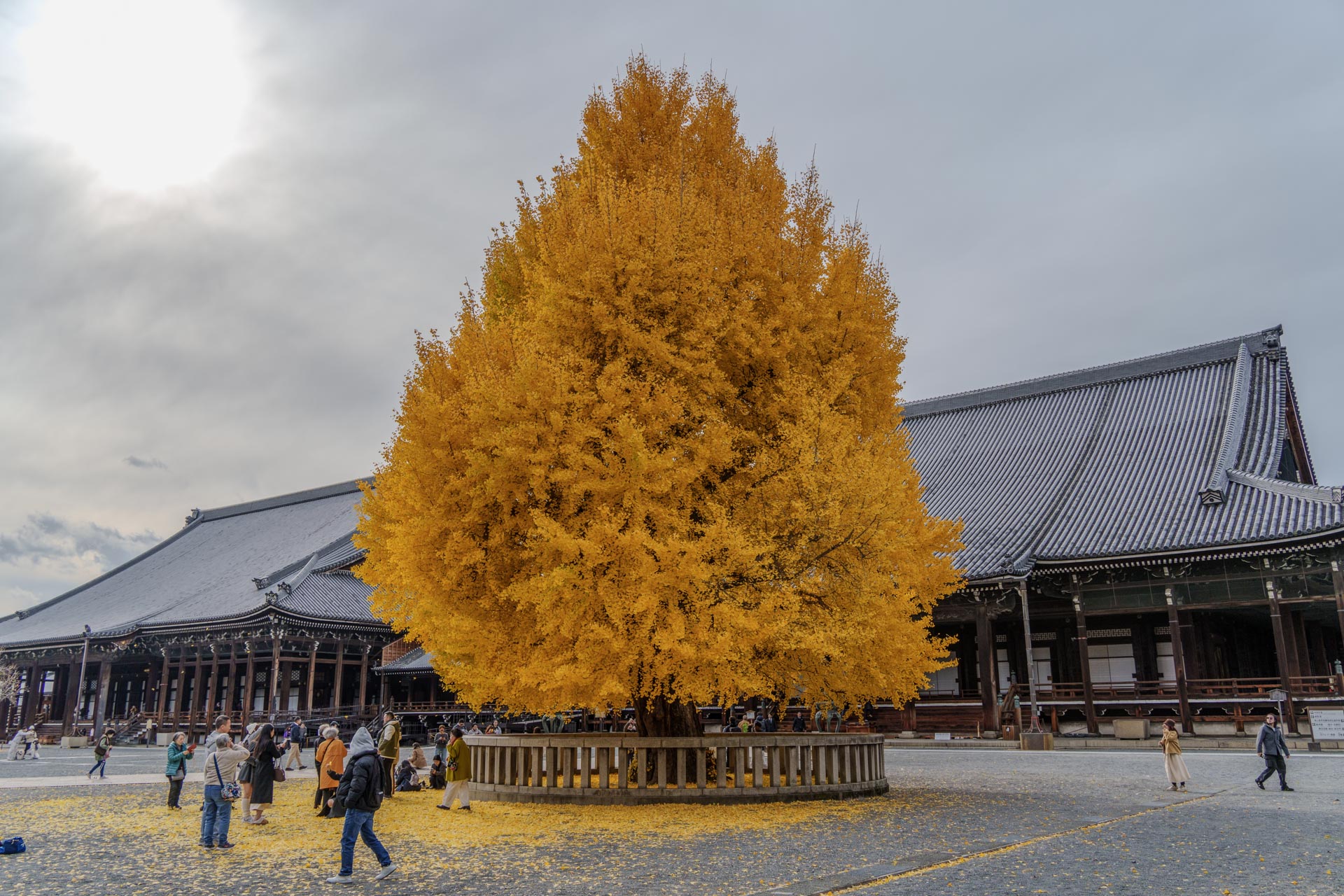
After leaving Nijo Castle, we took a bus to Nishi Hongan-ji. As soon as we got off, we saw the ginkgo trees at the temple. There is no entrance fee for Nishi Hongan-ji.
A full and radiant ginkgo tree.
Free to visit.
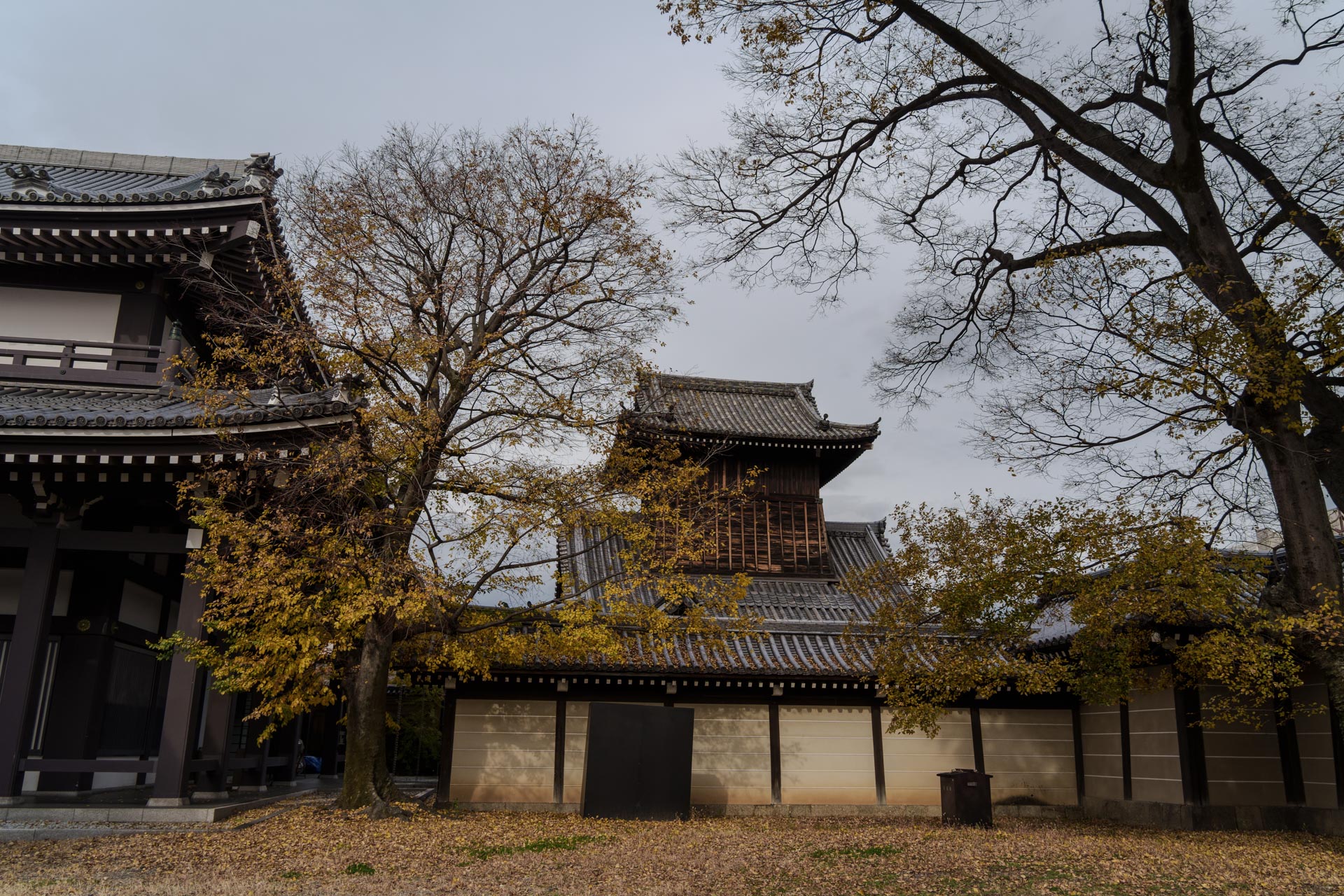
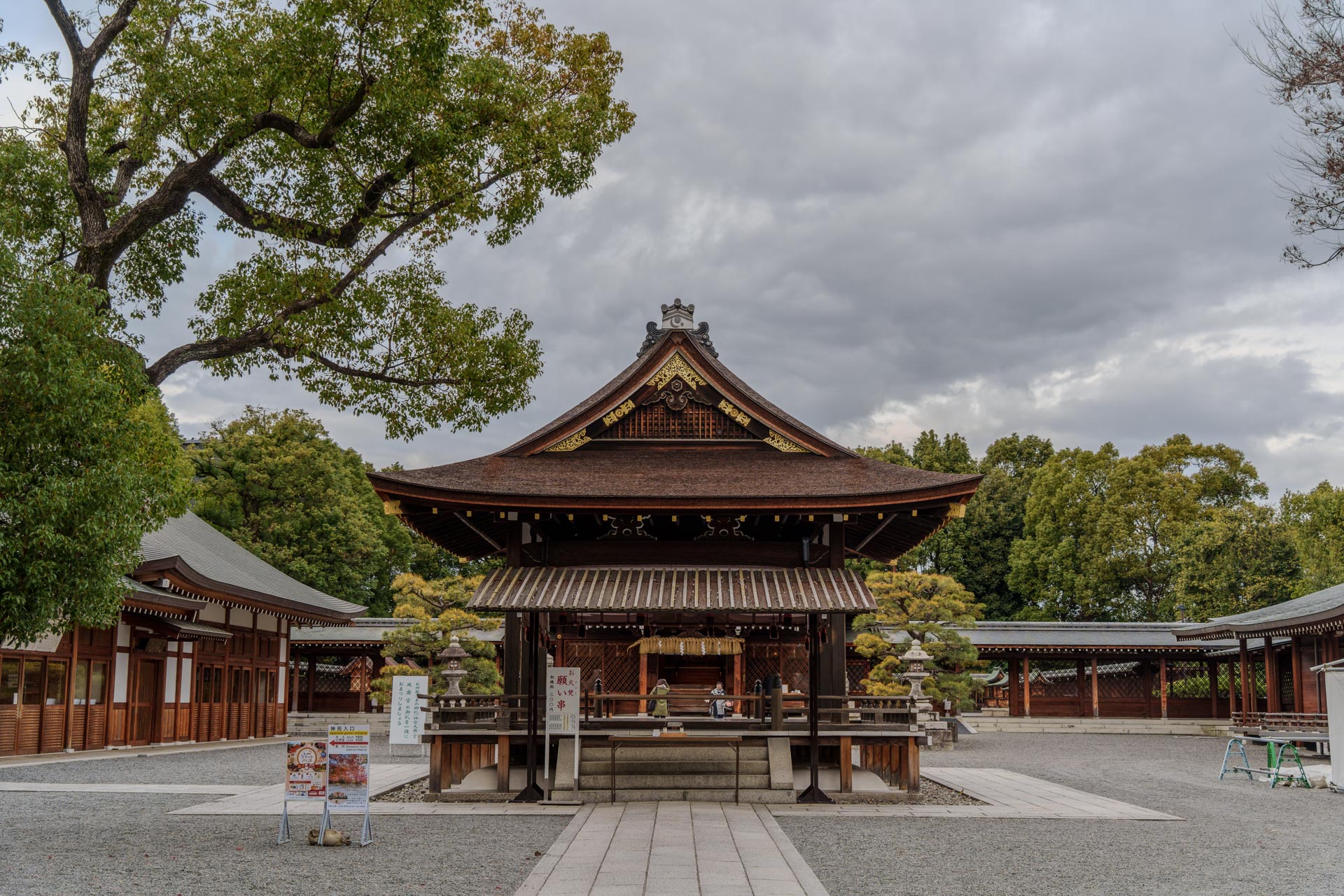
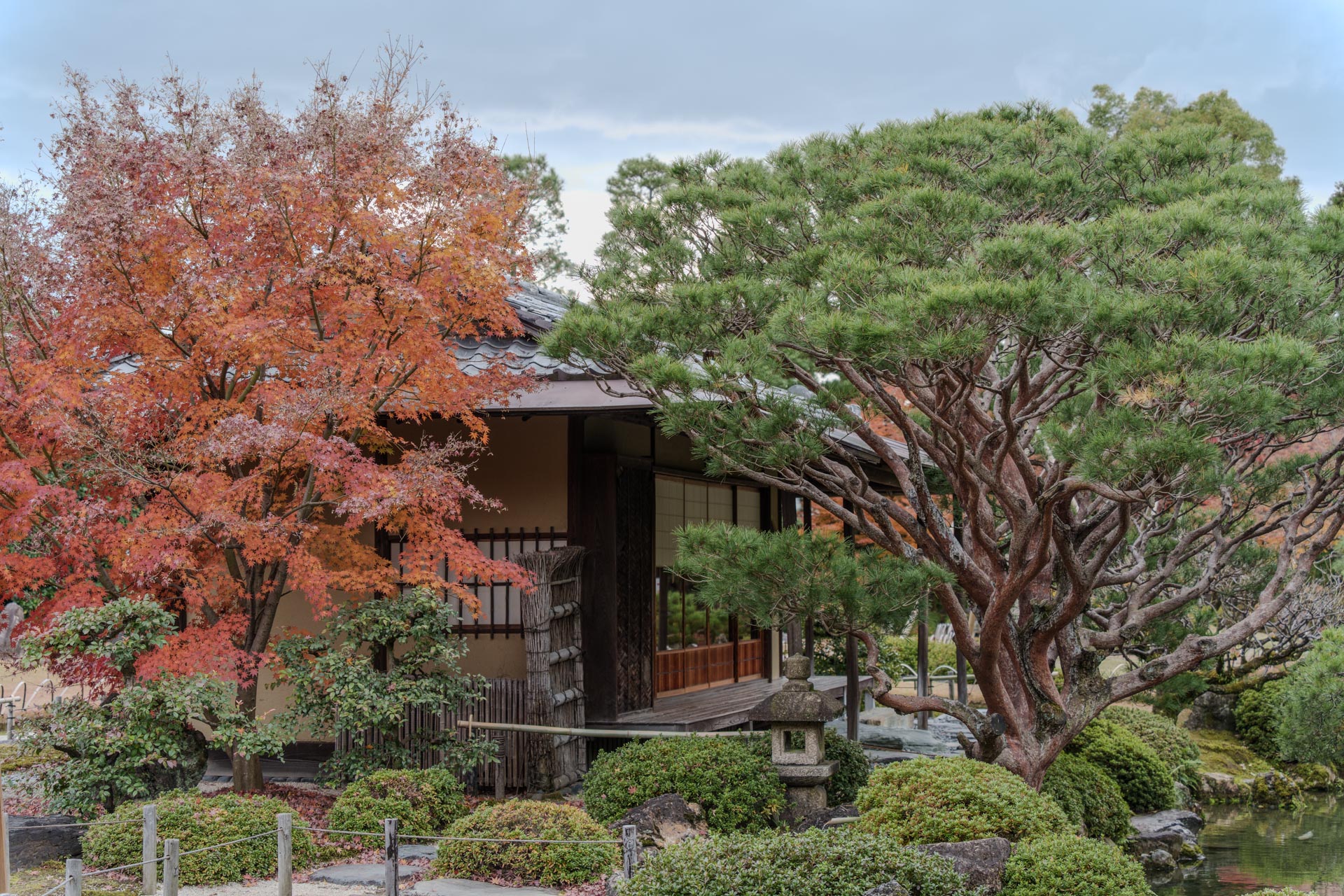
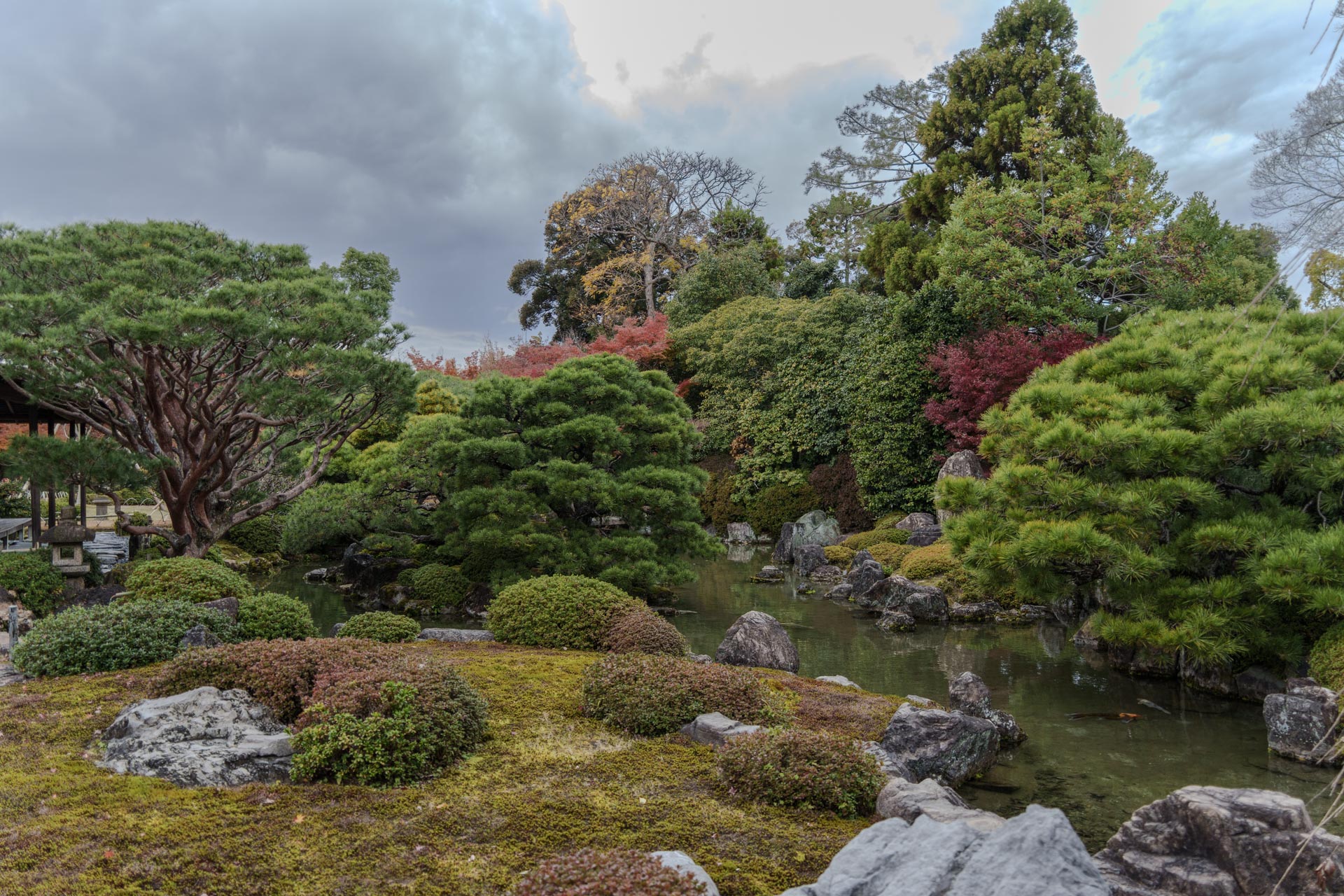
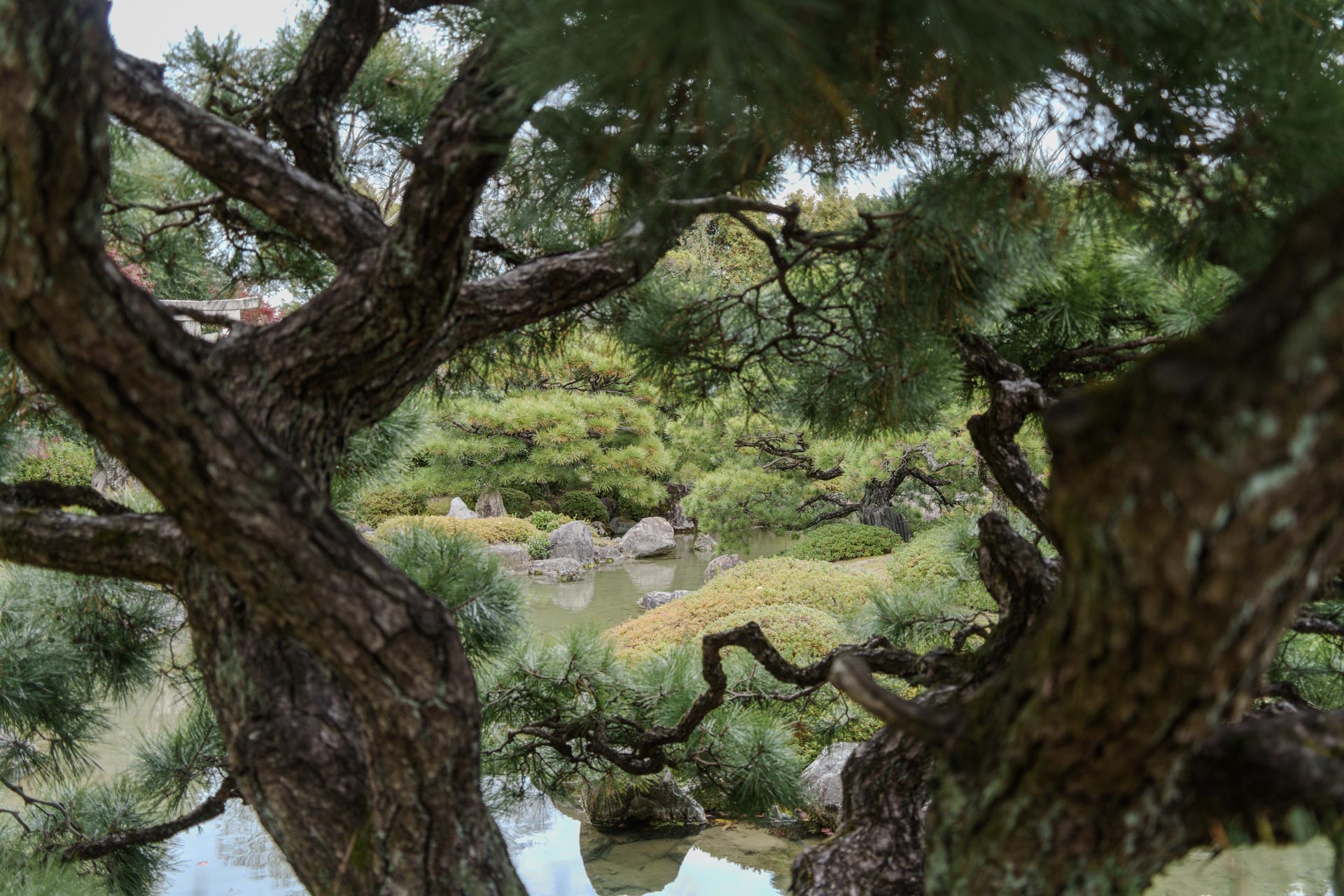
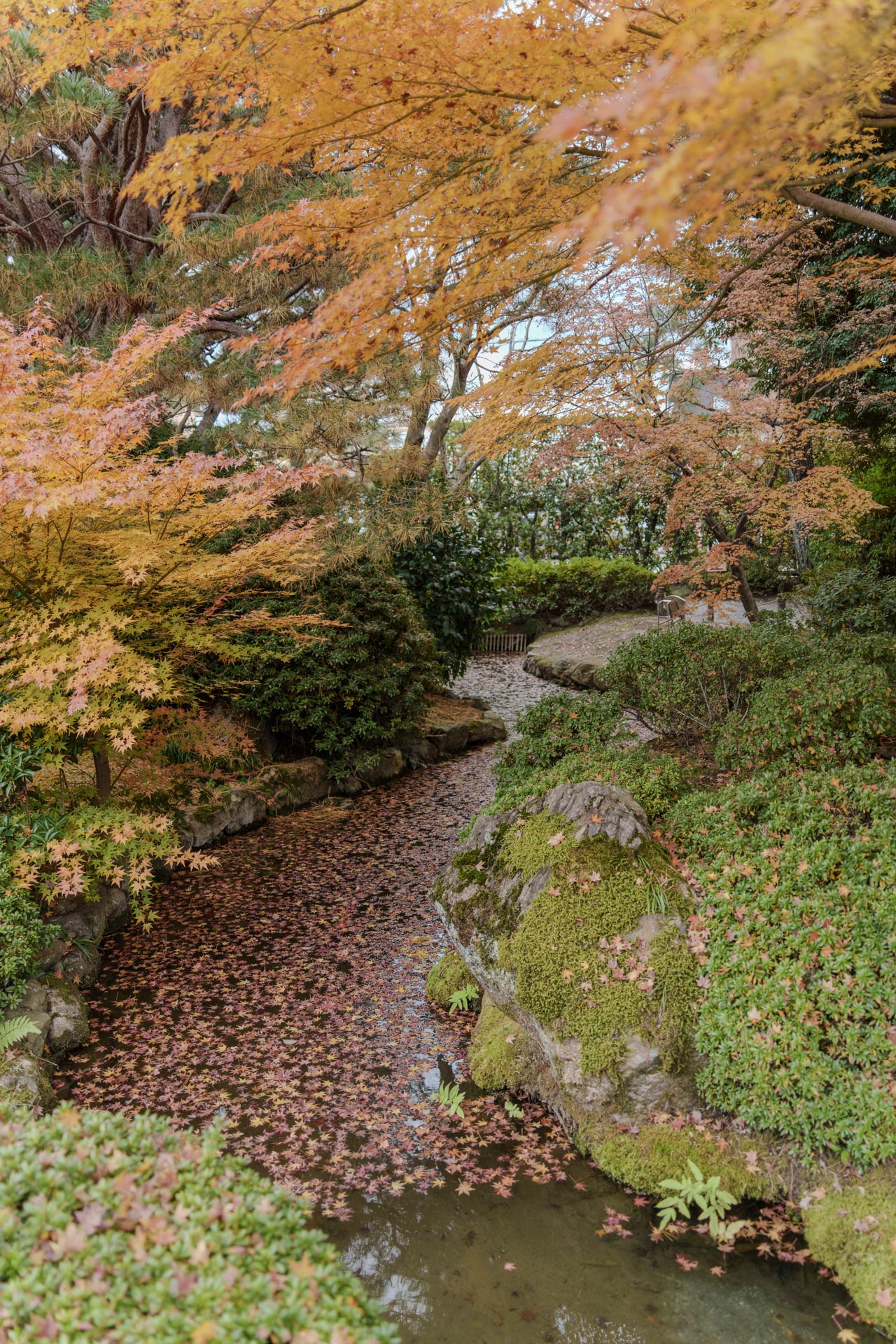
Jonan-gu
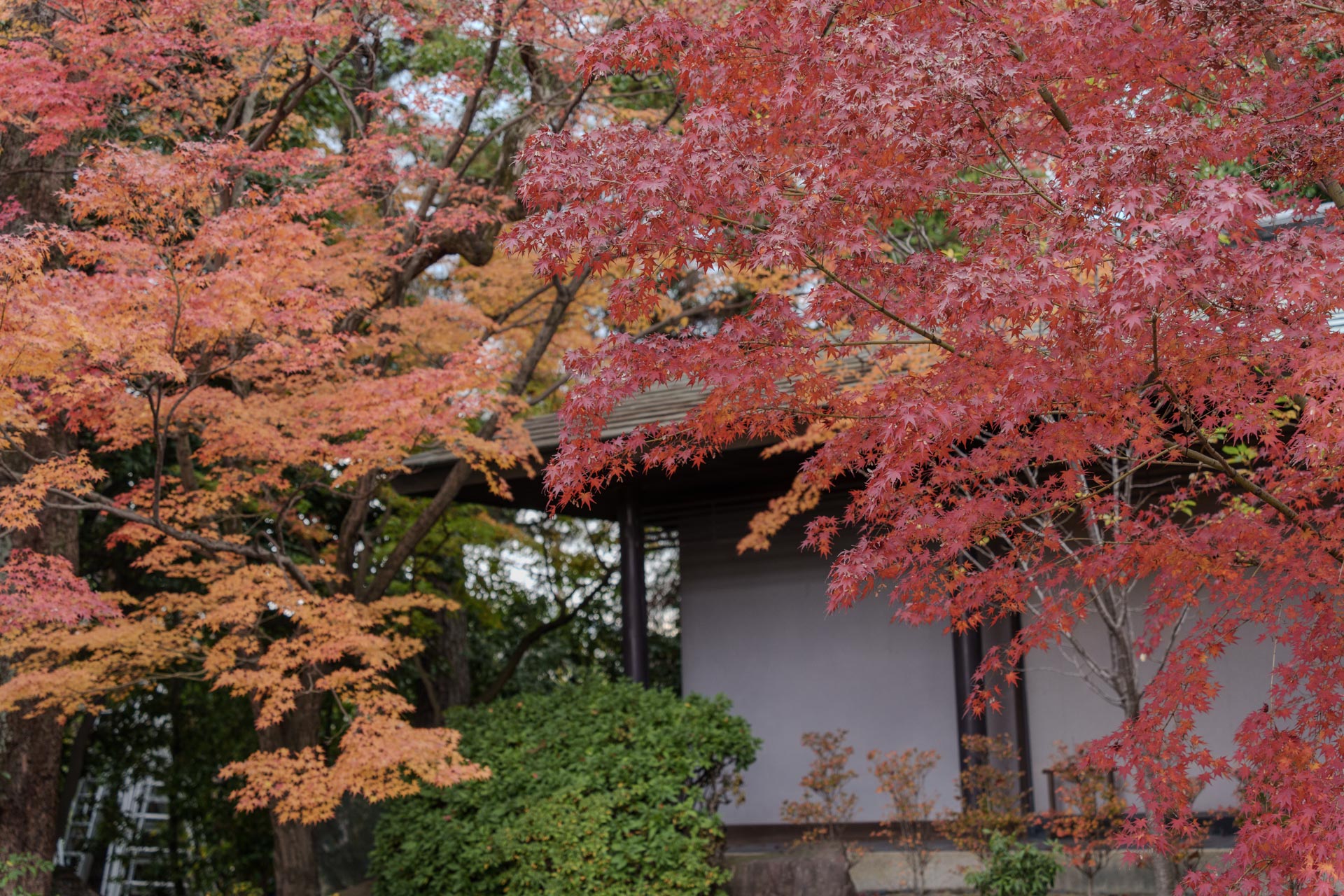
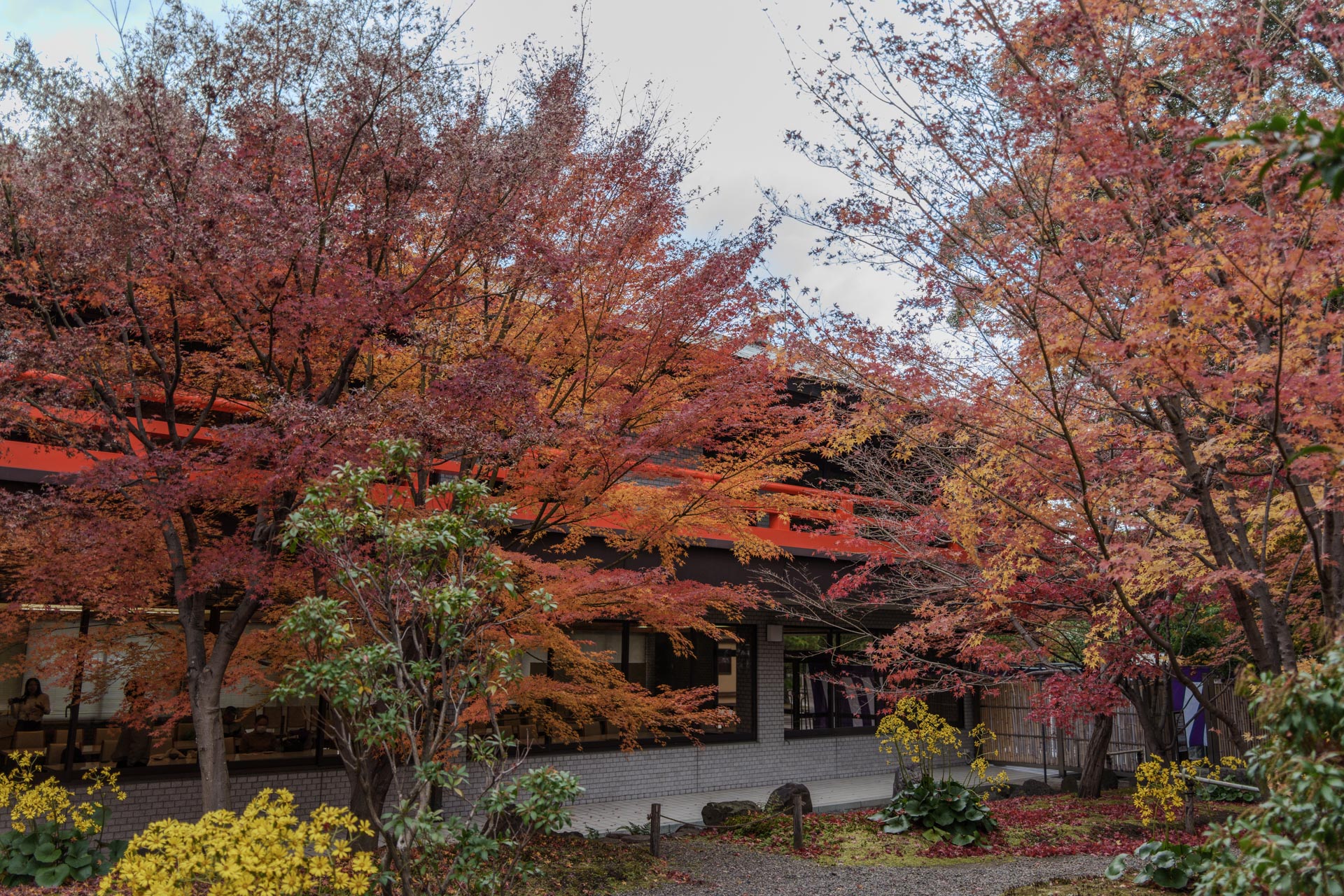
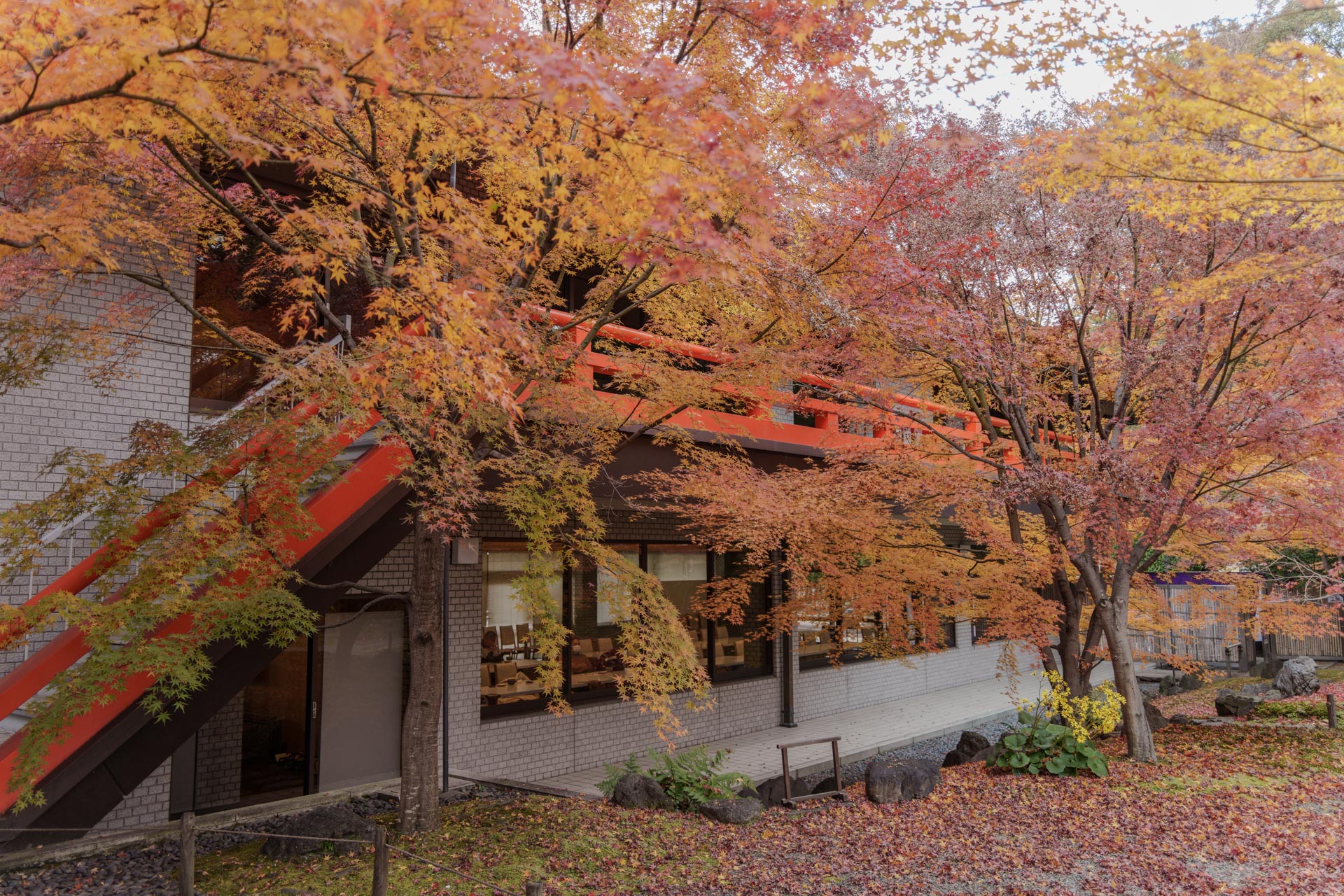
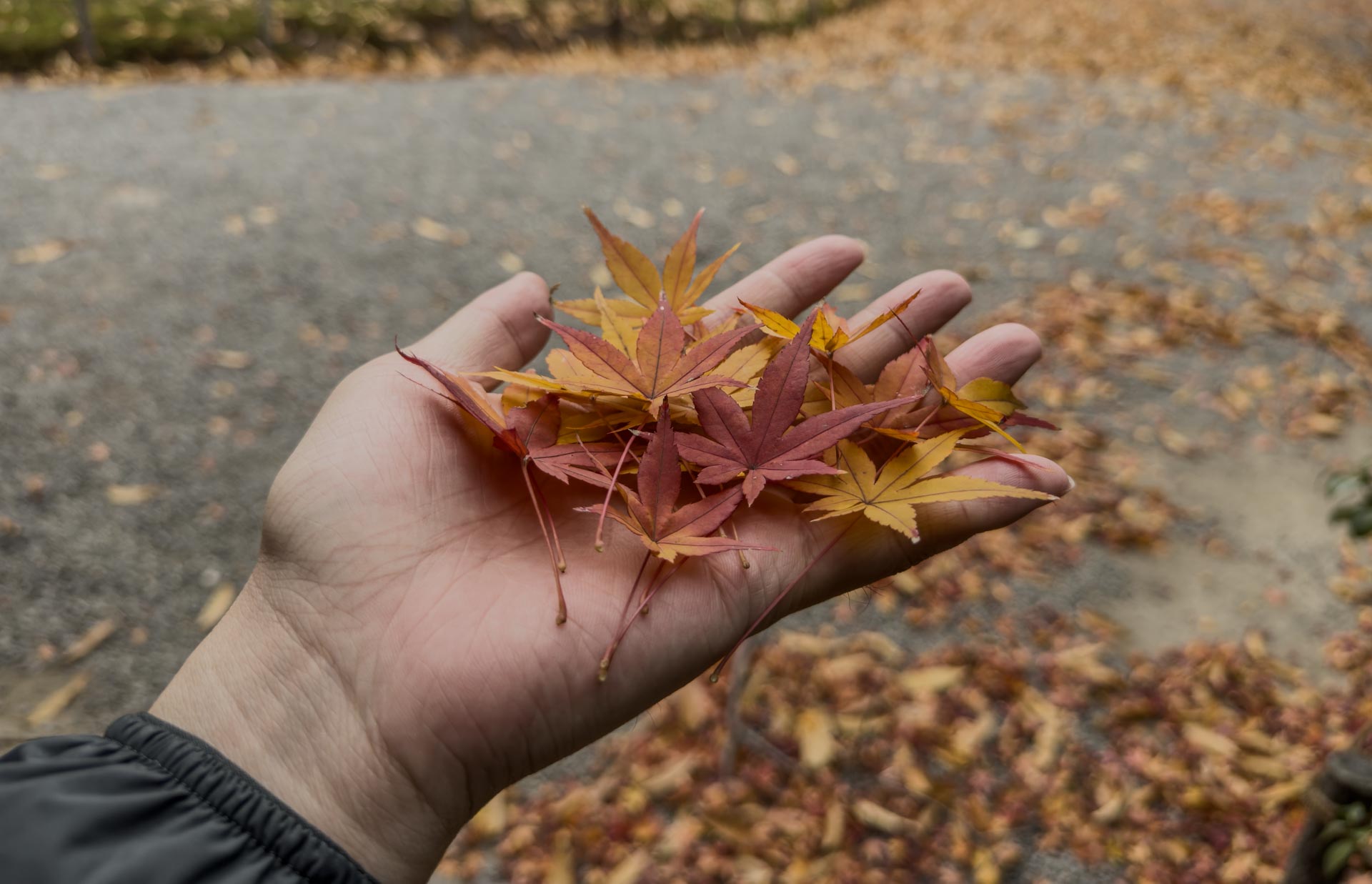
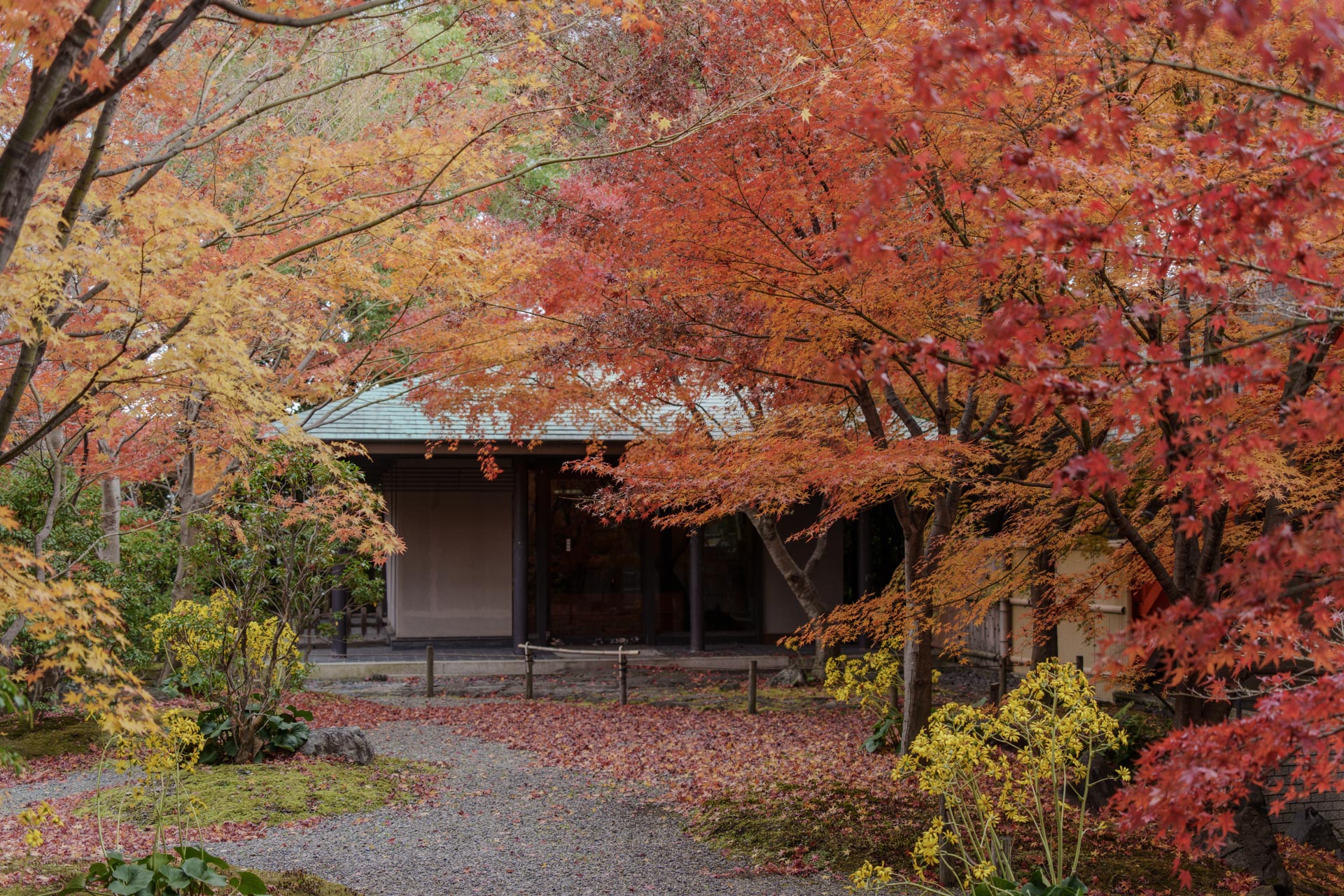
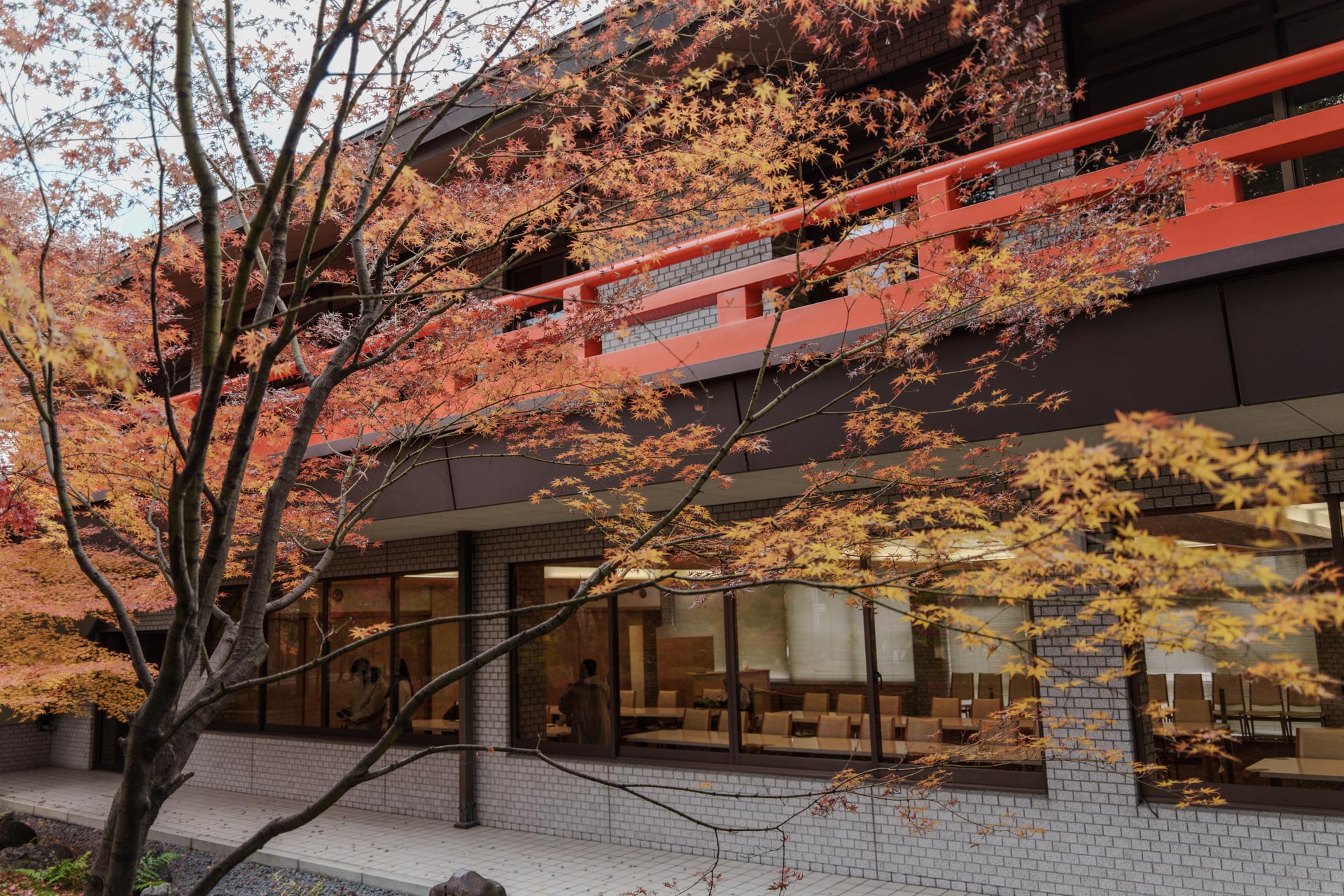
The reason we visited Jonan-gu was mainly because we were running late, and we could still see the last of the autumn leaves there. Jonan-gu is also very close to our next planned destination, Fushimi Inari Taisha.
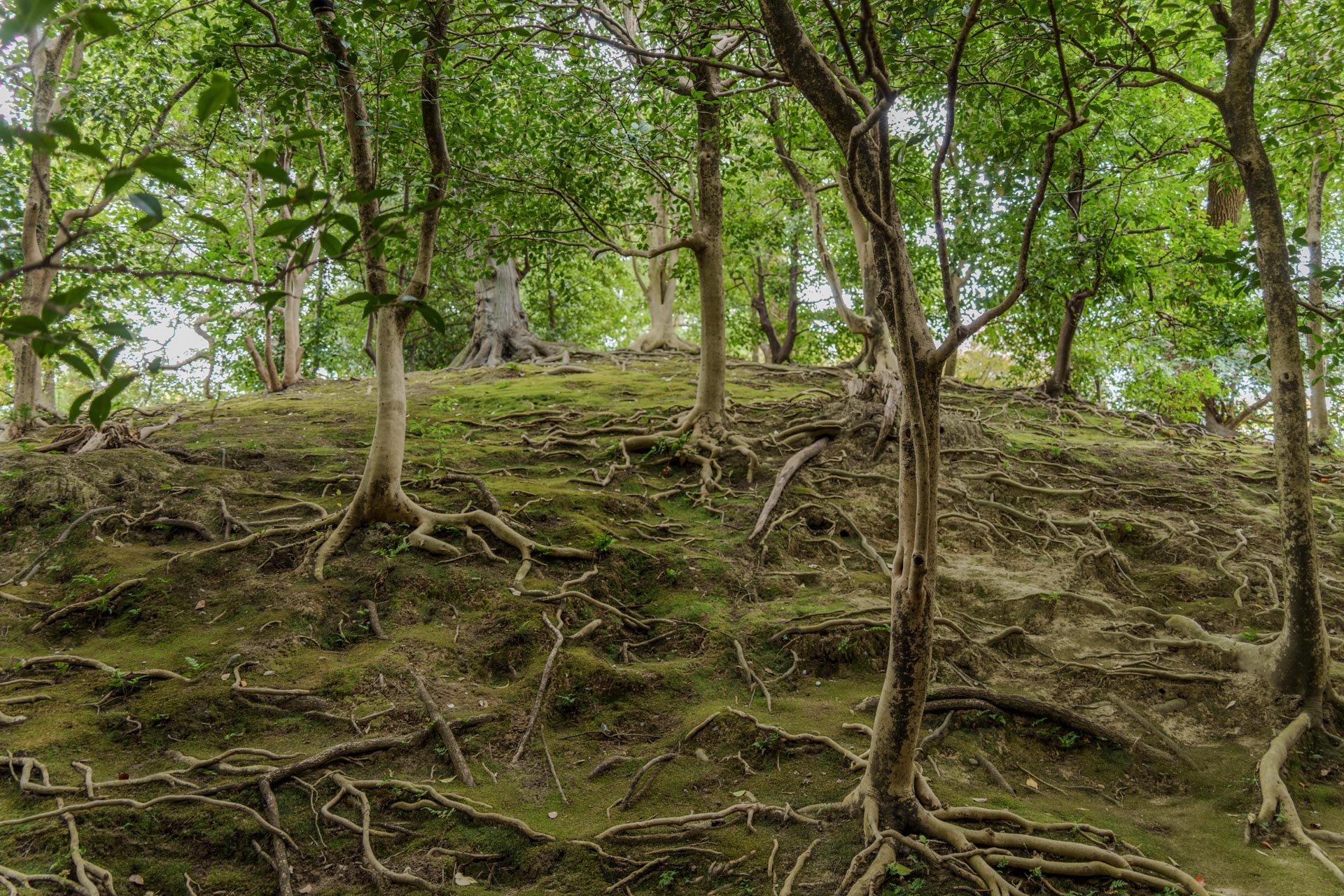
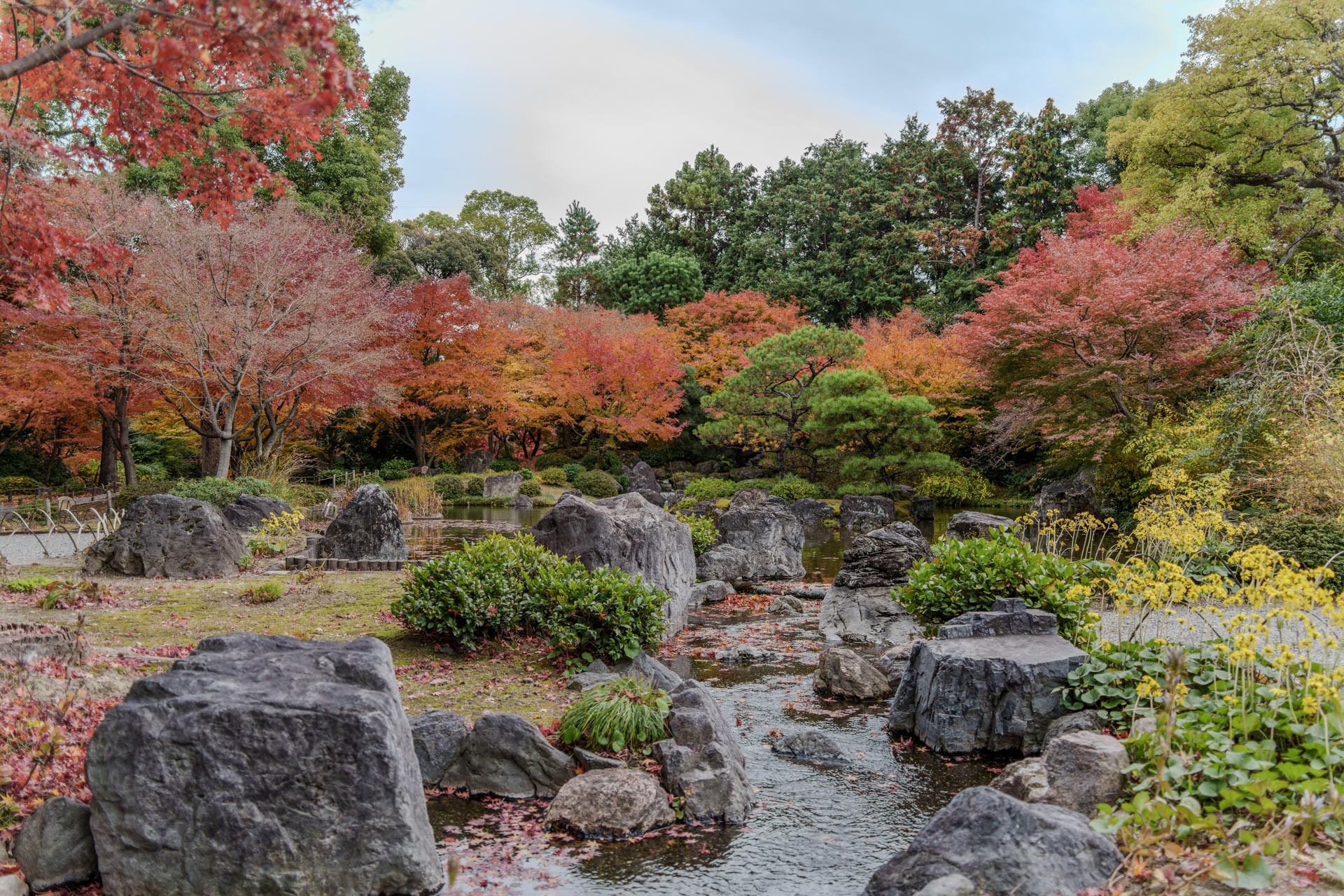
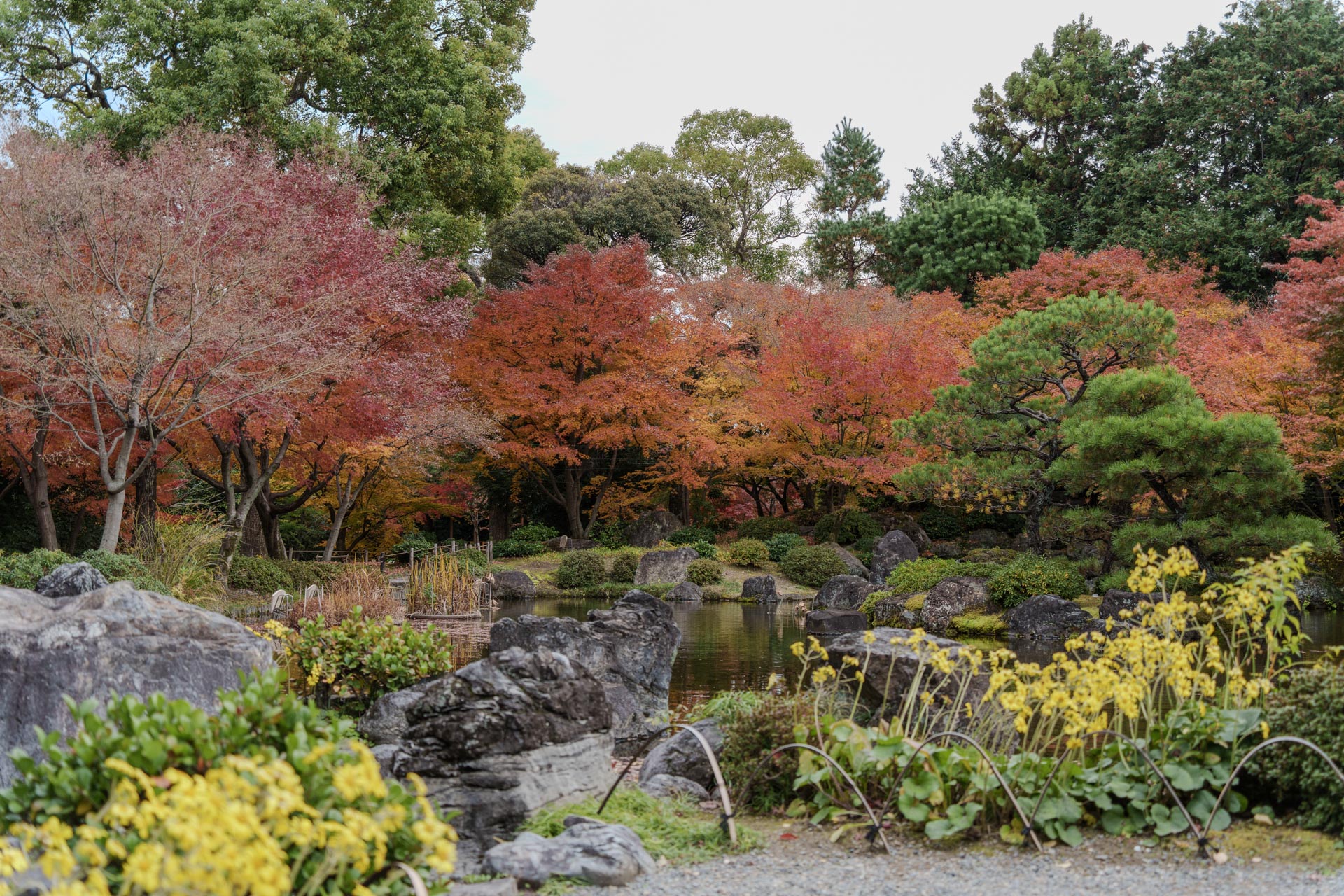
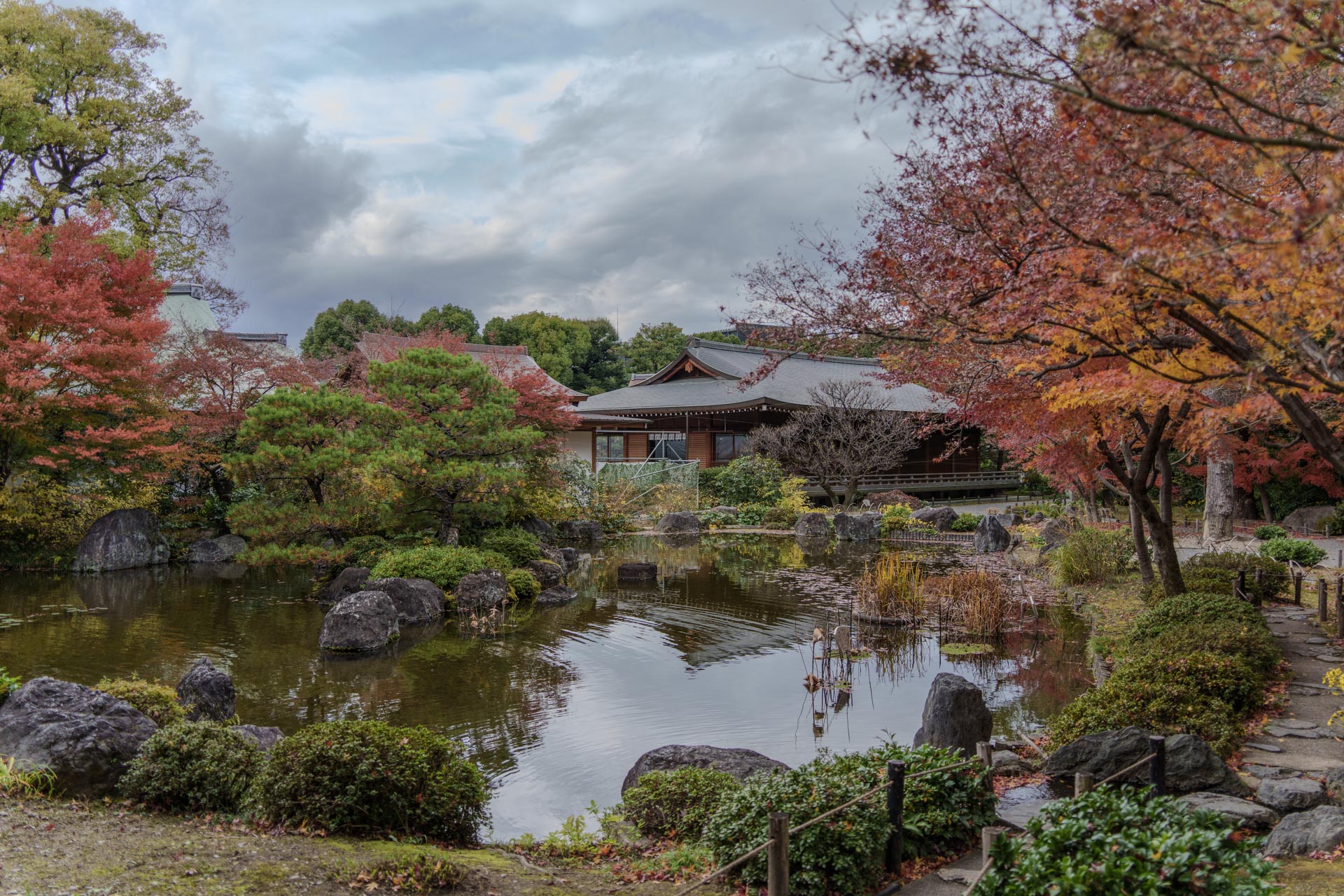
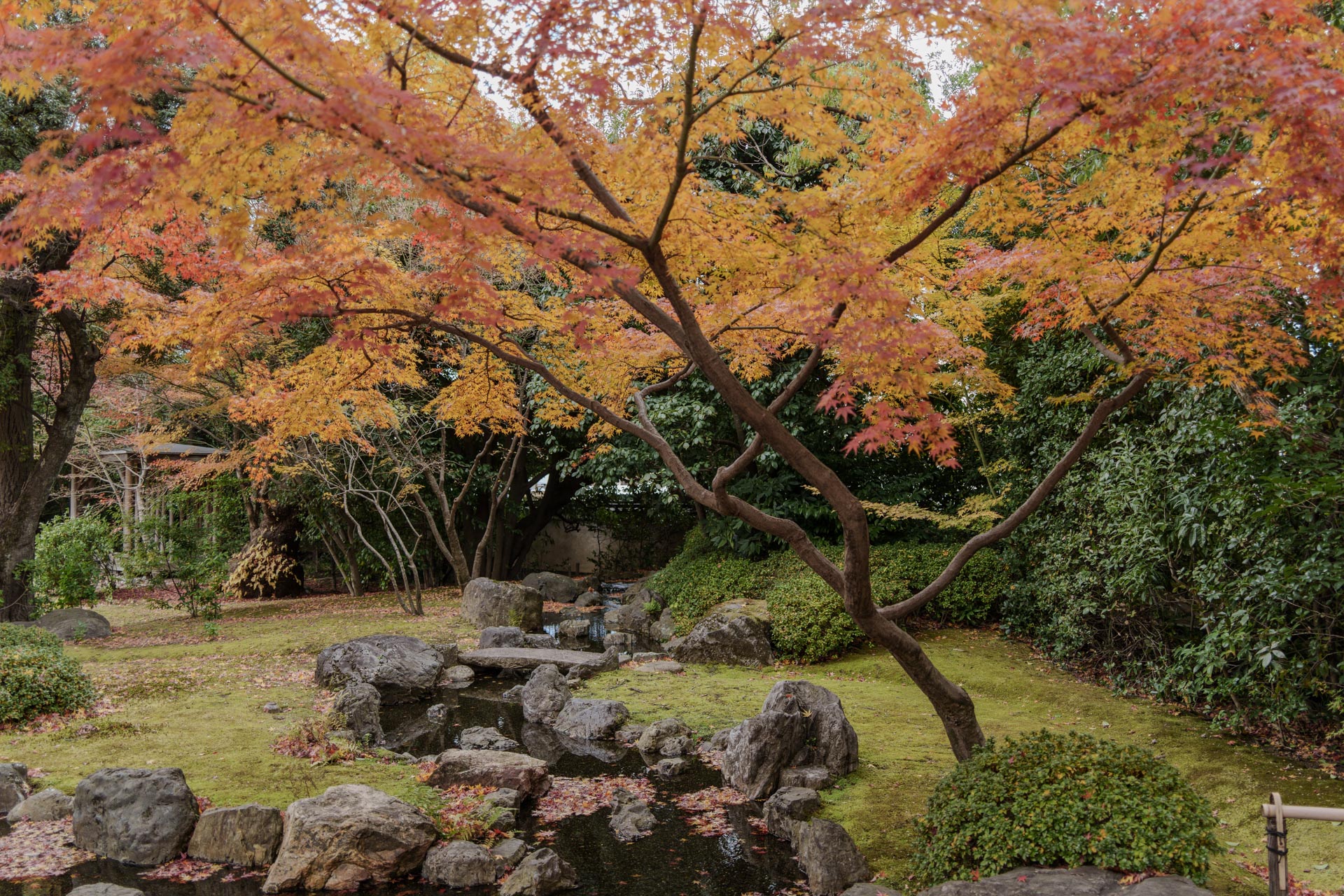
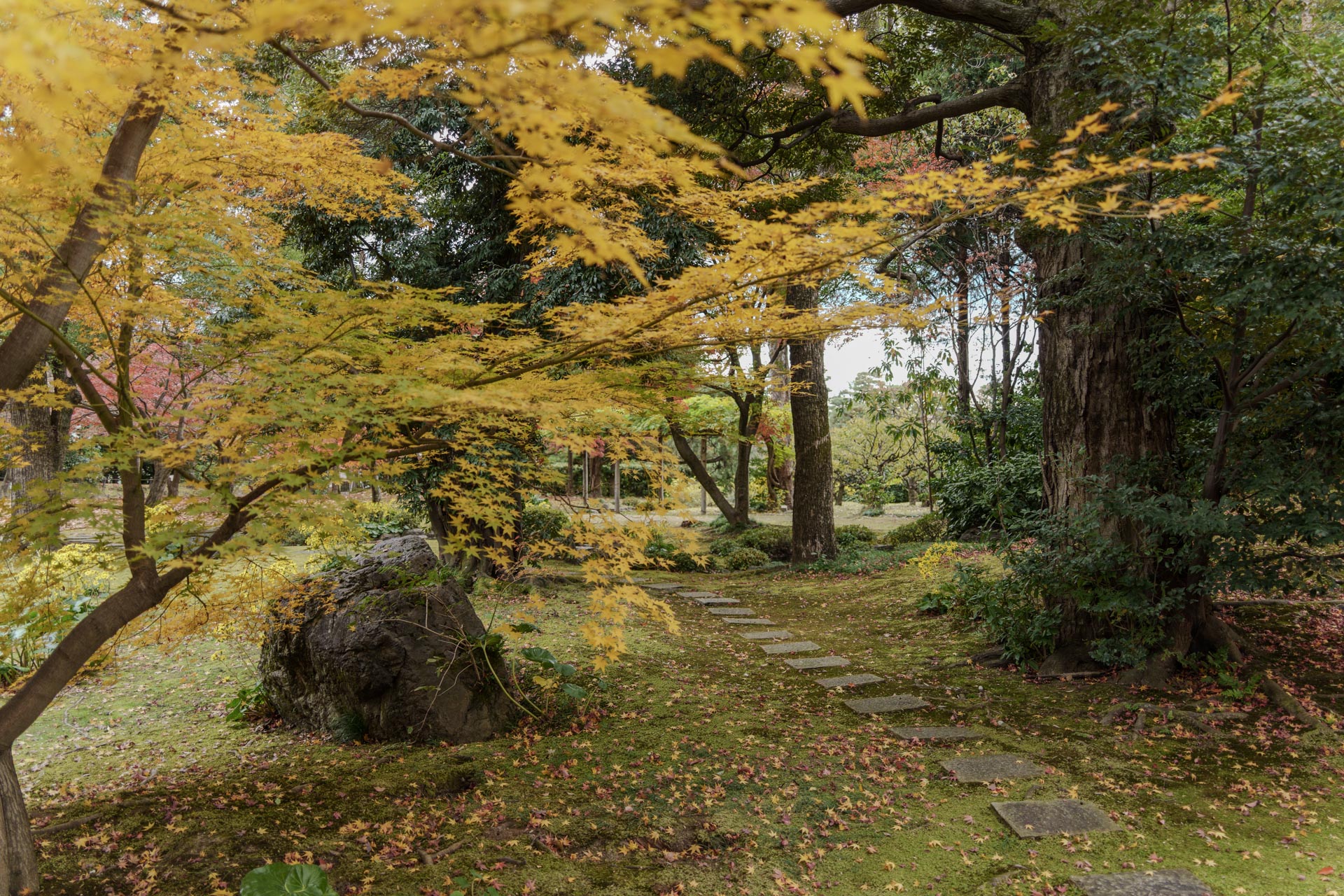
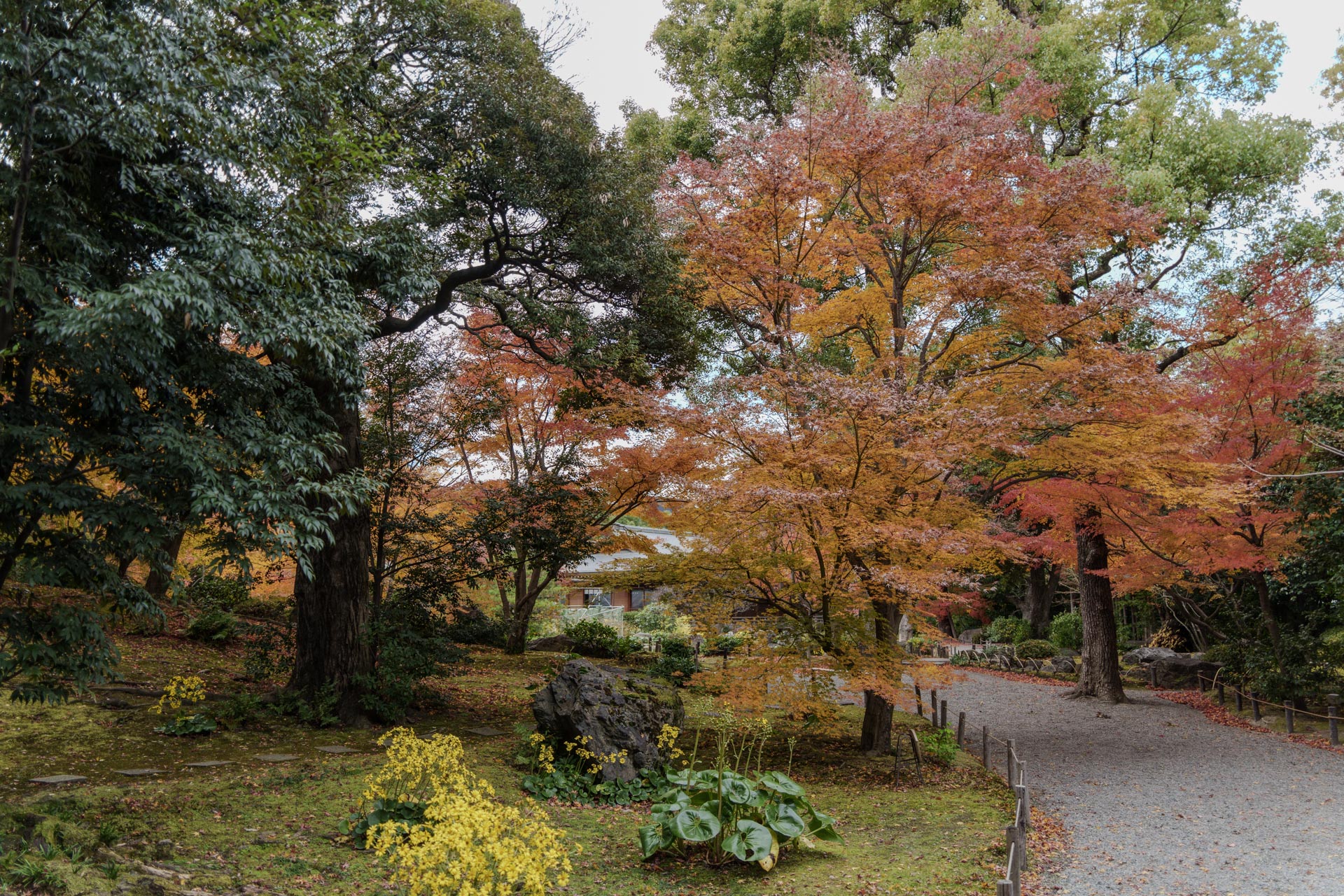
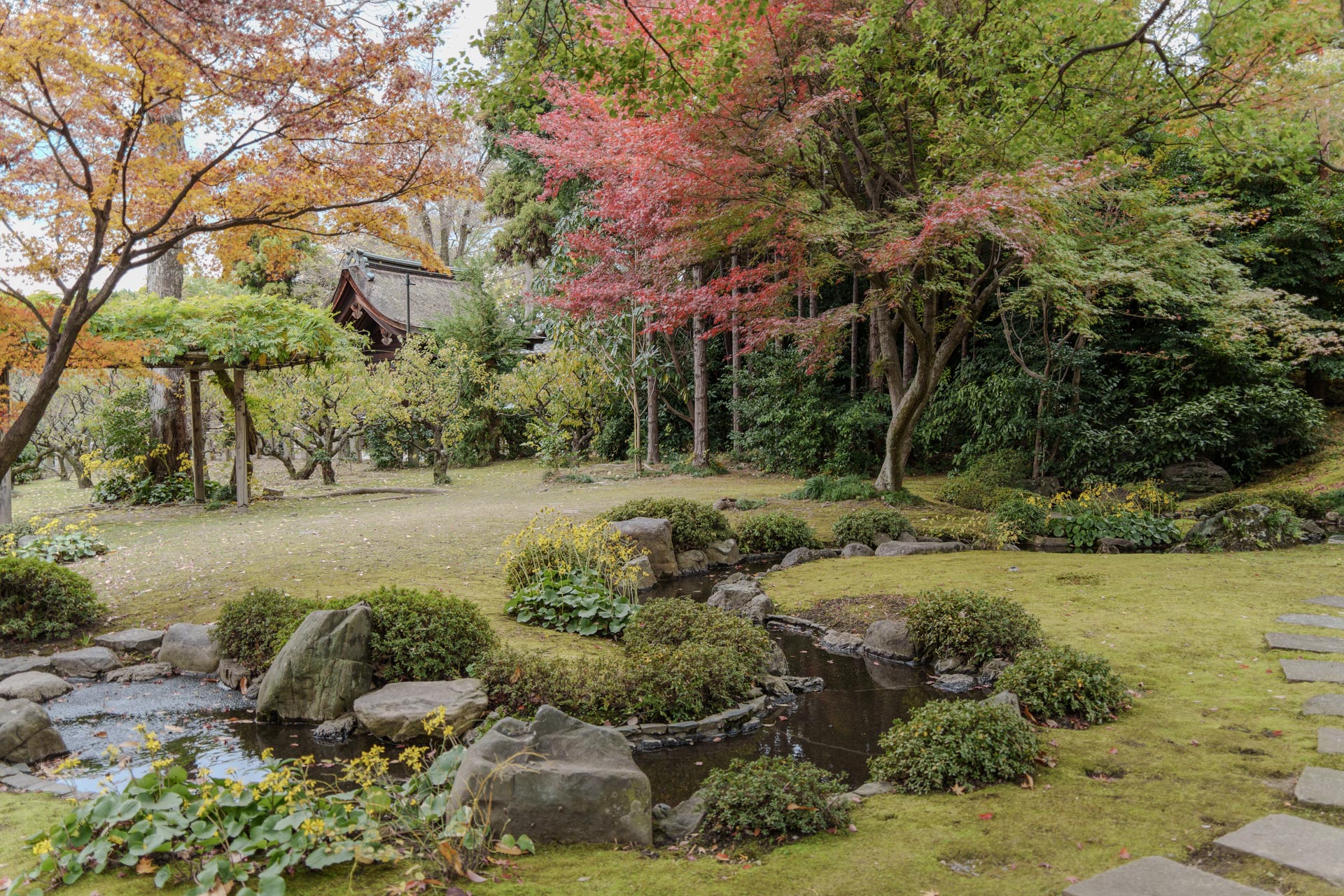
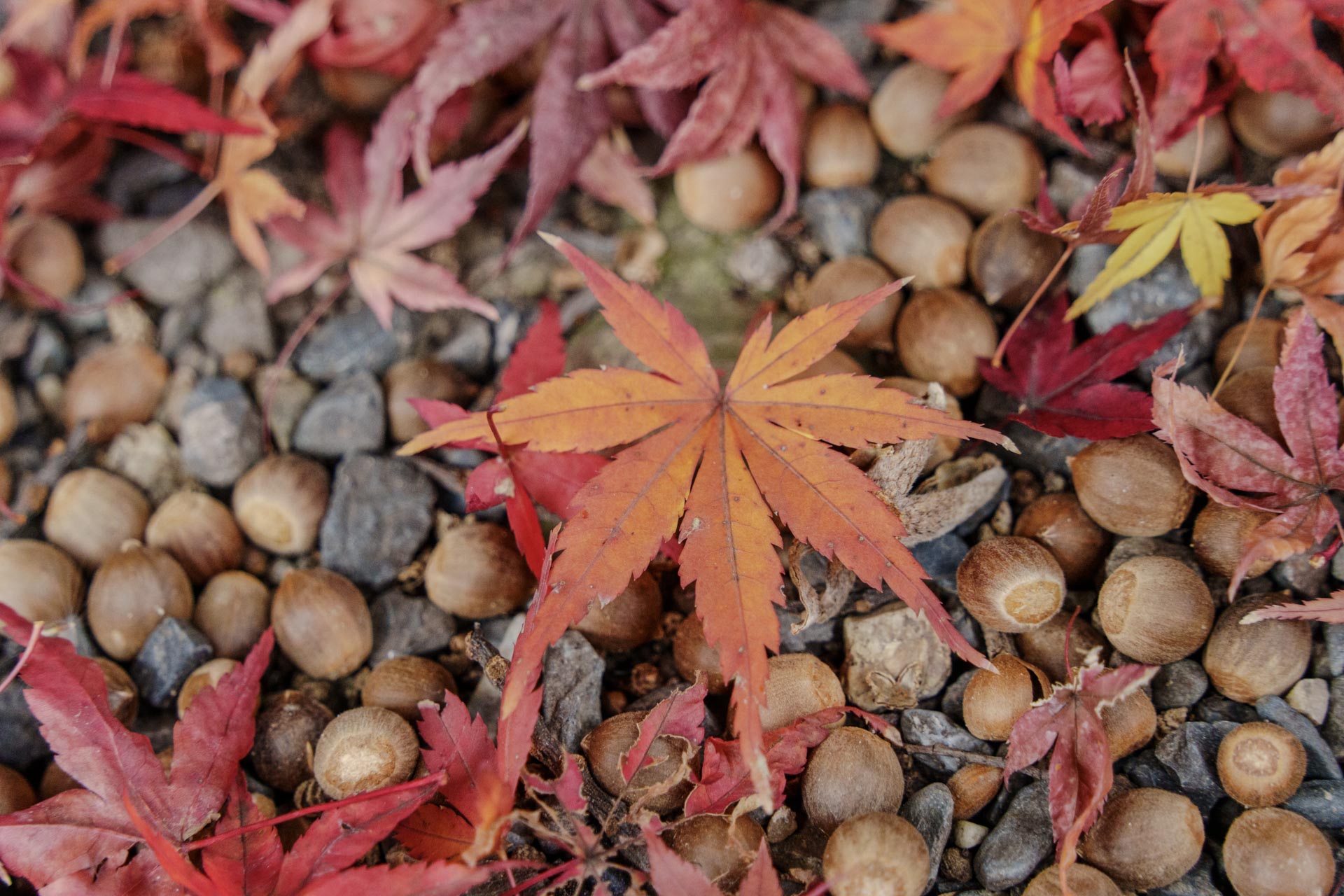
I hadn’t noticed before, but there are persimmon trees in several spots.
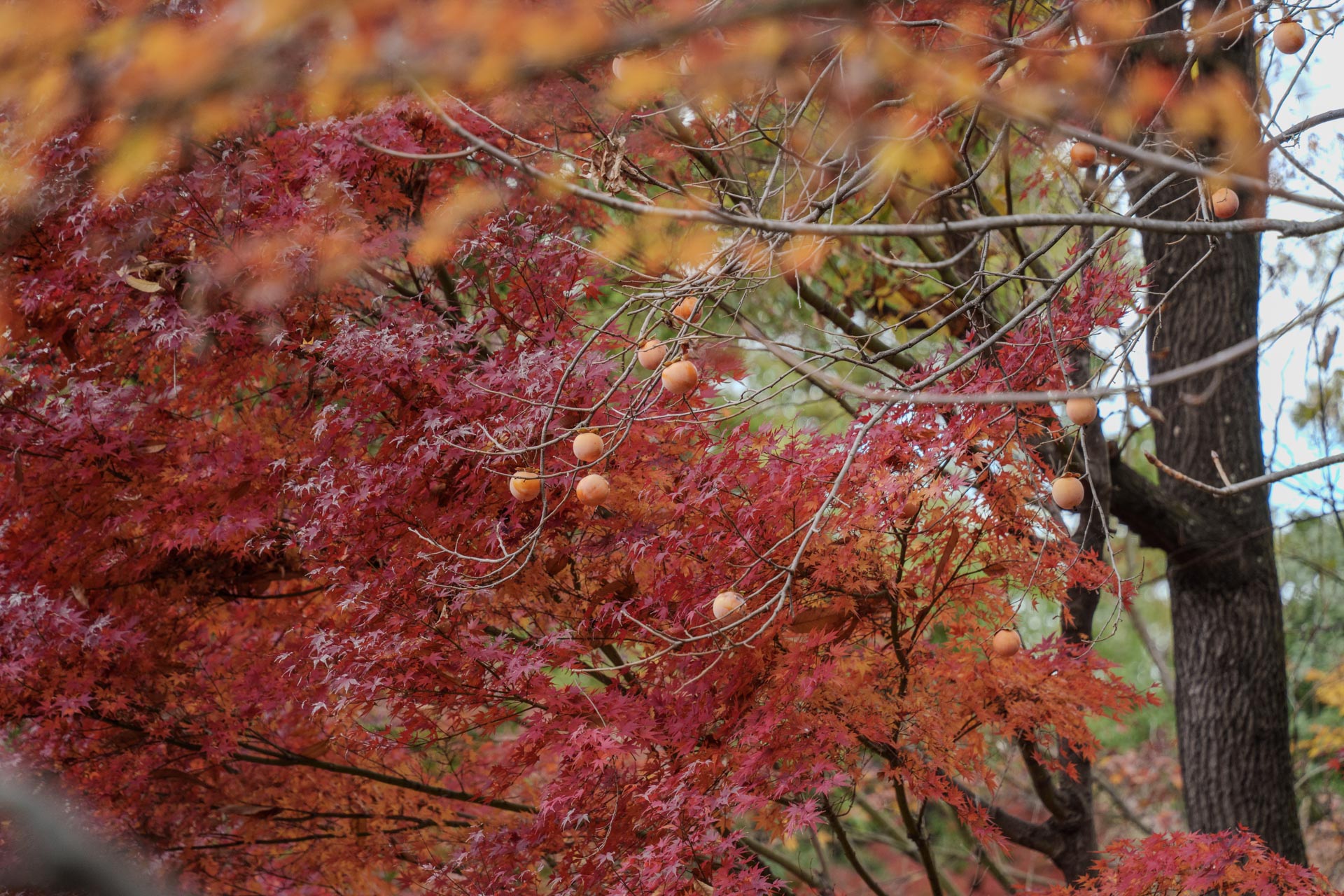
I’ve seen this type of nut back in my hometown as well.
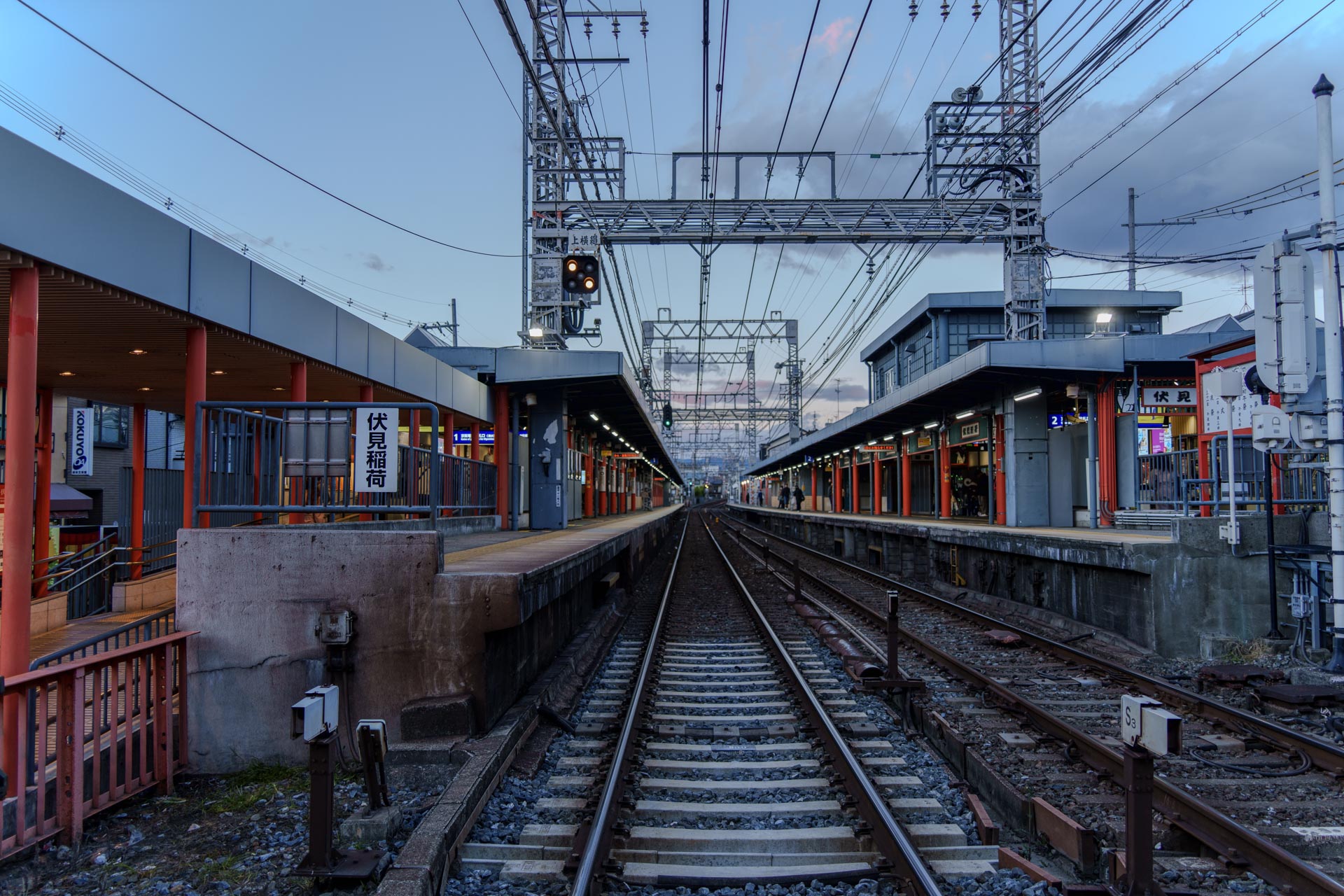
After leaving Jonan-gu, we walked and took a bus to Fushimi Inari Taisha. It looked like it might rain soon.
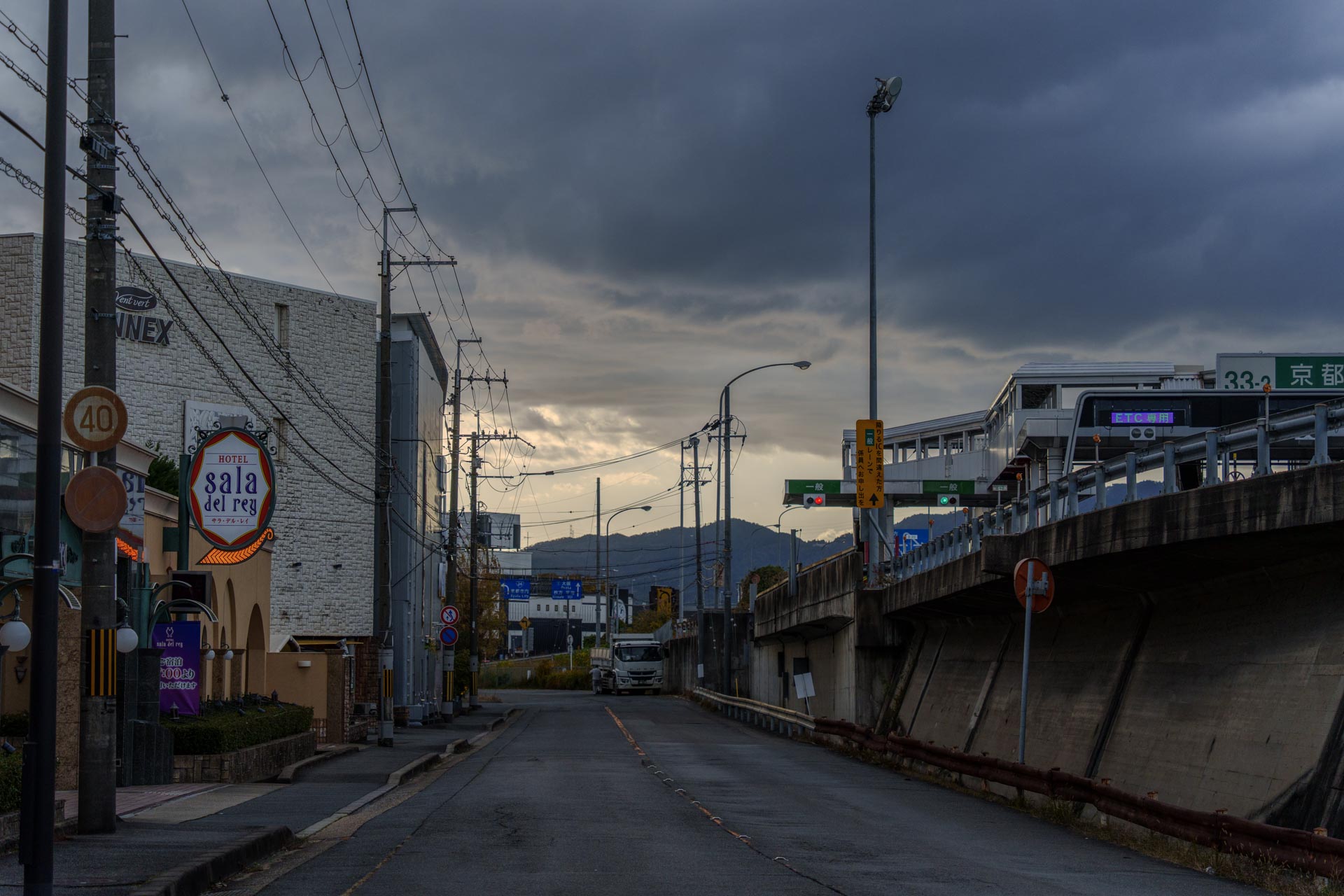
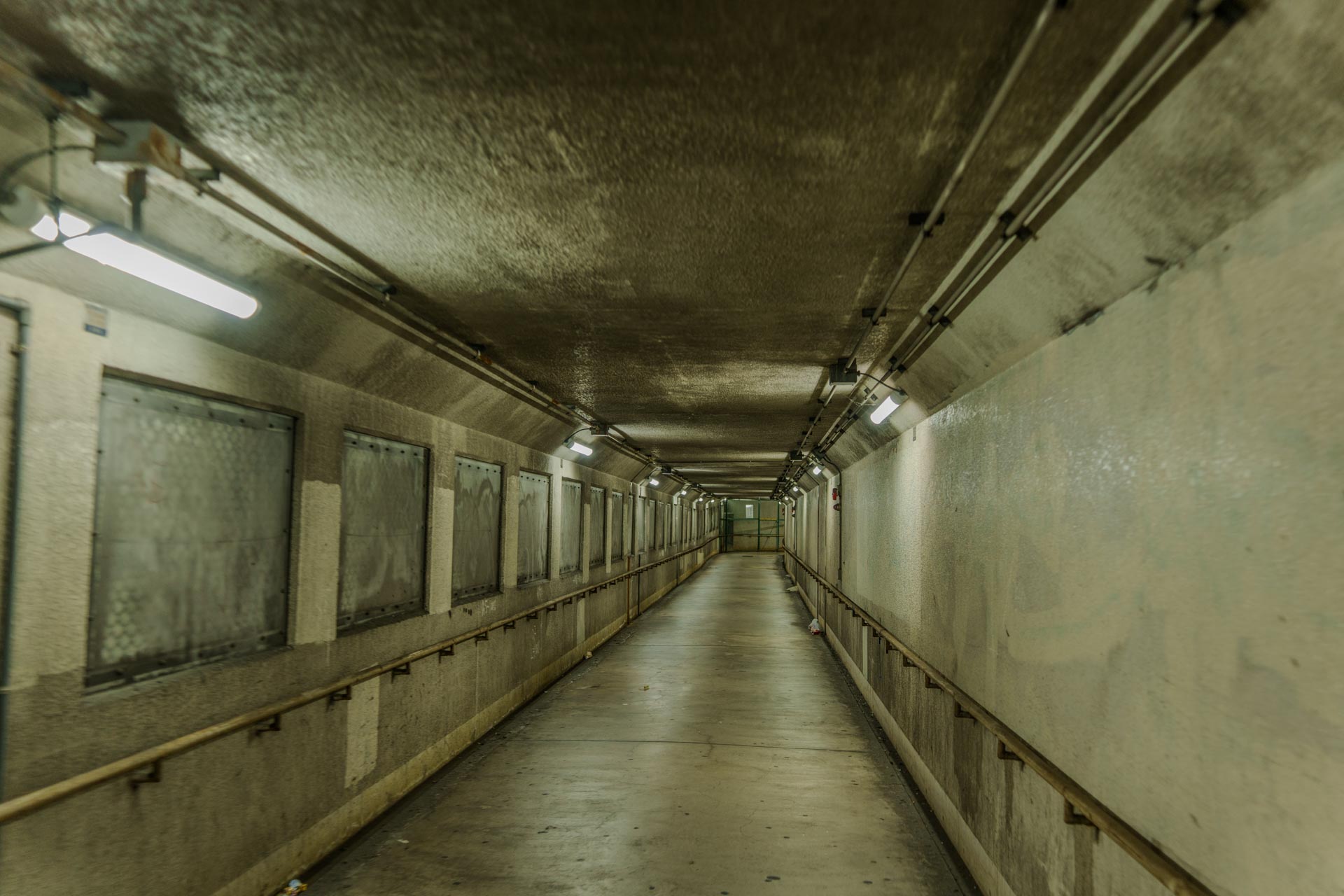
Passing through an underground passage.
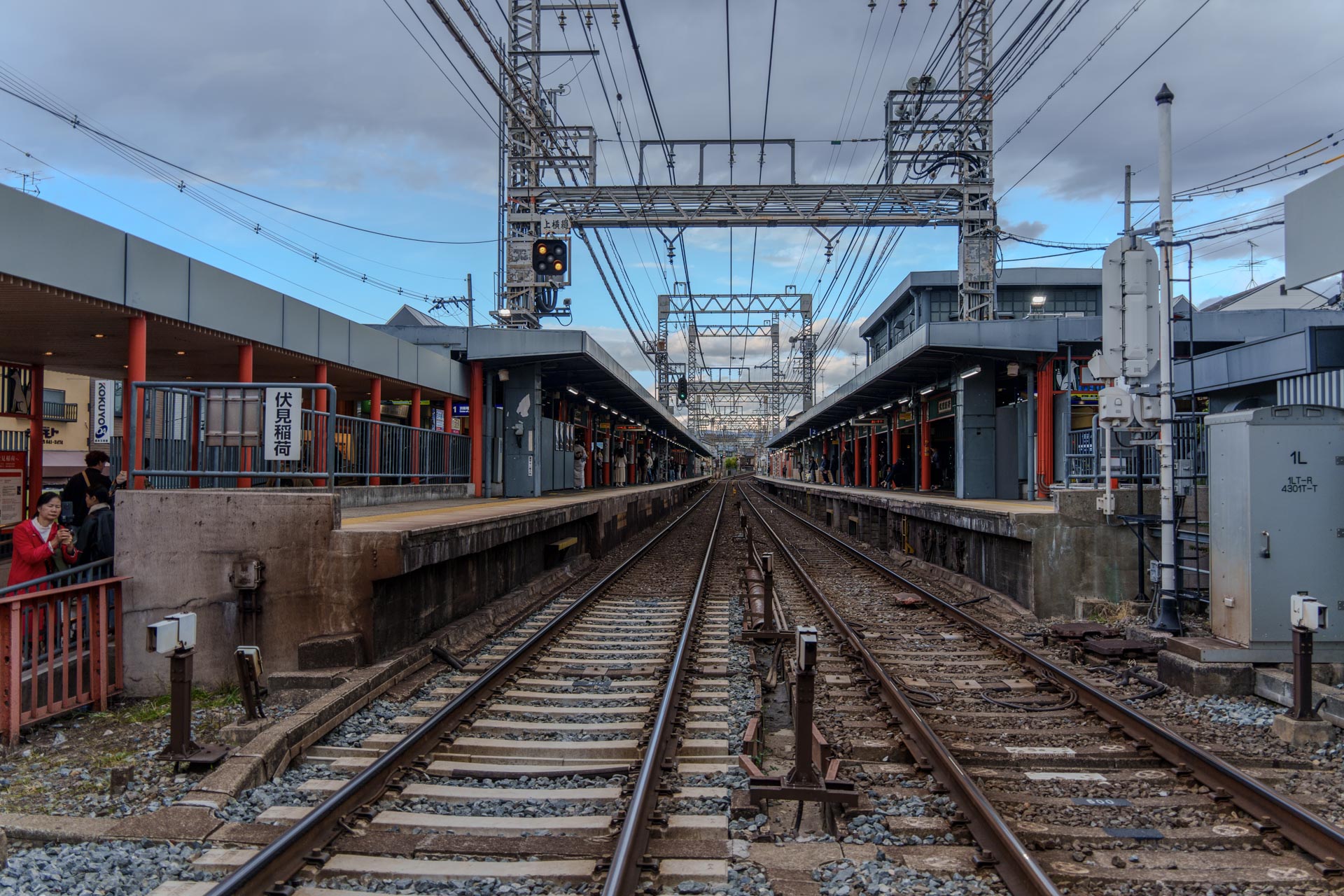
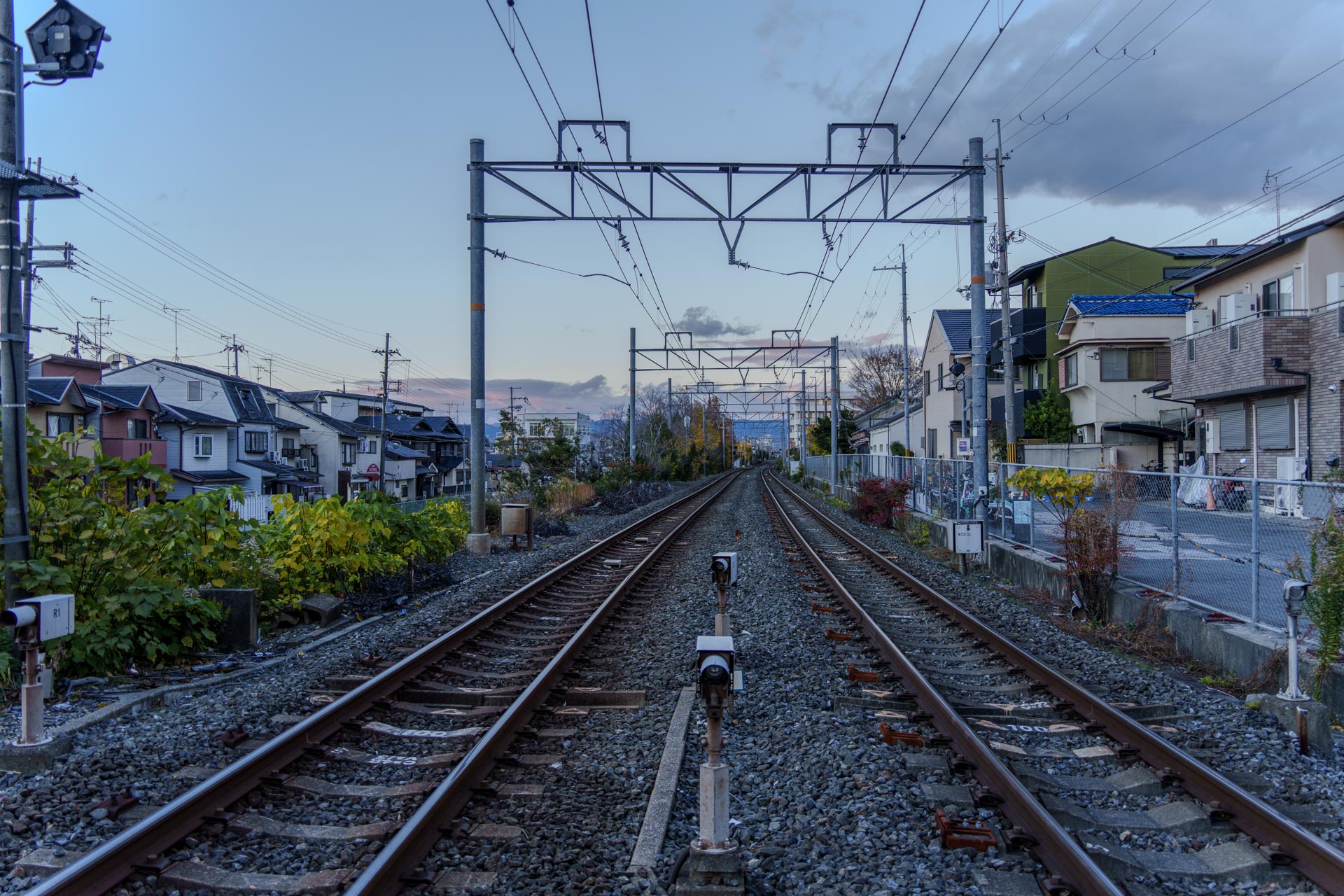
Crossing the railway tracks.
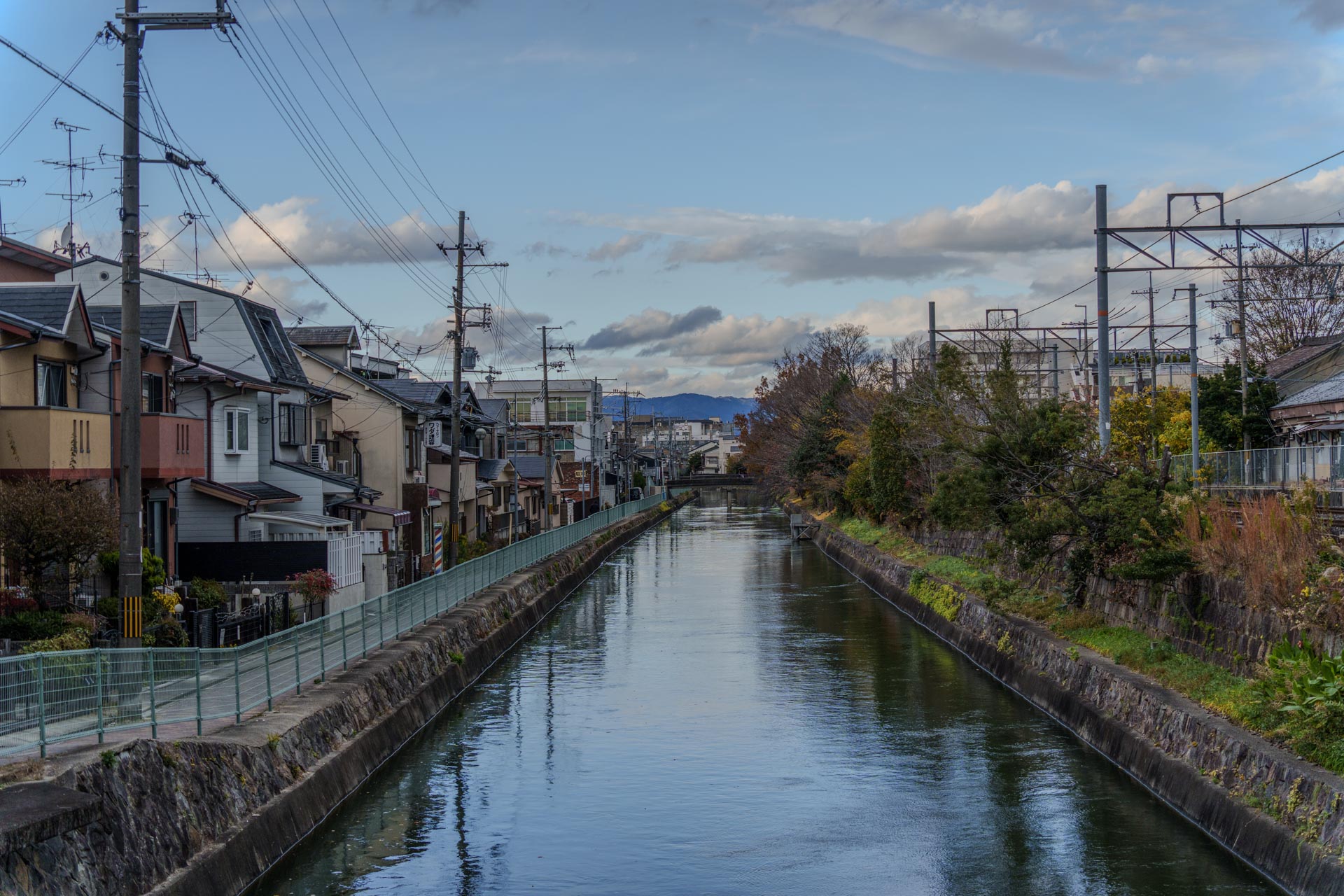
Passing by a small bridge.
Arrived!
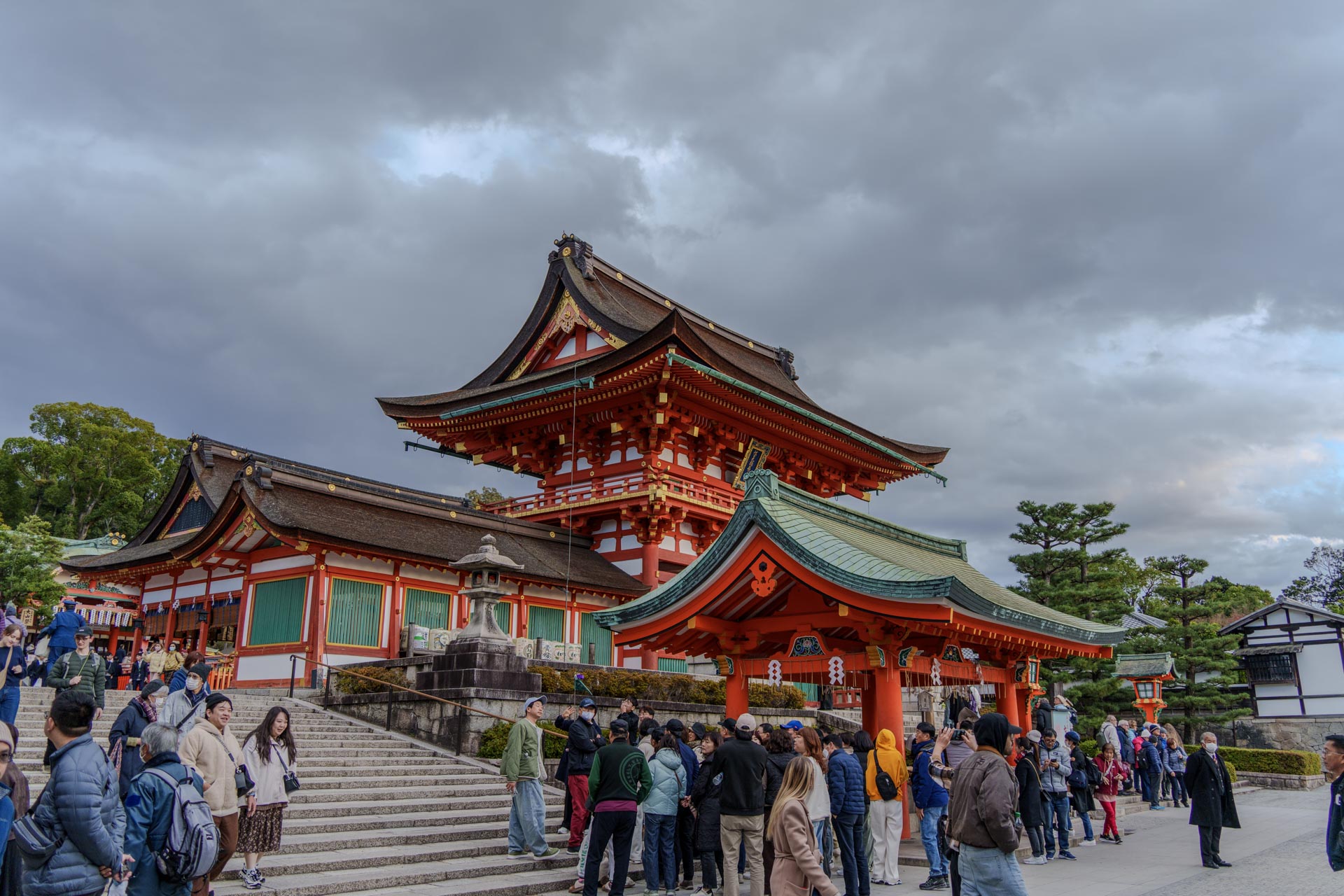
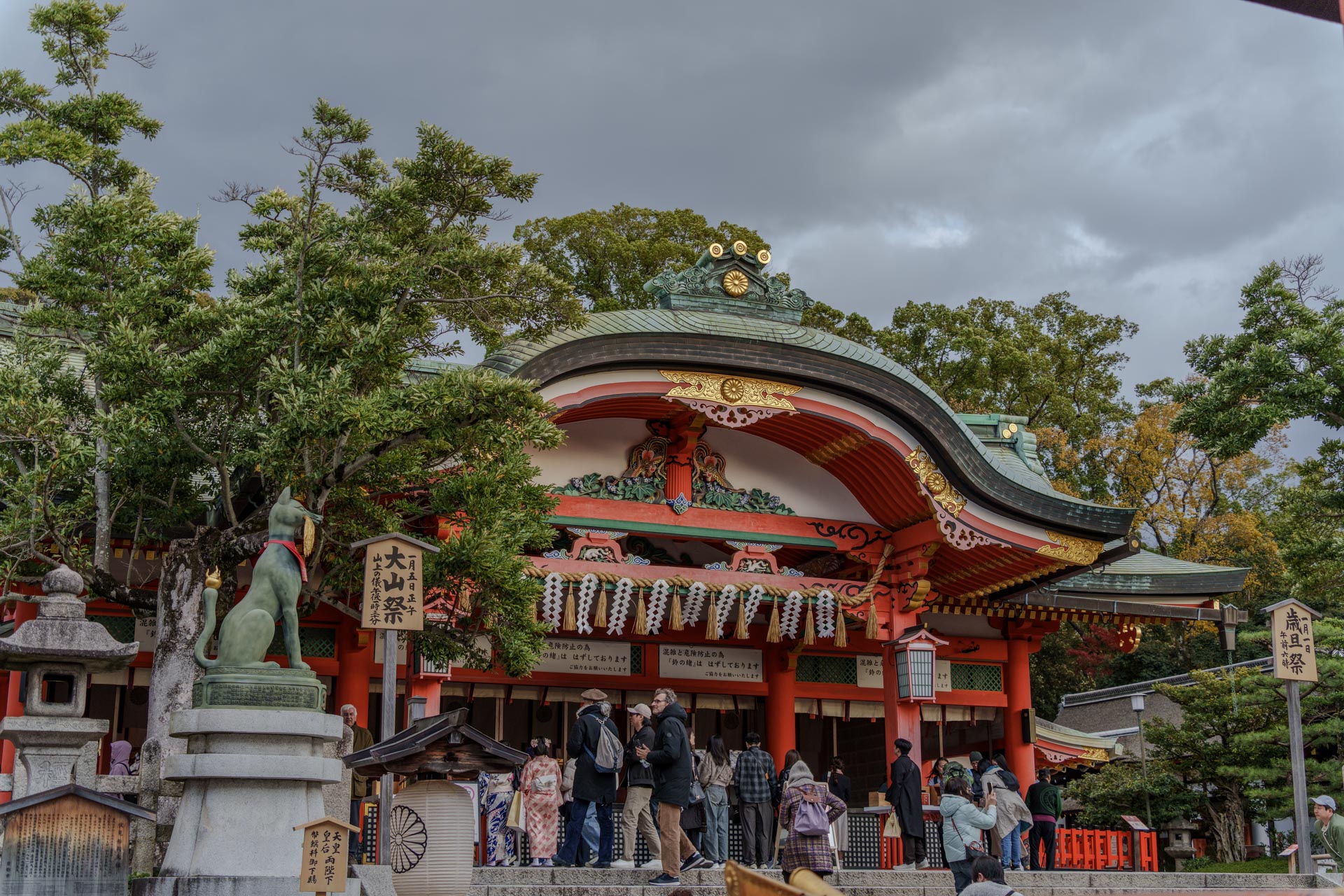
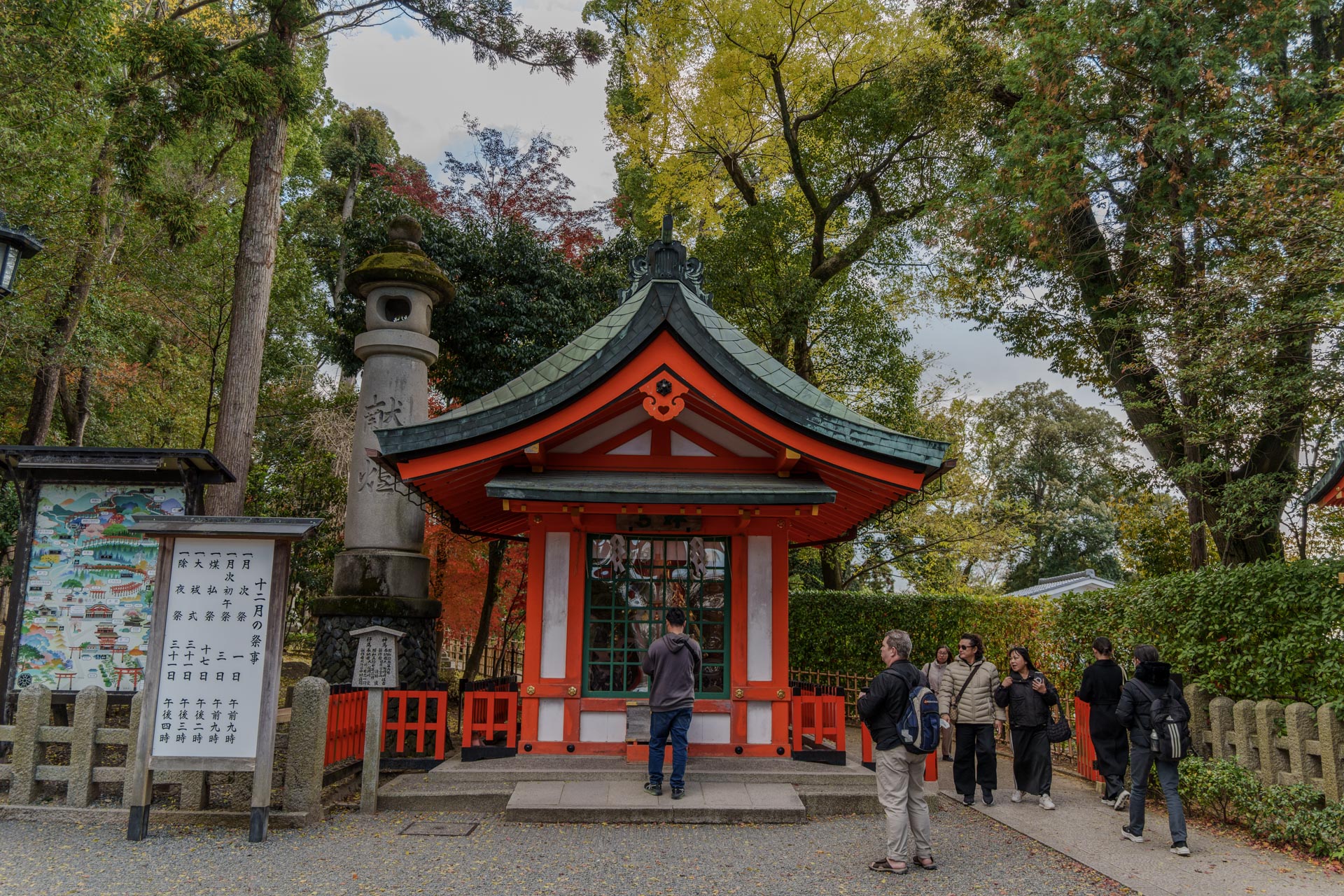
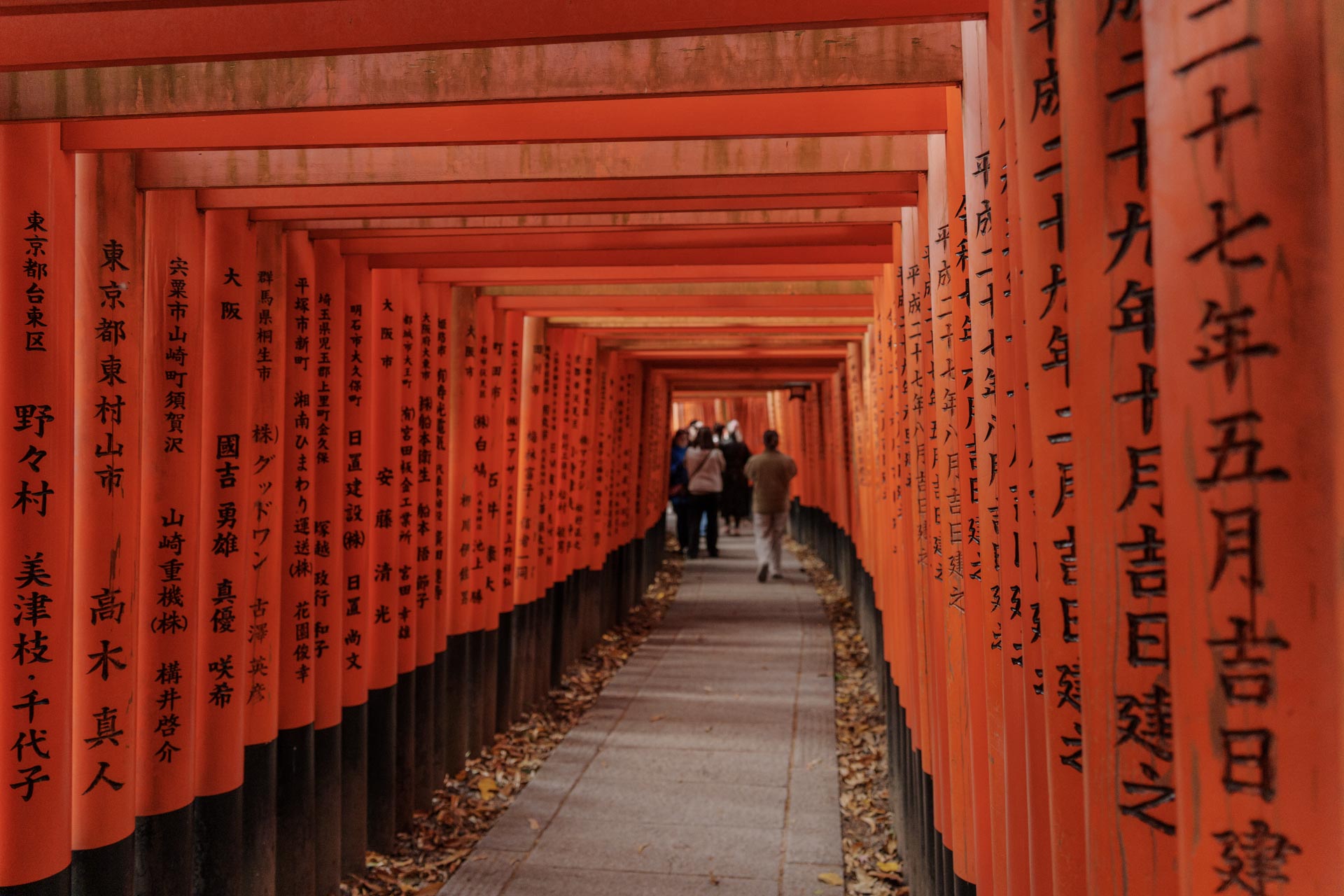
Fushimi Inari Taisha
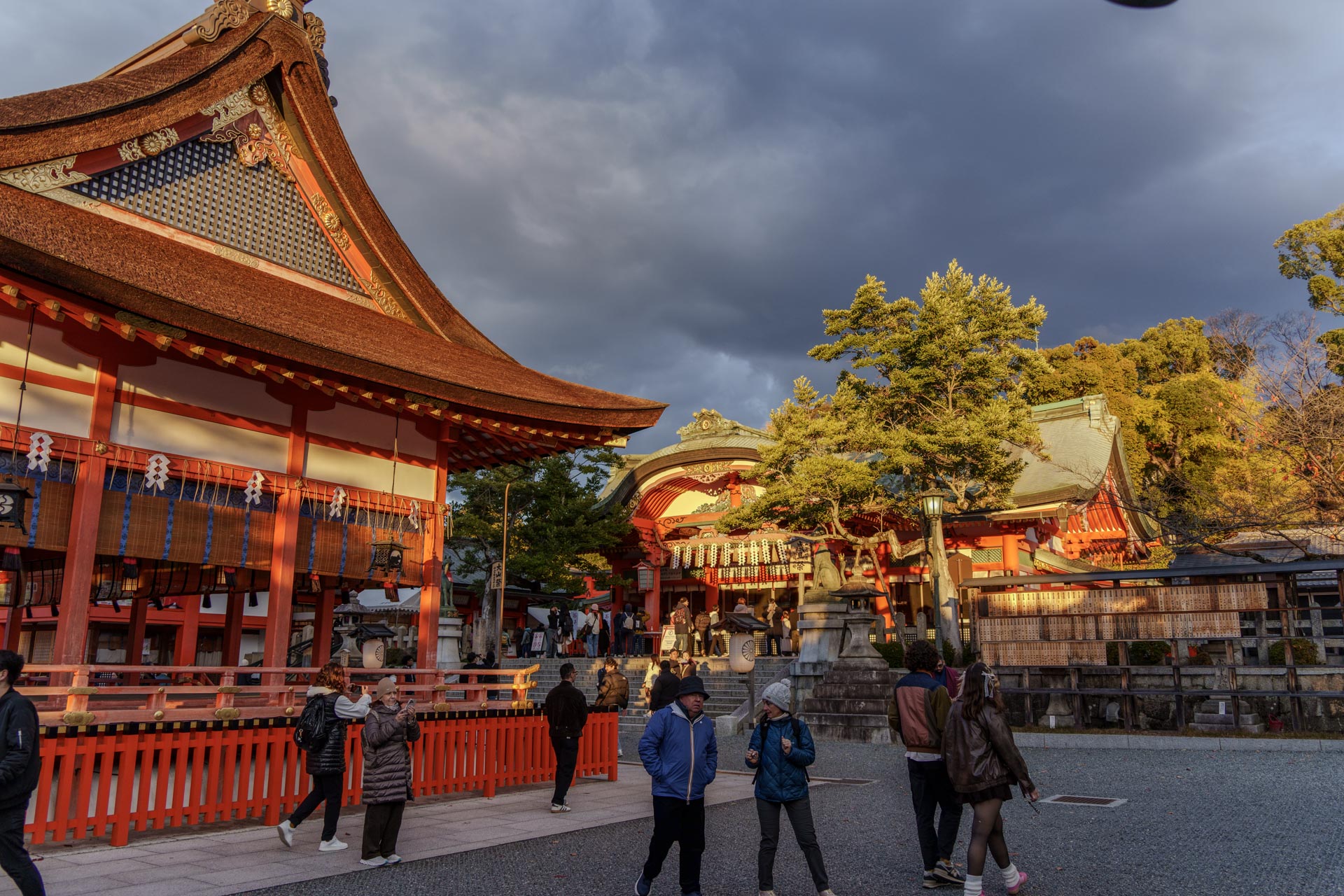
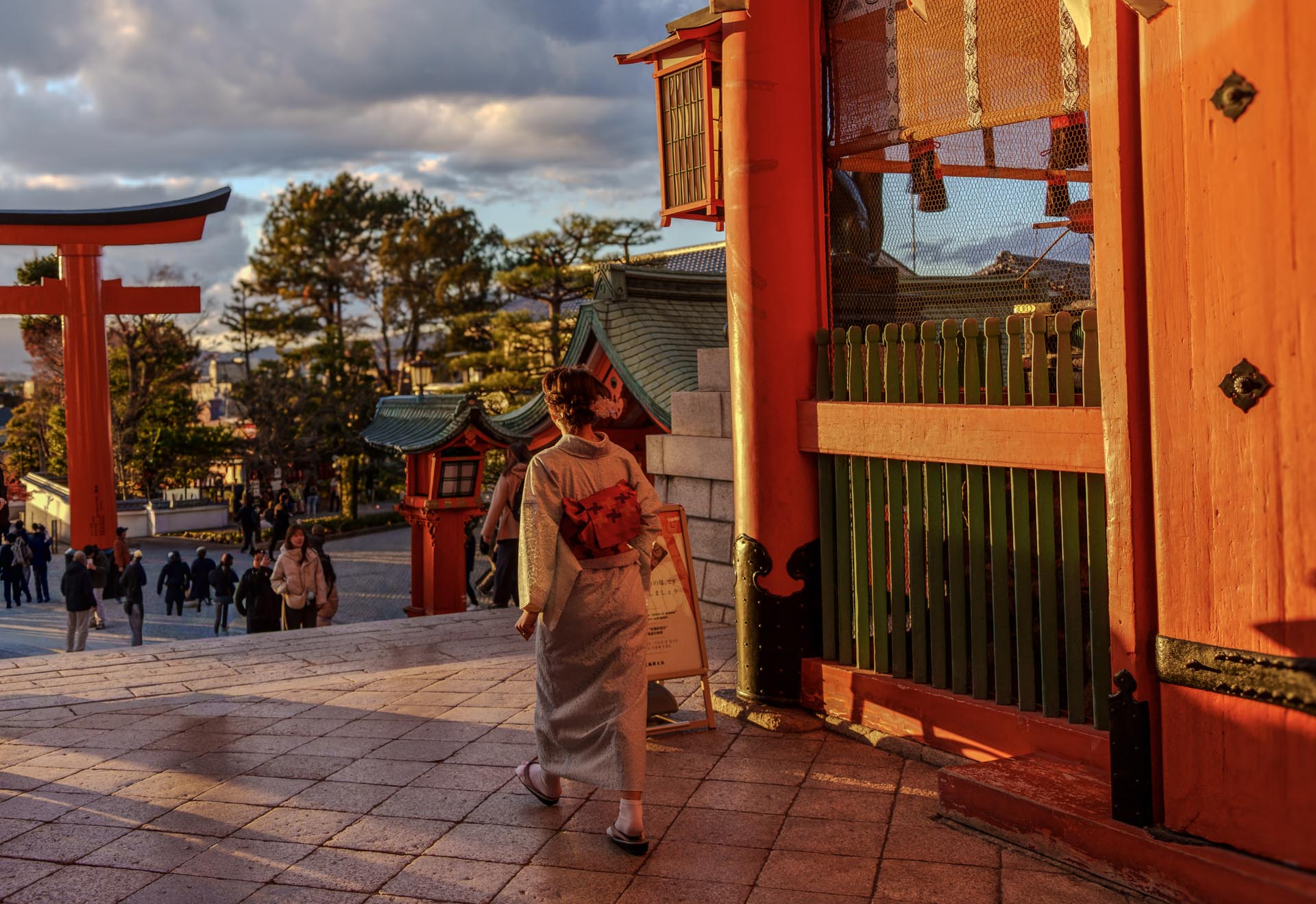
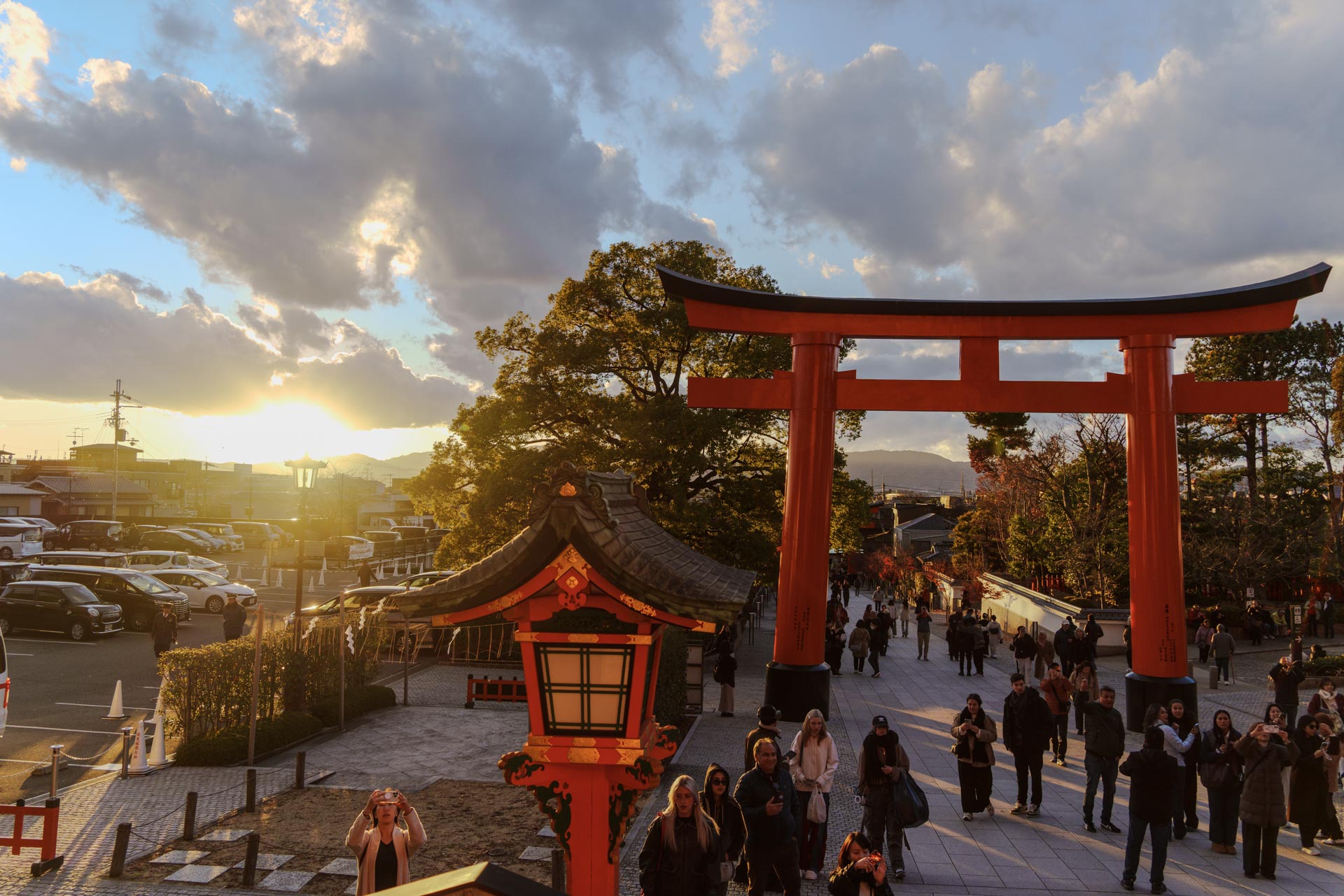
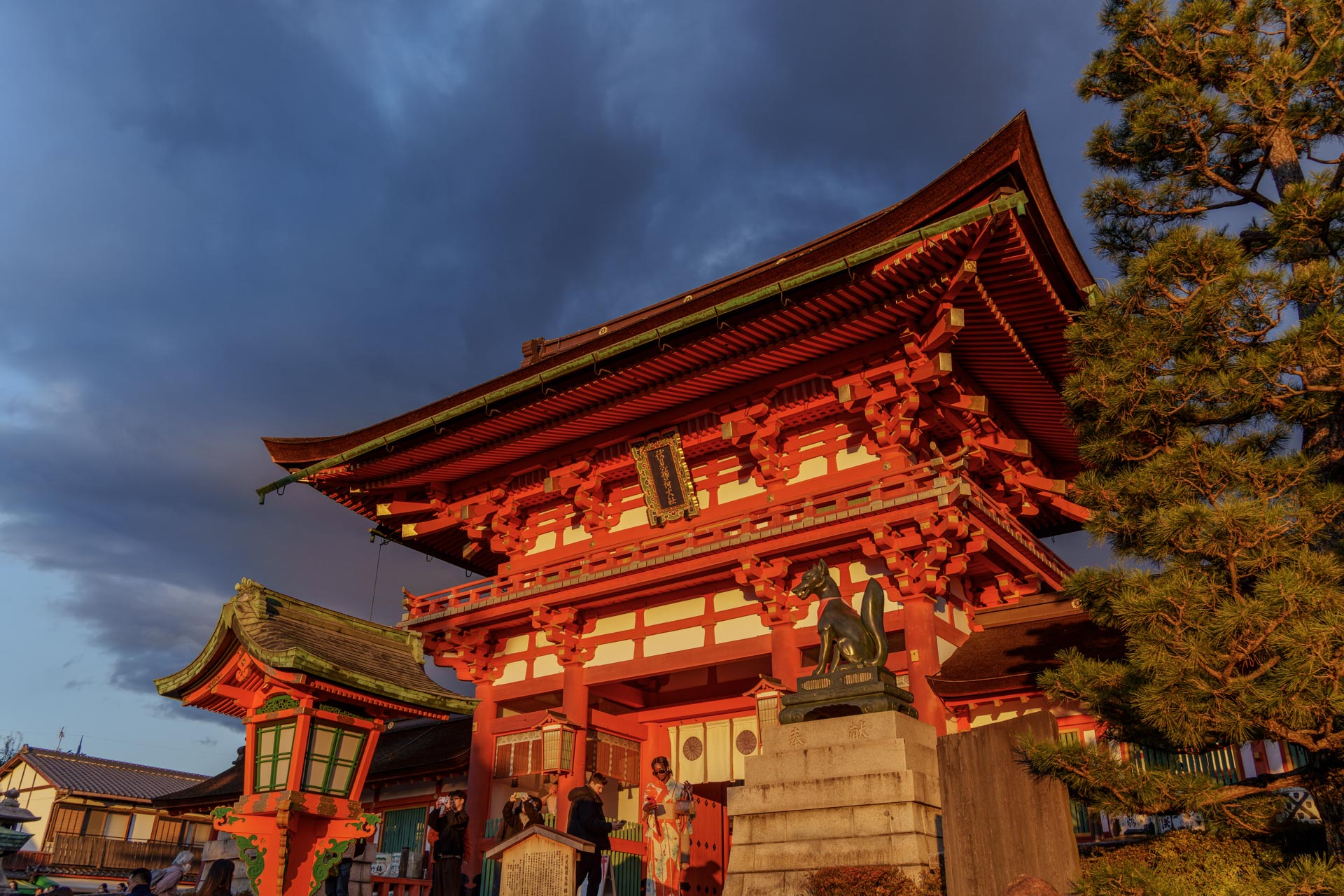
It was my friend’s first time in Japan, and I thought that for anyone visiting Kansai for the first time, Fushimi Inari Taisha is almost a must.
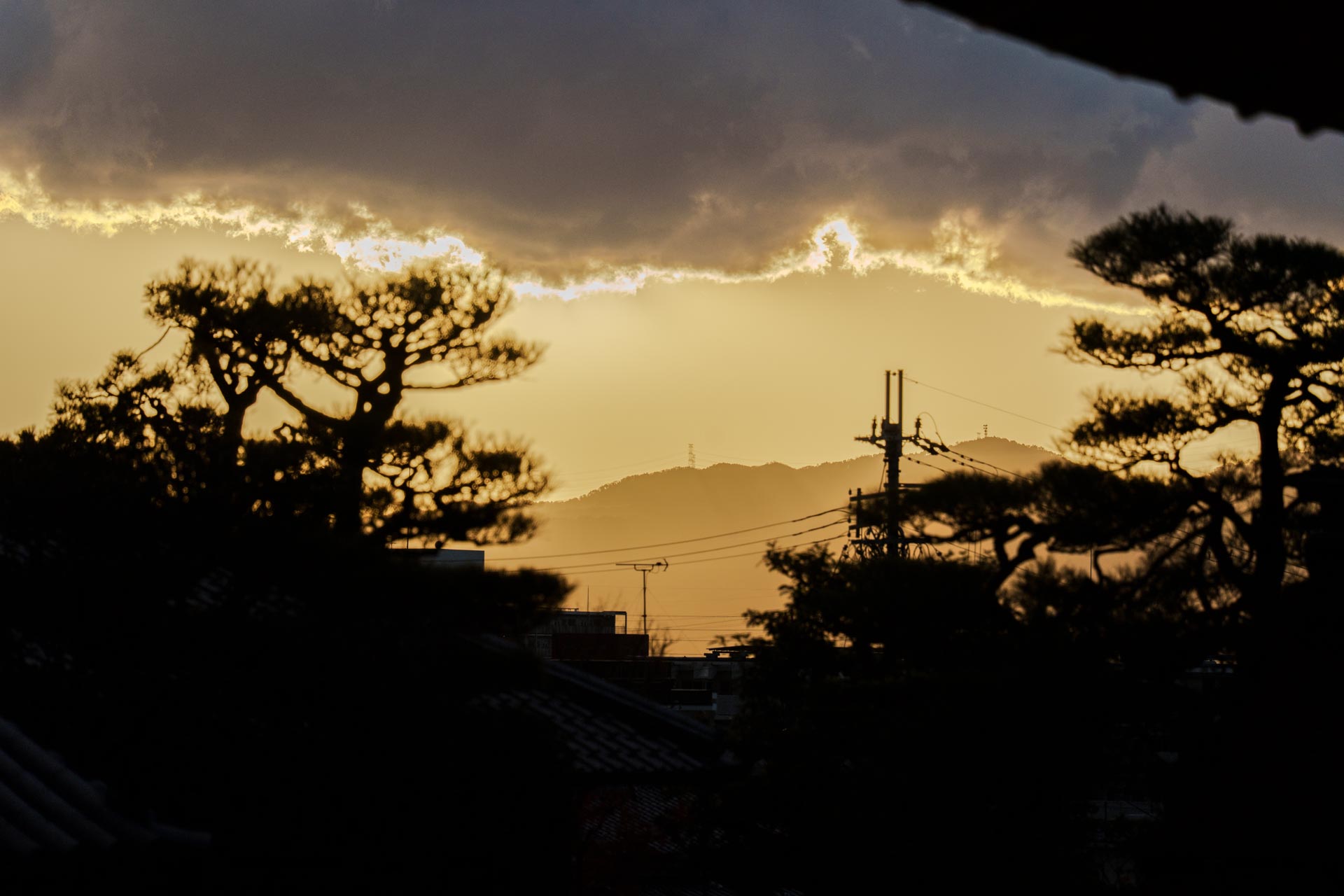
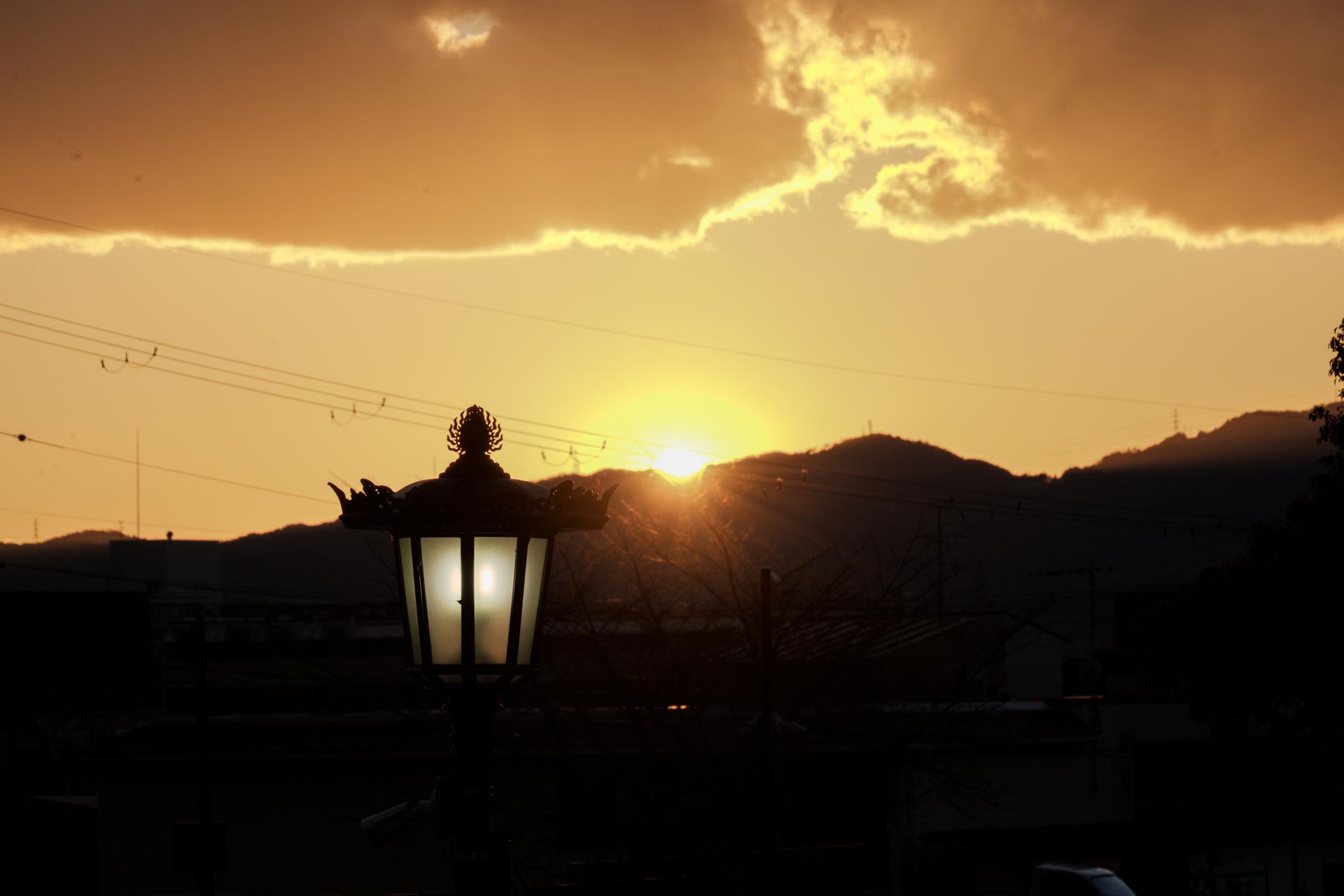
We walked part of the Senbon Torii and then headed back down. Once it gets dark, the mountain feels a bit scary, especially with crows cawing all around. The sun was just about to set, so we stopped for a while to take it all in.
That evening, he found a small family-run restaurant owned by people from Sichuan. The food was really good, and I could tell his mood lifted quite a bit after the meal.
After dinner, we took a bus back to Kyoto Station, and then transferred to another bus to return to the hotel.
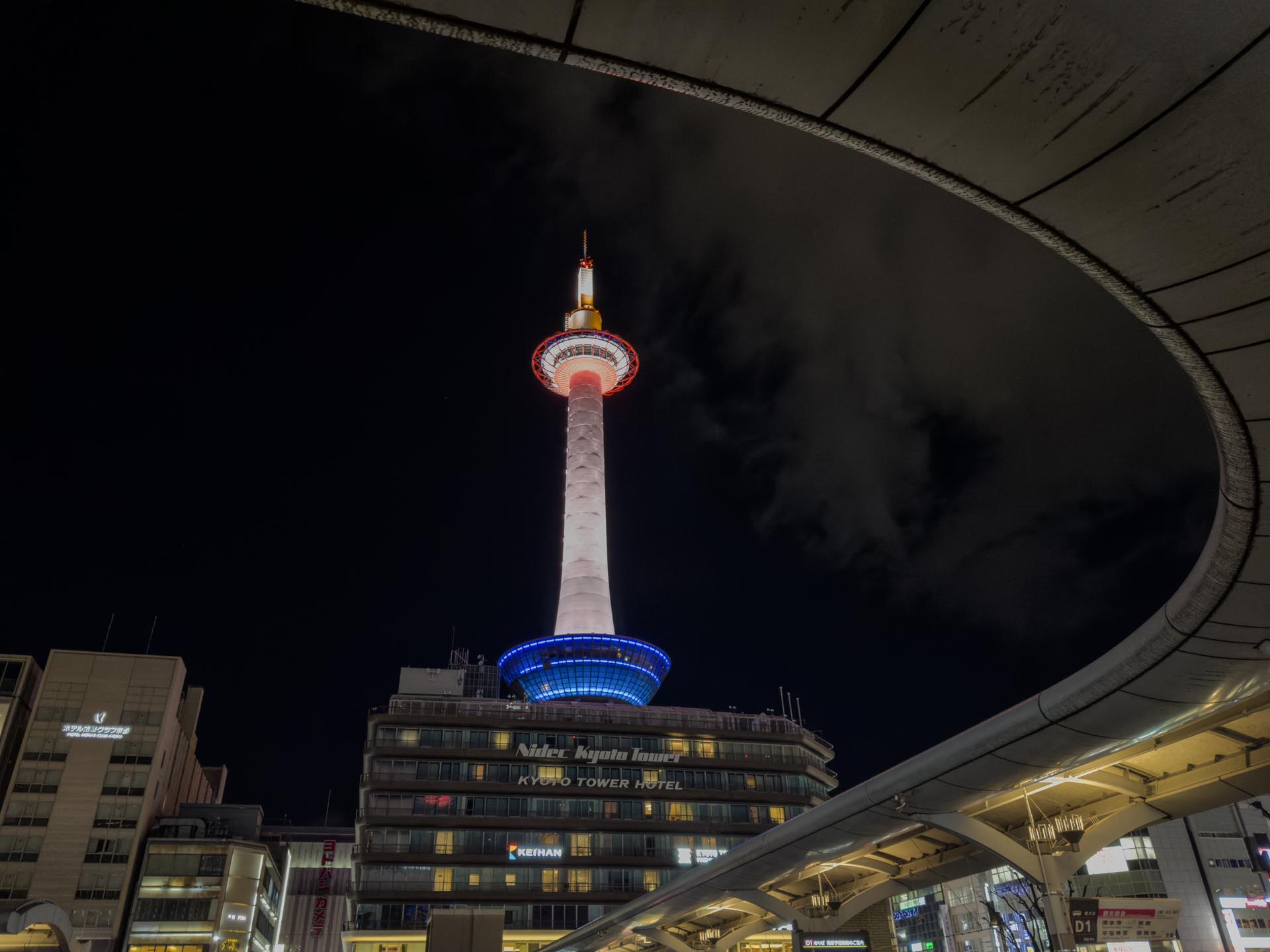
Day 6 · Kyoto
We didn’t really know where to go today. Most of the autumn leaves had already fallen, and my friend was starting to feel a bit of temple fatigue. I suggested we just wander around casually. Neither of us is into anime culture, and aside from temples, we honestly didn’t know what else to see within Kyoto city.
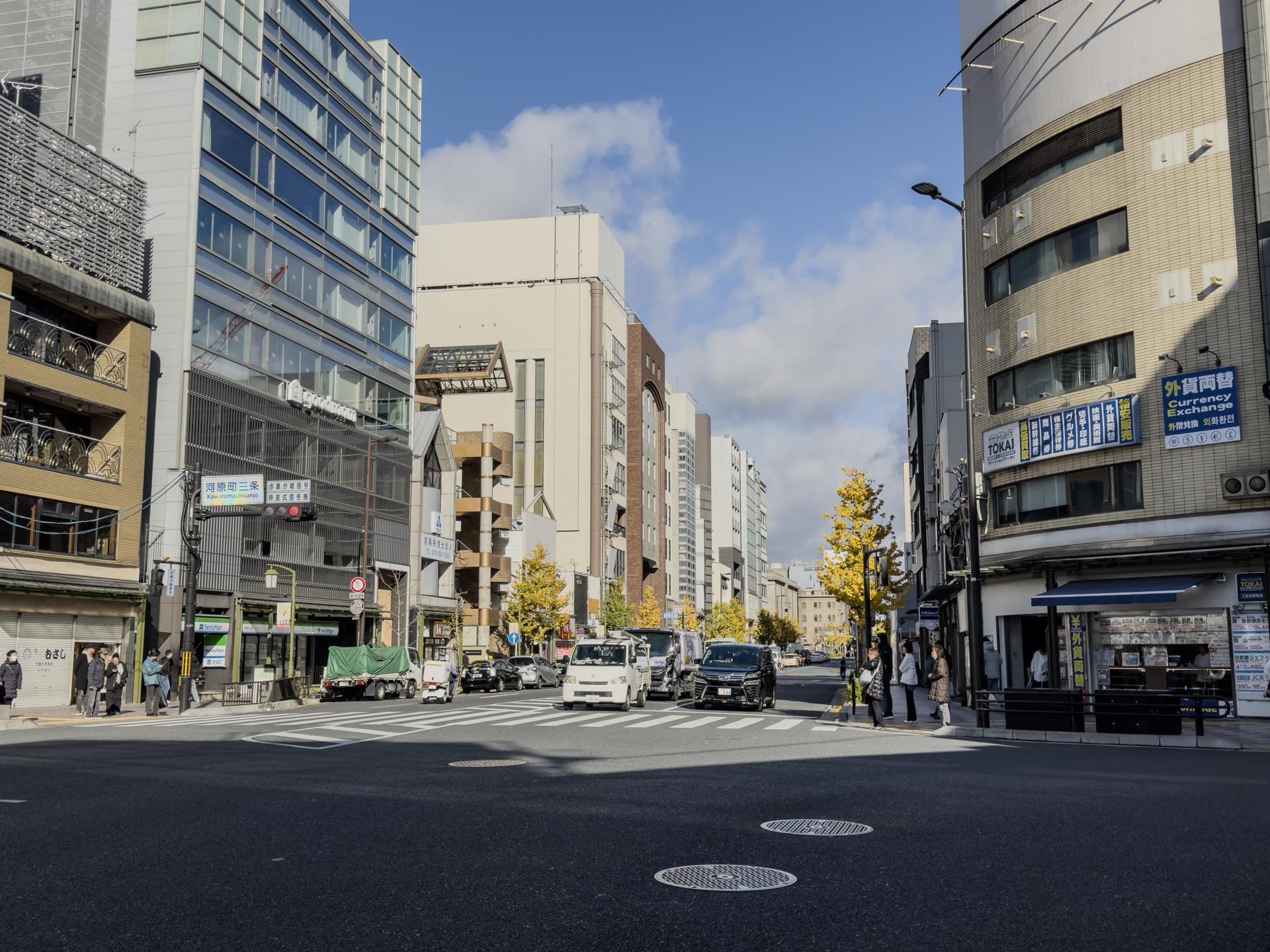
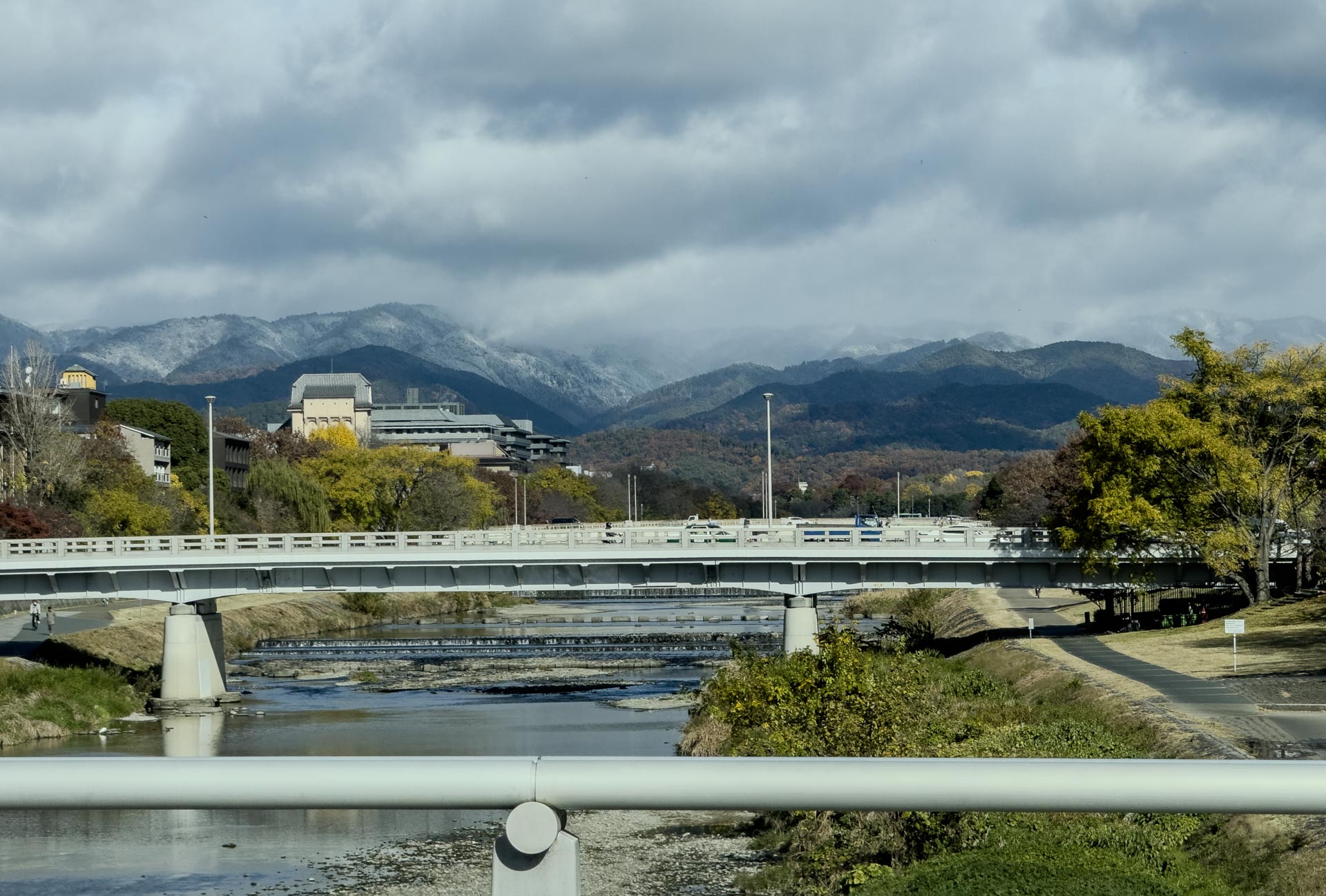
It was still snowing up in the mountains.
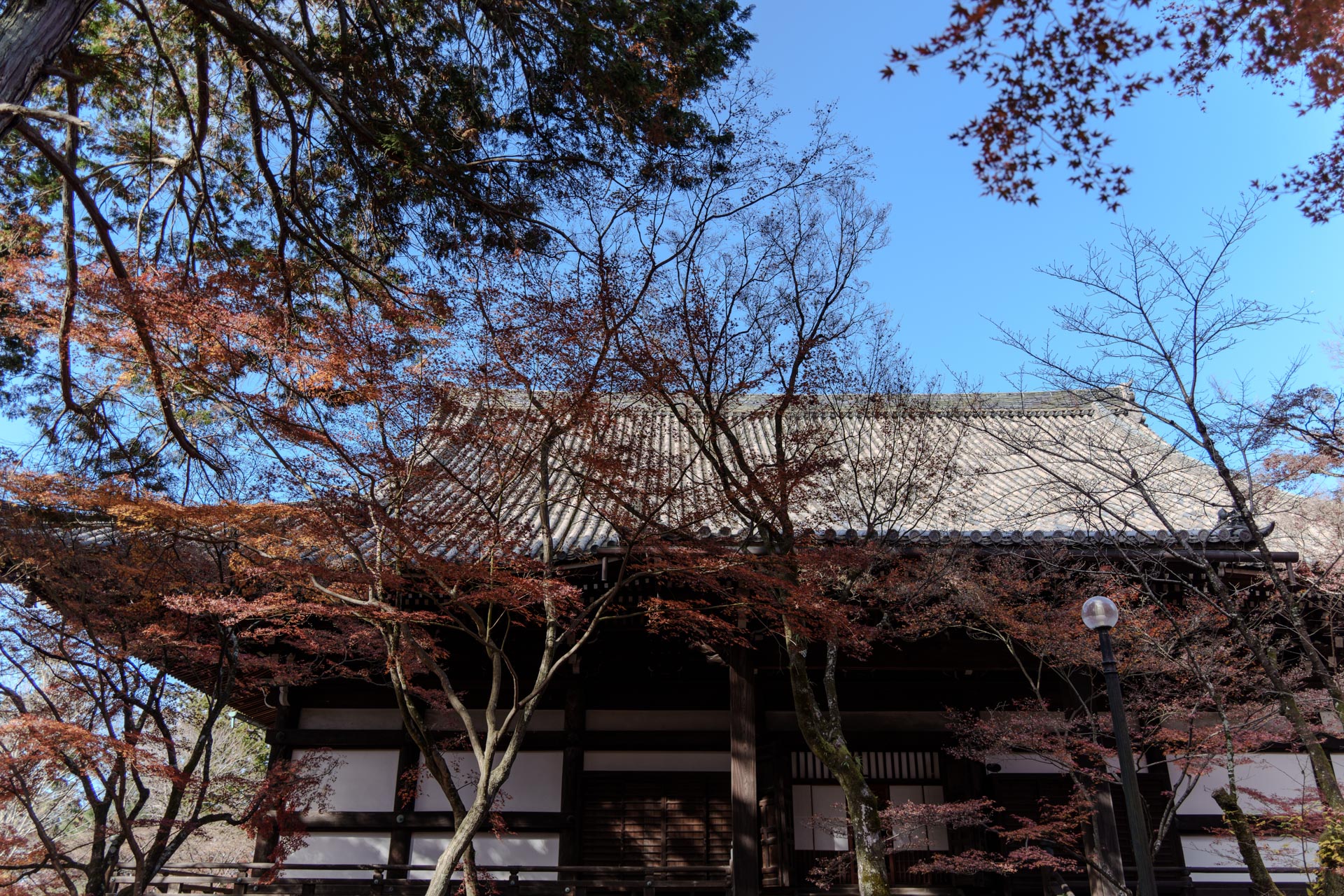
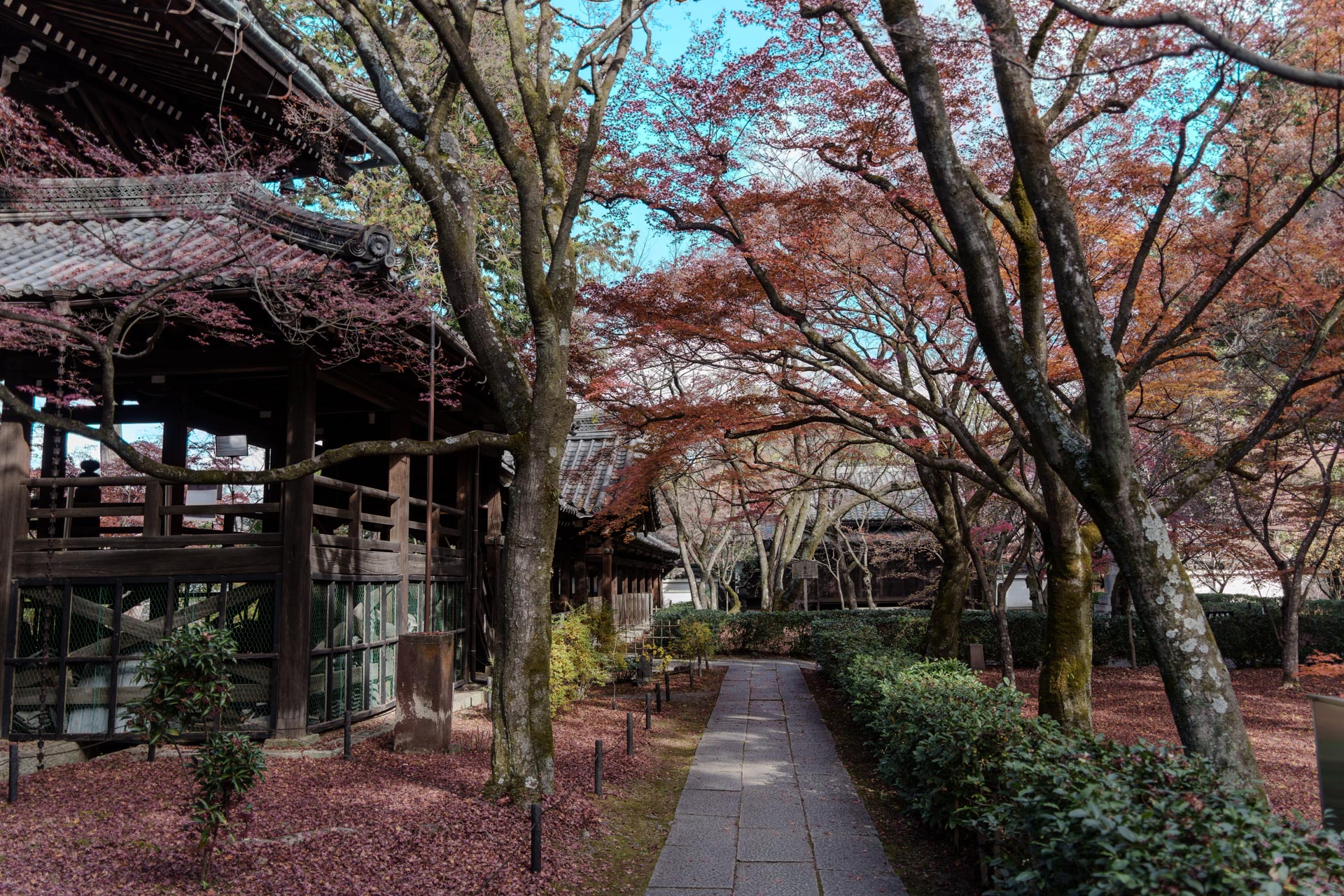
In the morning, we headed to Shinnyodo. Admission to Shinnyodo is free. Many people include Shinnyodo as part of the route between Ginkaku-ji and Eikando, but when we arrived in the area a few days ago, it was already afternoon and we didn’t have enough time.
There weren’t many visitors at Shinnyodo, and the grounds aren’t very large.
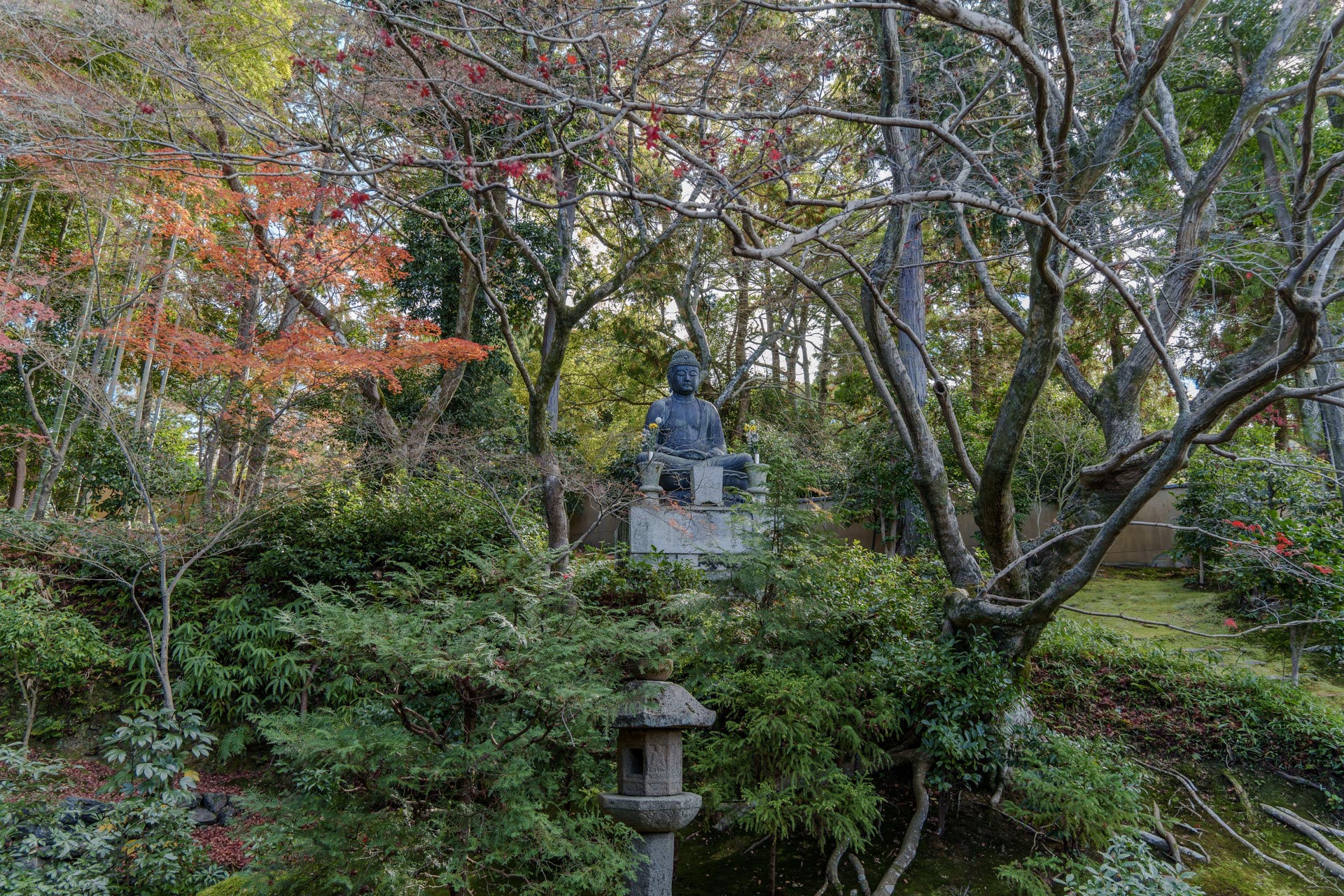
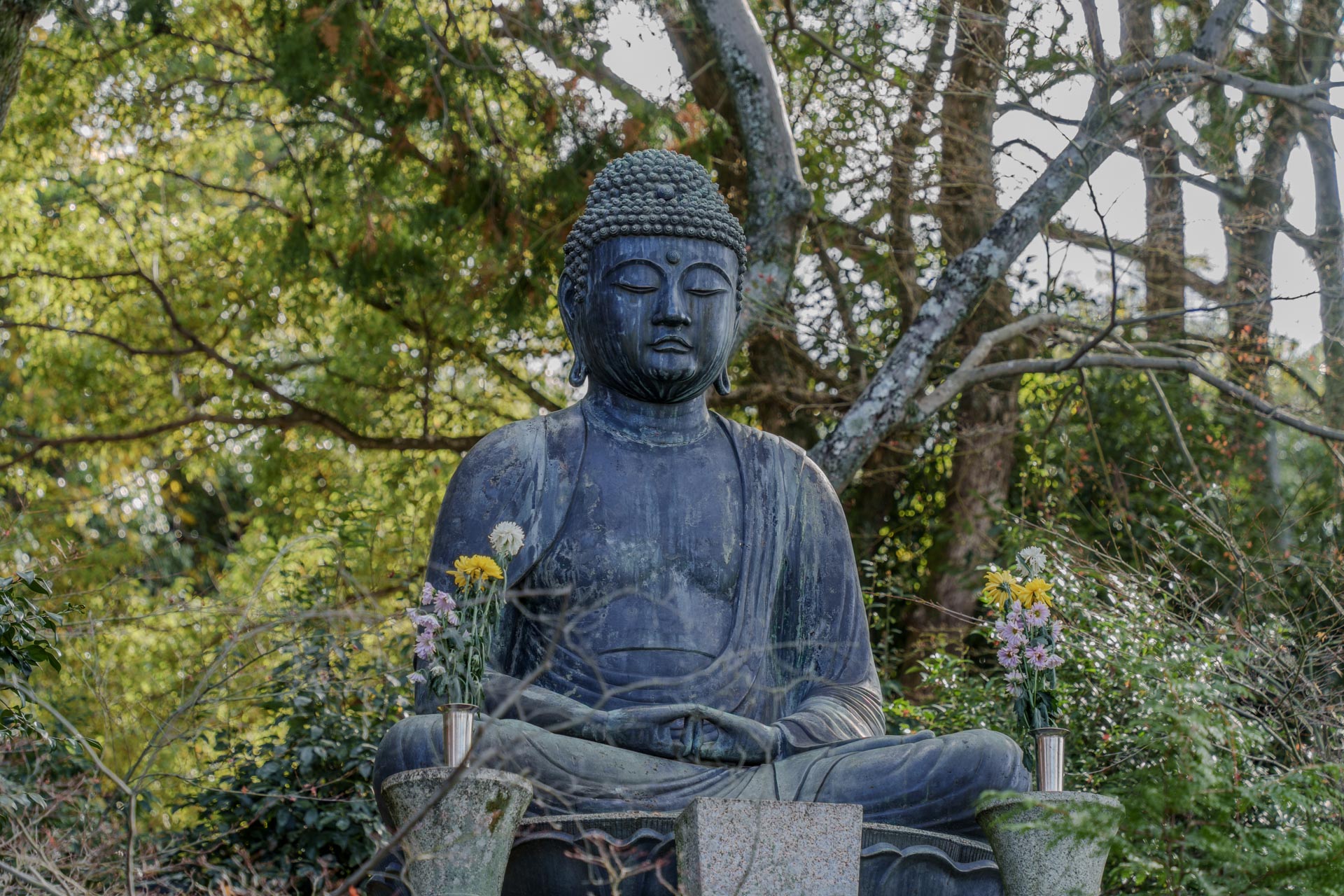
Shoren-in Monzeki (Shinnyodo)
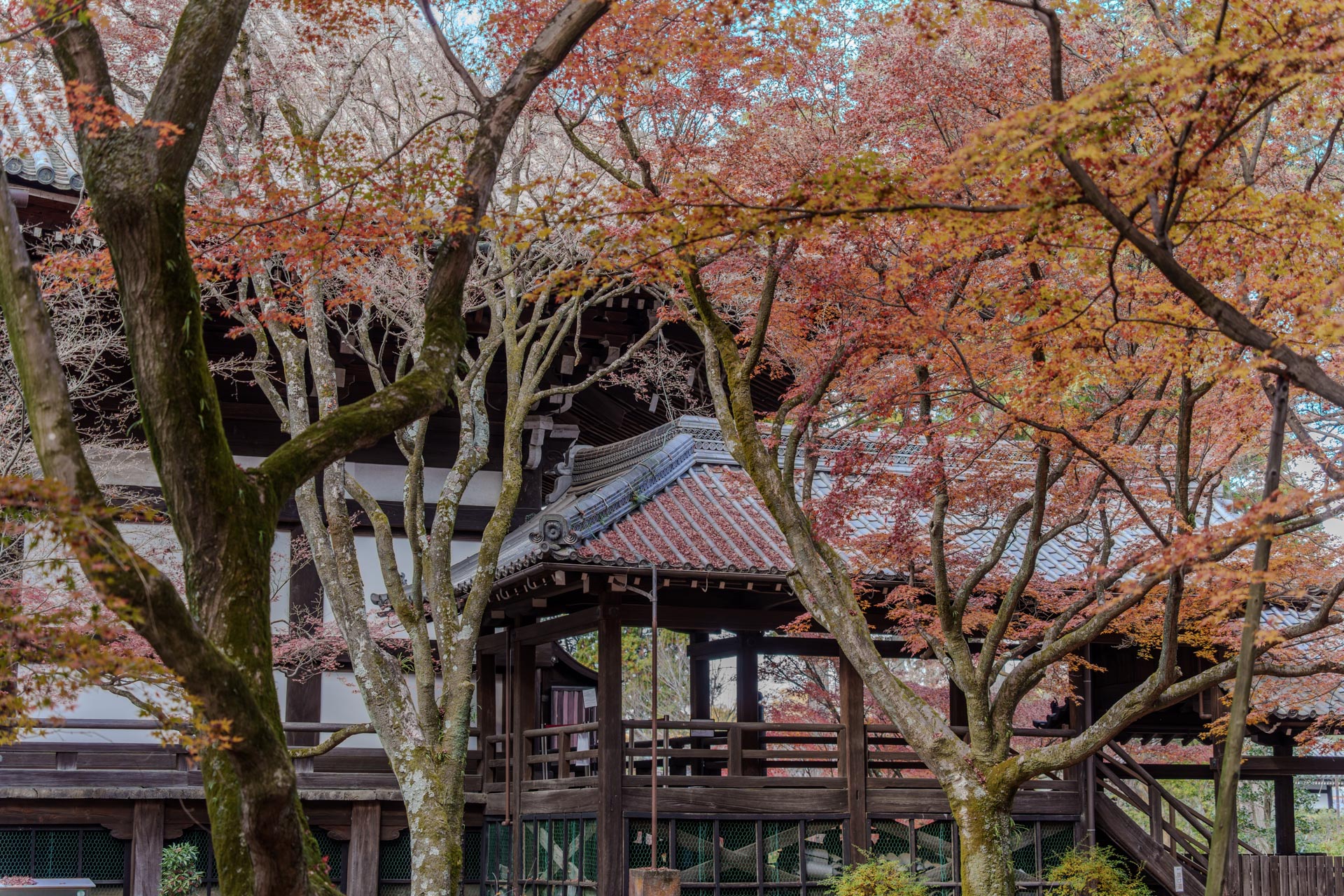
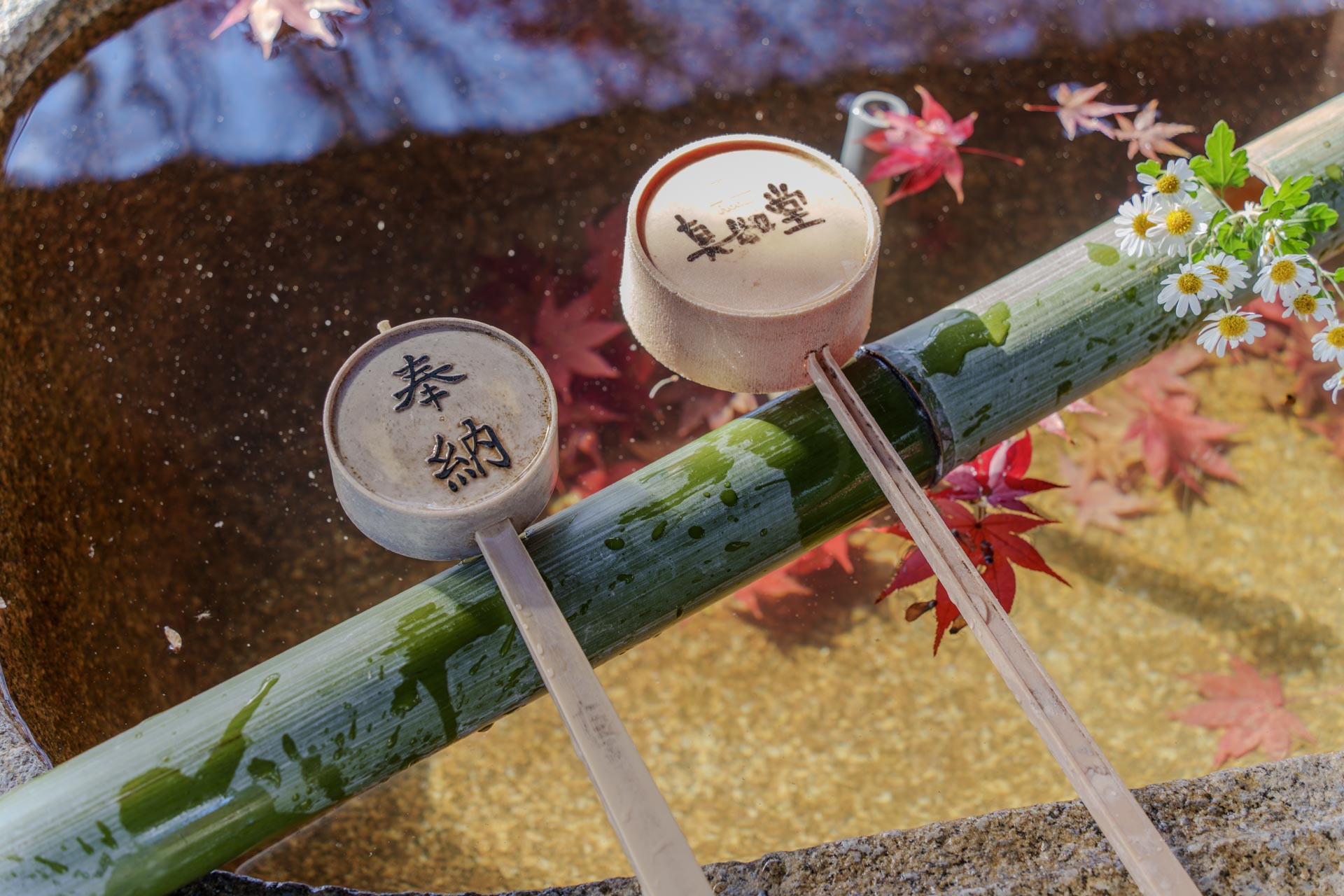
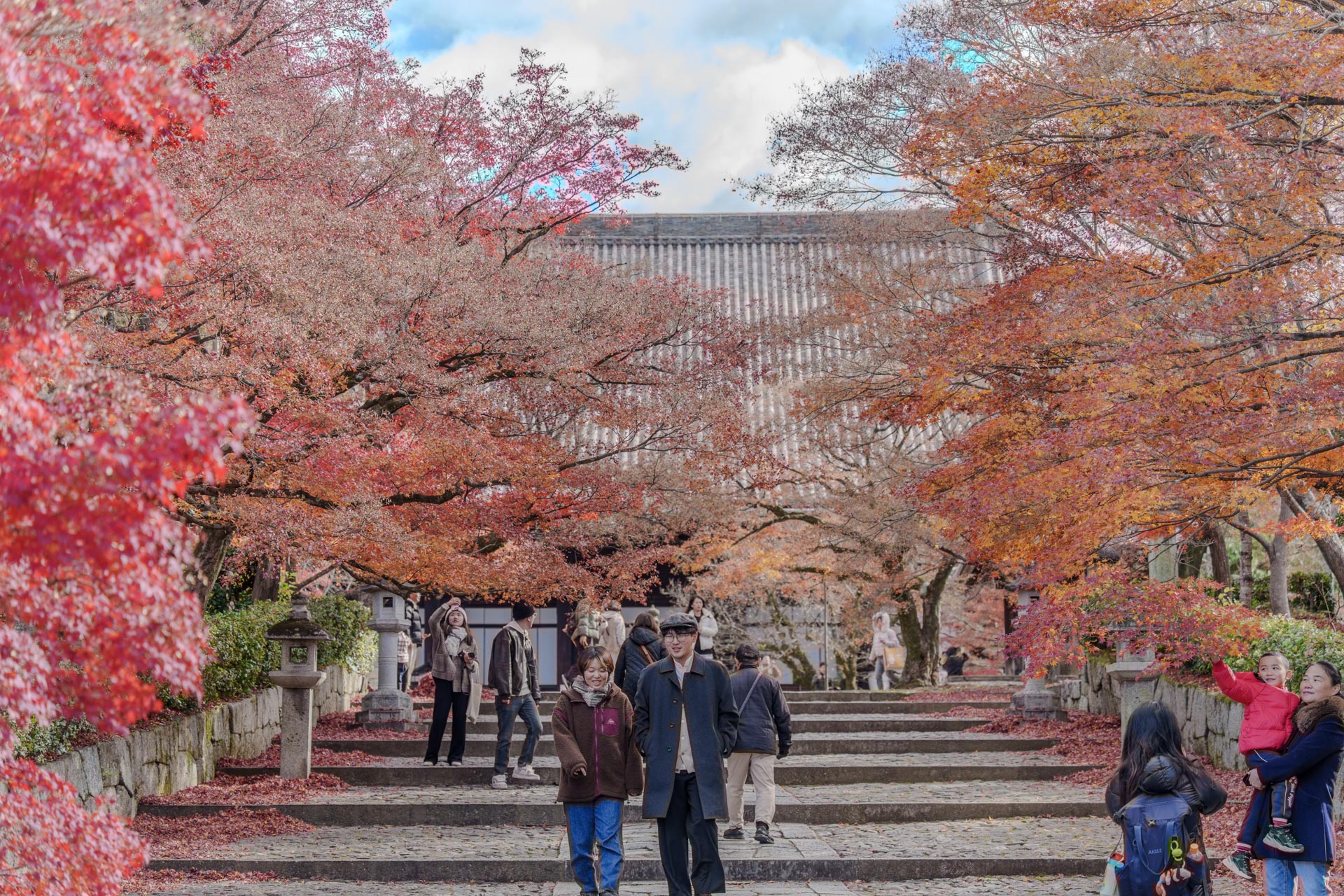
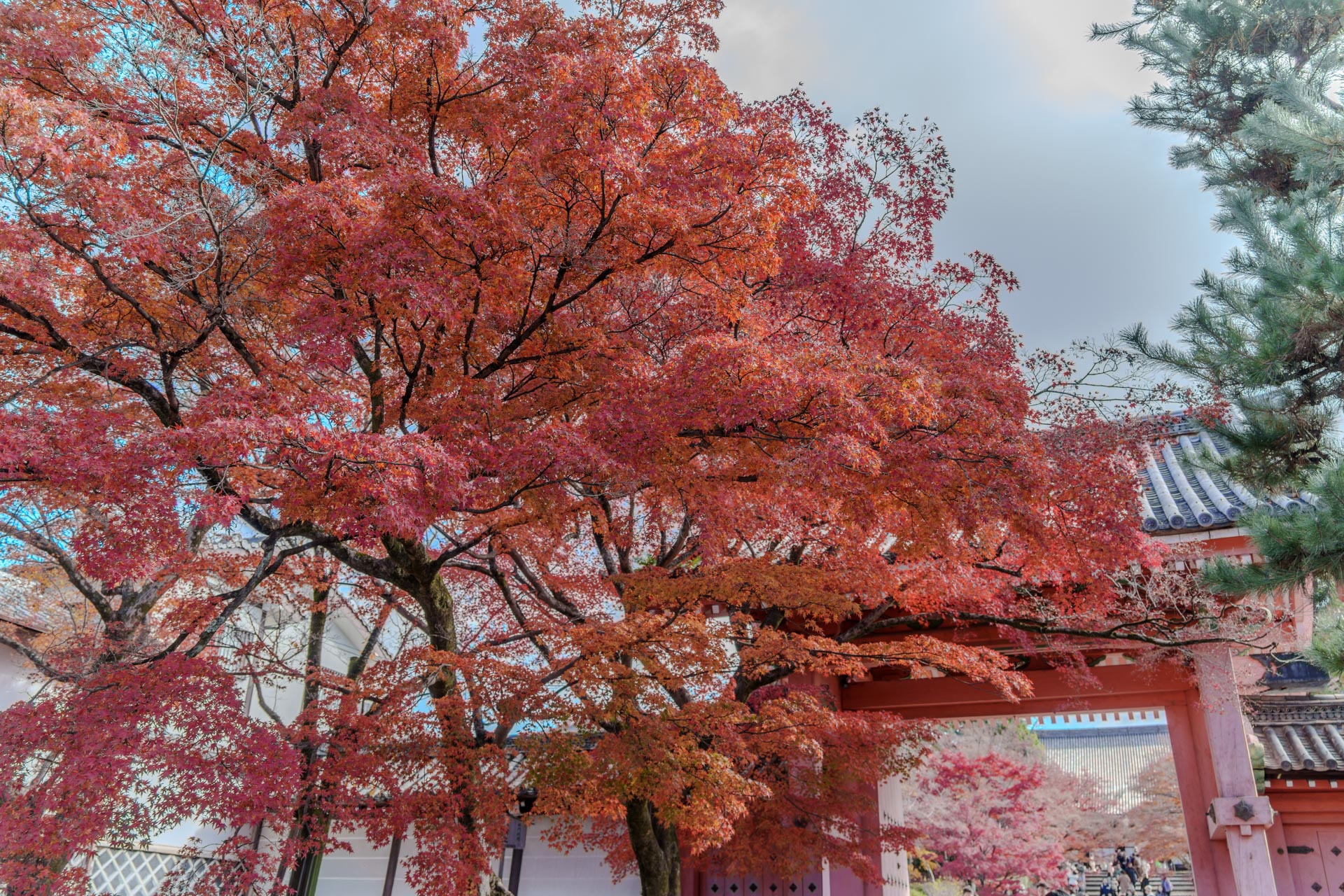
Eisetsu-in
Kurodani Temple (Konkai Komyo-ji)
We passed by but didn’t go in.
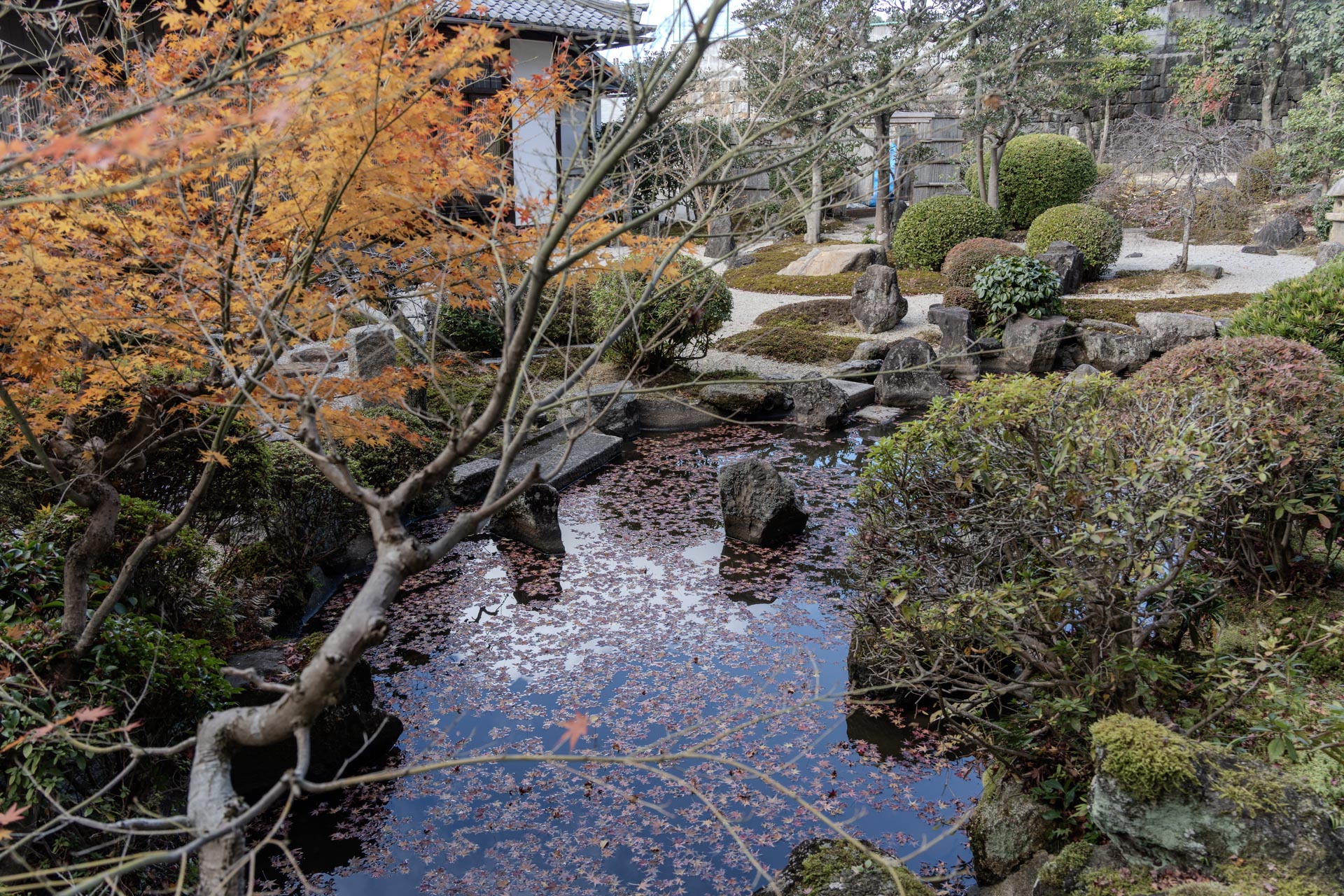
Next to it is the Lotus Pond.
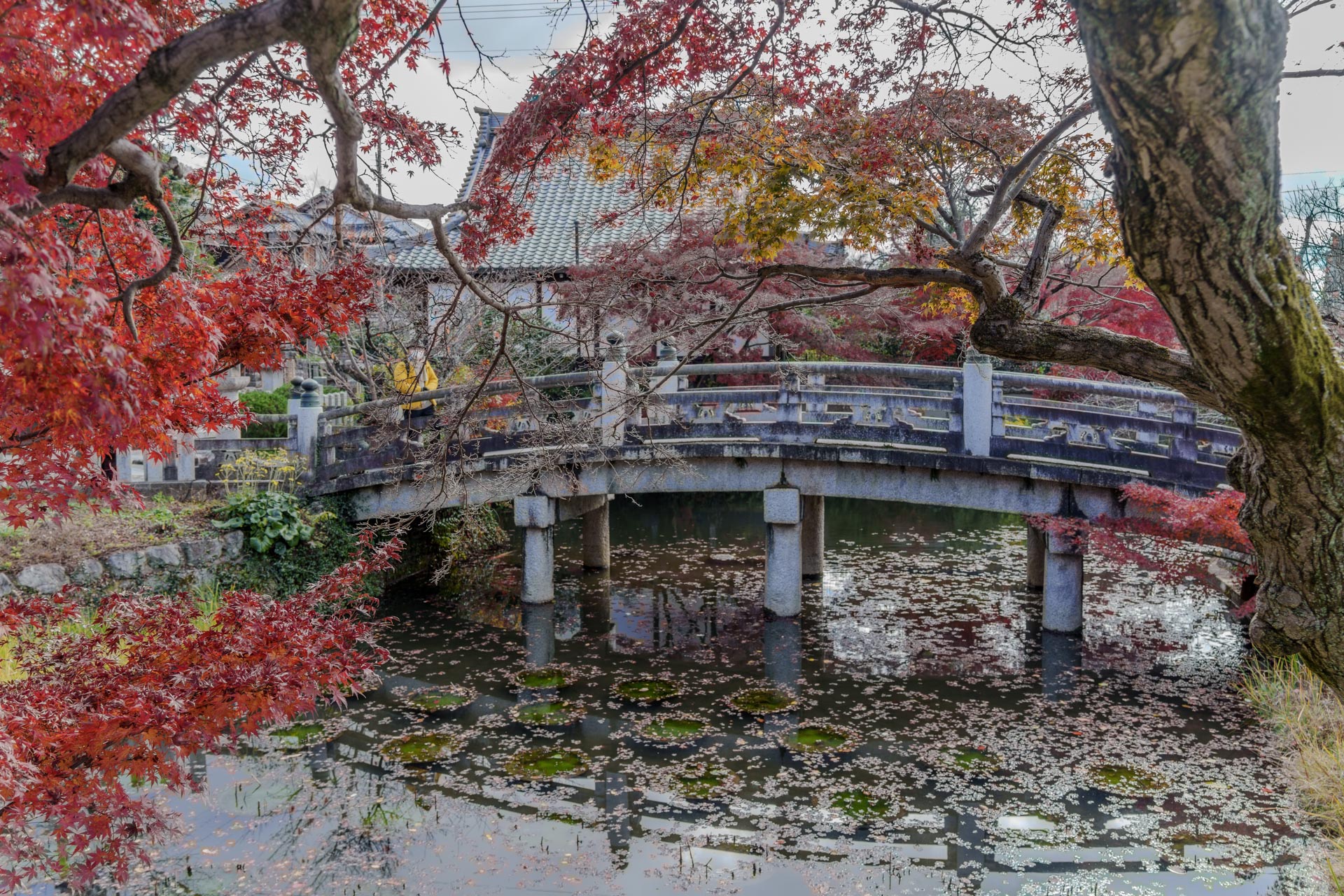
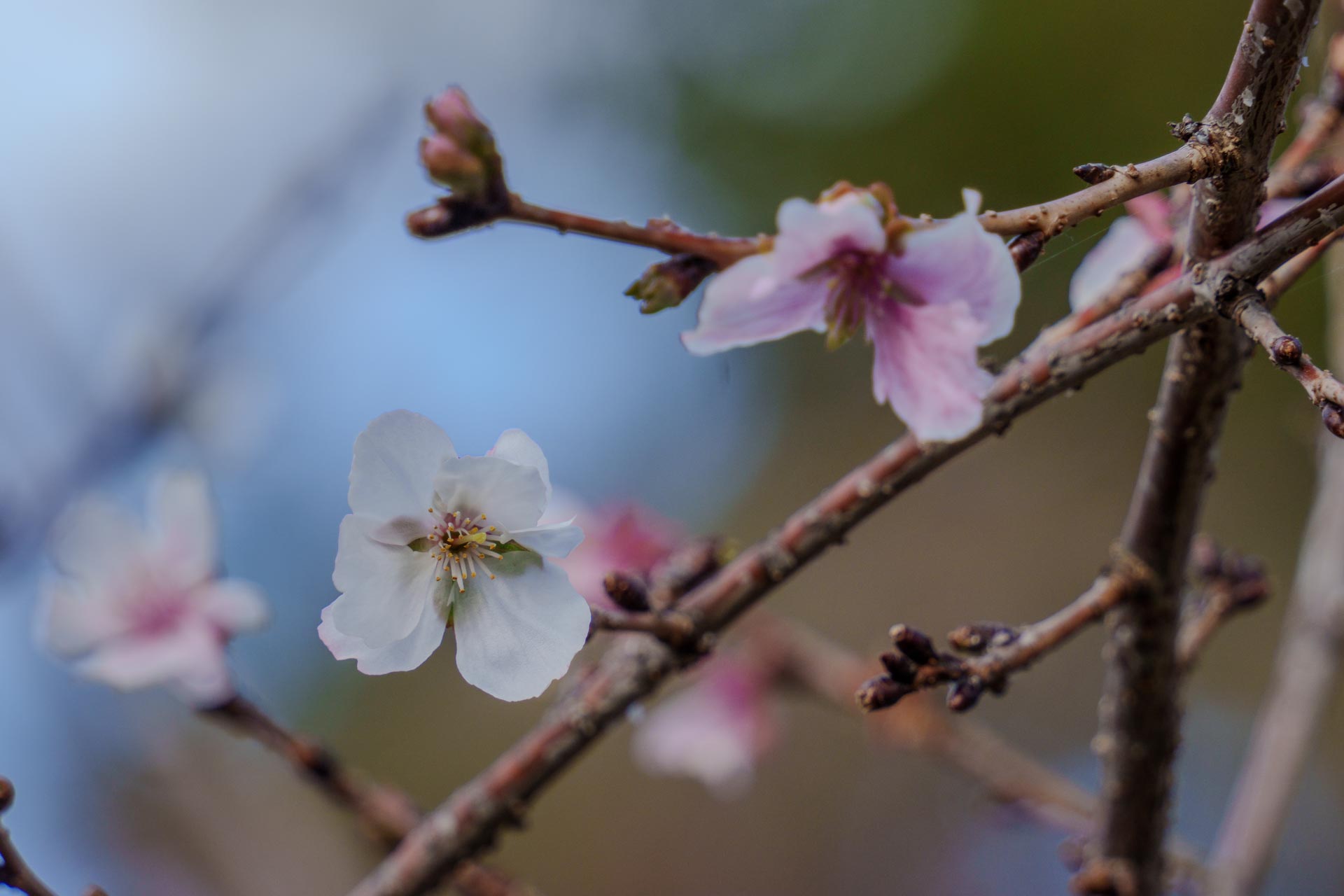
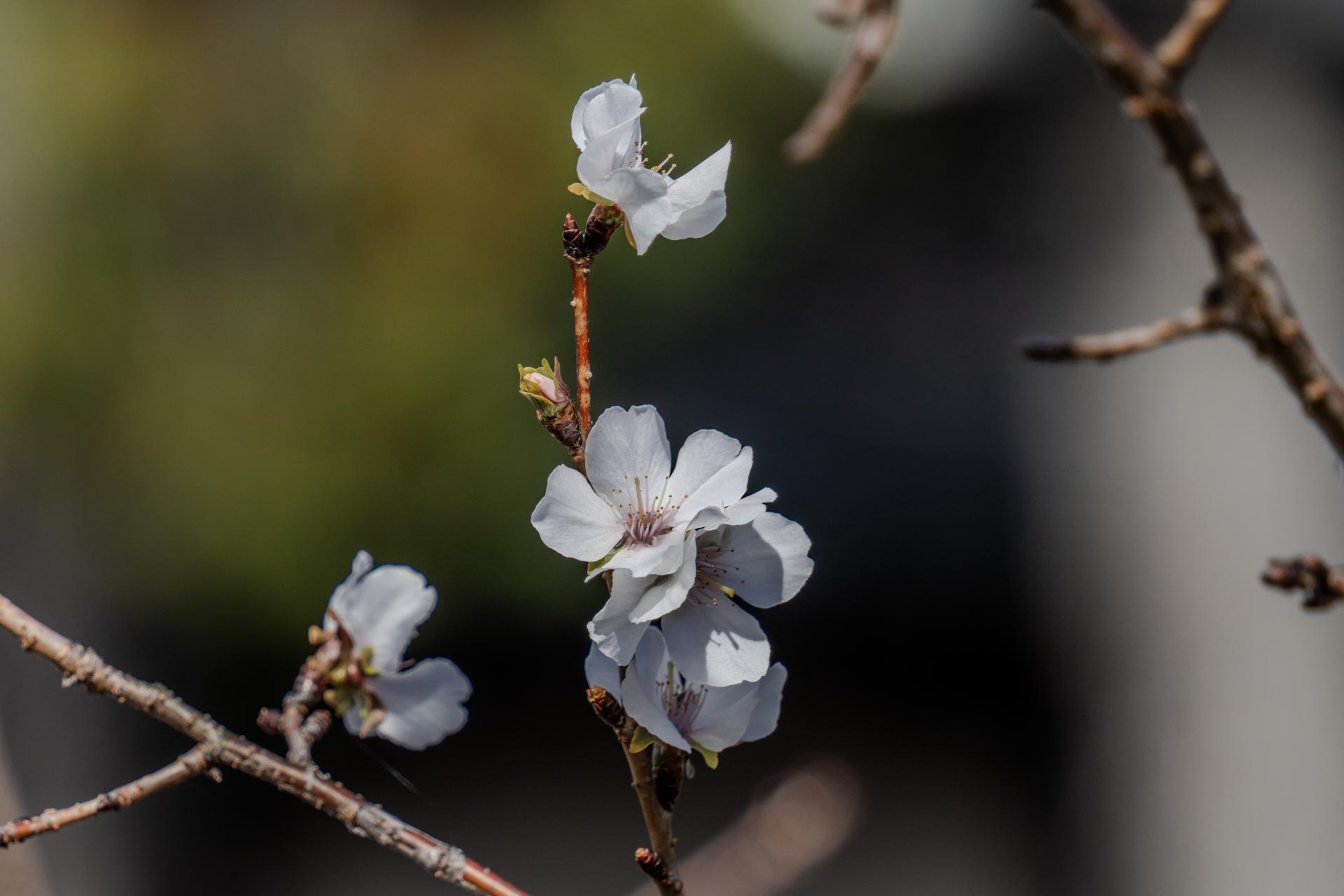
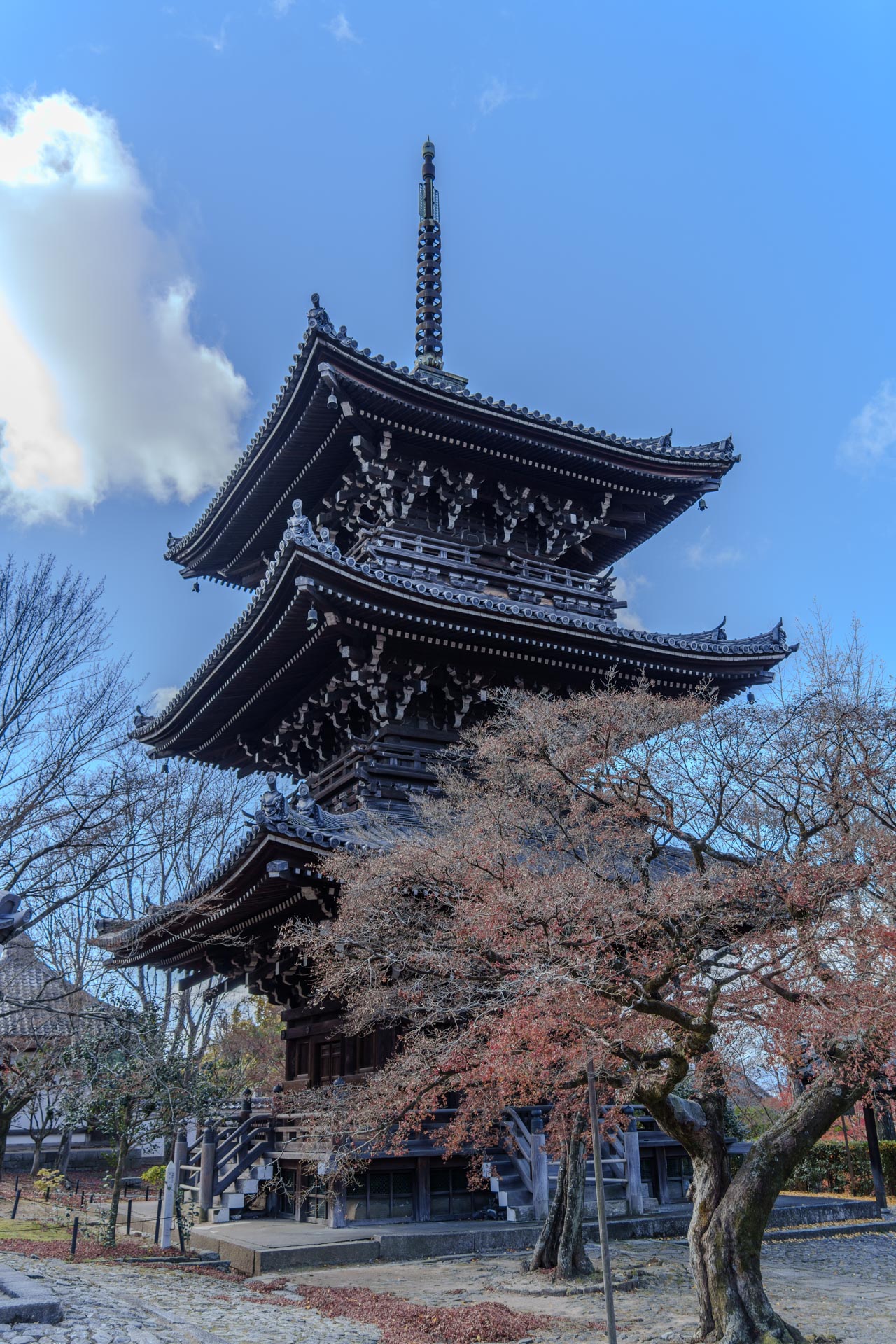
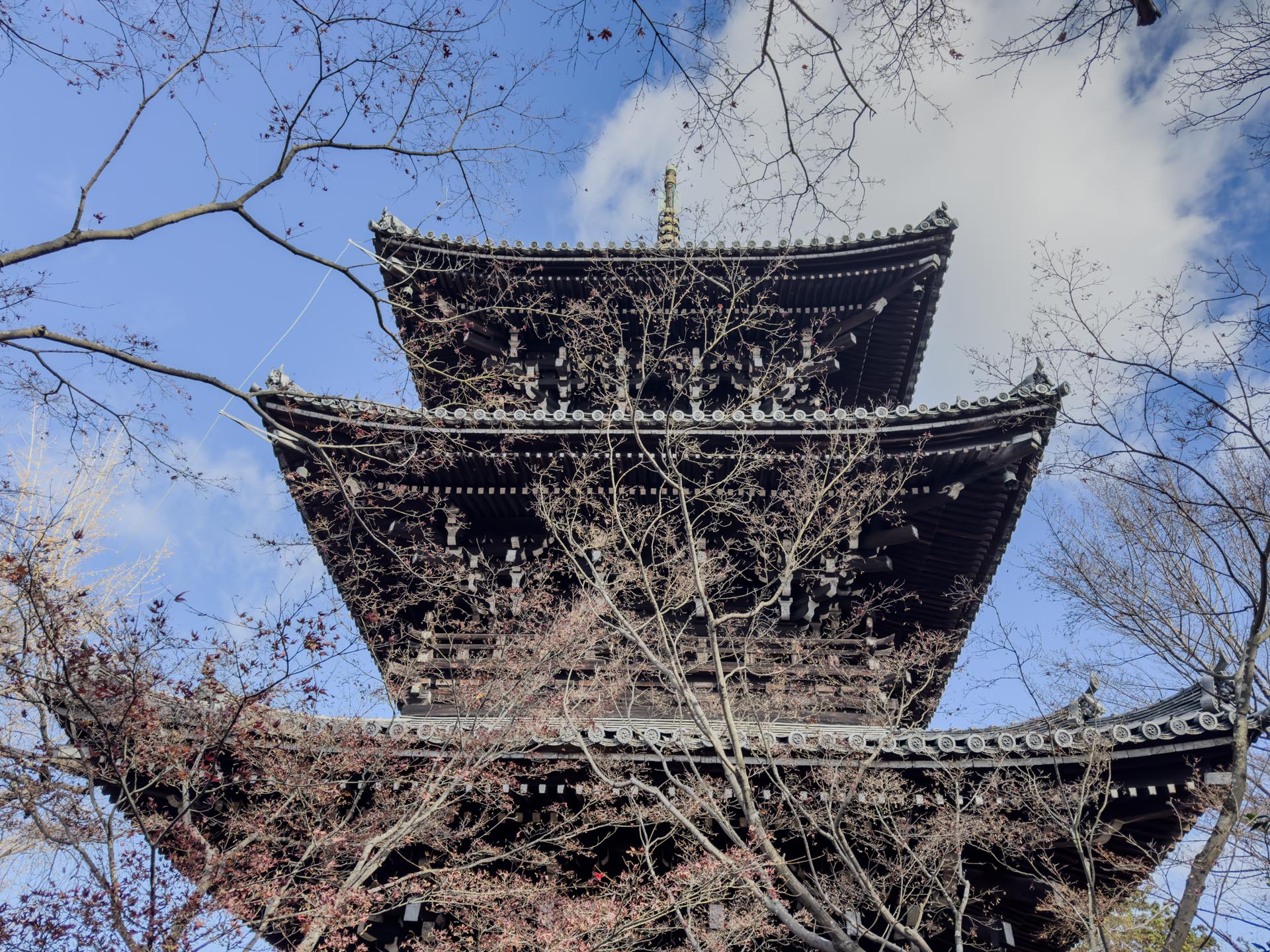
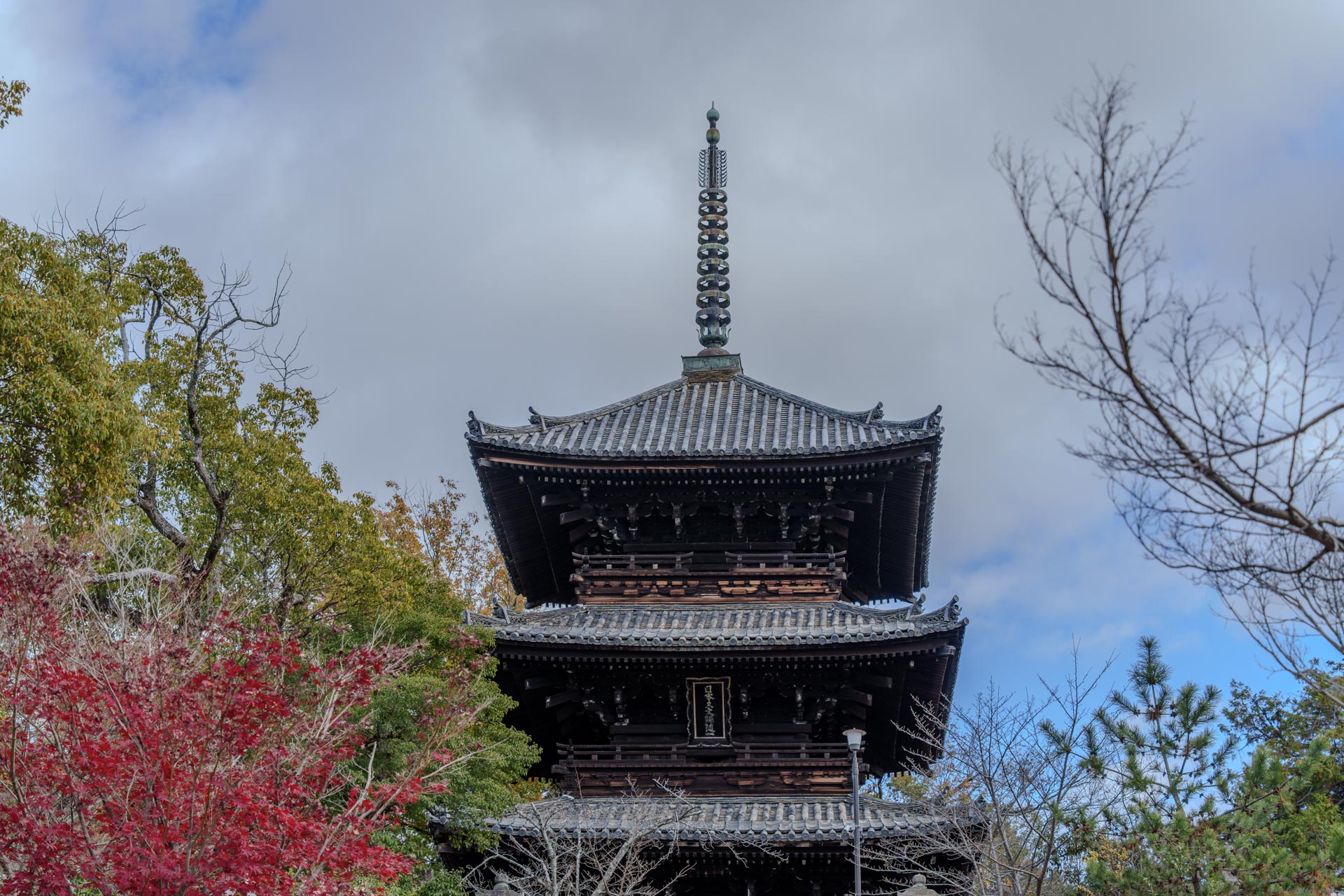
Kurodani Temple Three-Story Pagoda — Monju Pagoda
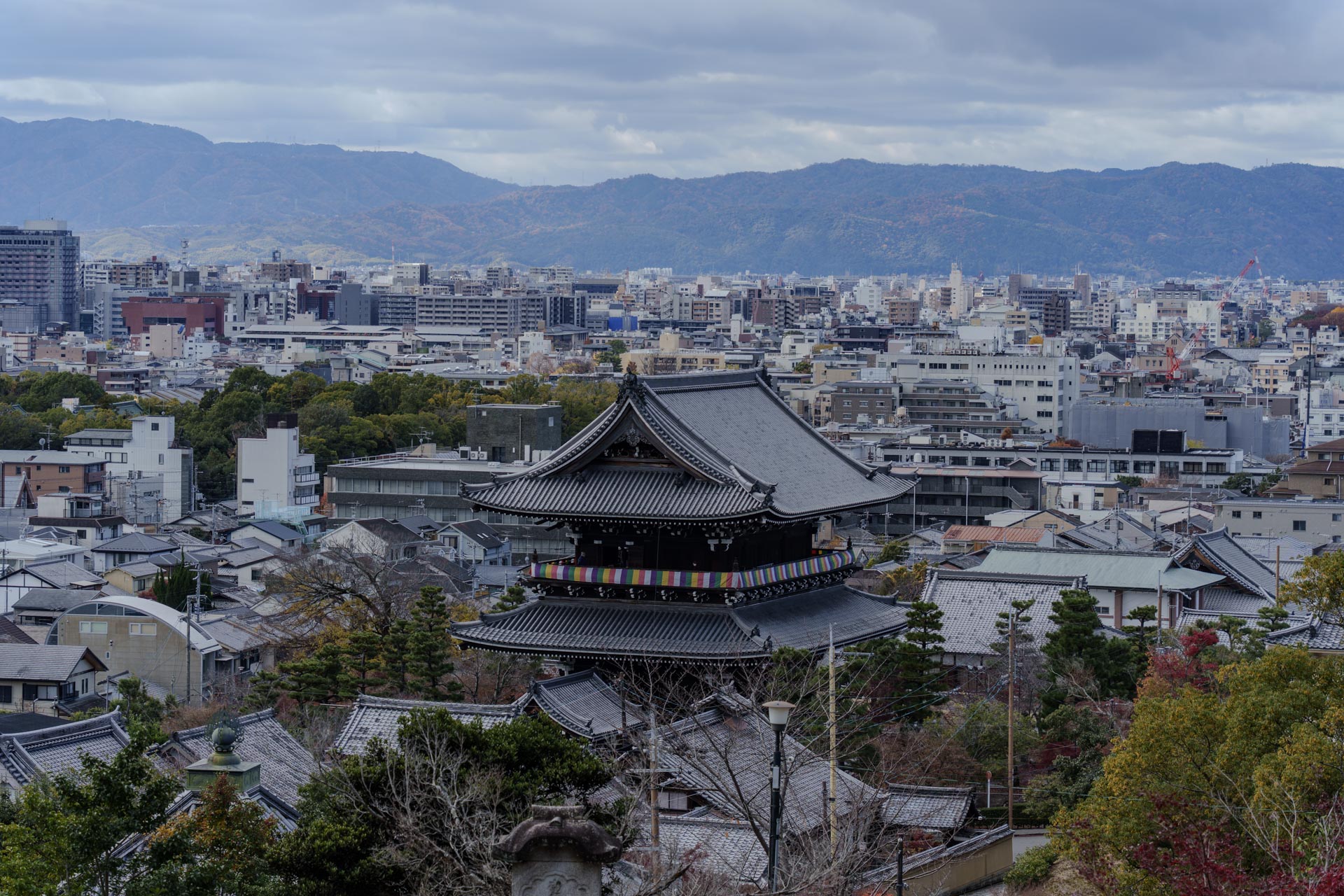
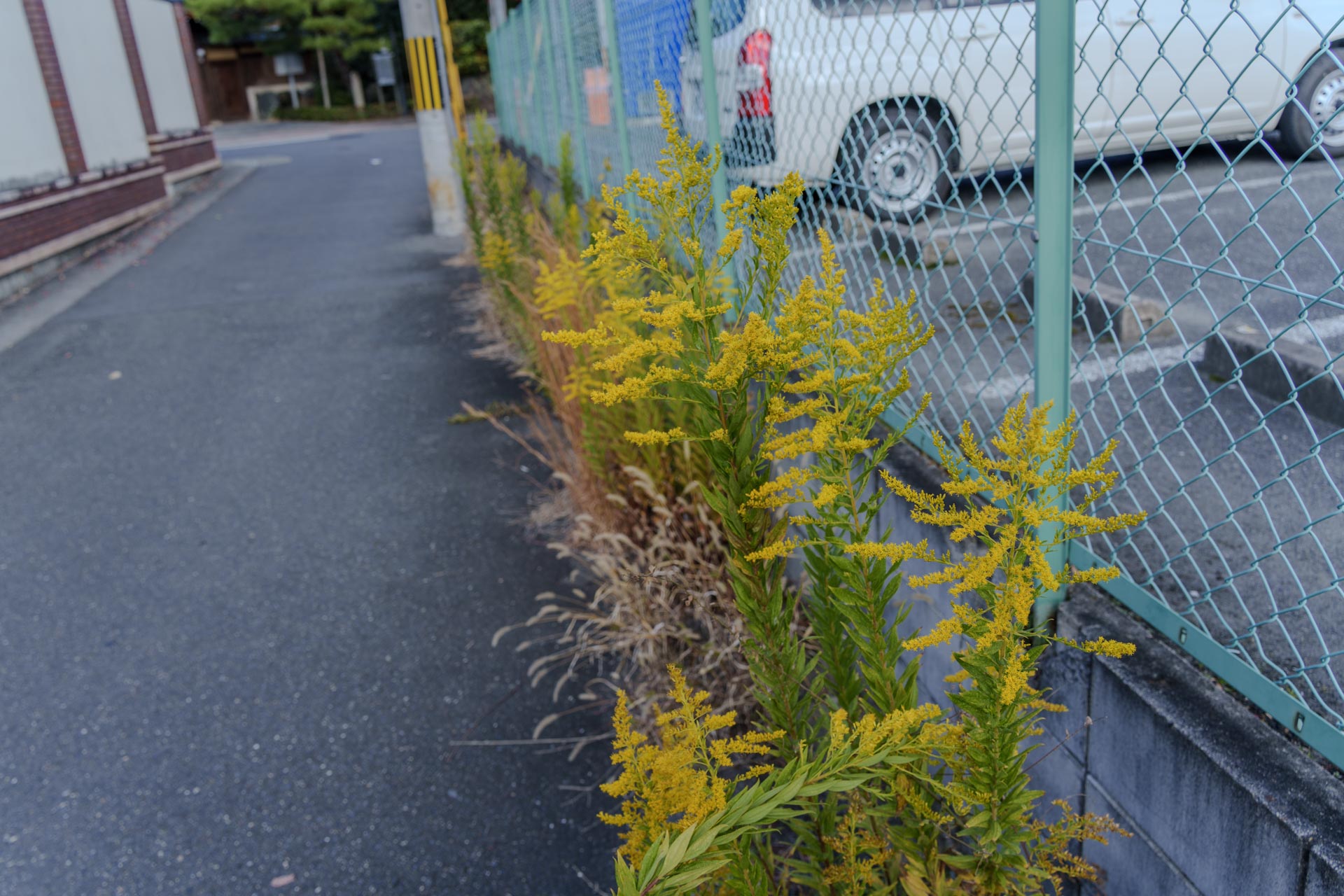
We went to have lunch. This wild plant looked a bit like Canada goldenrod.
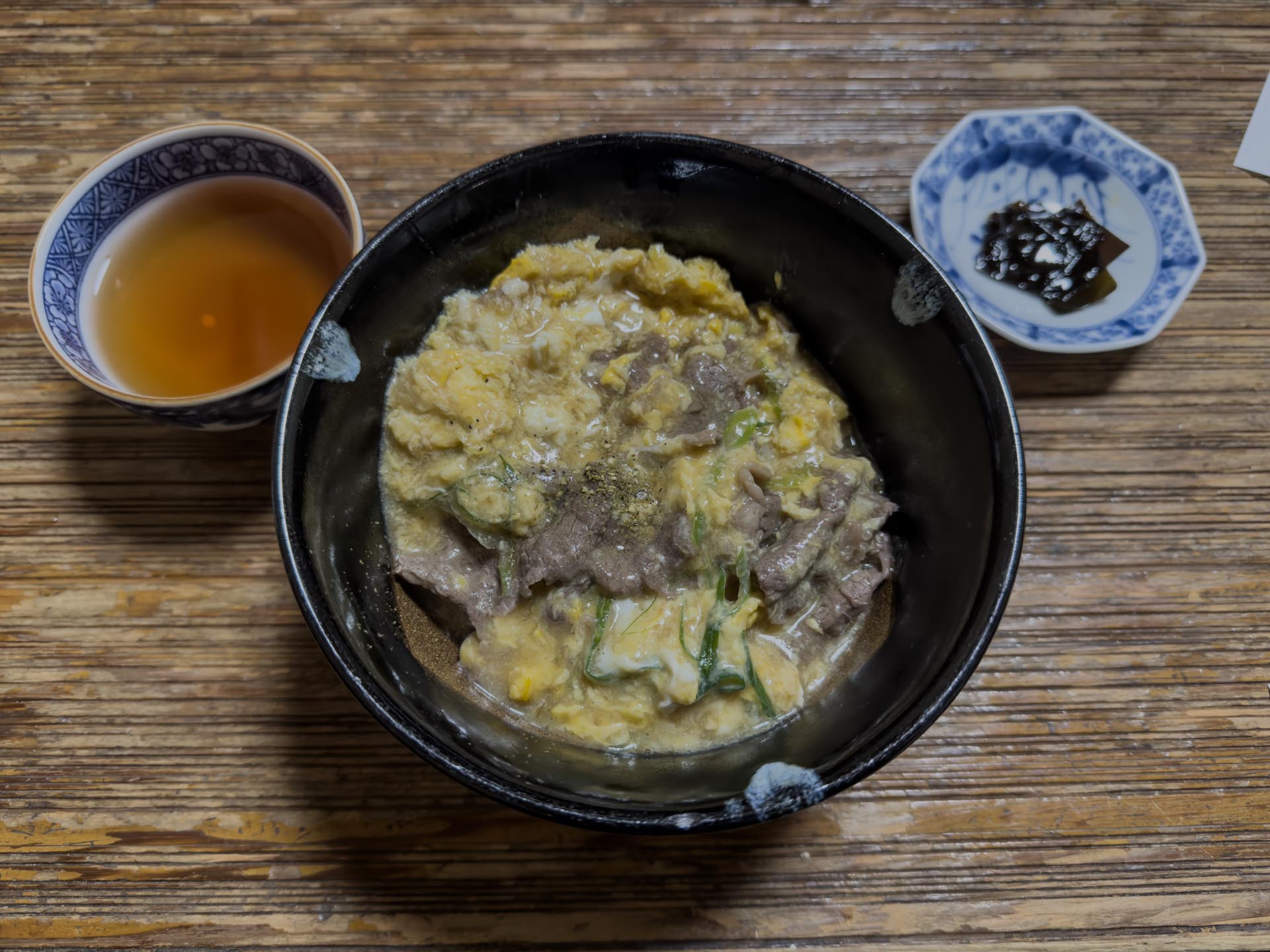
First, we found a nearby restaurant for lunch. We went to Ikkyutei. The food was okay—not amazing, but not bad either. What I remember most was the tatami table: there wasn’t enough space to bend or stretch my legs properly, and after sitting for a while, my legs went completely numb (literally).
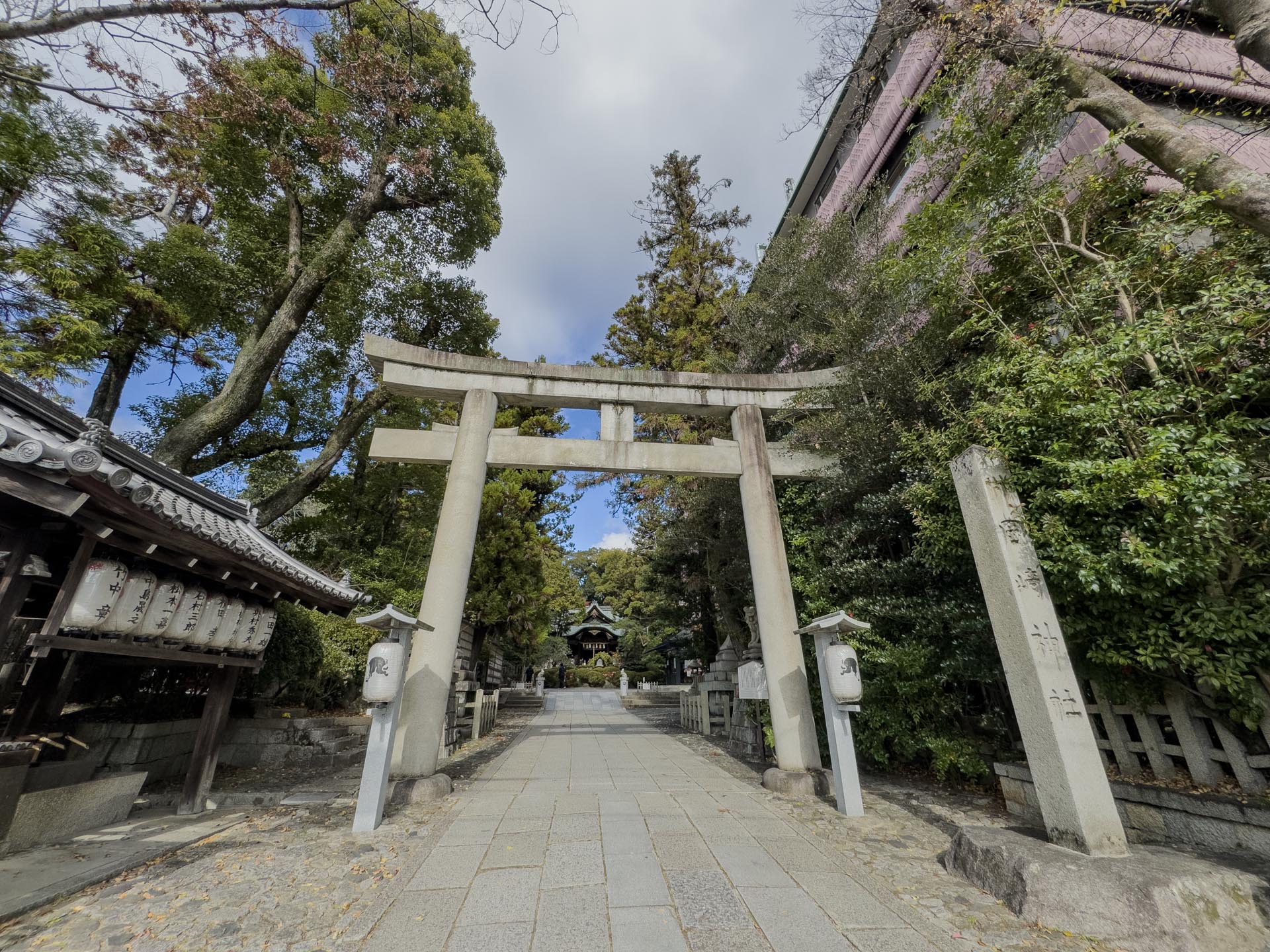
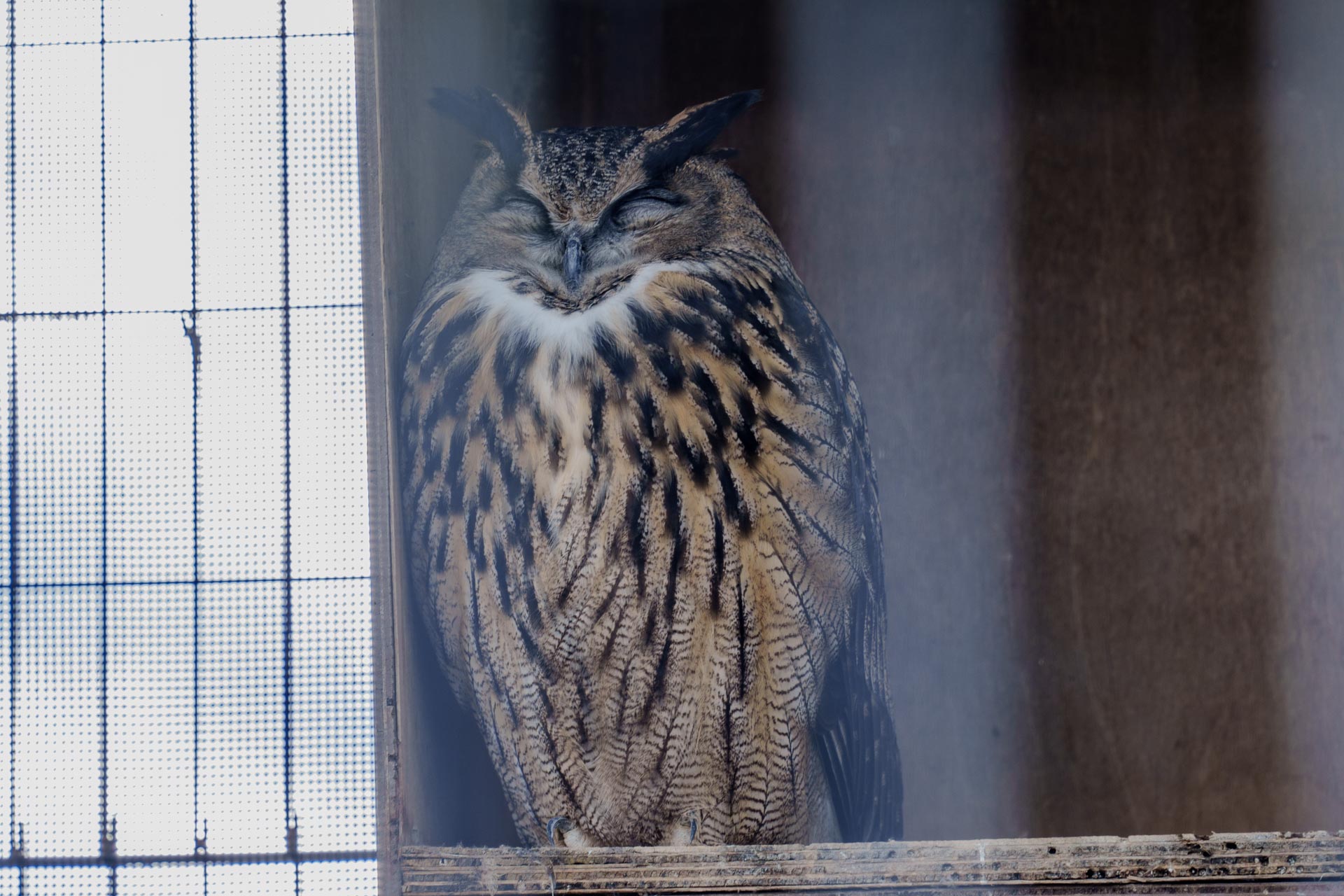
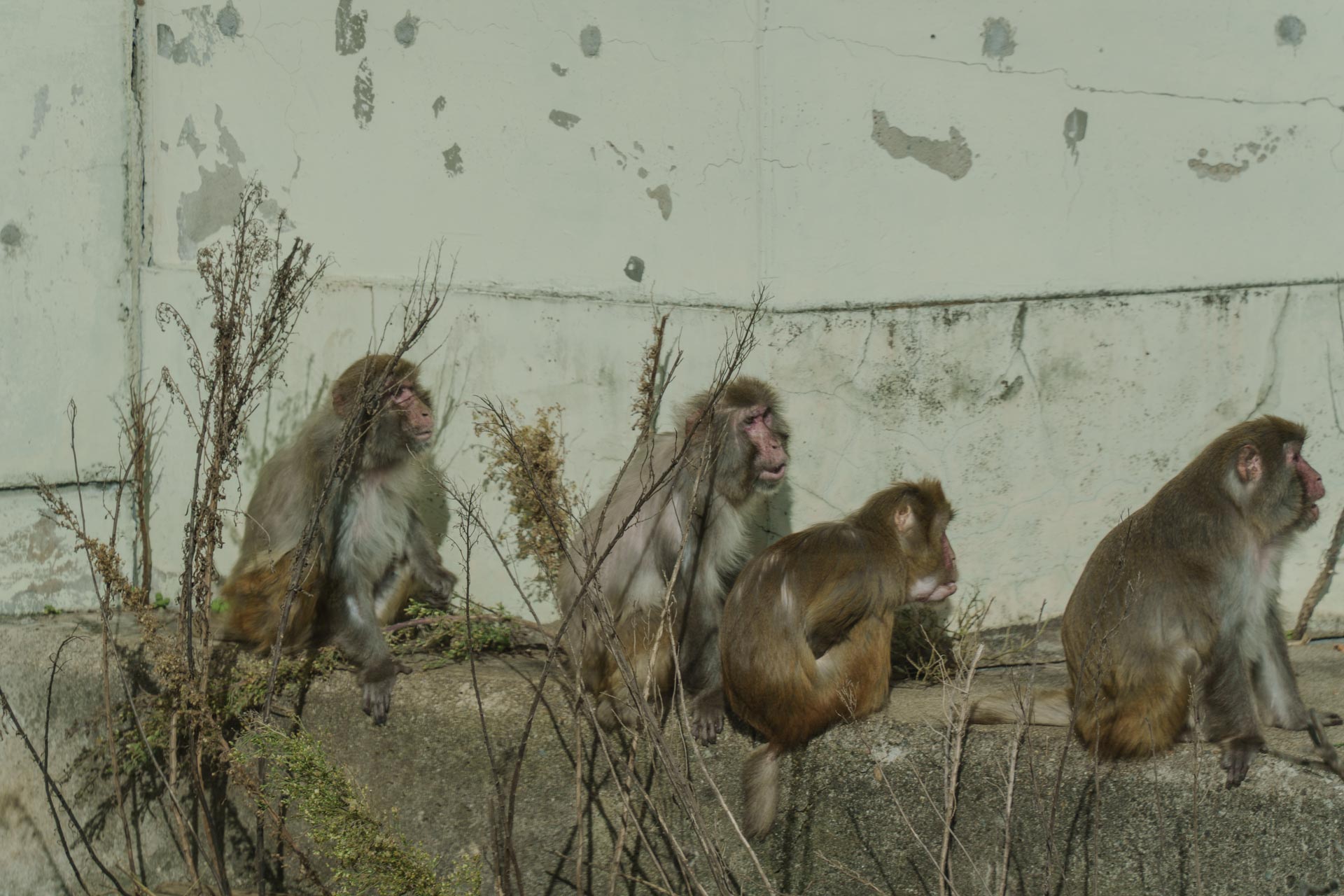
After lunch, we headed to Kyoto Zoo. Perhaps because of the cold weather, we didn’t see many animals. What was surprising is that the zoo doesn’t have any tigers or lions. If you live locally, an annual pass is a great deal—it costs only as much as two or three single-day tickets.
Kyoto Zoo
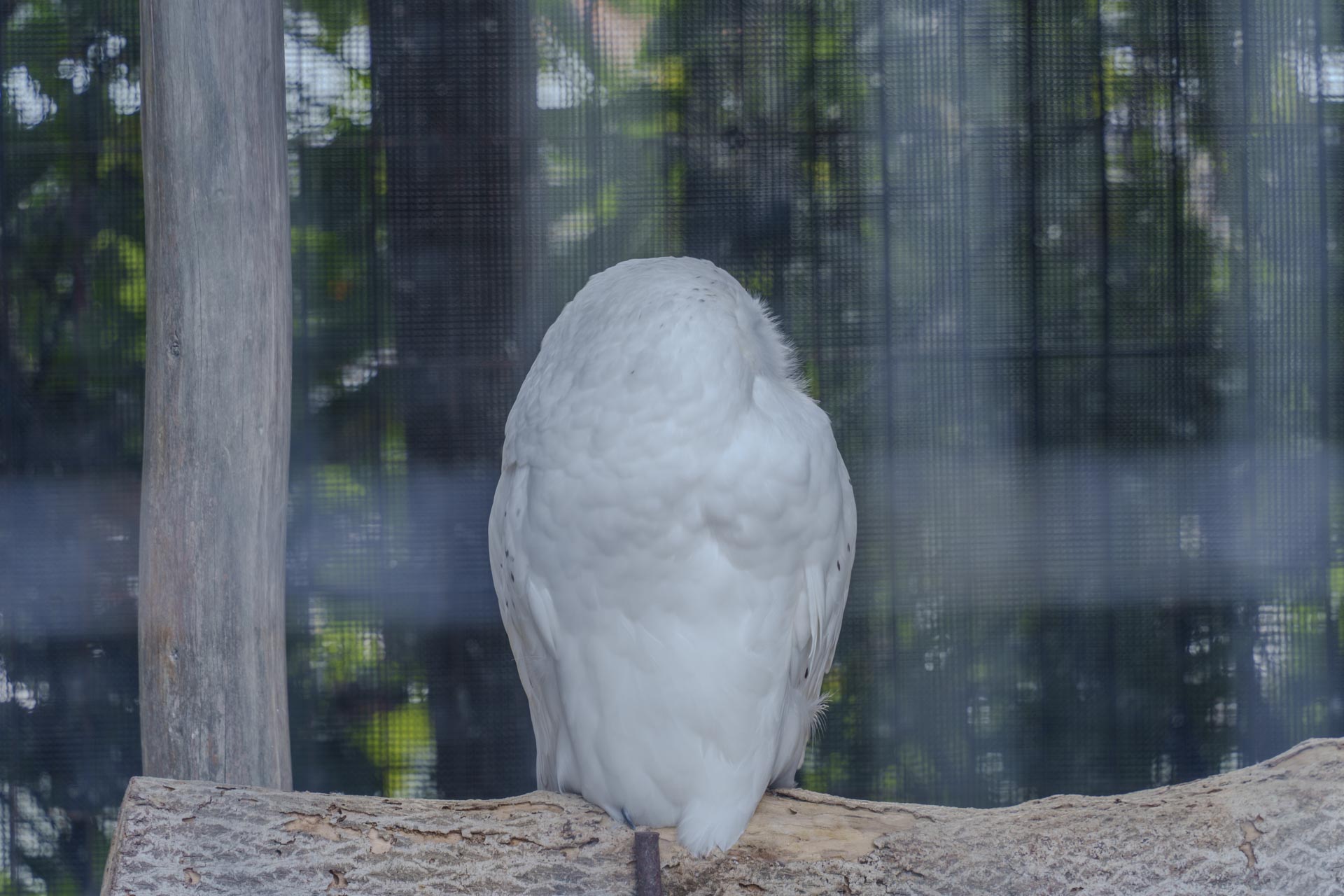 rotate(360deg)
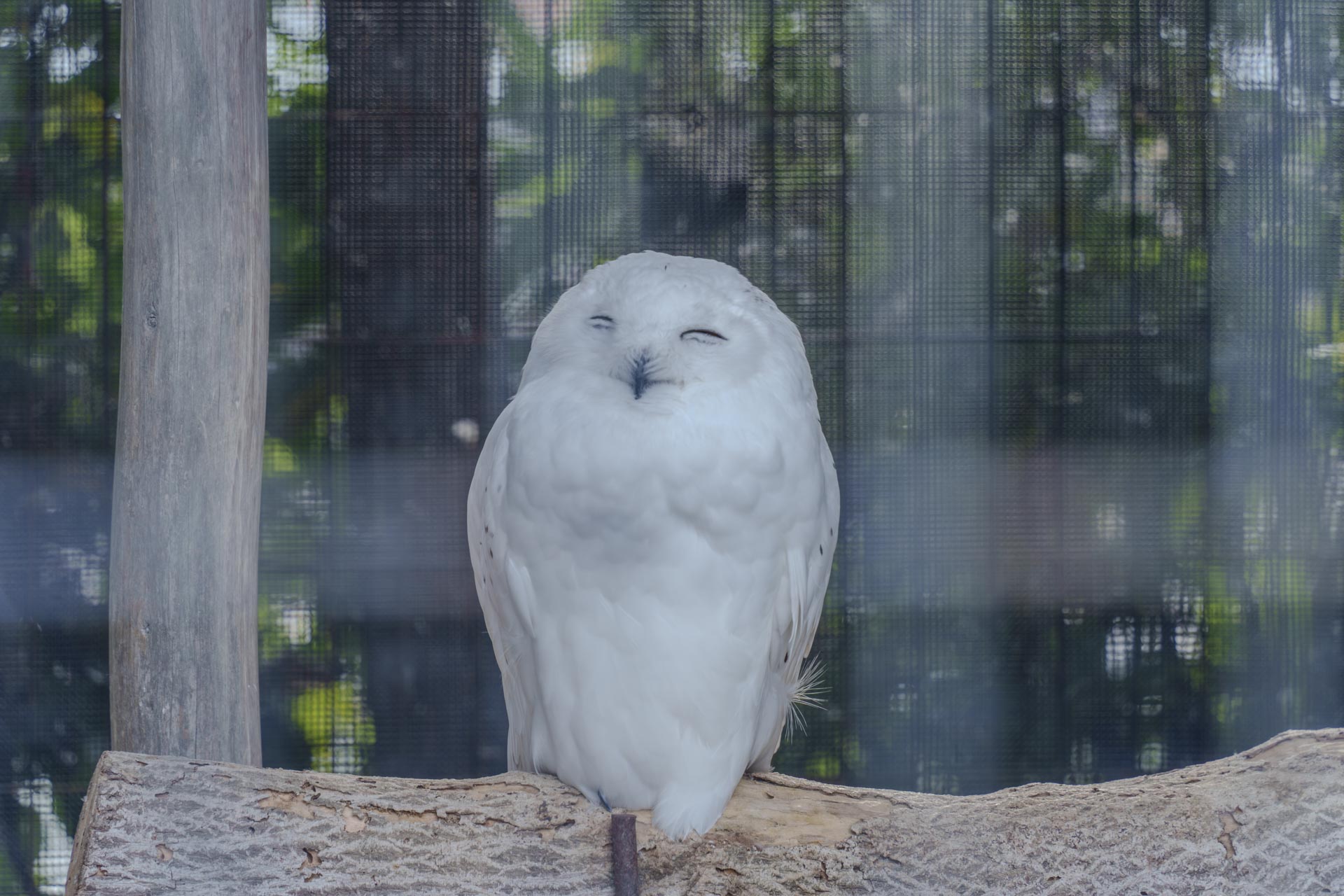 rotate(0deg)
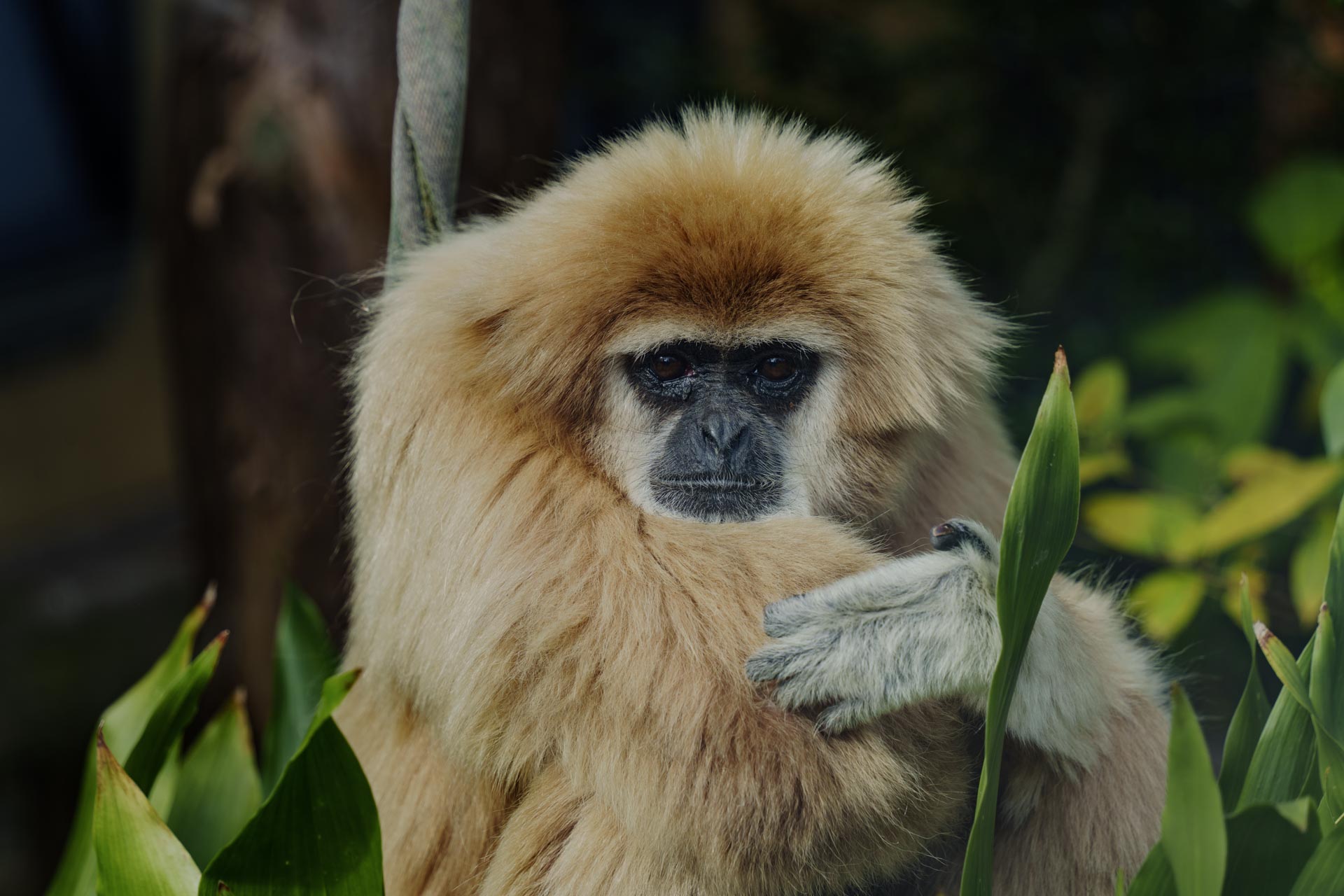
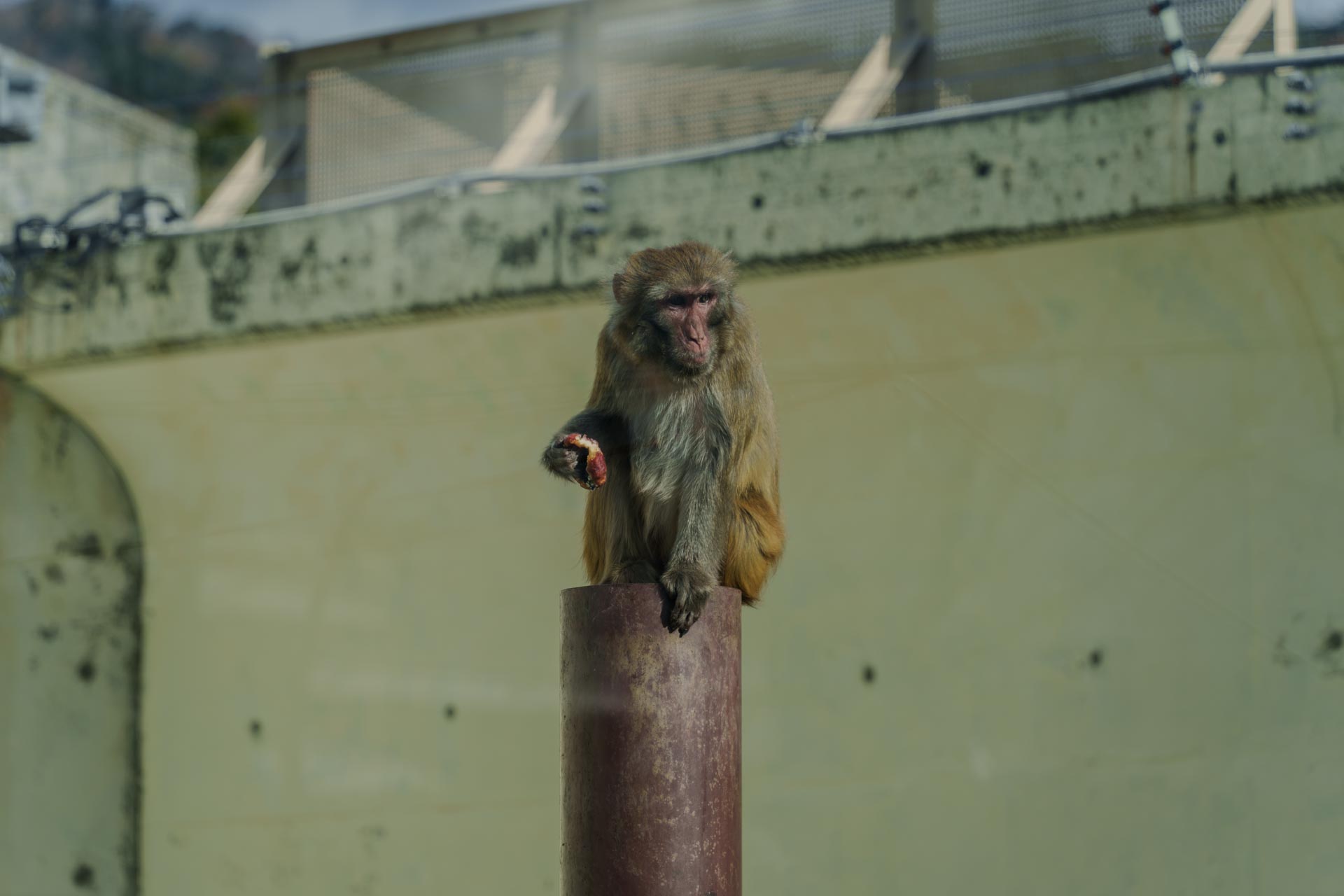
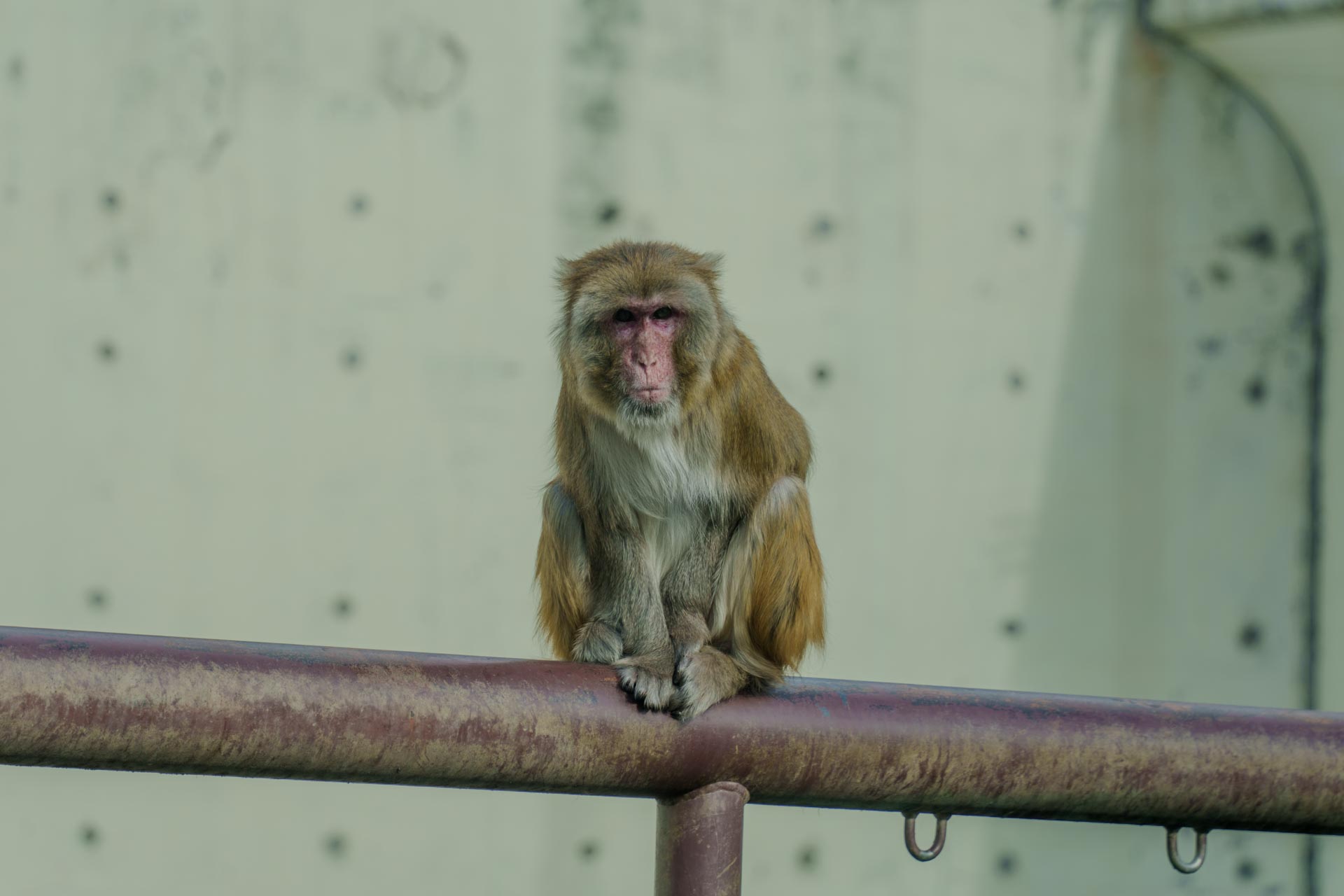
You look like you have something on your mind.
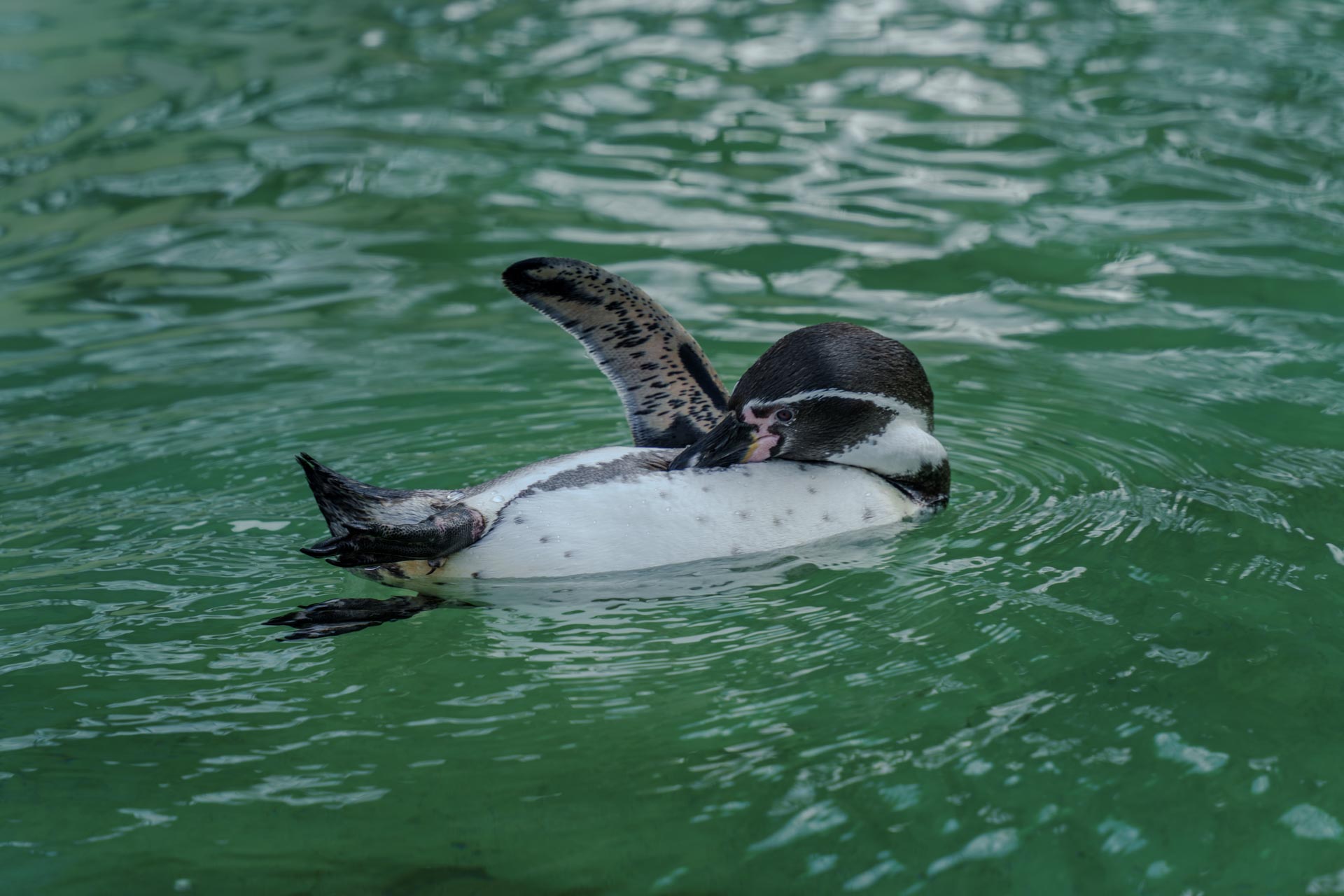
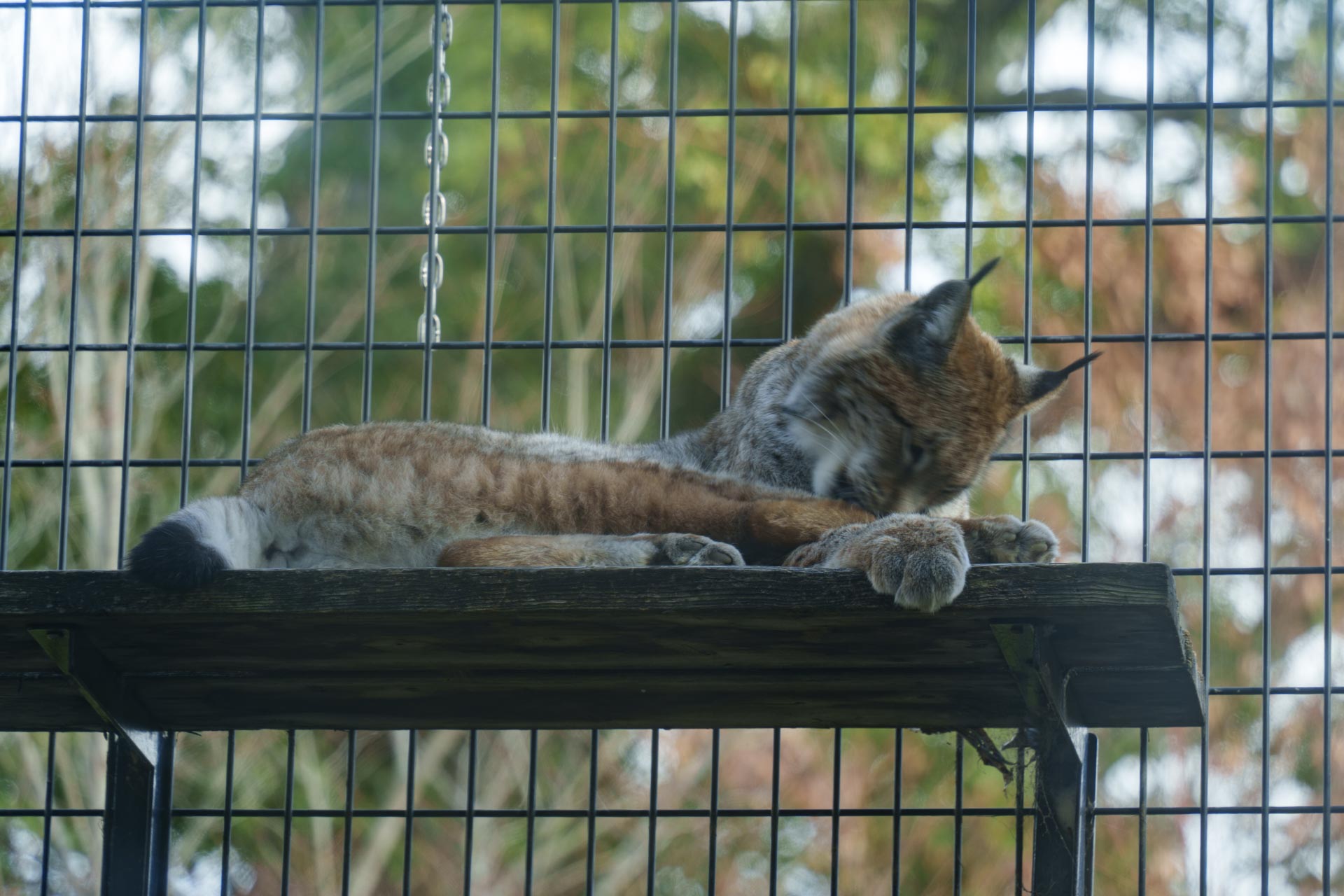
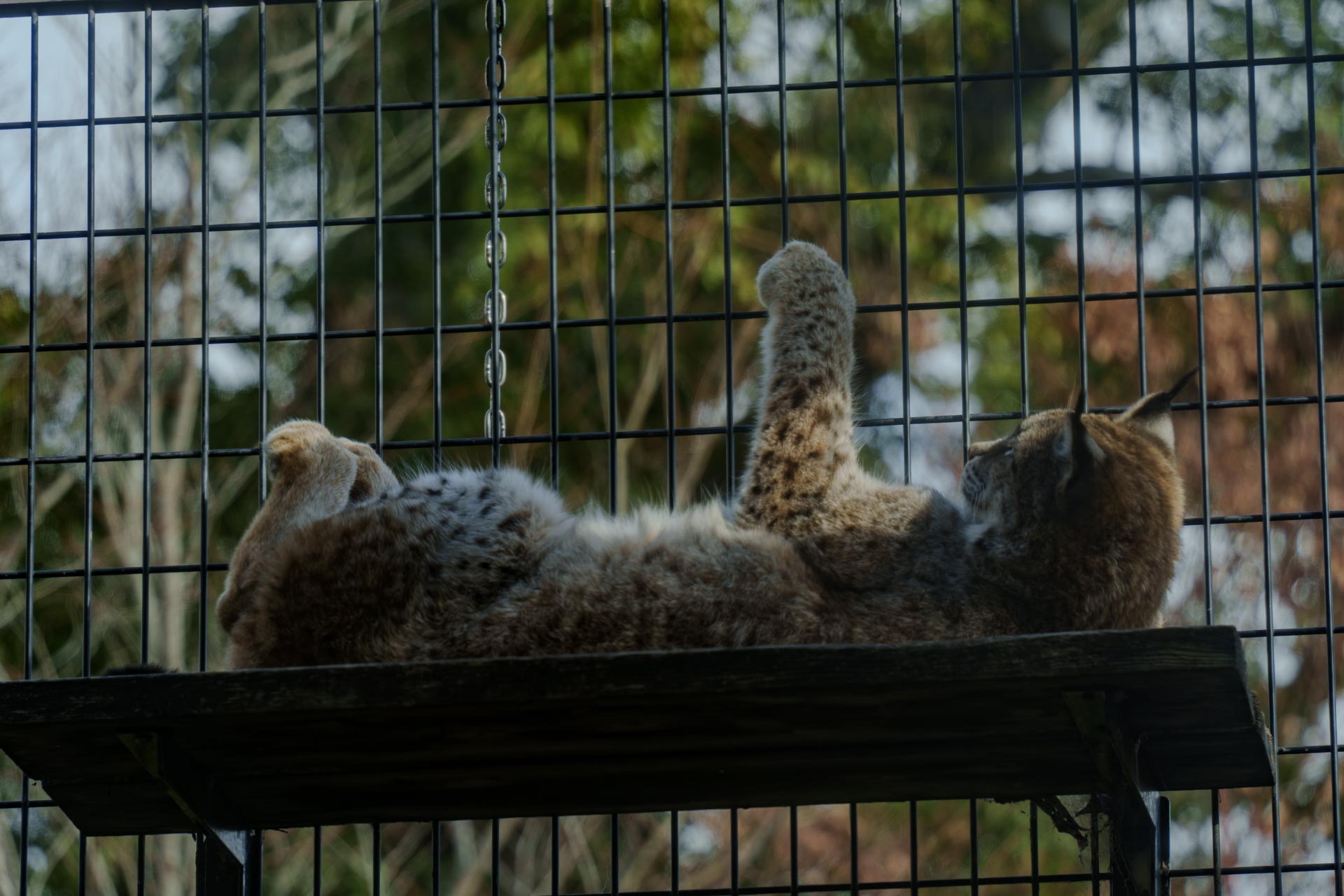
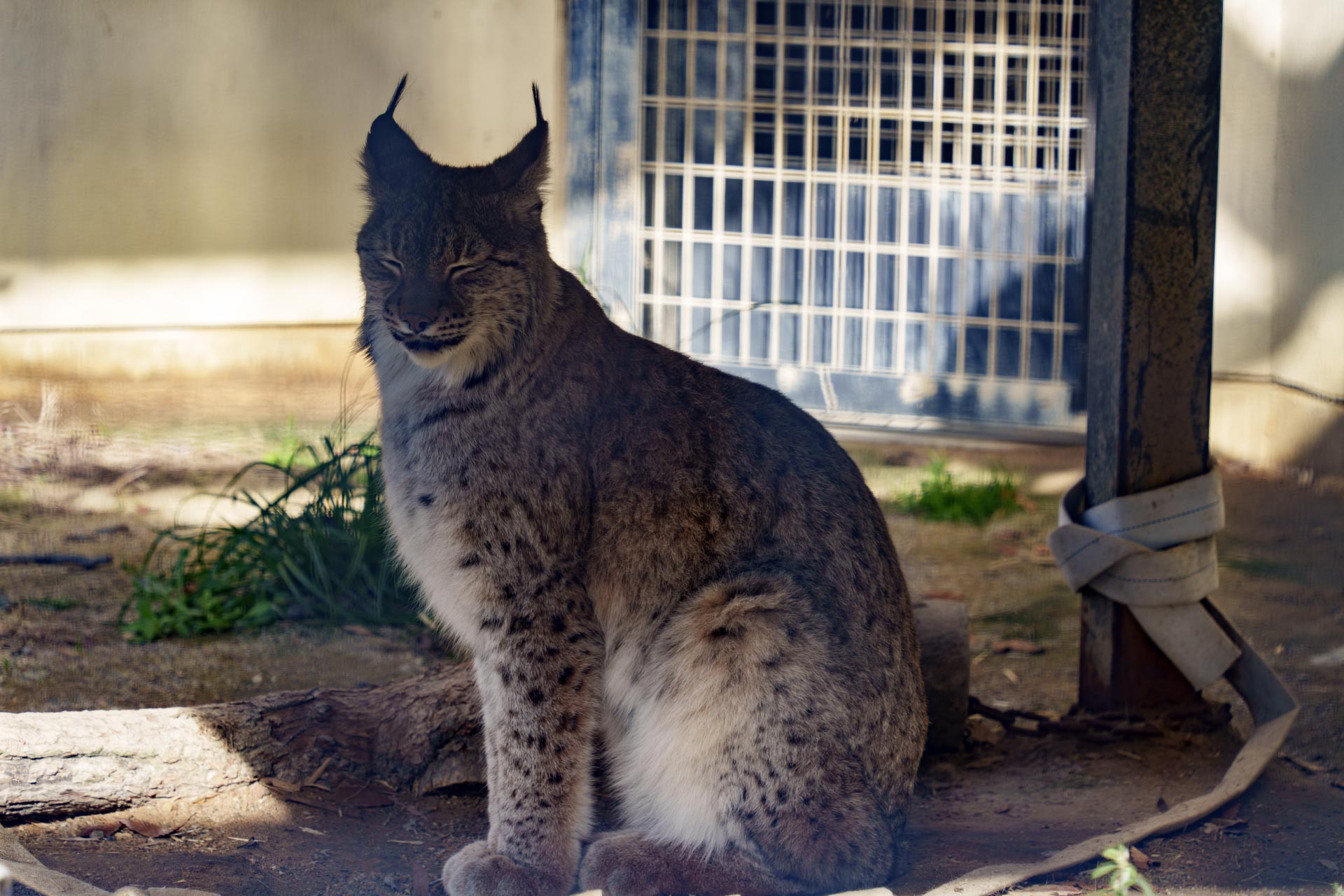
Big Cat.
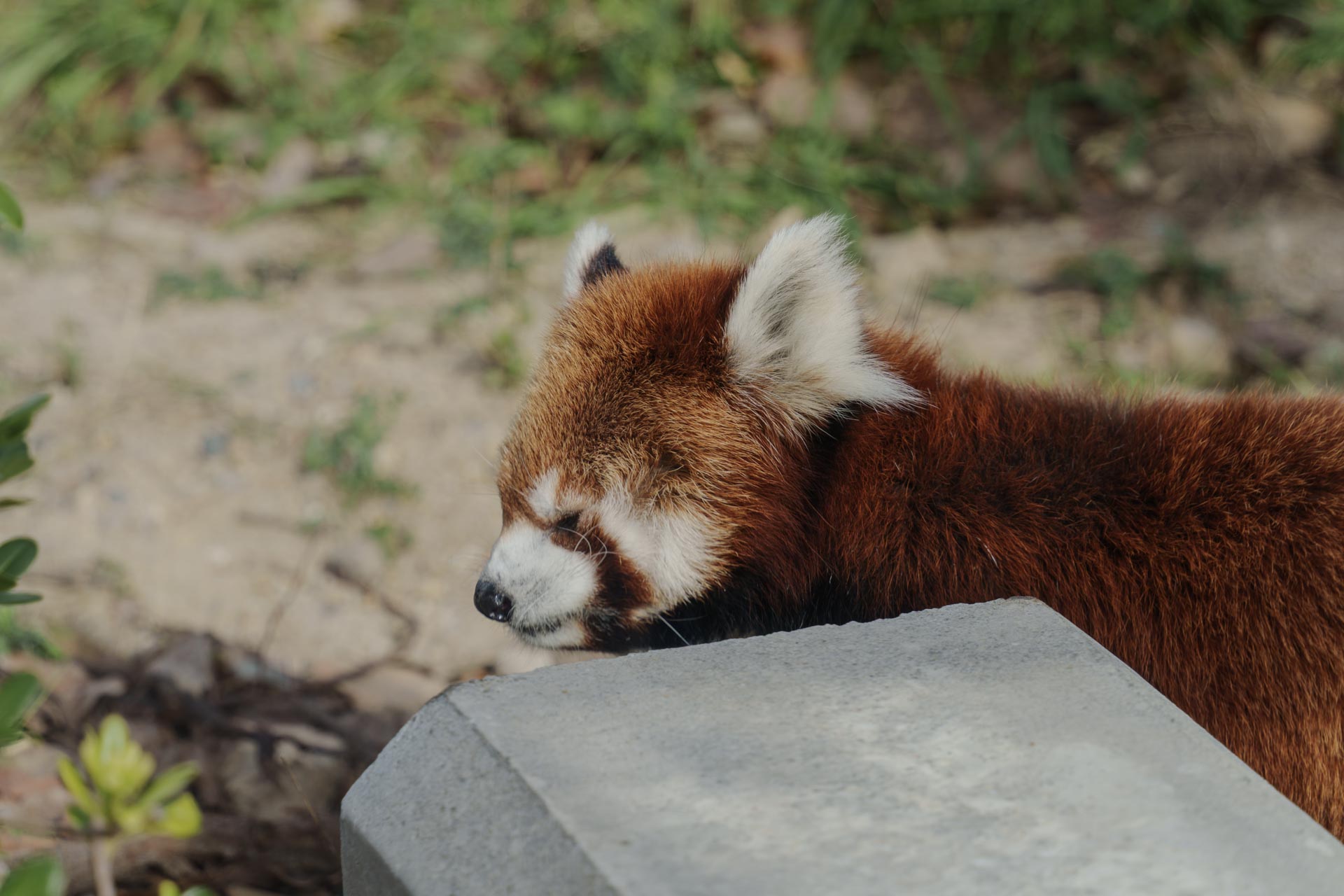
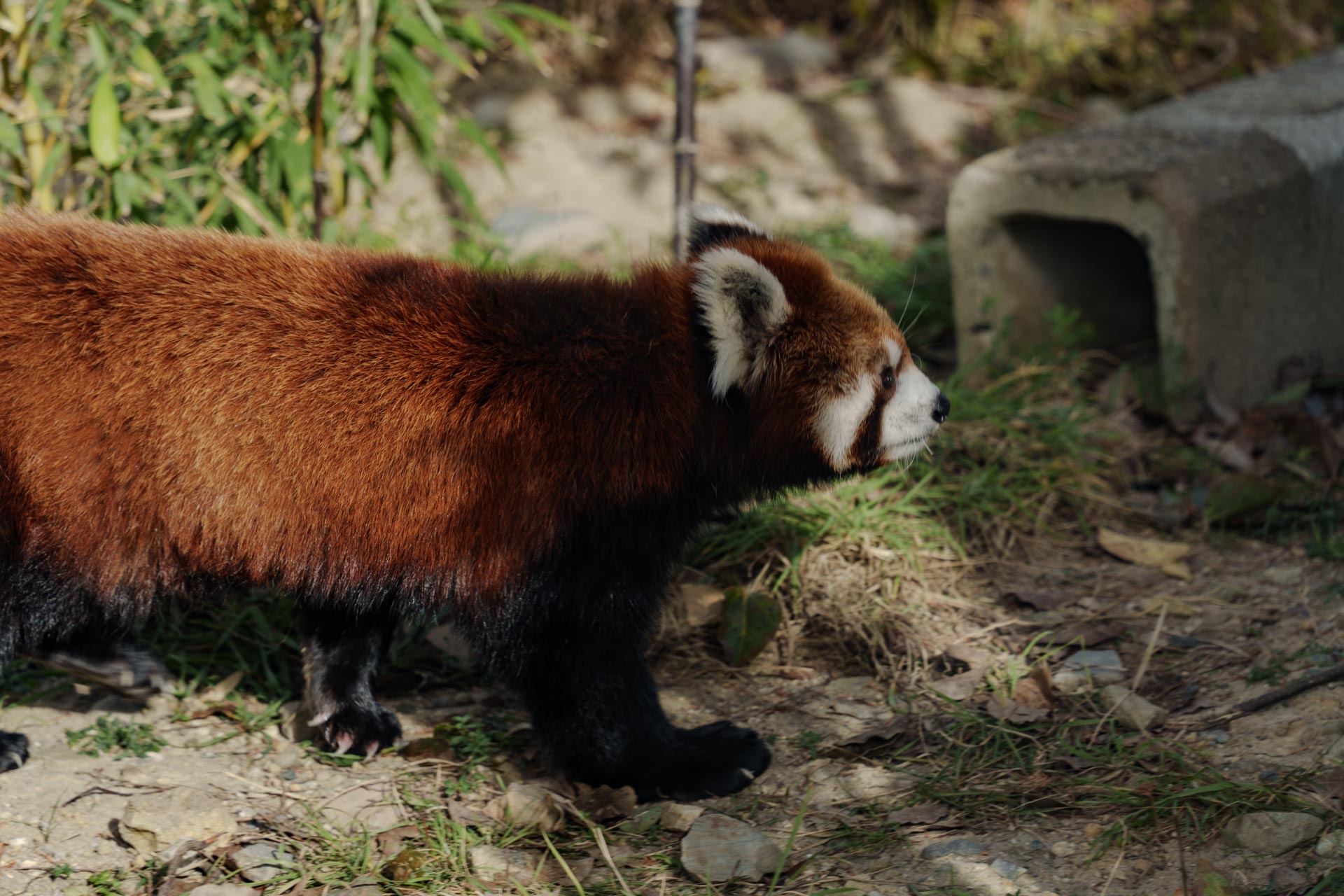
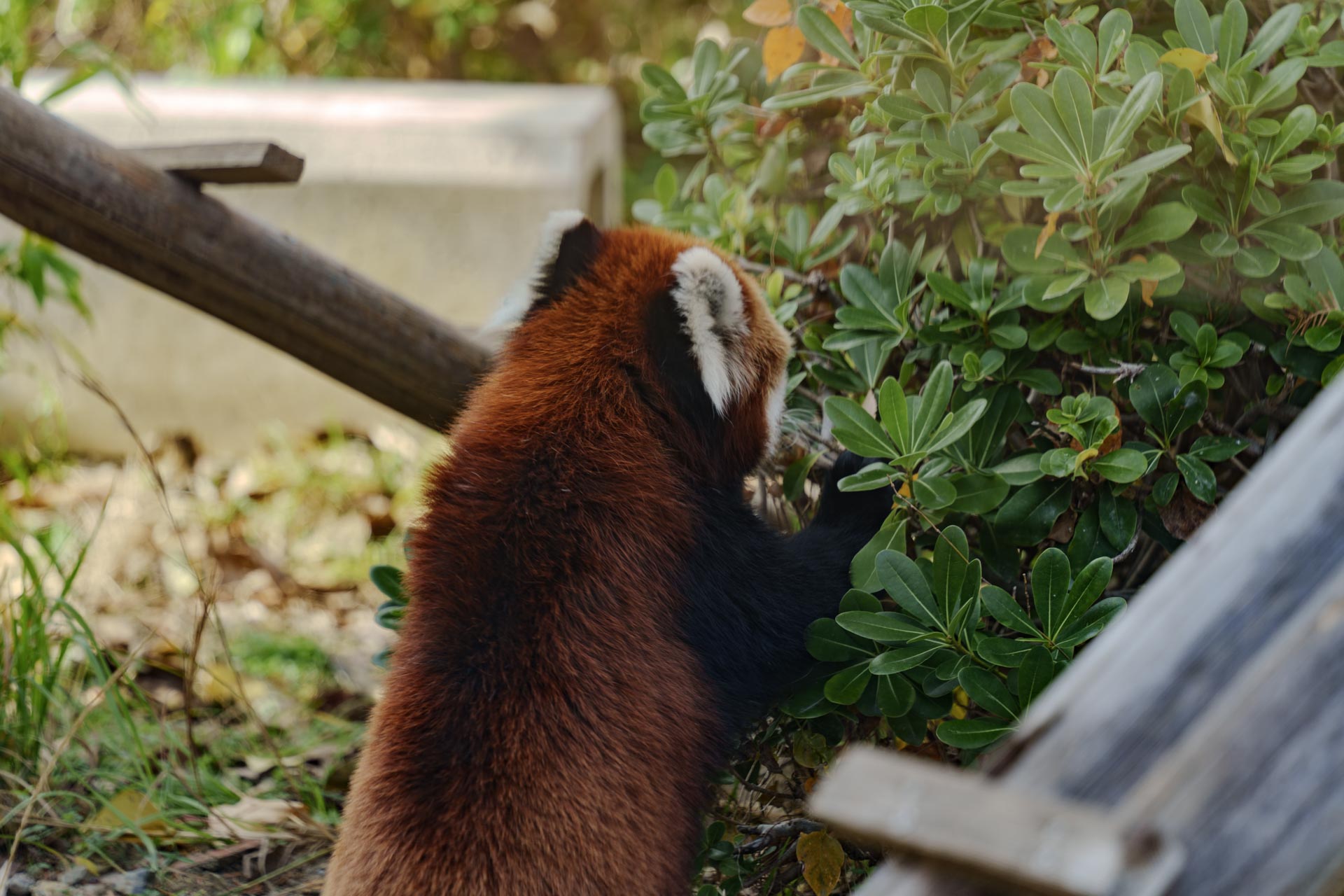
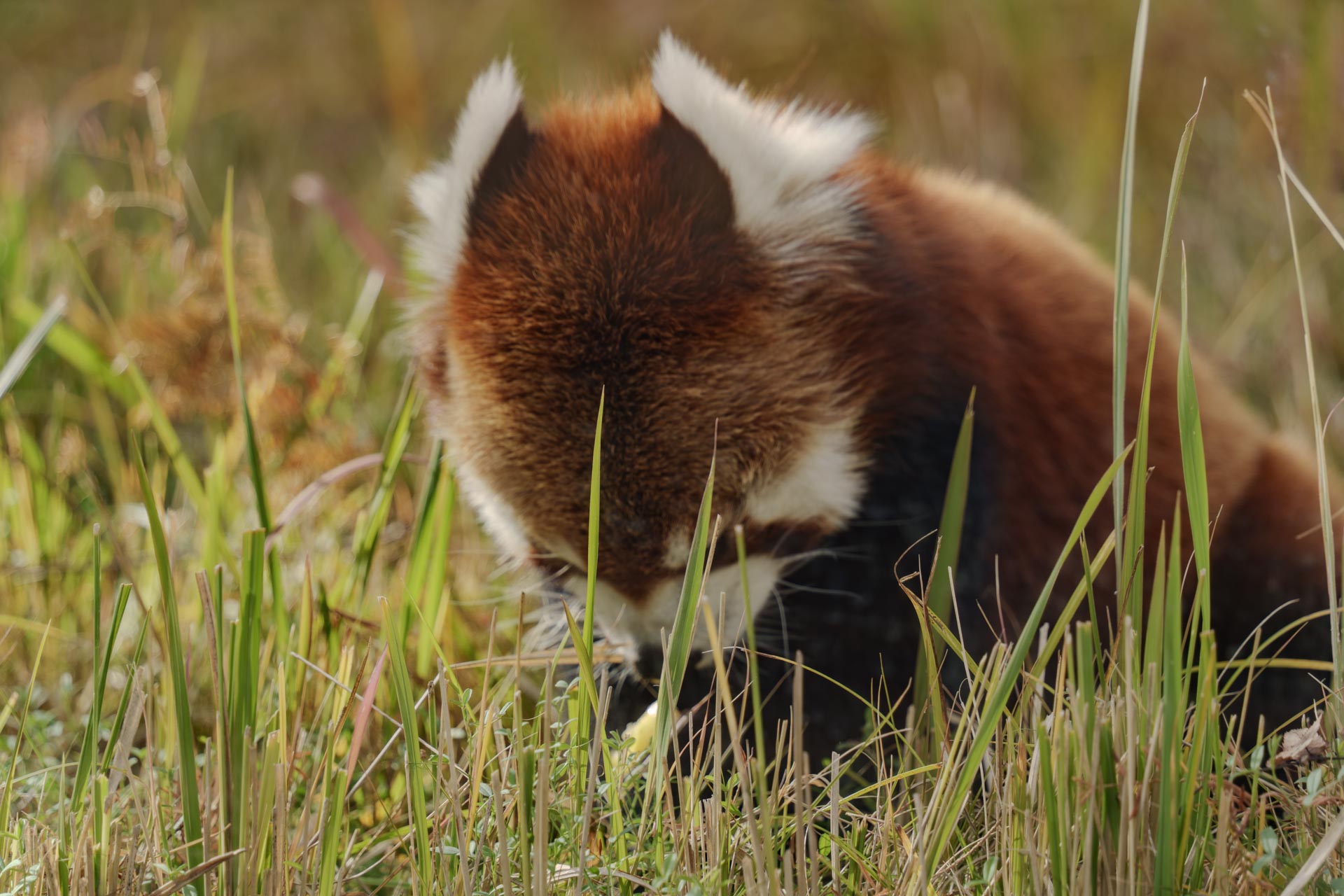
Adorable little red panda.
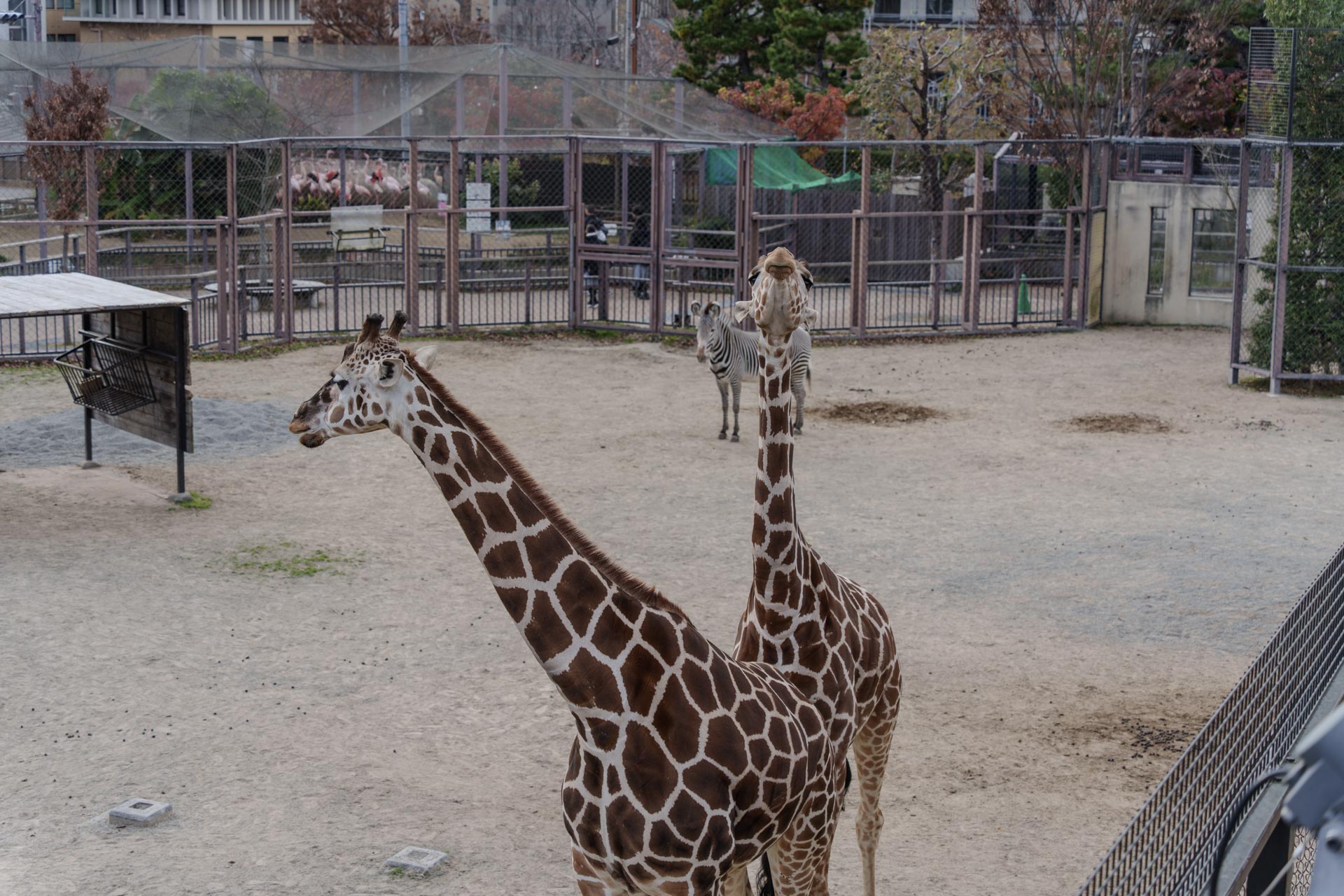
Giraffe
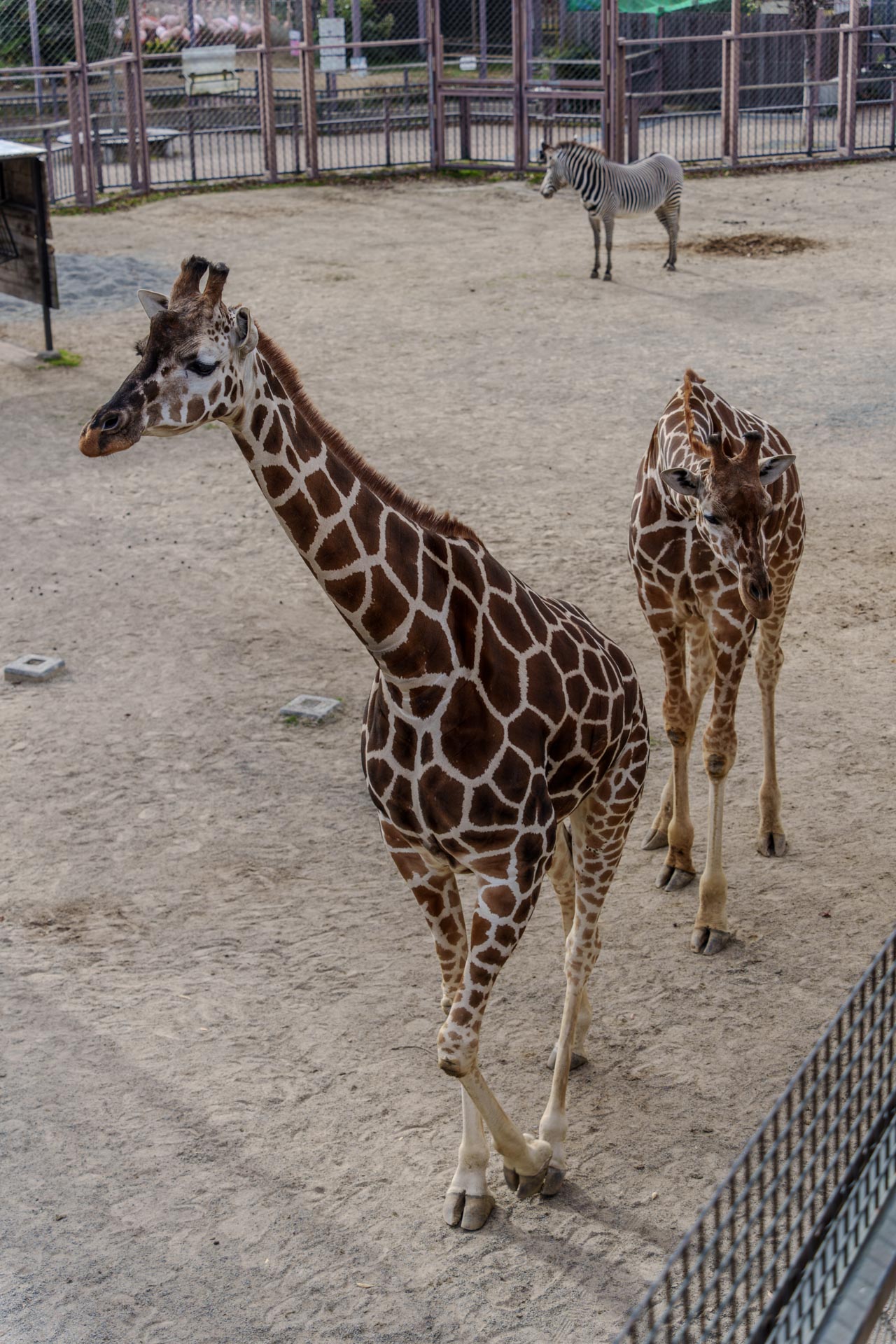
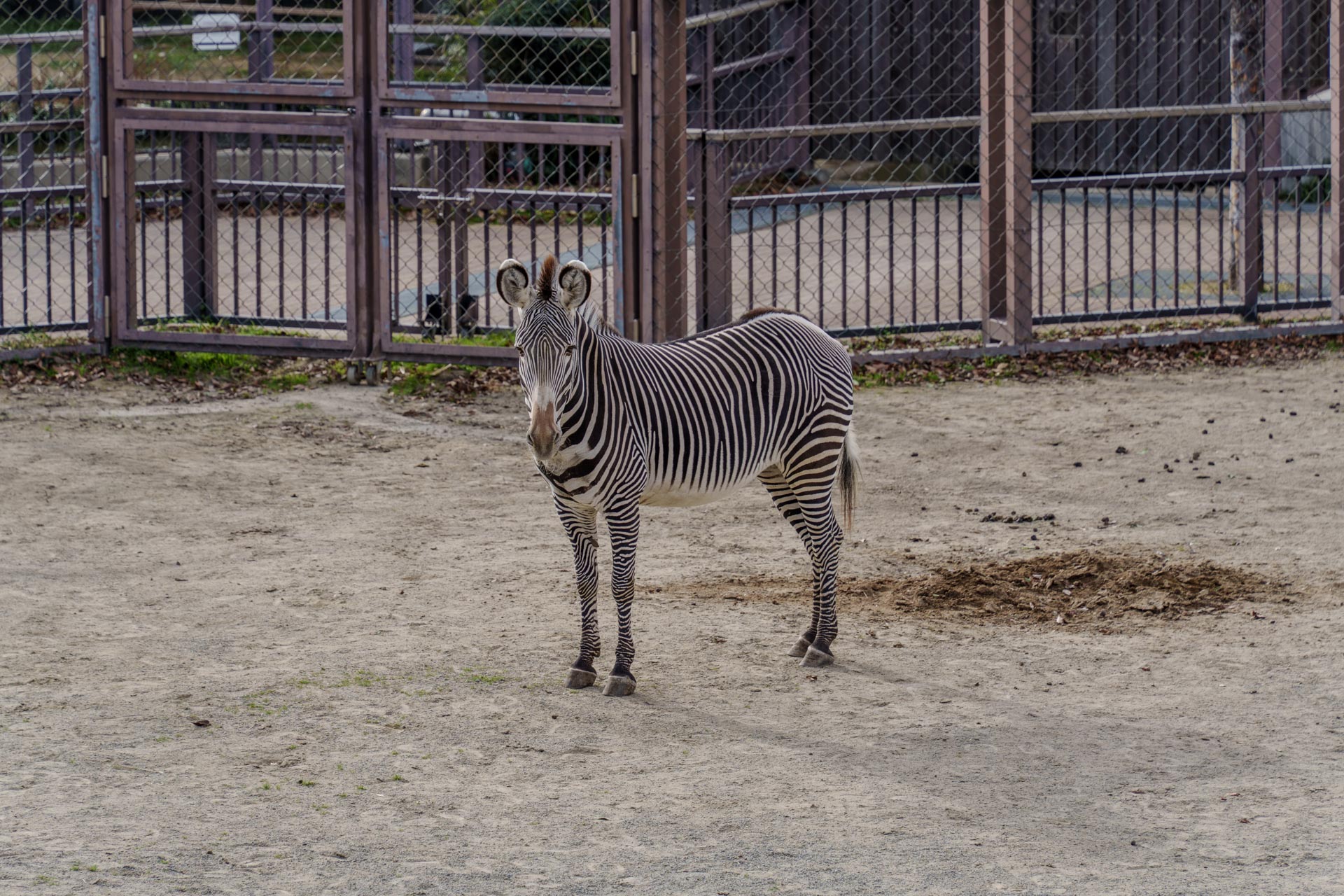
Zebra
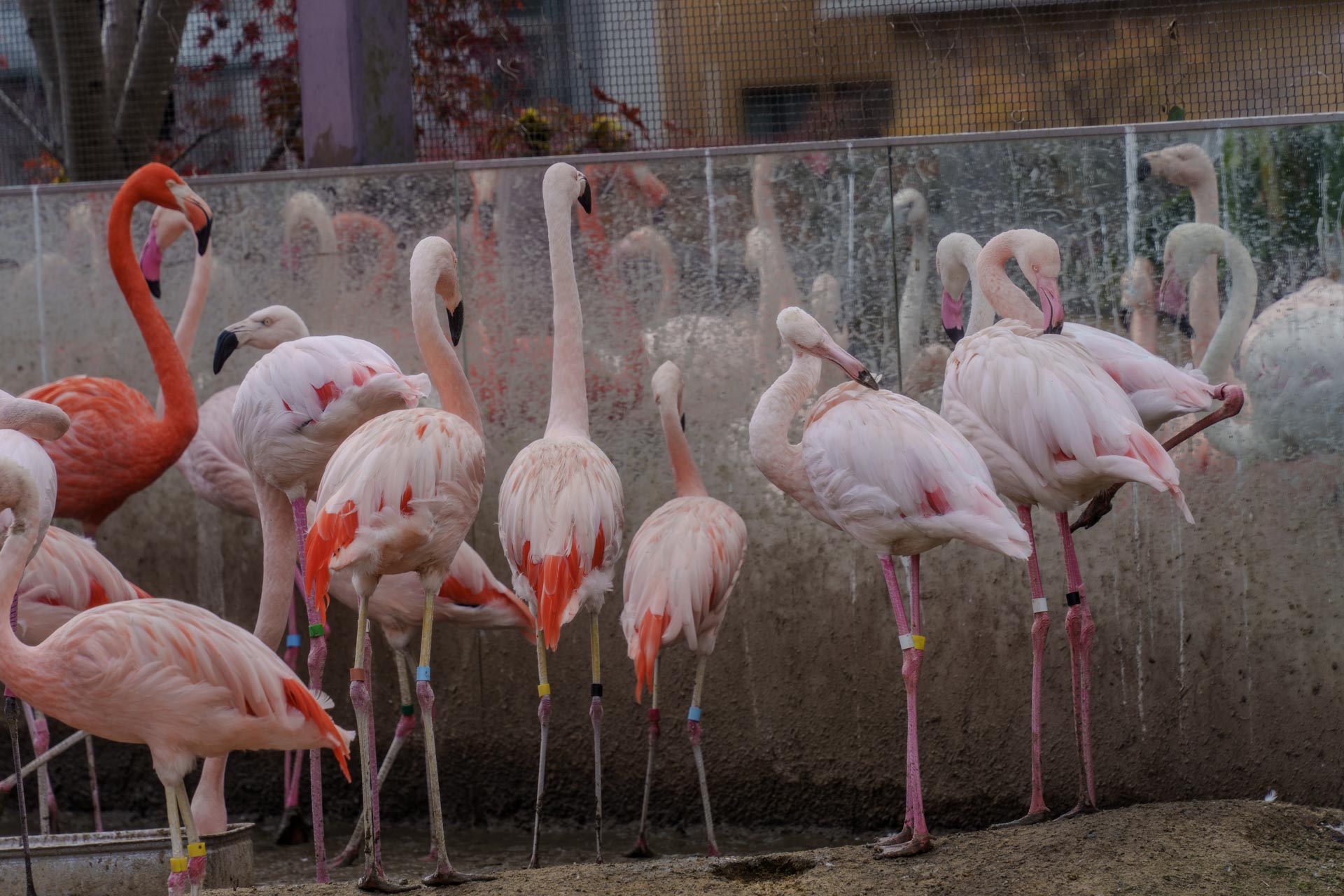
Flamingos (very noisy).
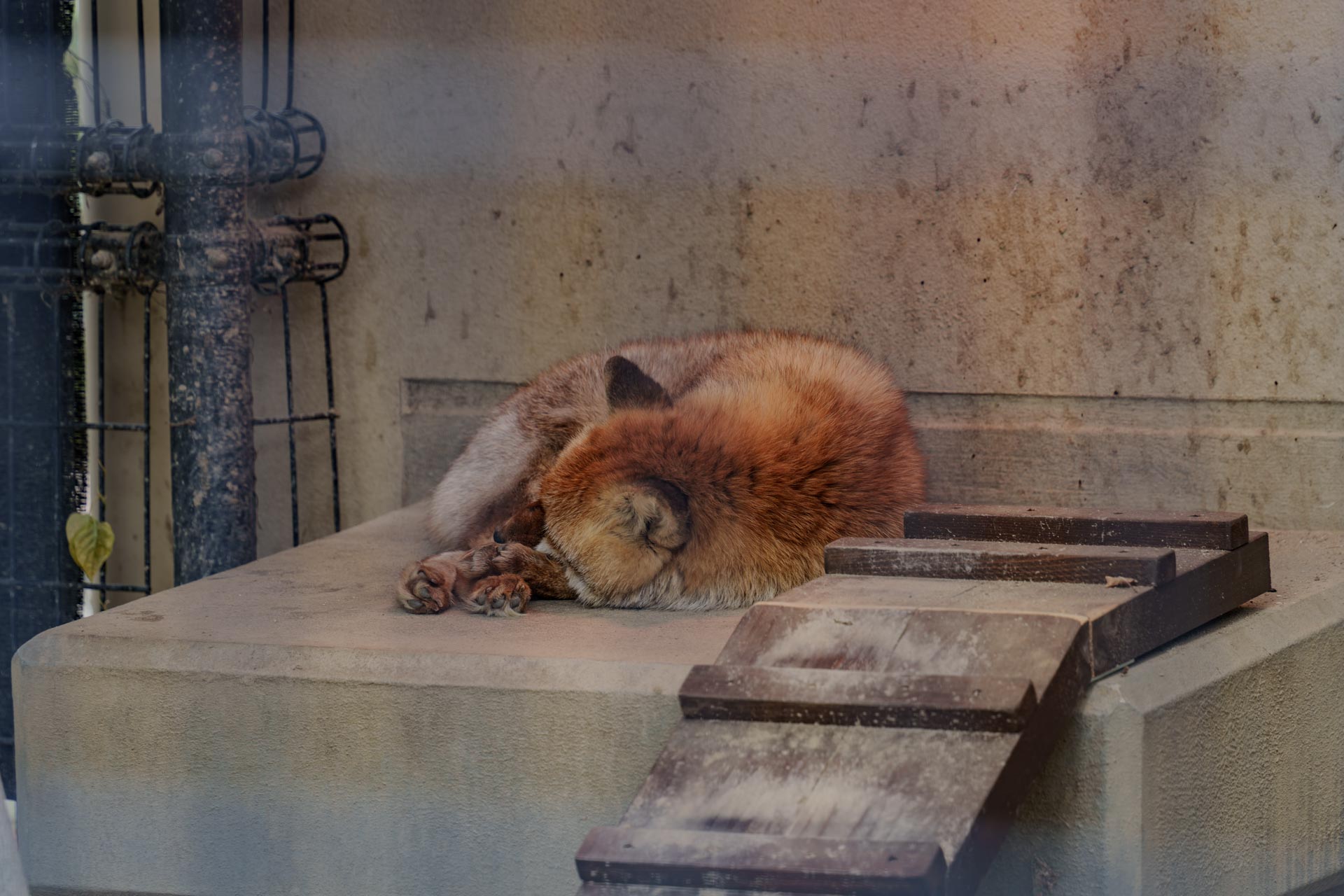 Fennec fox, Nick
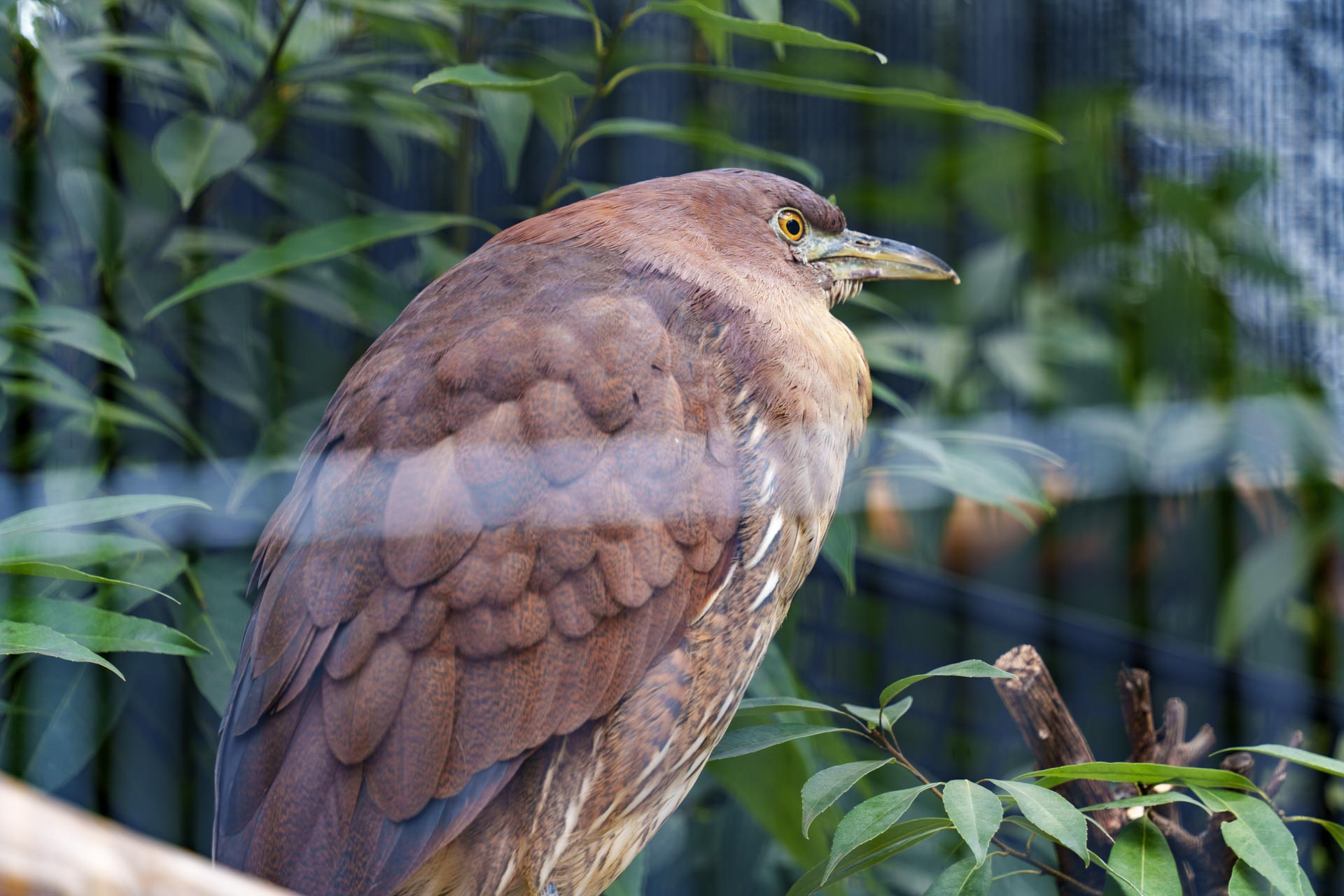
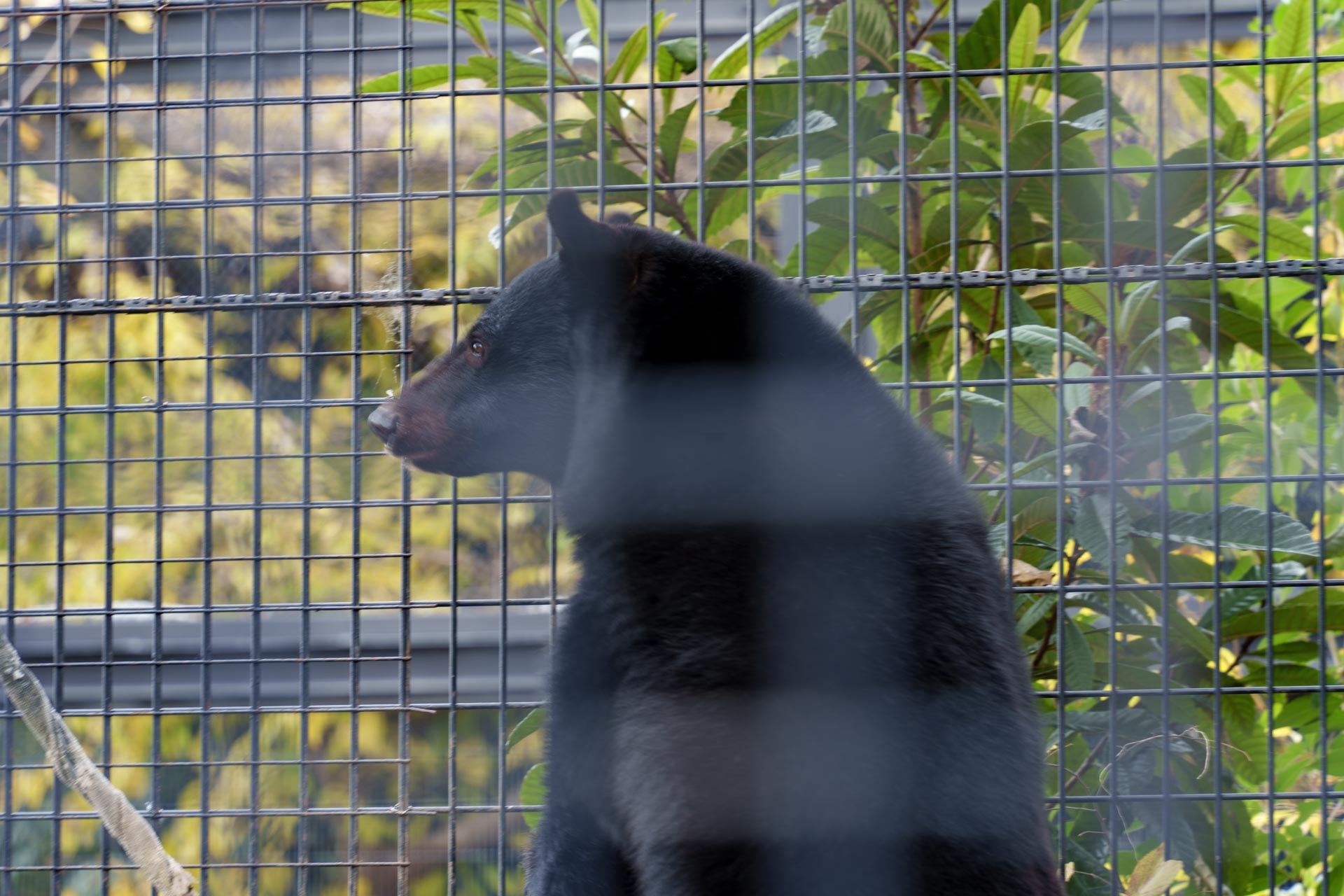
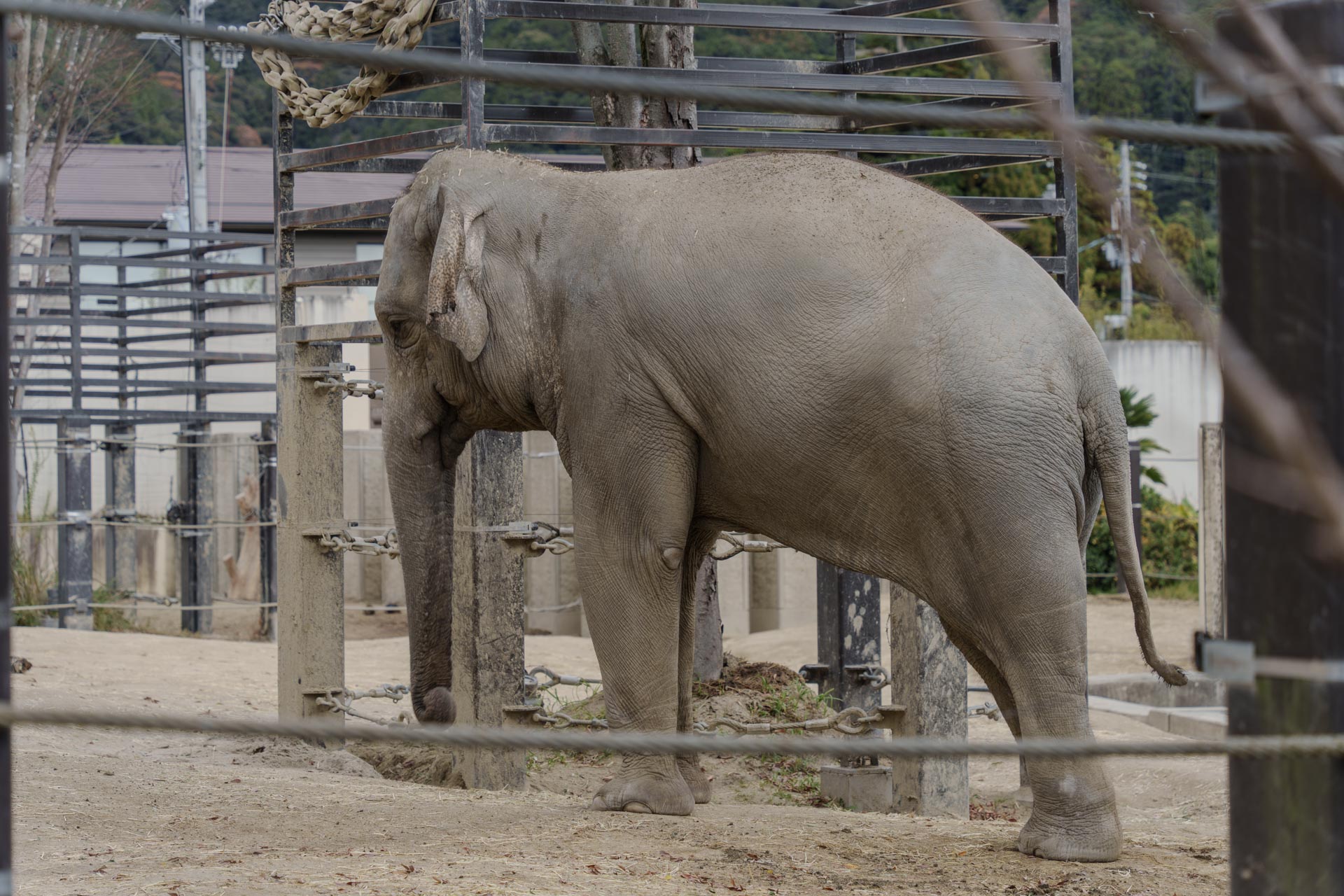
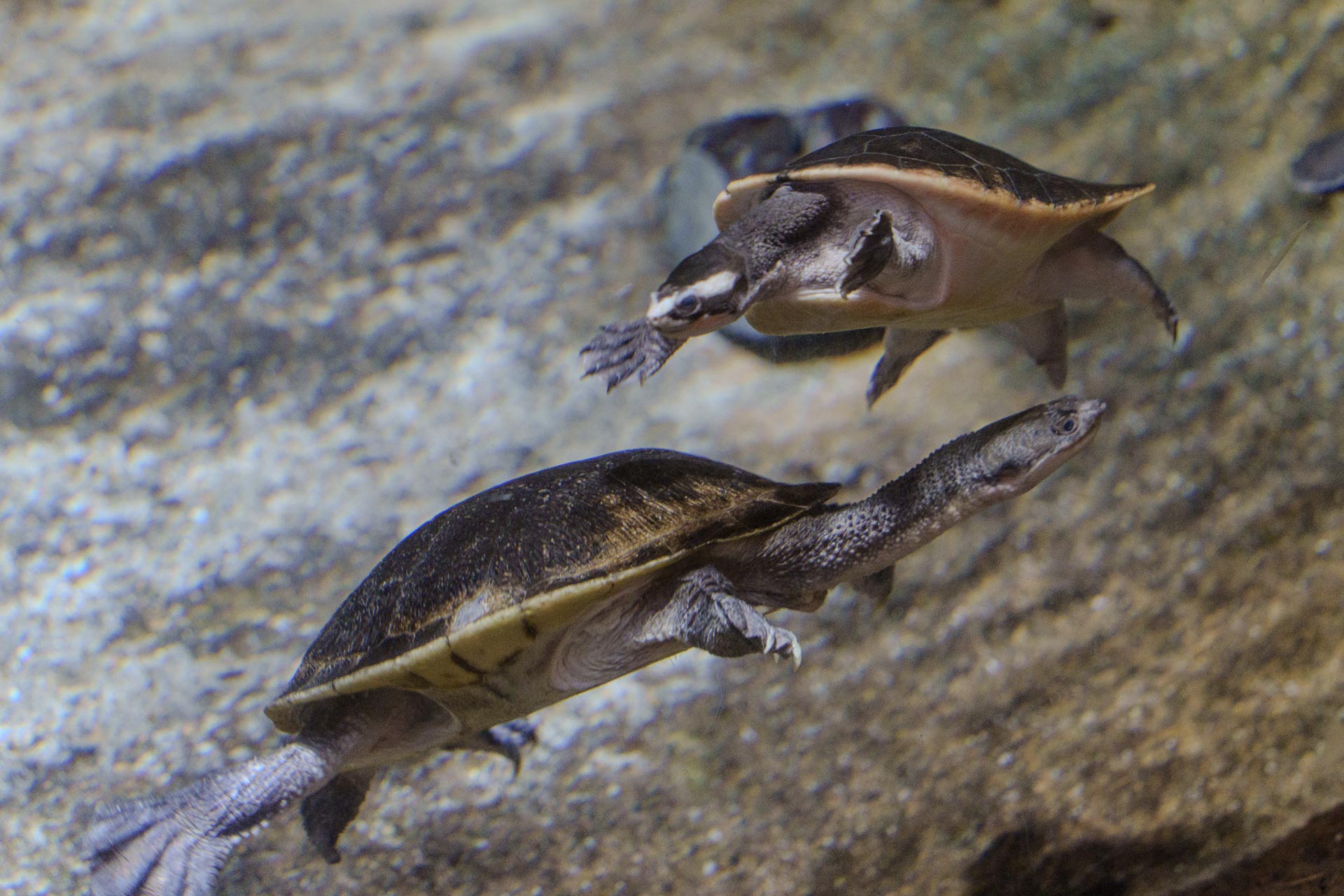
We left and took a bus to Kyoto Tower.
Kyoto Tower
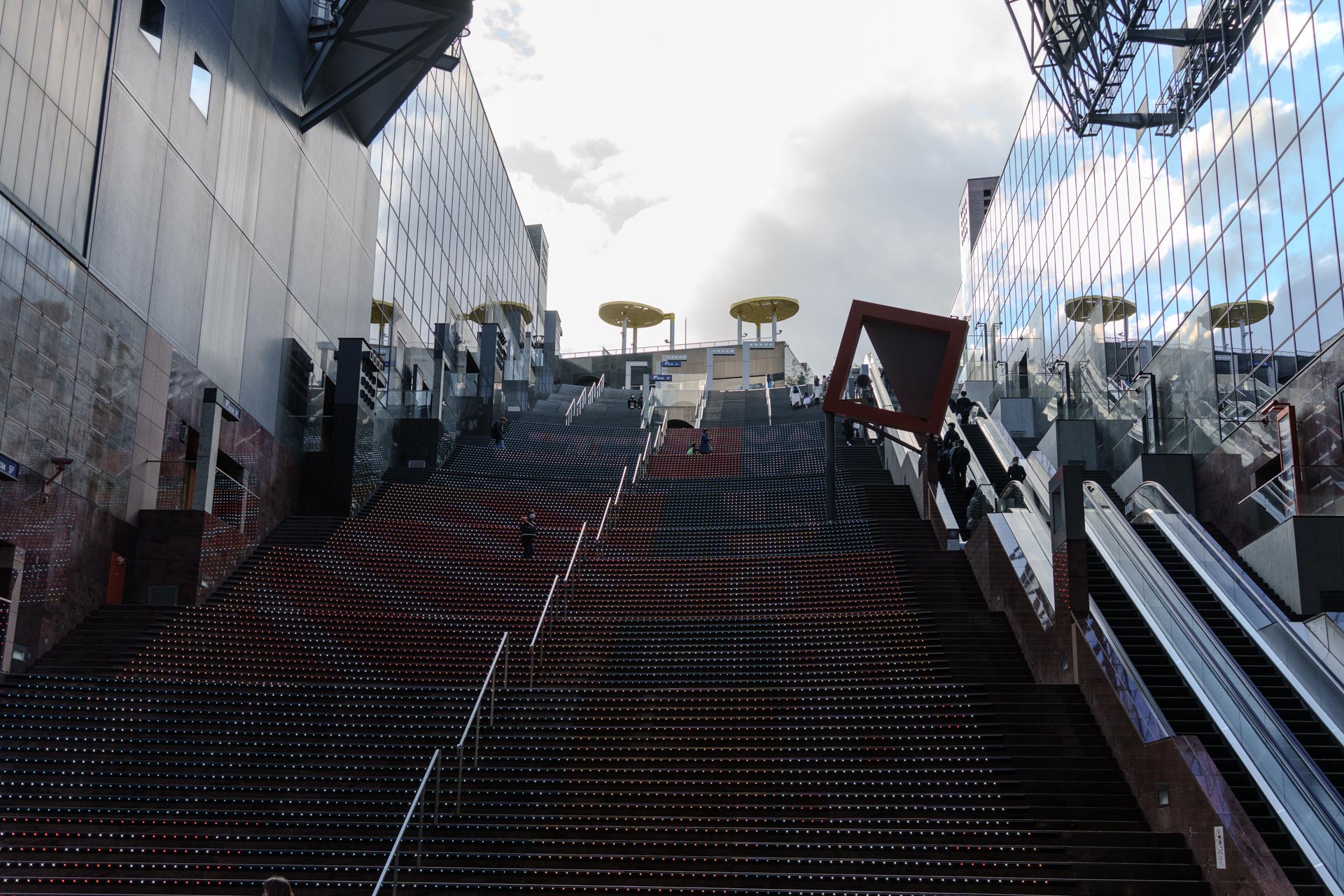
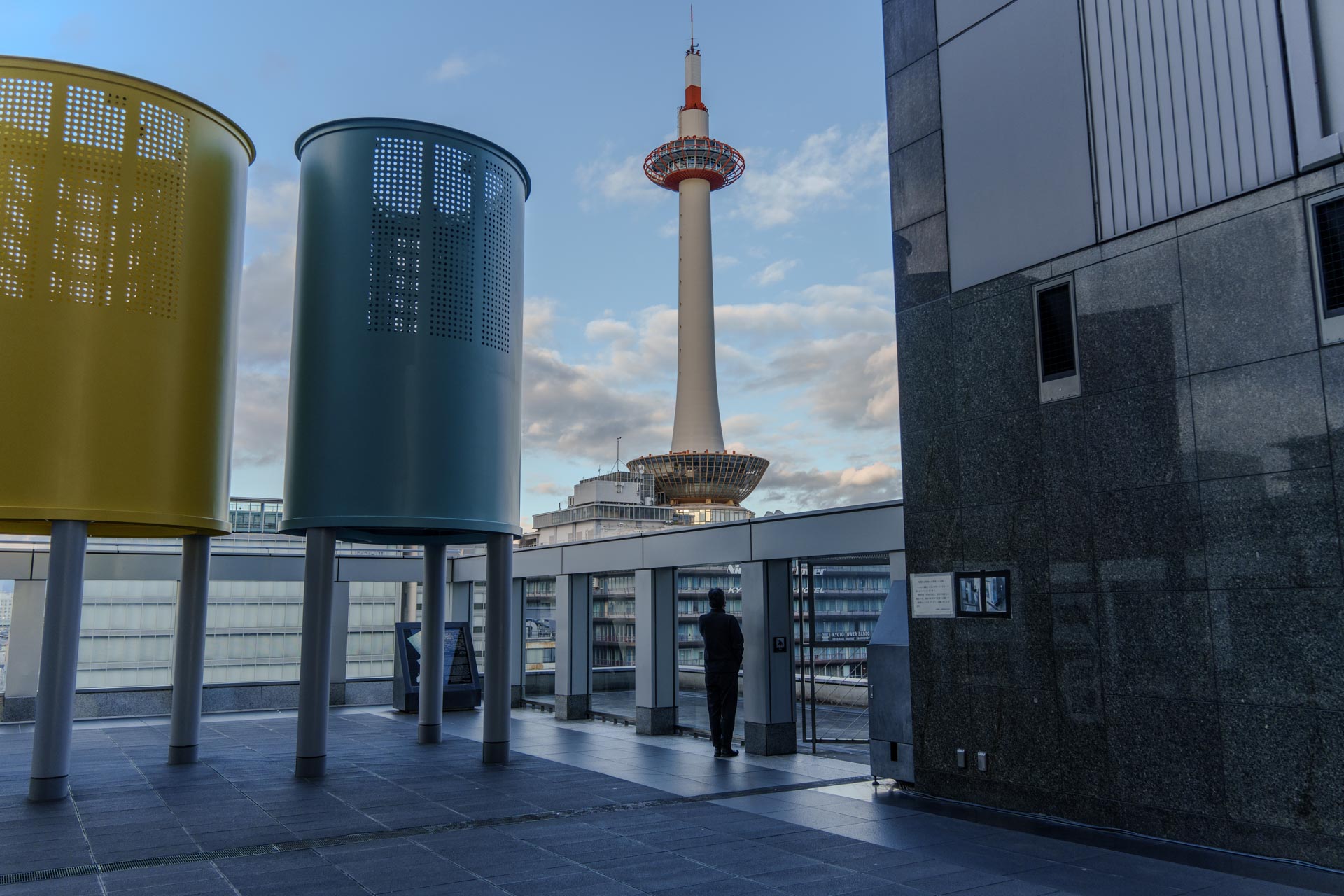
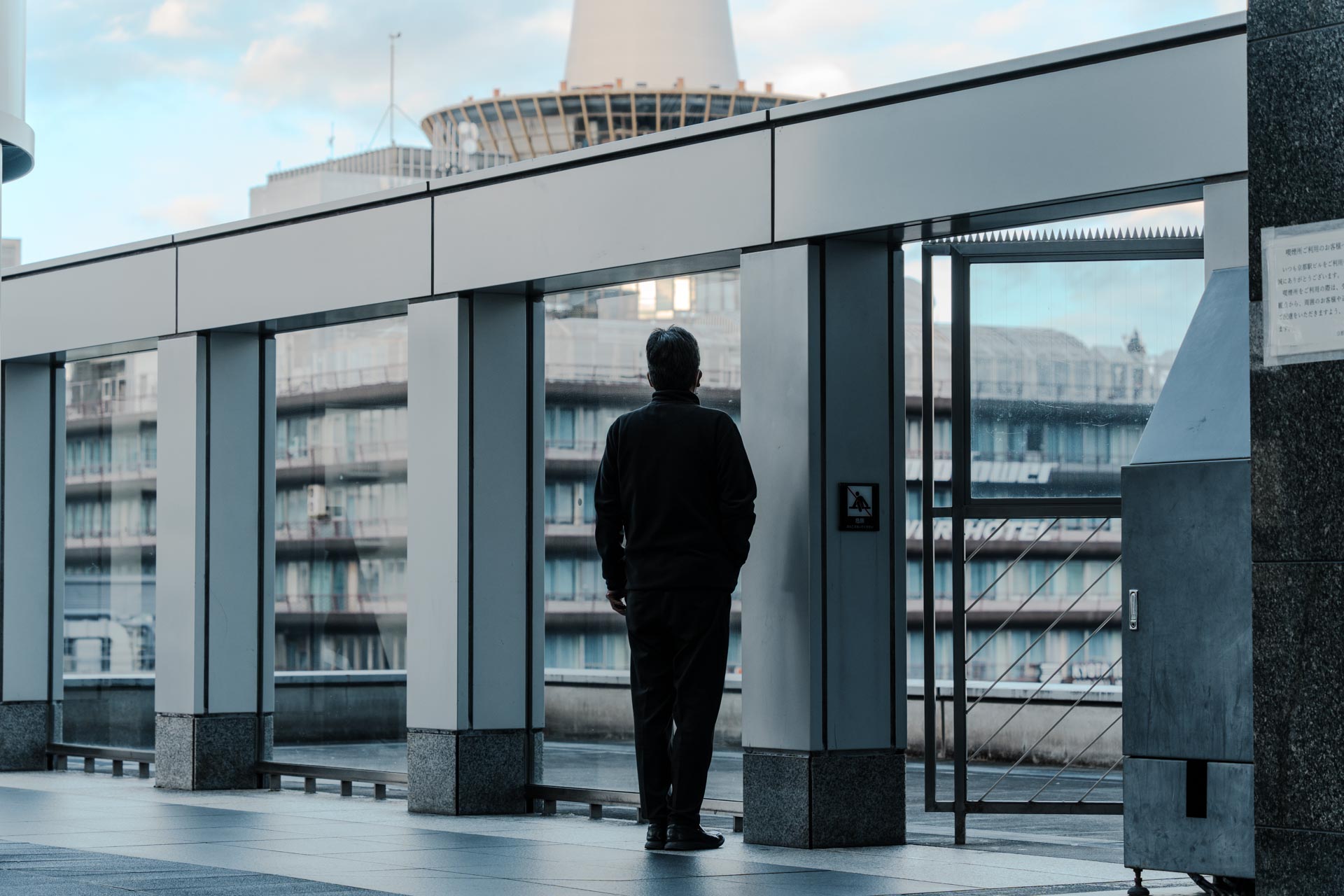
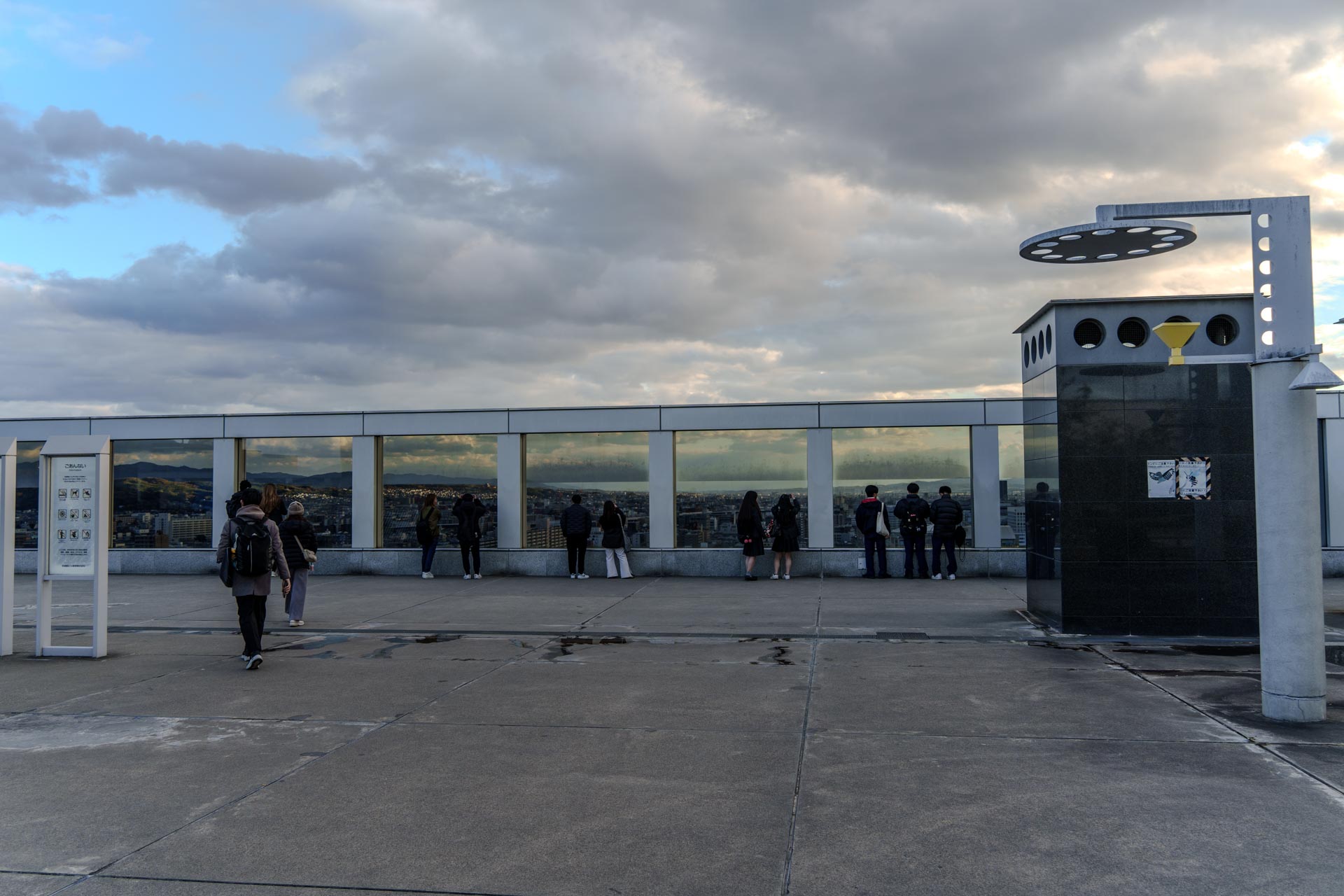 Observation Deck
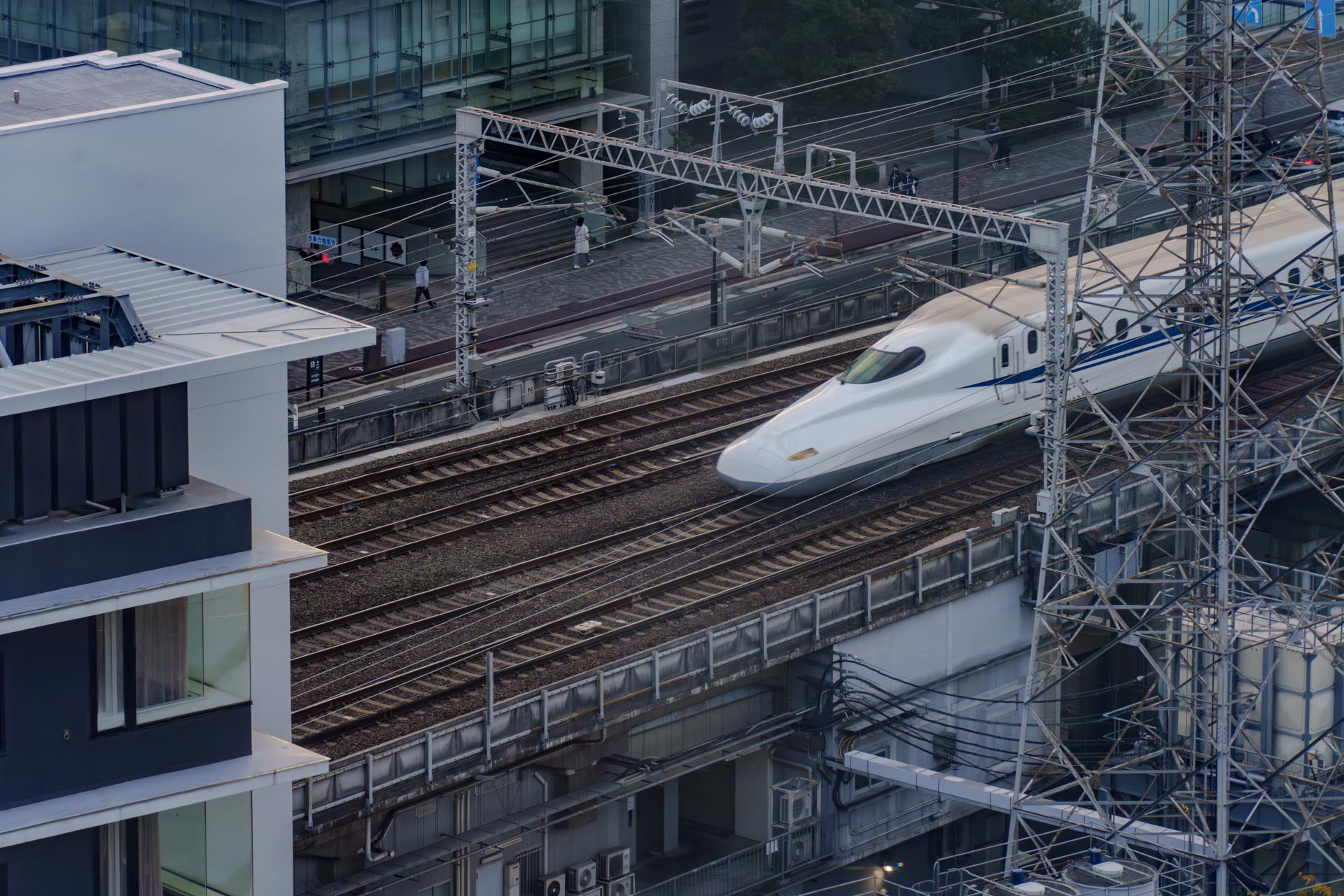 Shinkansen Train
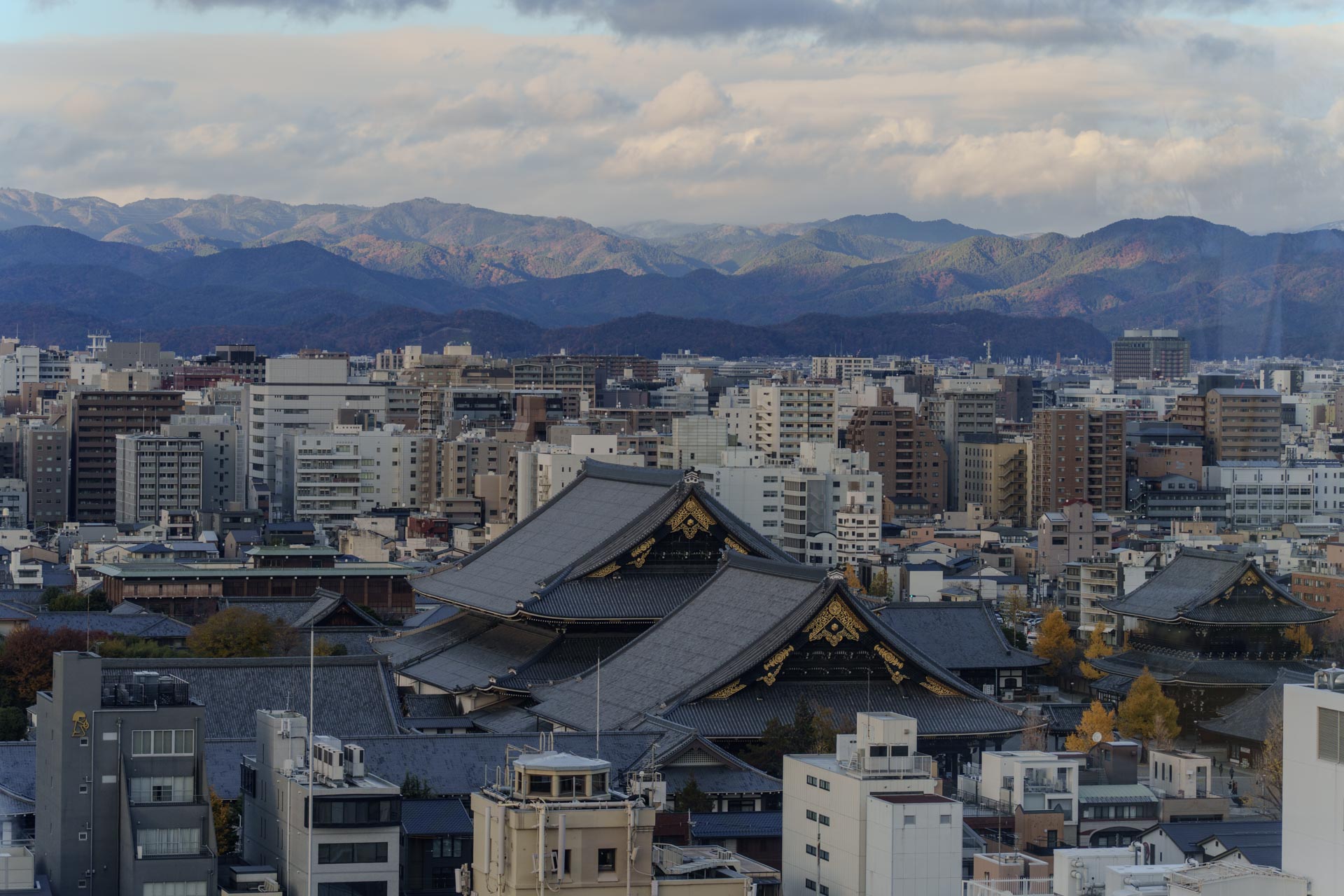 Honganji Temple
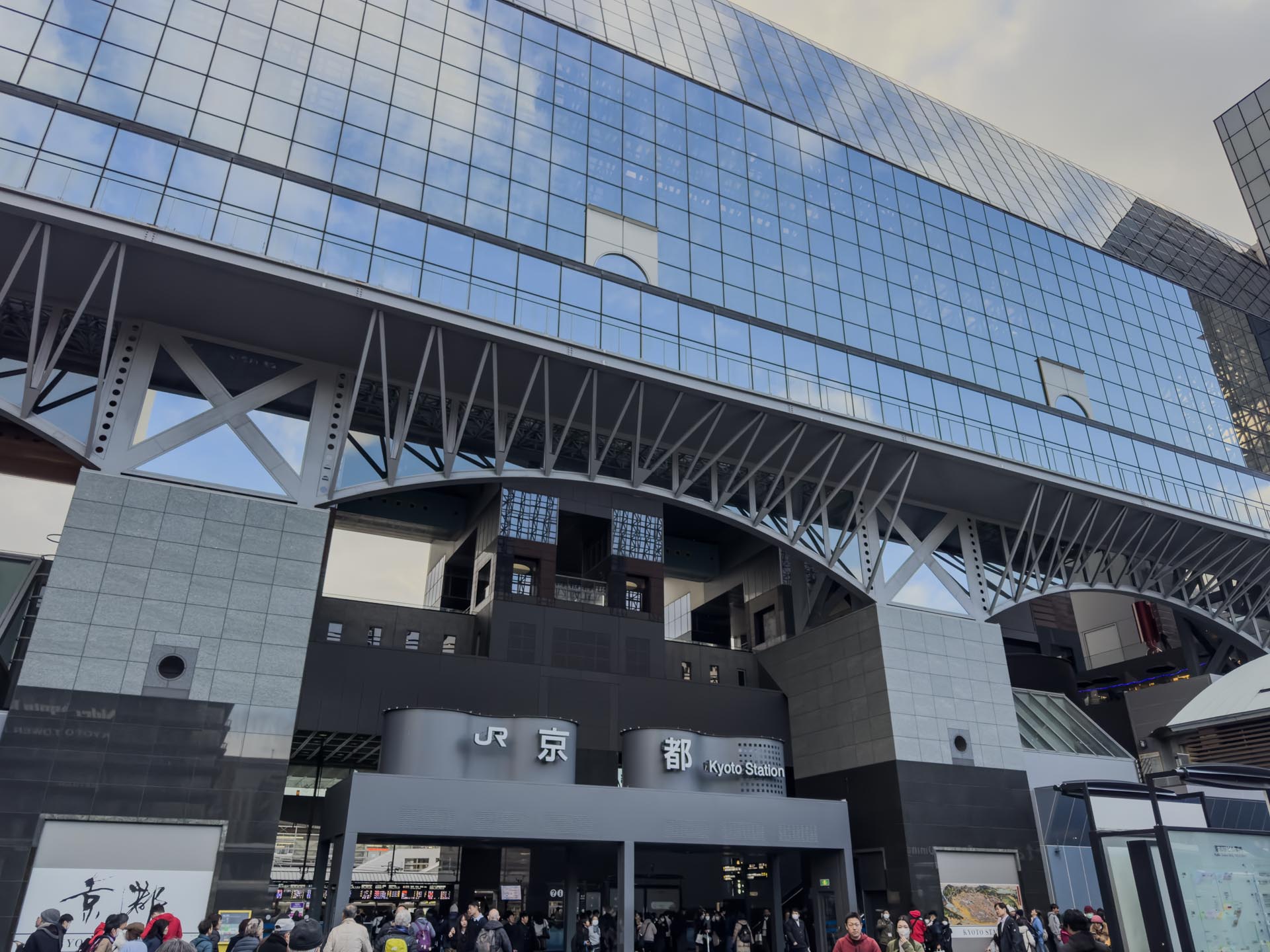 In front of Kyoto Station
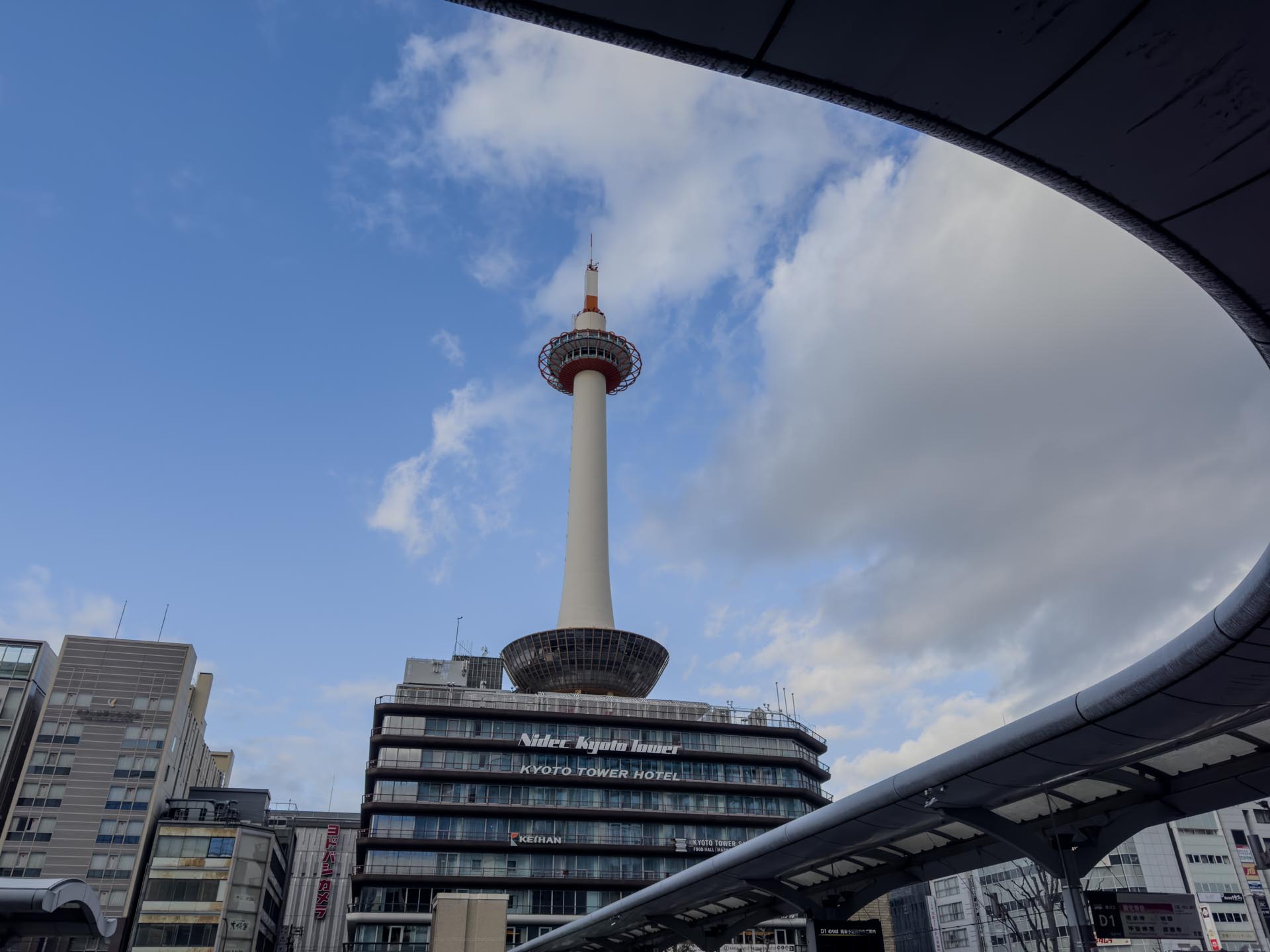 Kyoto Tower (Daytime View)
Dinner was Ippudo ramen.
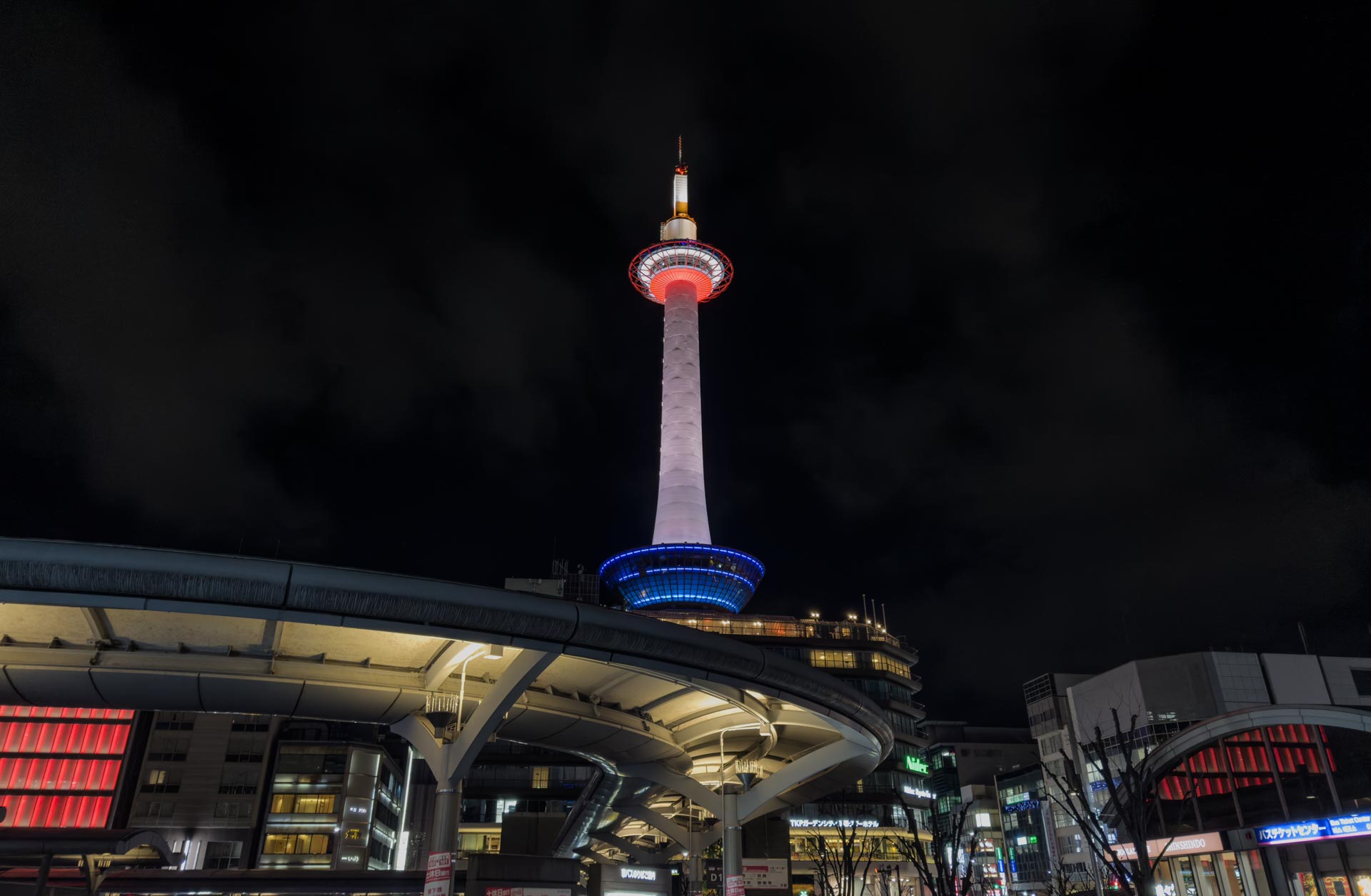
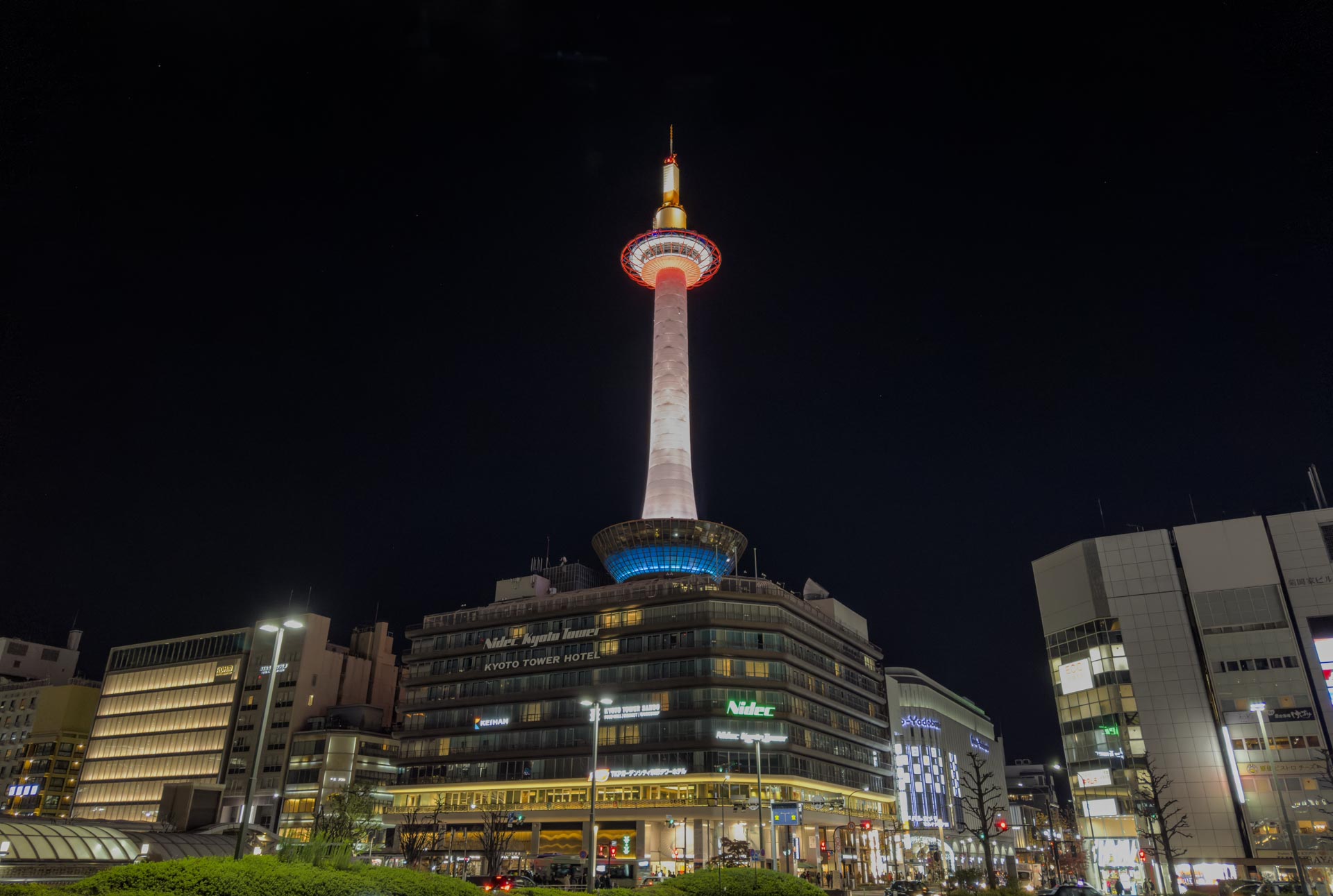 Kyoto Tower (Night View)
We took a bus back to the hotel.
Day 7 Ōtsu
Yesterday, my friend and I discussed avoiding rainy areas since it would be inconvenient to travel and the scenery might lose its charm.
After checking the weather forecast, we decided to head to the side of Lake Biwa opposite Mount Hiei.
Since the upcoming itinerary involves several JR trips, we purchased a 5-day Kansai Wide Area Pass + 2-day Amanohashidate-Ine Pass.
Today’s main destination is Omihachiman. First, we stopped by Otsu to stroll along the shores of Lake Biwa. The weather was great today, with blue skies and white clouds. It’s about a 10-minute walk from Otsu Station to the lakeside.
Otsu
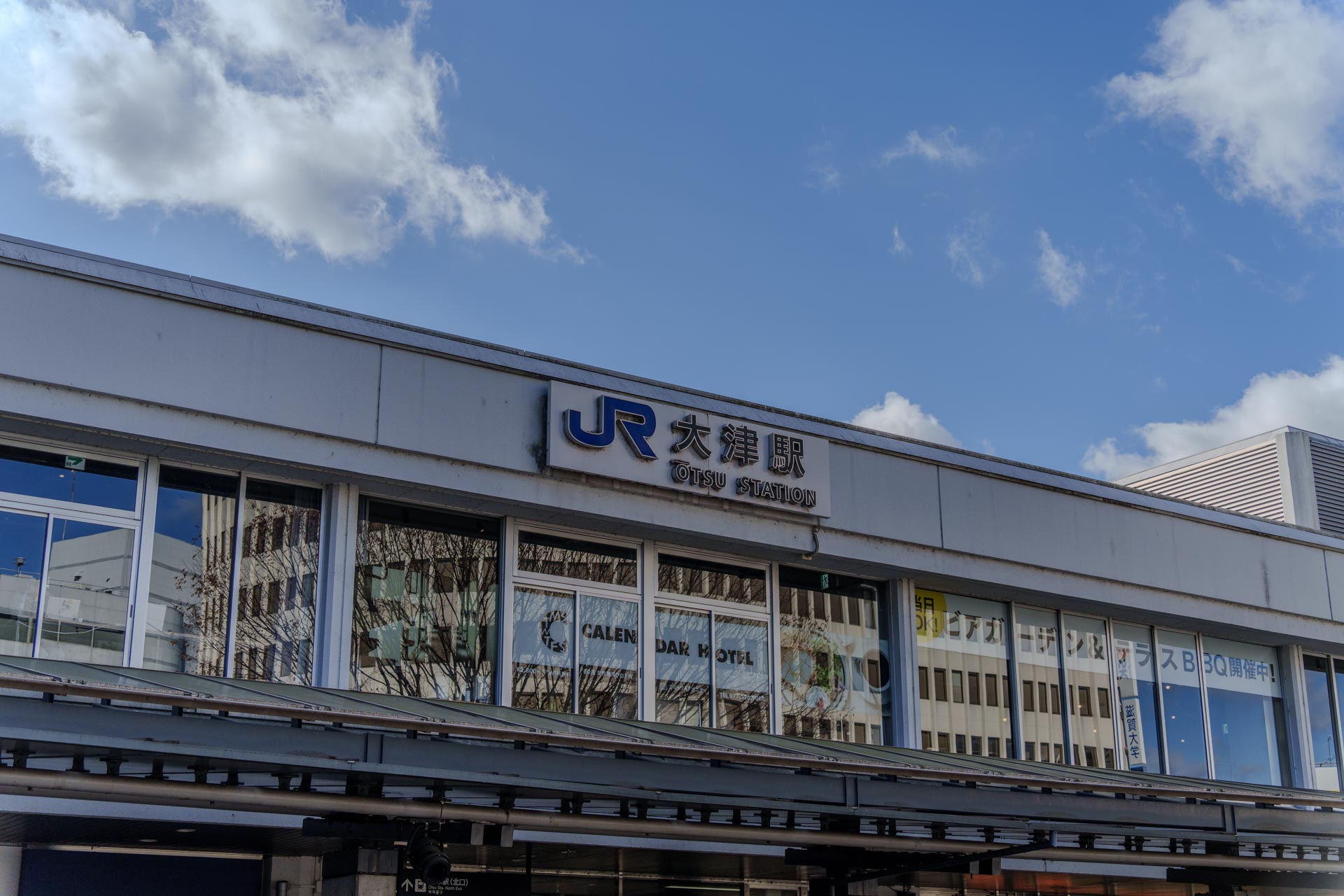
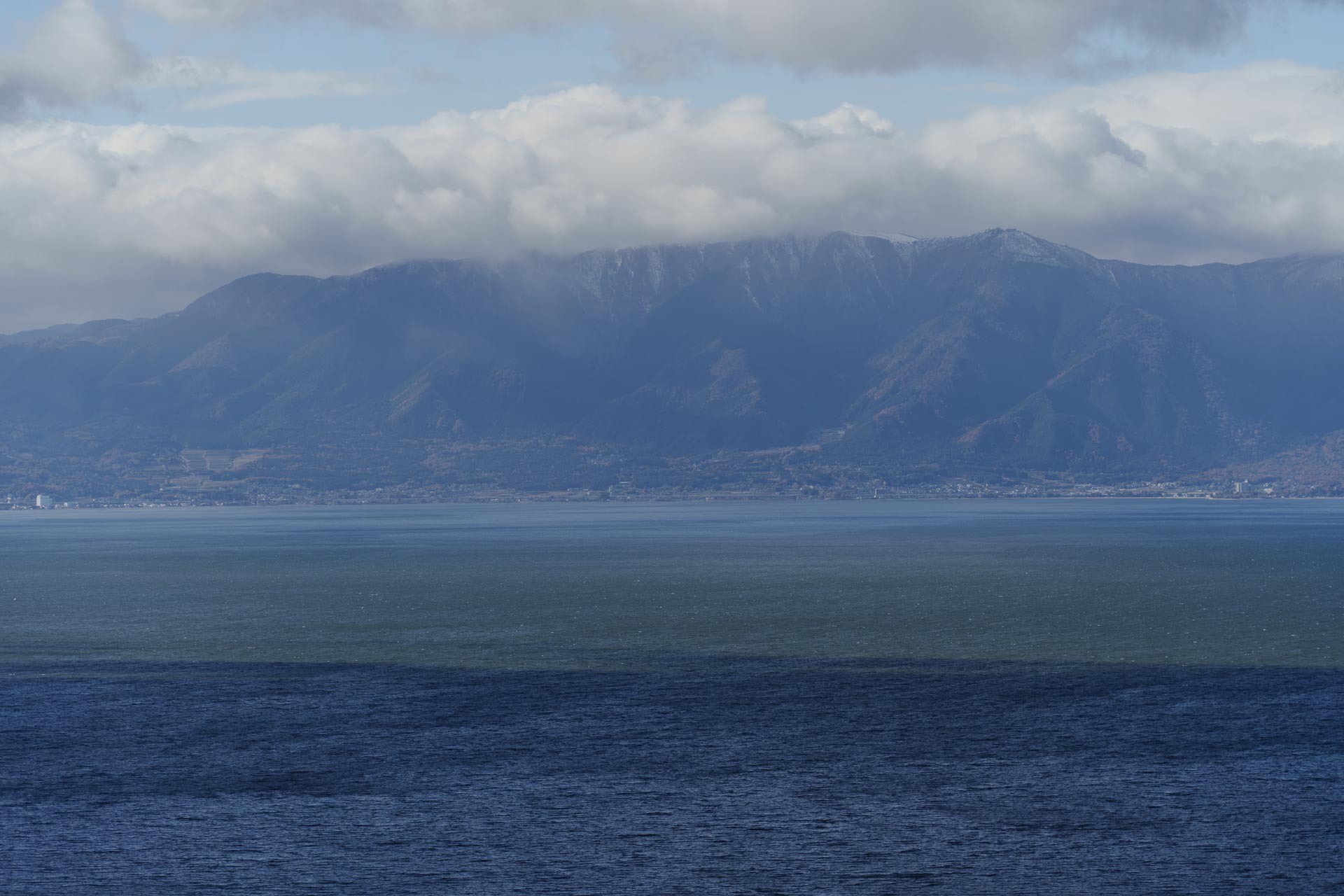
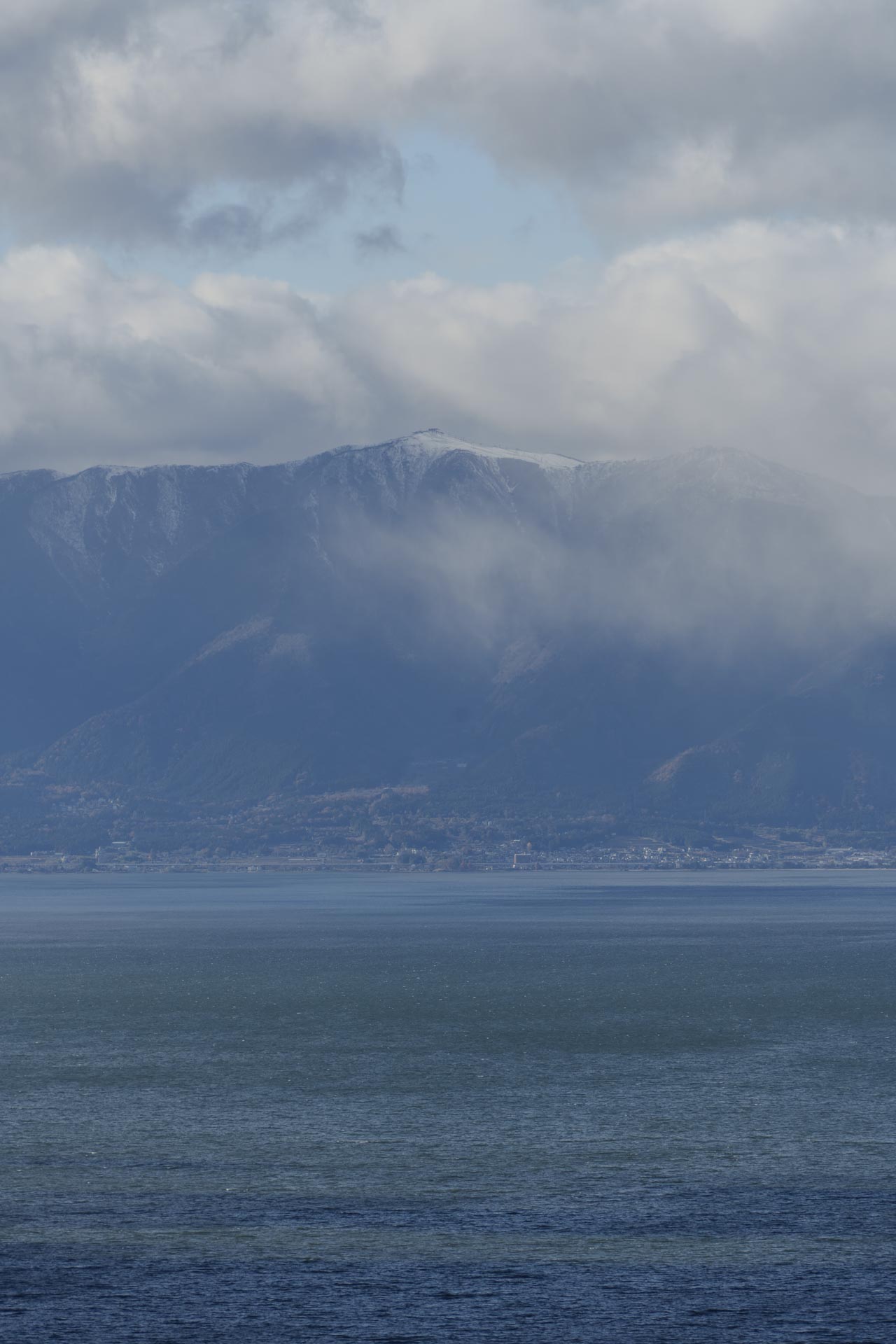
The lake reflected the sky, showing both blue and green hues. From here, we could see the “snow-capped mountains” on the opposite side.
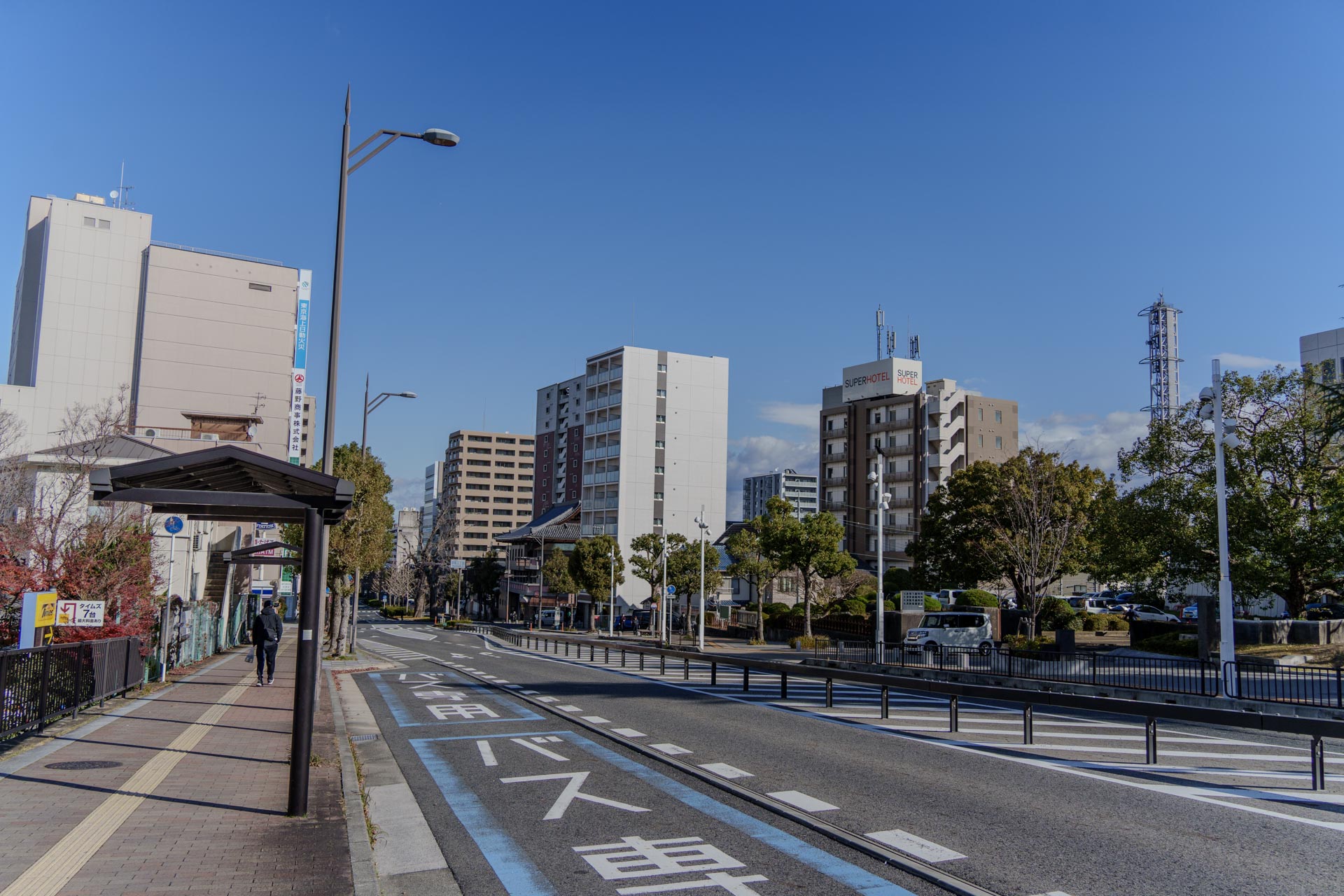
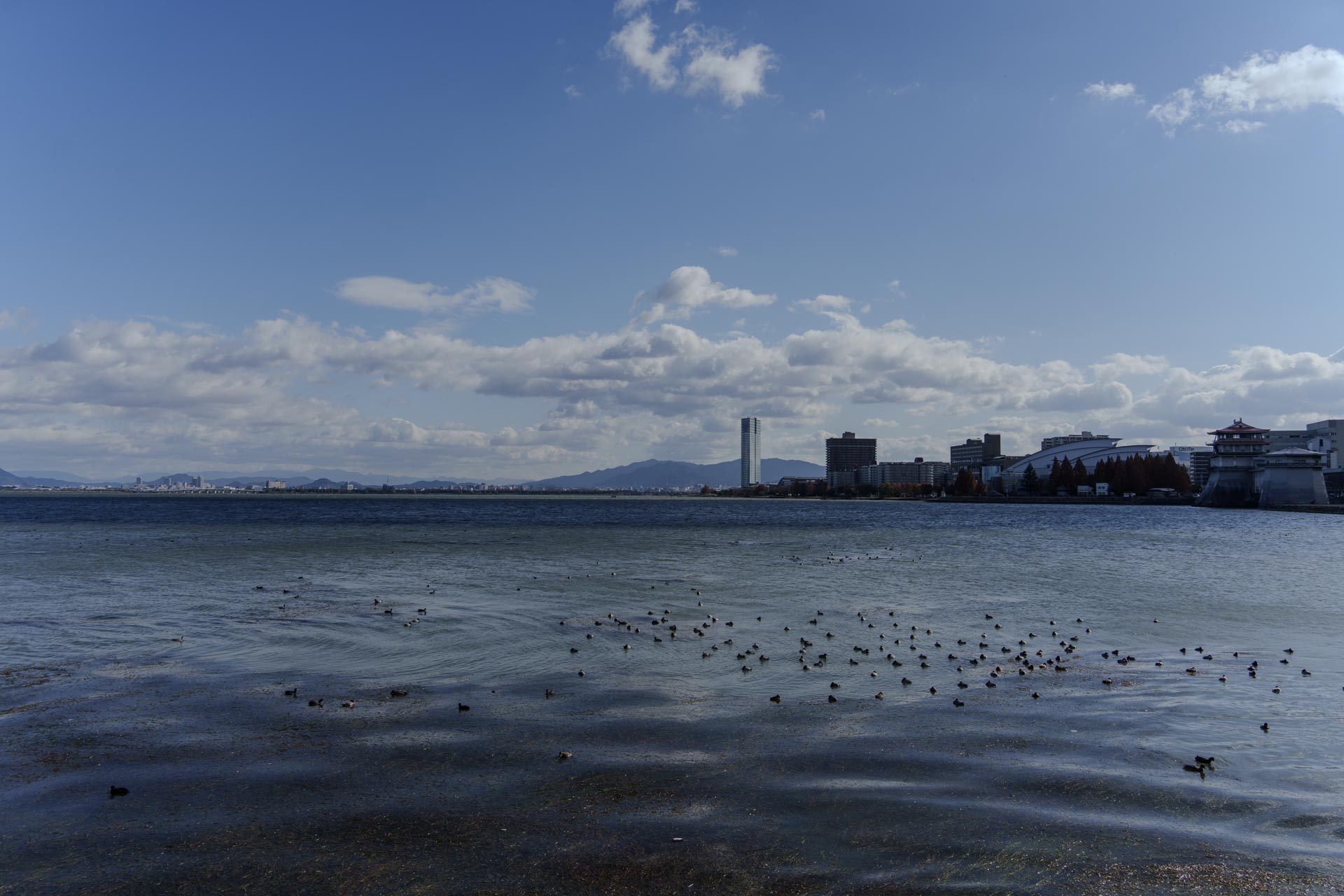
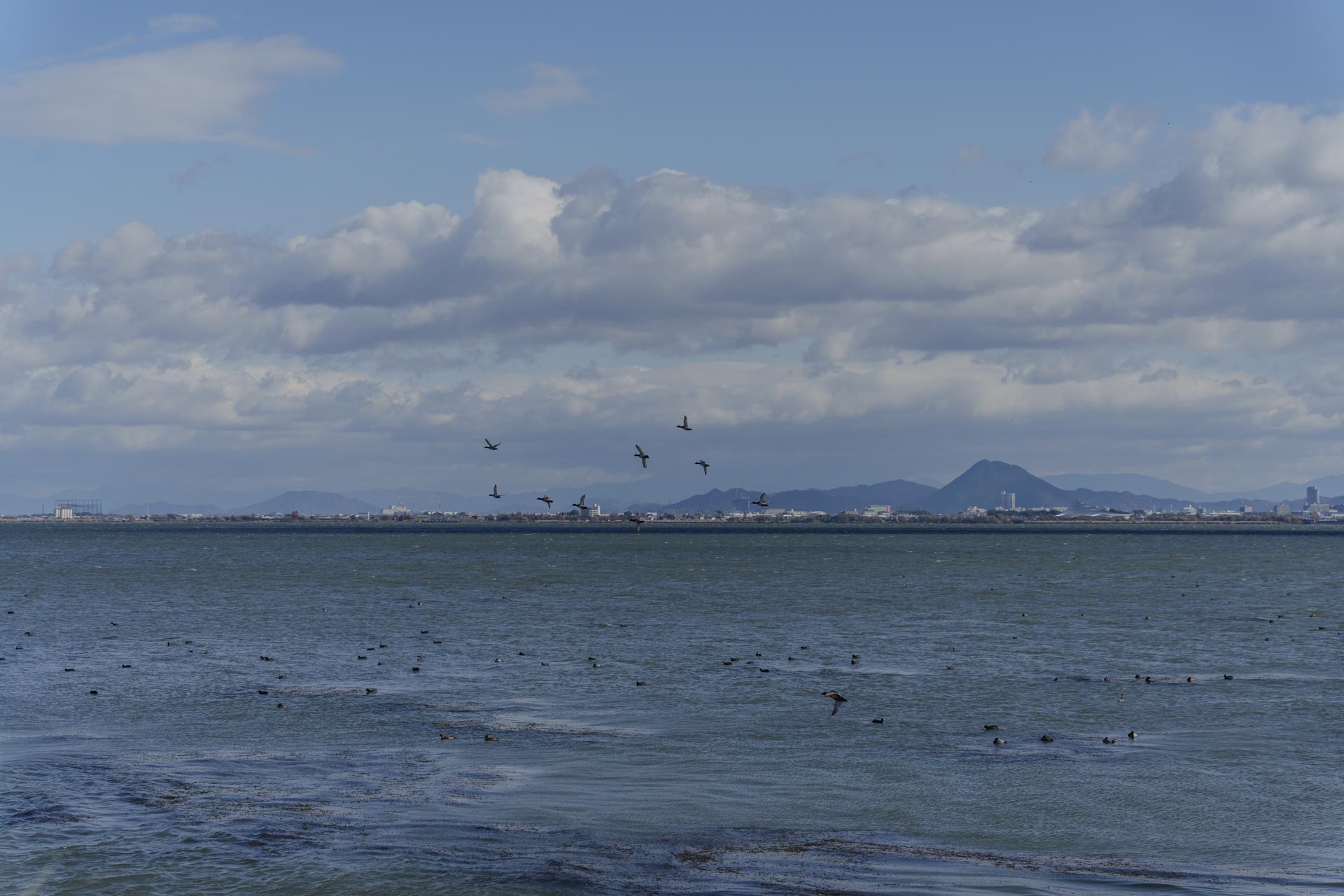
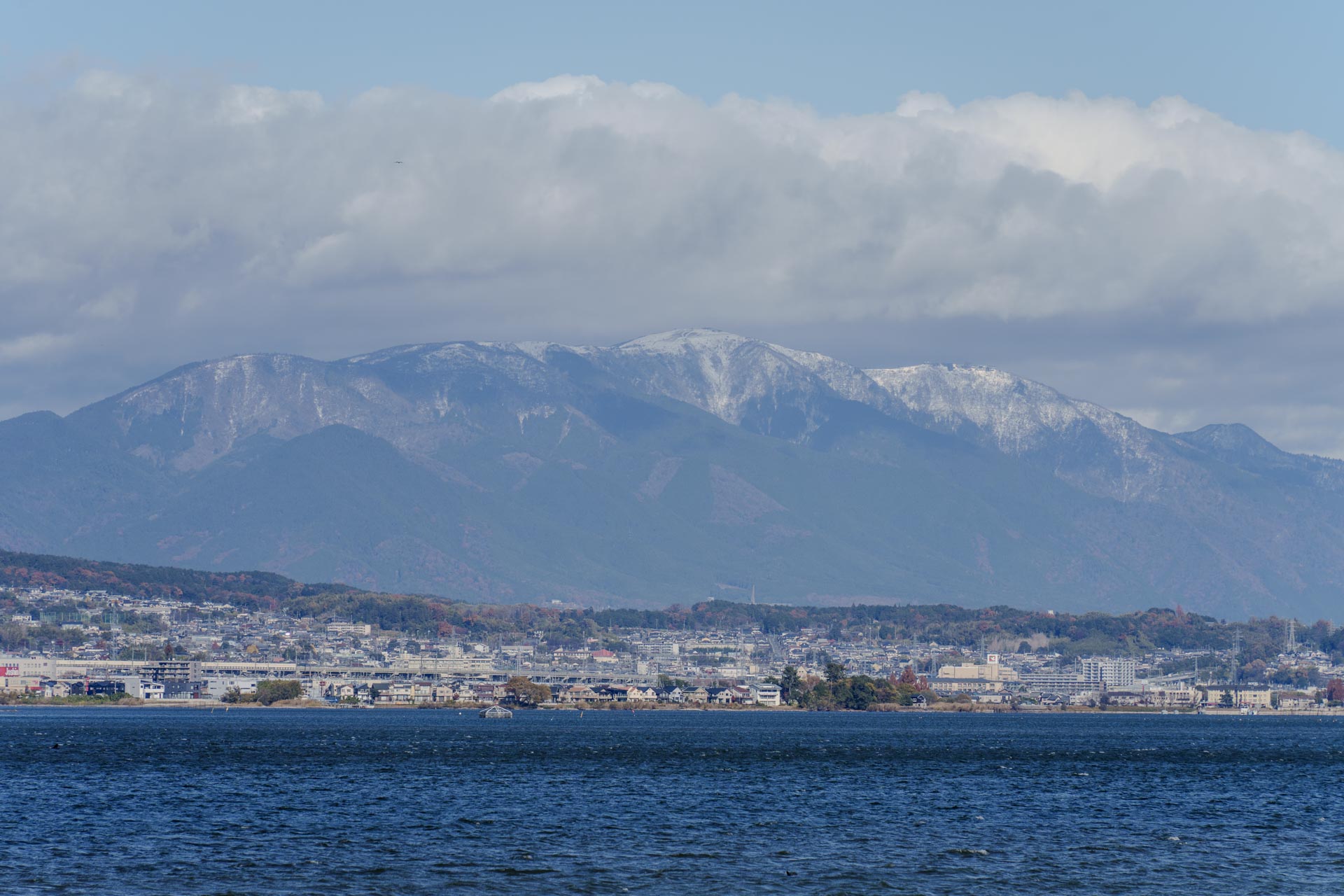
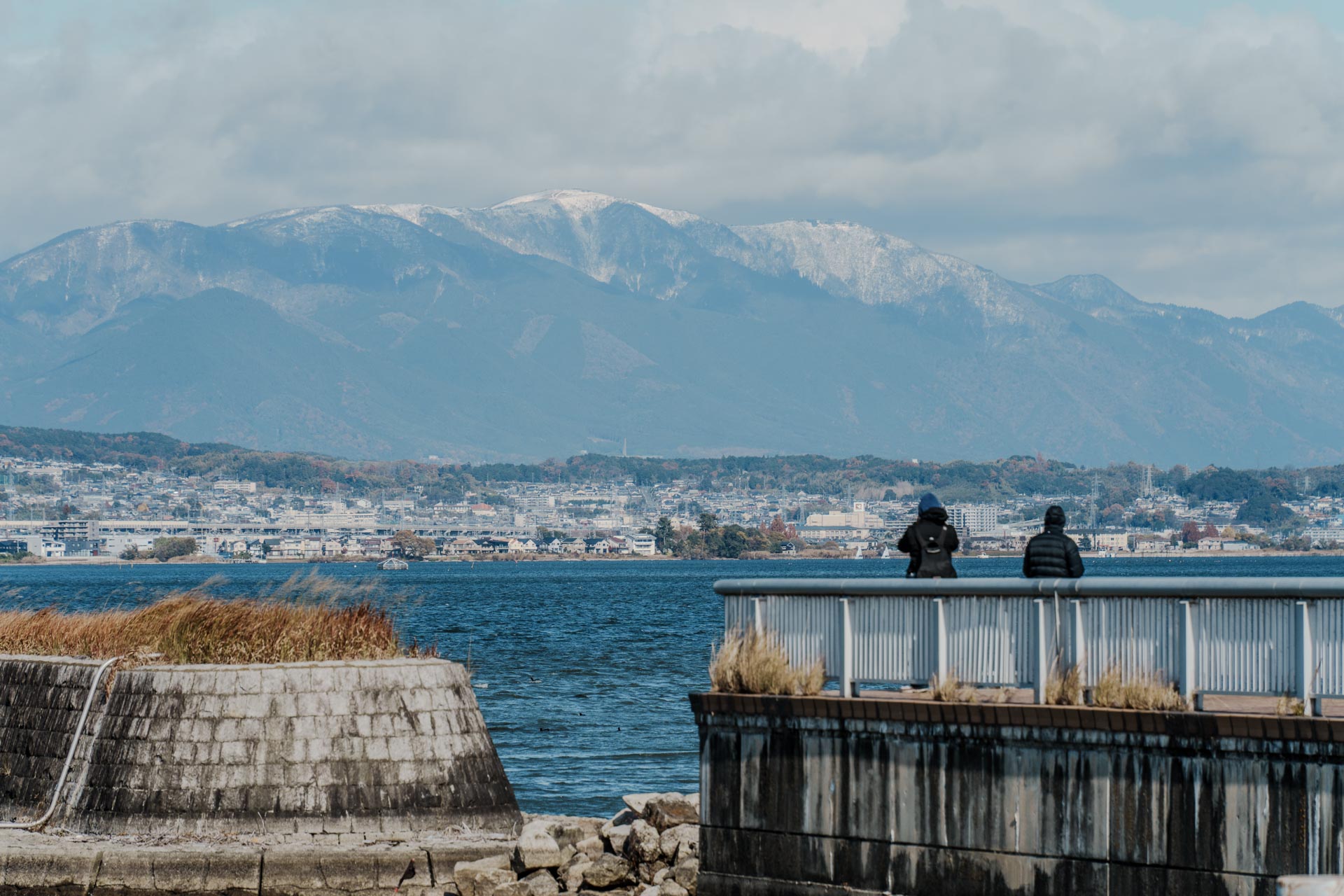
The wind by the lake was so strong it gave me a headache, so we headed back to the station to continue our trip to Ōmihachiman.
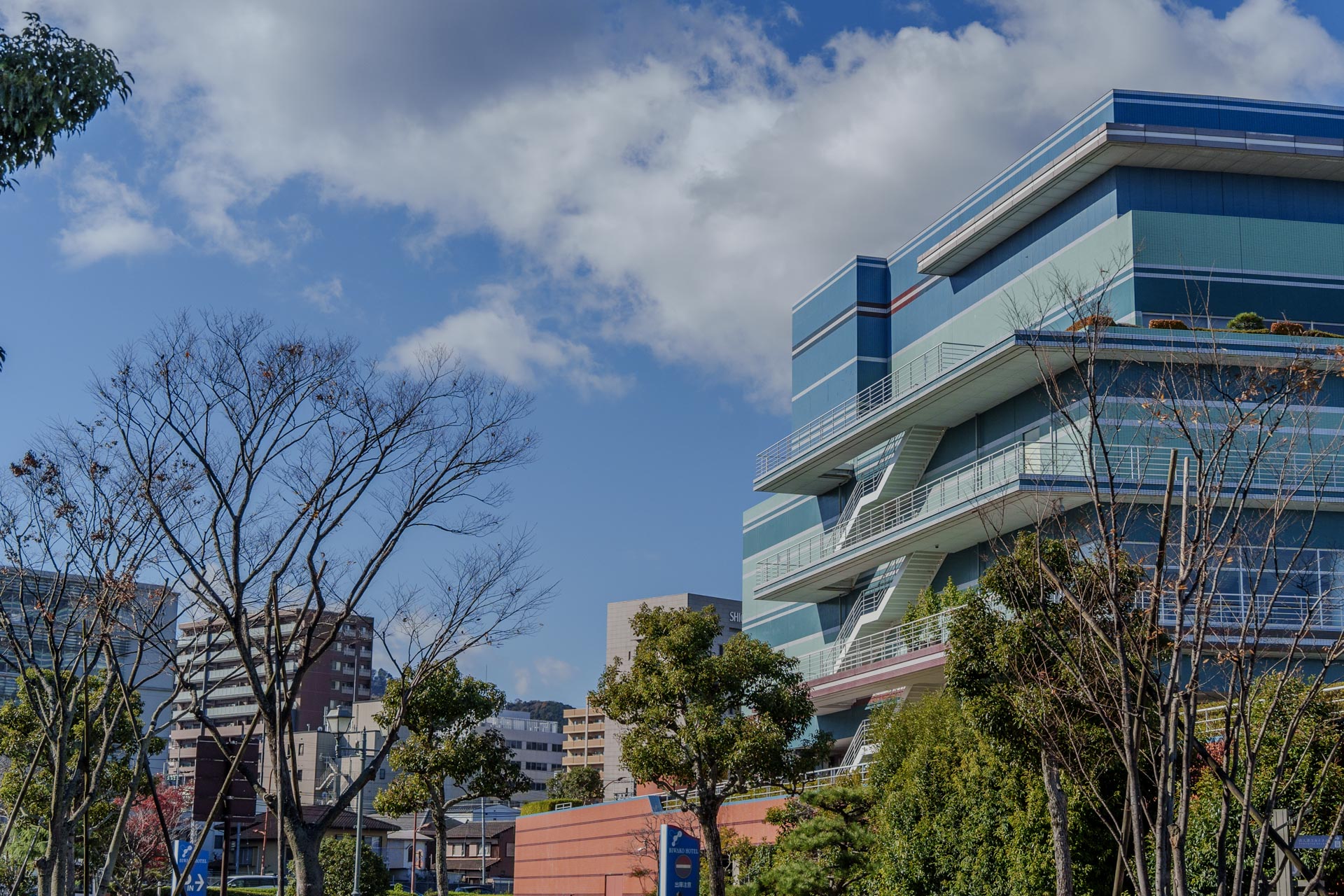 A hotel by Lake Biwa.
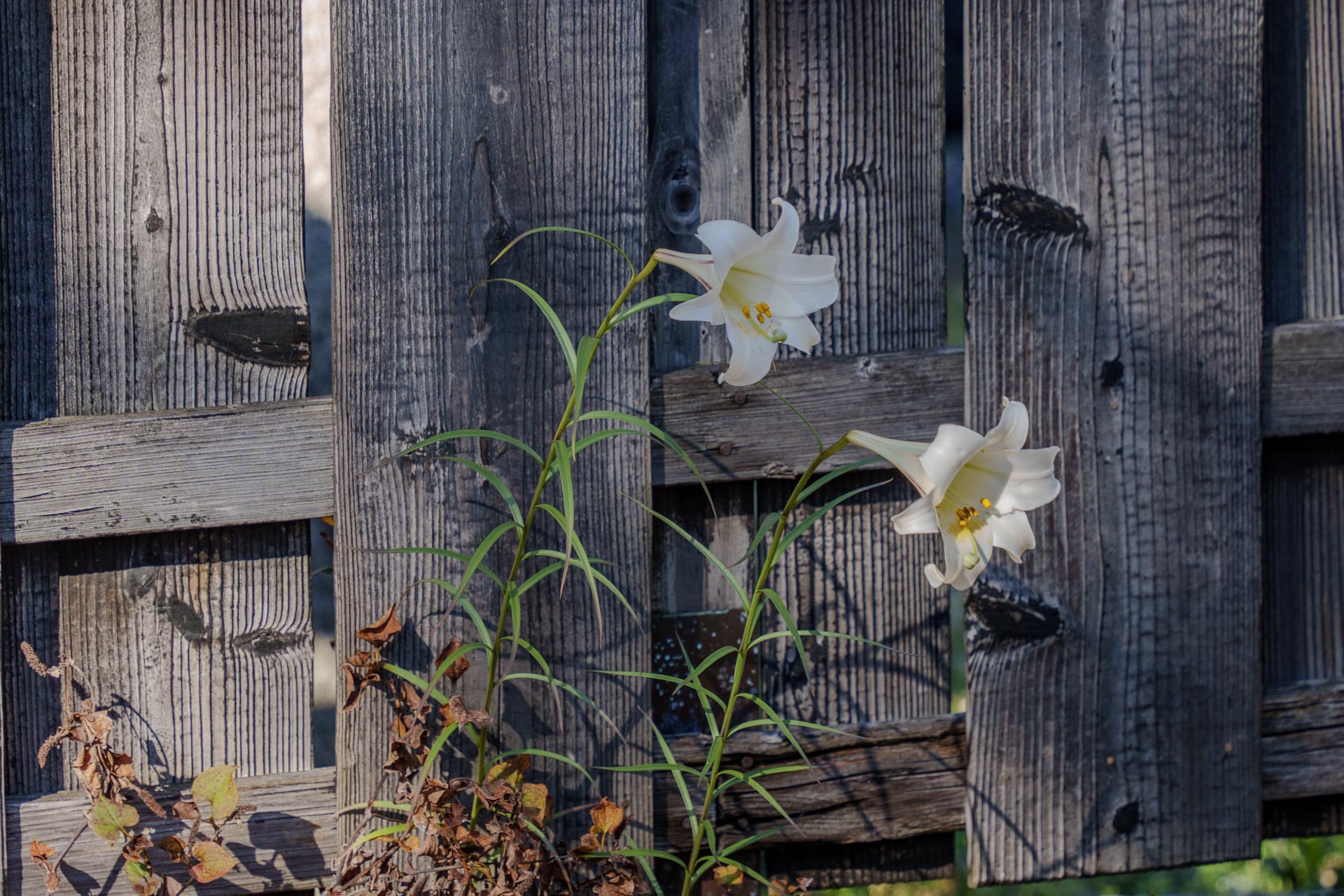 Wild lilies also have their season—oh wait, it’s autumn now, not spring.
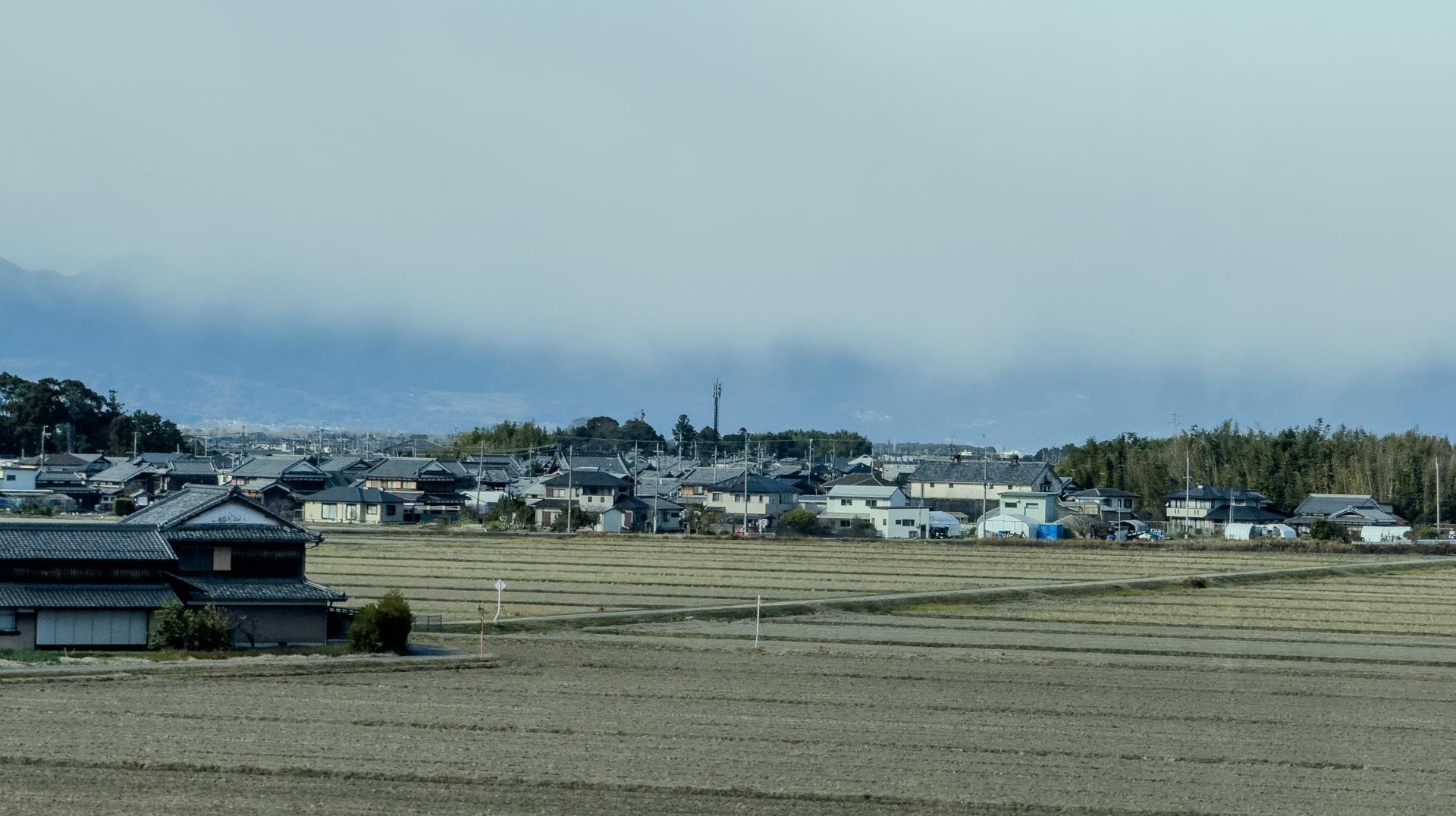
Along the way, I noticed the clouds on the mountains across the lake getting thicker.
Ōmihachiman
By the time we arrived in Ōmihachiman, it was almost lunchtime. We decided to have a meal first. After having yakiniku and sukiyaki in the past few days, today we went for Ōmi beef shabu-shabu. Delicious 😋.
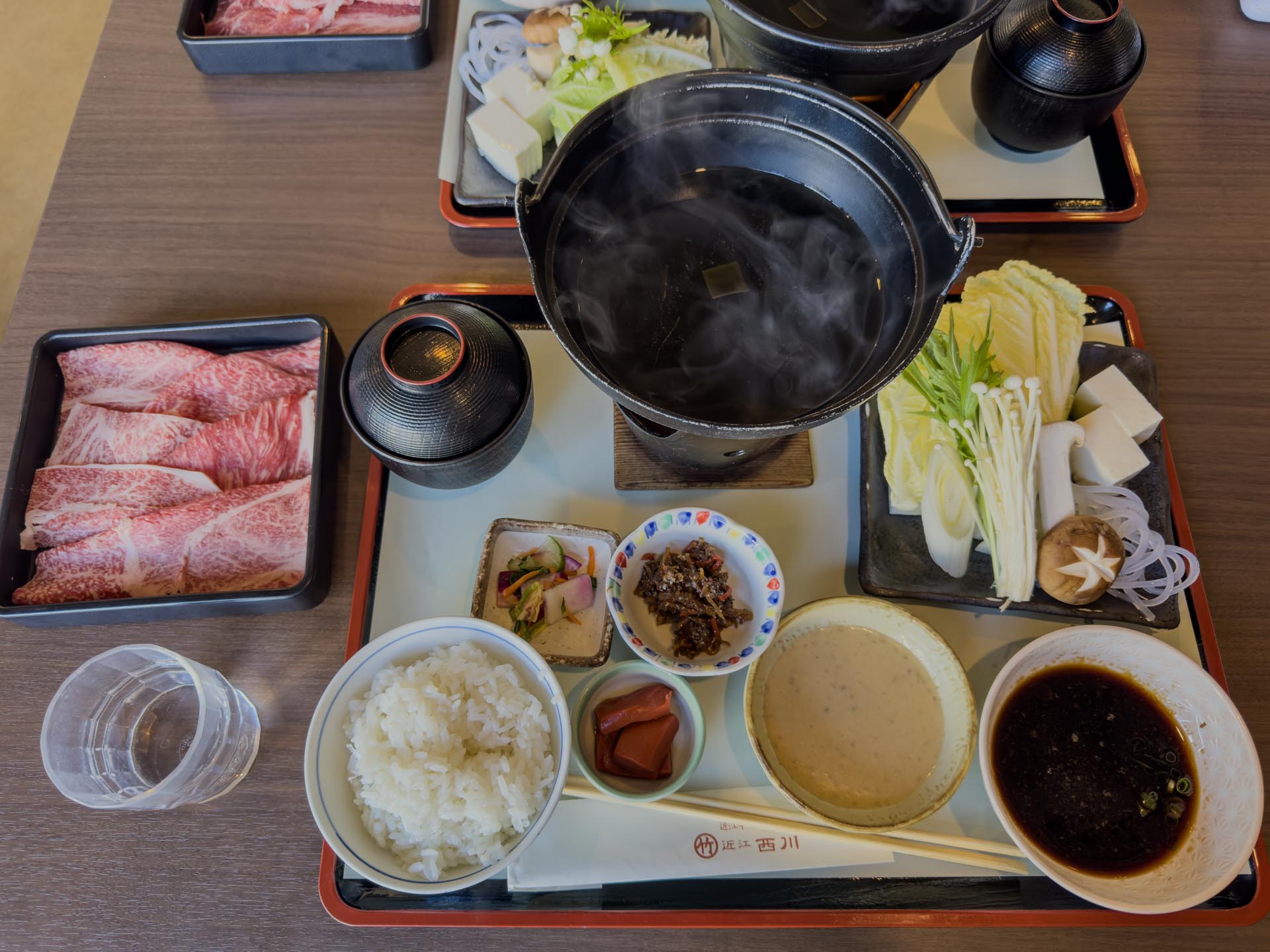
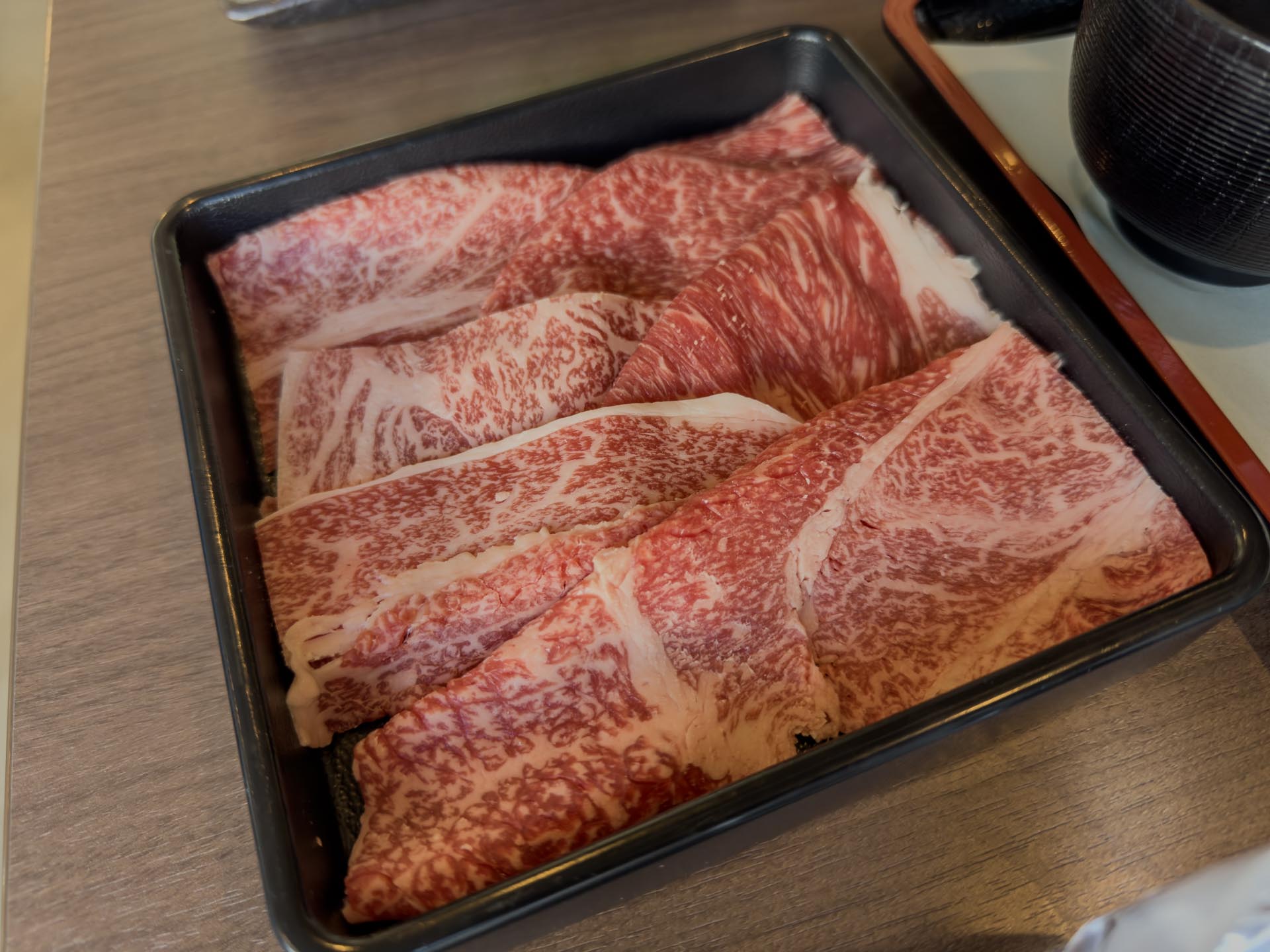
After finishing our meal, we walked to the Hachiman-yama Ropeway station.
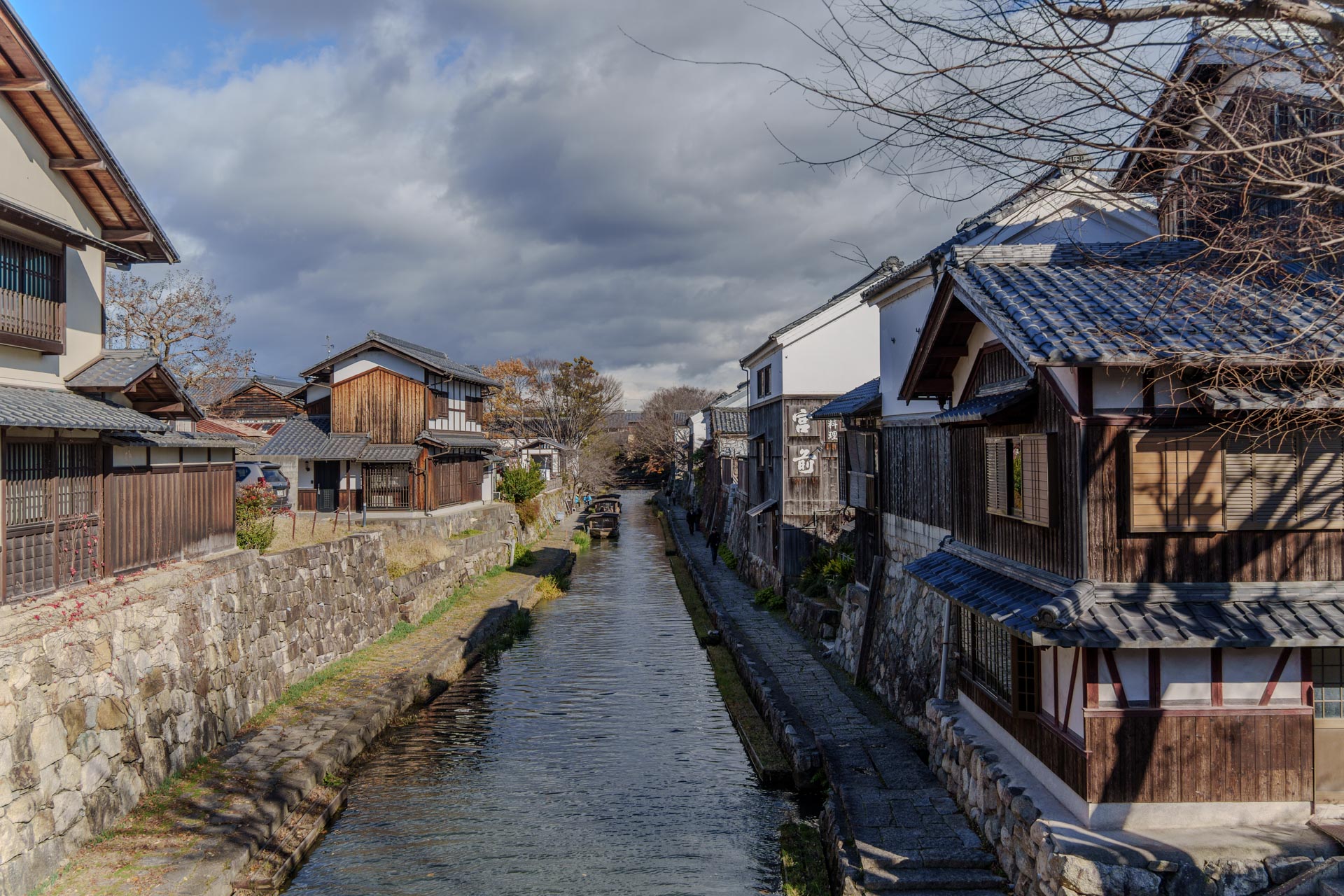
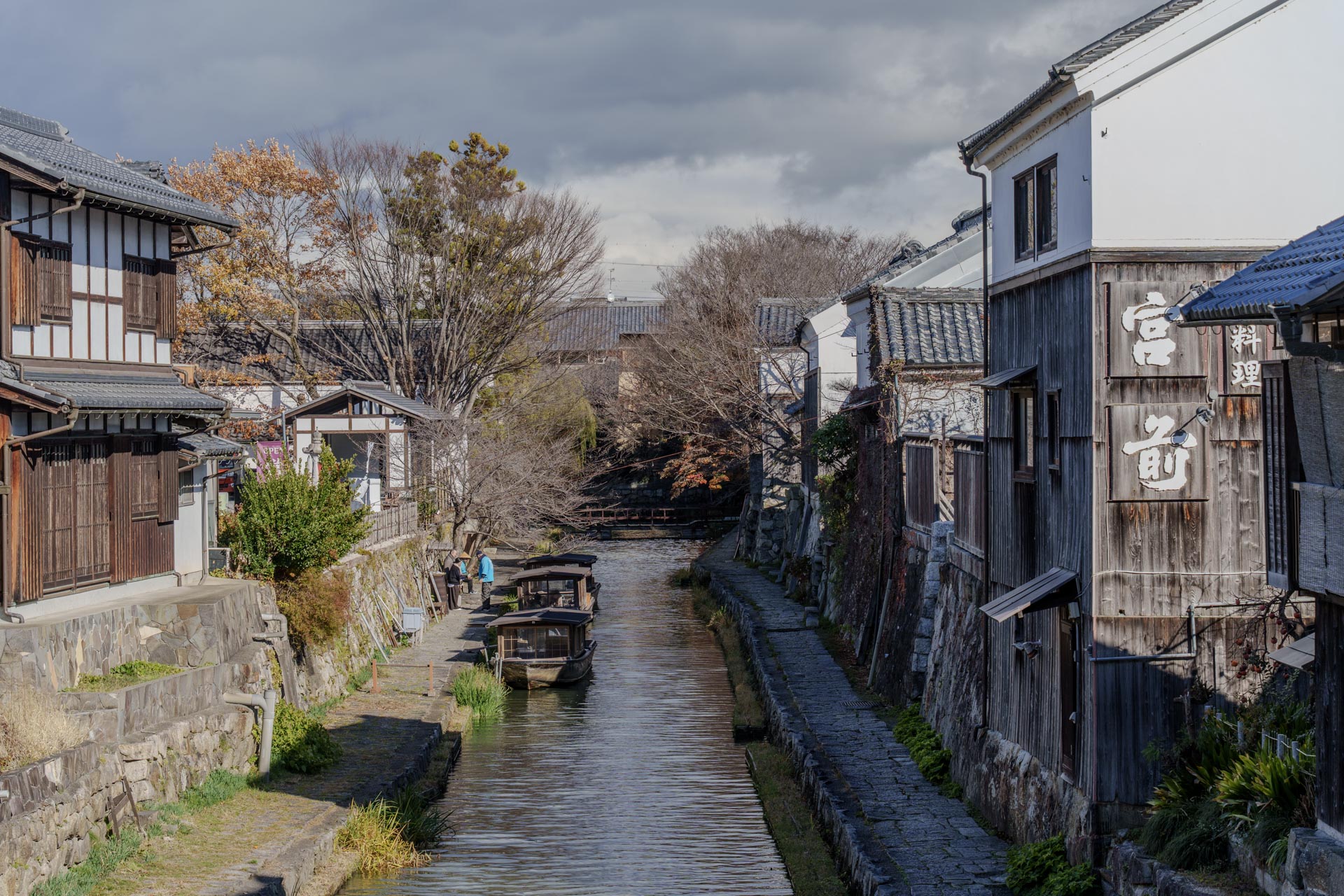
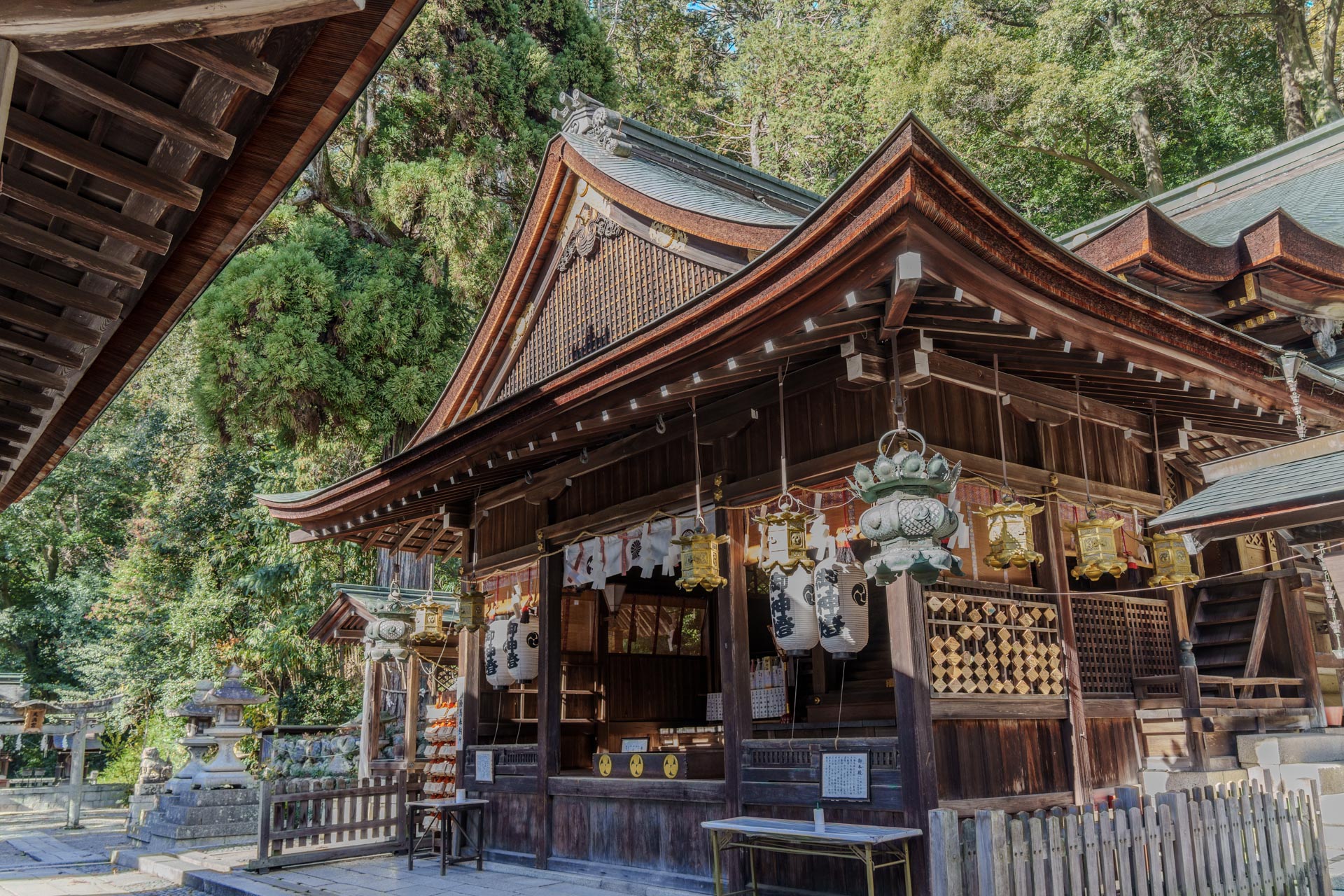
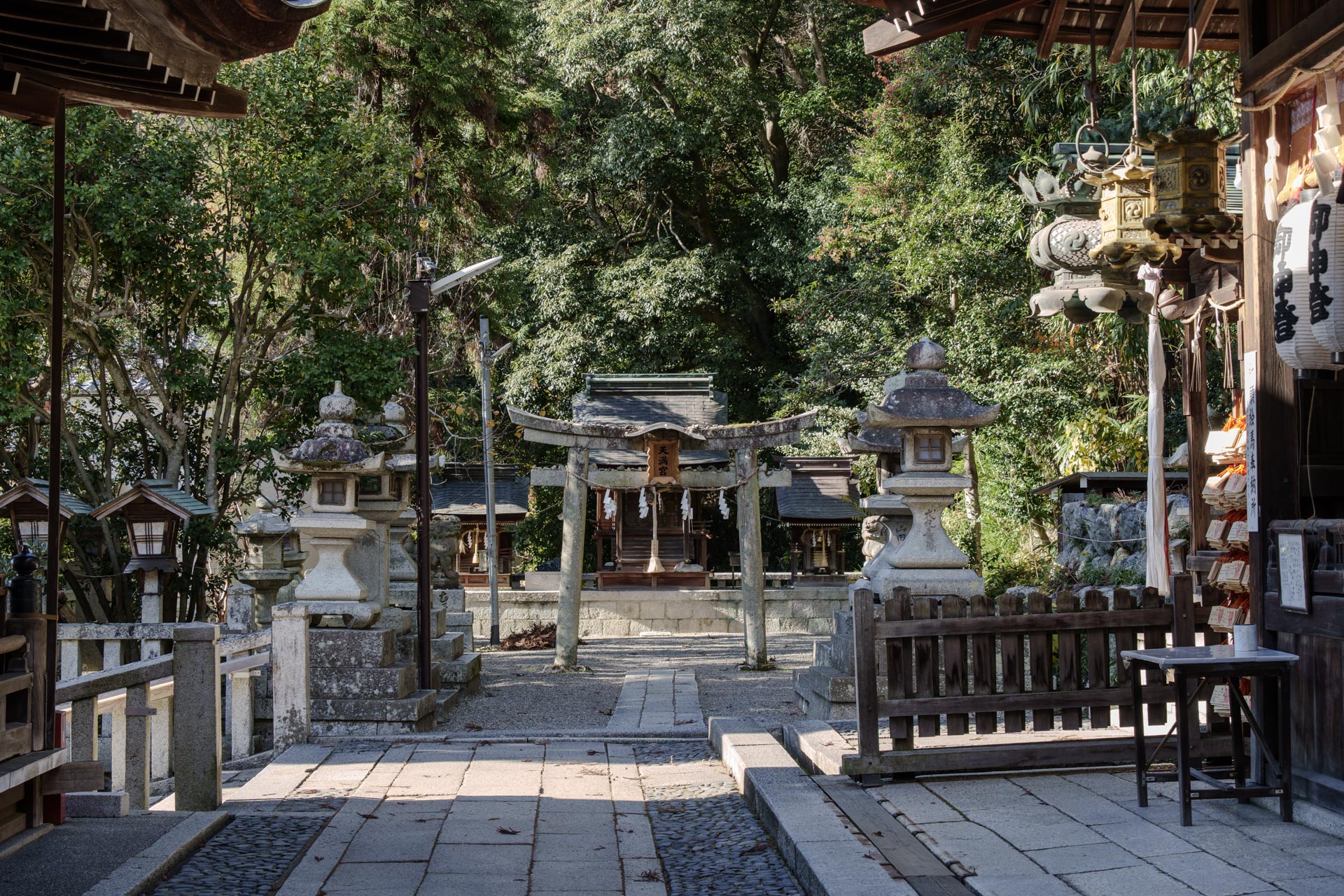
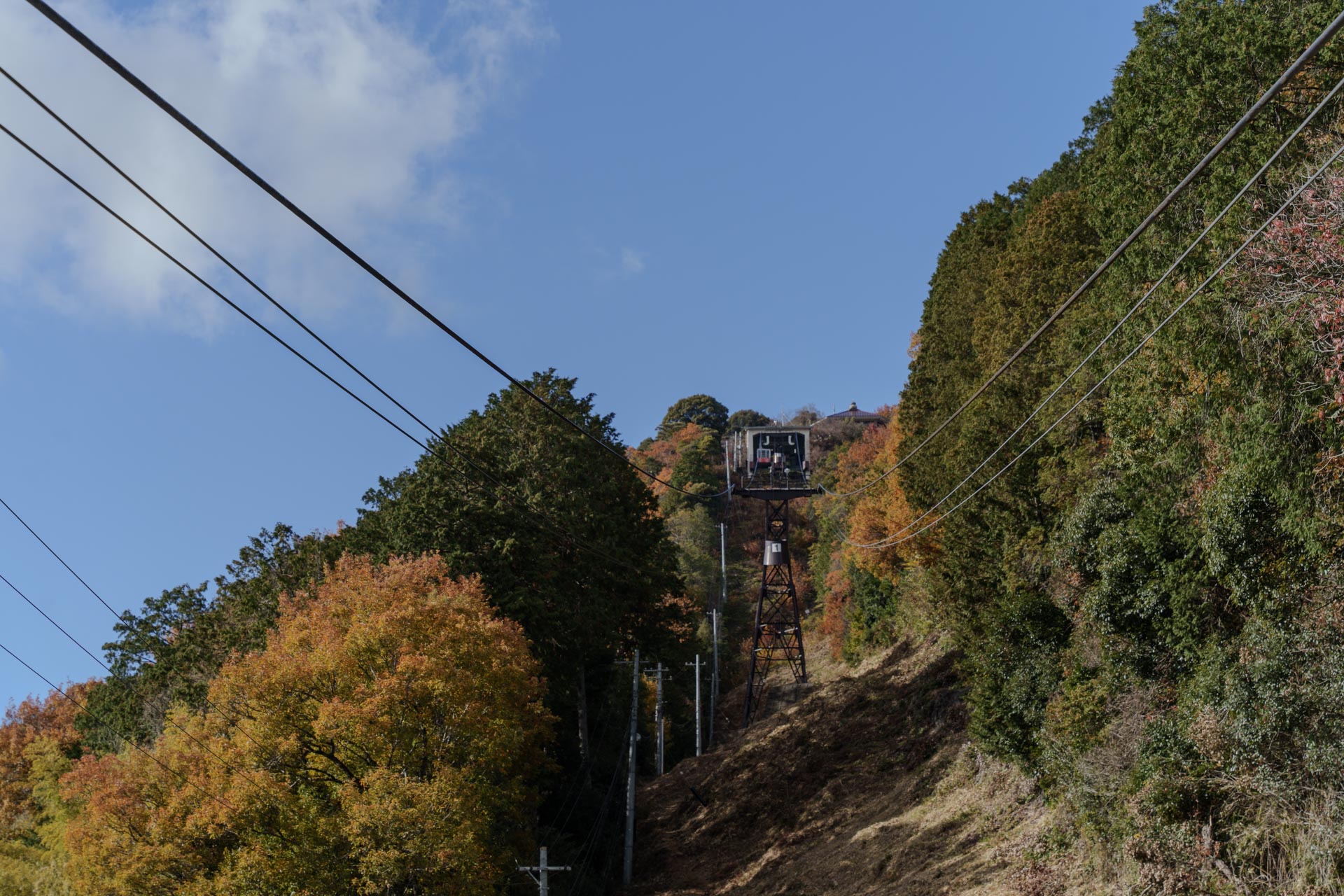
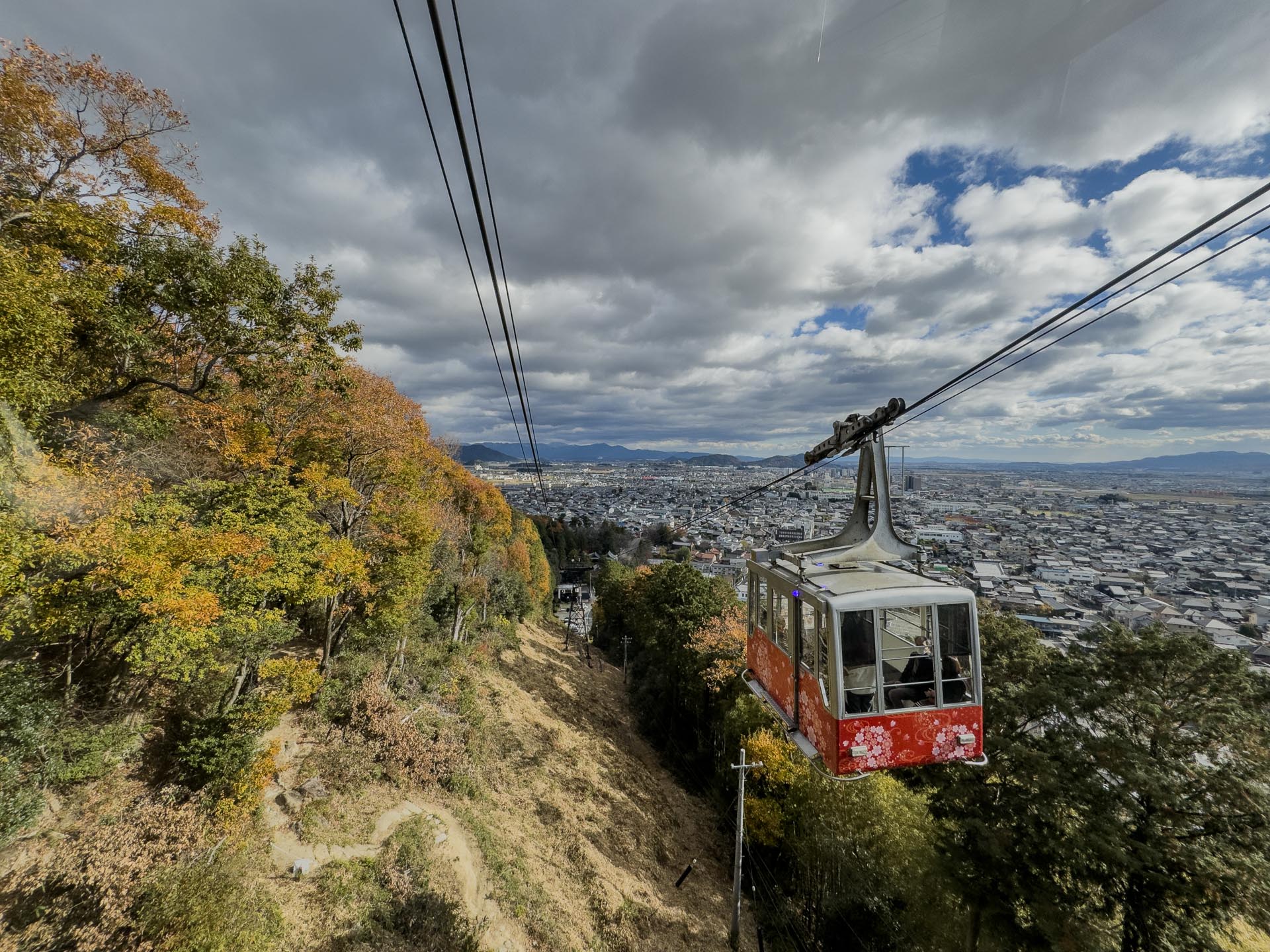
We took the ropeway at Hachiman-yama Ropeway Station to go up the mountain. The round-trip fare was 900 yen, which was quite reasonable.
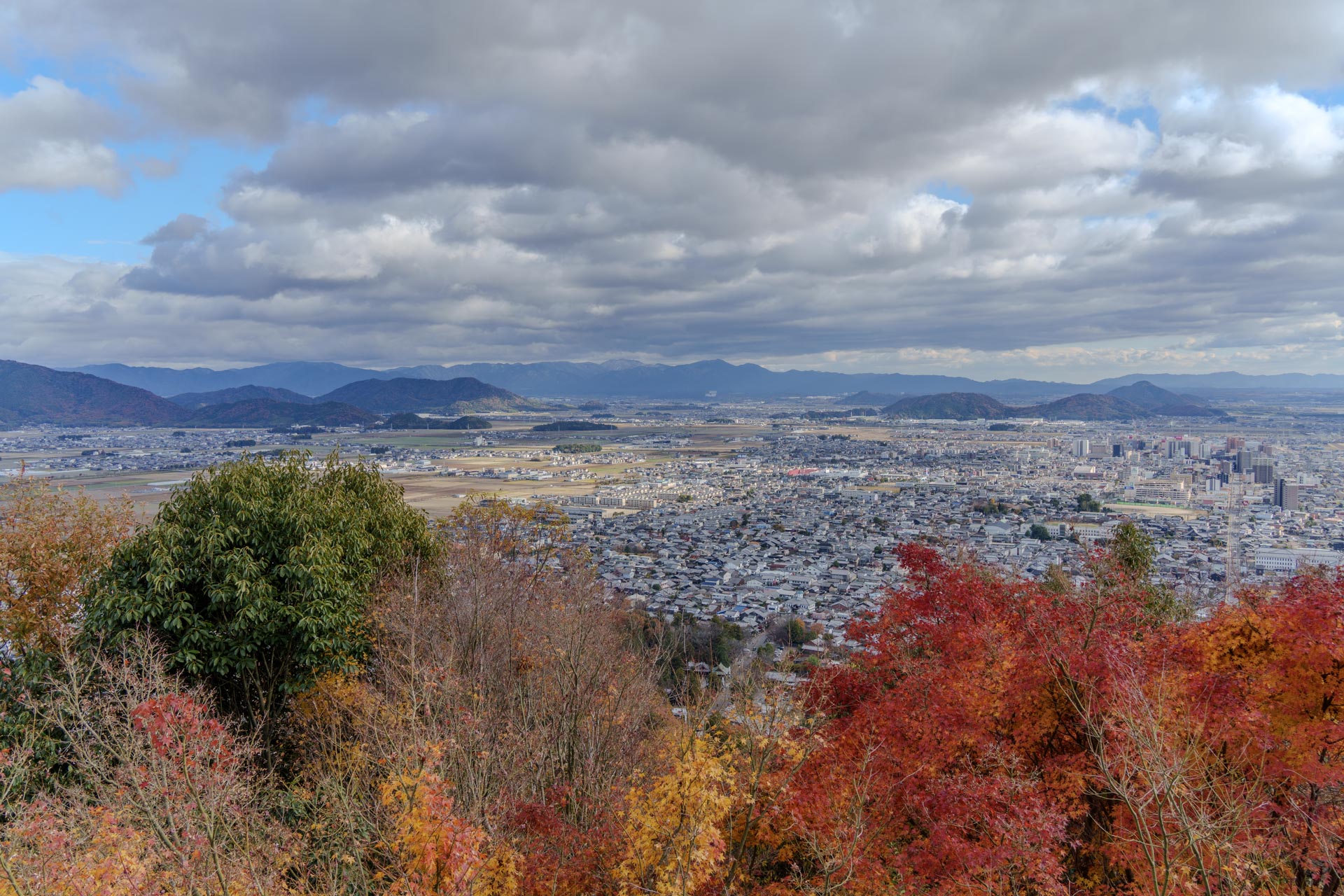
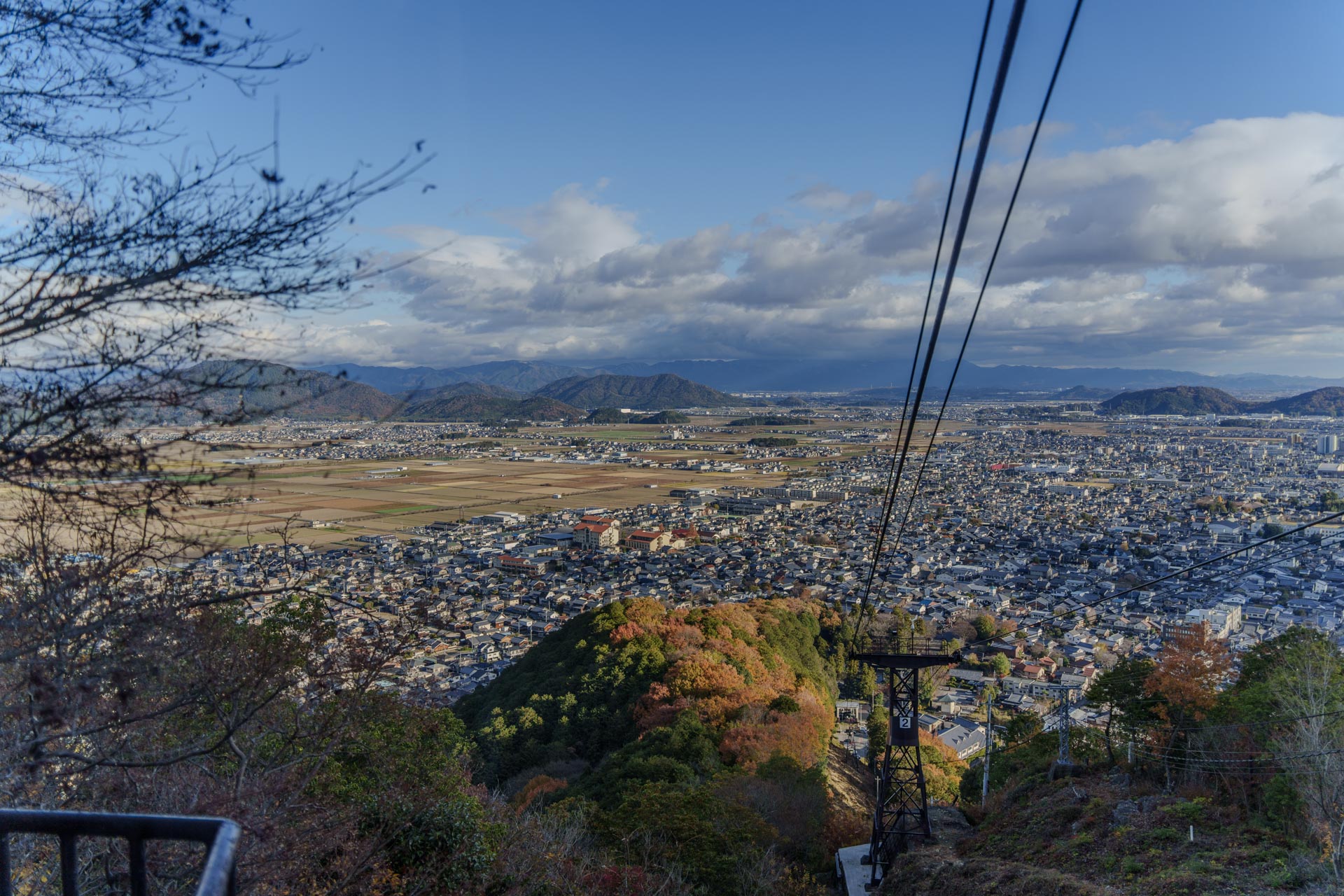
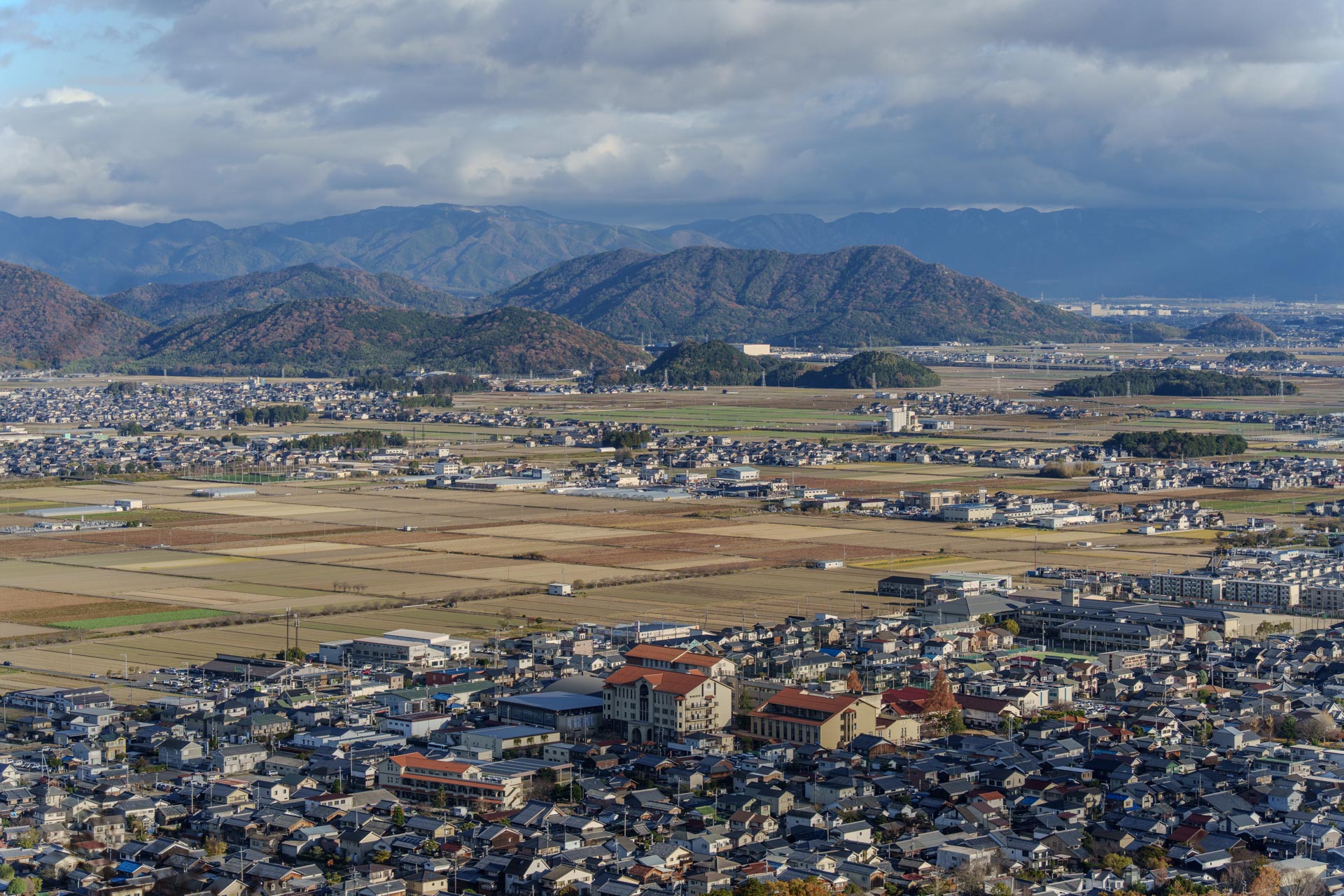
From the top of Hachiman-yama, we could take in the surrounding scenery with a very pleasant view. Looking down at Ōmihachiman, there were no tall buildings, giving it the feel of a peaceful small town.
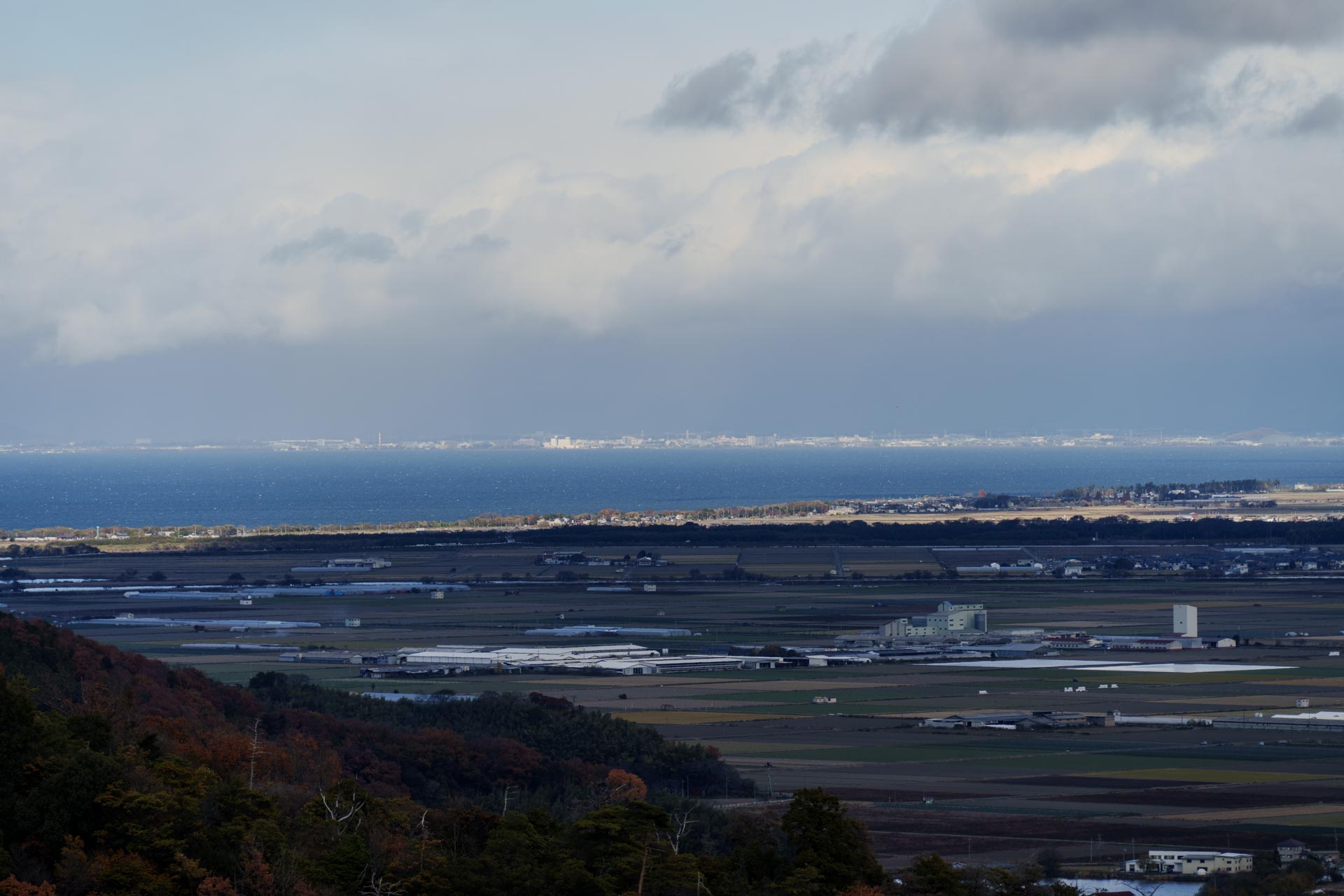
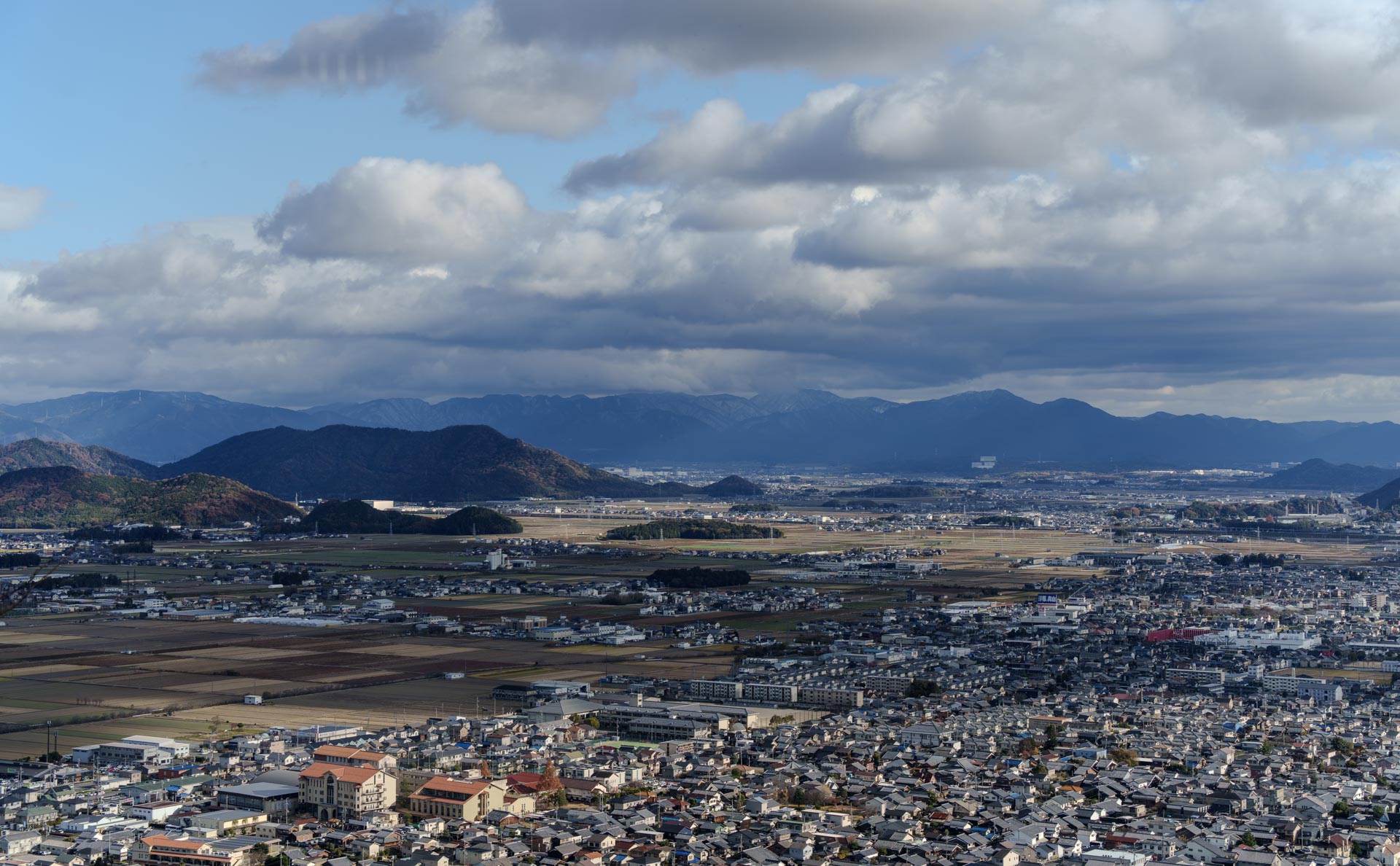
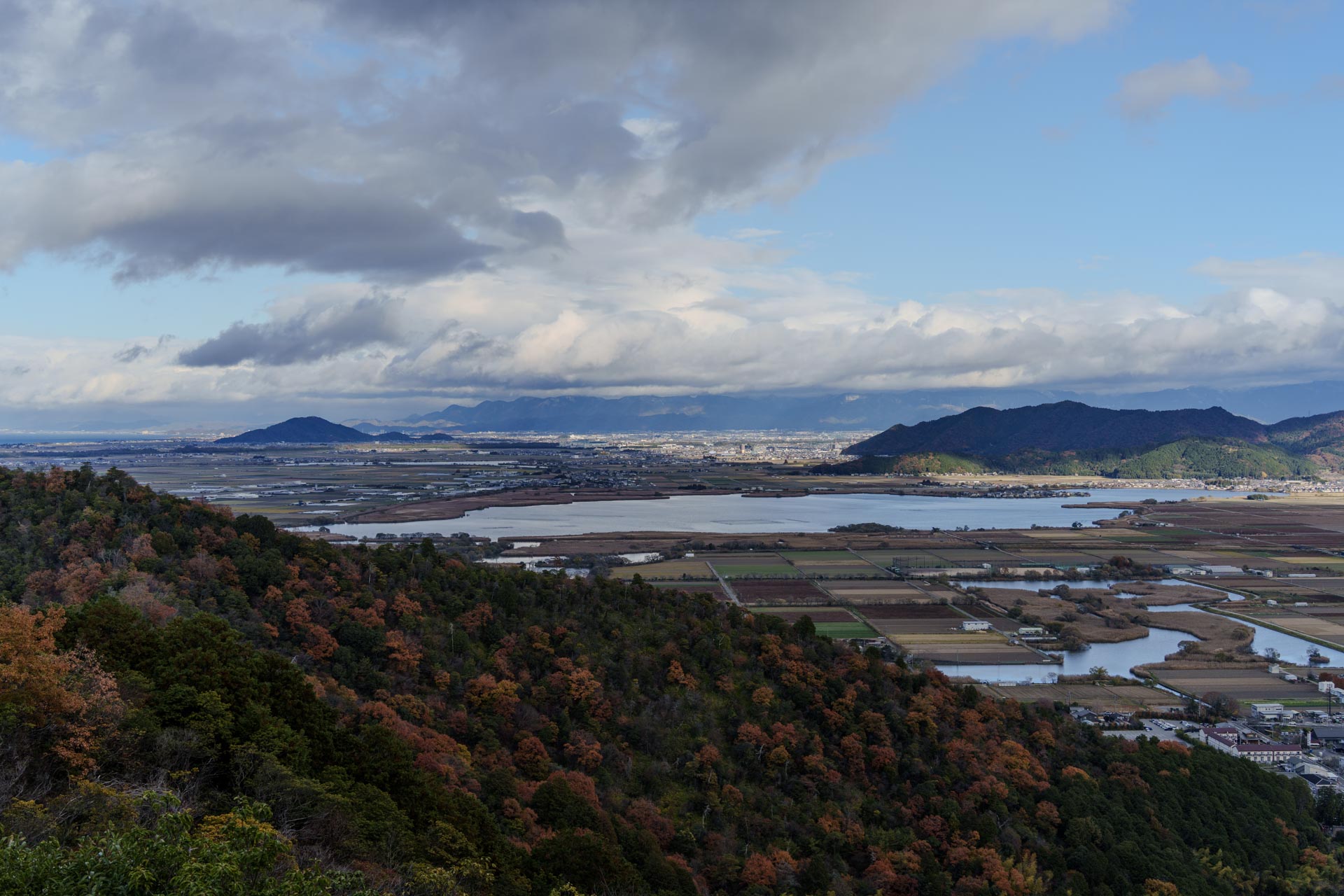
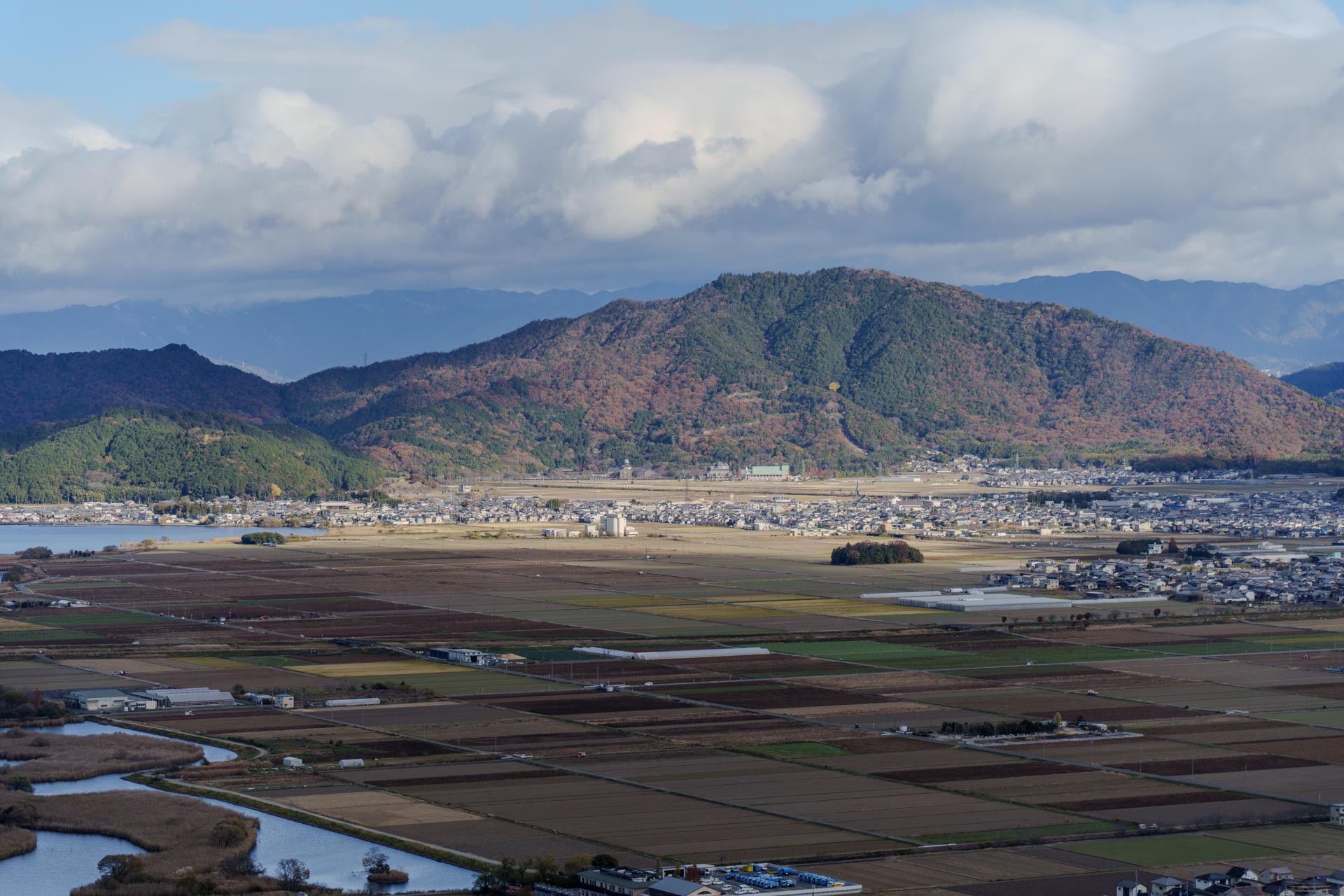
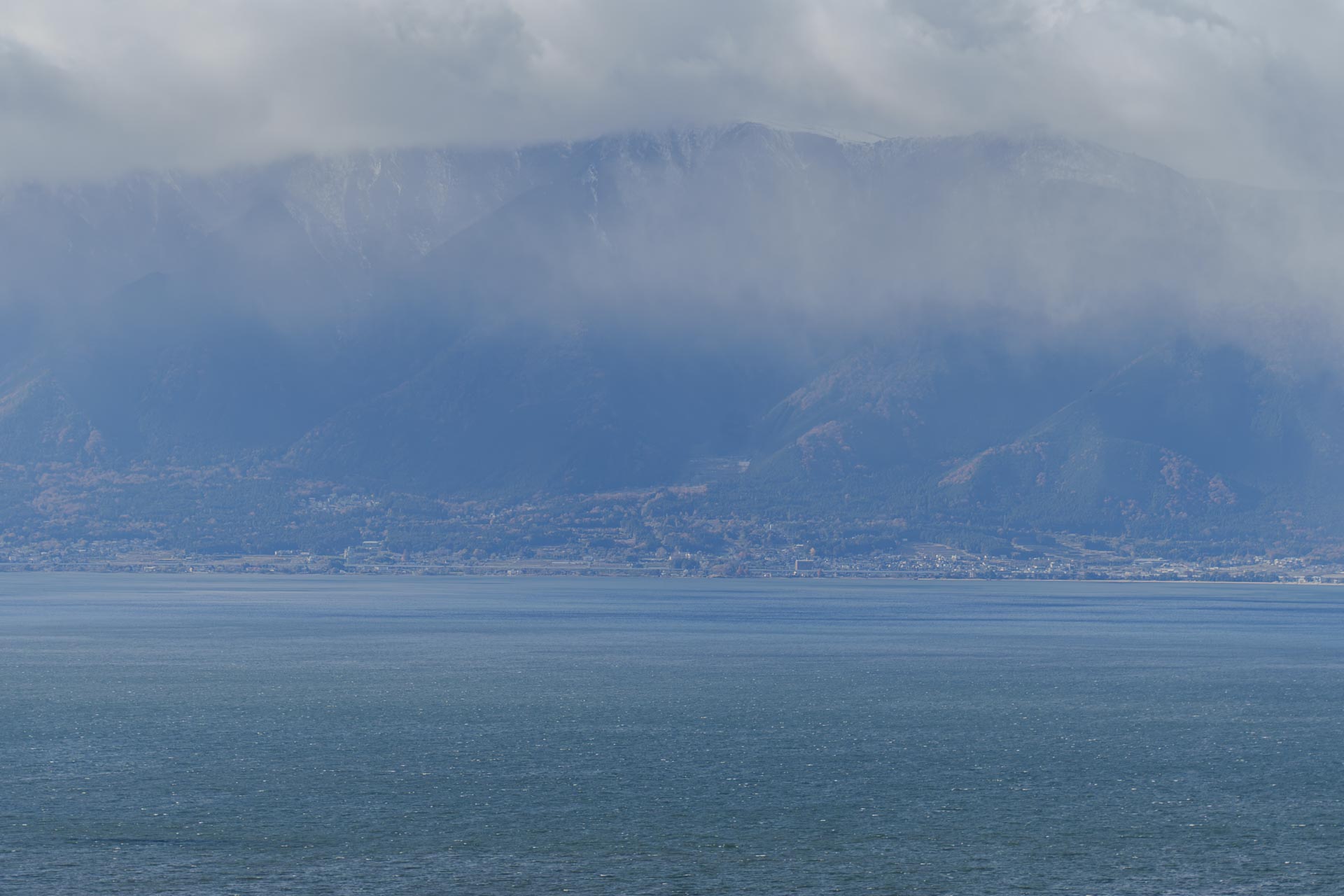
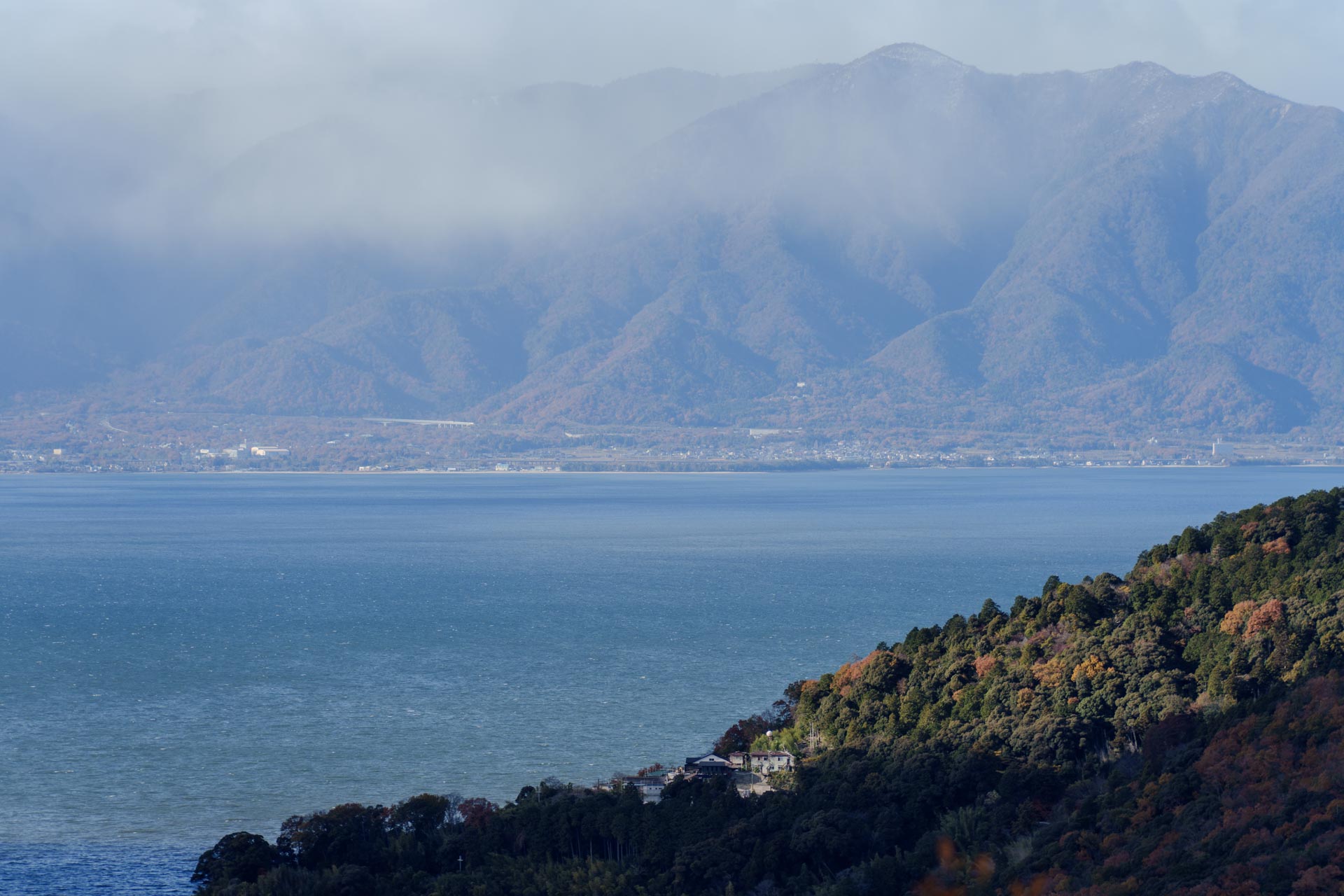
From the viewing platform on the other side, we could overlook Lake Biwa and even see snow falling on the mountains across the lake. I couldn’t help but think how perfect this place was to visit.
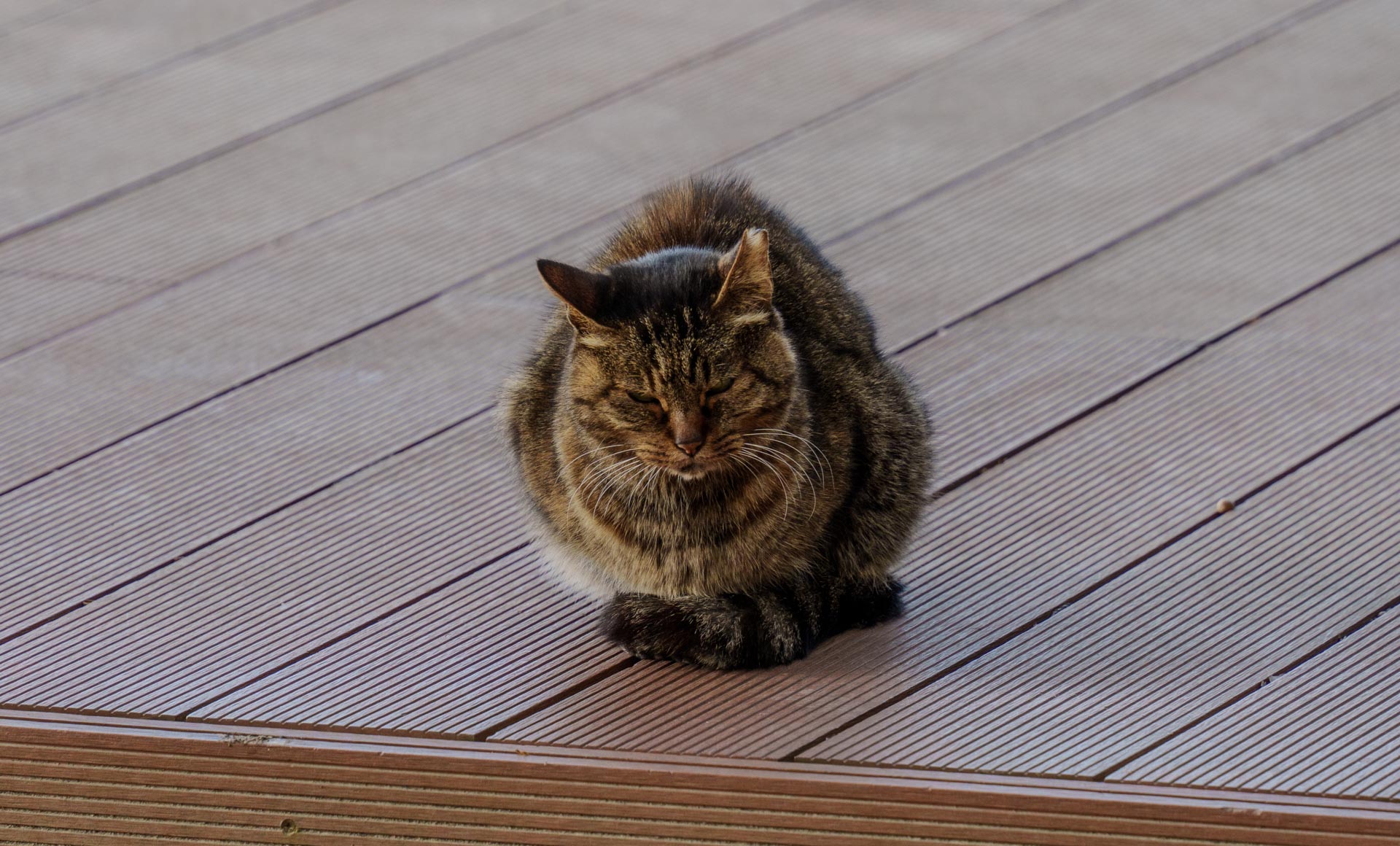
We came across a cat. It was very gentle, and I petted it (don’t follow my example).
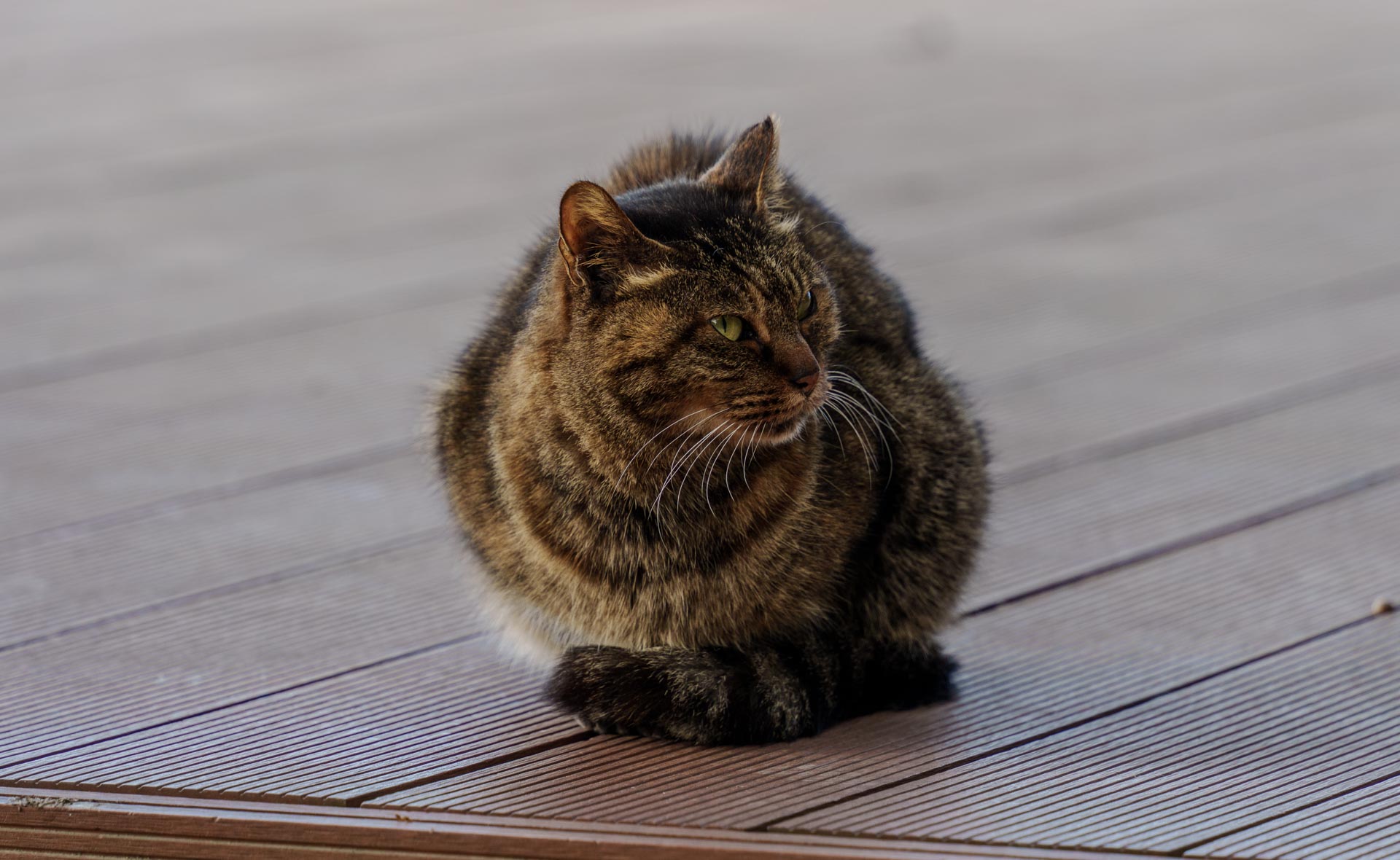
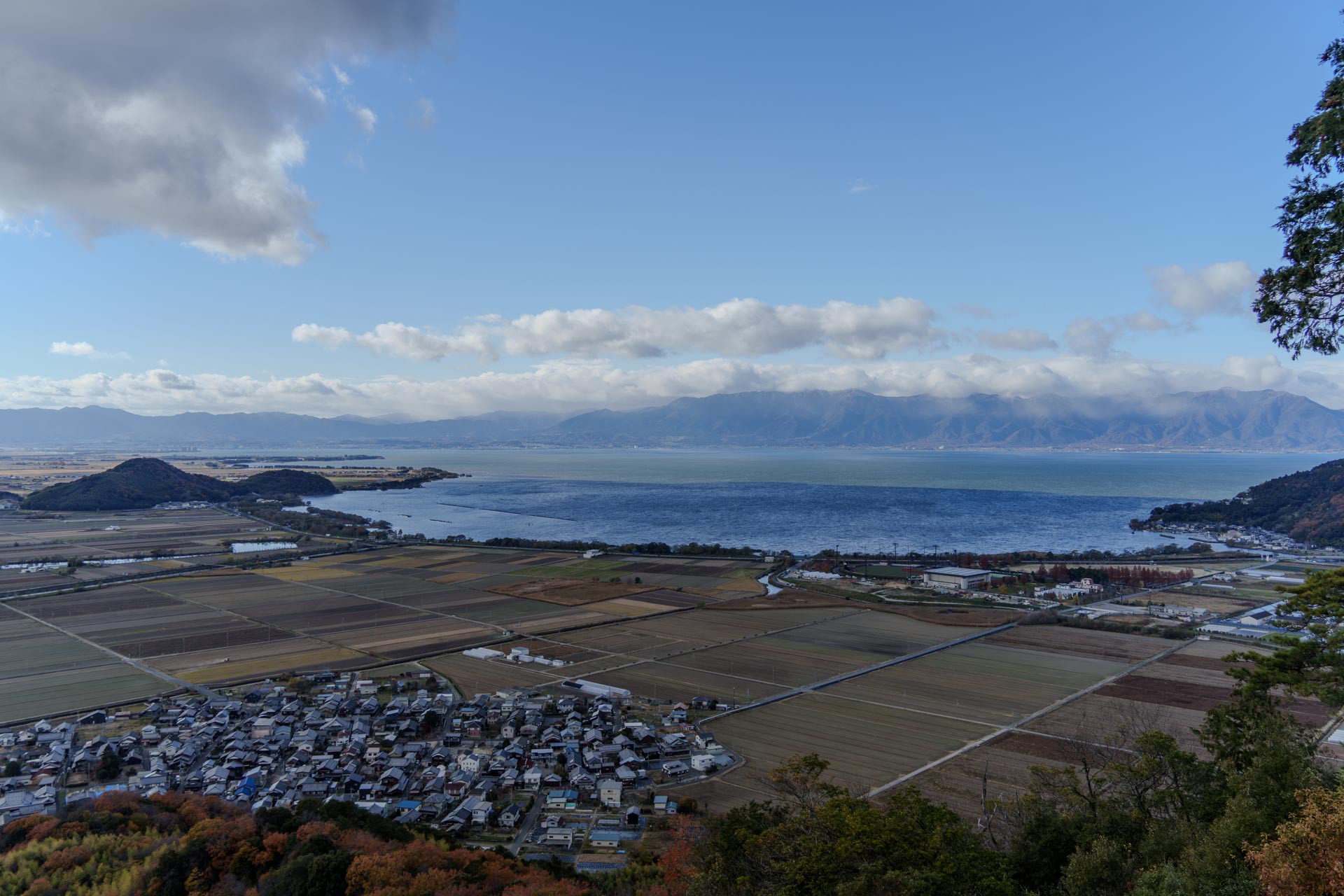
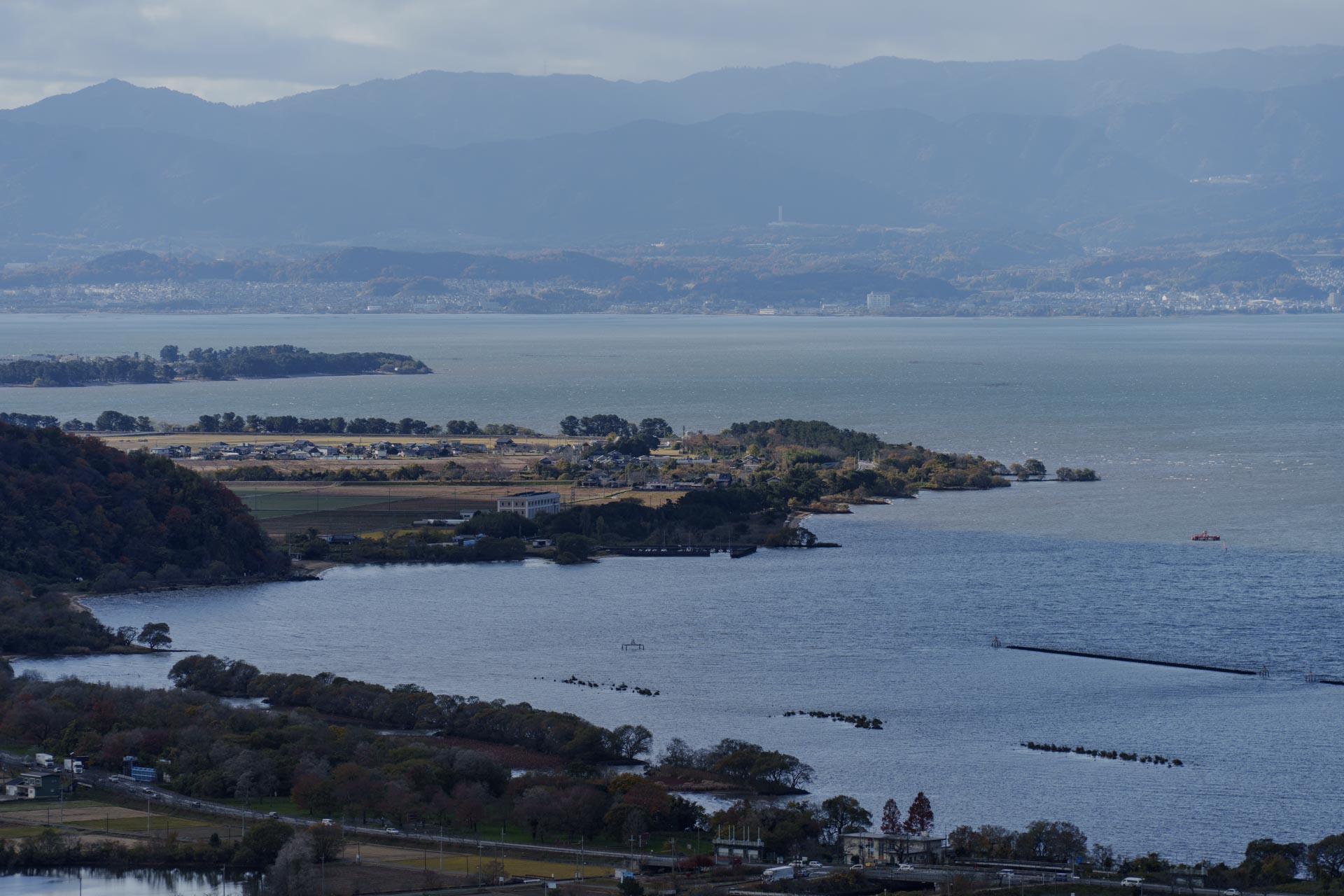
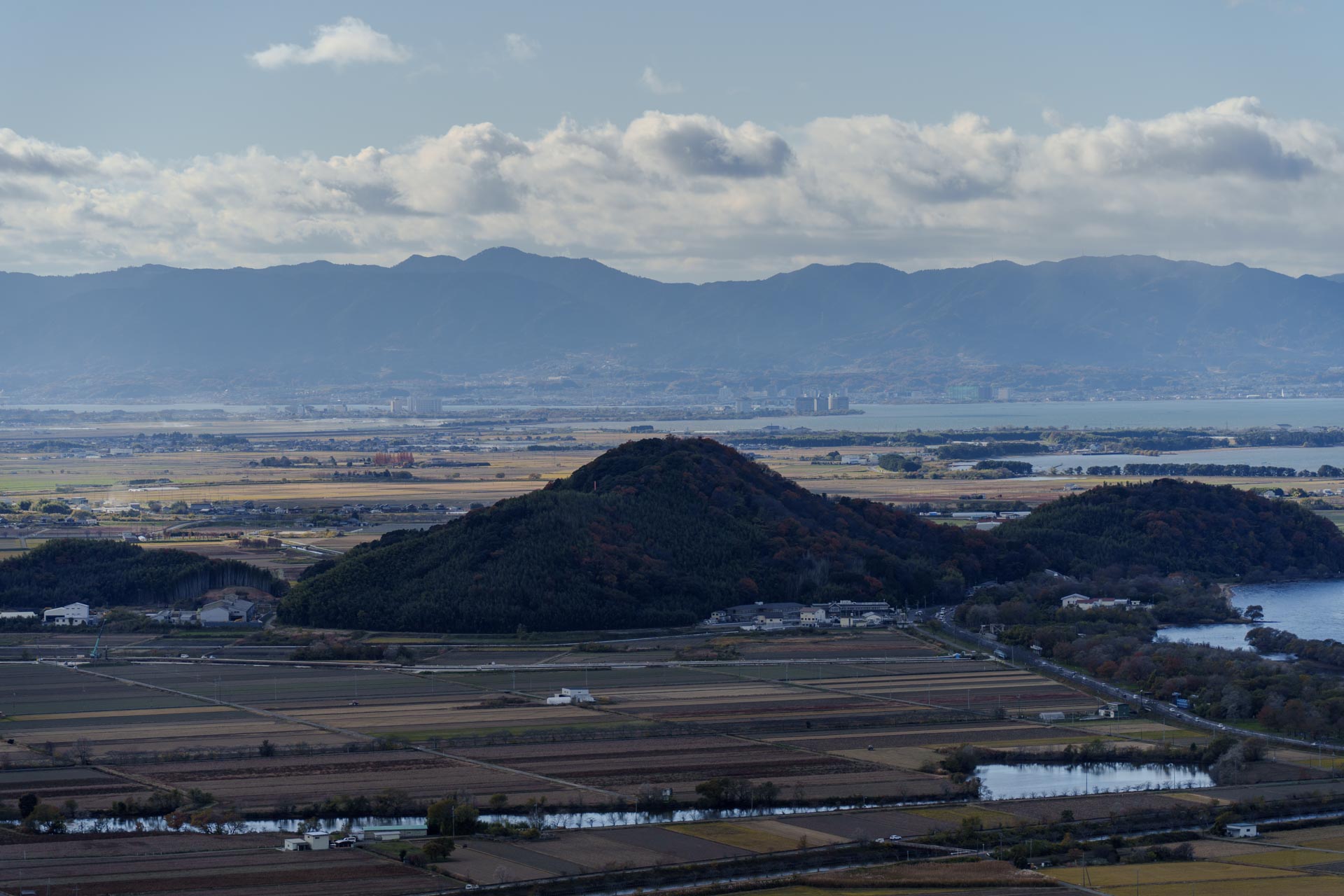 The small hill looked like a volcano.
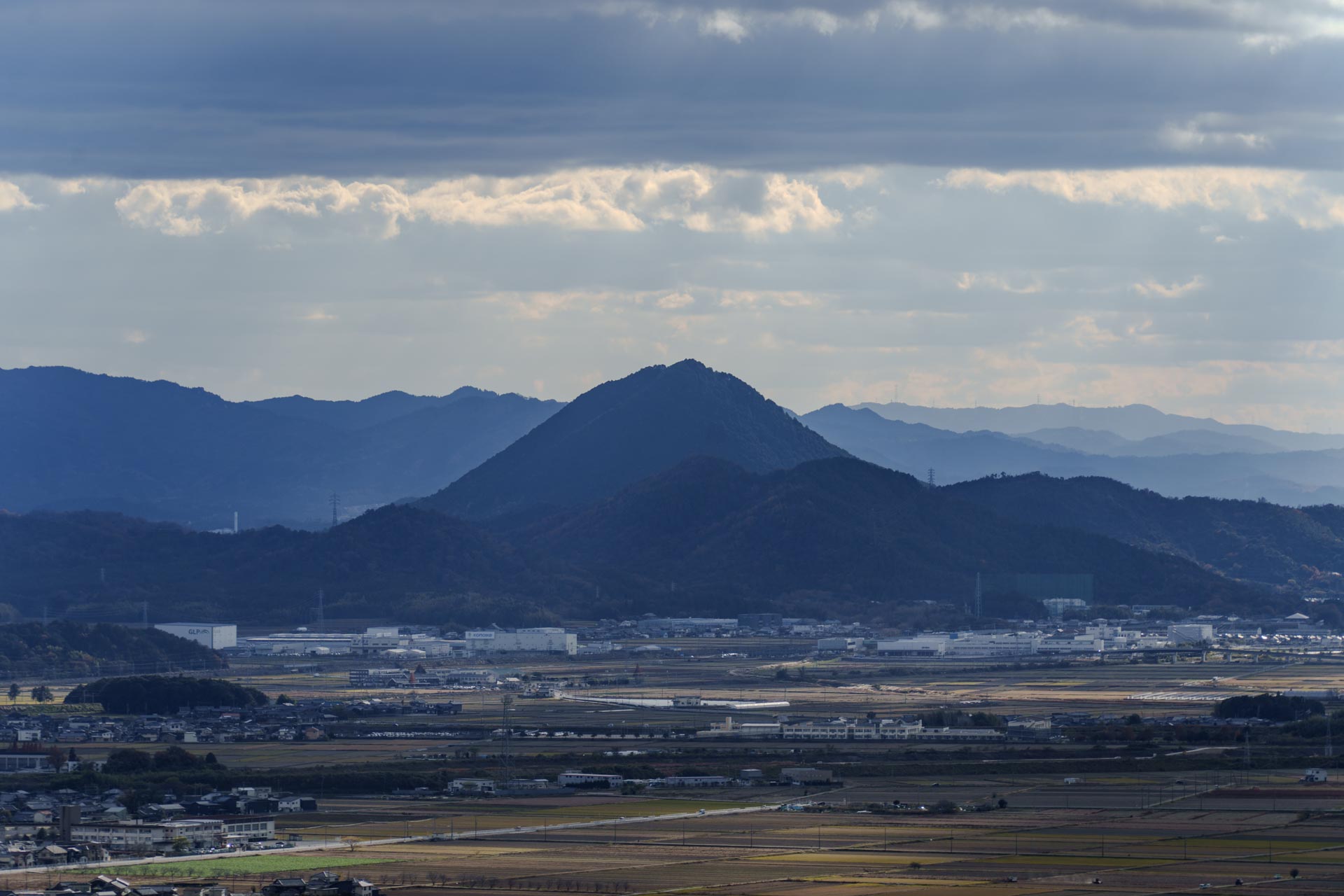 A larger hill also looked like a volcano.
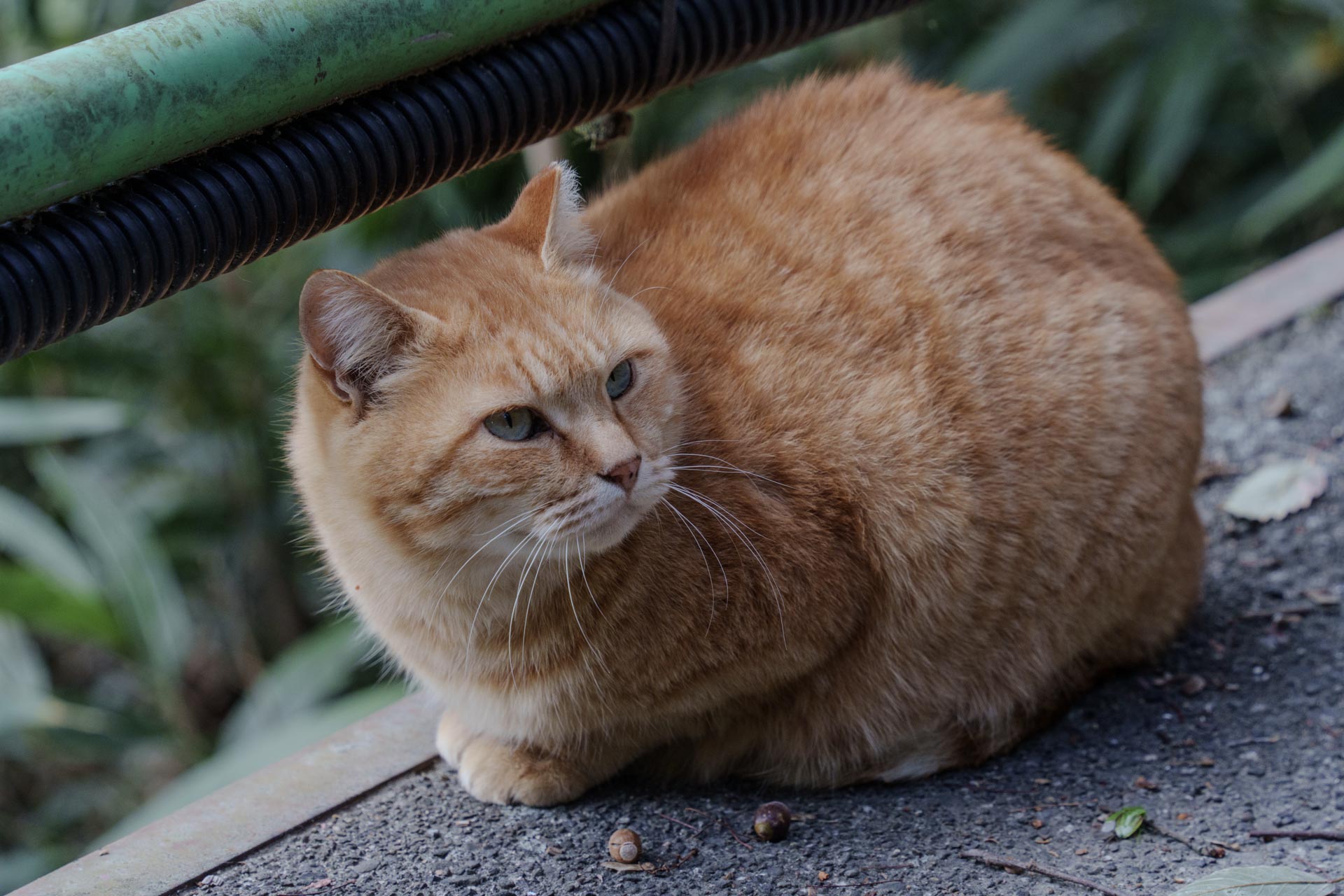
We came across another cat, but I didn’t pet it.
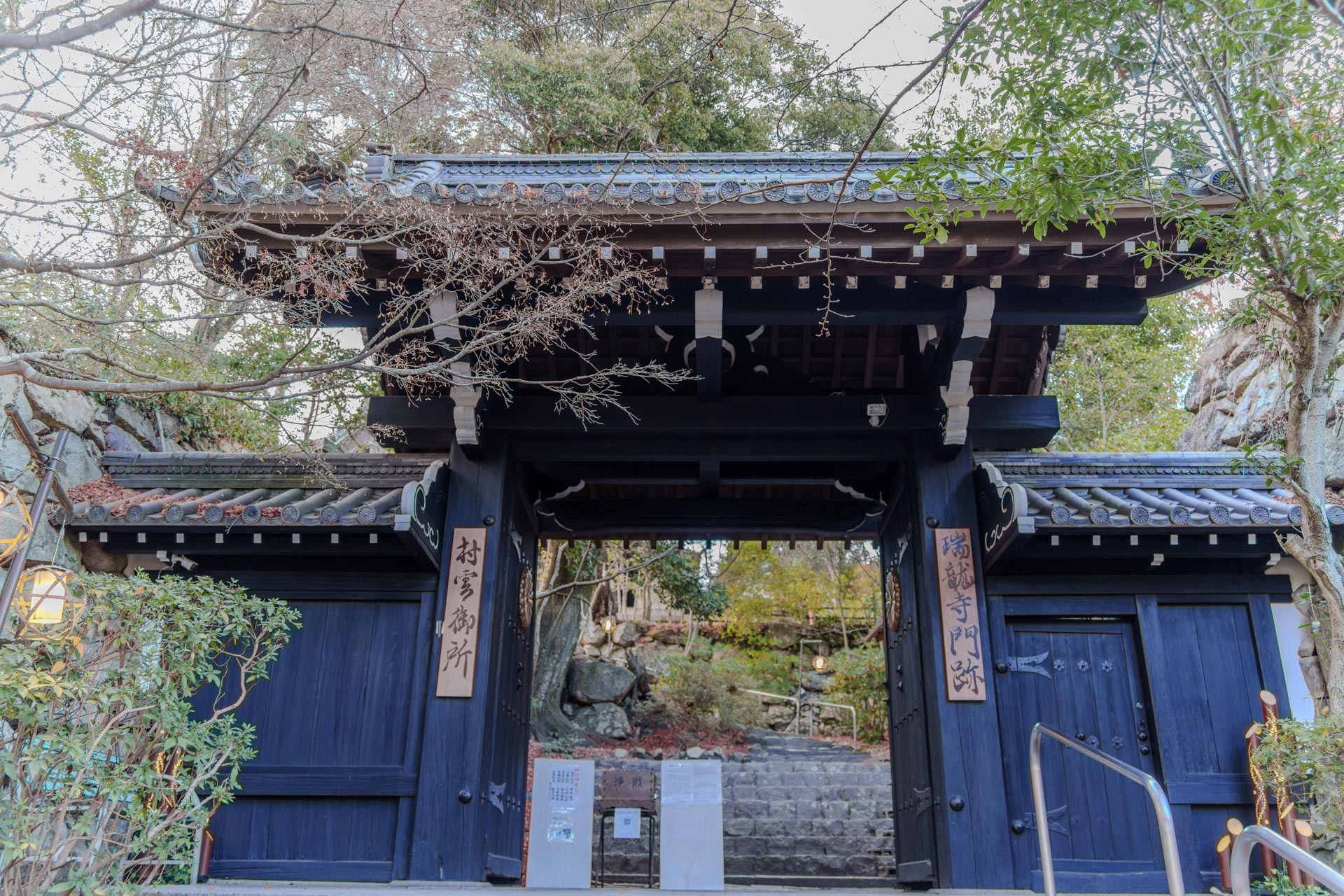
Nichiren Sect Head Temple – Zuiryu-ji
There is a temple at the top of the mountain. You can draw a fortune slip for 100 yen, and I got a good one—so happy 🥳.
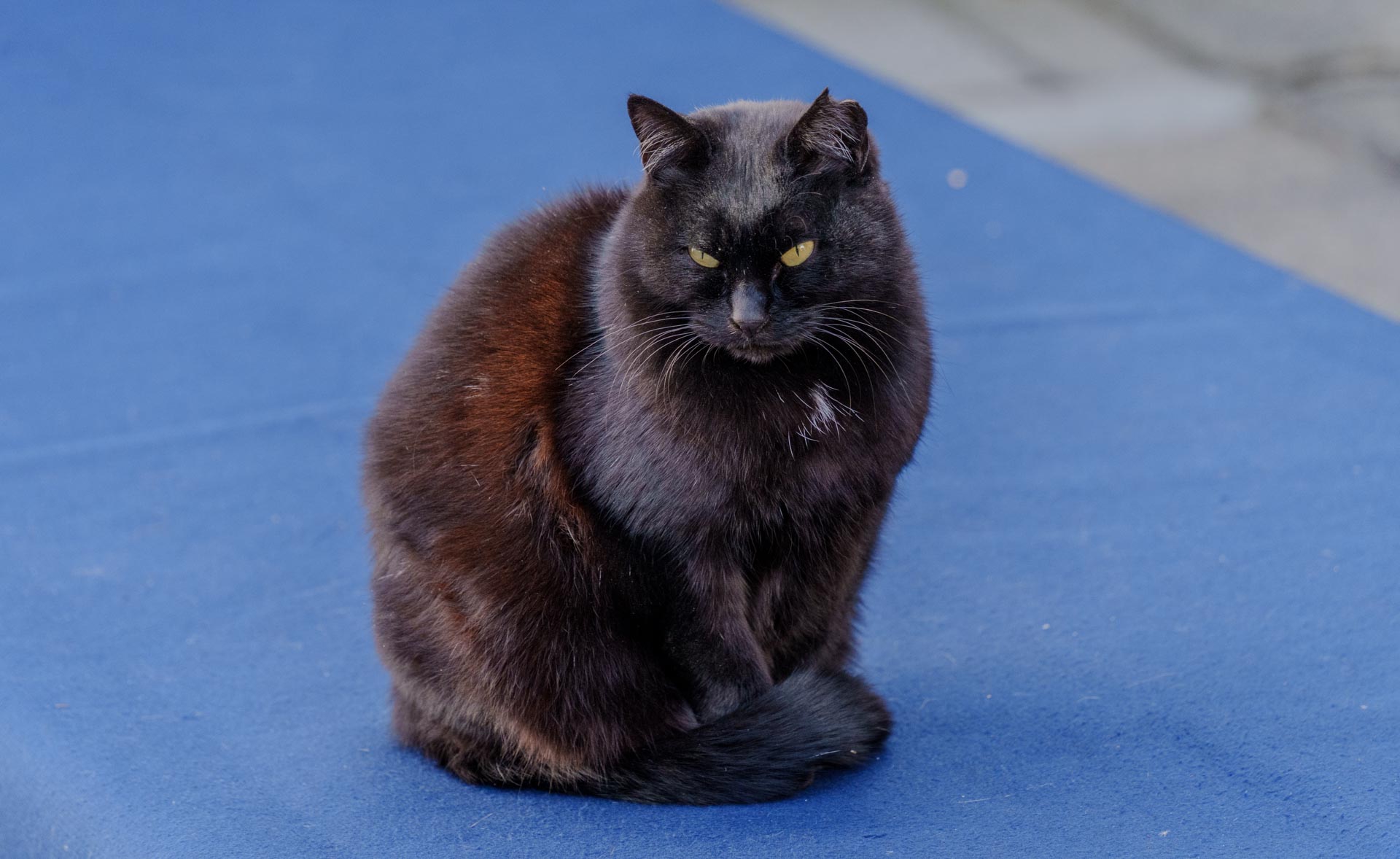
There was a black cat with sharp eyes, and I petted it. Its head had some incense ash on it, as if it had slept in the incense burner. It looked a bit old, with its chest fur turning white.
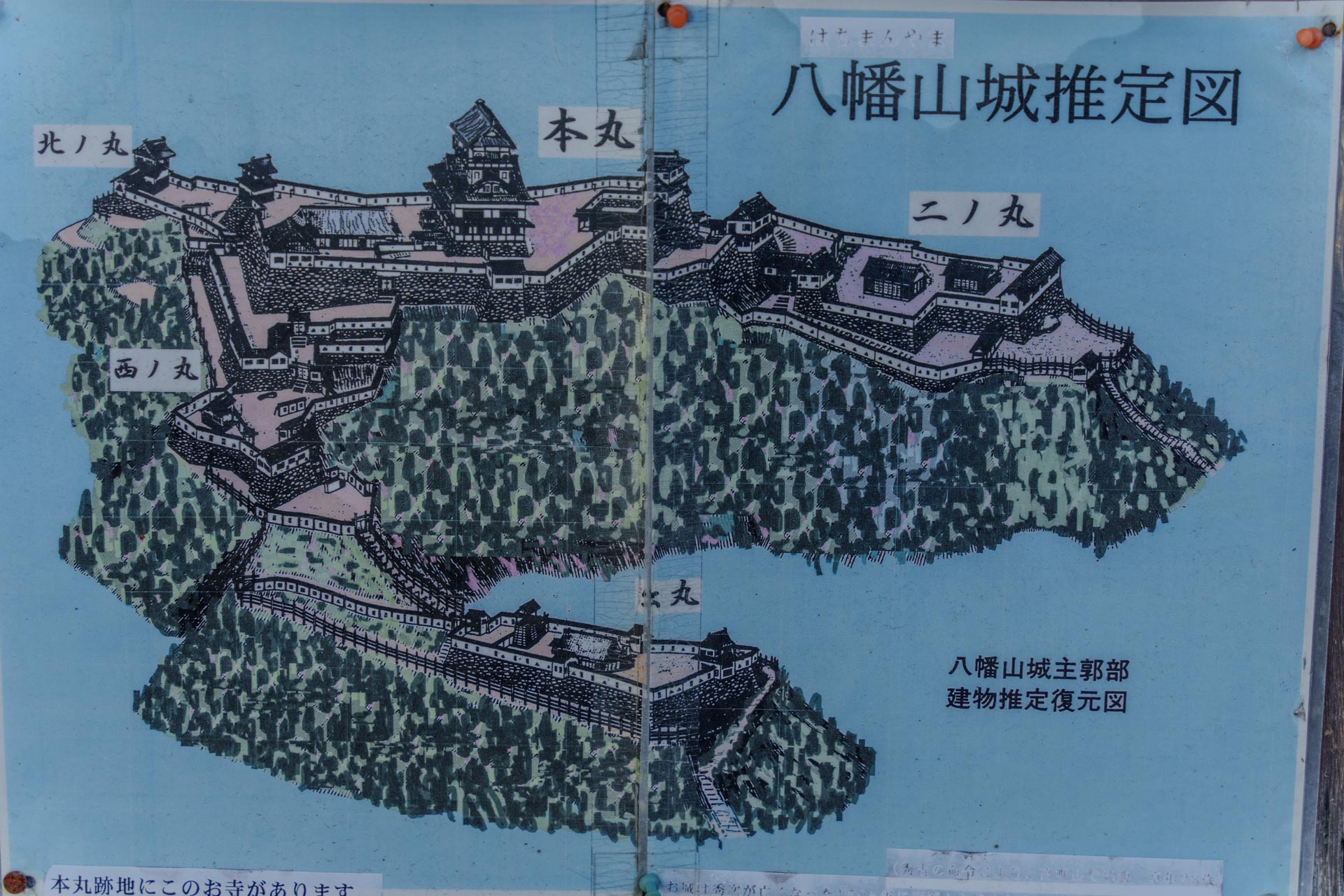
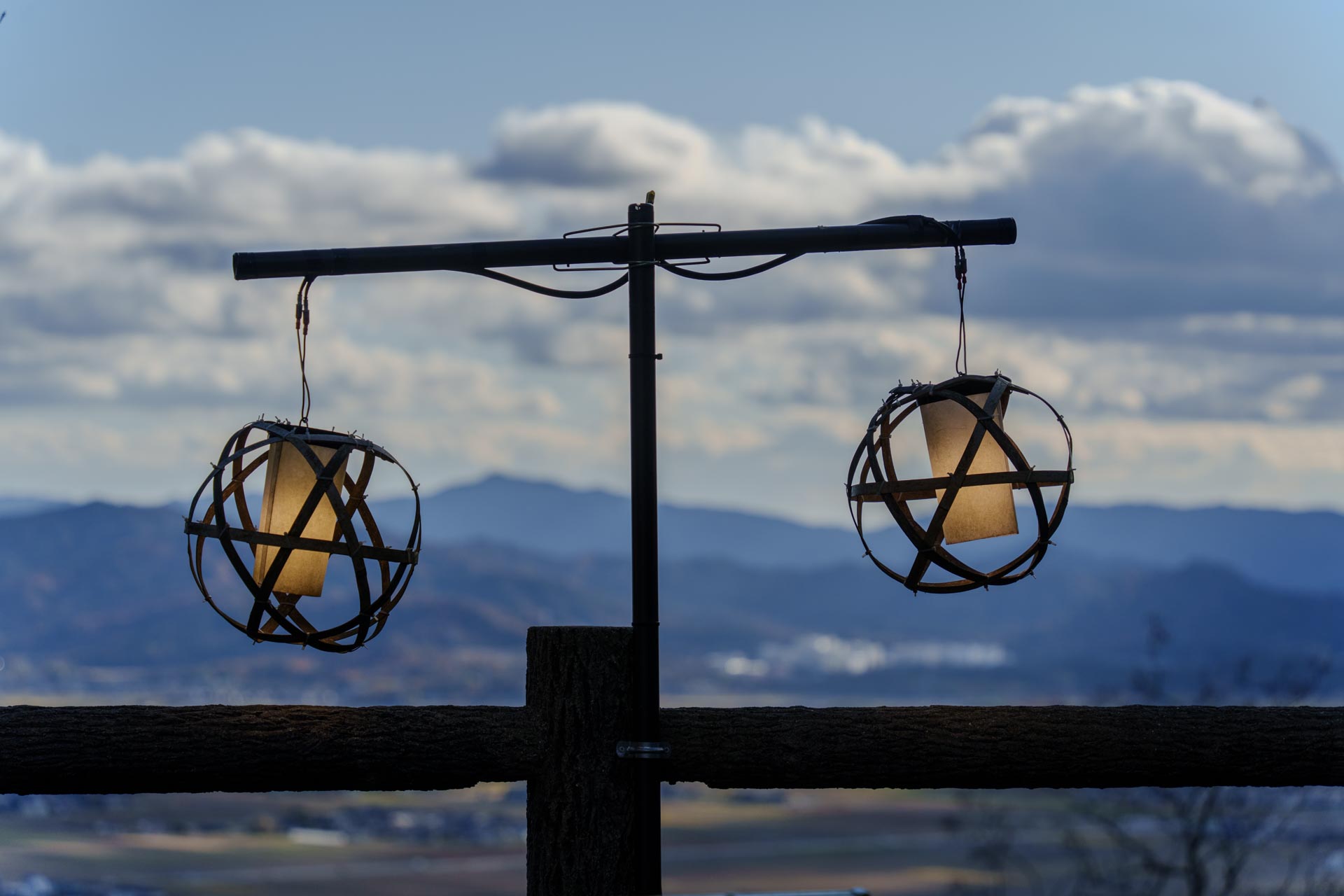
It seems that this place used to be a castle.
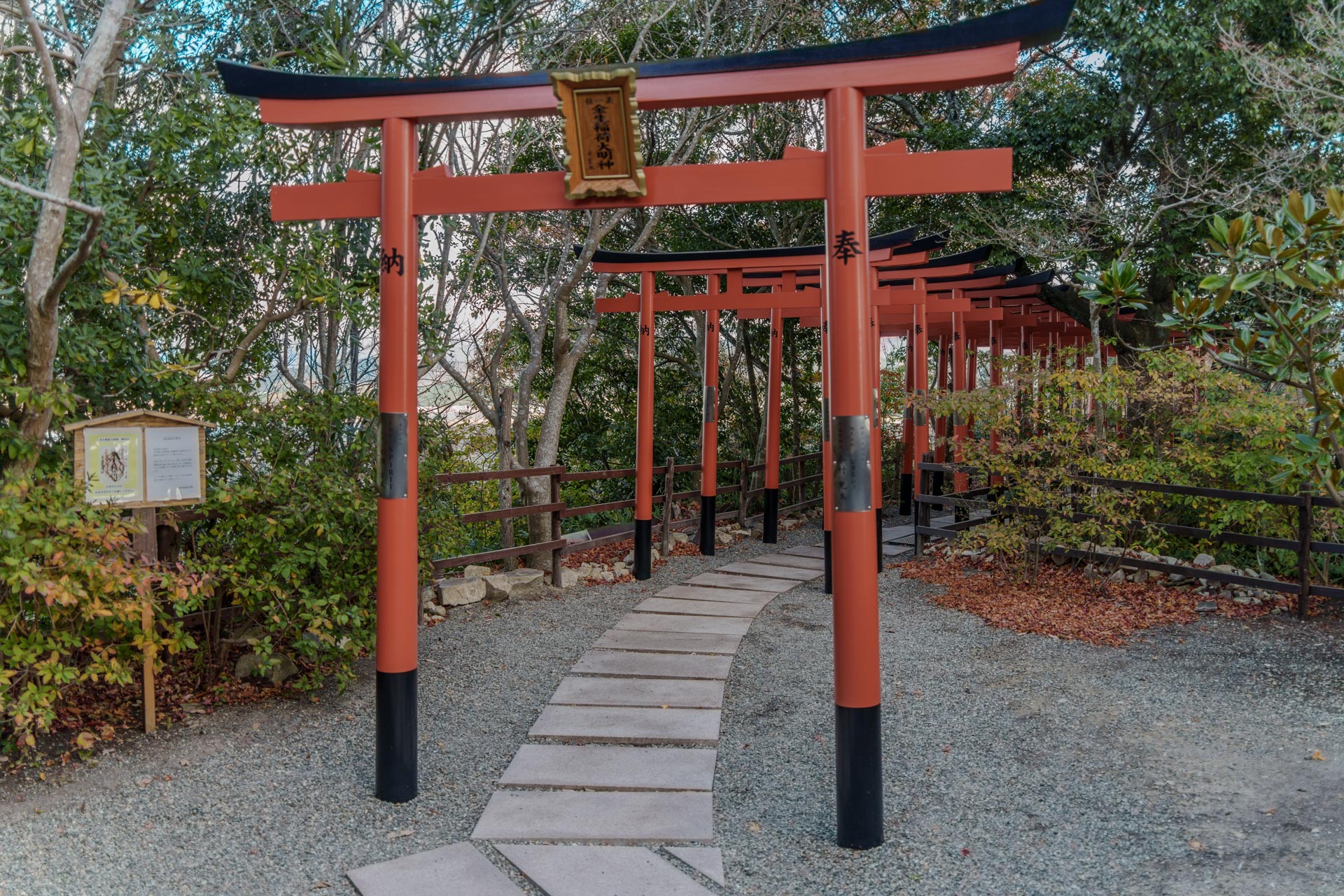
Torii gate.
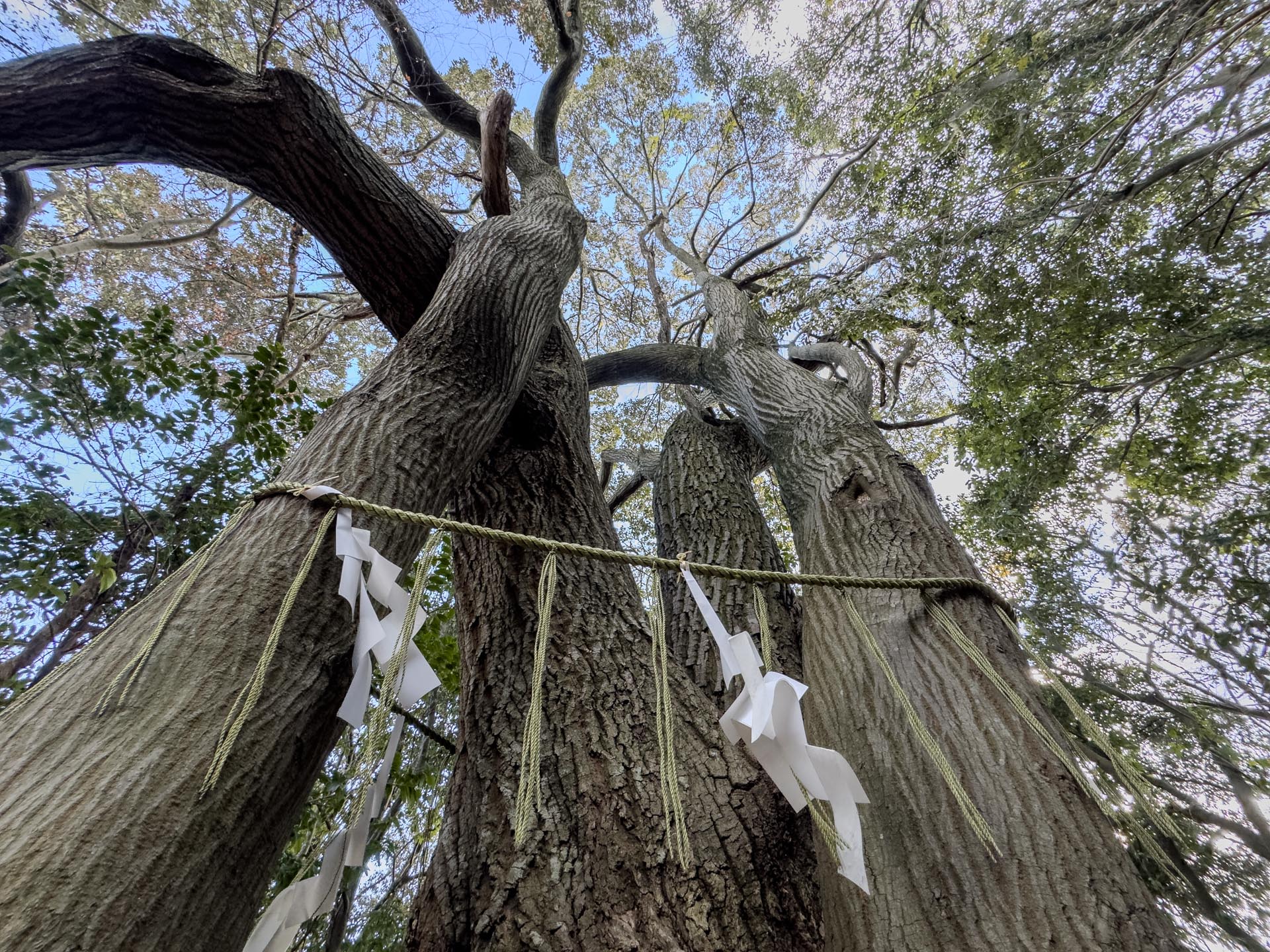
A big tree.
Heading down the mountain.
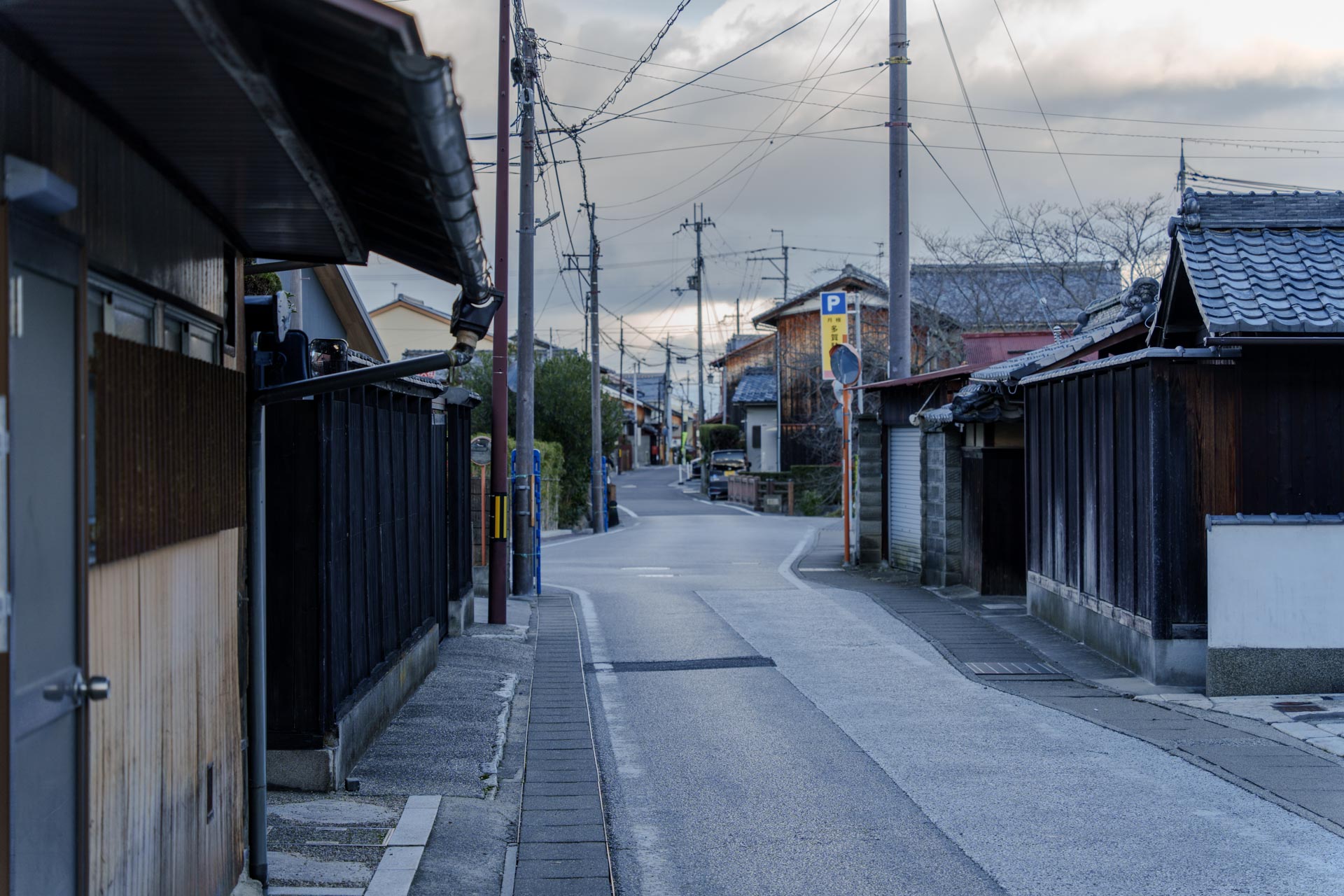
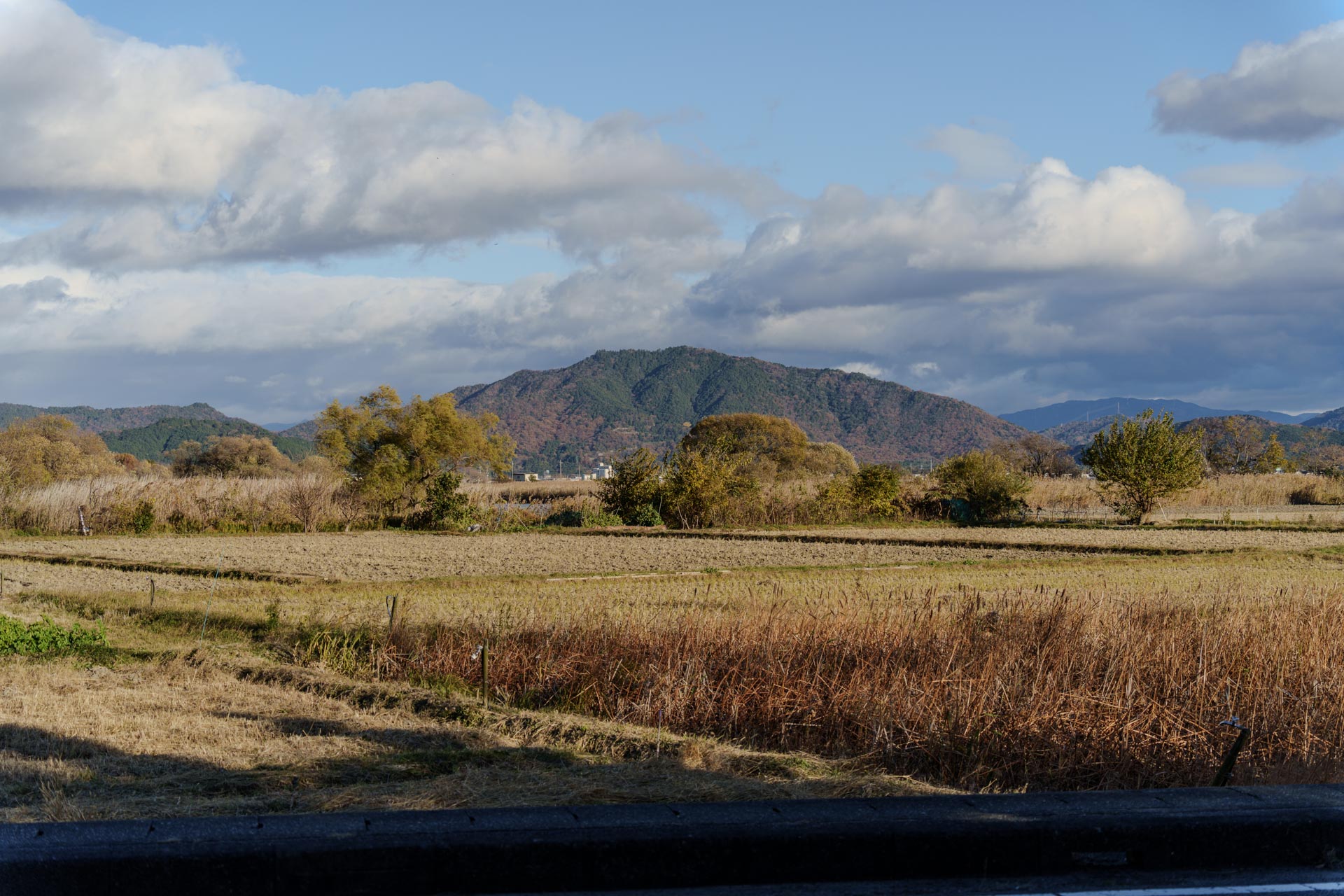
An empty street.
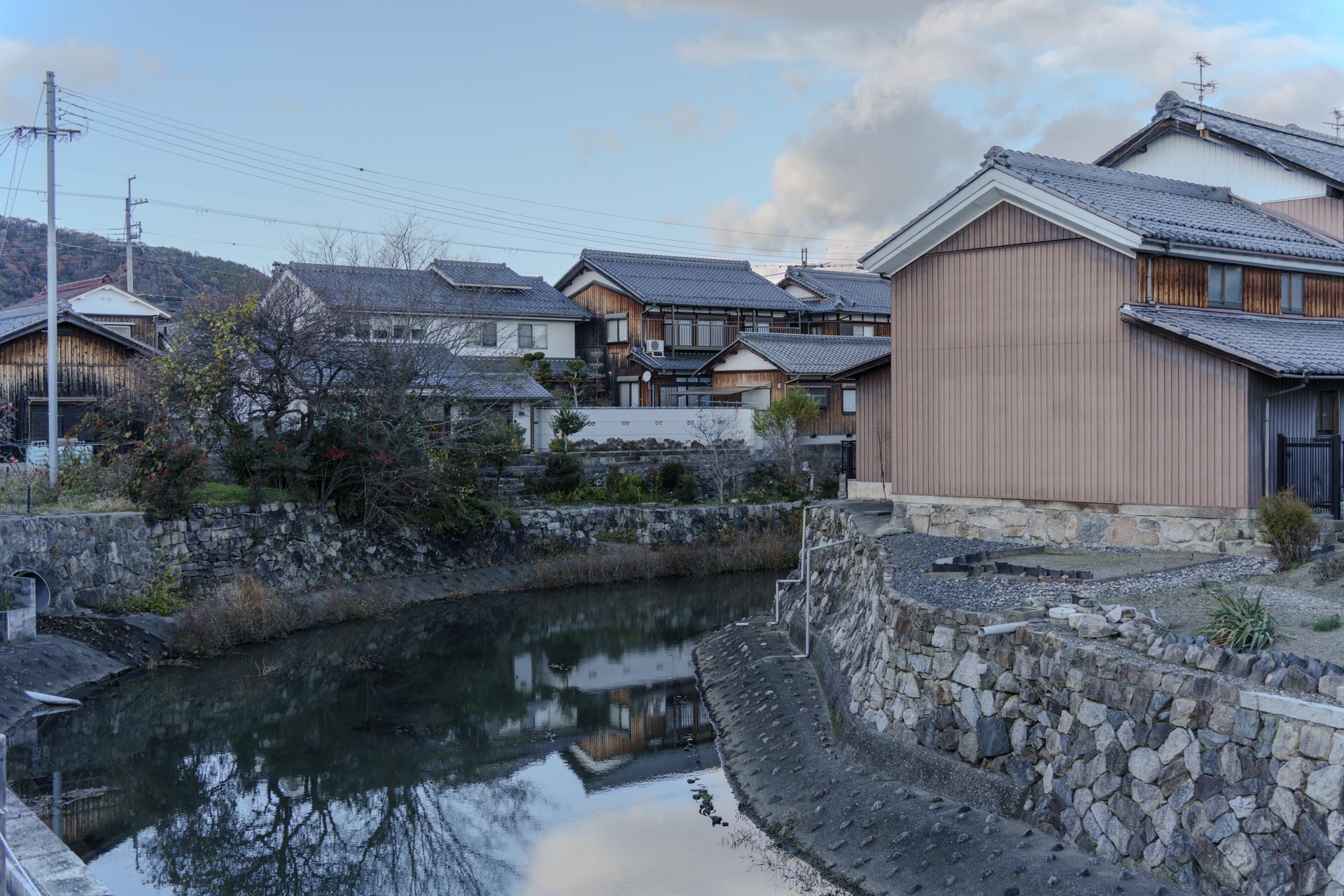
Countryside.
Kitano-no-sho
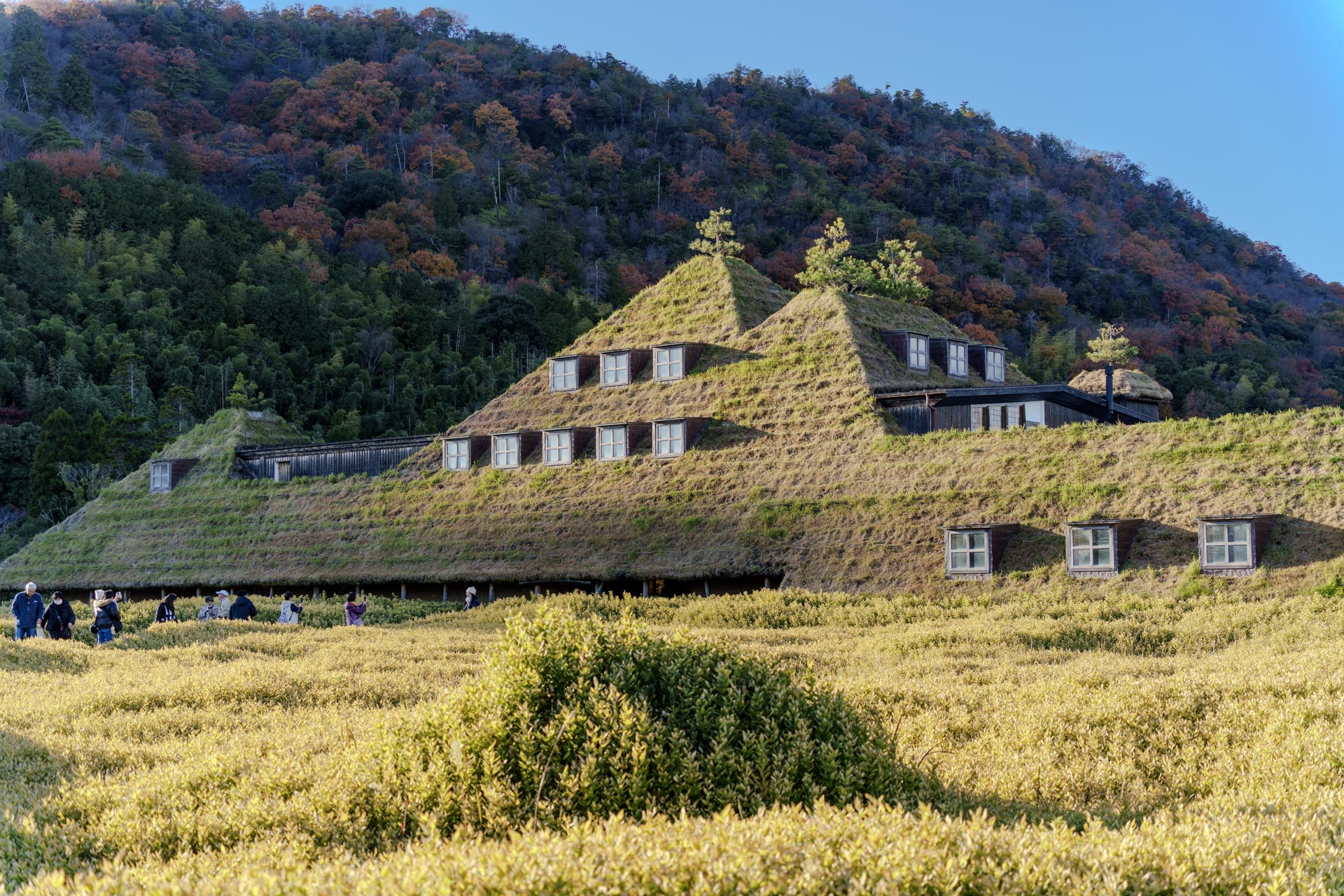
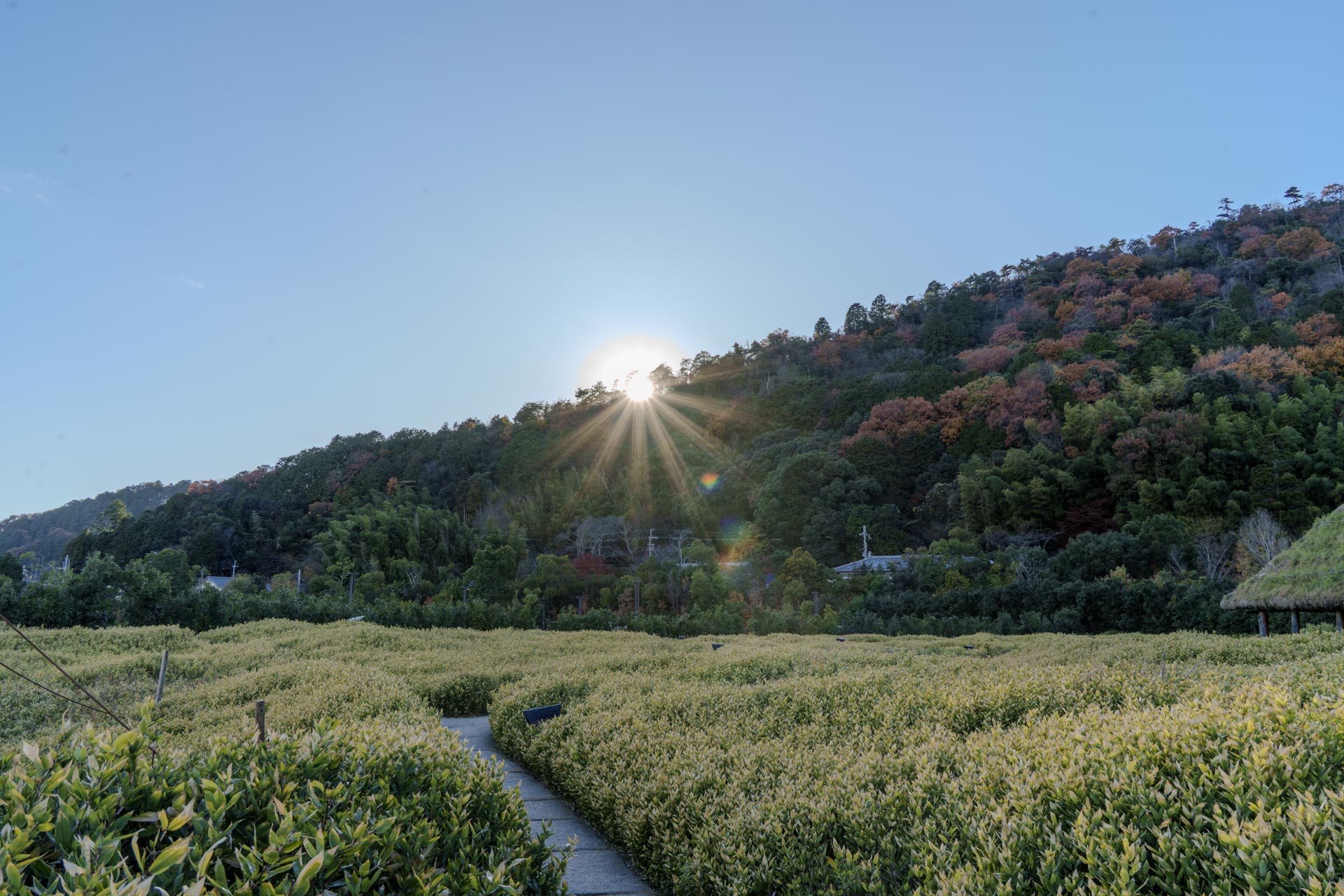
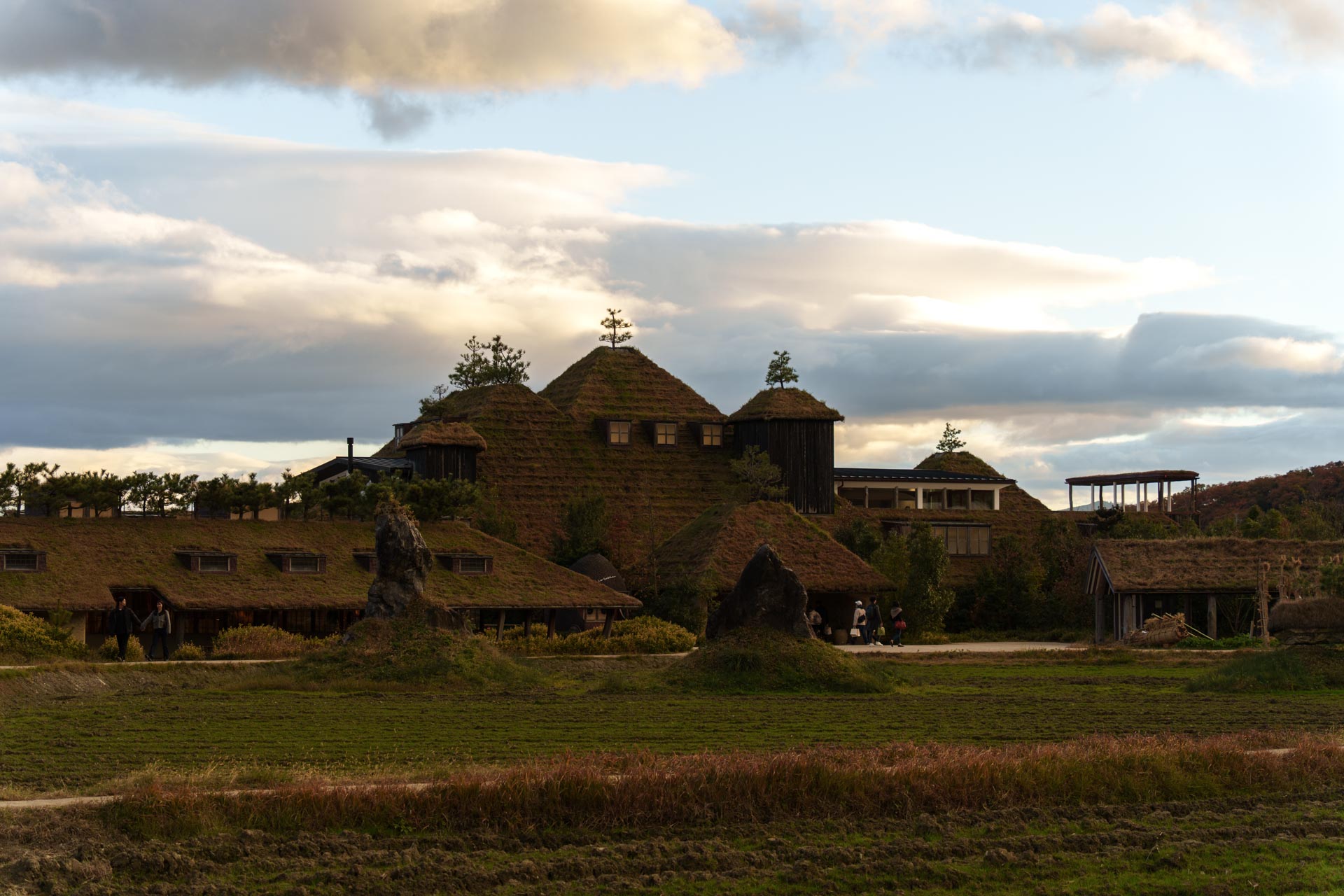
We walked to Kitano-no-sho. As soon as we arrived, we saw these fairy-tale-like houses with grass roofs. The sun was about to set, and the last rays of the day were shining on the rooftops.
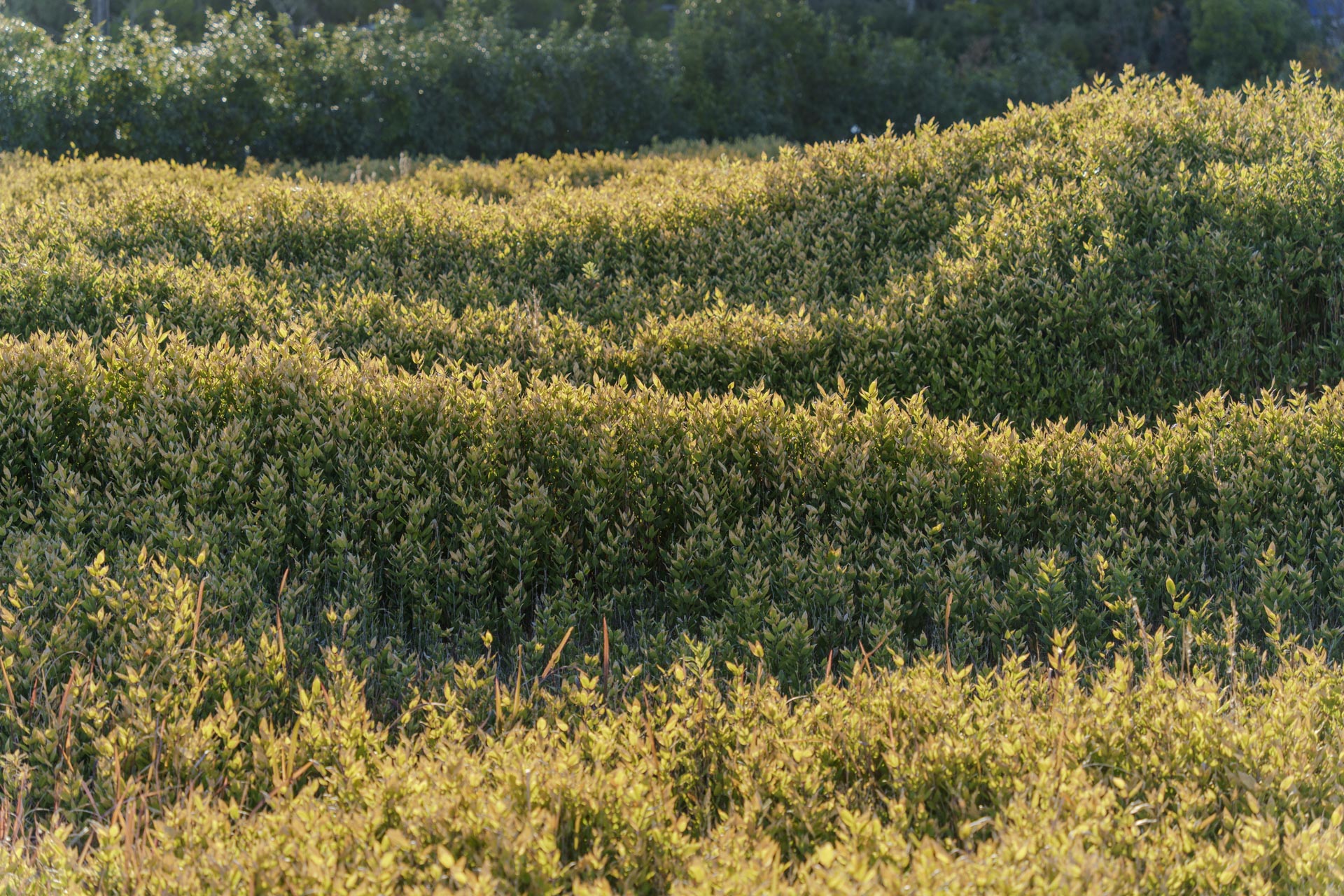
It looked like a tea plantation.
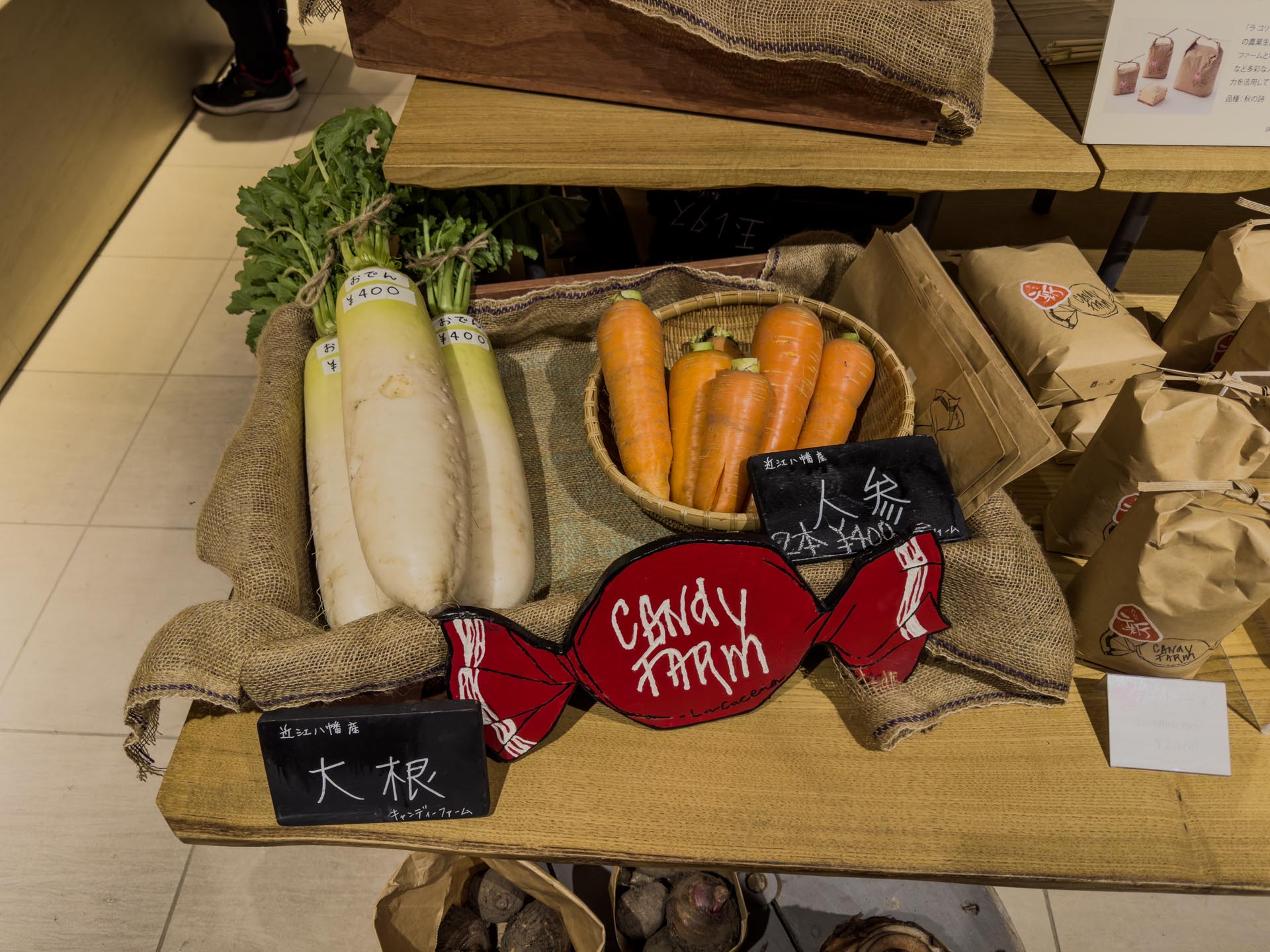
Inside the grass-roofed house, they were selling local Omi-Hachiman snacks and even “ginseng” 😏.
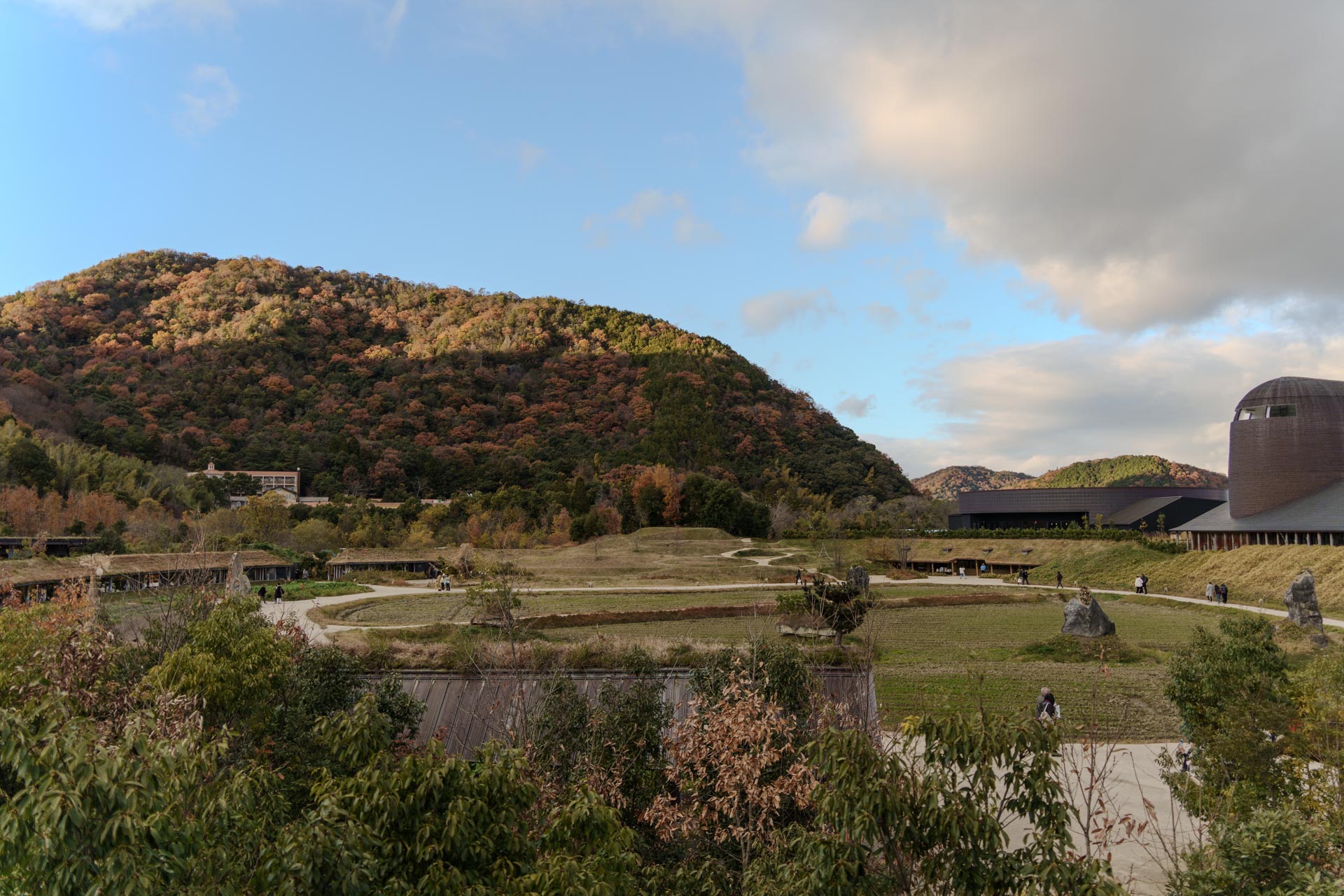
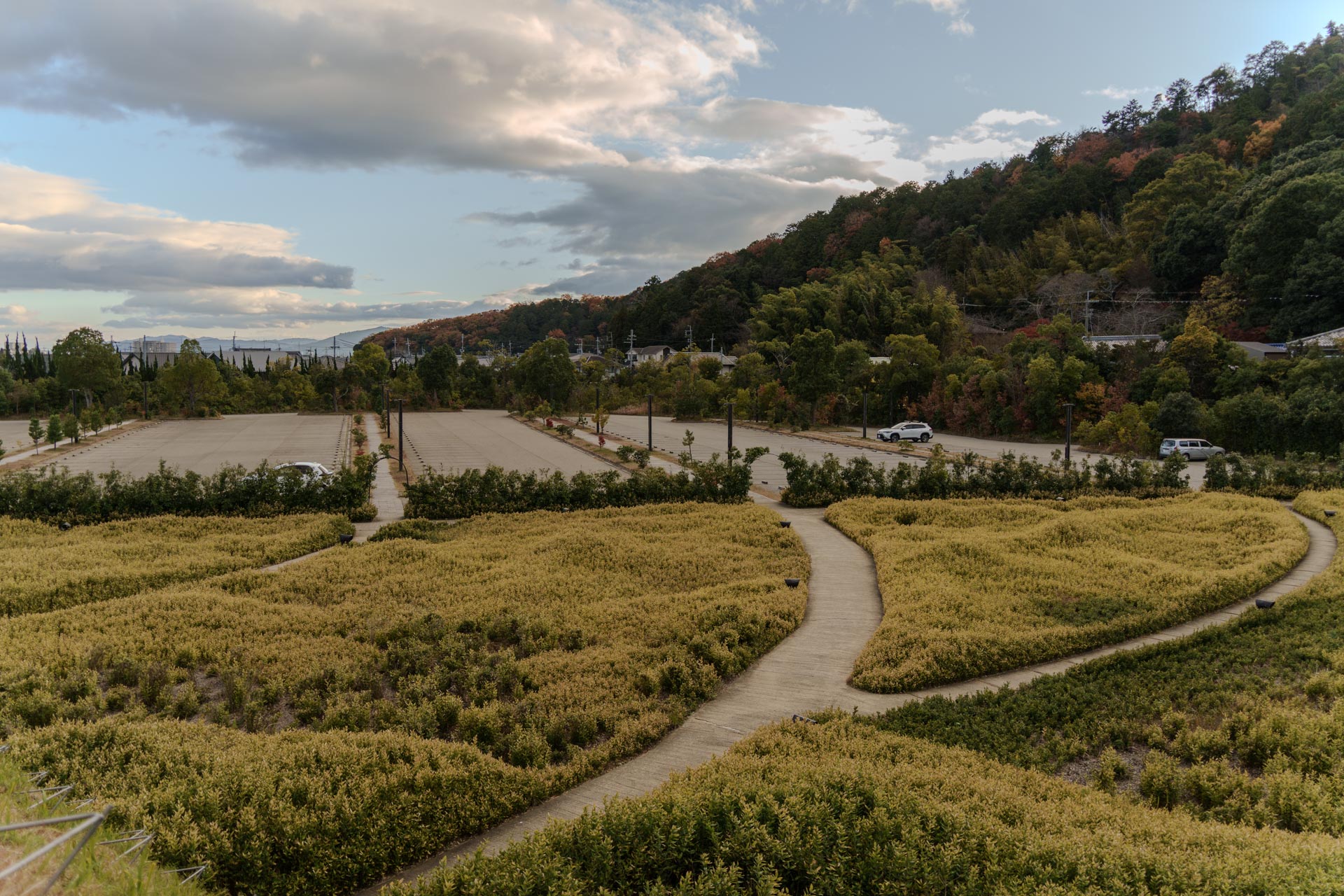
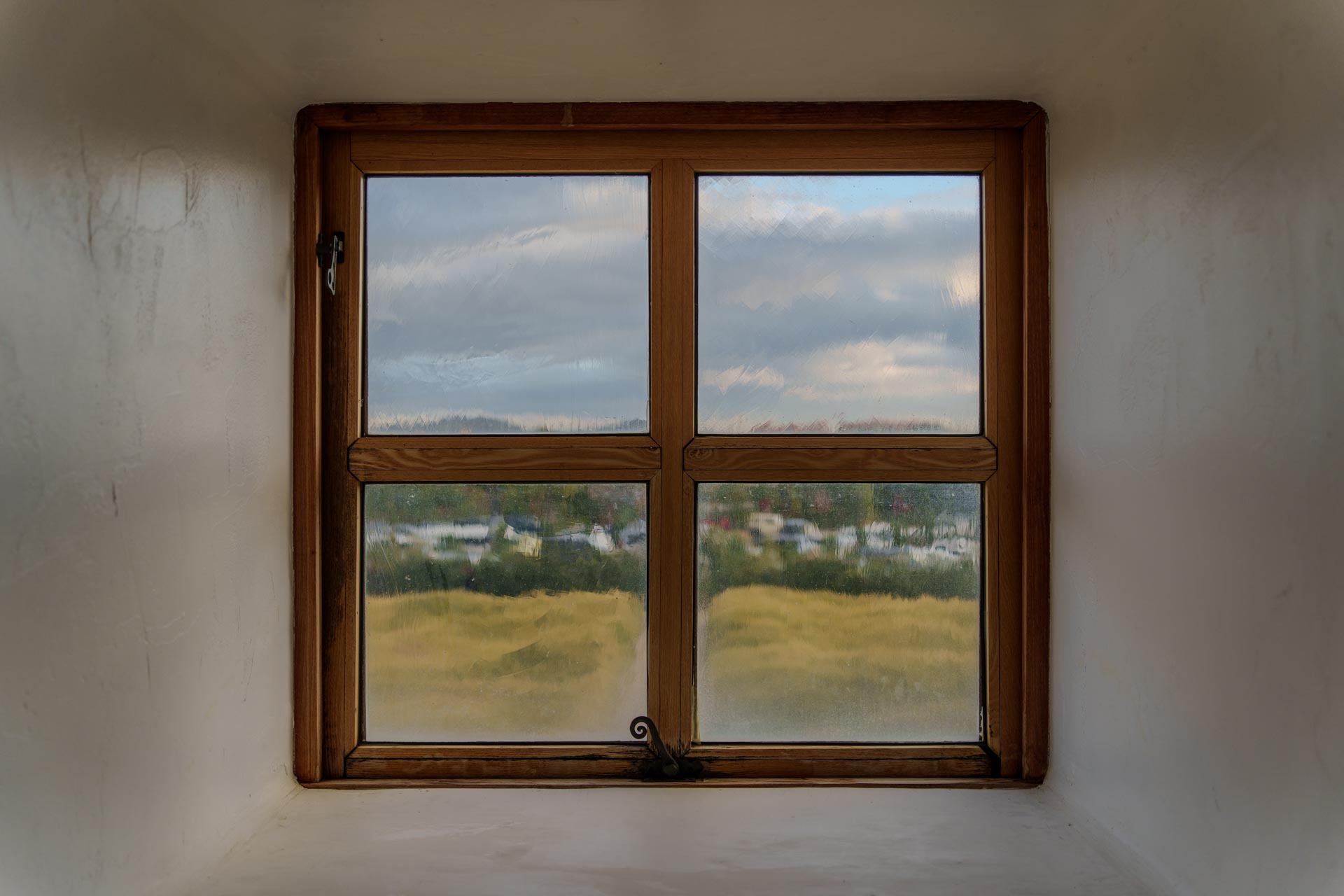
A window. It looks like a painting.
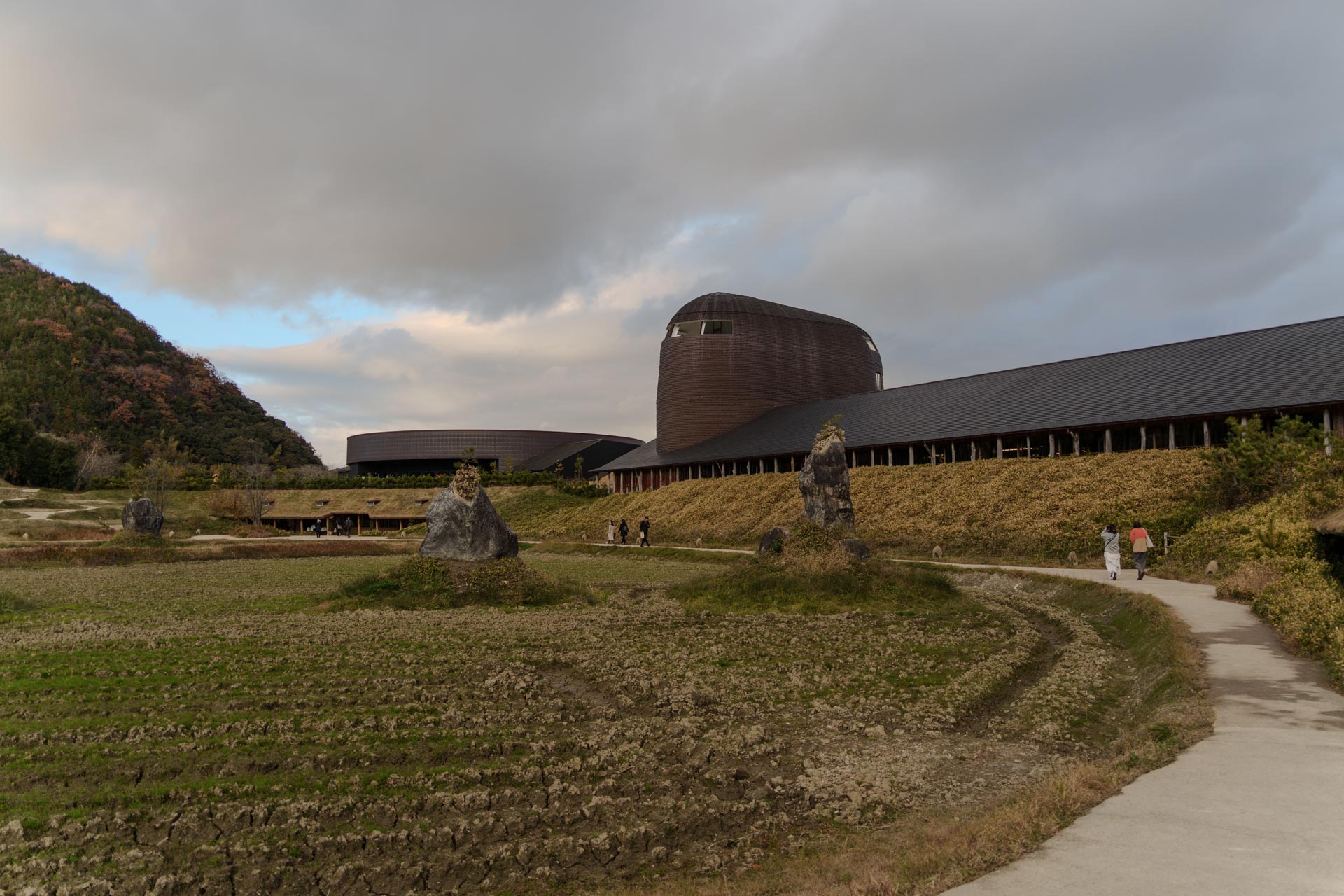
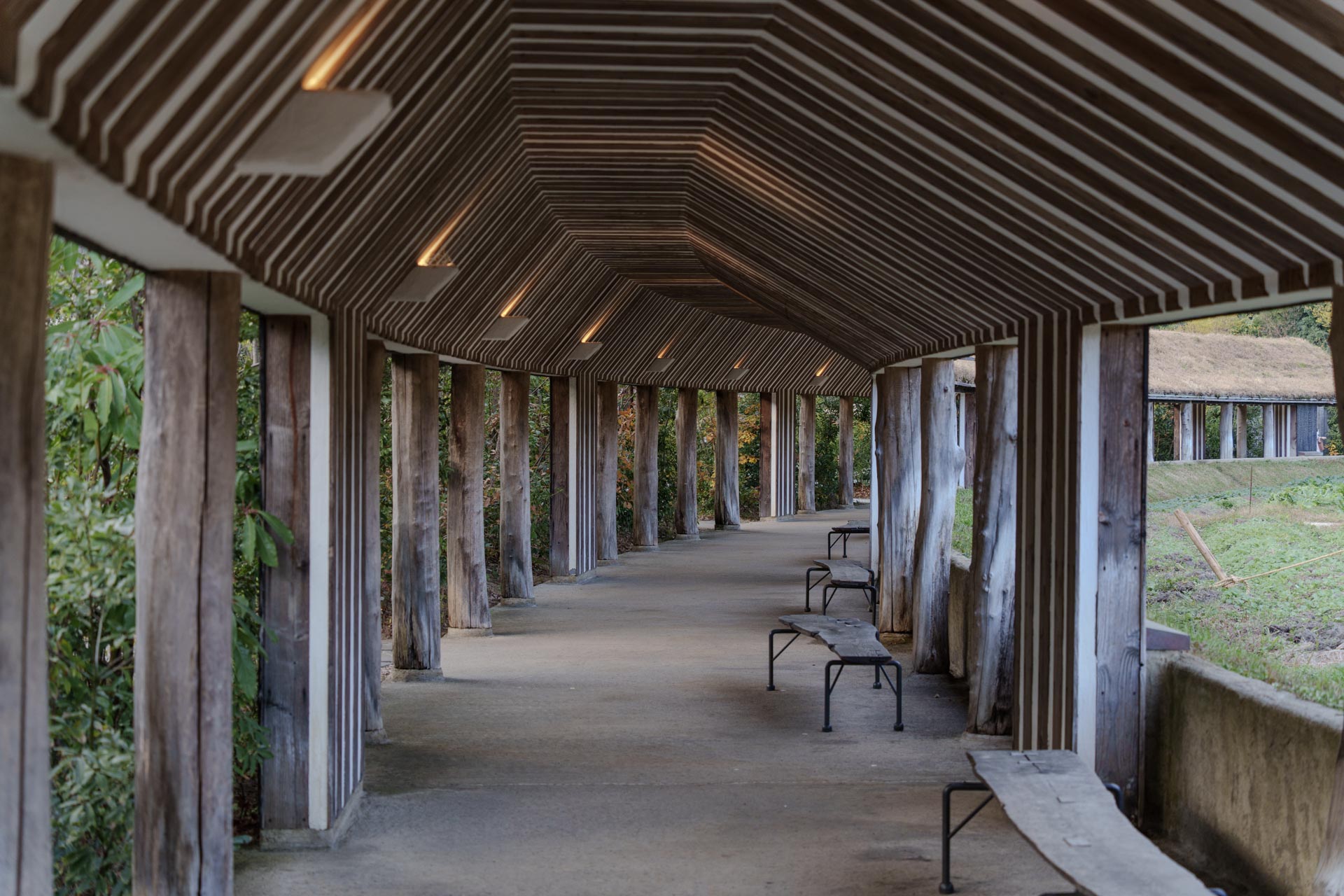
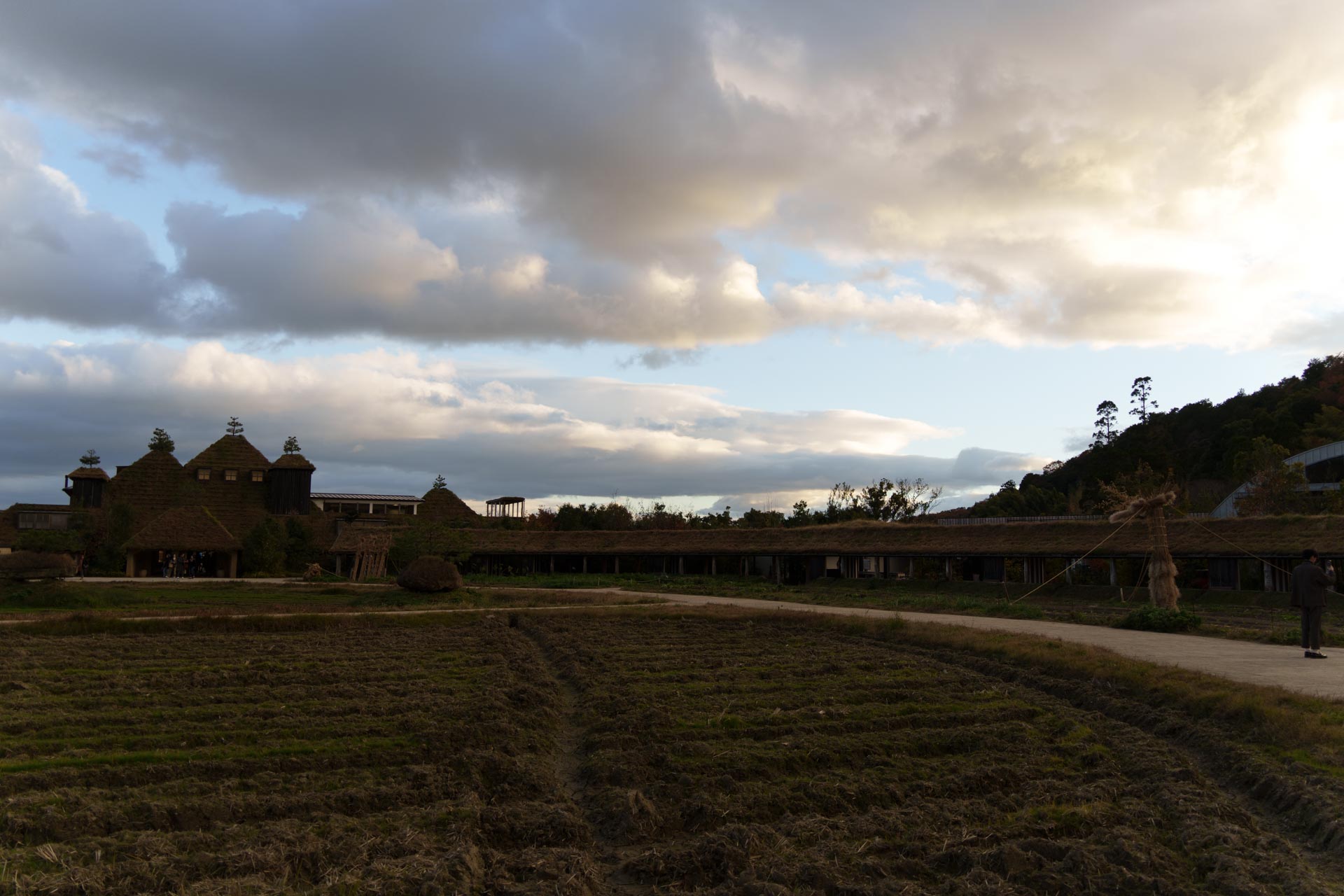
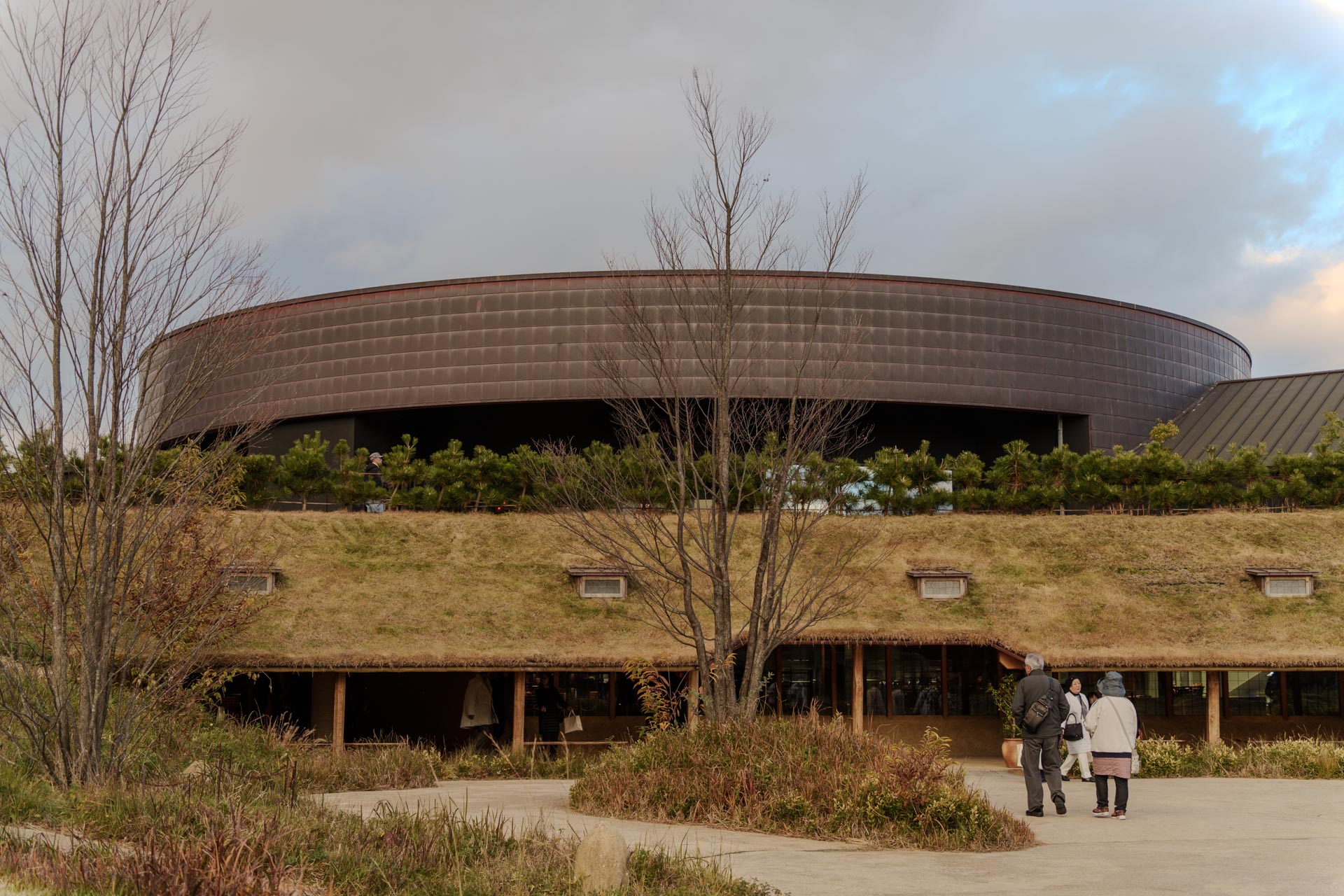
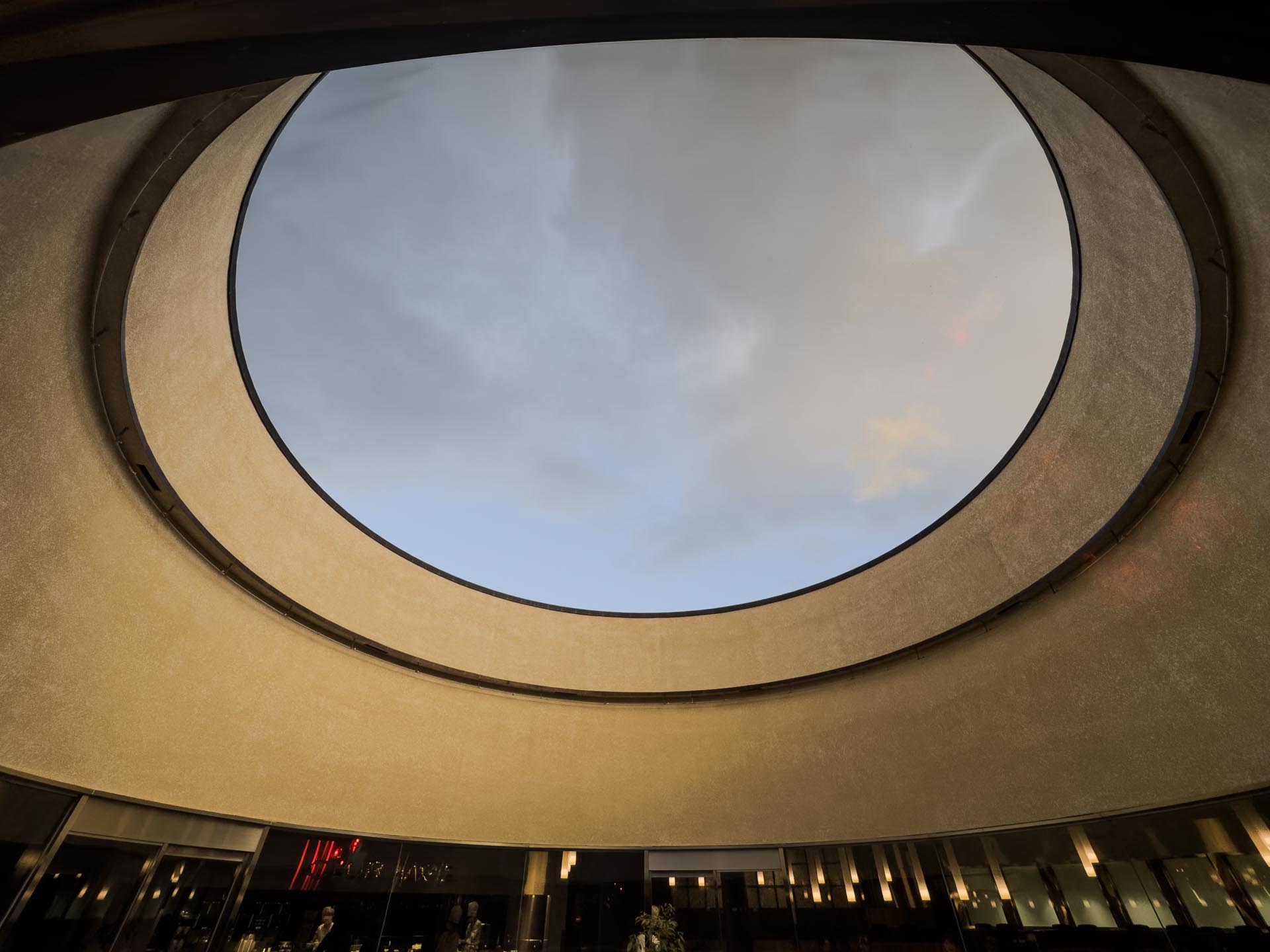 A restaurant in Kitano-sho.
When we left, the sun had set, the clouds in the sky were dyed golden, and birds were circling above.
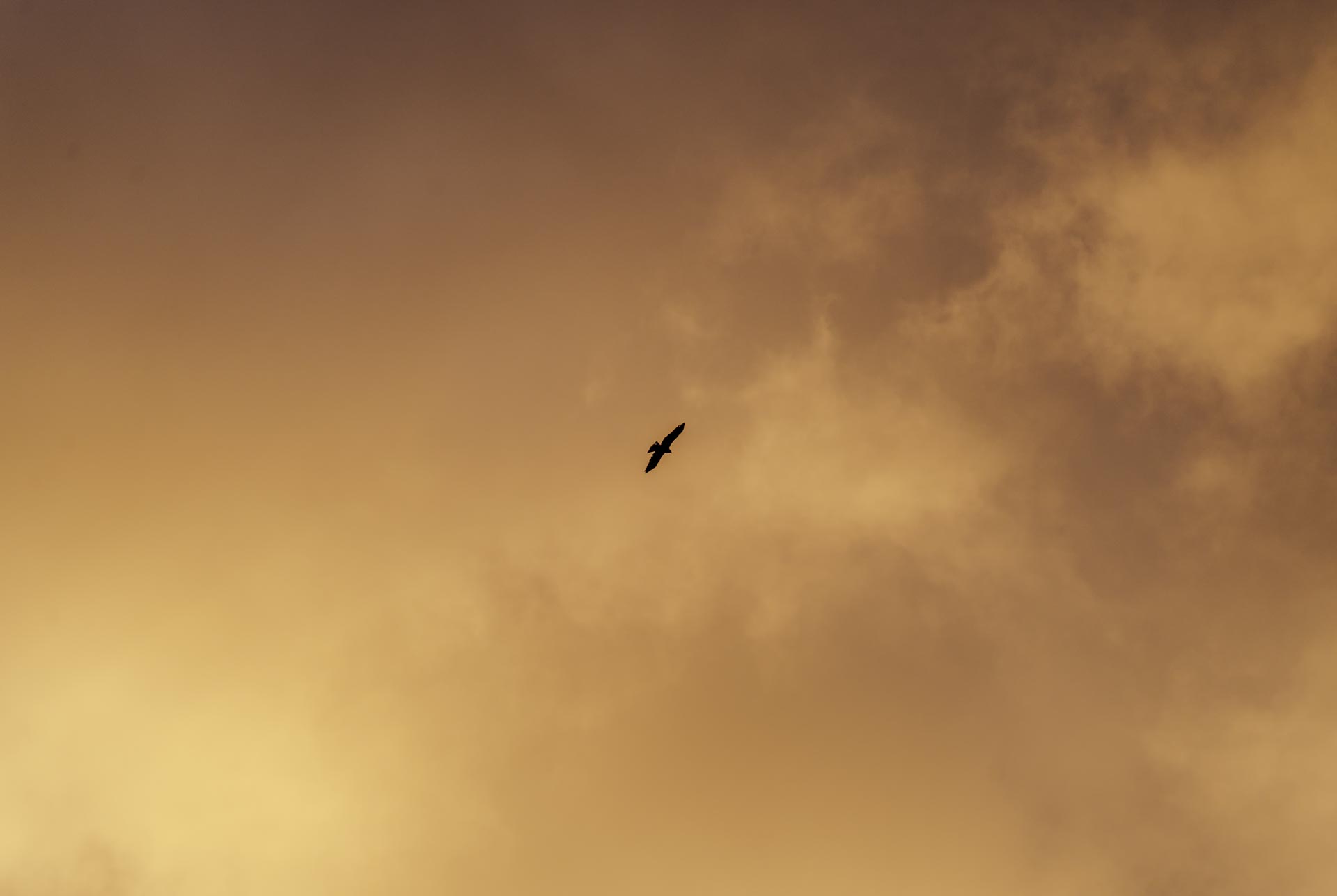 An eagle under the setting sun.
Took a bus back to Kyoto.
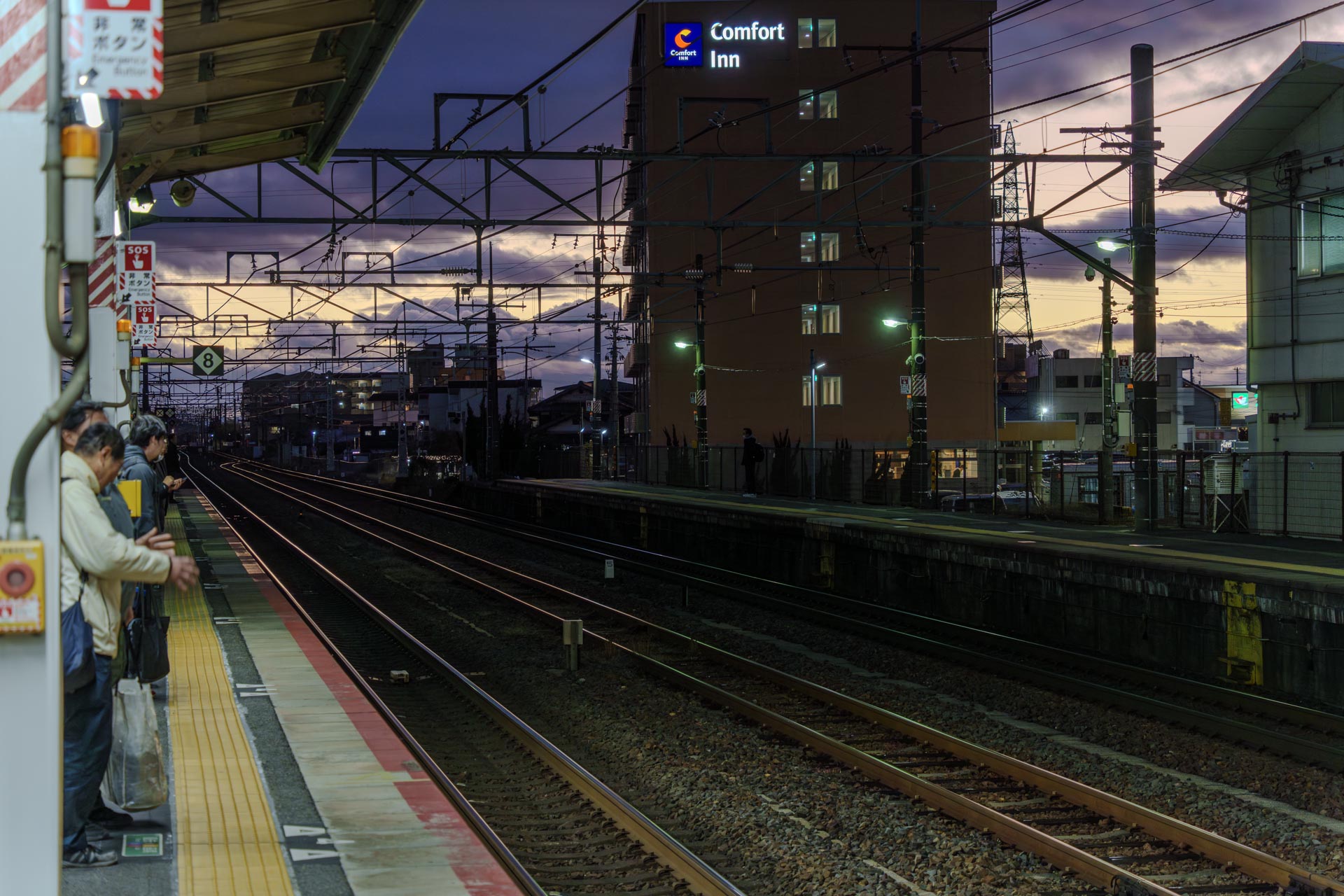
At Kyoto Station, I reserved round-trip reserved seats for tomorrow’s journey to Amanohashidate.
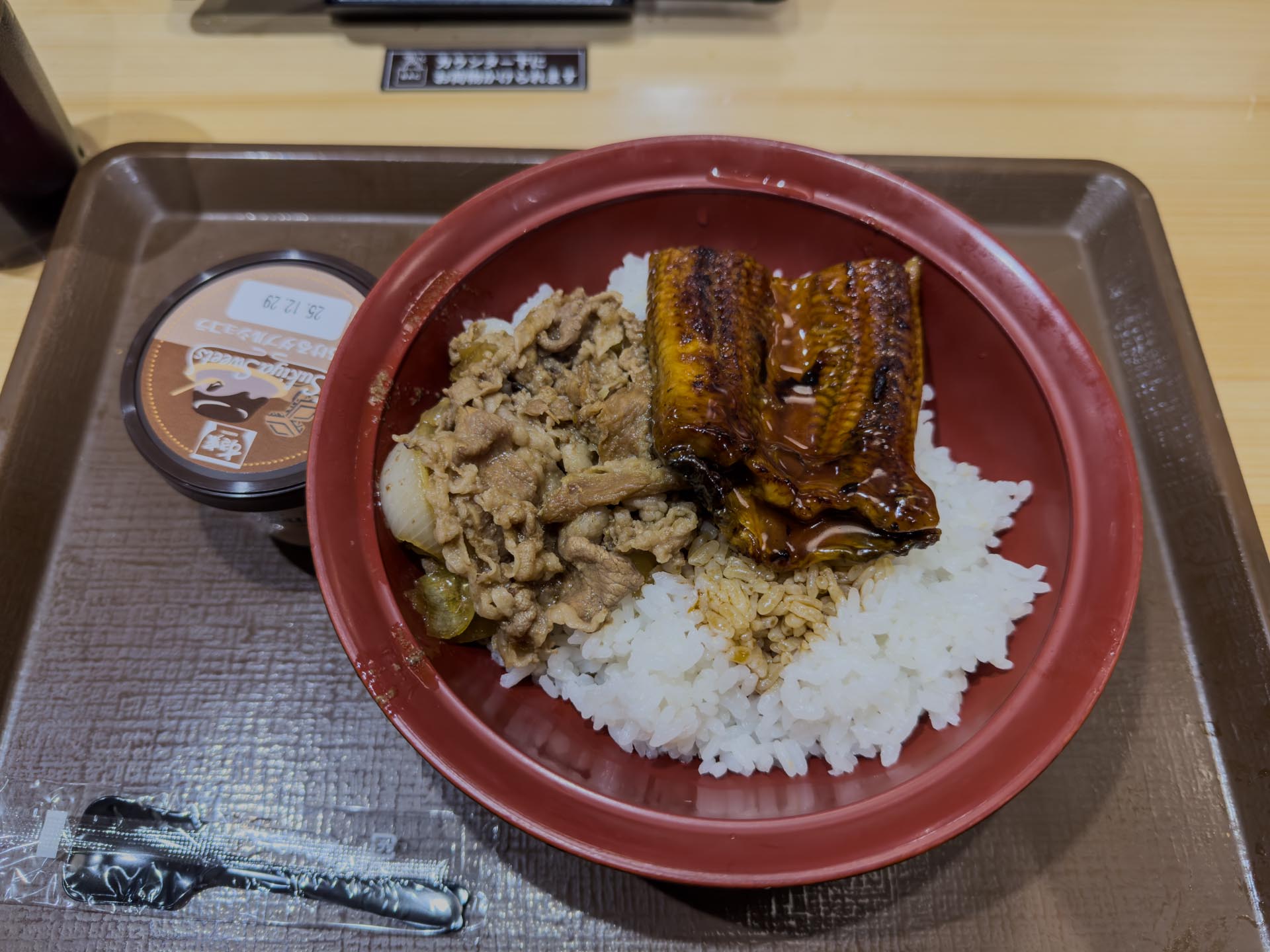
For dinner, we ate at Sukiya near Kyoto Station.
Day 8 Amanohashidate & Ine
Tonight we would be changing hotels. In the morning, I checked the time and realized we still had enough, so I first dropped off our luggage at the hotel where we would stay tonight, planning to check in directly in the evening.
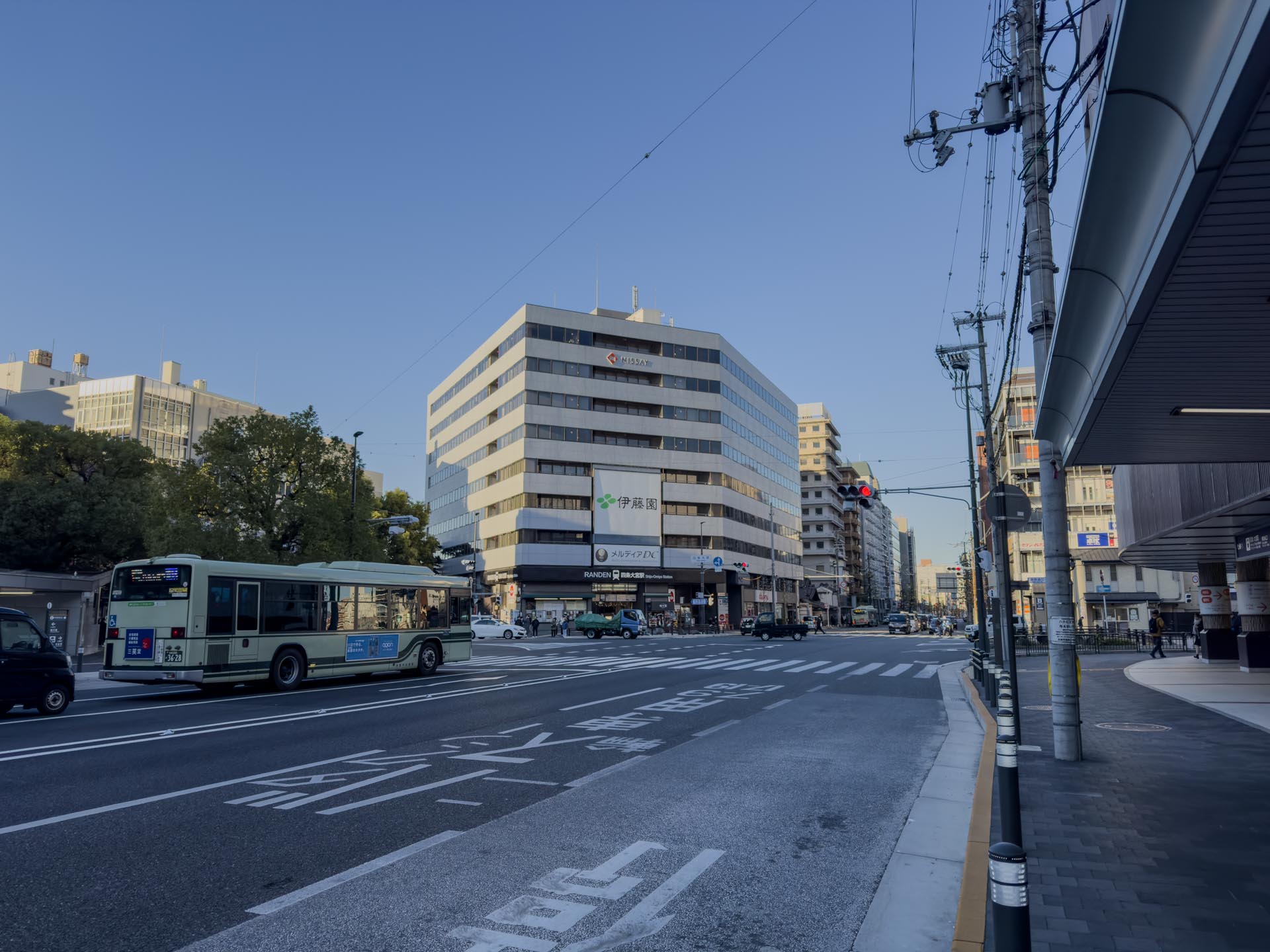
We took a bus to Kyoto Station, then boarded a JR train for a 2-hour ride to Amanohashidate.
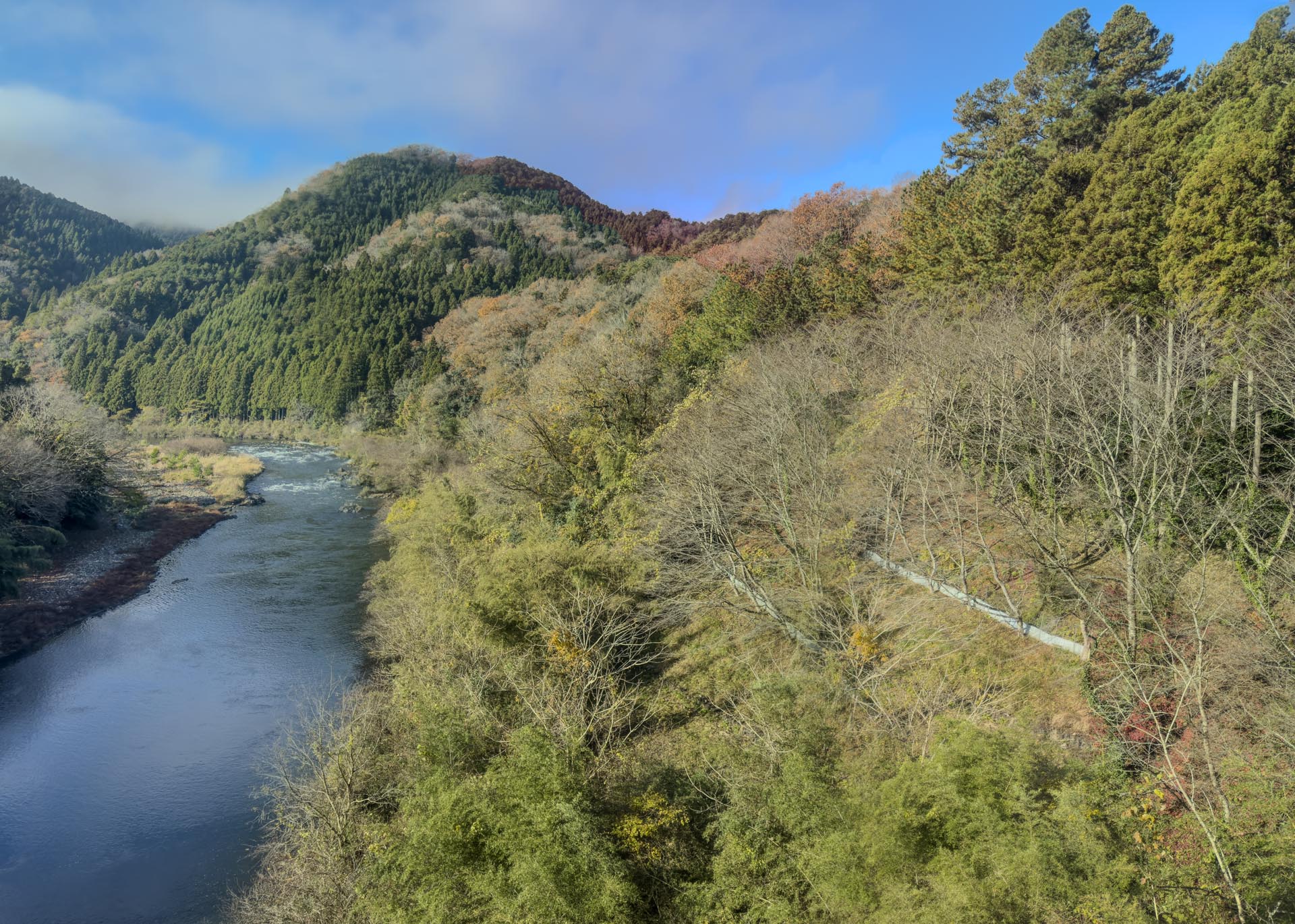 It reminded me a little of Kanas.
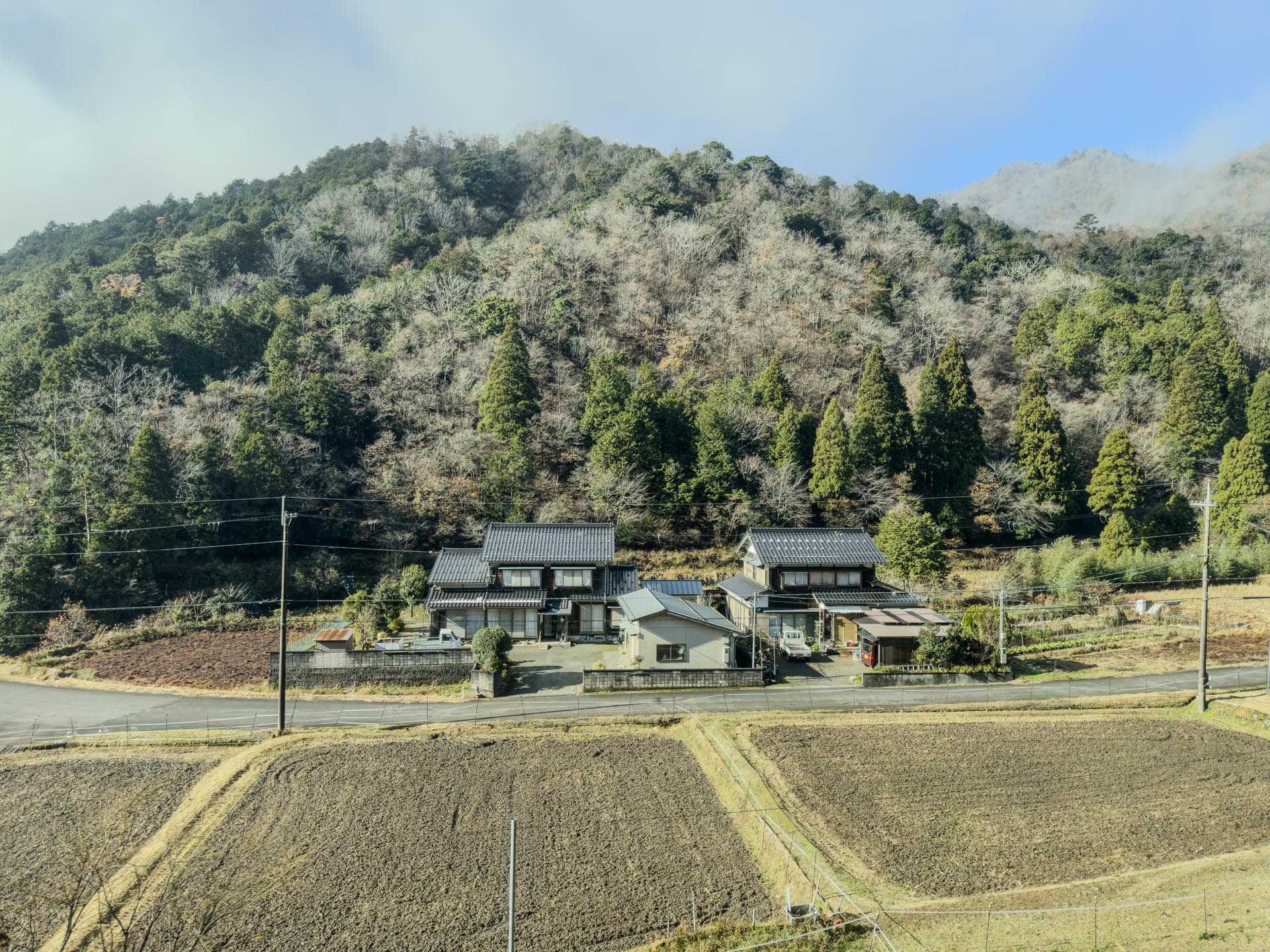 Japanese countryside
At Amanohashidate Station, I exchanged for the Amanohashidate-Ine 2-Day PASS and picked up a travel guide. The guide was available in Japanese and English, and I chose the English version.
This 2-Day PASS is really worth it, covering transportation, sightseeing cruises, the Kasamatsu Park cable car, and buses to Nariaiji Temple. According to our plan, we first took a bus to the Ine Sunrise stop to board a sightseeing boat.
The roads are mostly built along the coast, and through the bus window, I could see the blue sea and golden beaches.
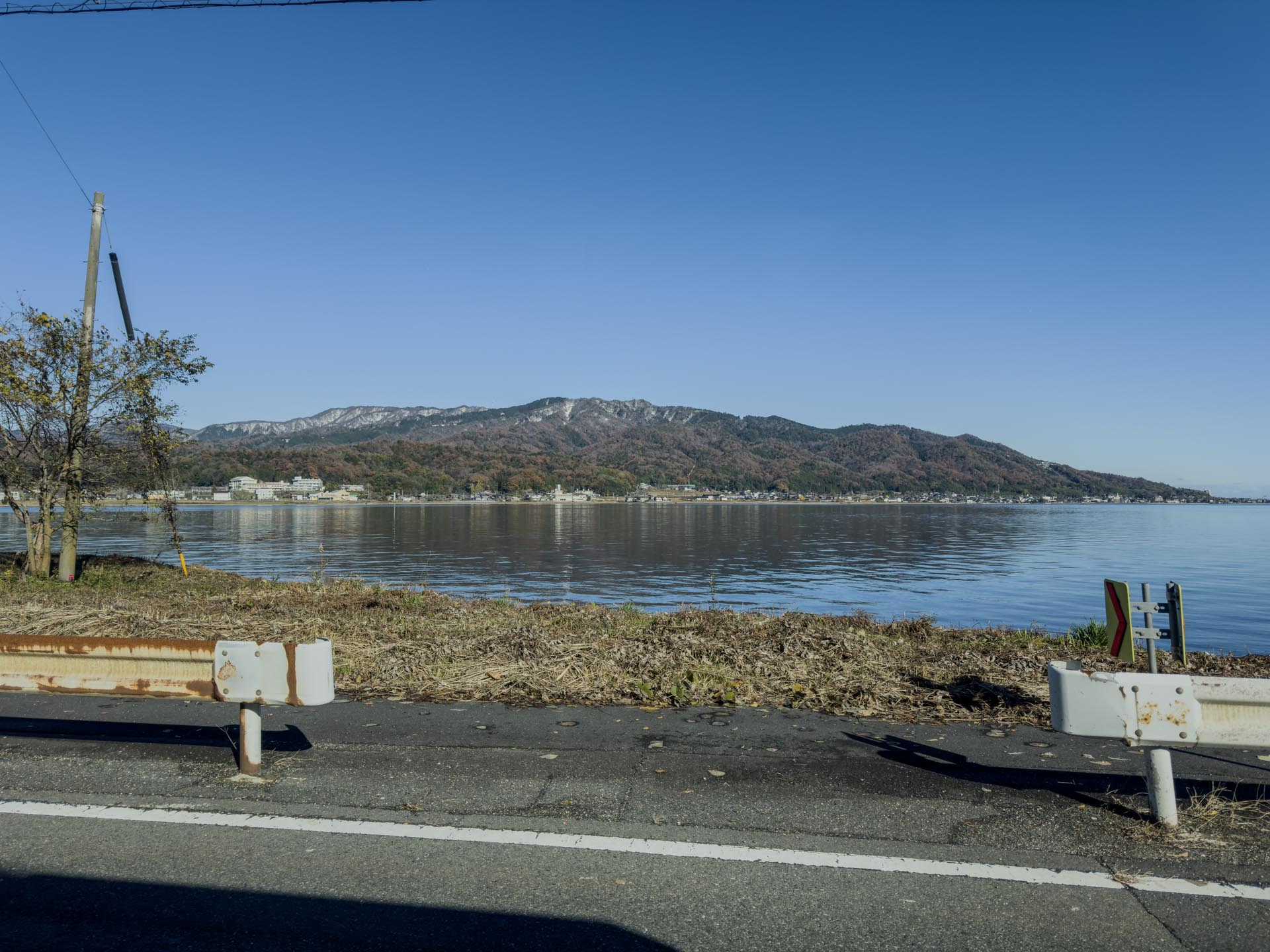
Arriving at Ine Sunrise stop, there was no need to buy a separate sightseeing boat ticket—just showing the PASS was enough. Without the PASS, a sightseeing boat ticket costs 1,200 yen. Just this one boat ride already makes the PASS worth it.
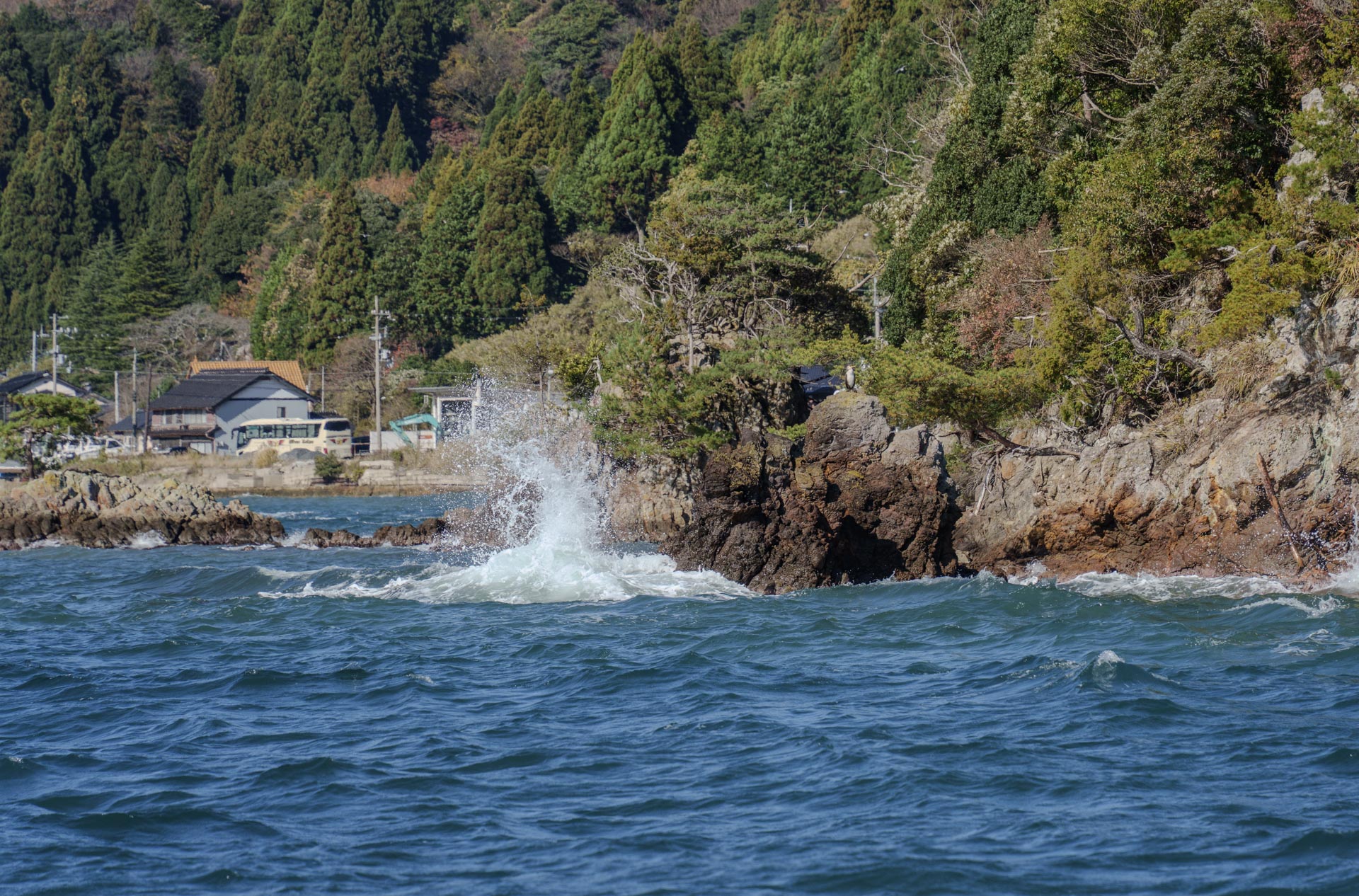
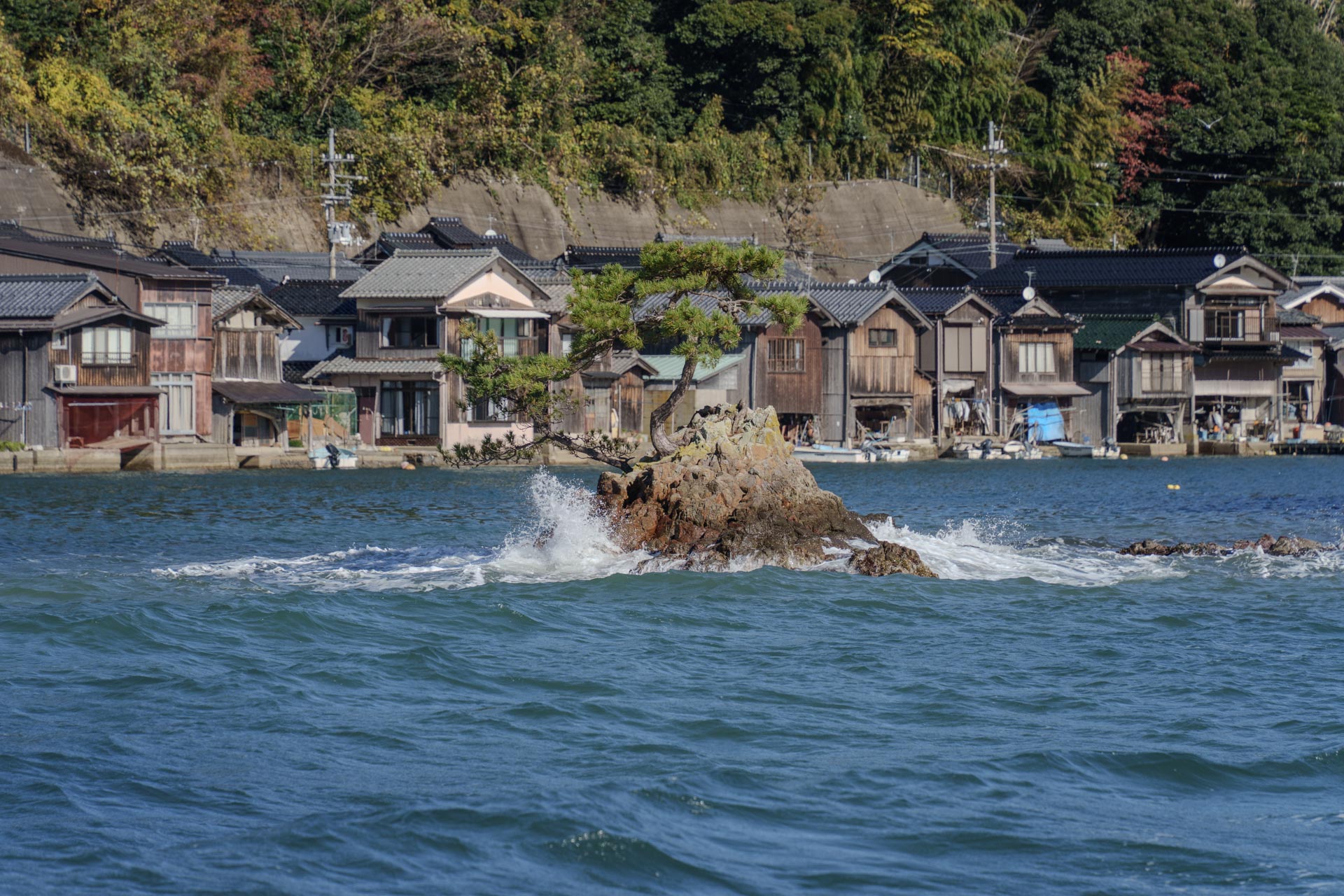
The sightseeing boat goes near the Ine Funaya (boat houses). Before boarding, you can buy some fries to feed the seagulls on the boat.
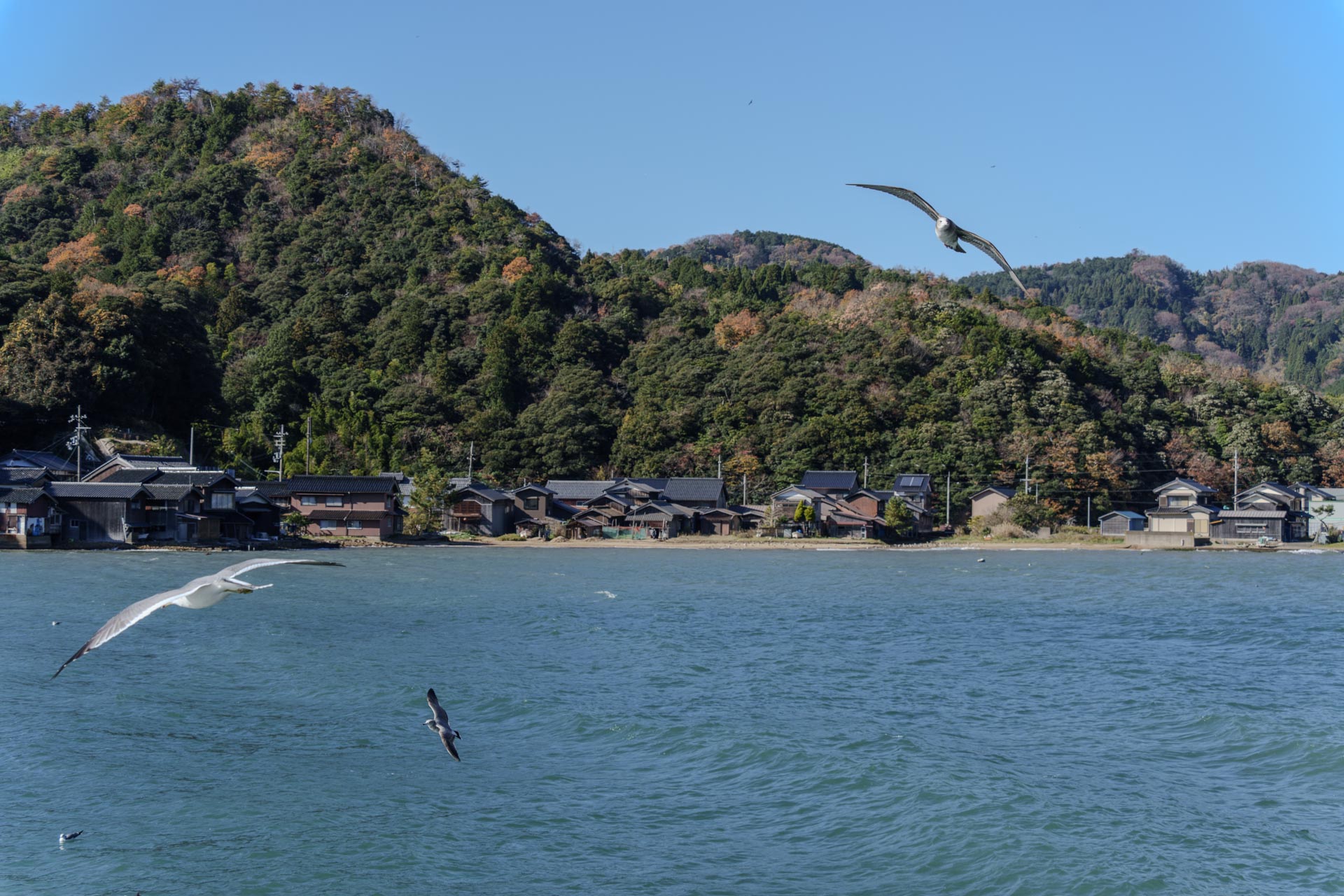
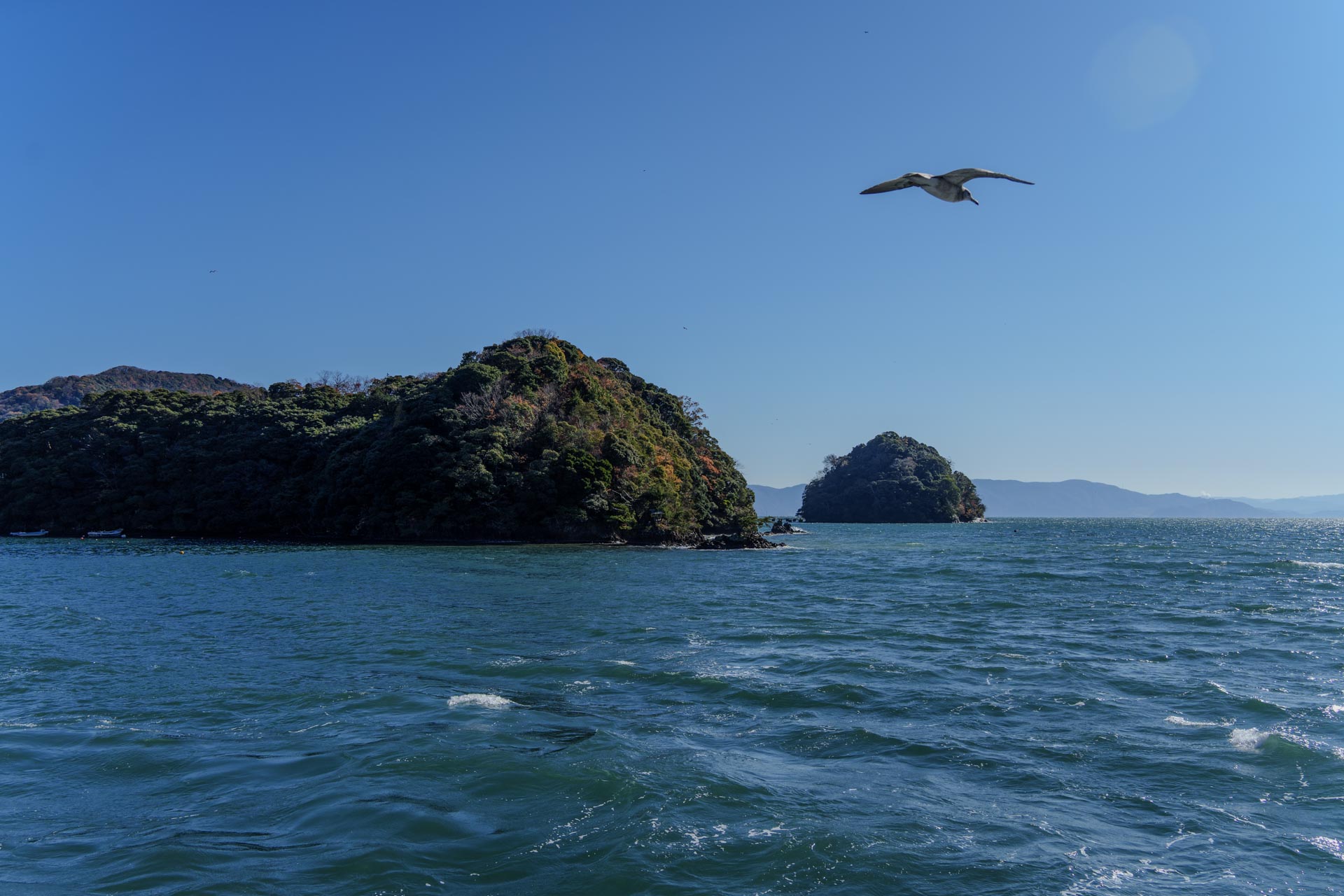
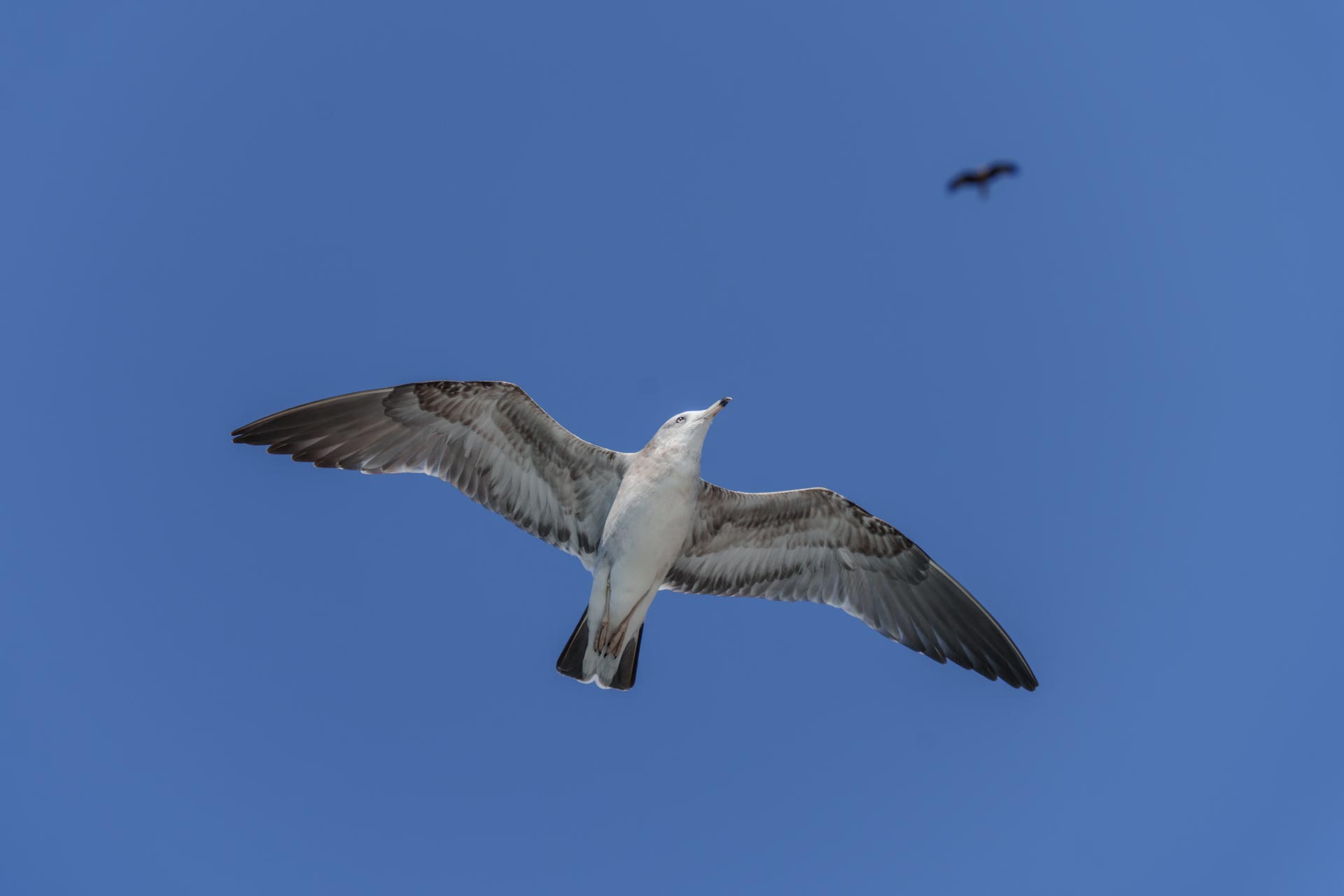
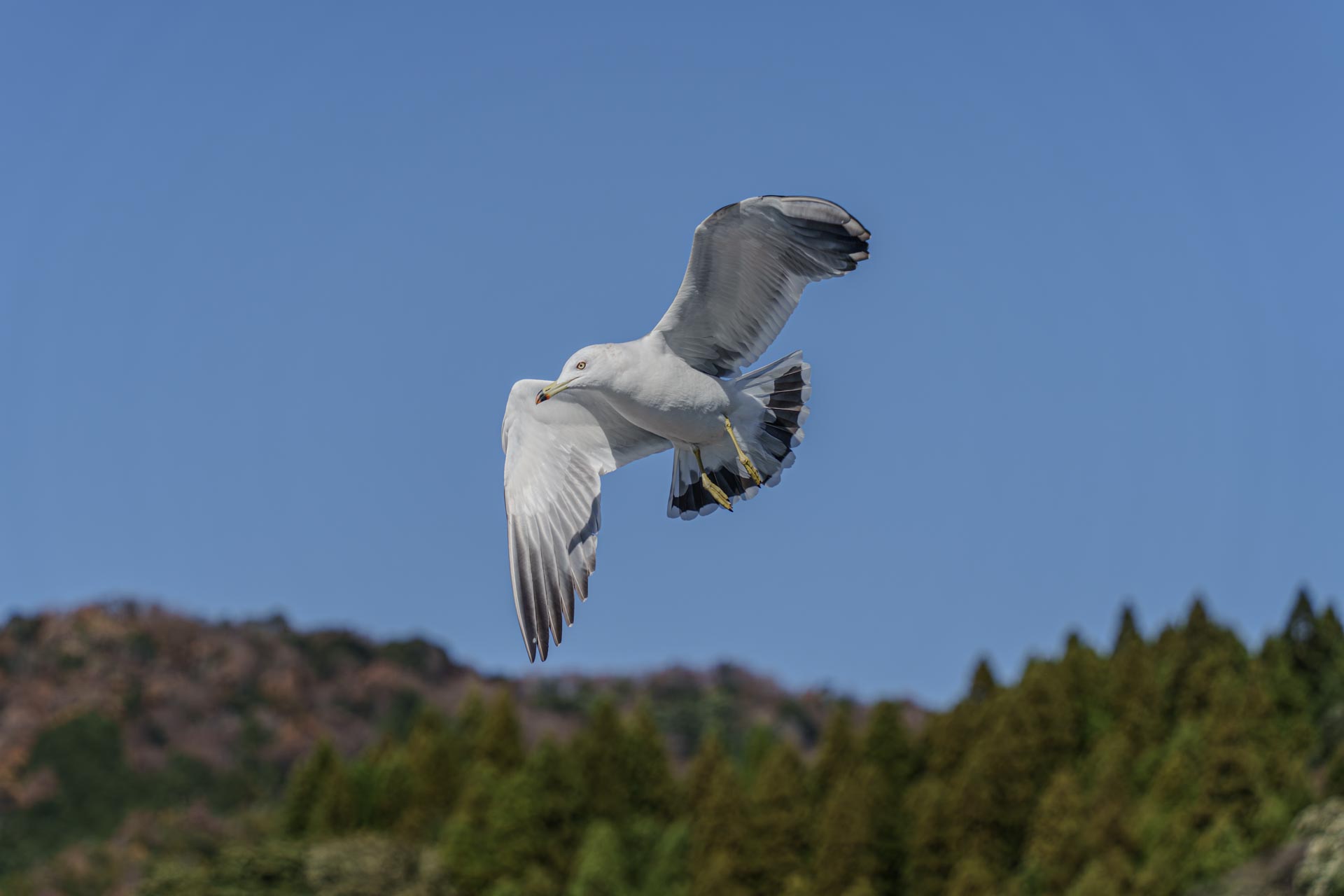
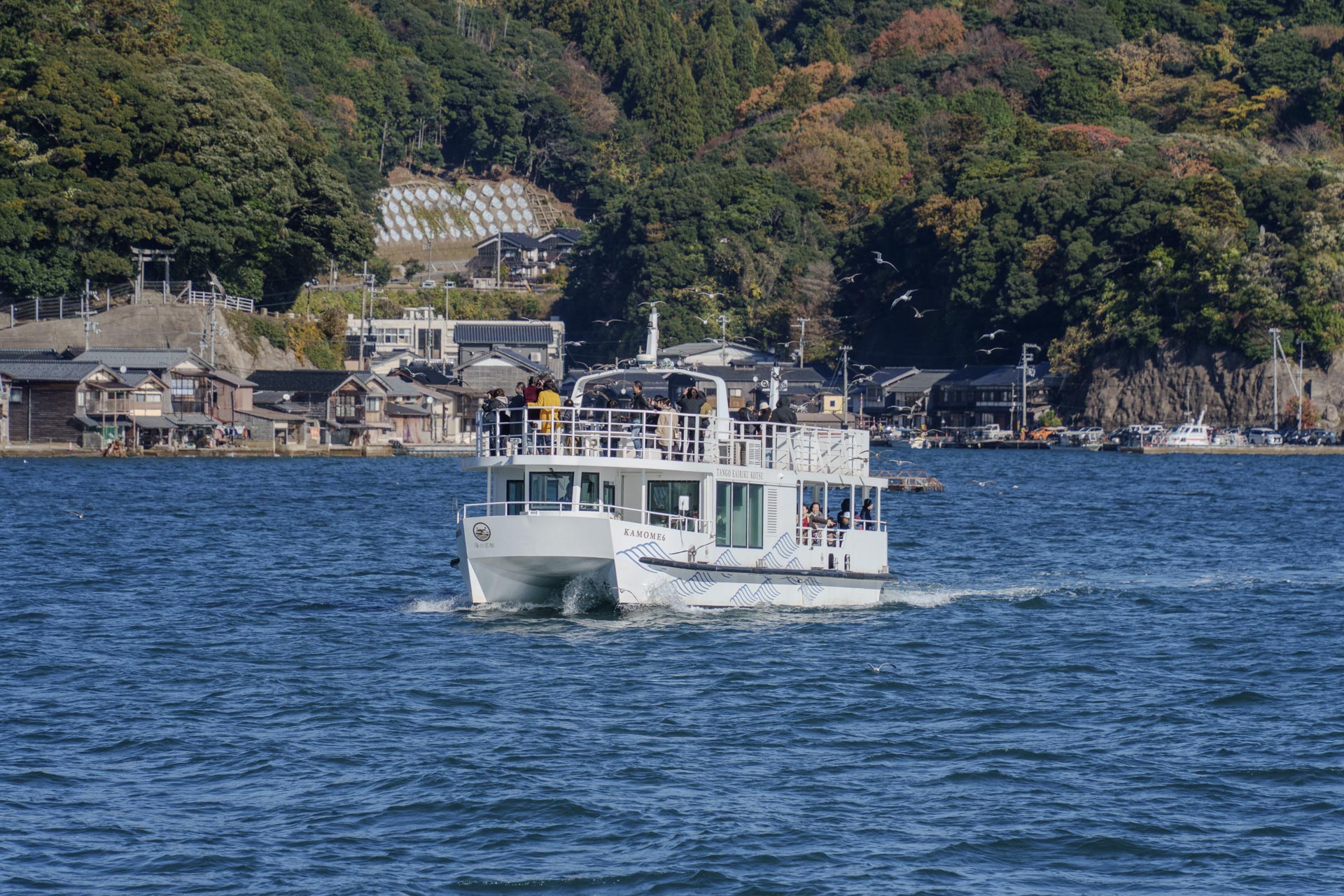
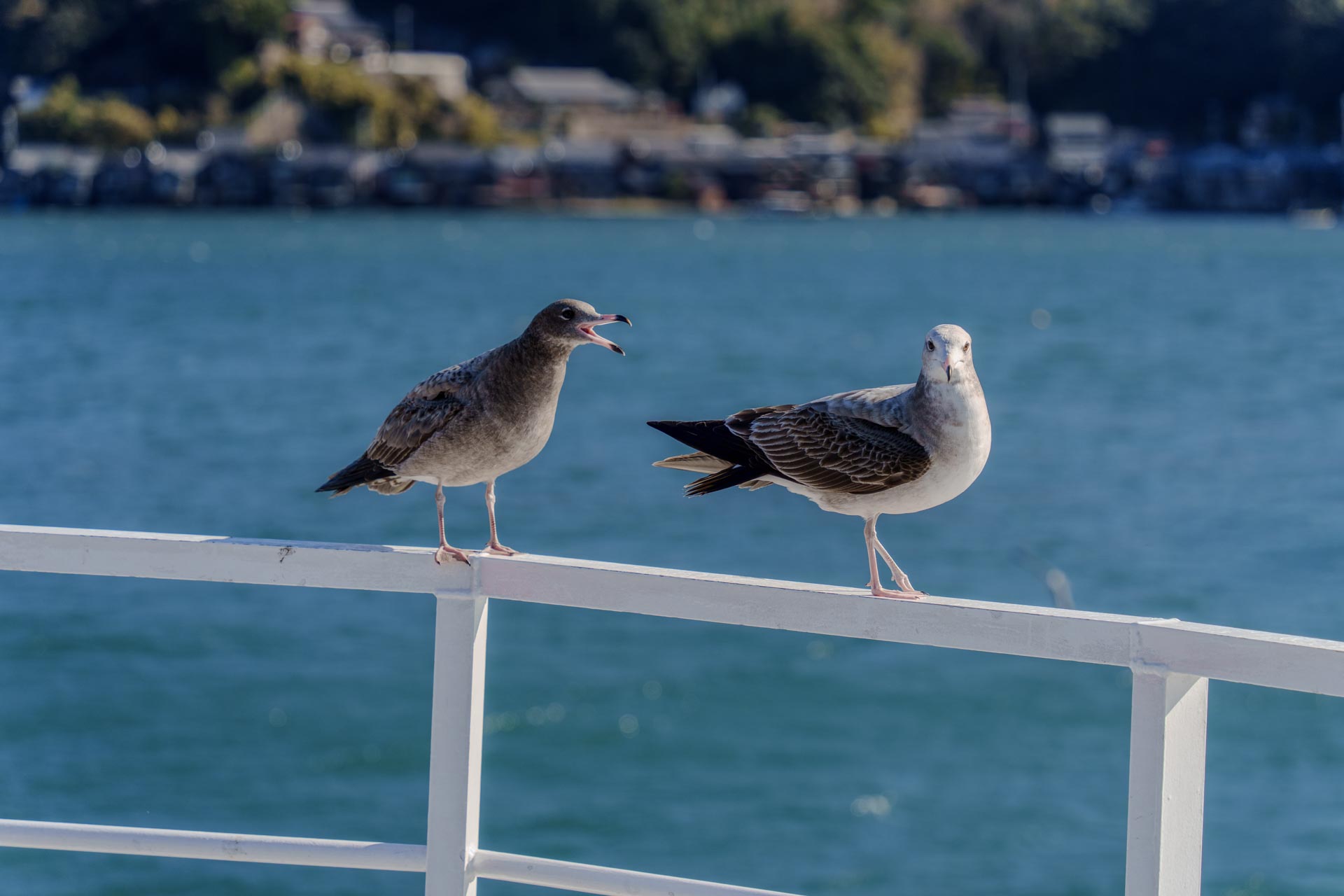
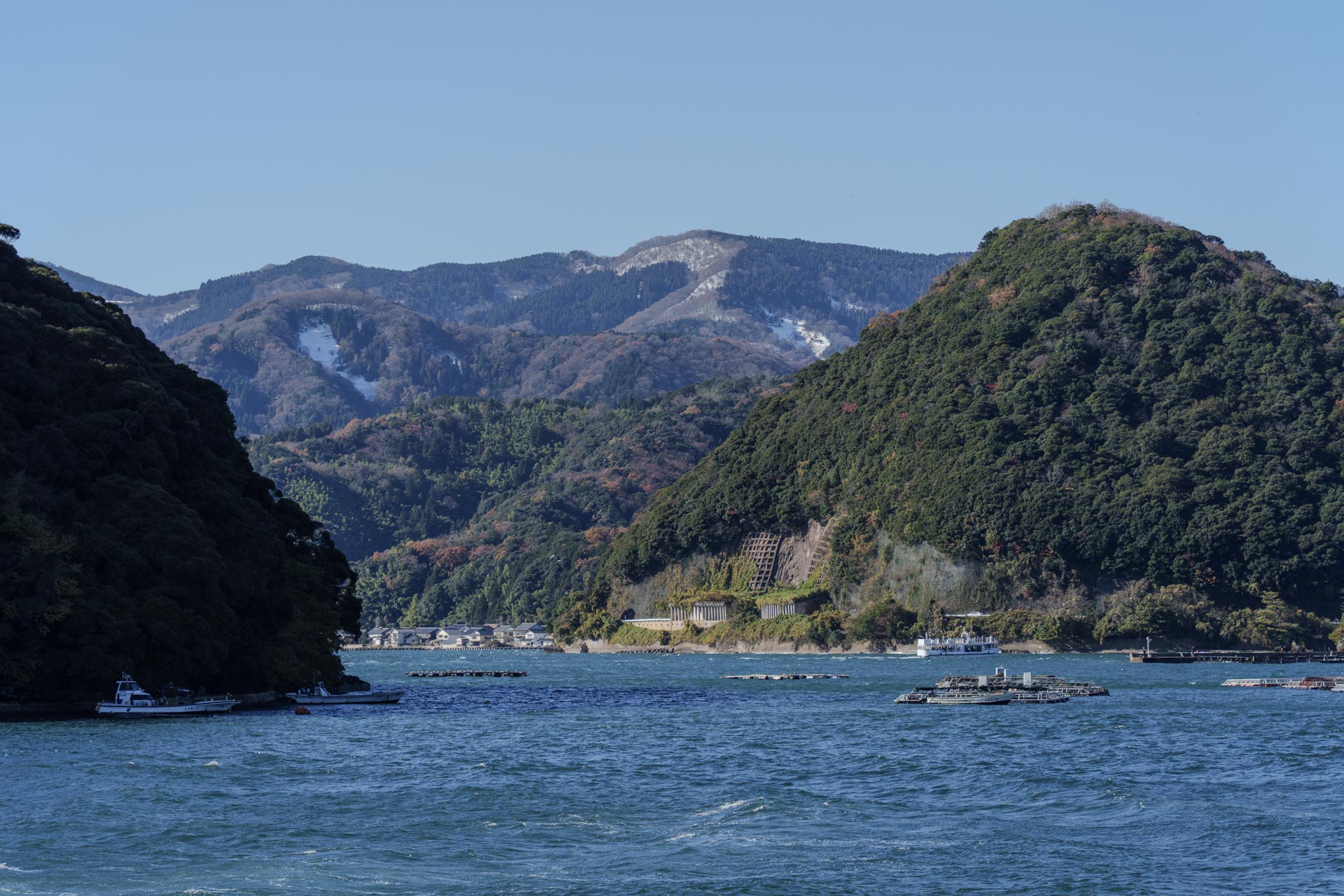
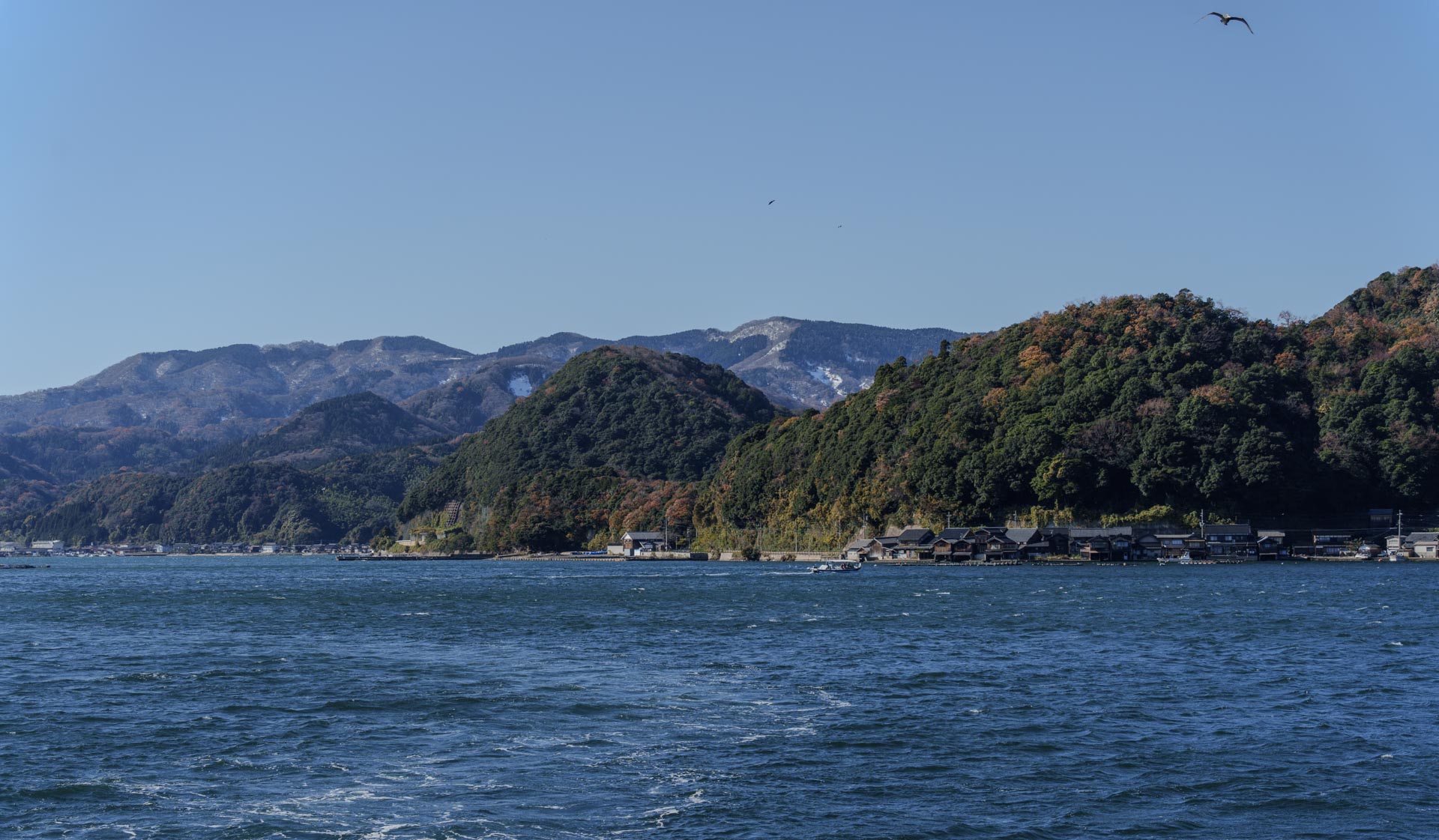
The waves were quite strong today. When we got off the boat, we saw a notice at the dock saying that no boats would depart today. We were really lucky—if we had arrived a bit later, we wouldn’t have been able to experience the sightseeing boat. From the boat, we could also see patches of snow still on the mountains.
There were snacks for sale at the dock, so I bought a croquette and a milk pudding. They were delicious.
We took a bus to Ine. After getting off, we continued strolling along the road.
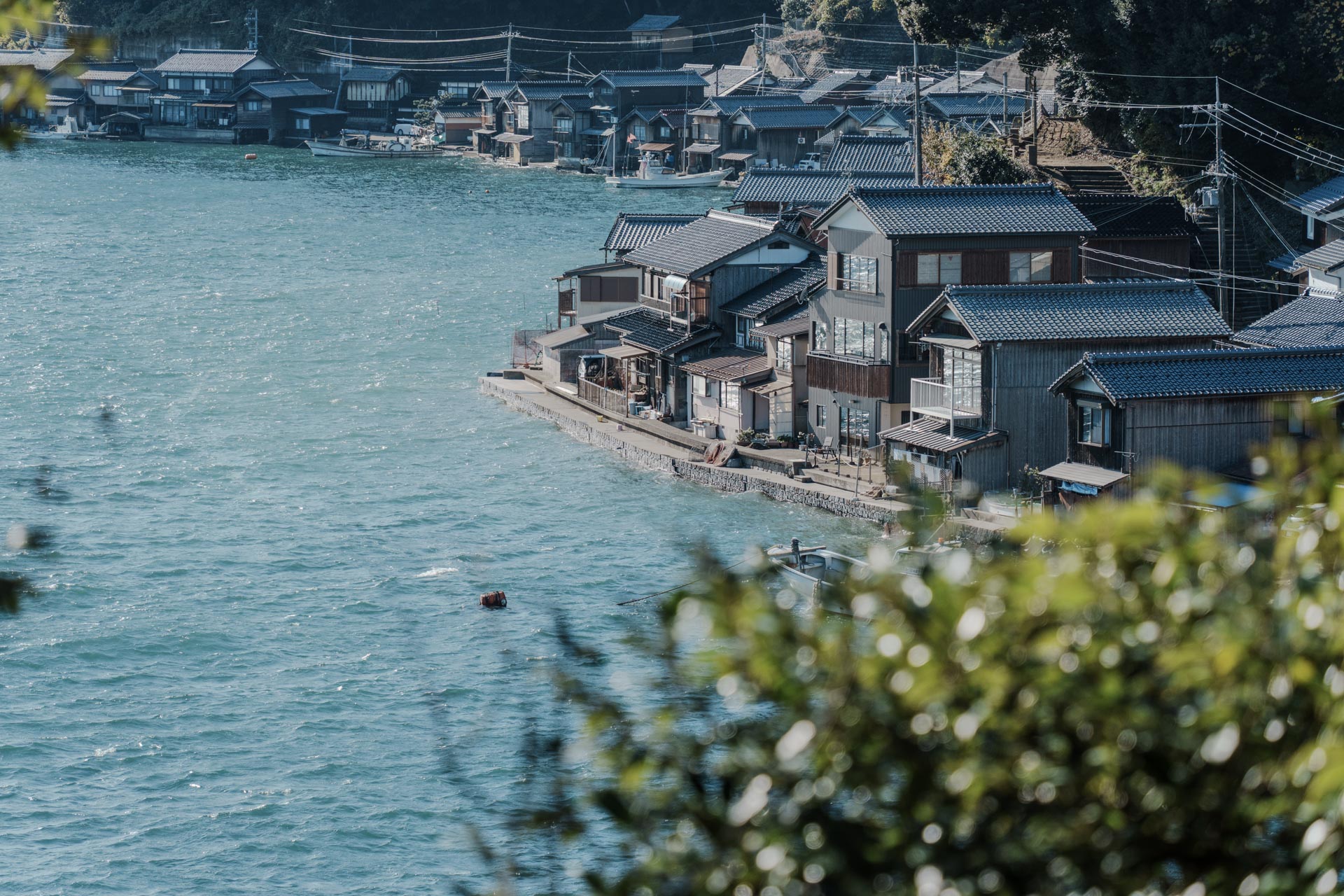
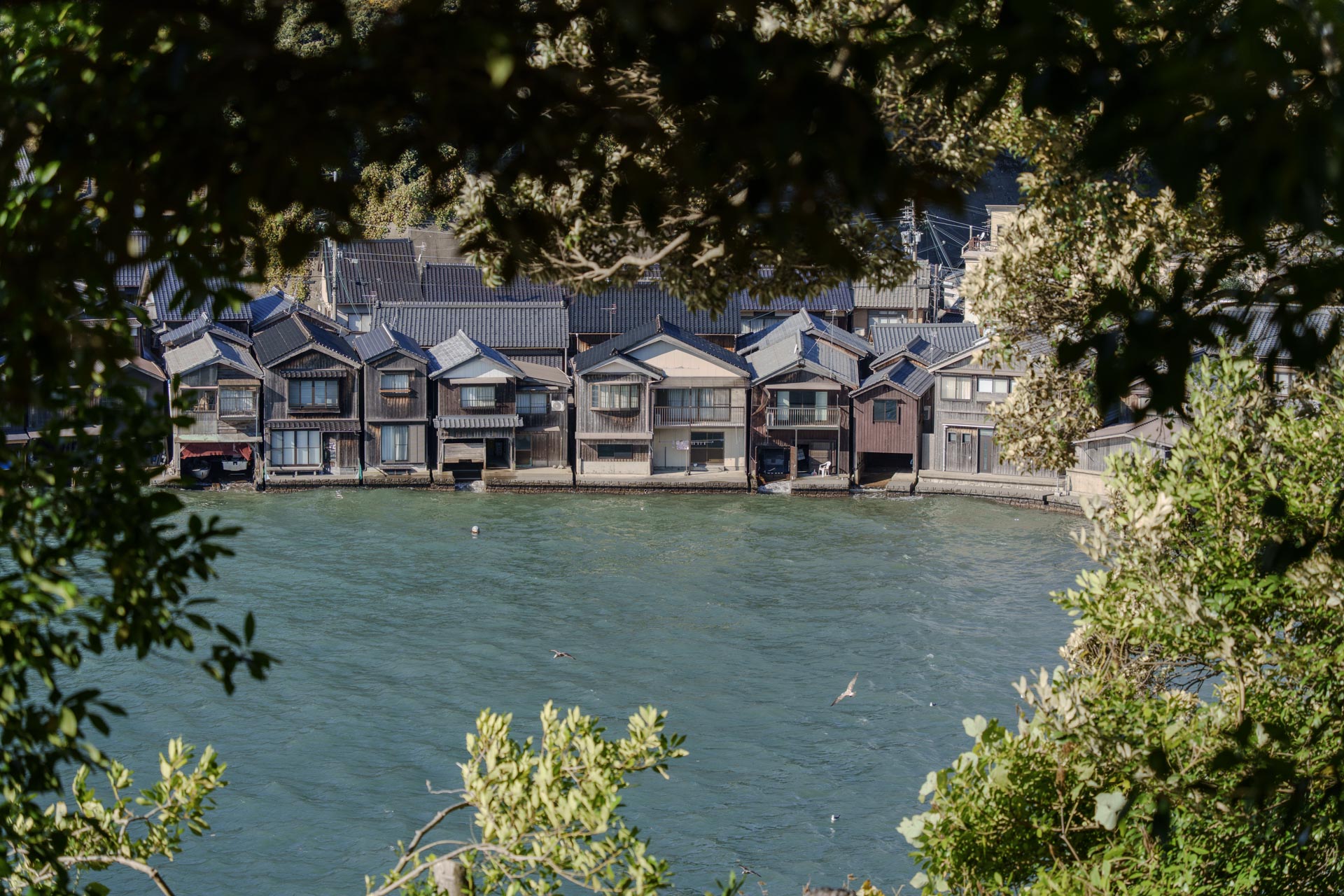
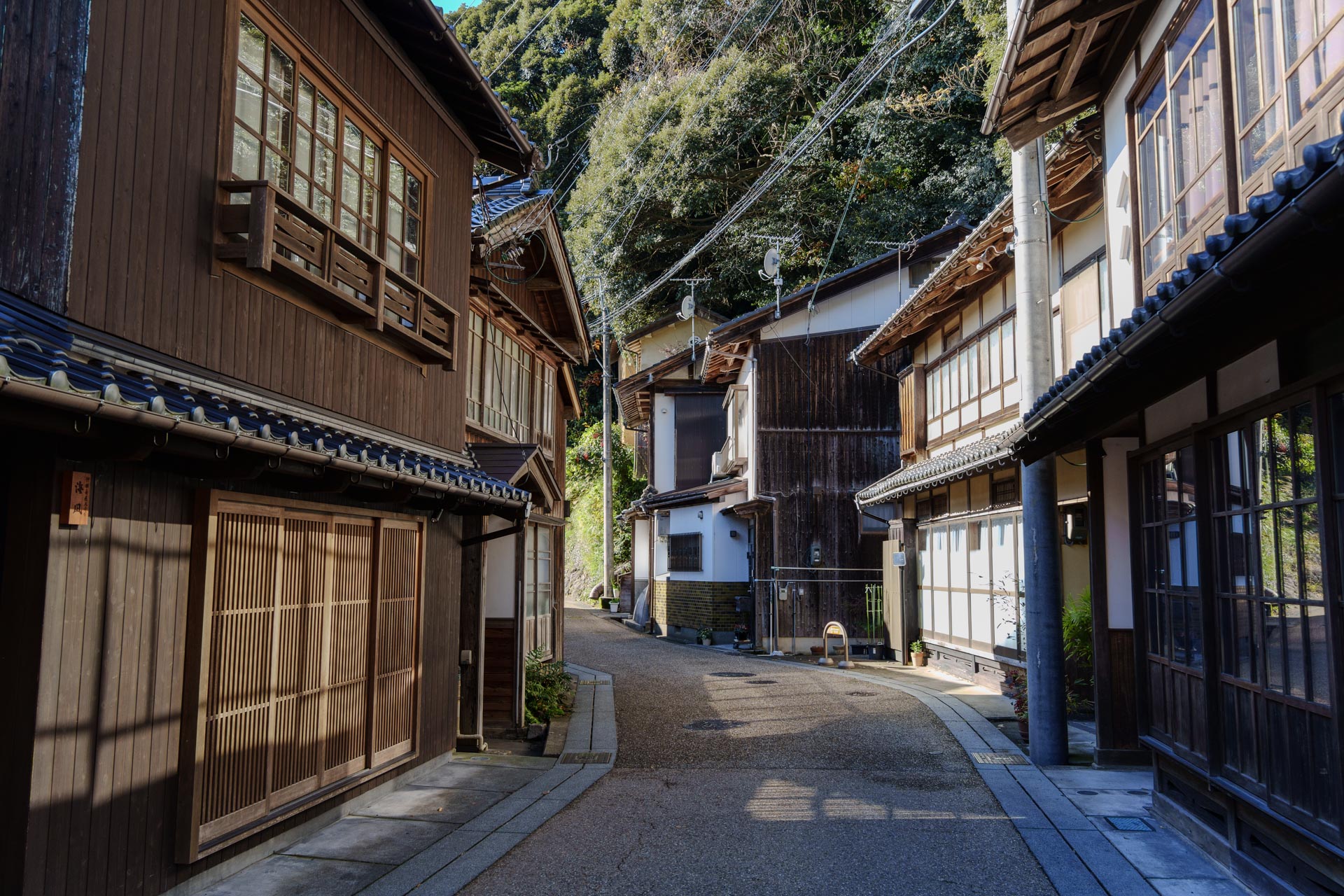
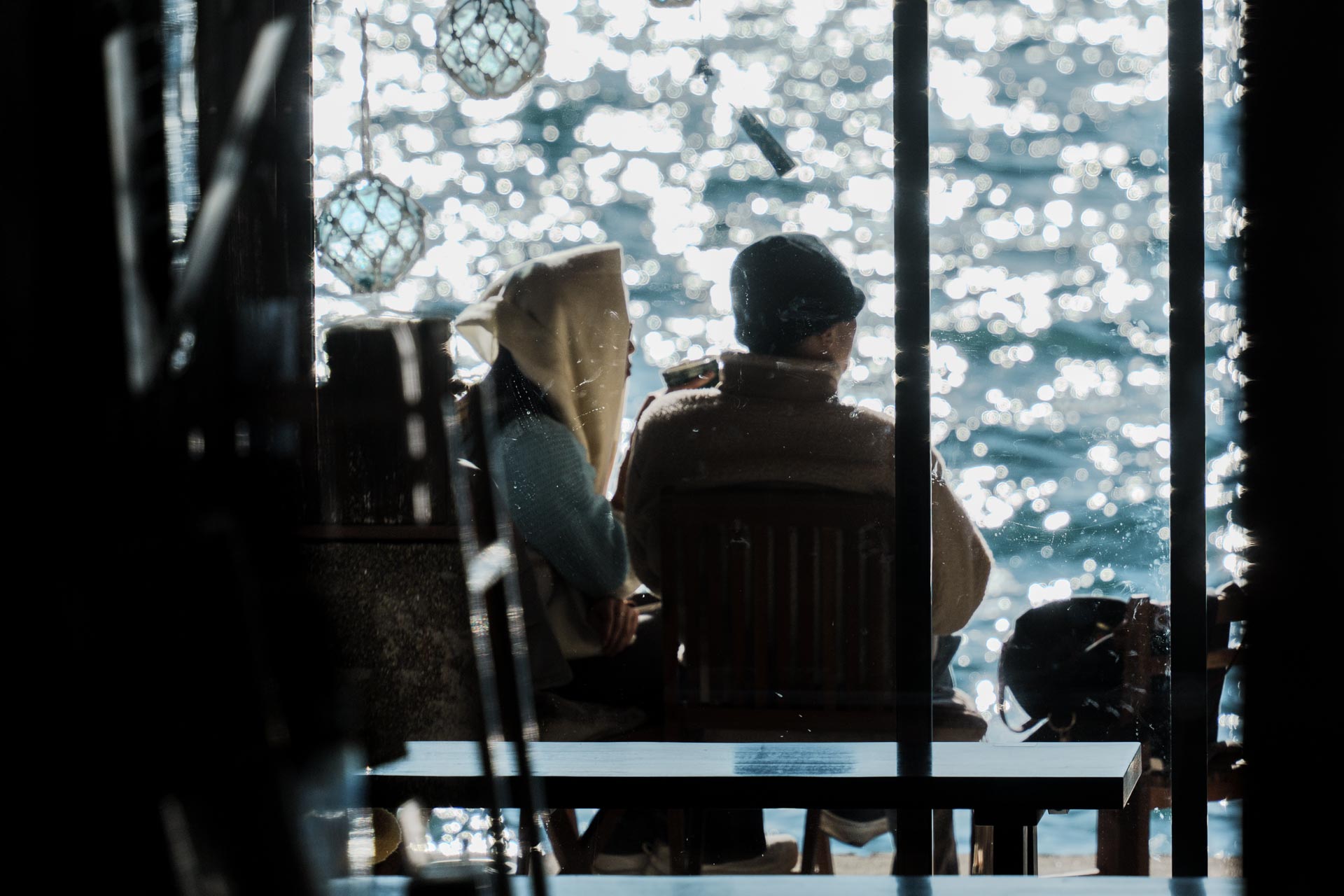
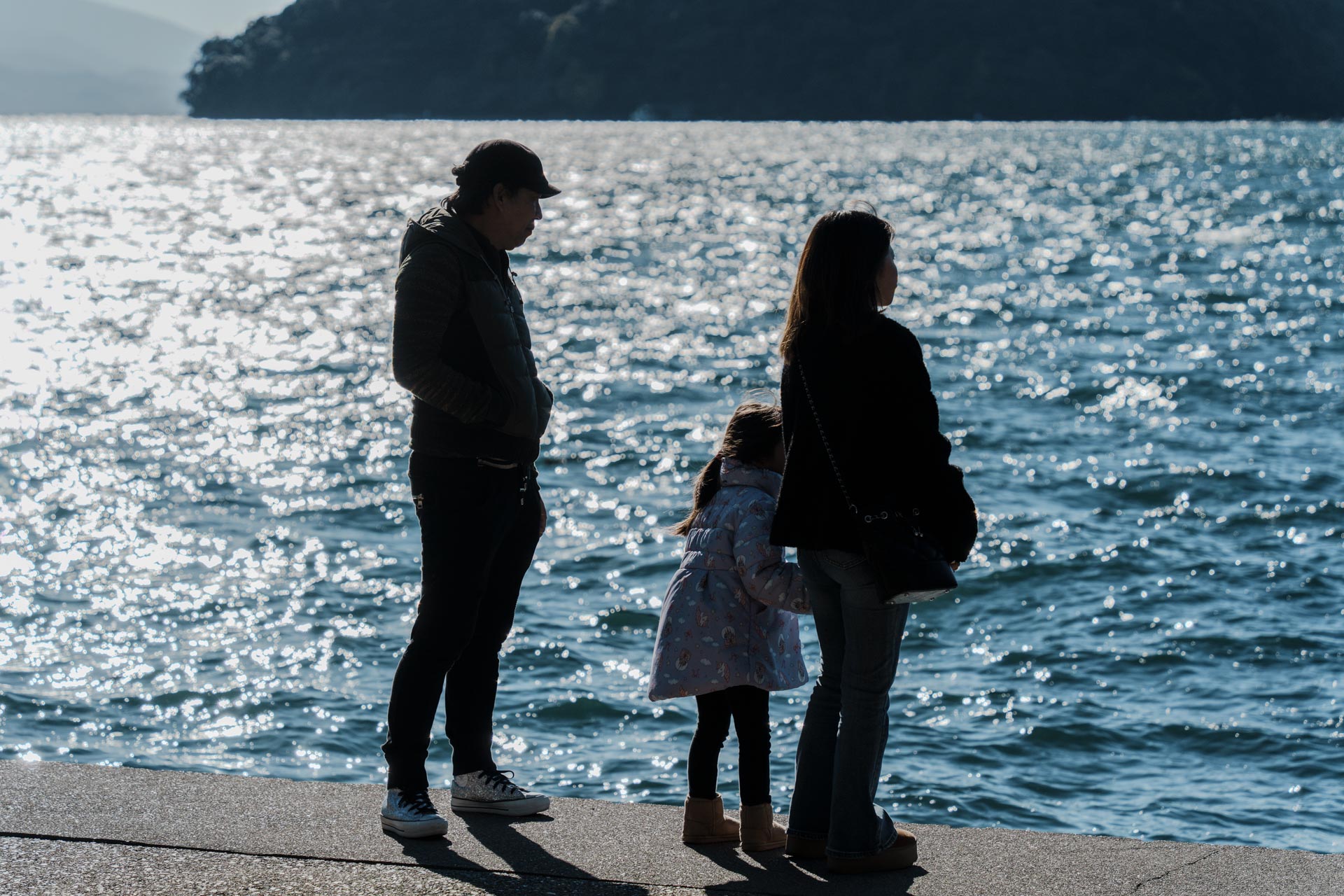
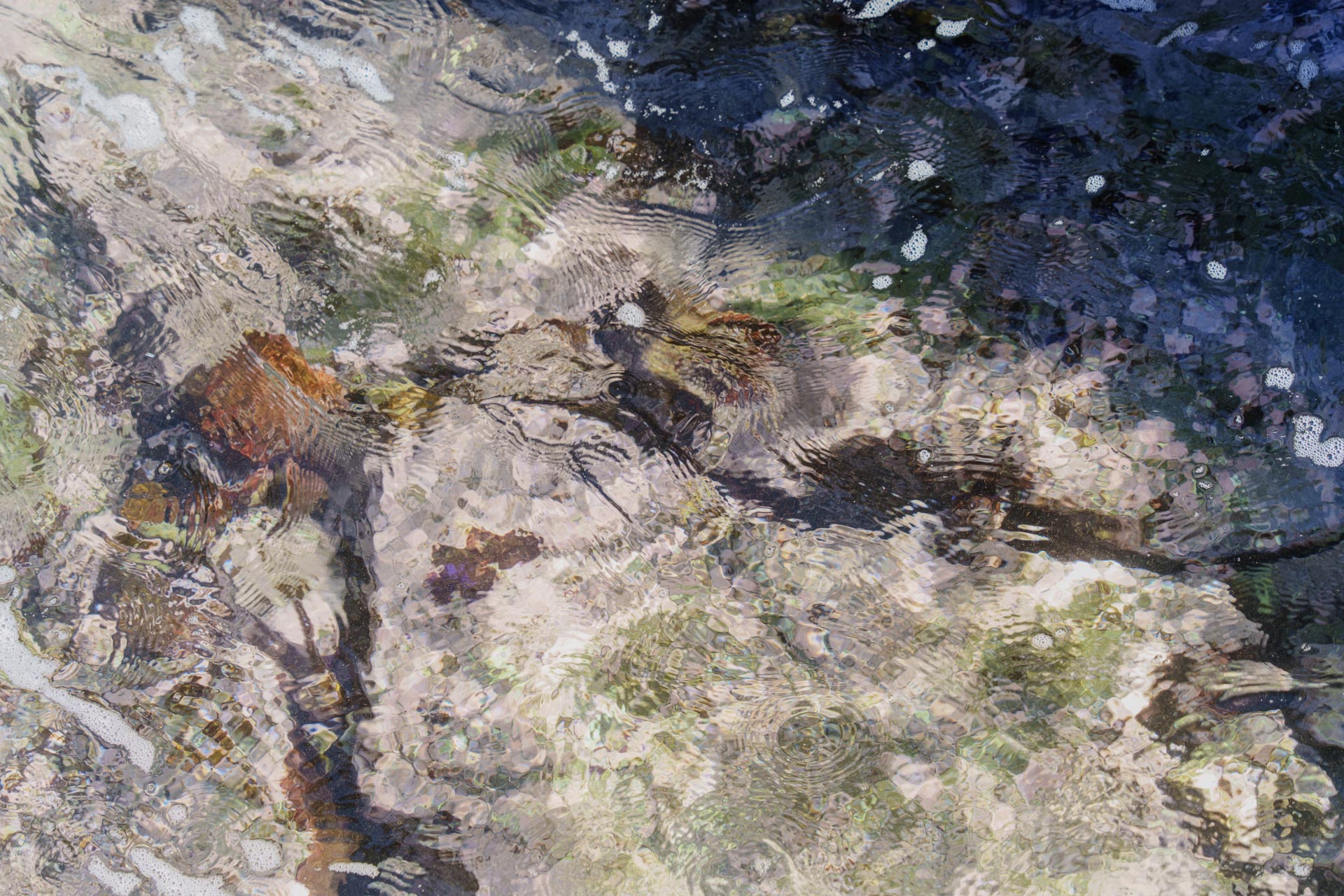 The water was crystal clear.
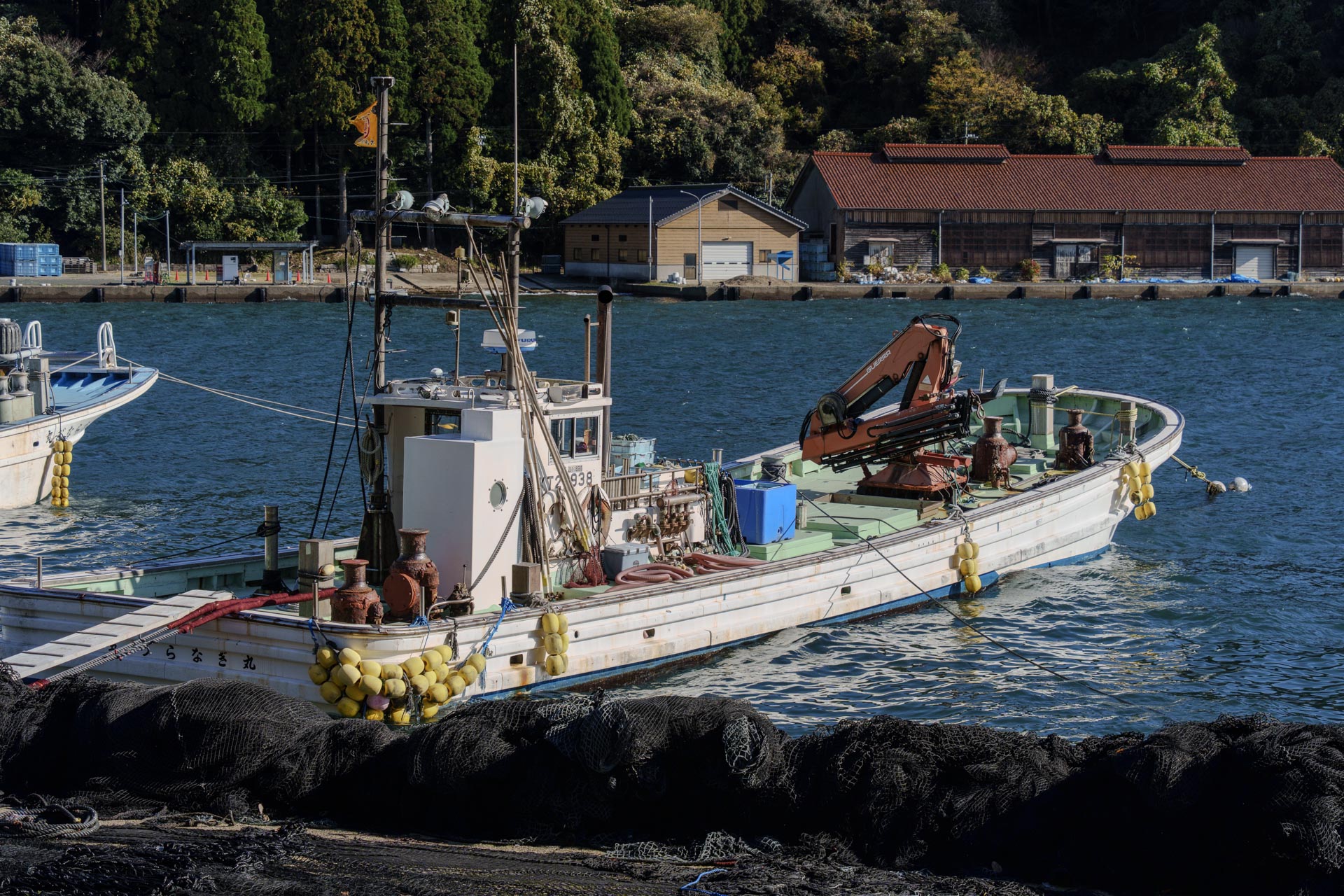
Ine also felt very open and peaceful (probably because we had been in the city before). There were few tourists now. We walked up to Ine Park and spent some time enjoying the view.
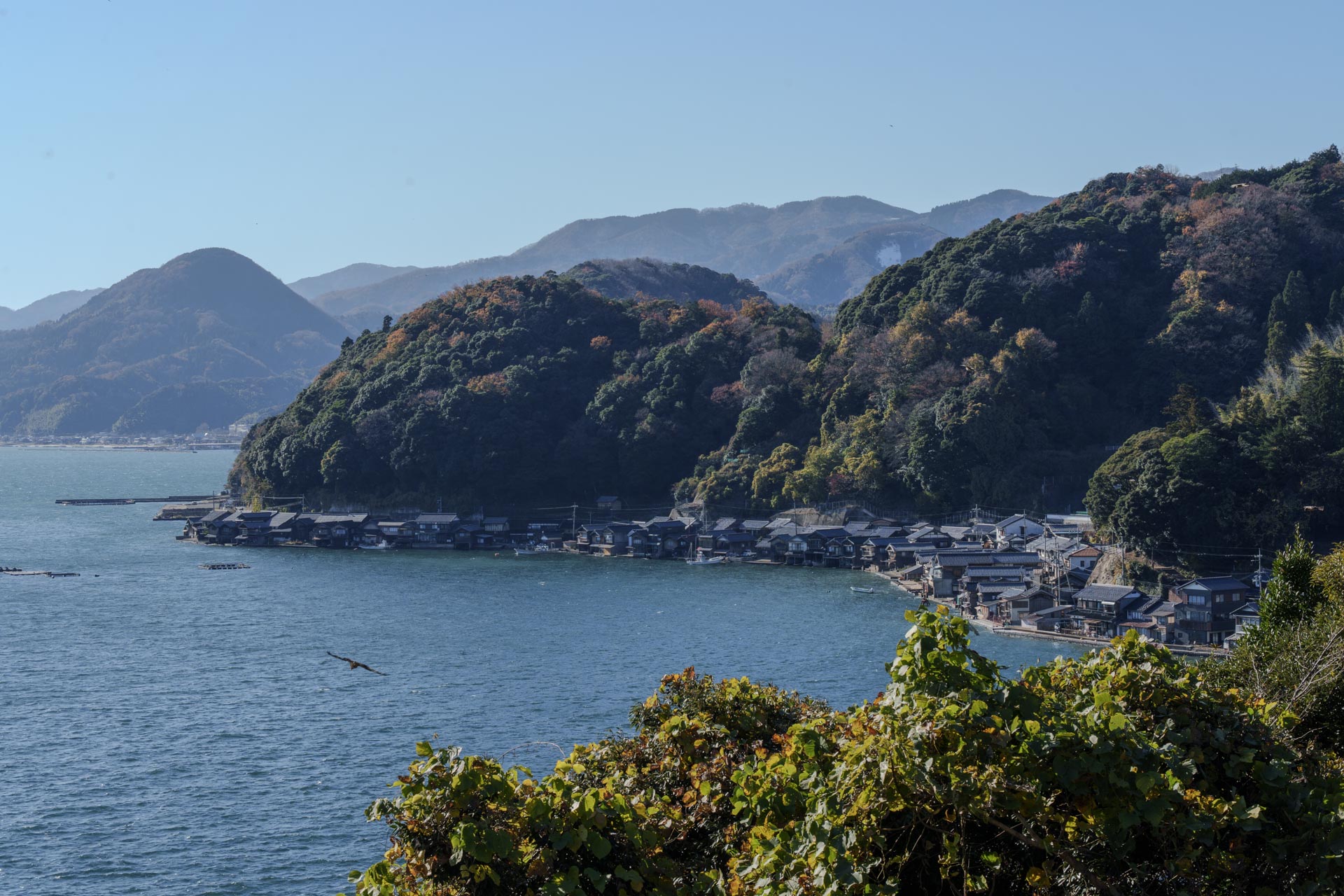
We walked back to wait for the bus to go to Amanohashidate Park.
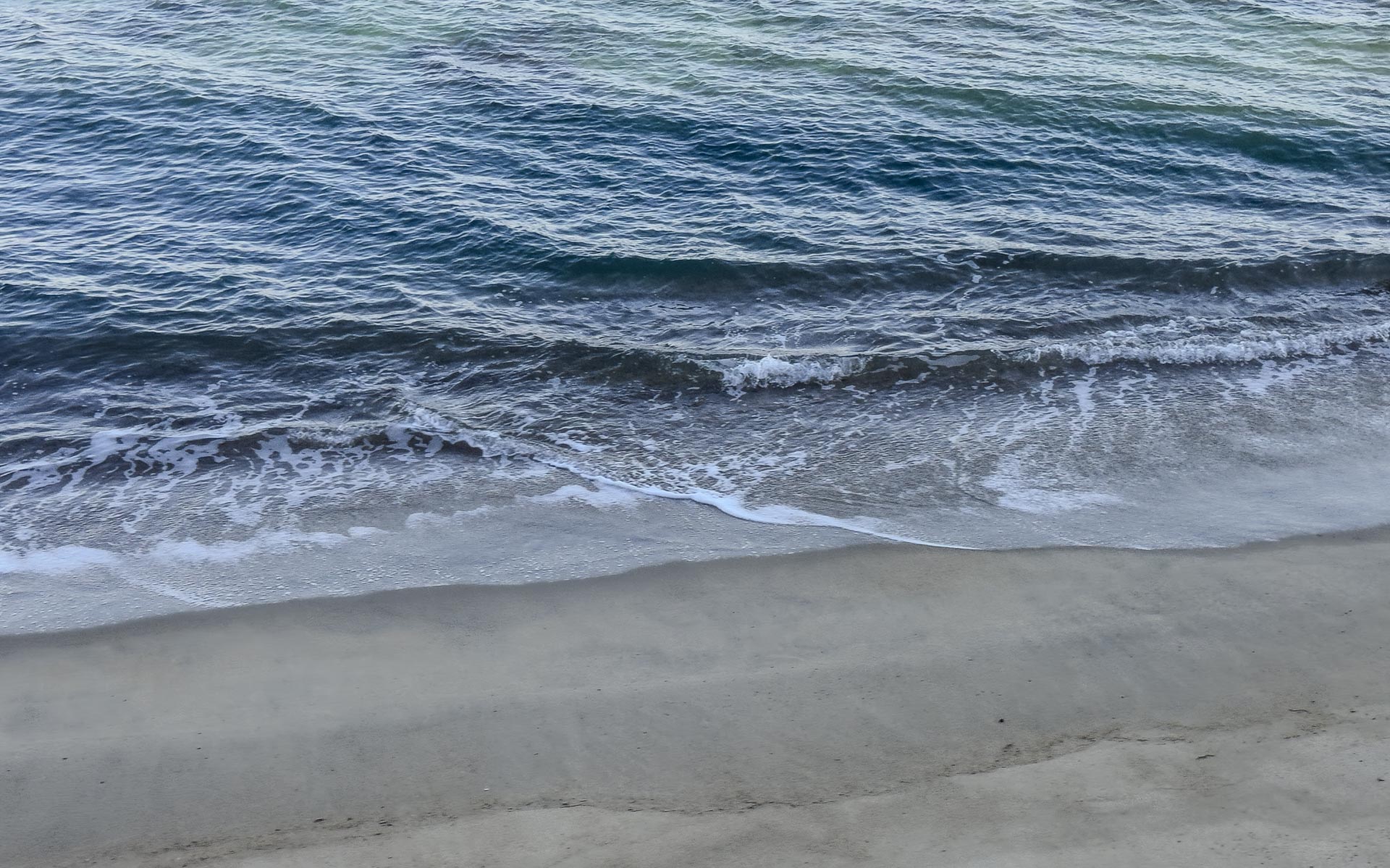
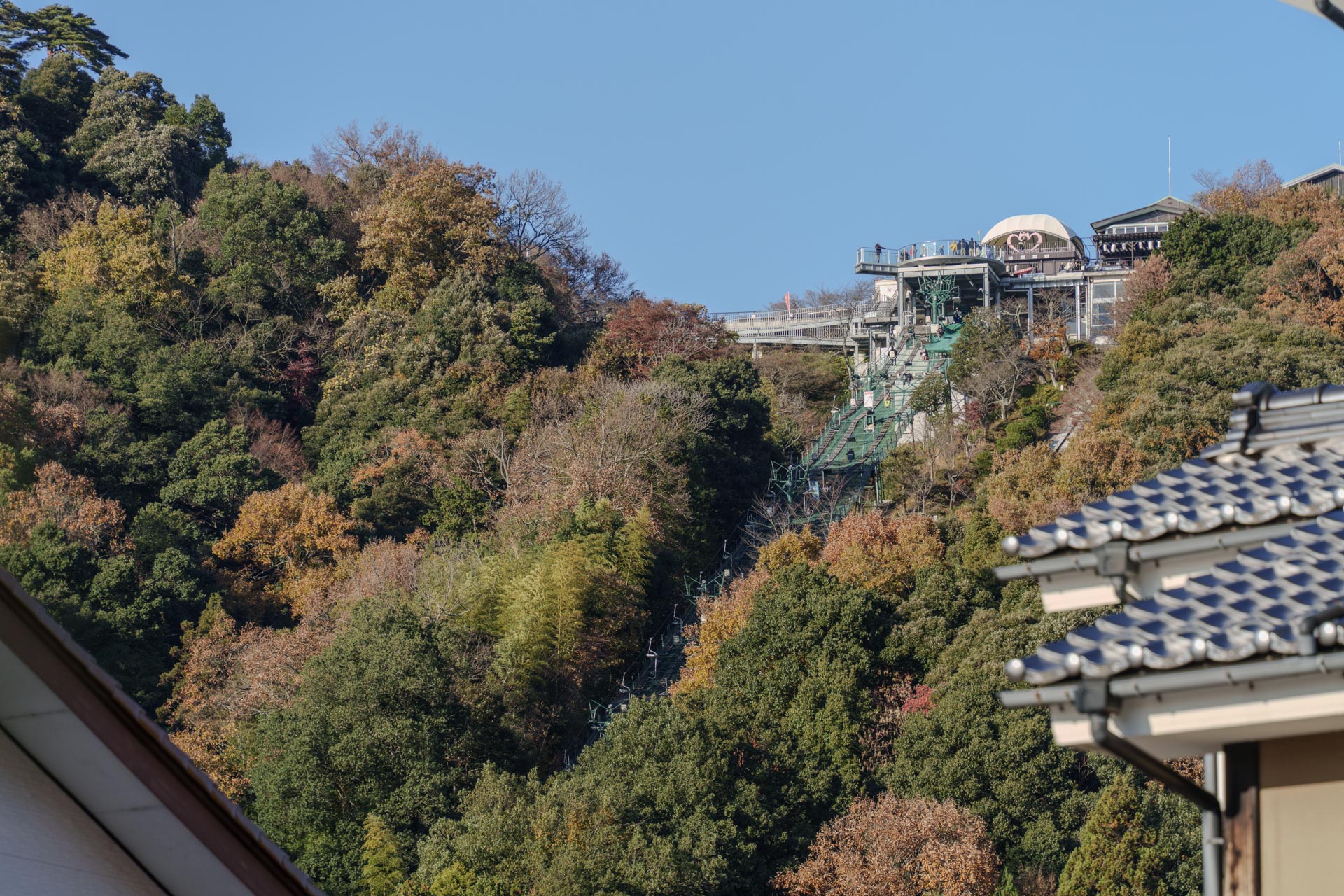
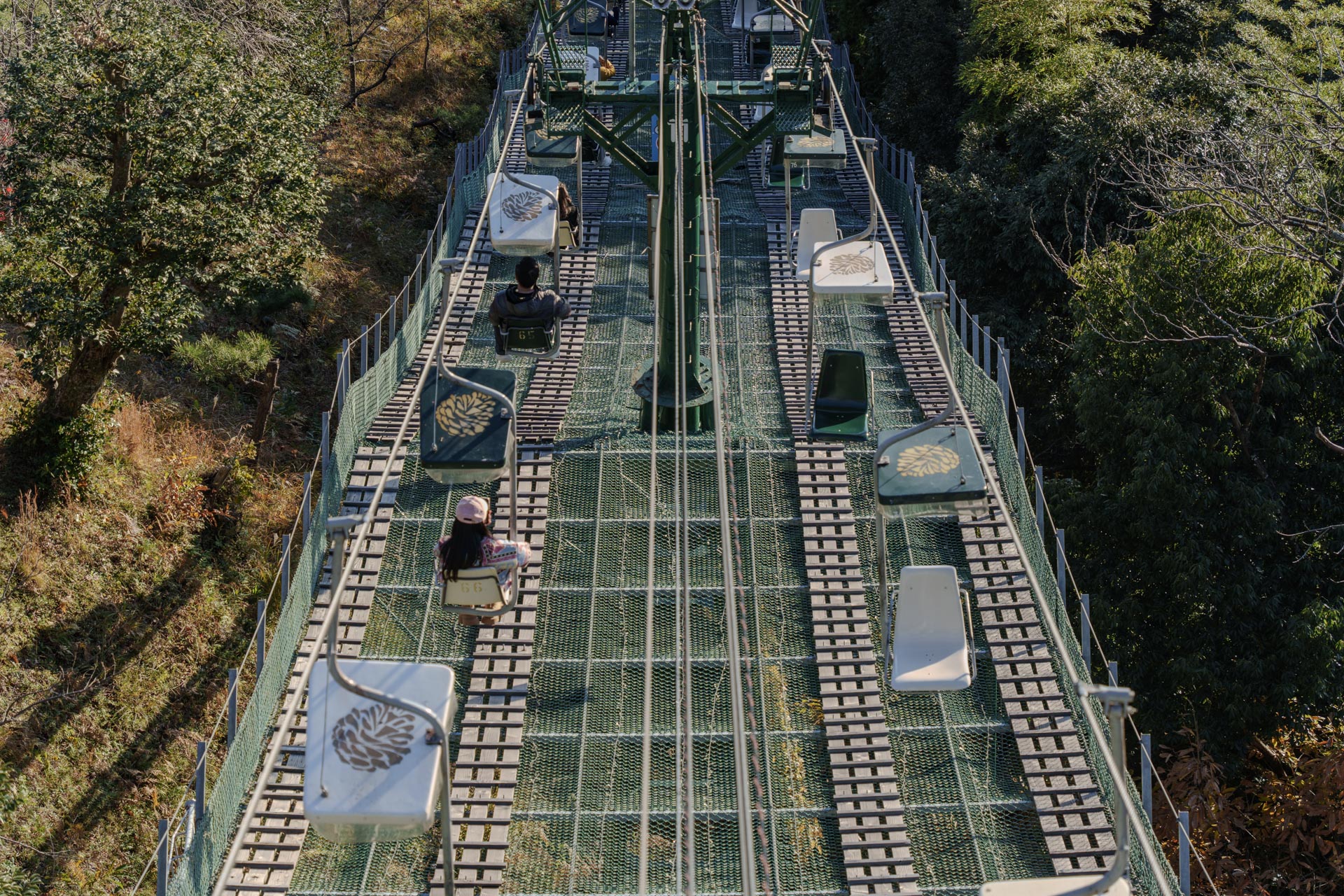
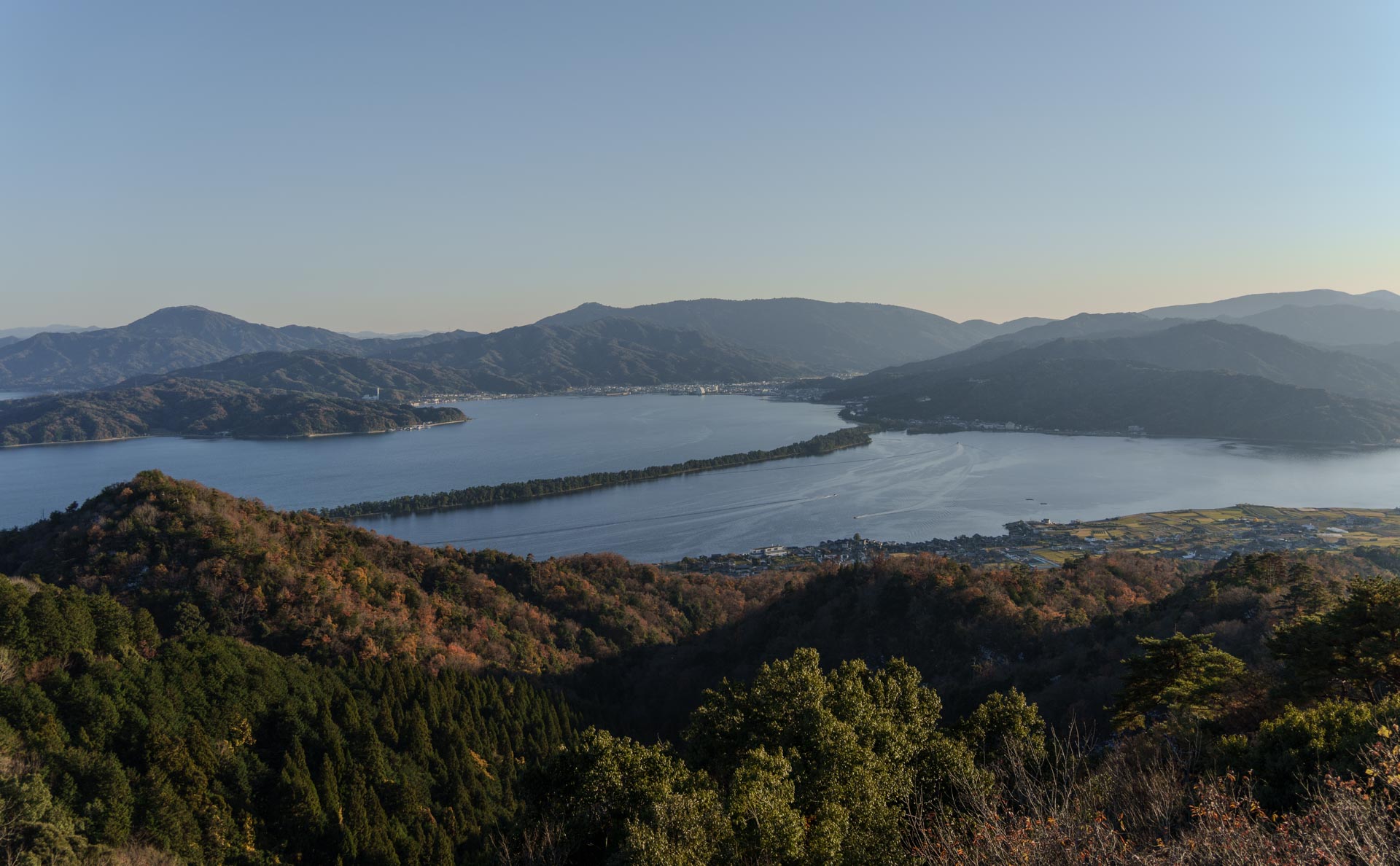
We arrived at Amanohashidate Park. To get up the hill, there are two options: the large cable car or the chair lift. I decided to take the cable car up and the chair lift down for a better scenic experience. At the top, there is an observation platform where we could overlook the iconic sandbar of Amanohashidate.
It was still early, and we noticed the bus to Nariai-ji Temple parked nearby. After checking the schedule and the travel time to the top, we decided to go up. Showing the PASS was enough to board the bus, and it took about 5 minutes to reach Nariai-ji.
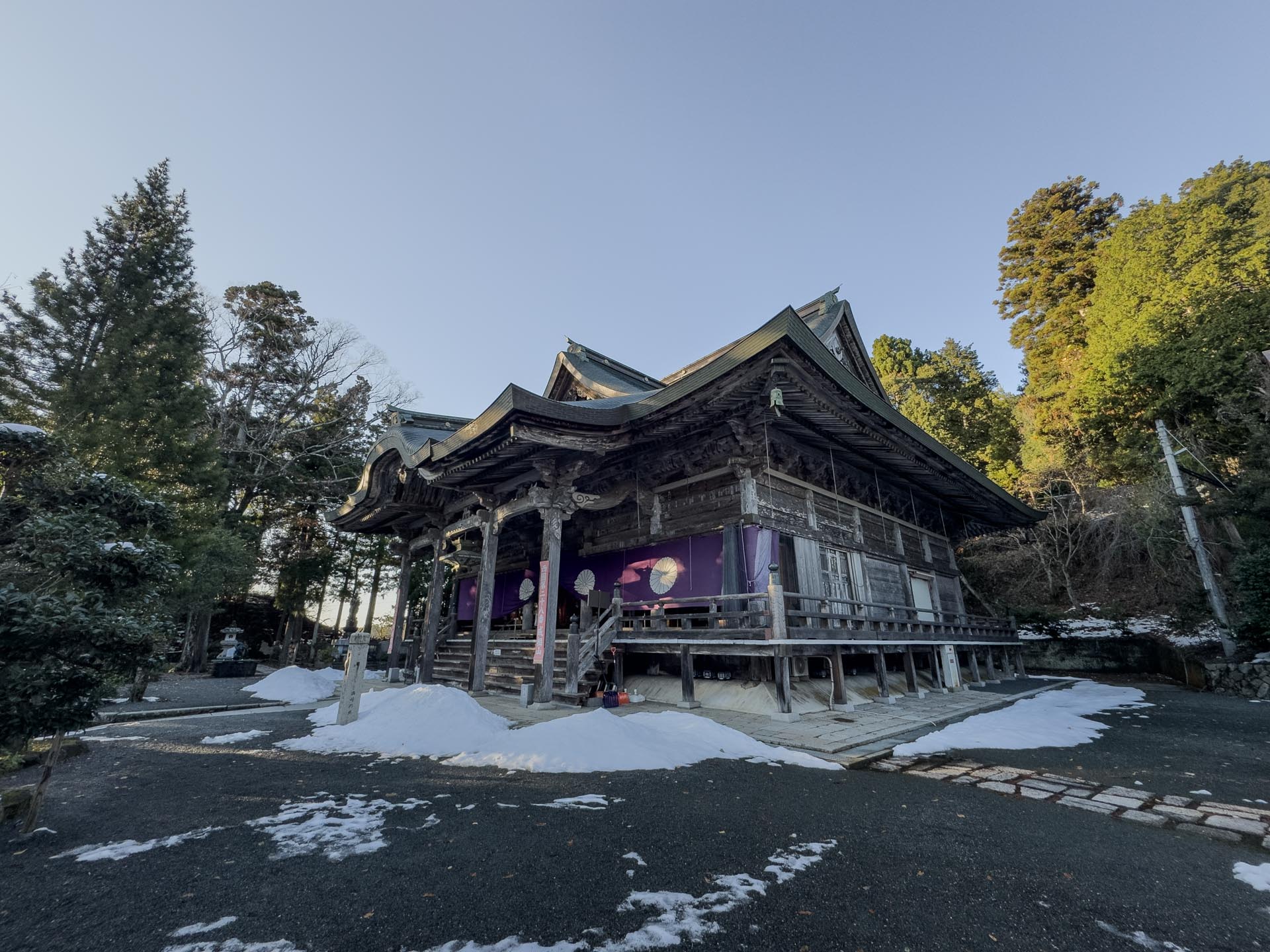
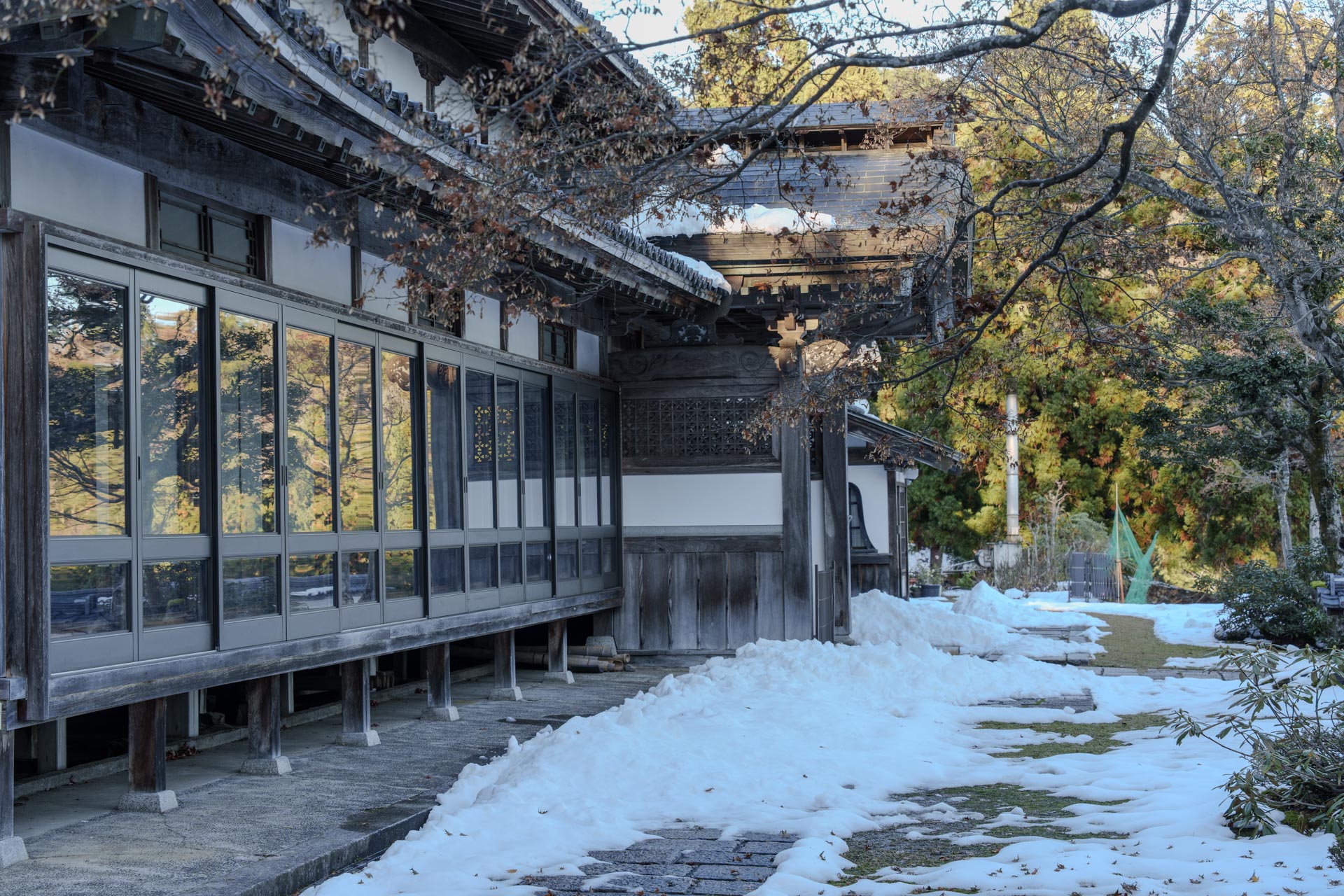
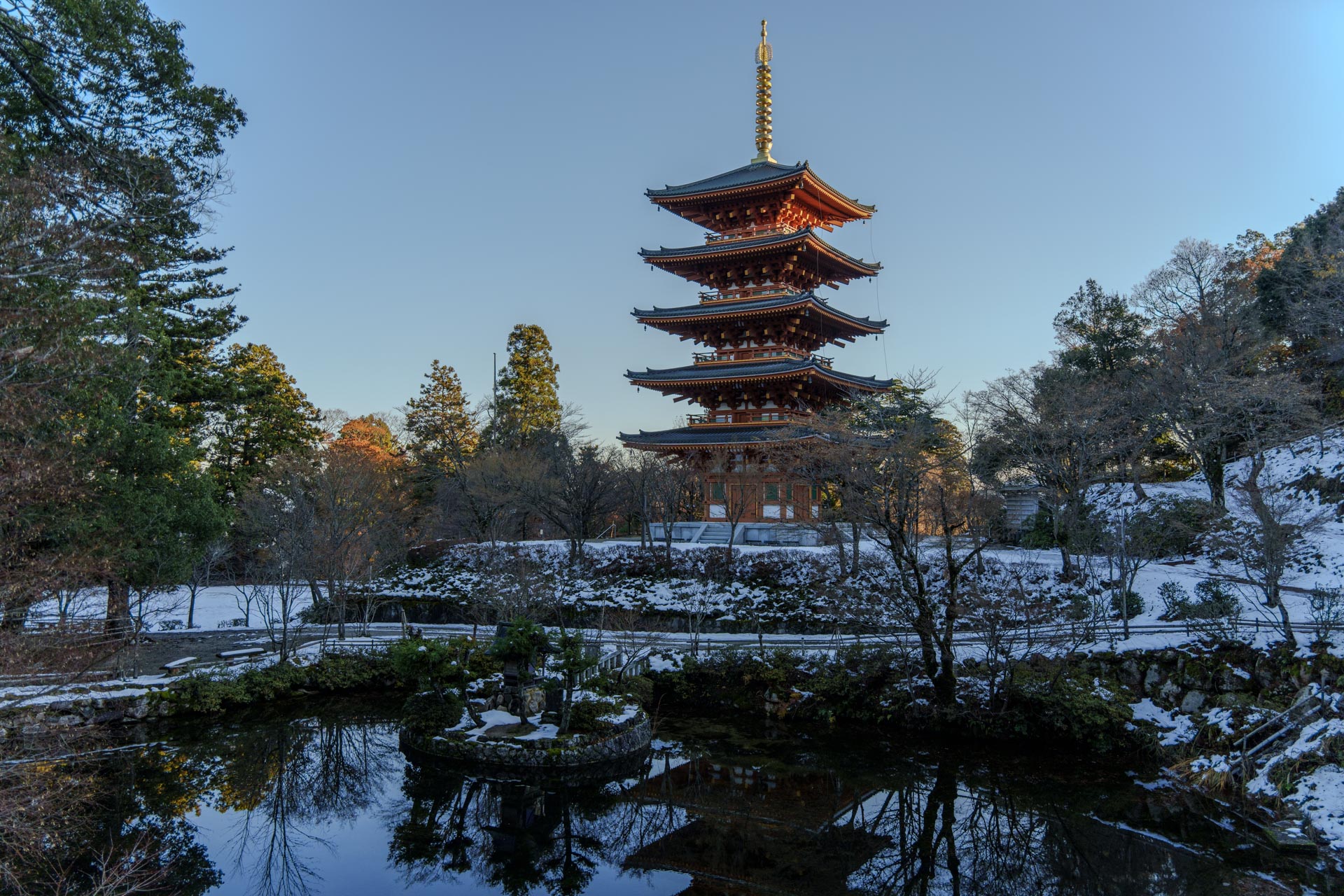
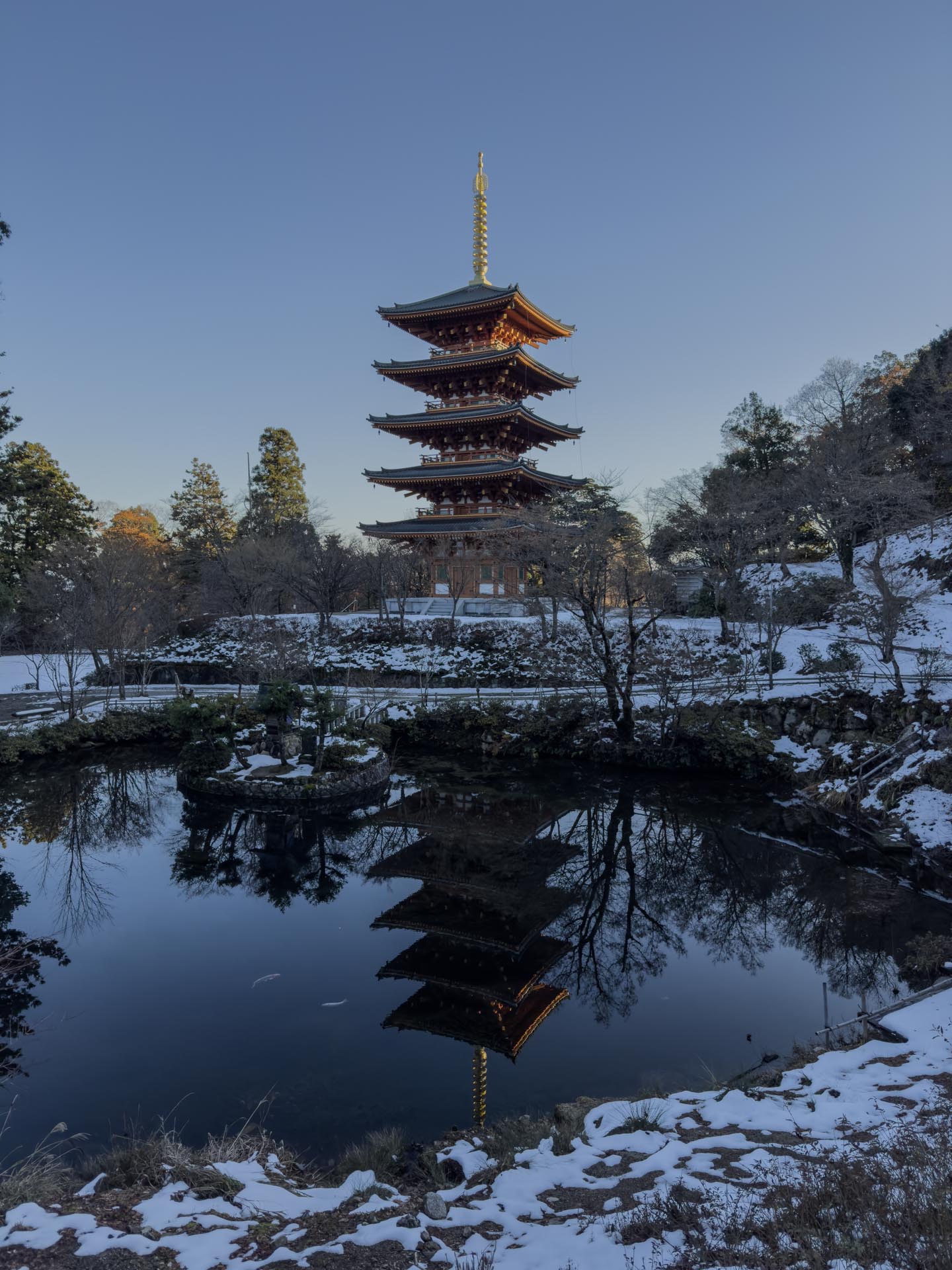
As soon as we arrived, I was glad we came up; otherwise, we would have missed the beautiful snowy scenery. The snow hadn’t melted yet, and the five-story pagoda stood gracefully amidst the snow, giving off a classical charm.
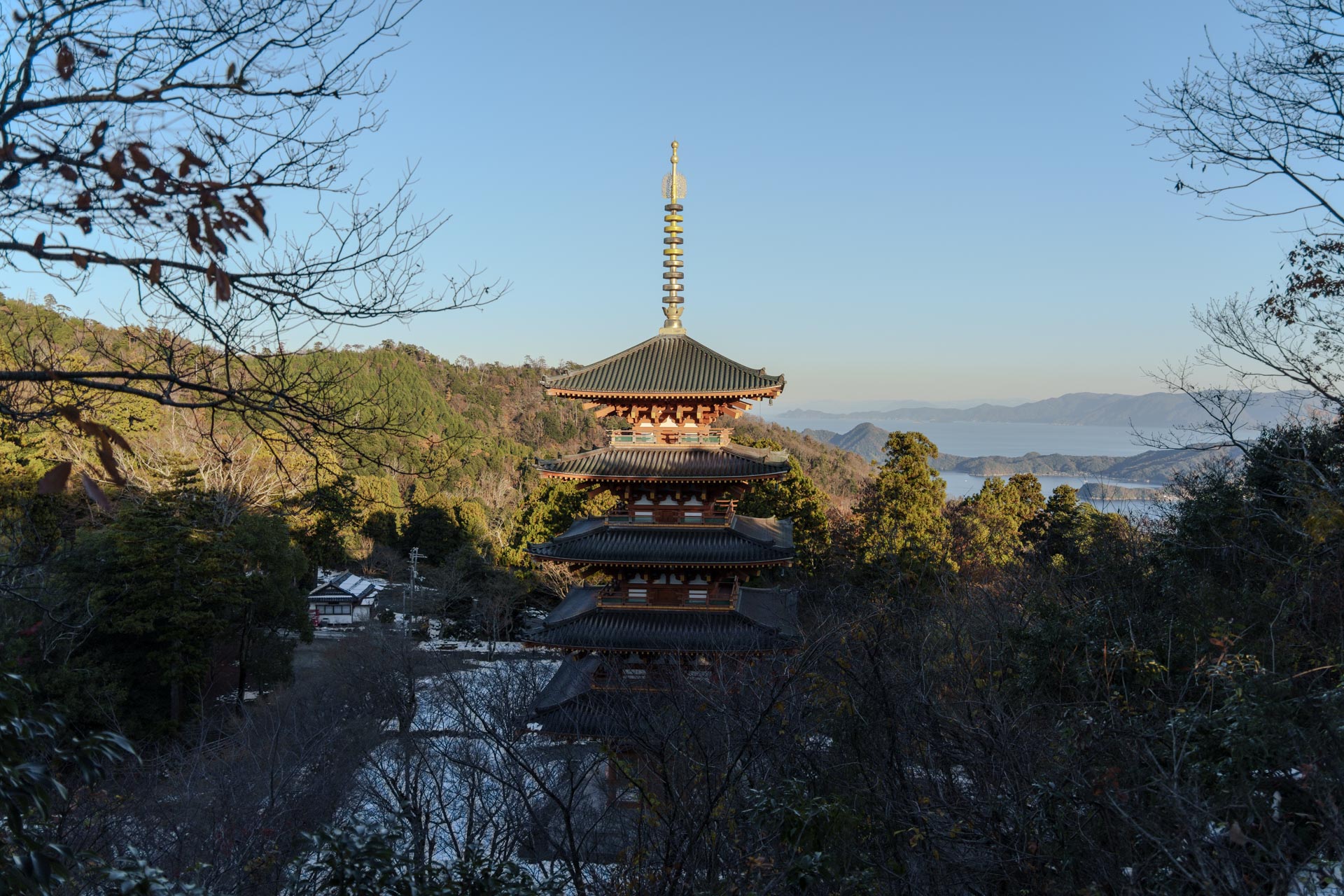
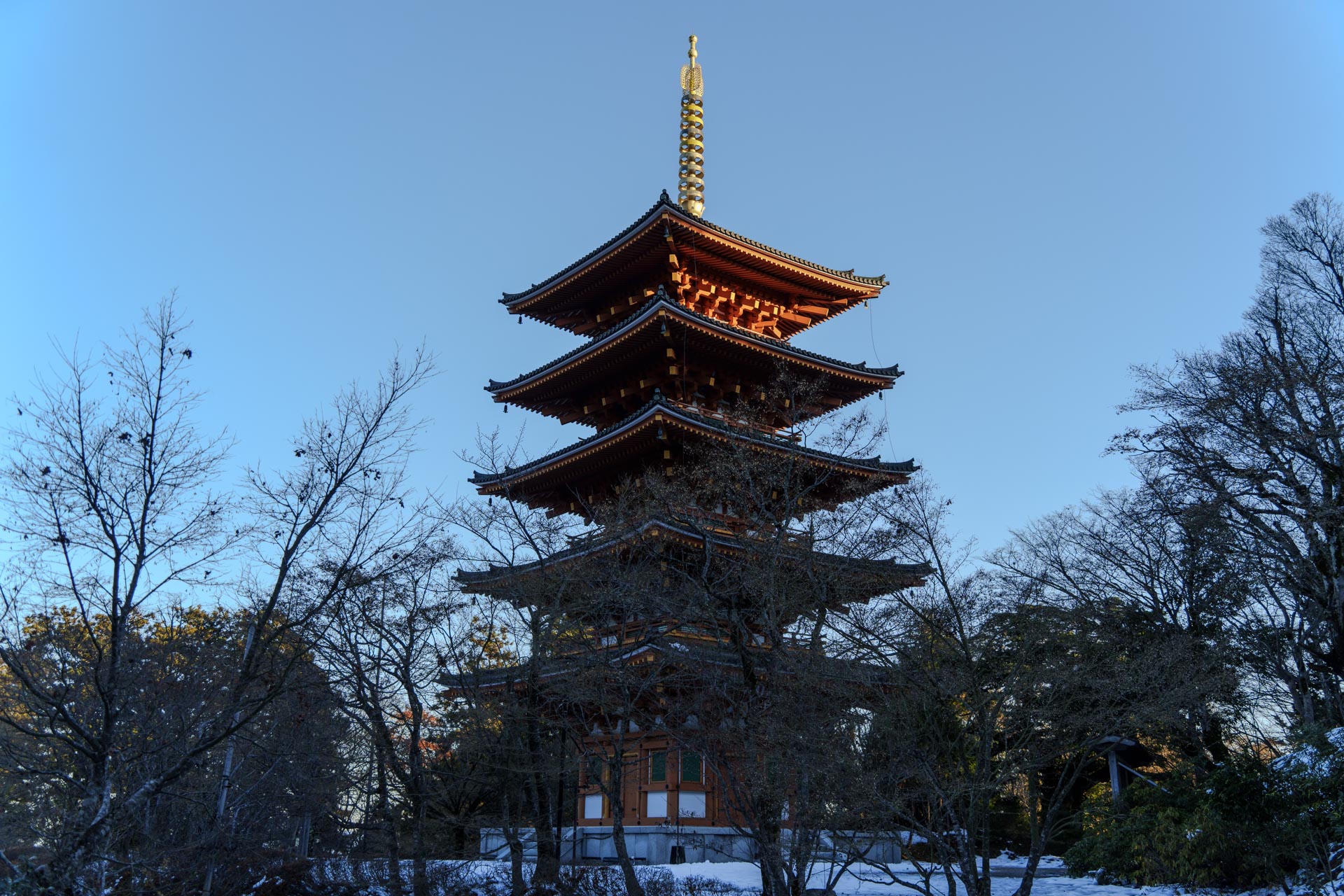
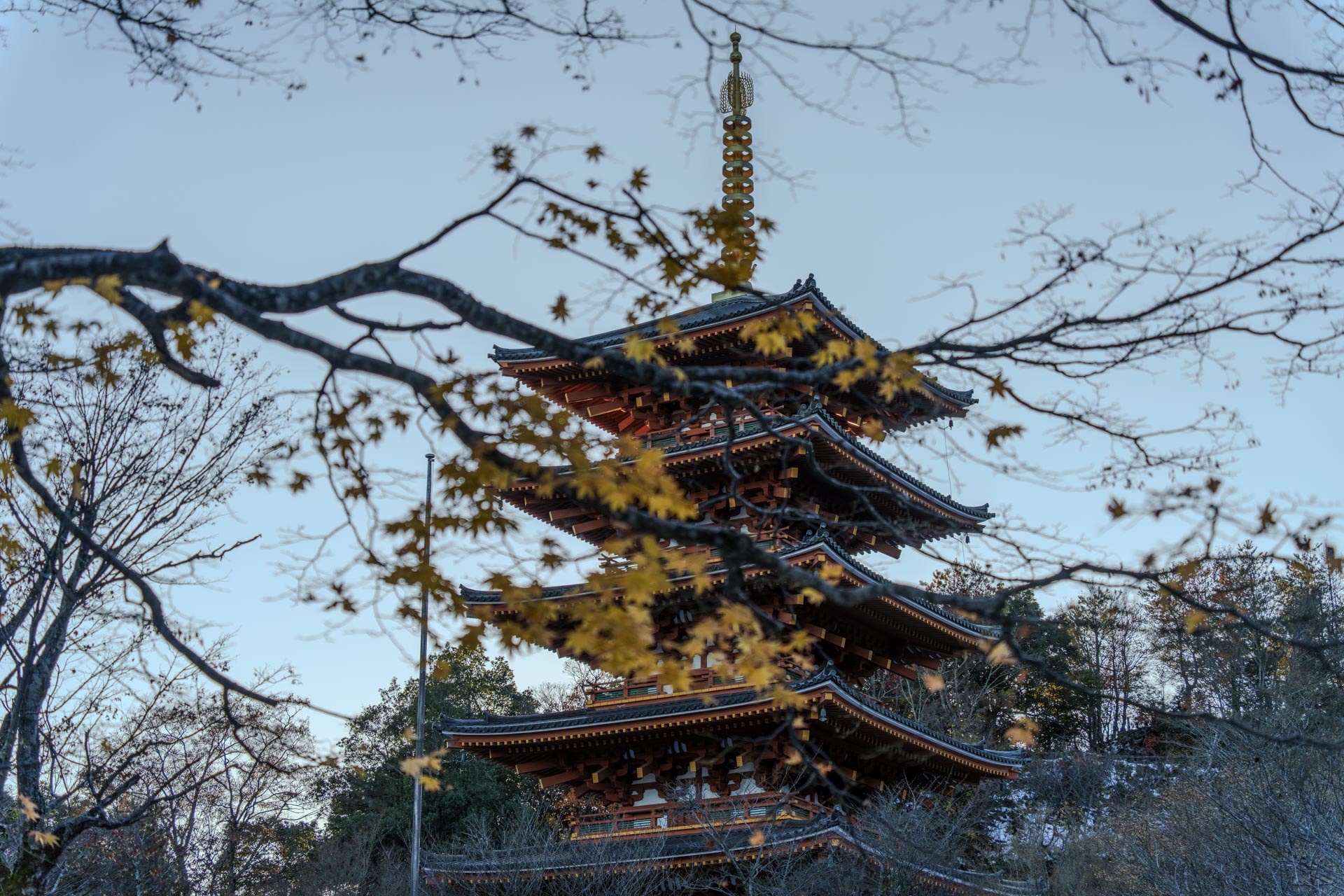
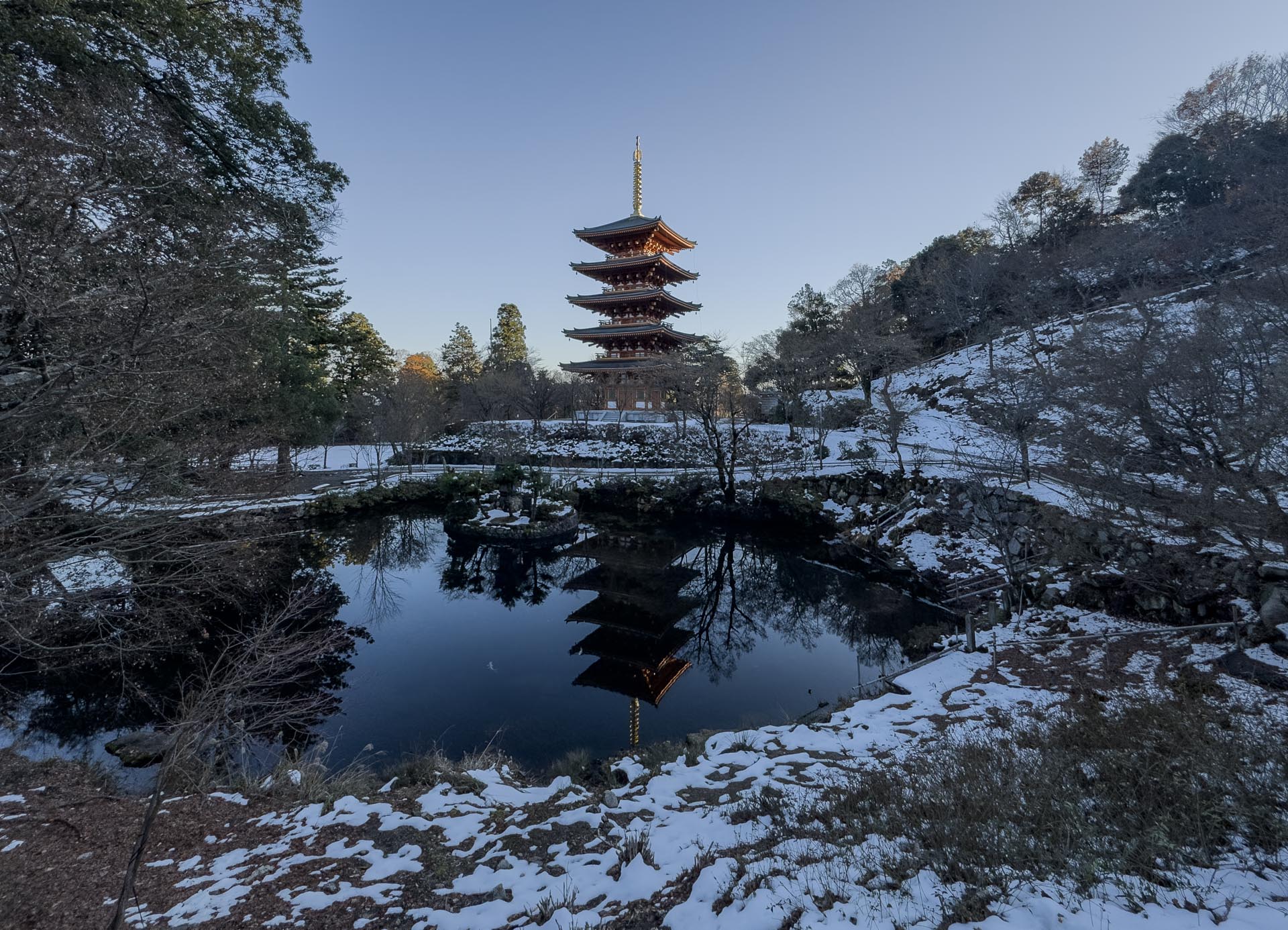
There was also an observation platform at the top of the mountain.
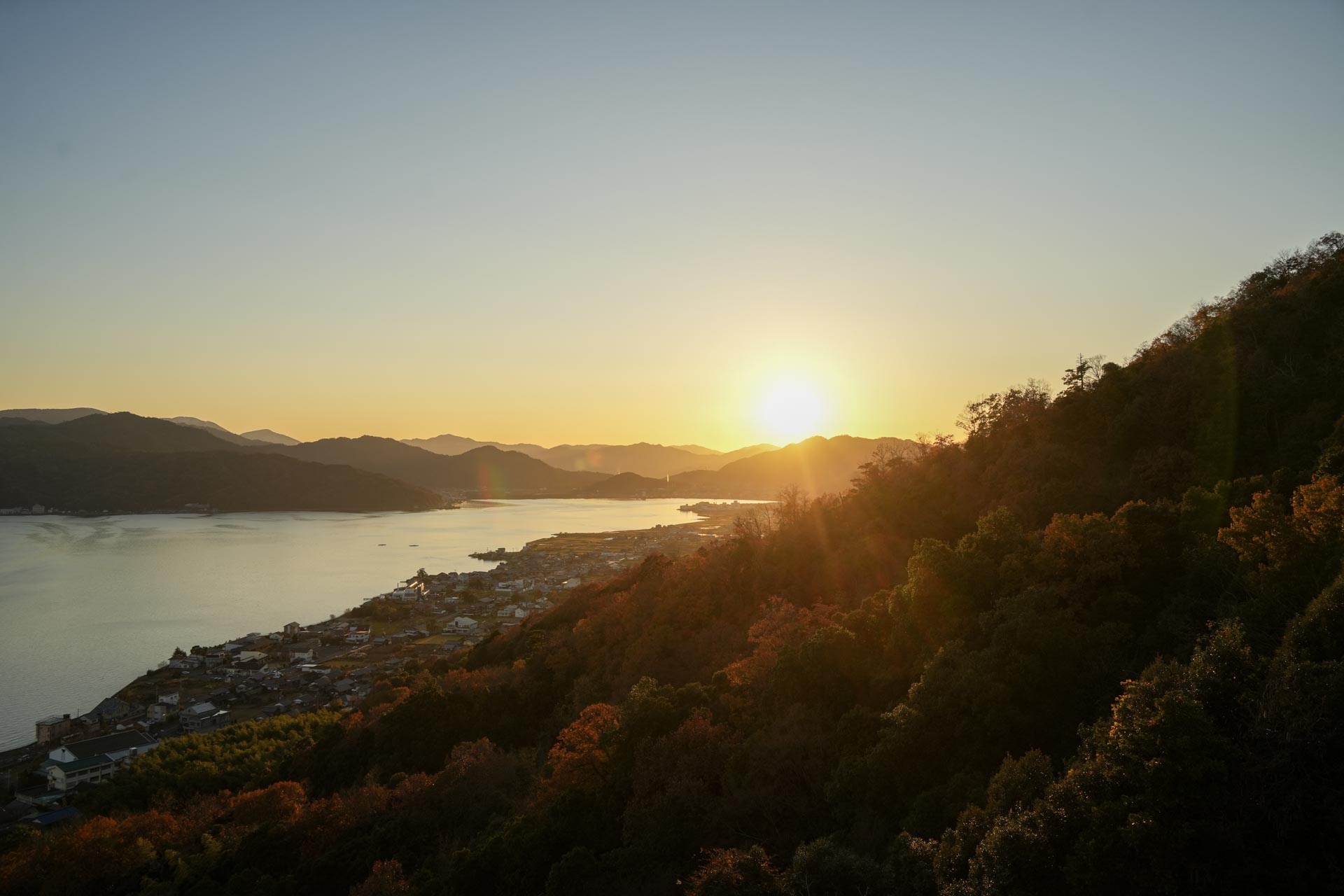
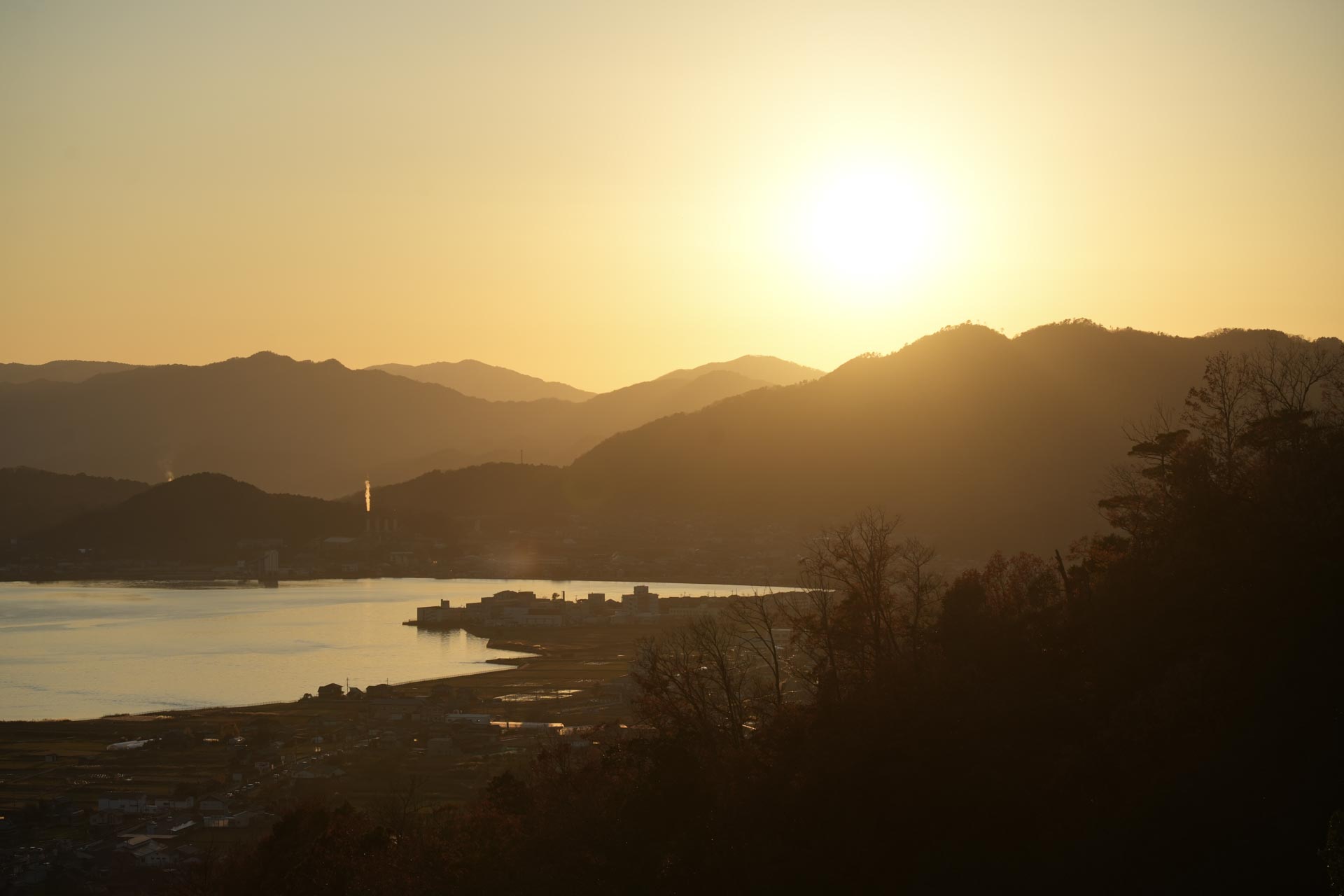
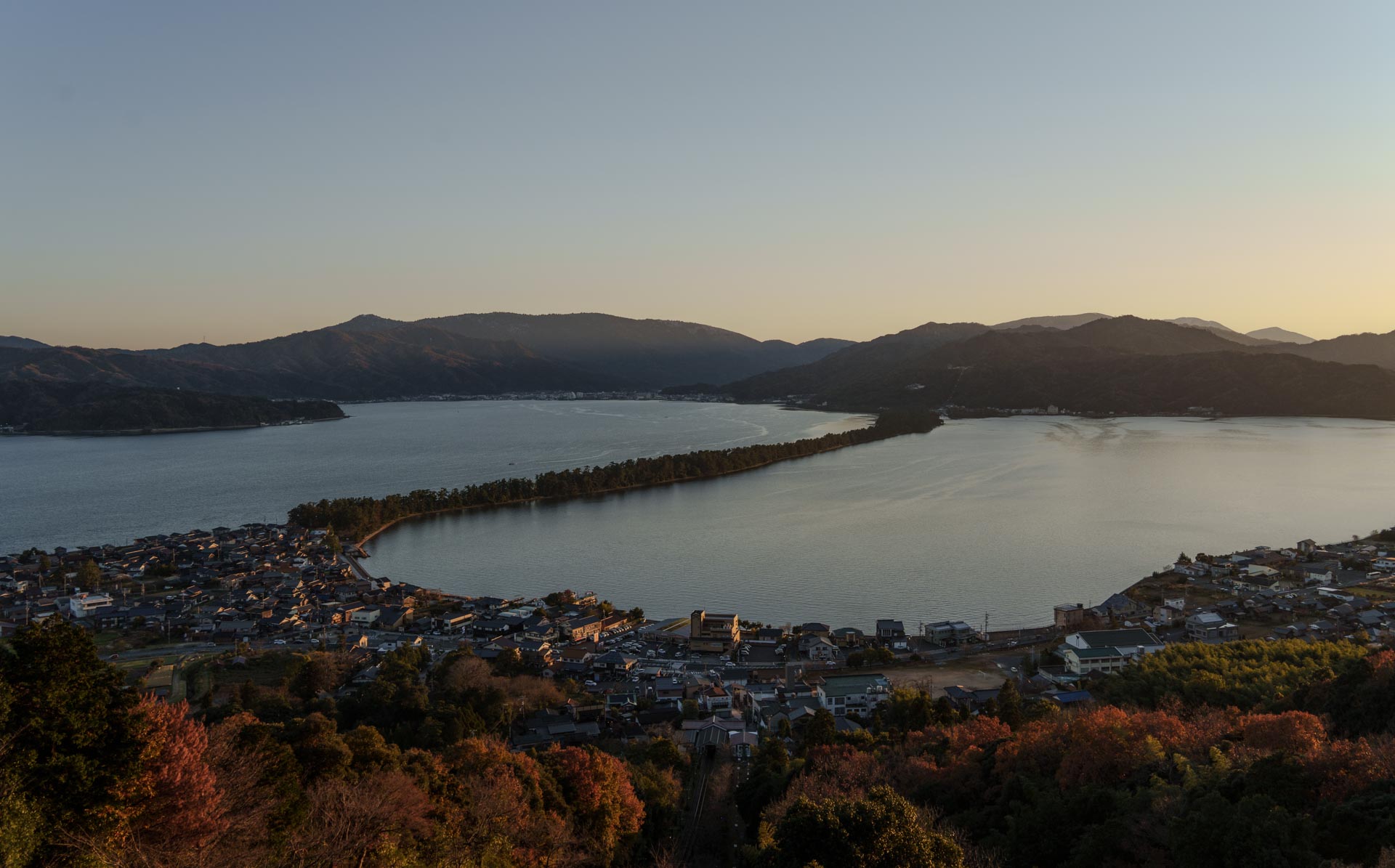
Took the last bus down to the Amanomatsu Park observation platform, and we were the only passengers on the bus. Looks like many people missed the snowy scenery here.
Then we headed back to Kyoto.
Day 9 Uji & Nara
Starting the familiar final stretch: first to Uji for matcha and sweets, then to Nara to see the deer.
We took the JR to Kyoto and transferred to another JR train to Uji. We stored our luggage in a locker at the JR Uji Station exit for 400 yen.
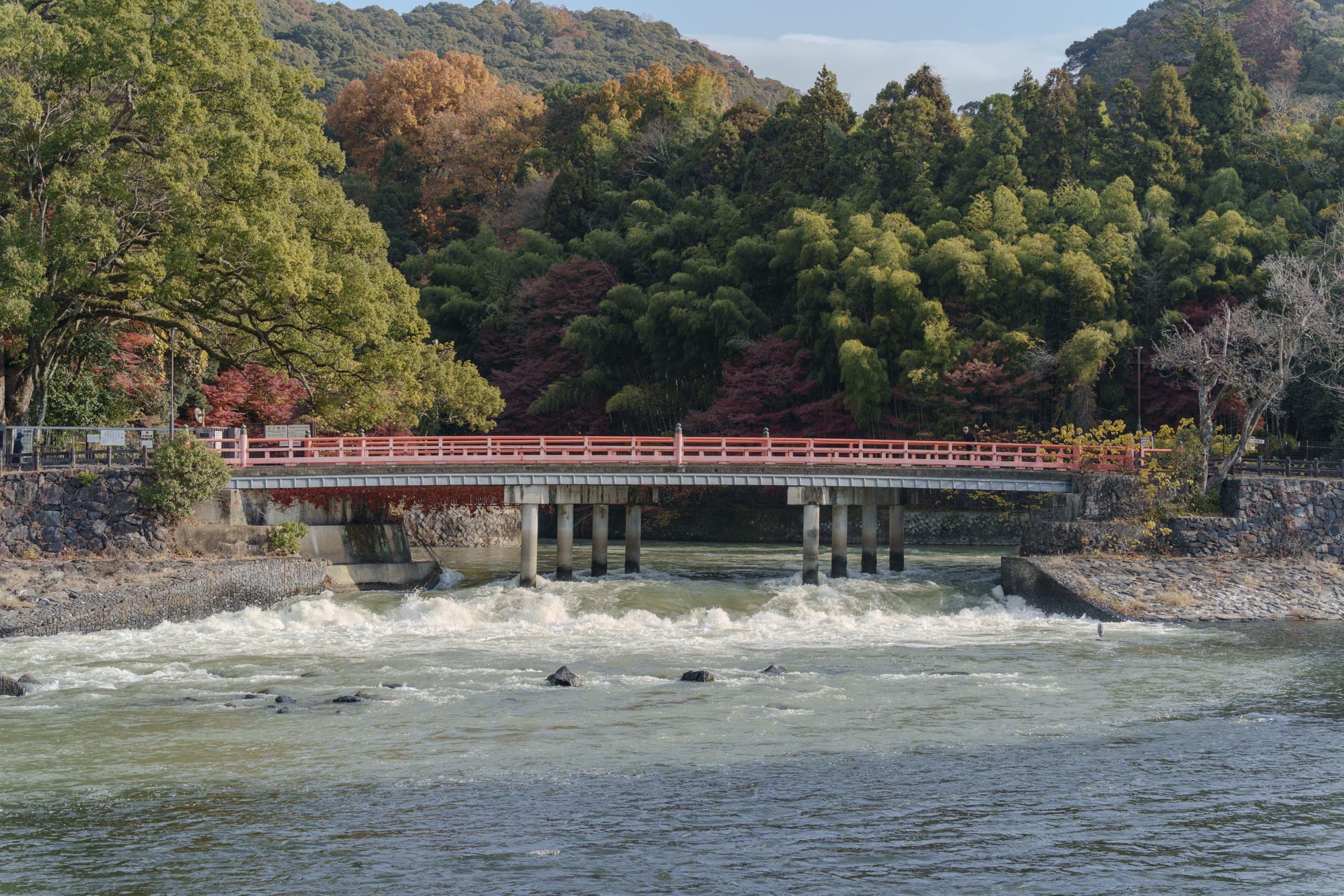
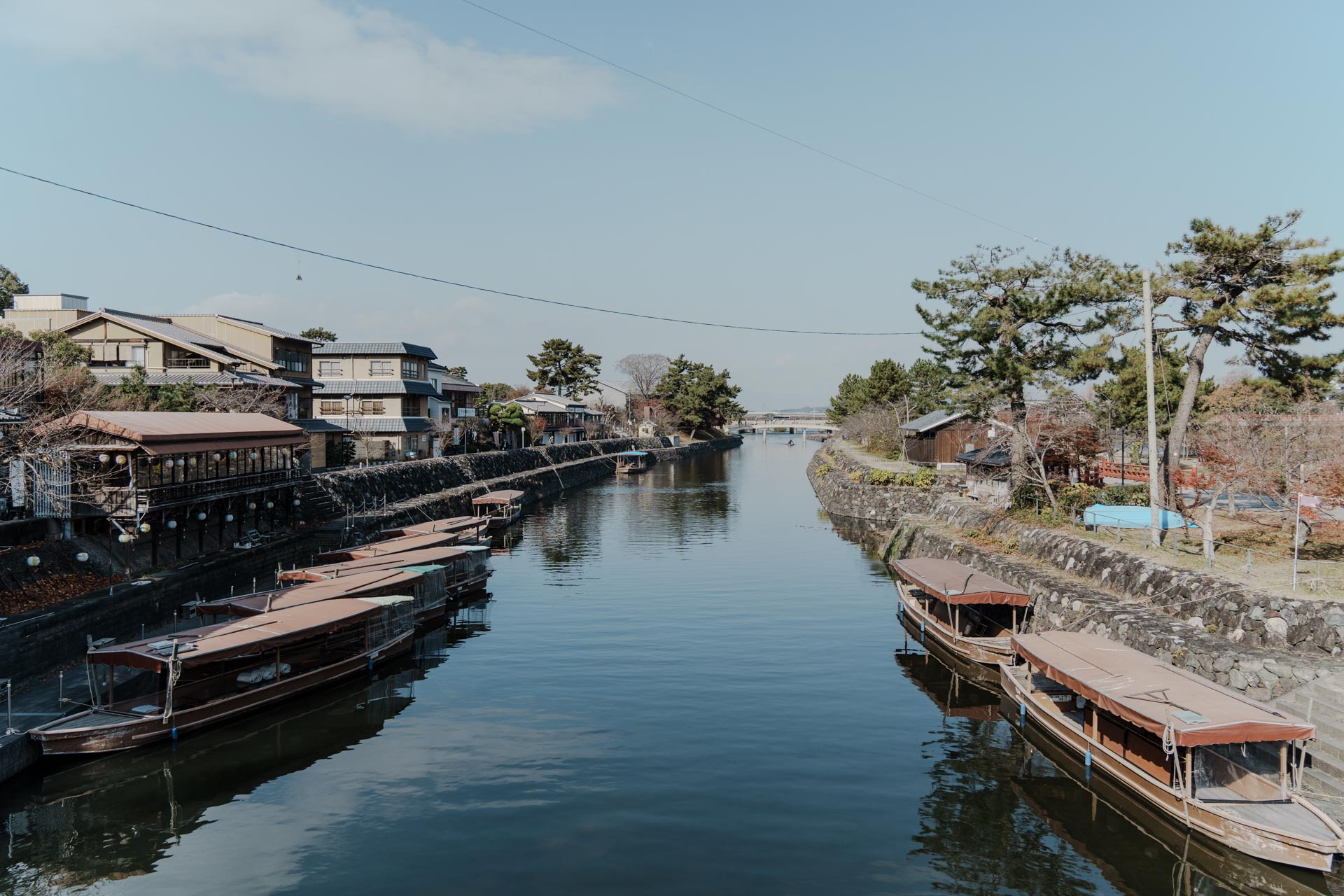
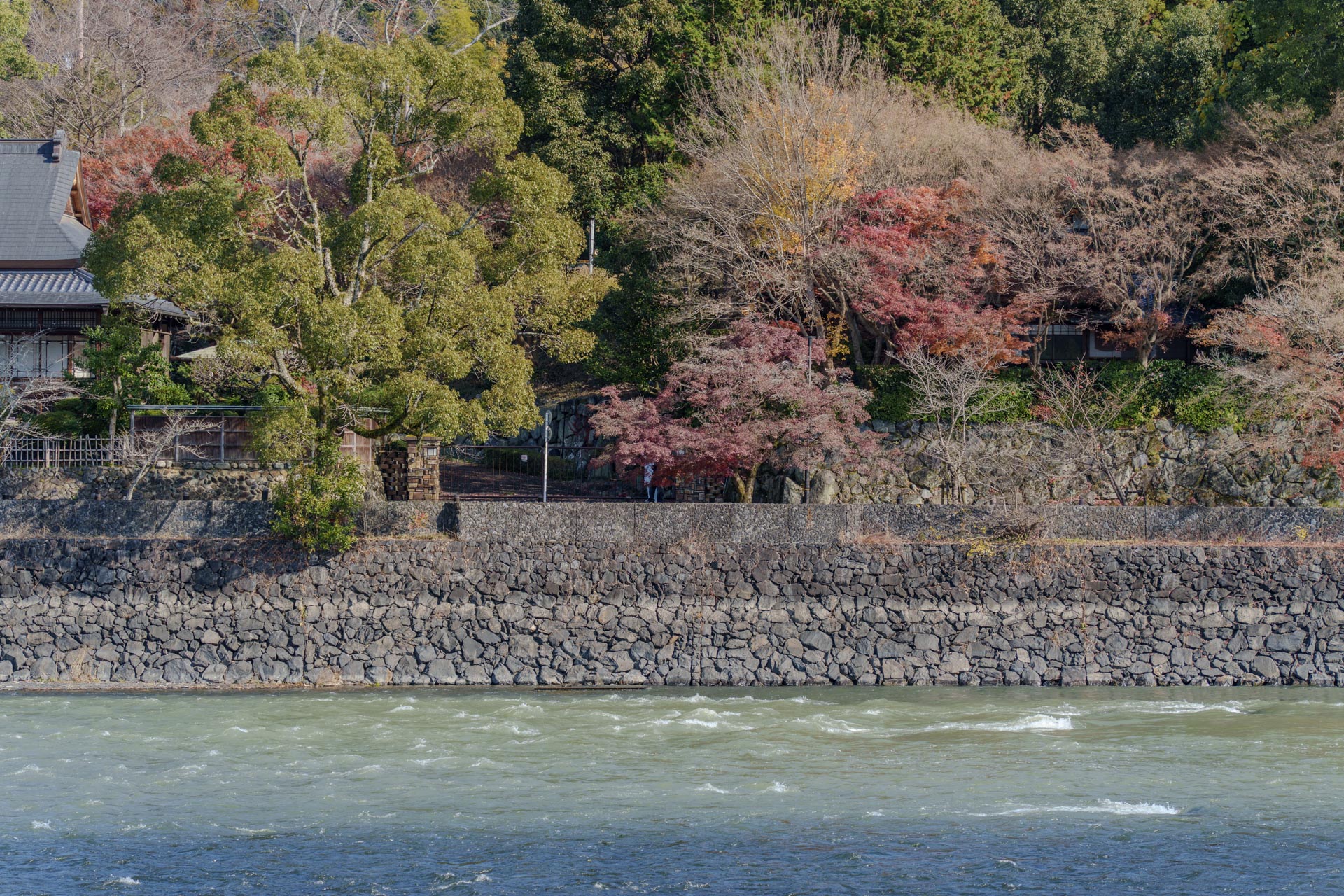
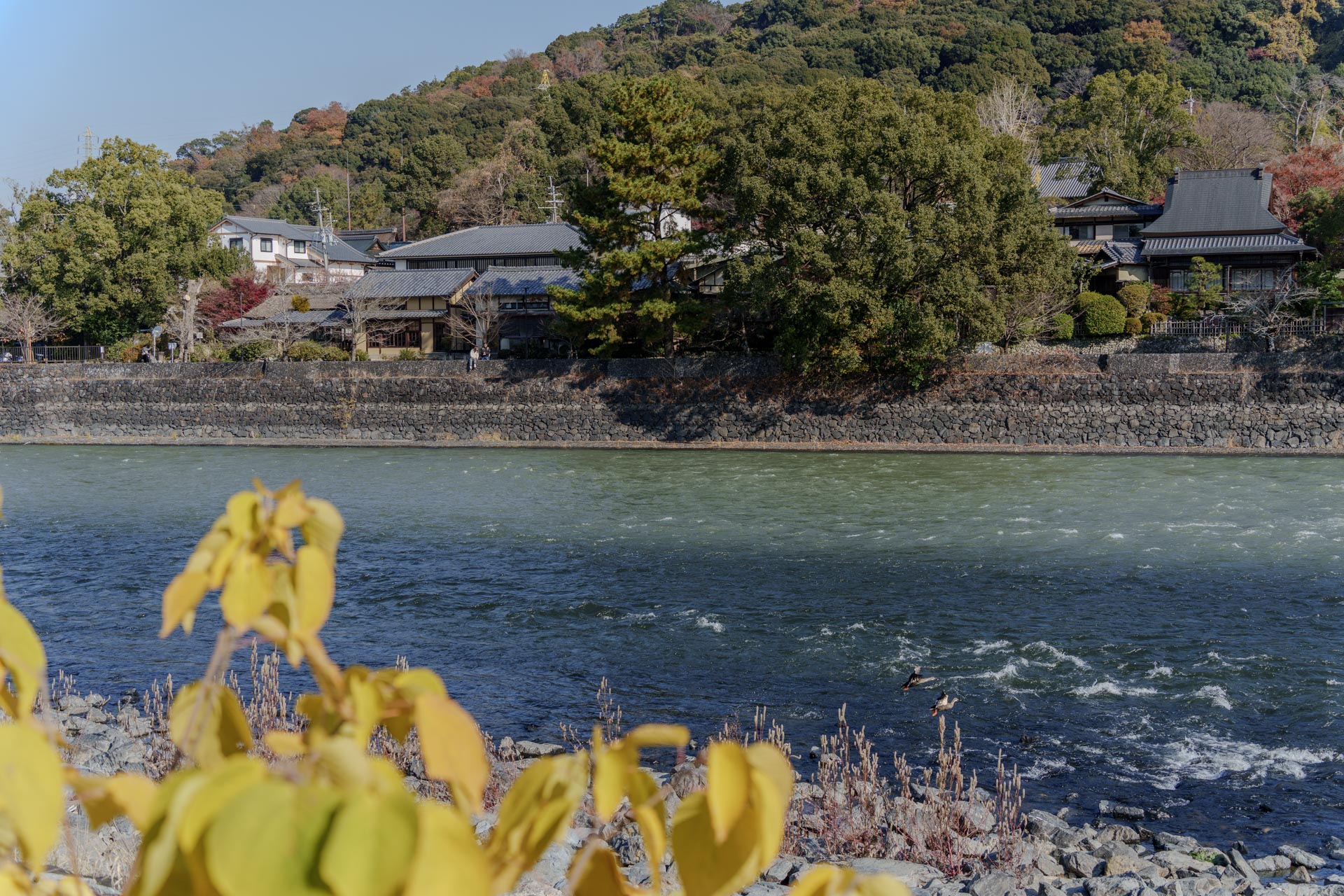
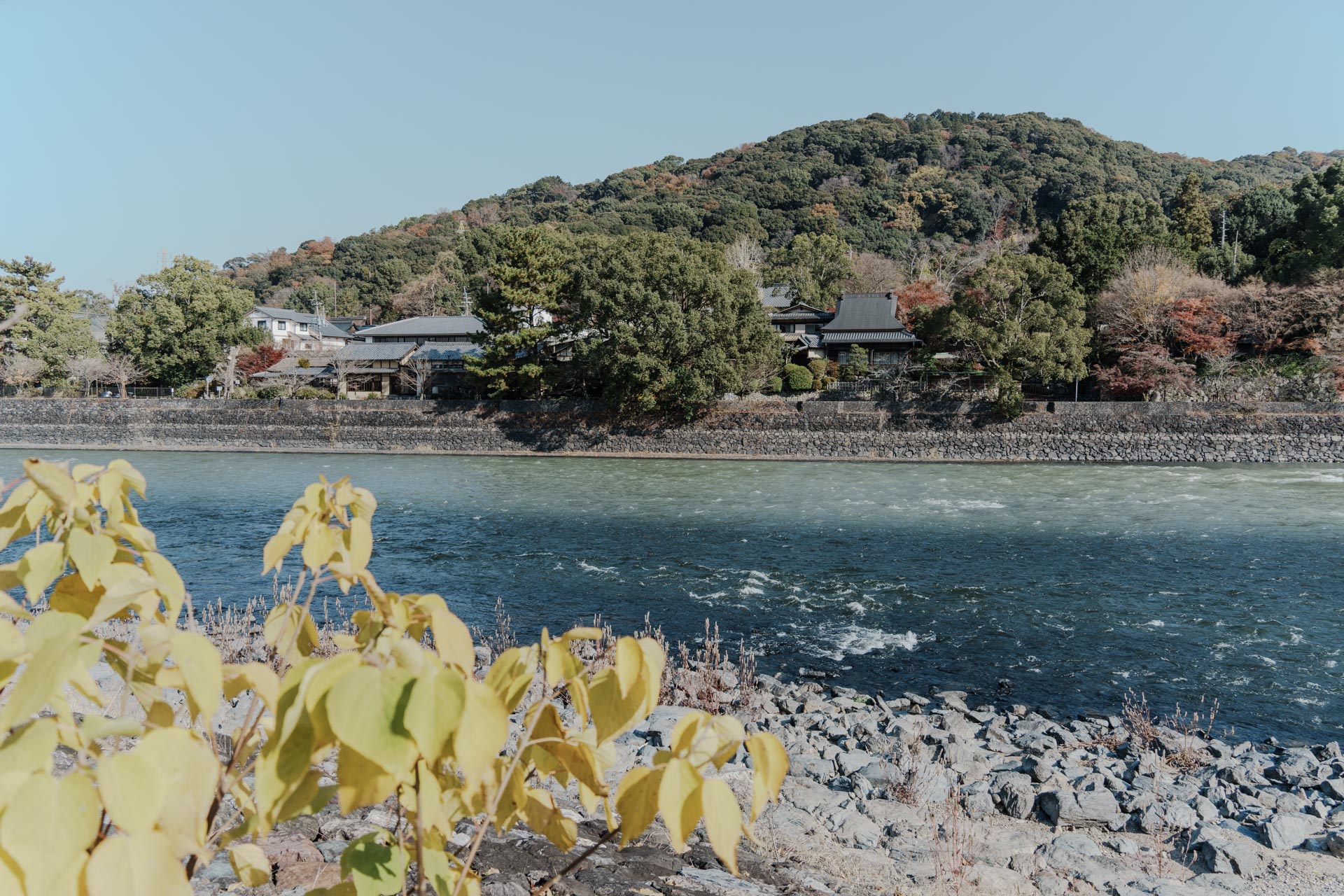
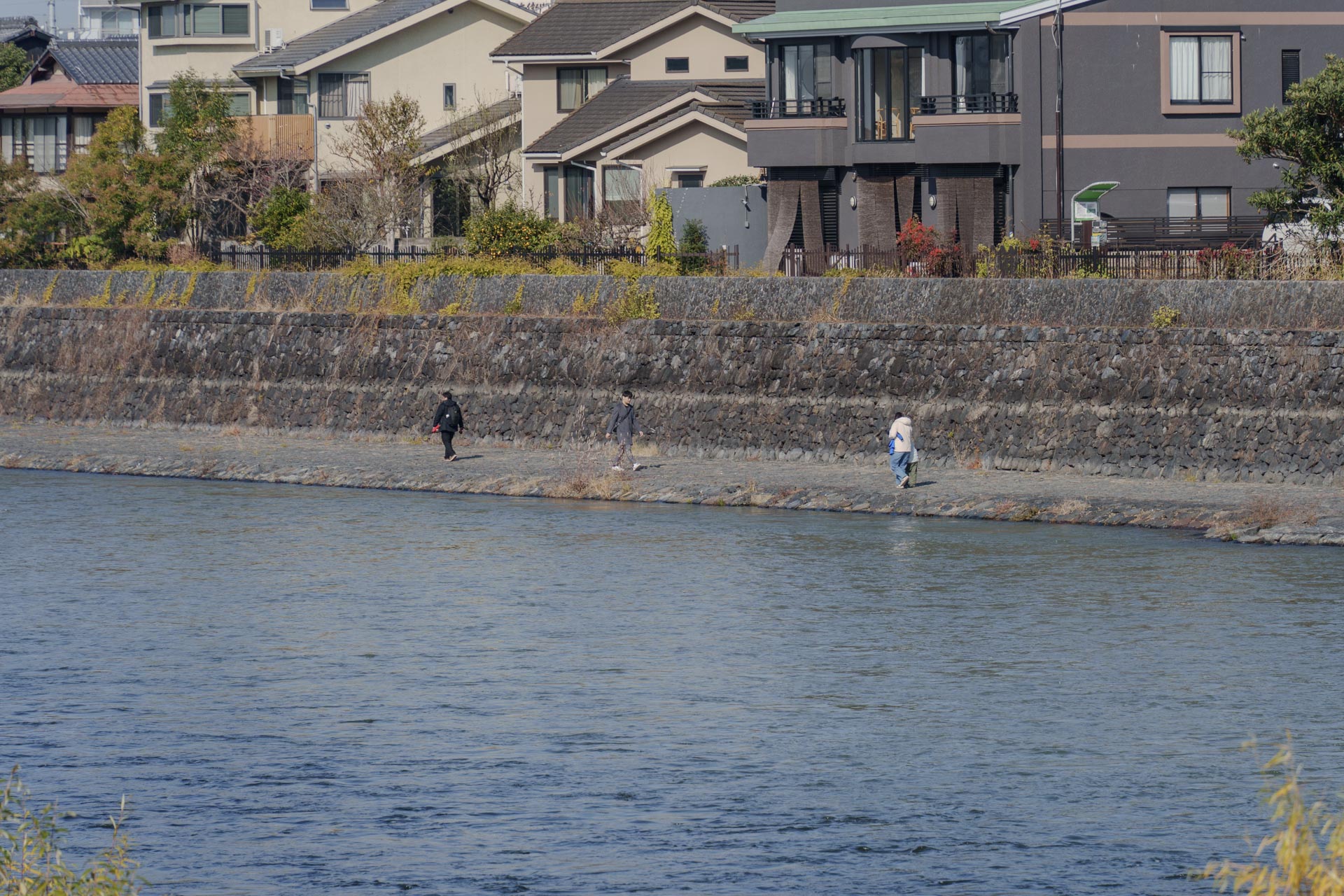
Walked down to the Uji River and strolled along the riverside. The weather was great again today, so chill.
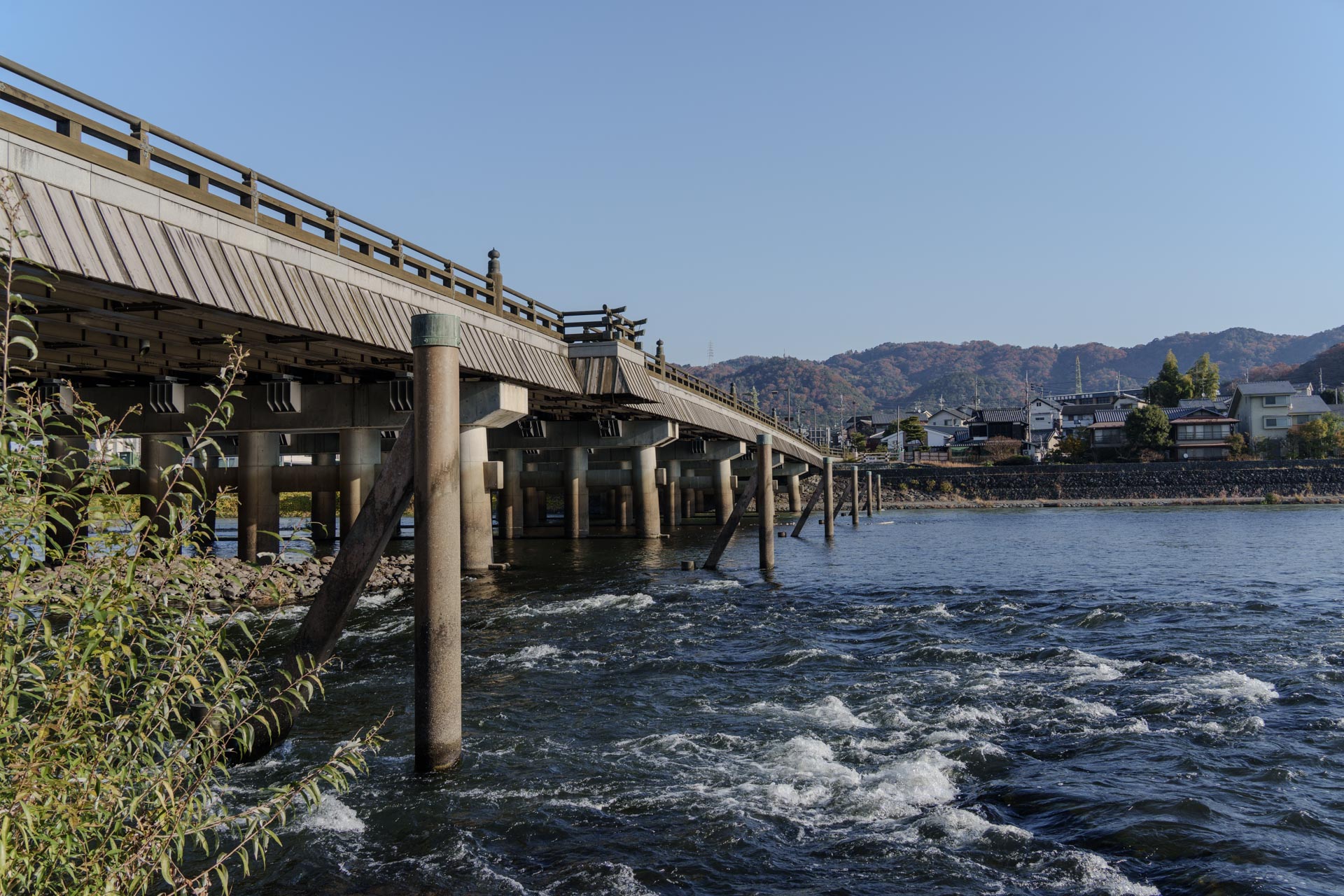
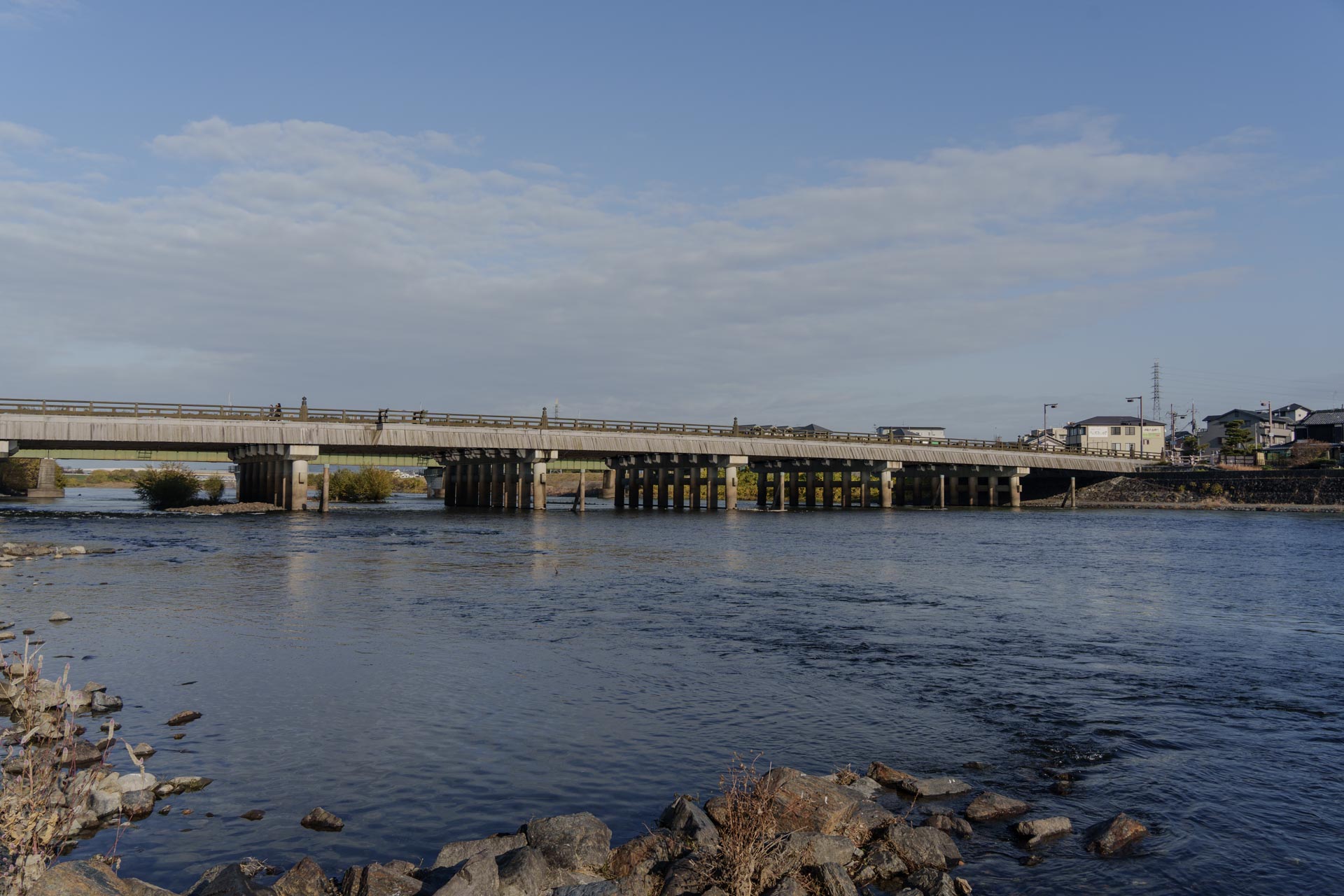
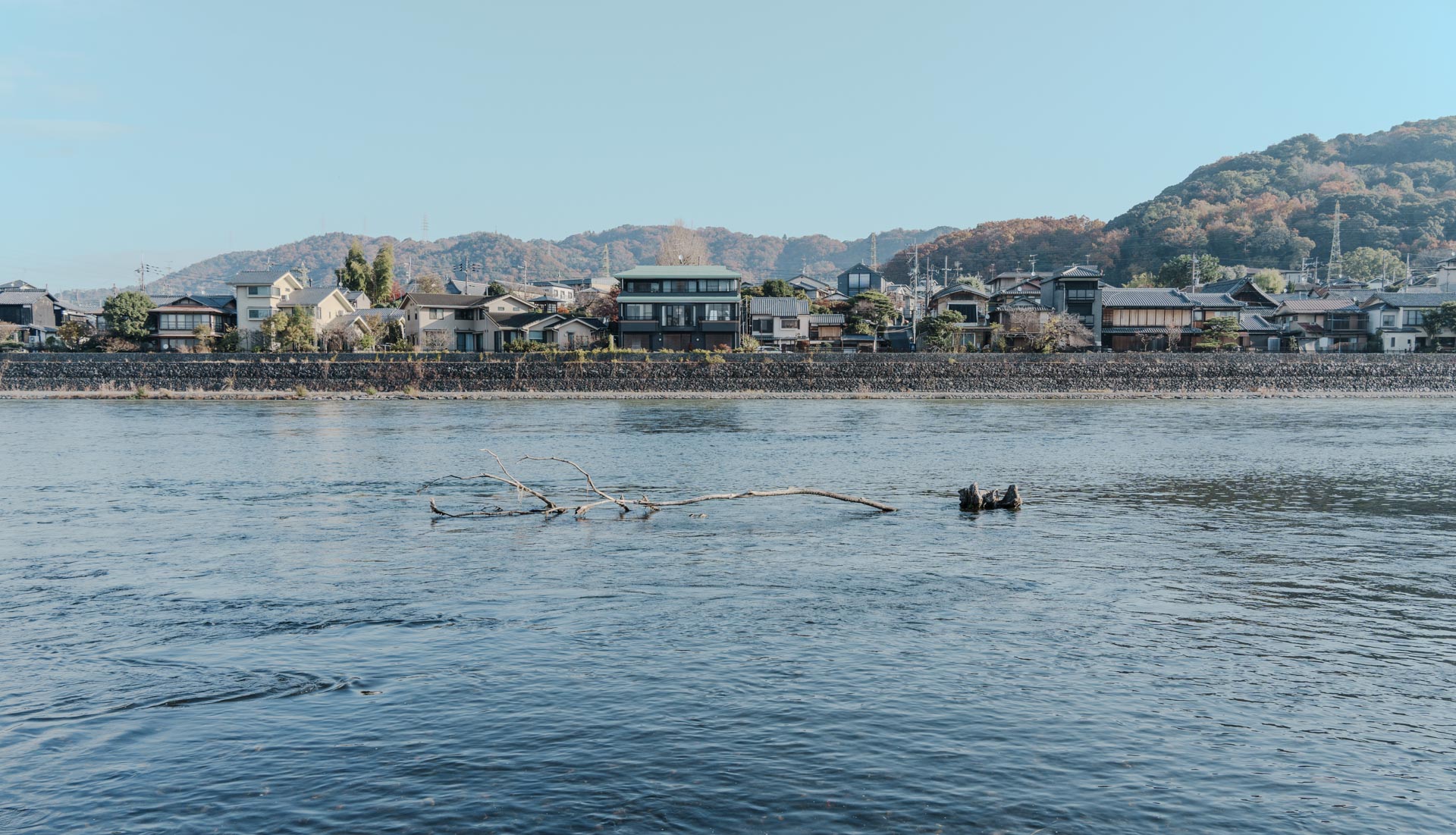
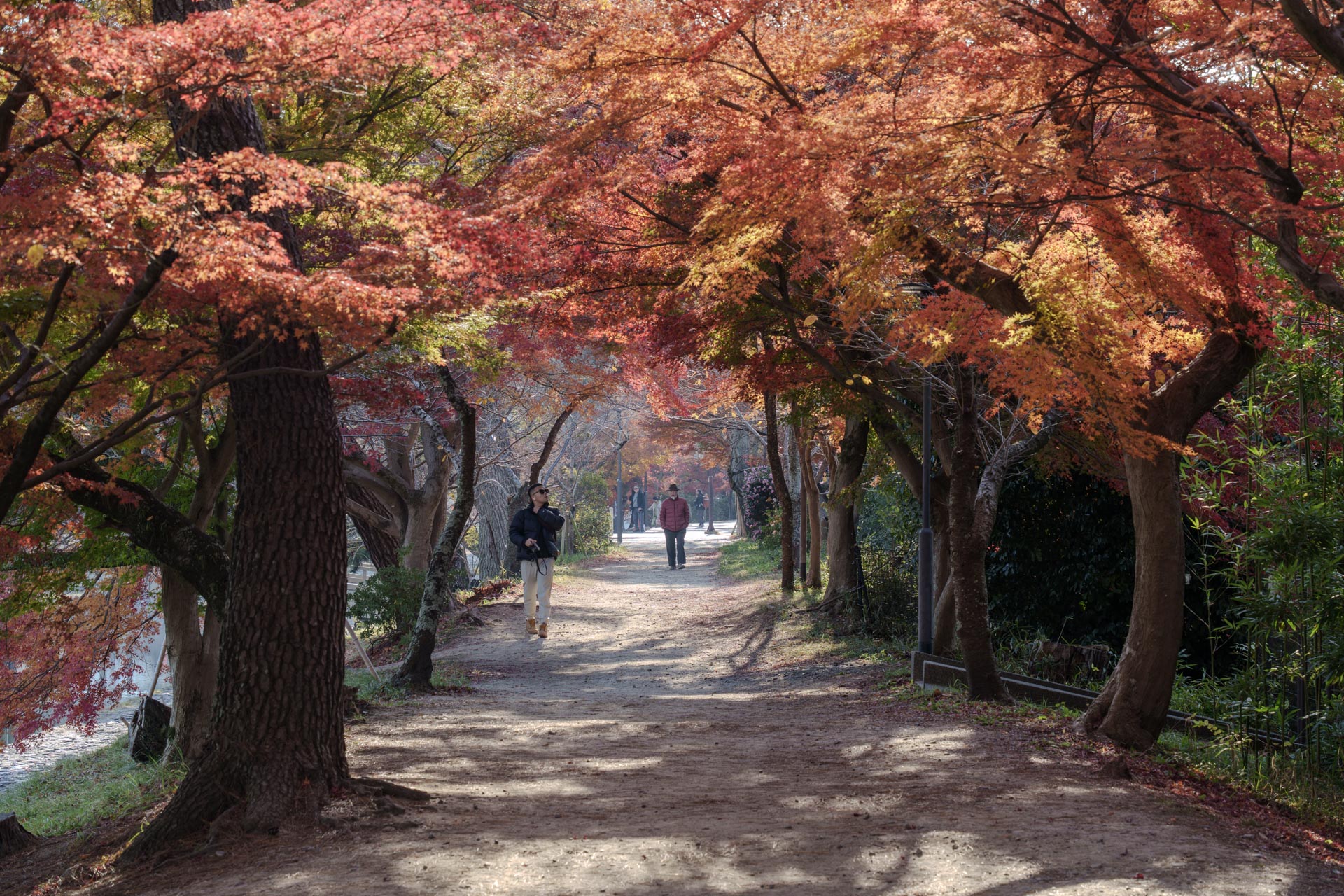
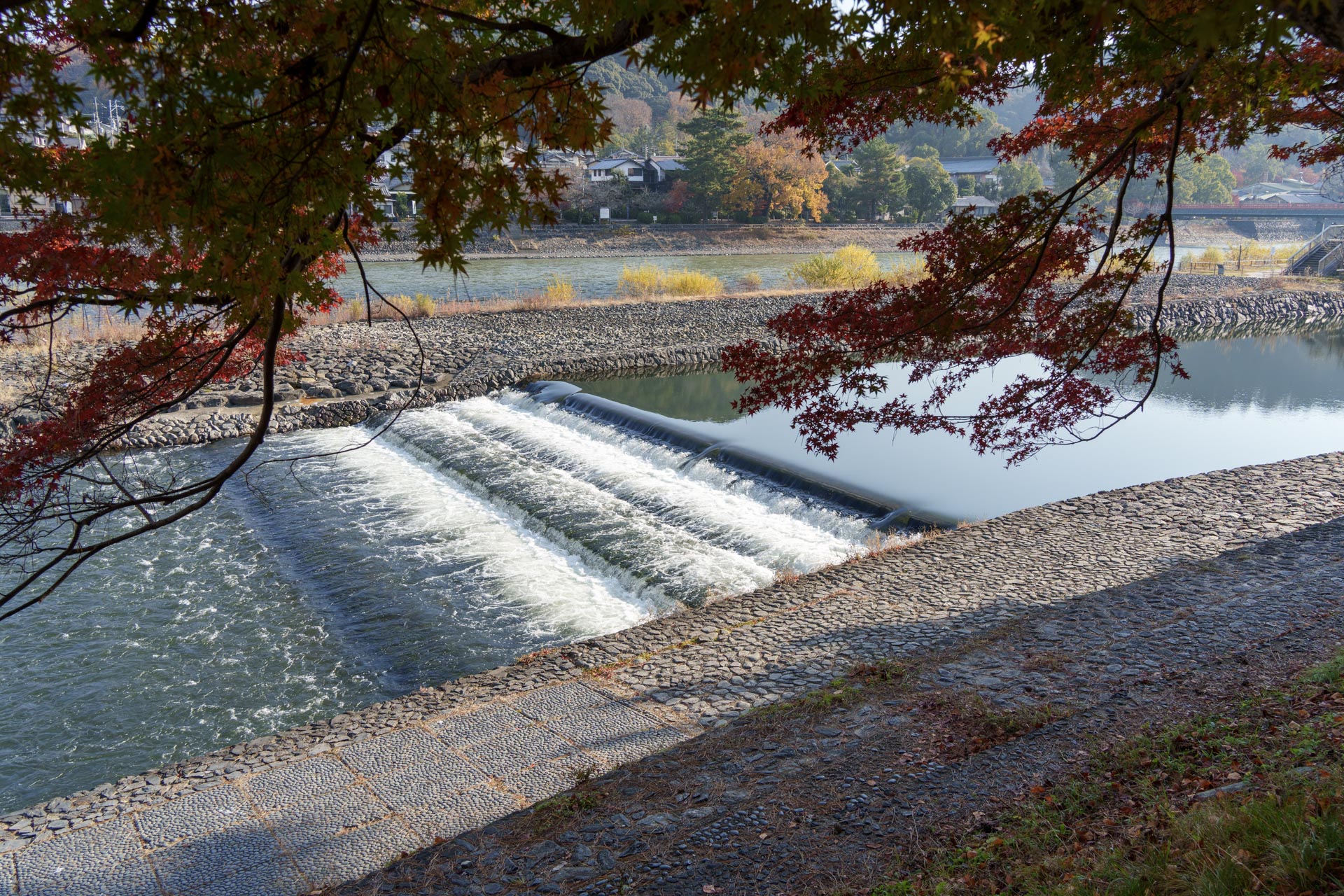
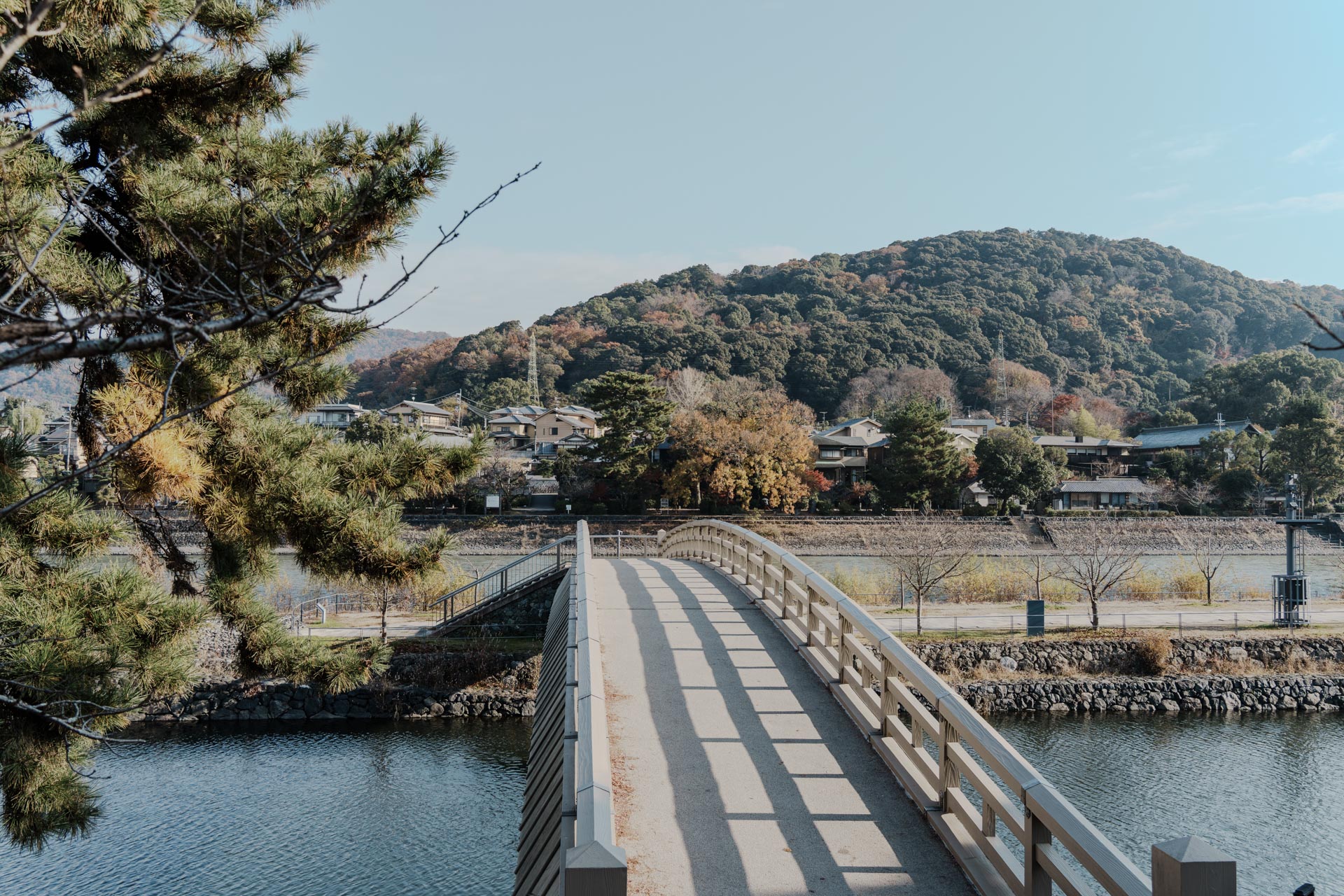
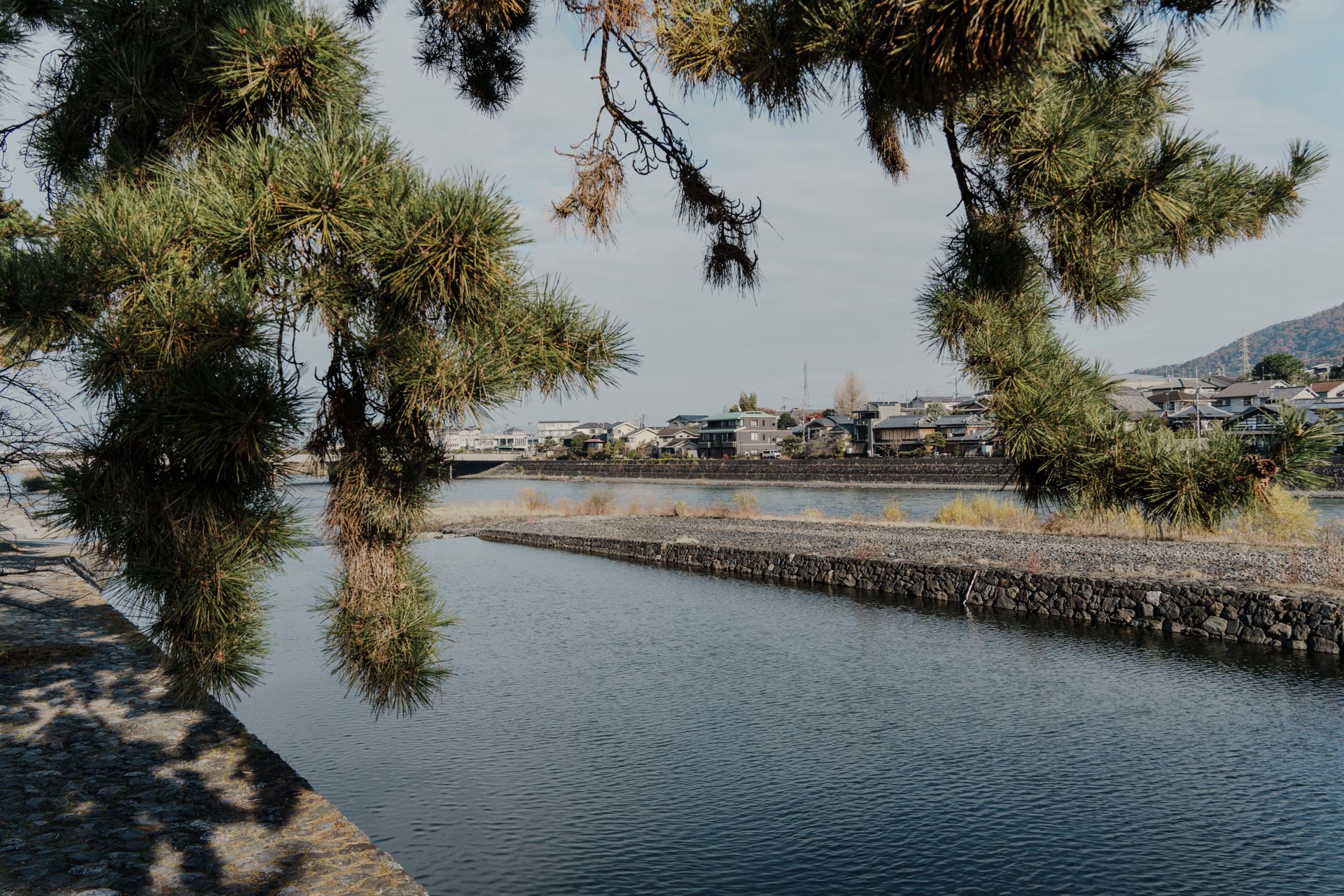
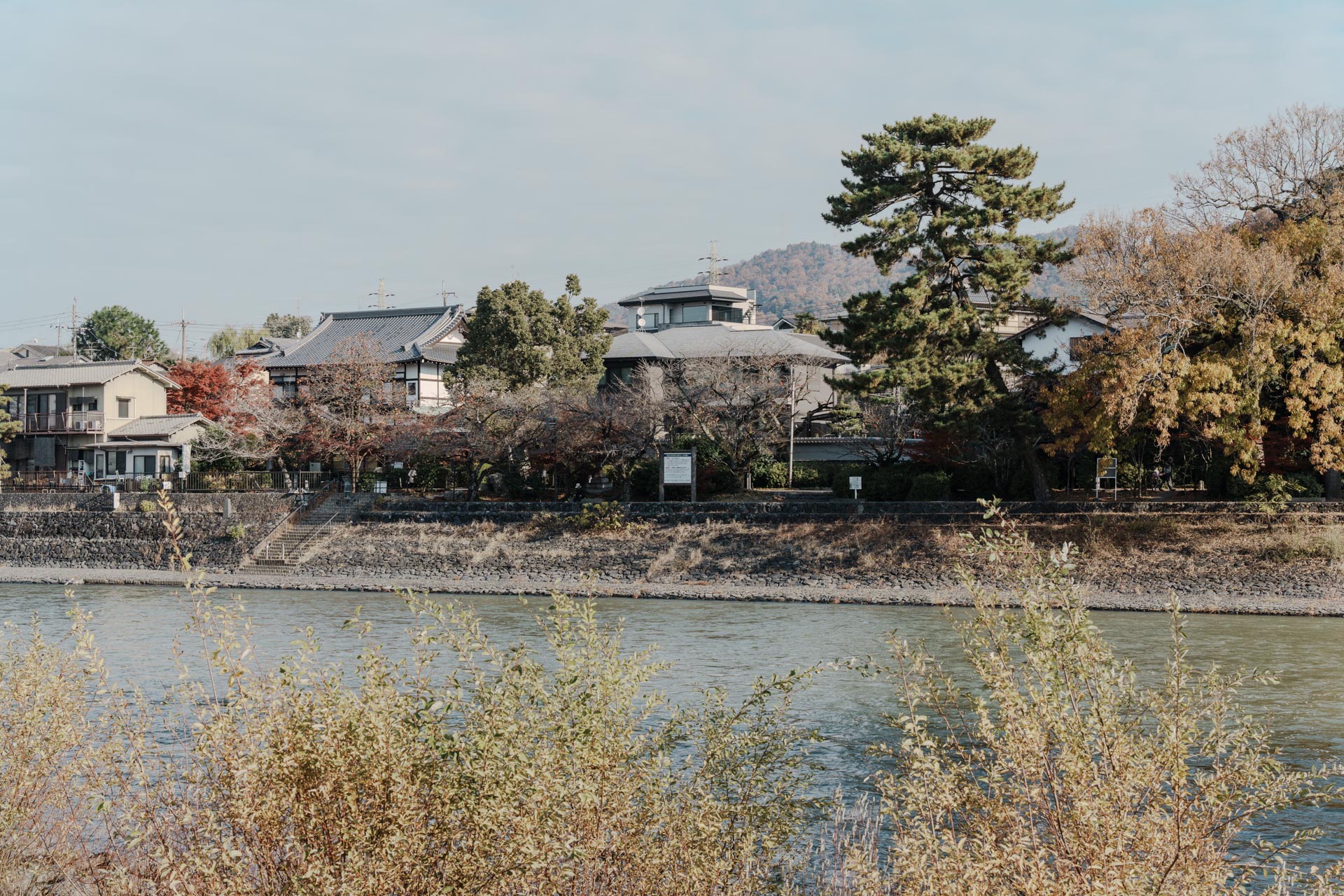
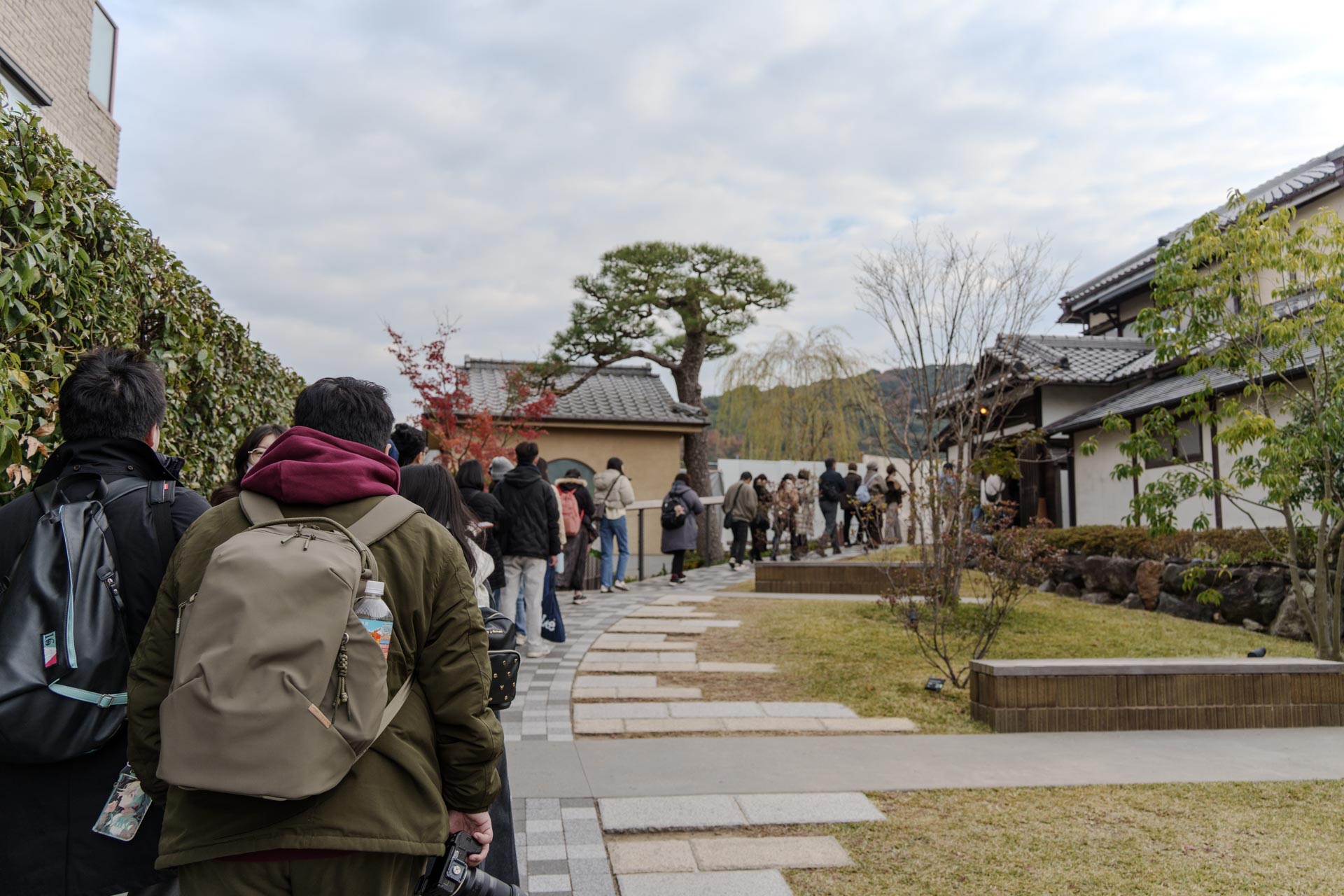
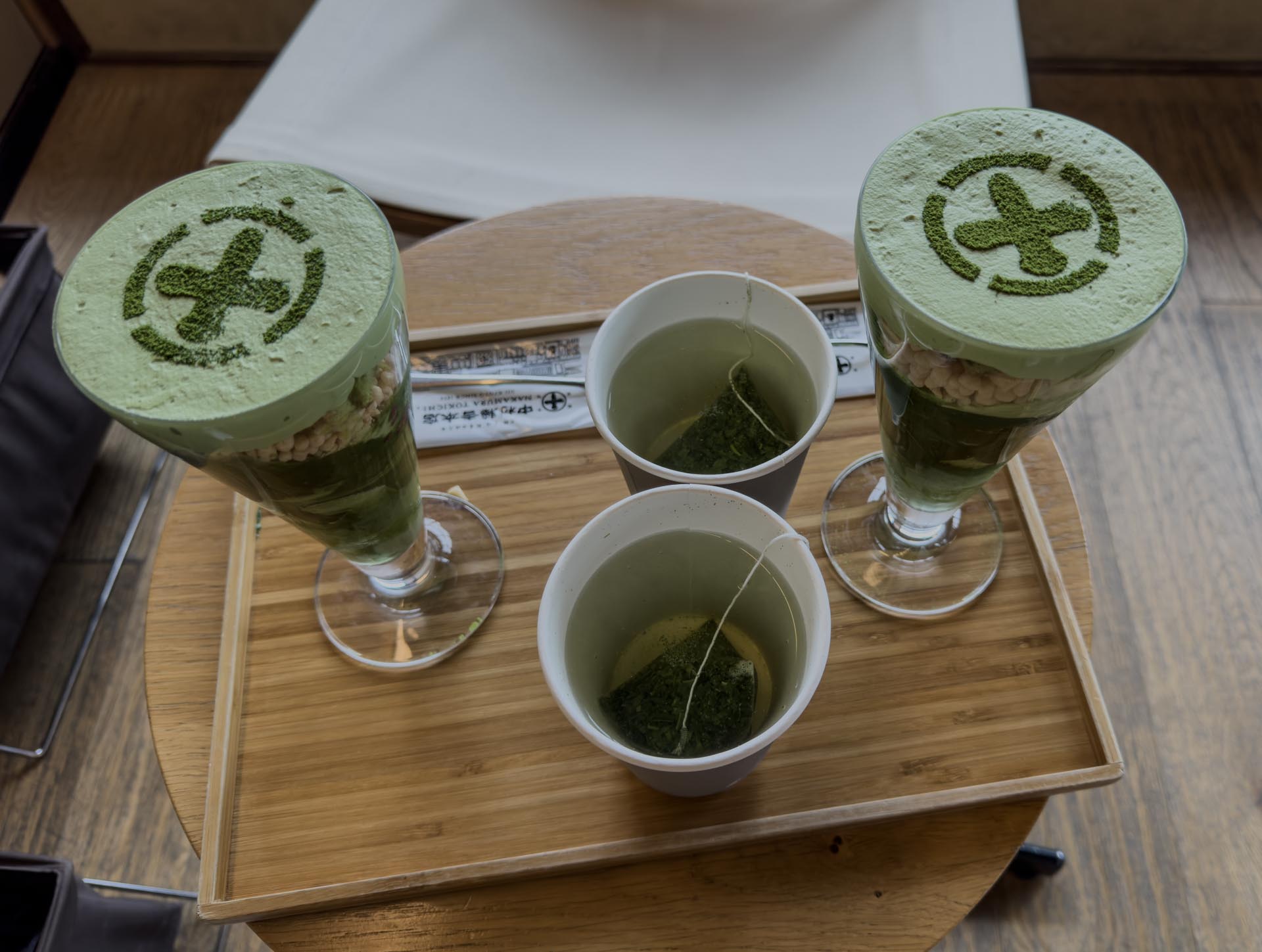
Almost 10 a.m., we headed to Nakamura Tokichi (Byodoin branch) for some matcha desserts. Even before it opened, there was already a long queue. The window seats filled up quickly, so we had to sit inside. At this moment, suddenly a lot of low-hanging clouds appeared in the sky.
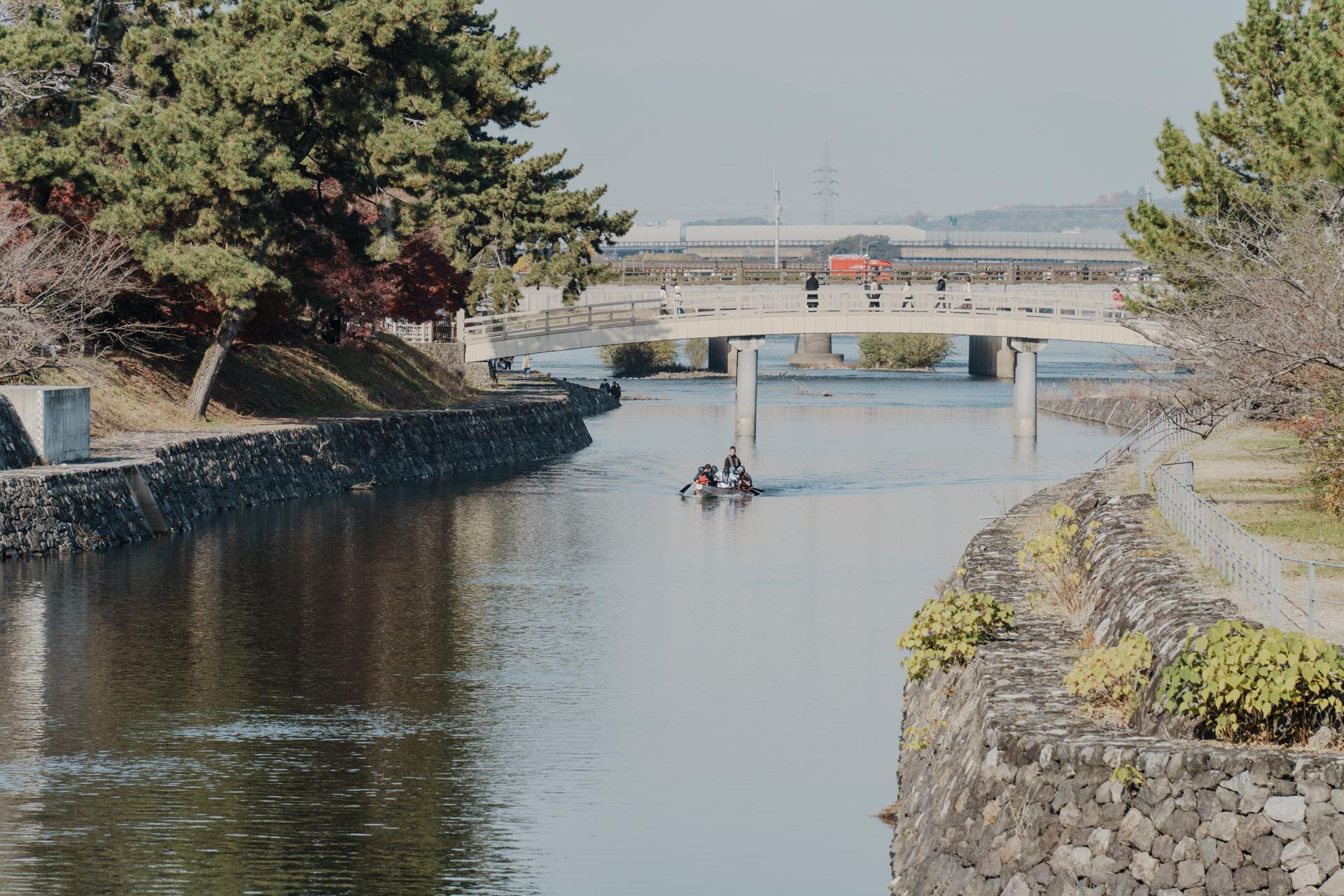
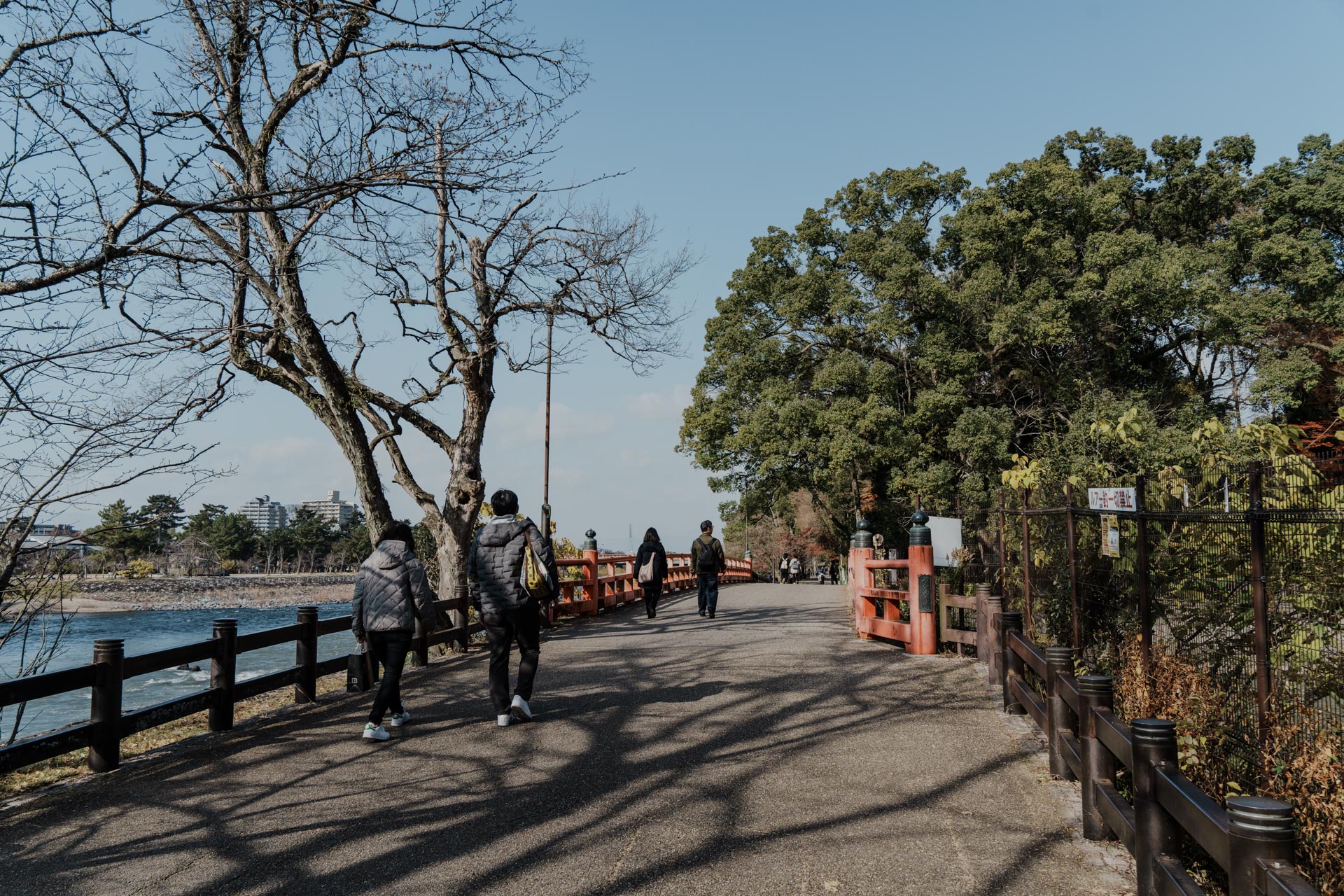
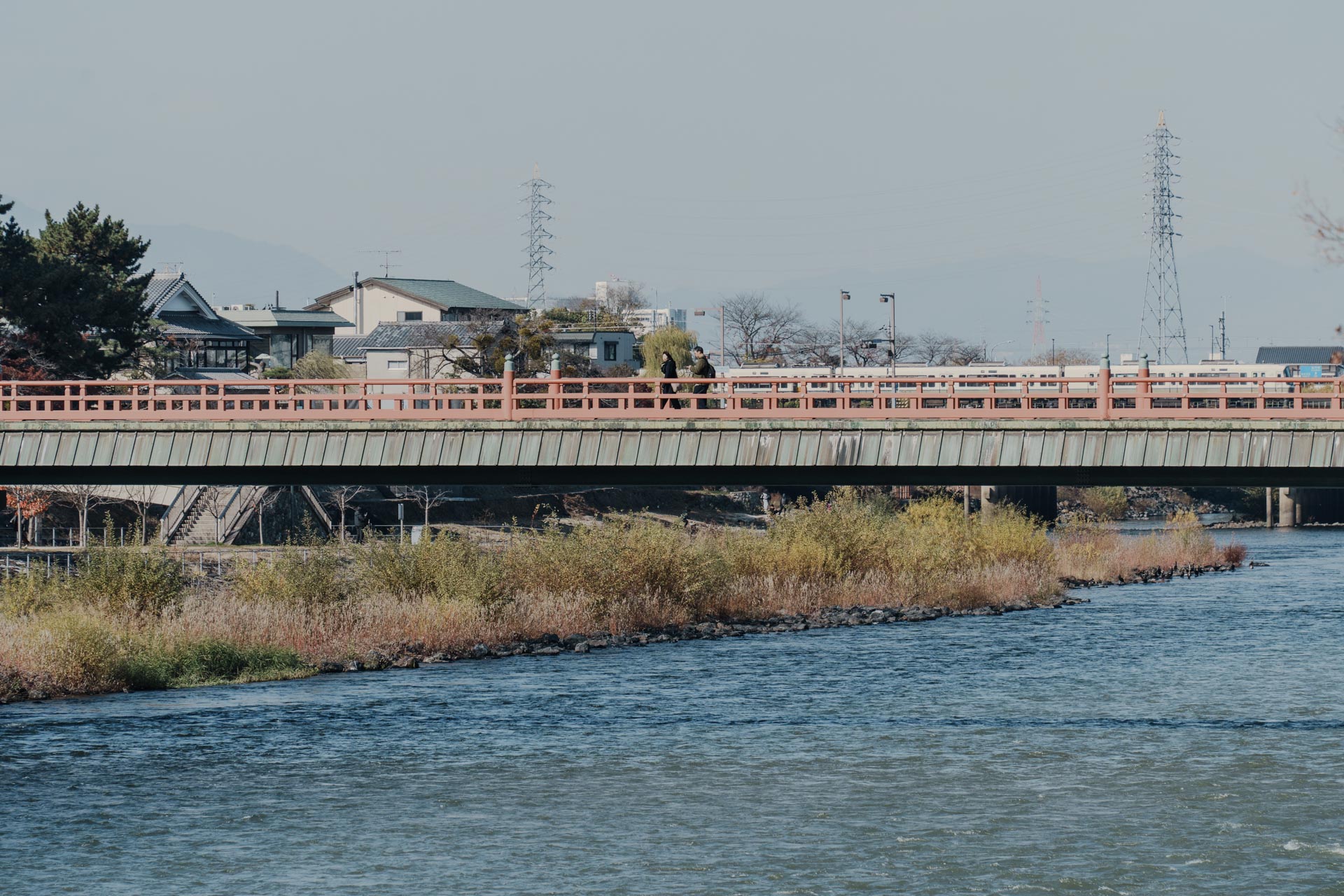
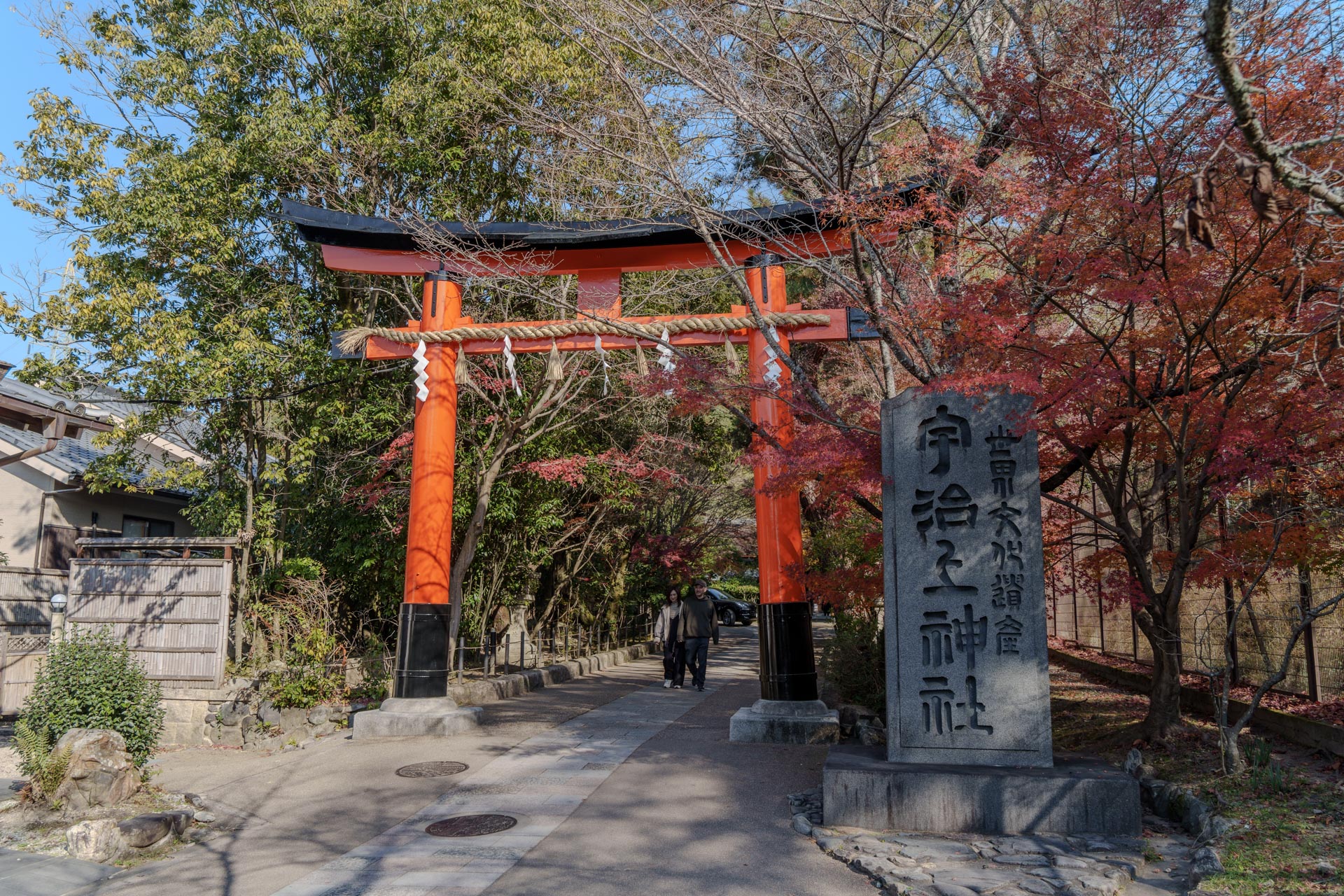
We enjoyed our desserts and had a chat. Around 11 a.m., we left and walked to the bridge by the Uji River, then headed back to visit Ujigami Shrine.
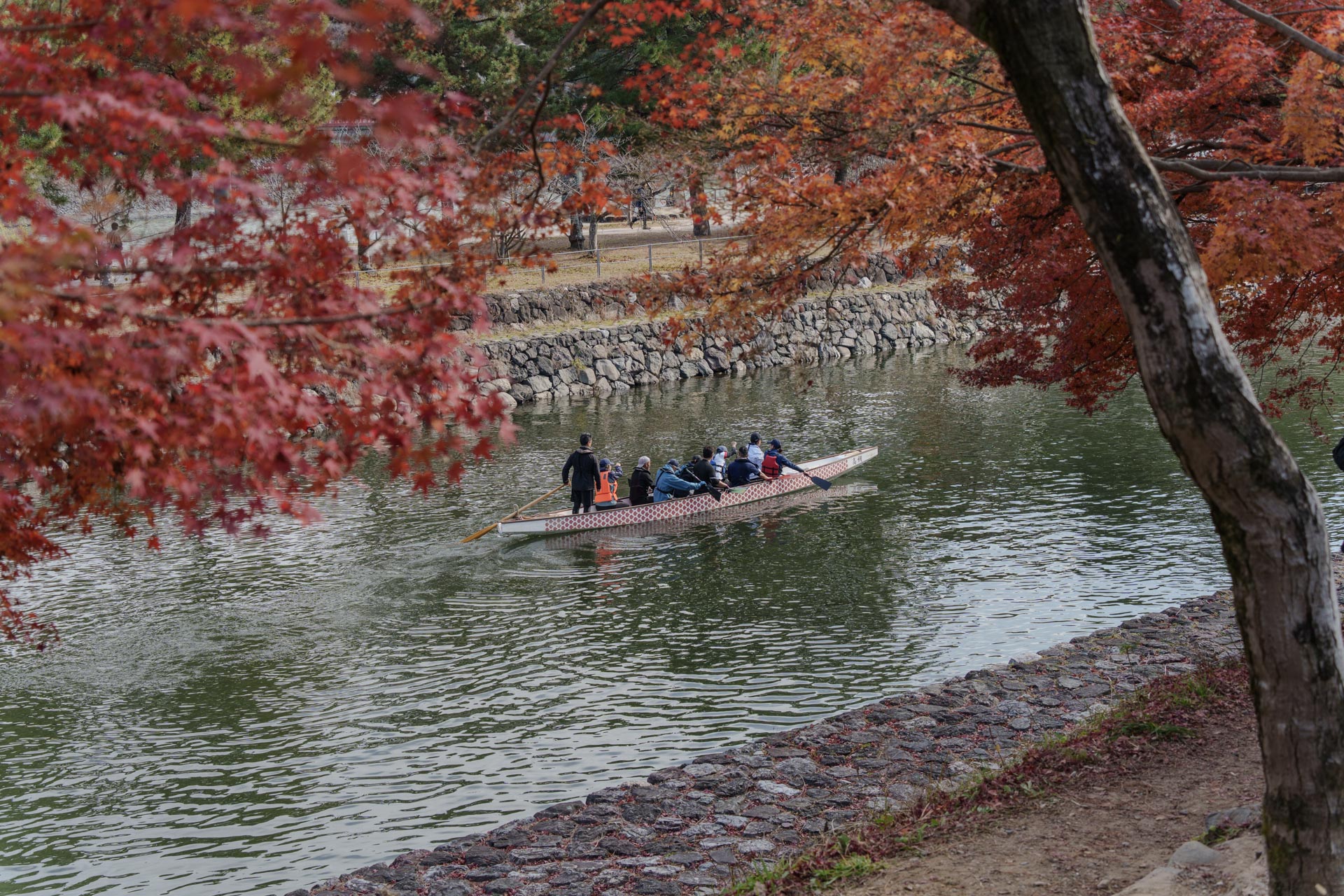
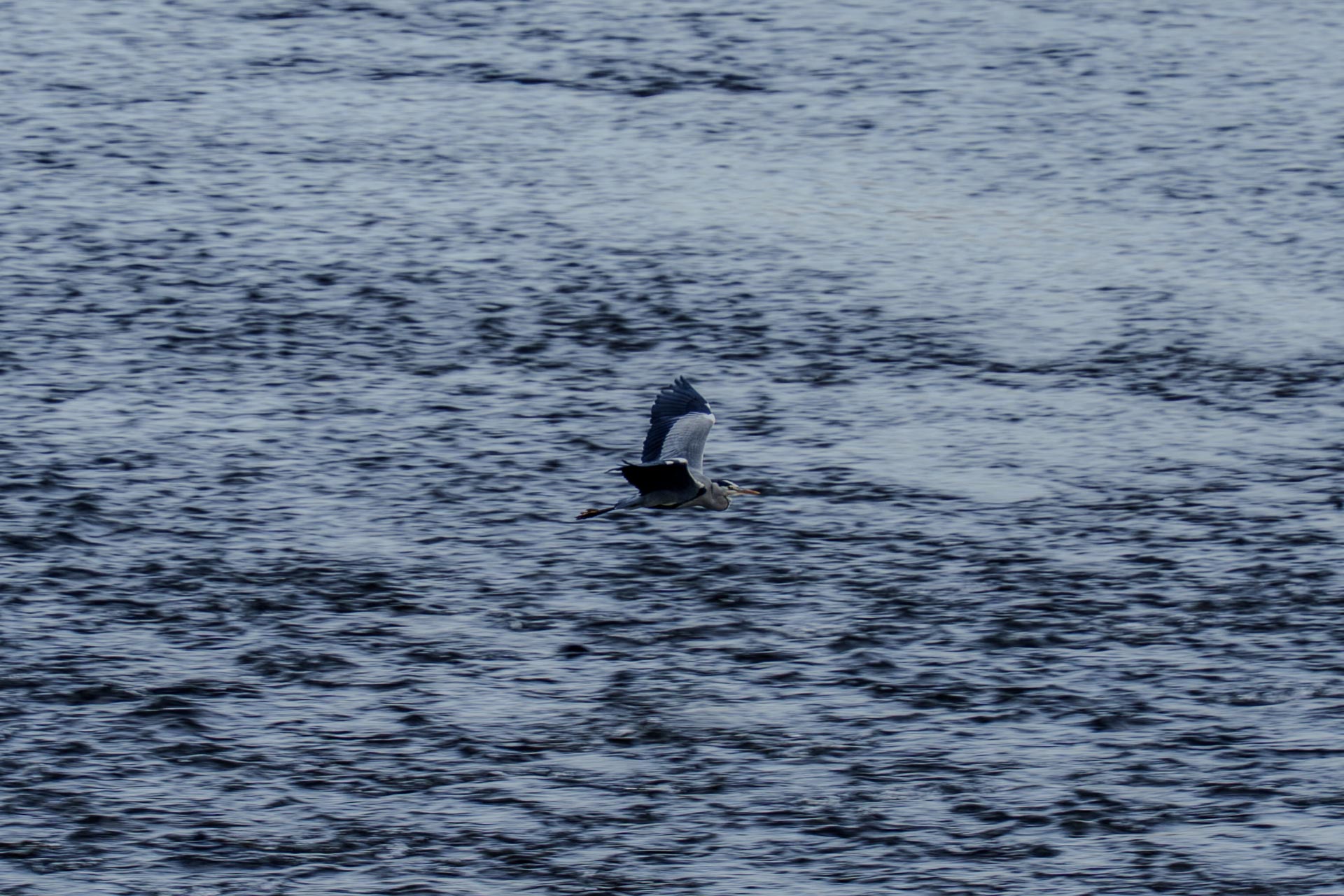
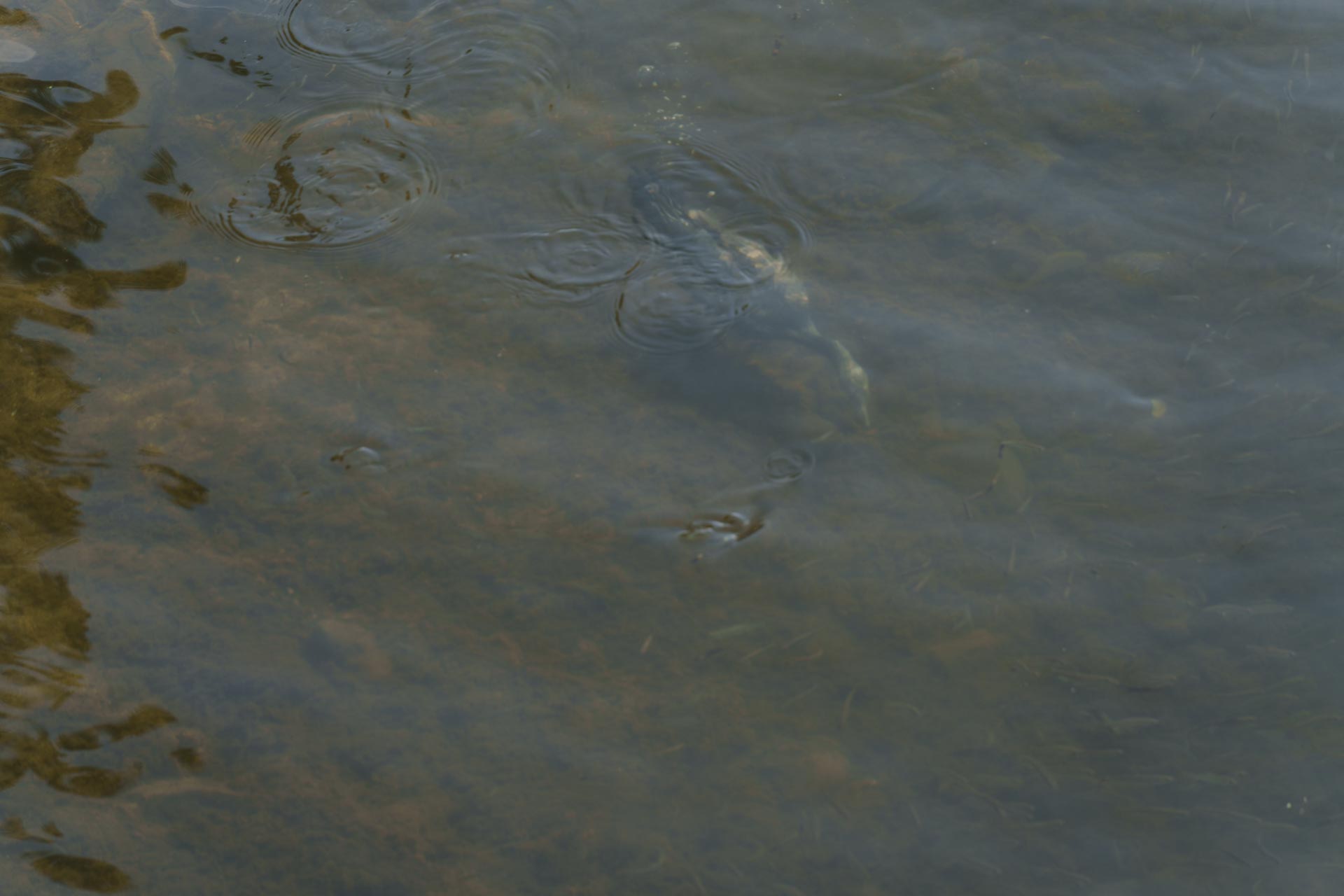
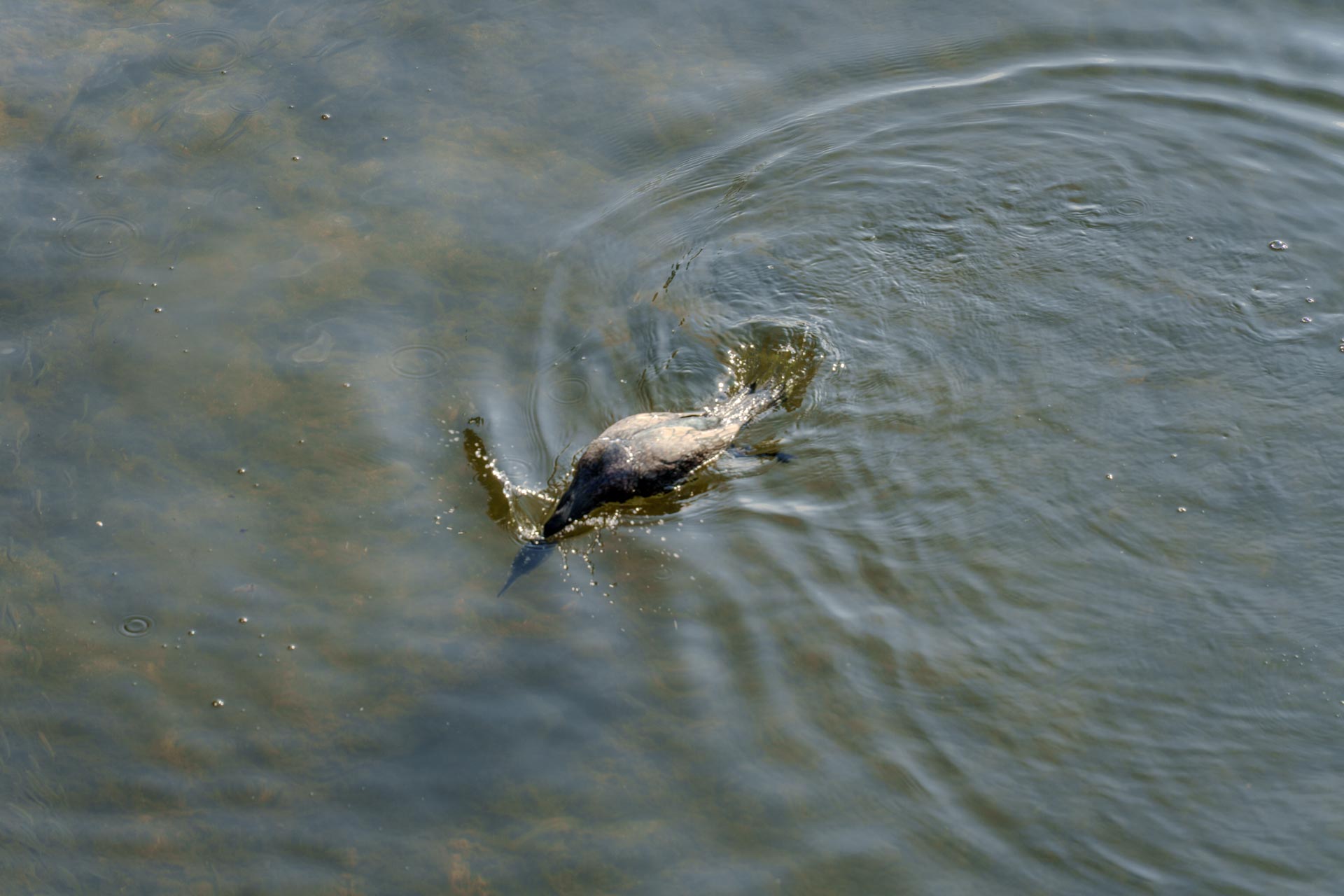
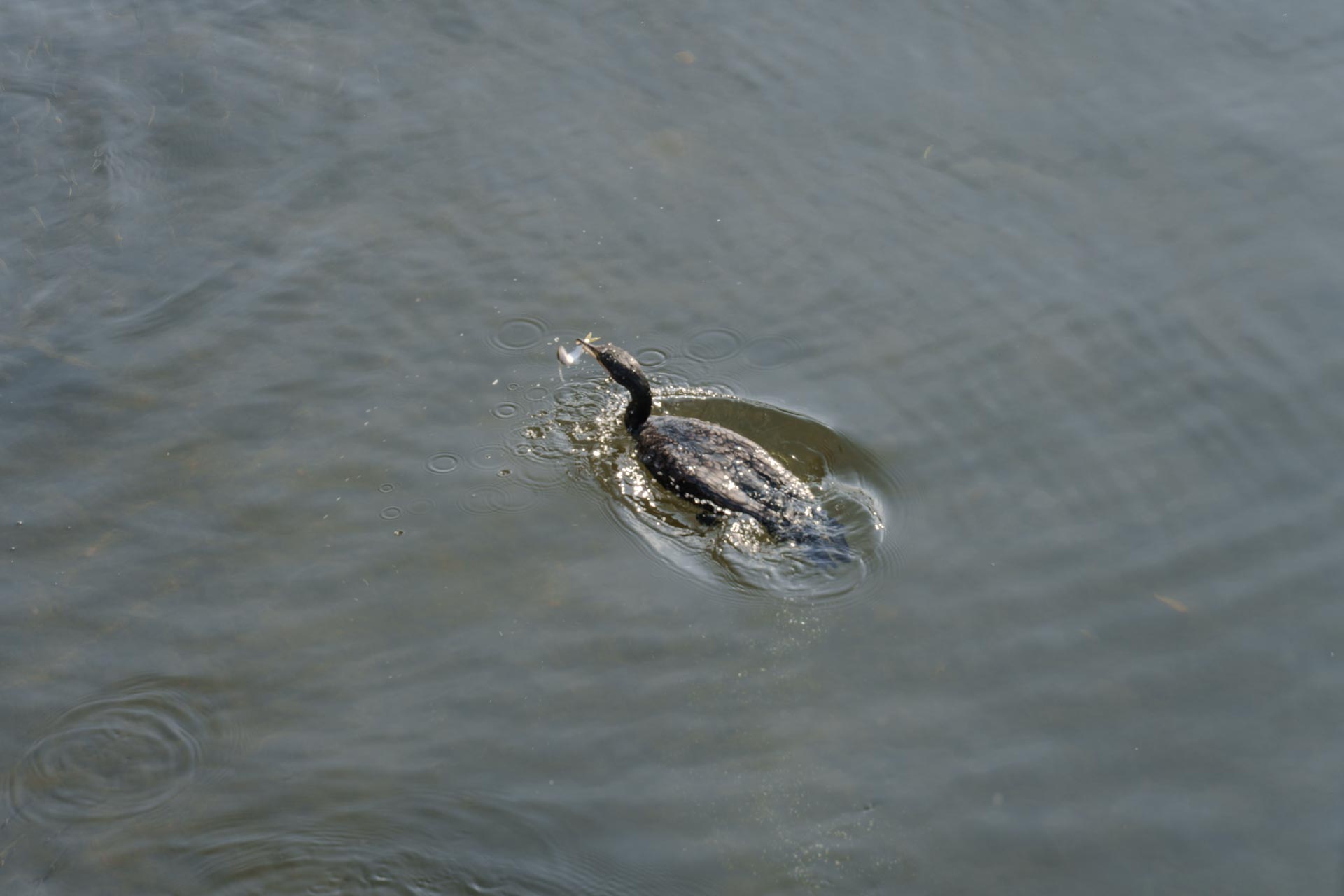
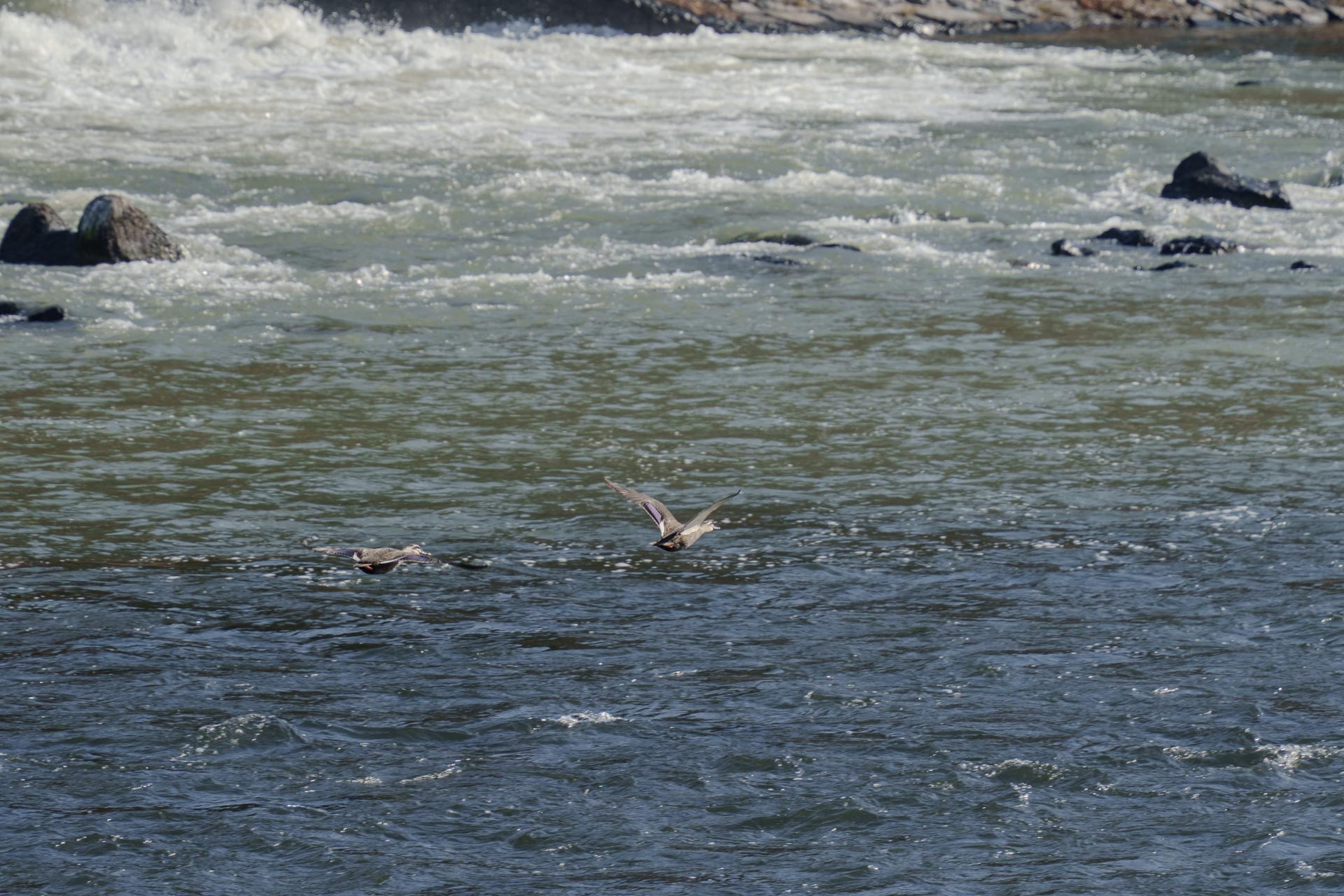
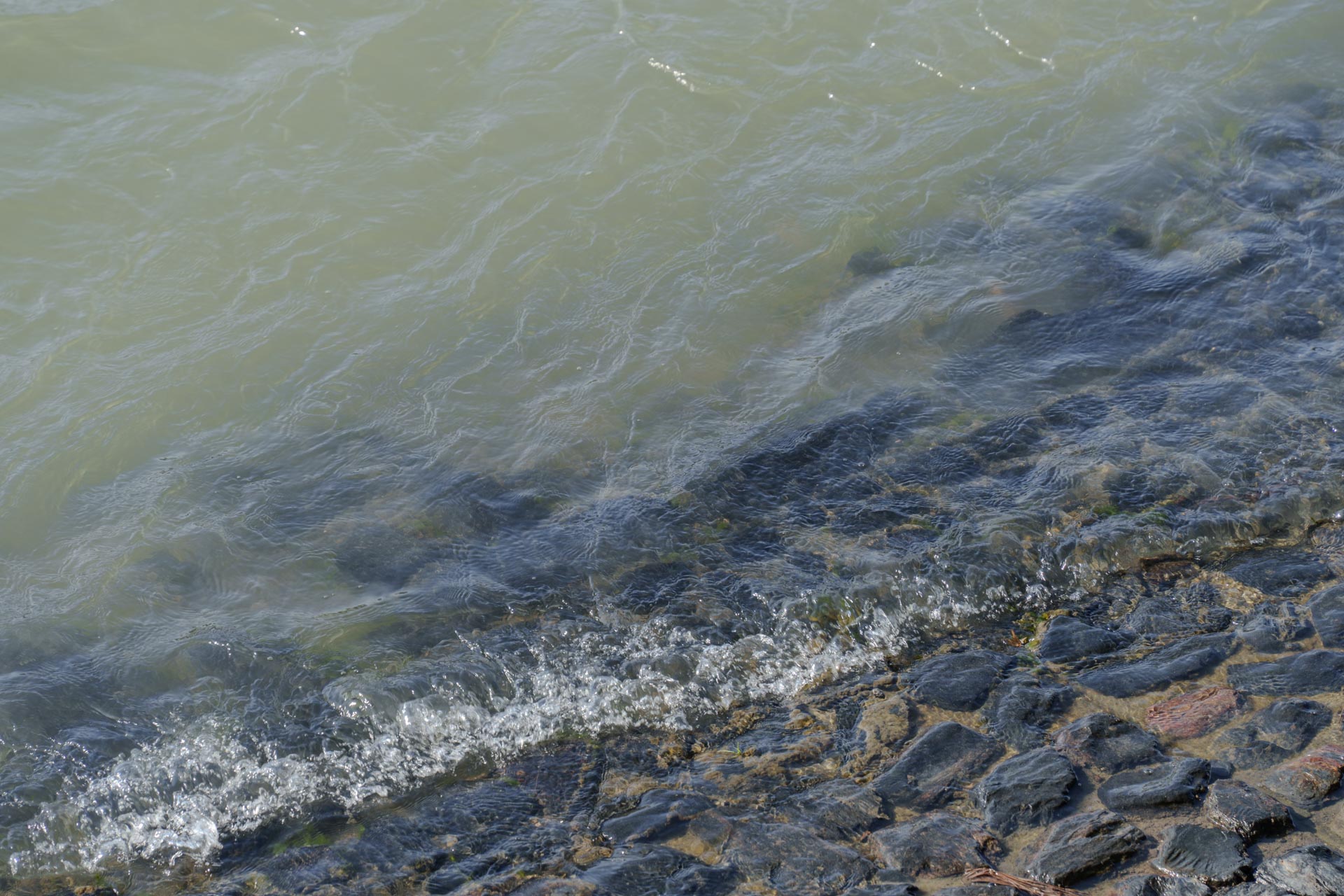
A wild bird was catching fish—so thrilling to watch! (A bit of a shame my photo came out blurry.)
Uji Kamisha Shrine
After leaving Ujigami Shrine, it was almost mealtime, so I suggested we go eat matcha ramen.
After finishing the ramen, I bought another matcha ice cream and ate it while walking (don’t follow my lead—this is probably considered a bit impolite here).
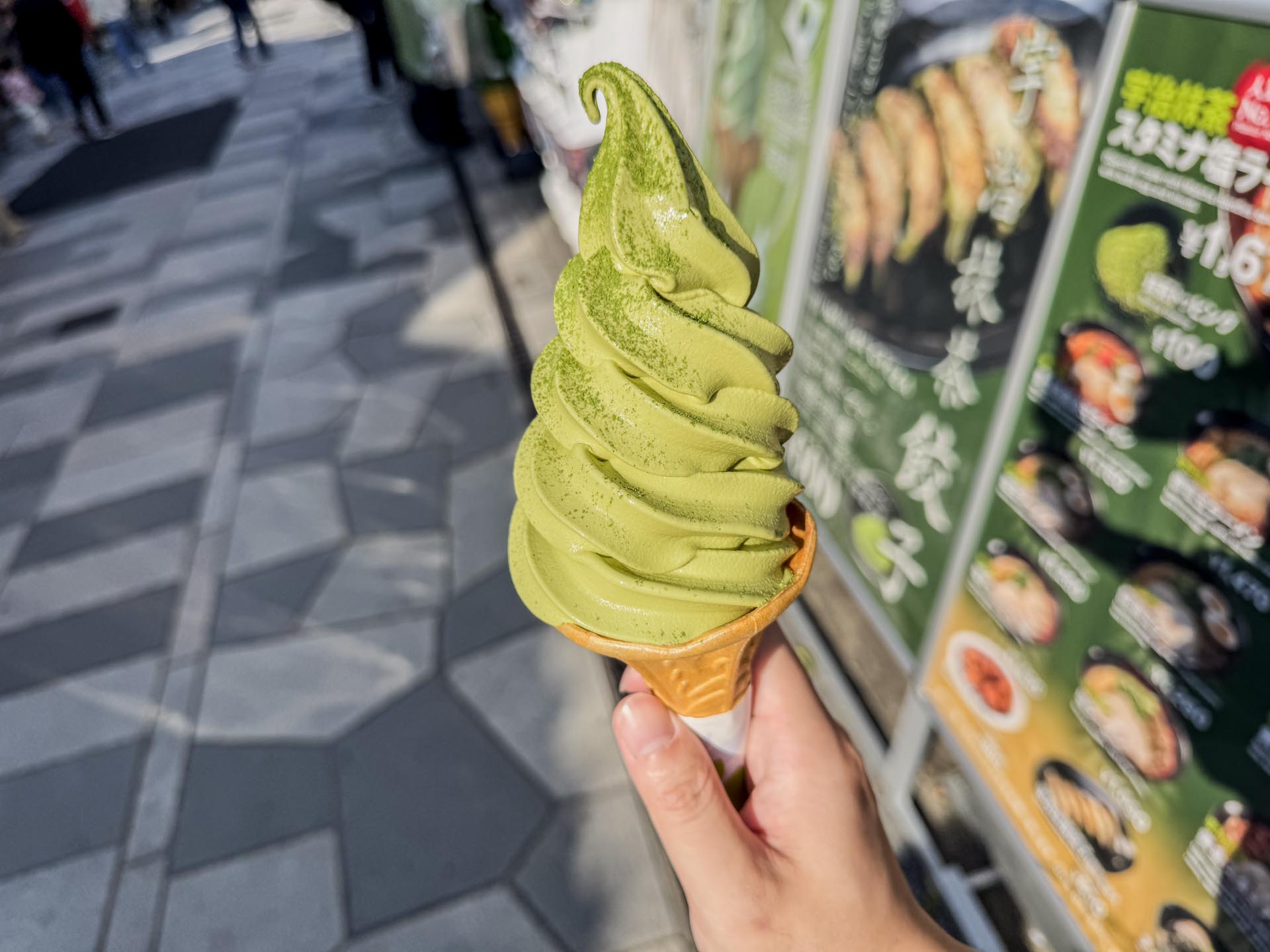
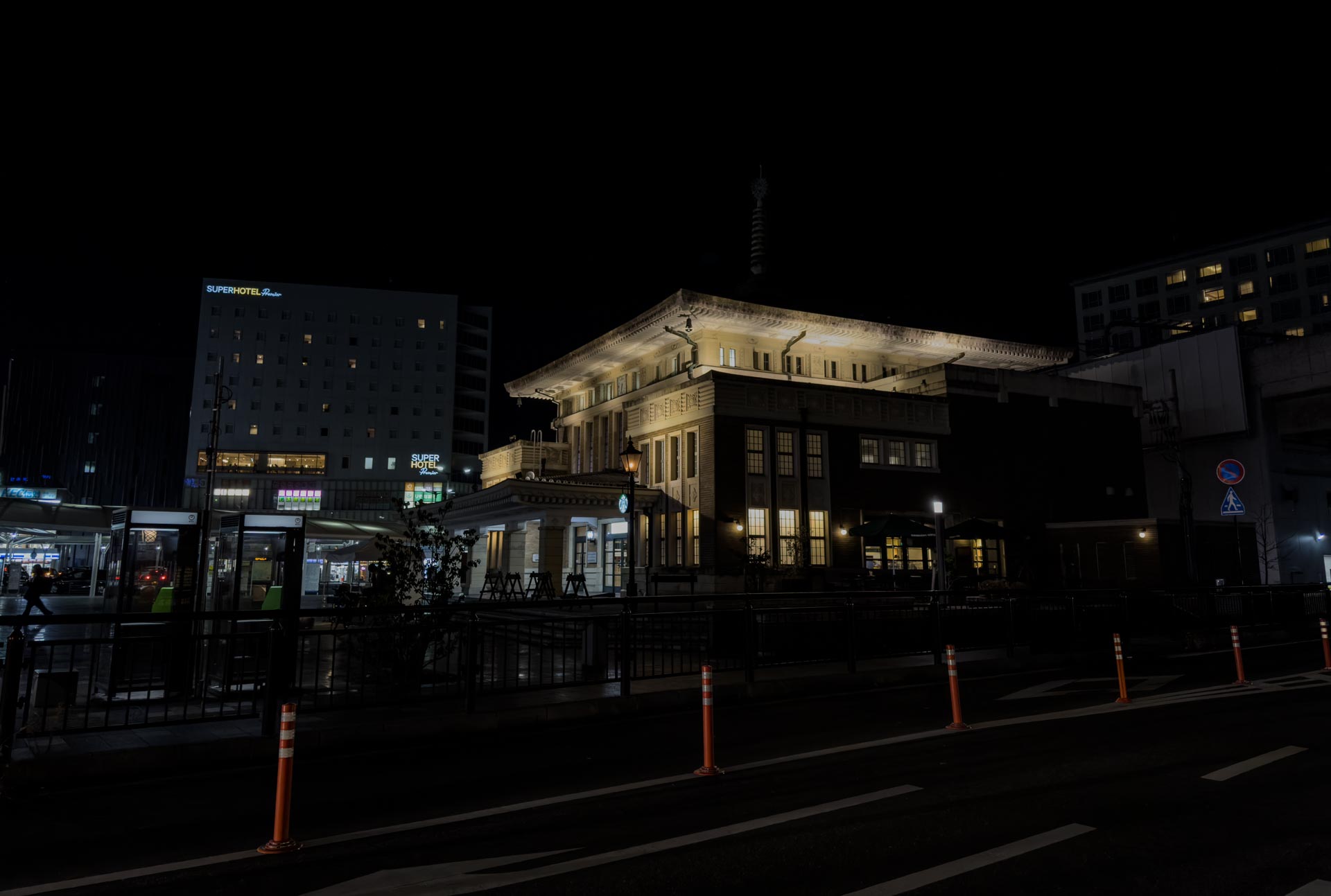
We then took the JR train to Nara. The hotel for tonight is located right next to the Nara JR station, which is super convenient. The facilities are quite new, and they provide POLA toiletries, which are pretty nice to use. The only downside is that the bathroom is located on the balcony (which means the room itself doesn’t have a traditional window sill).
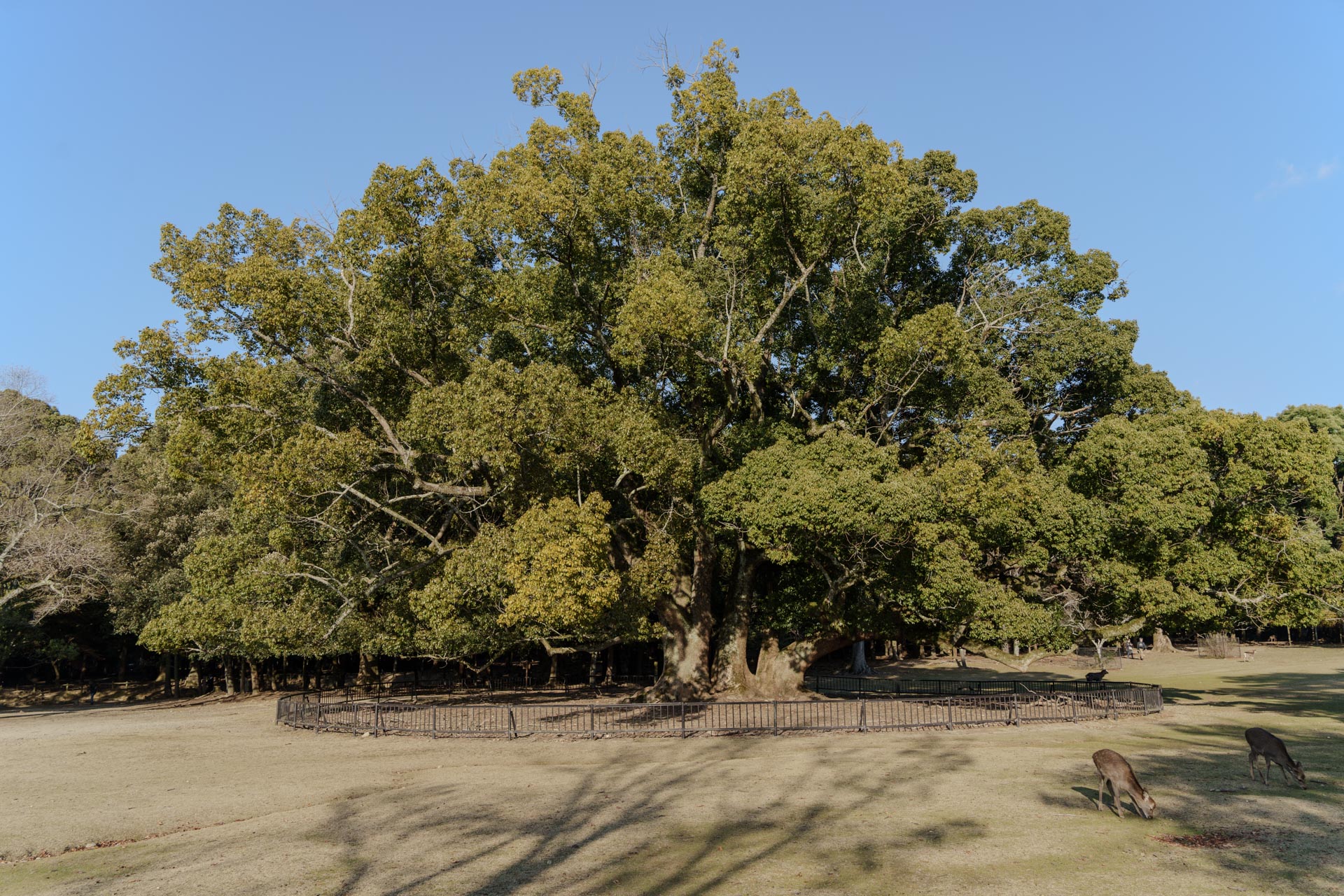
After dropping off our luggage, we took a bus to Nara Park.
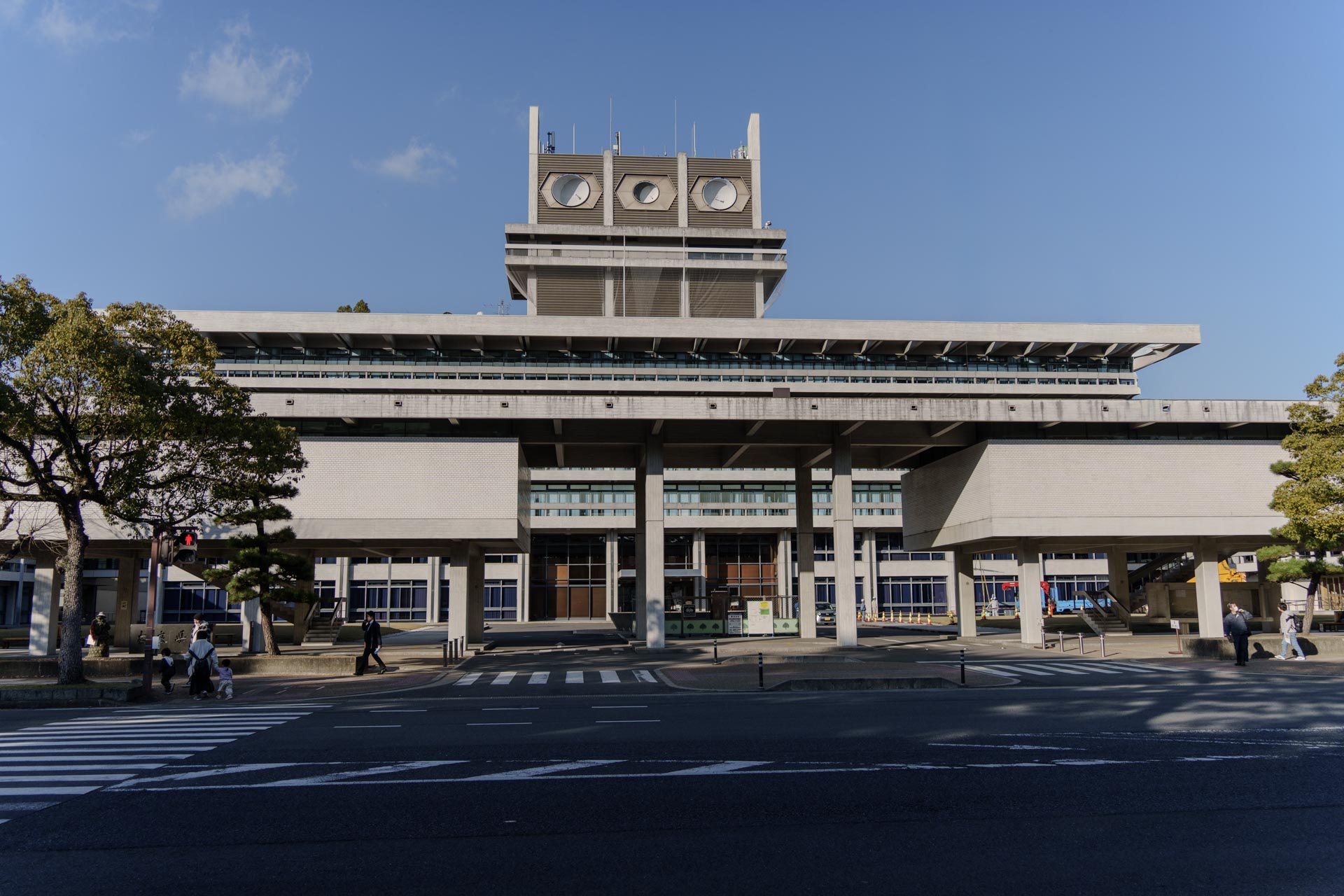 Nara Prefectural Government Building
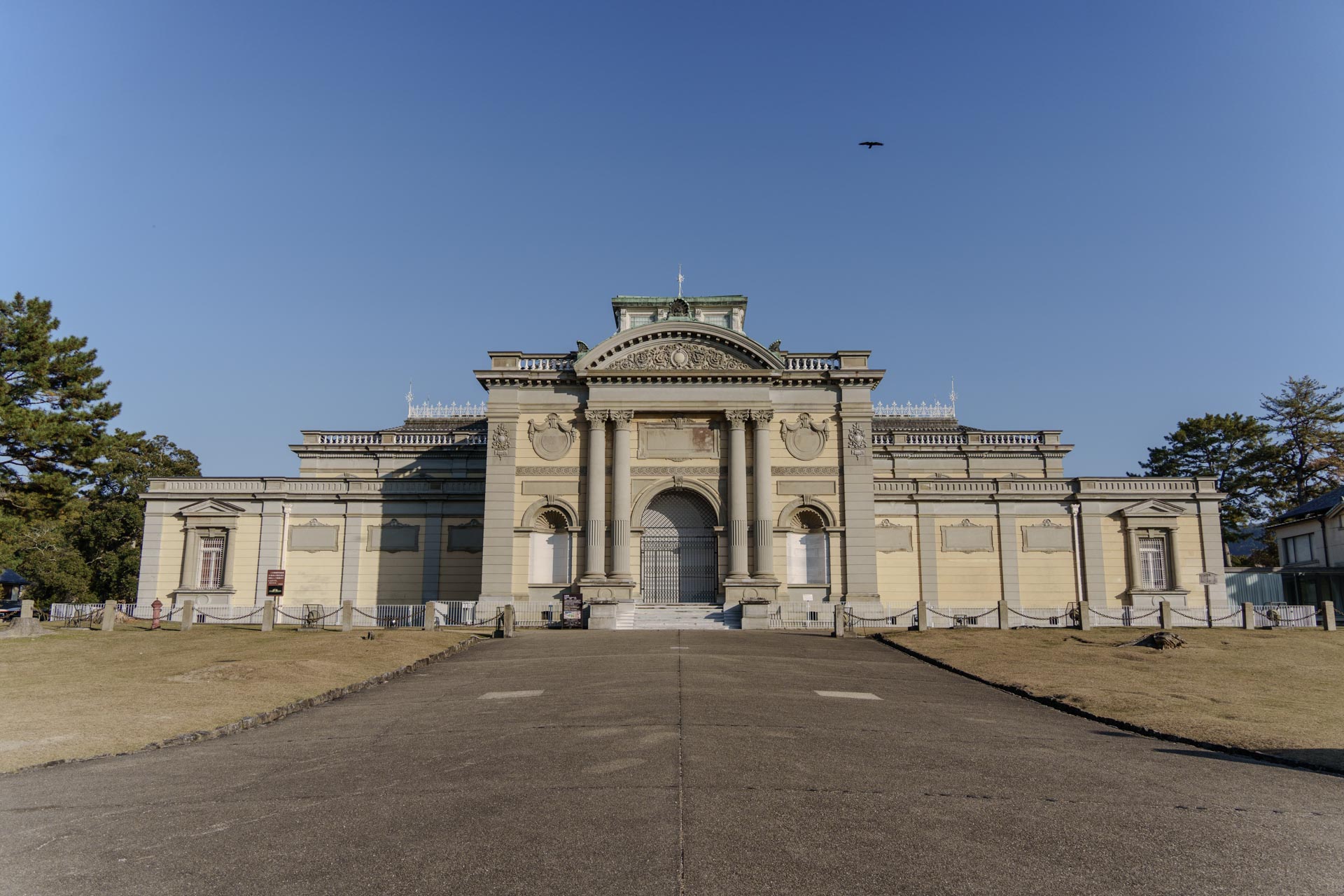 Nara Prefectural Museum of Art
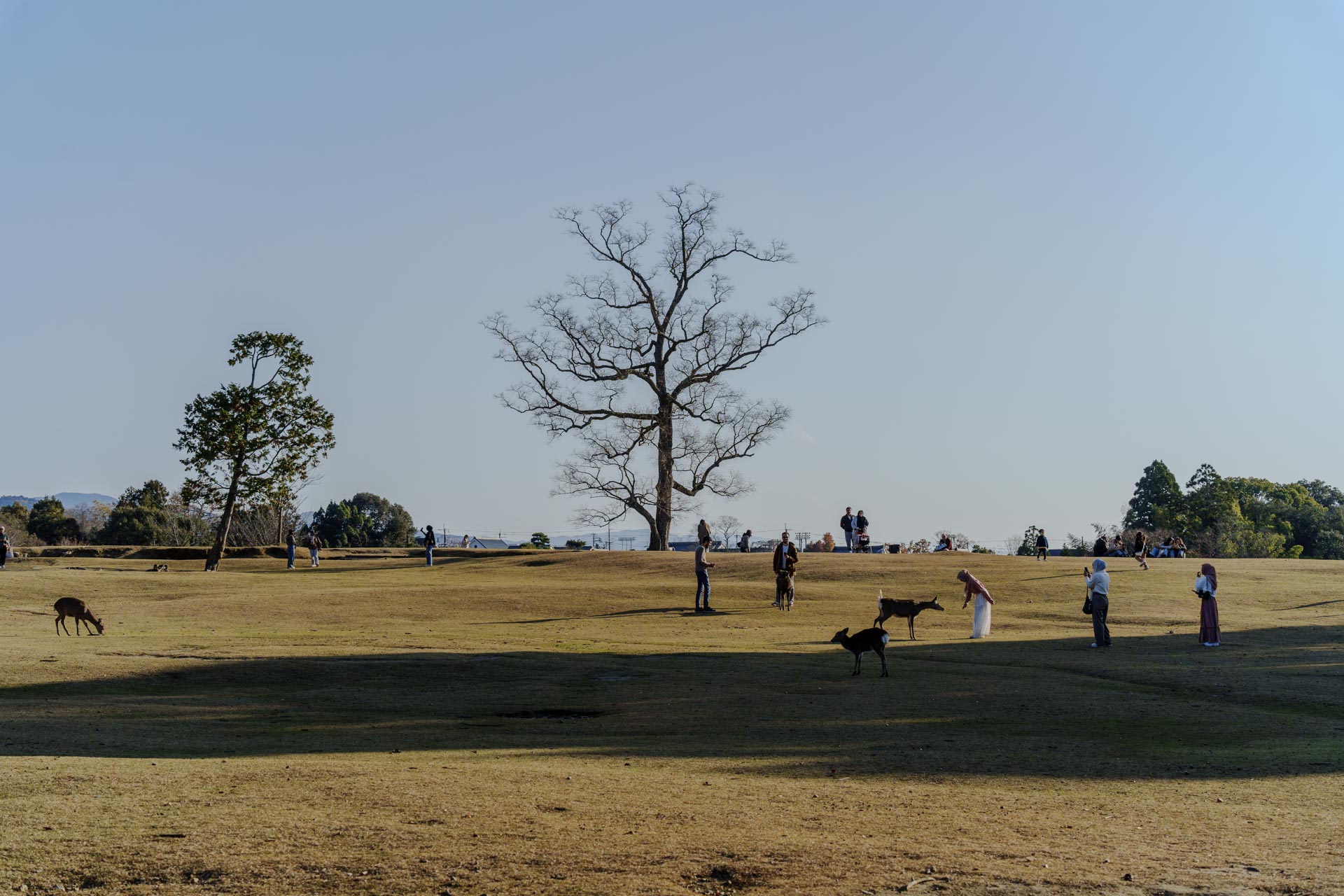
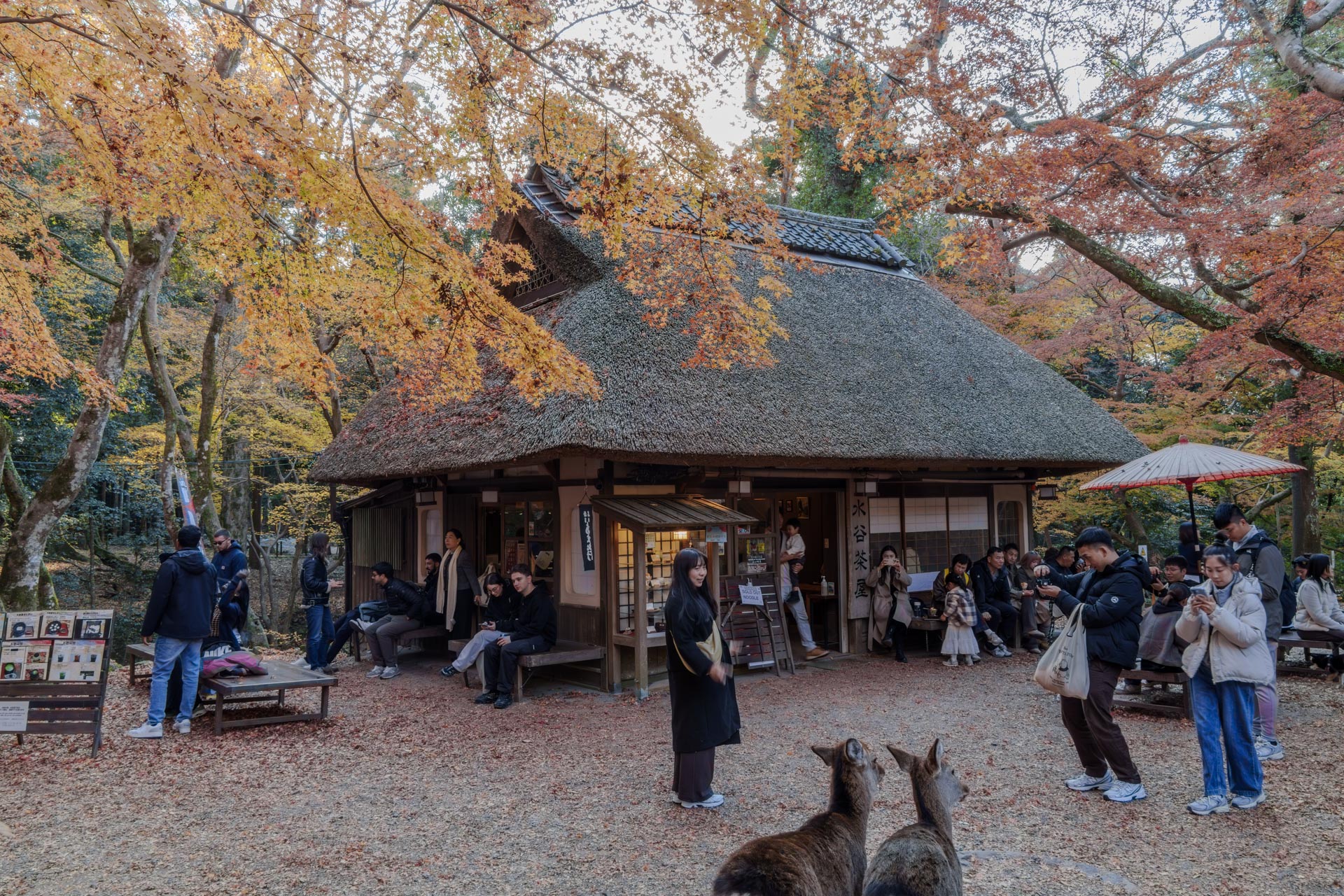 Mizutani-chaya Tea House
We walked to Mount Wakakusa, where the entrance fee was 150 yen.
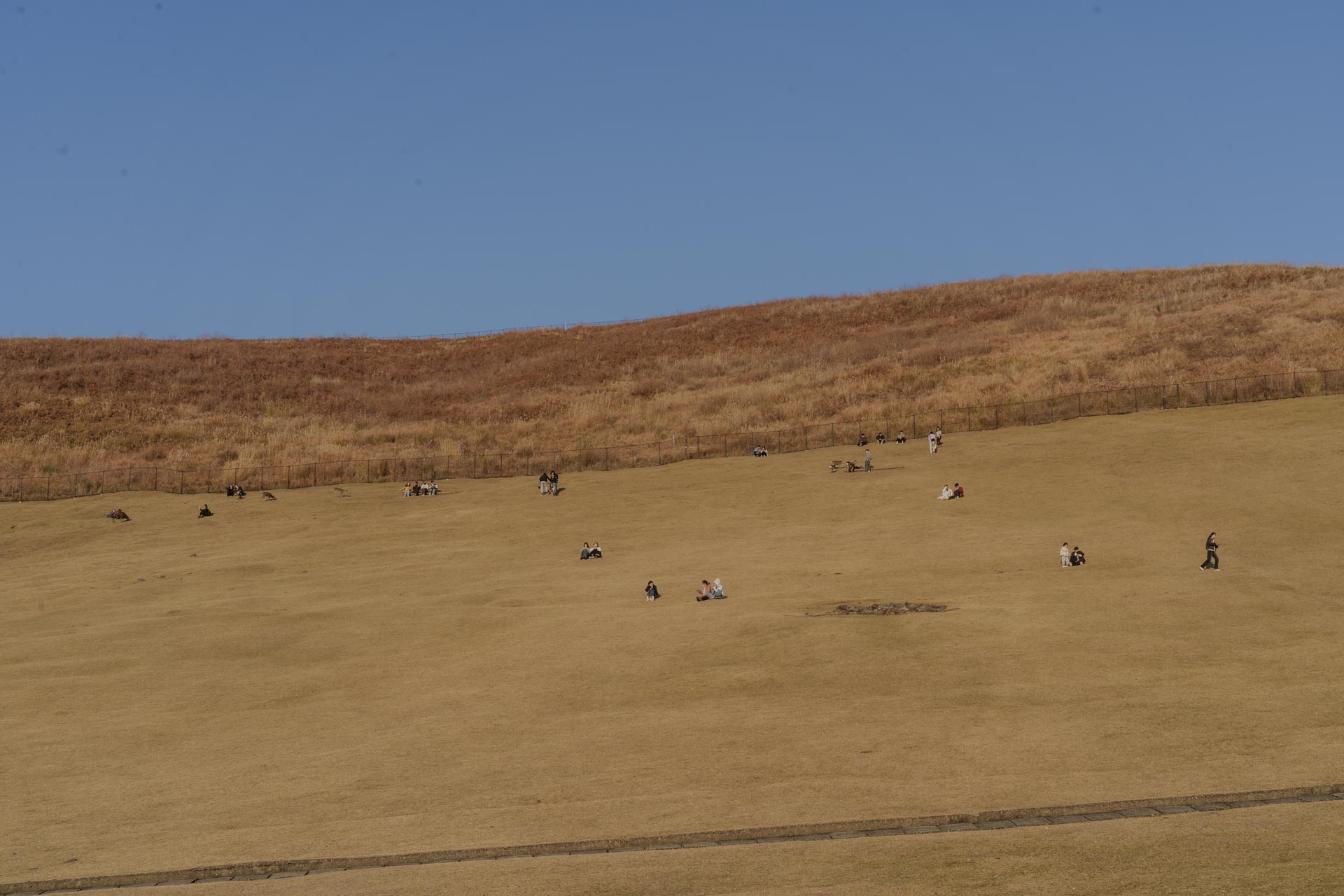
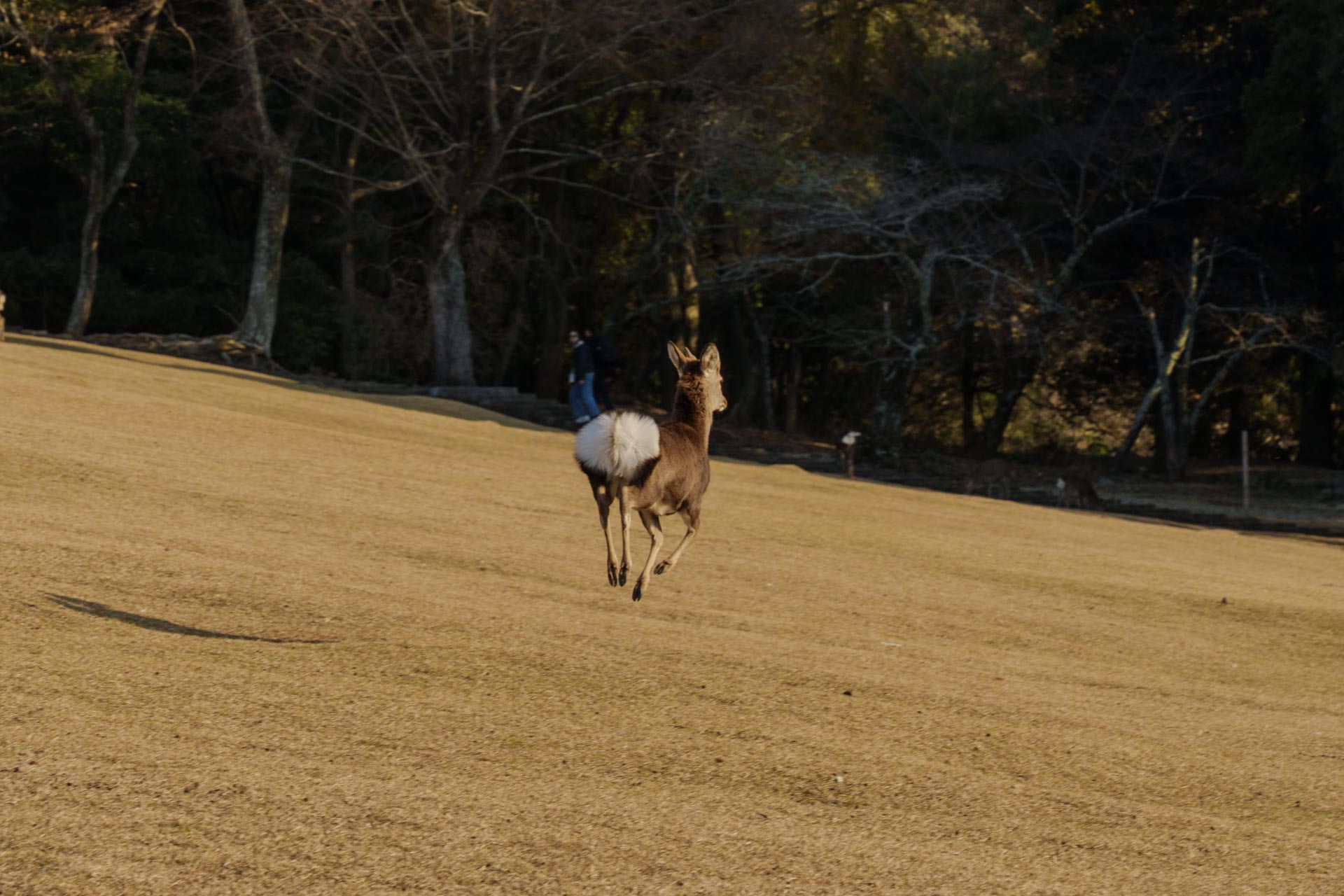
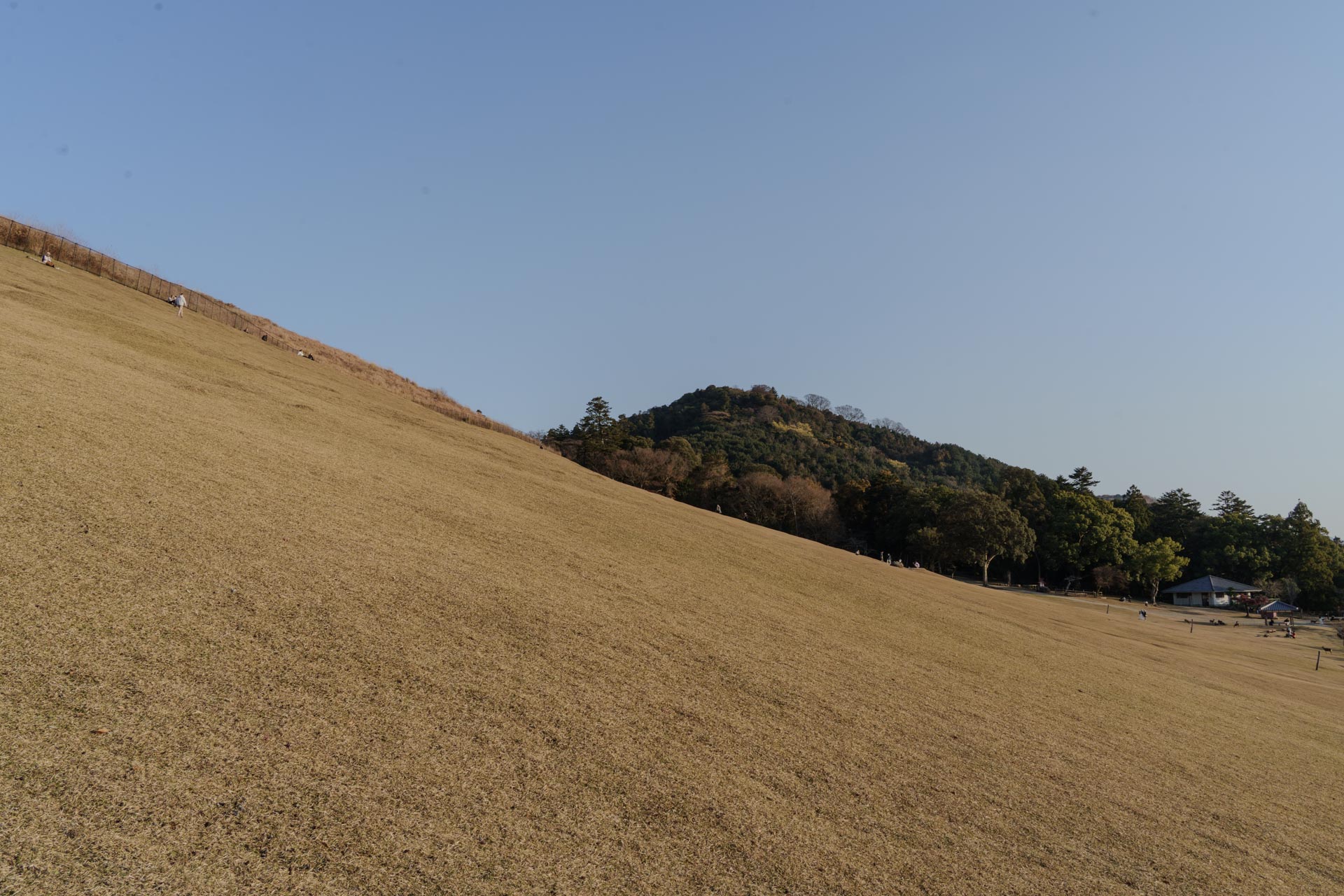
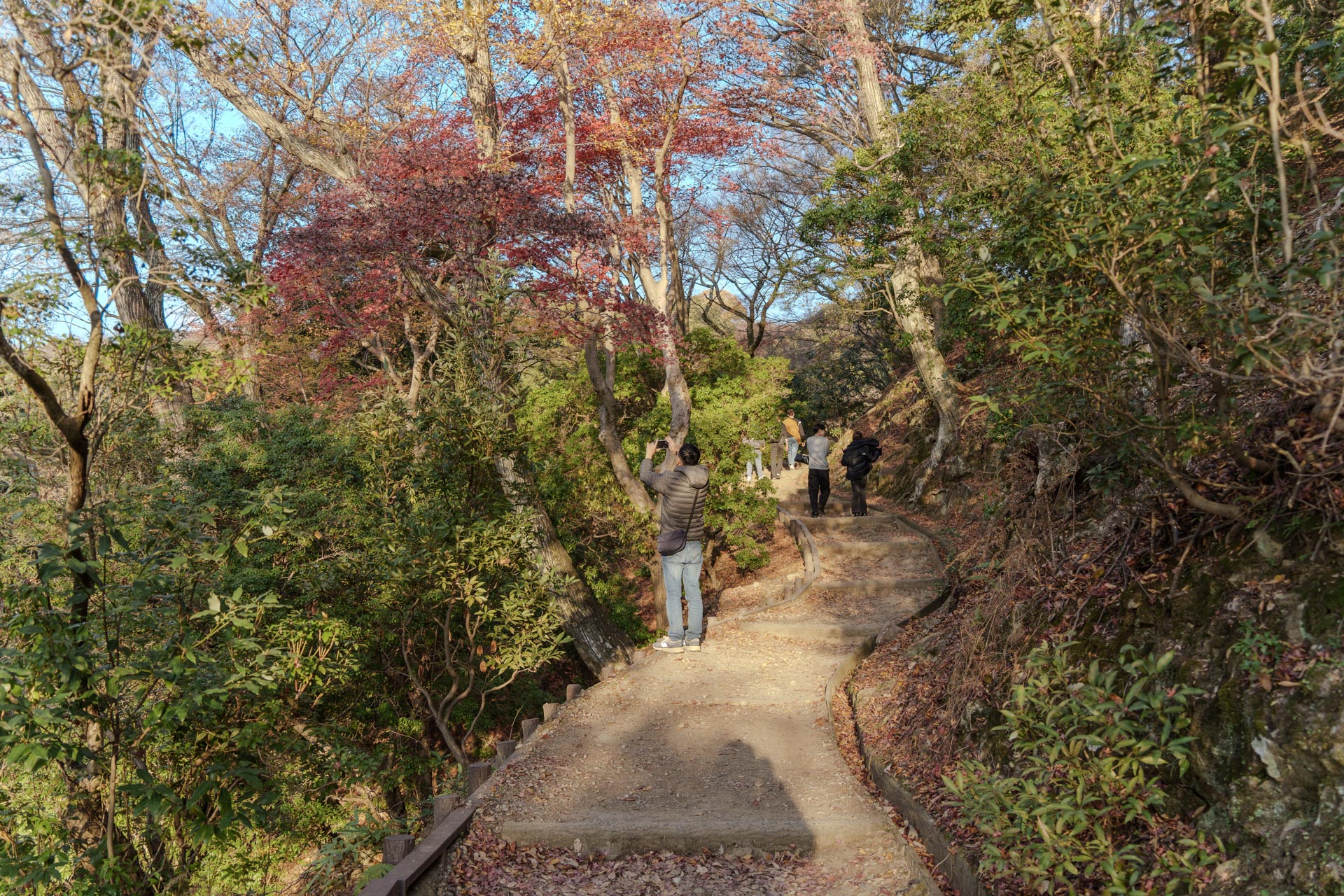
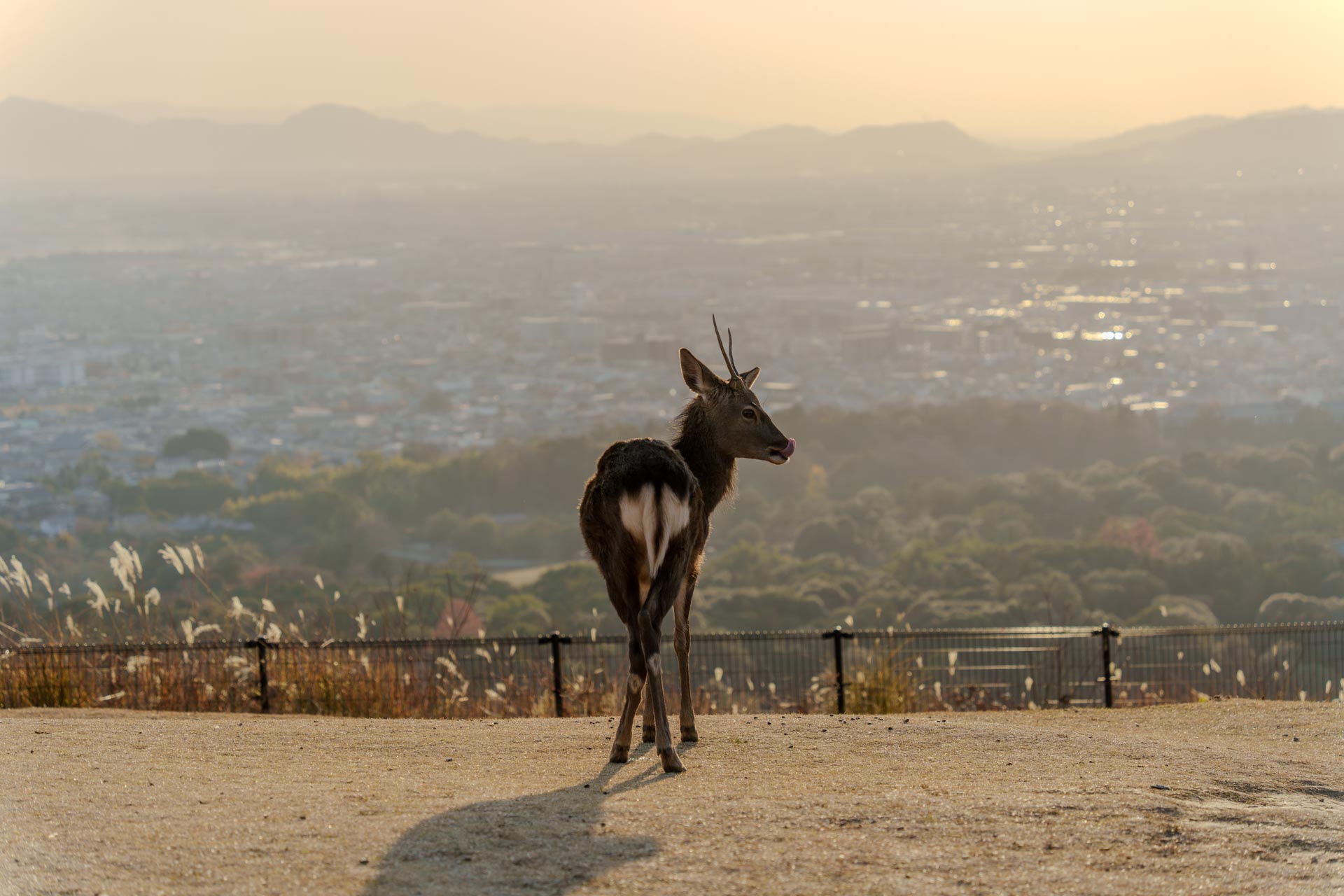
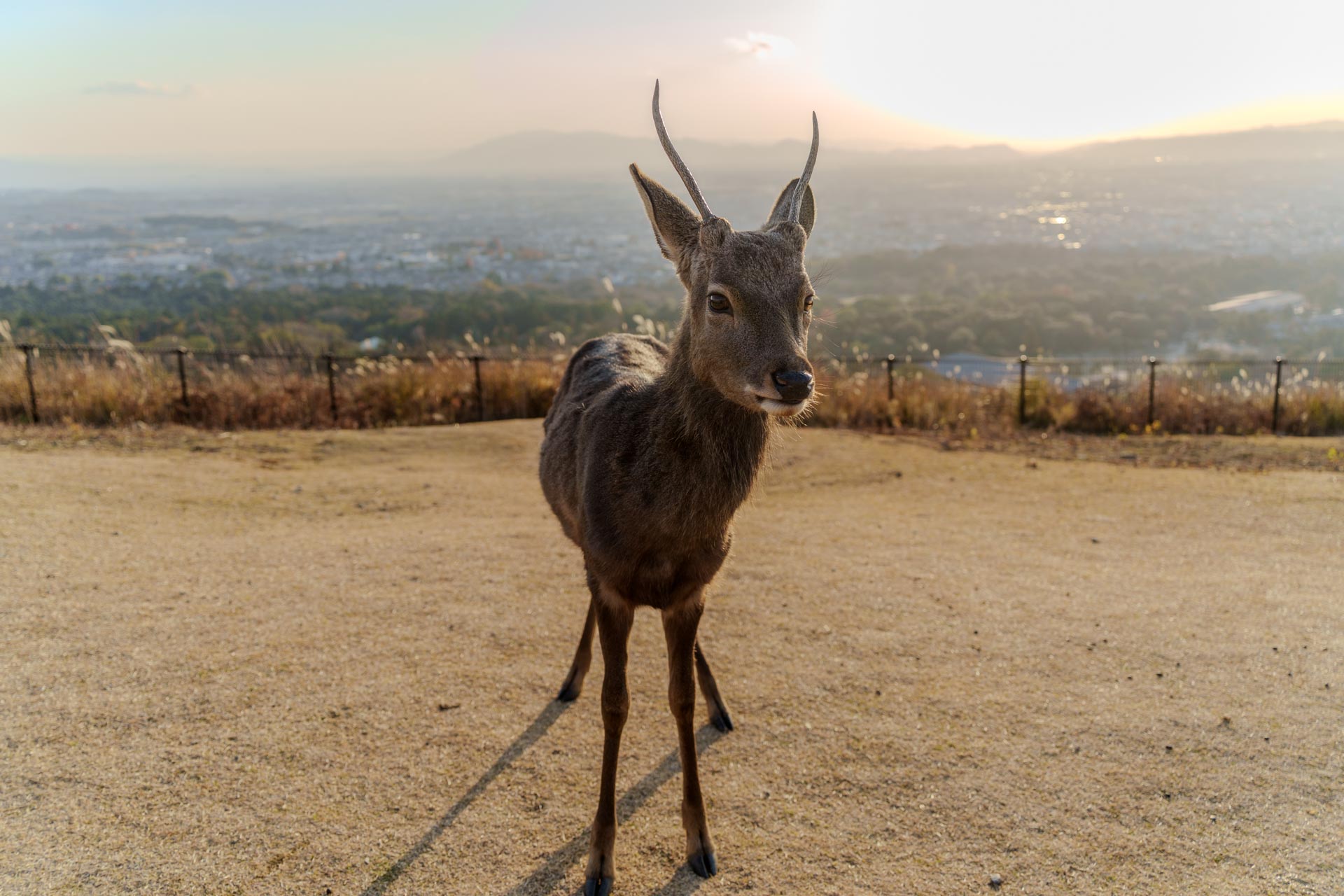
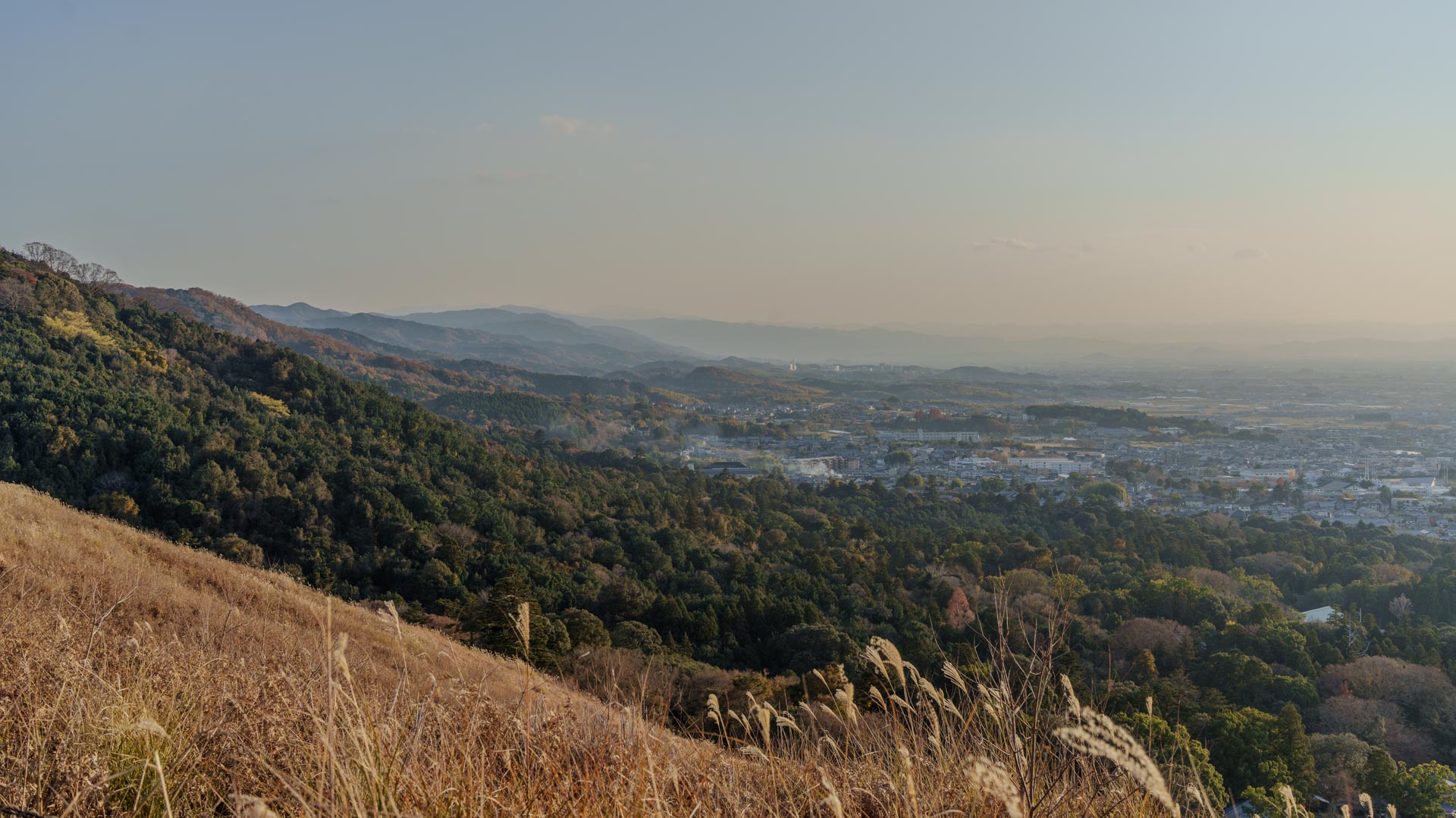
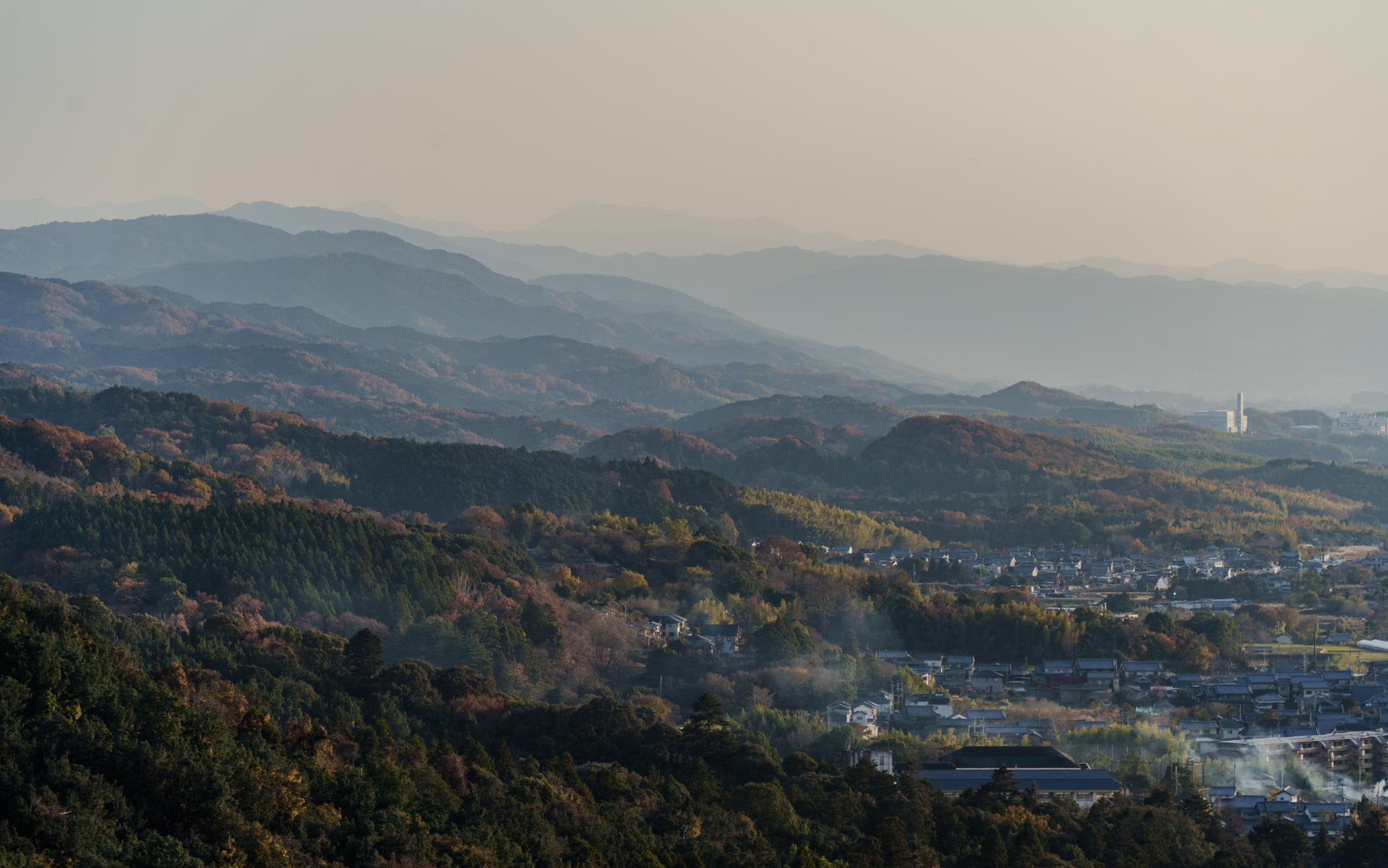
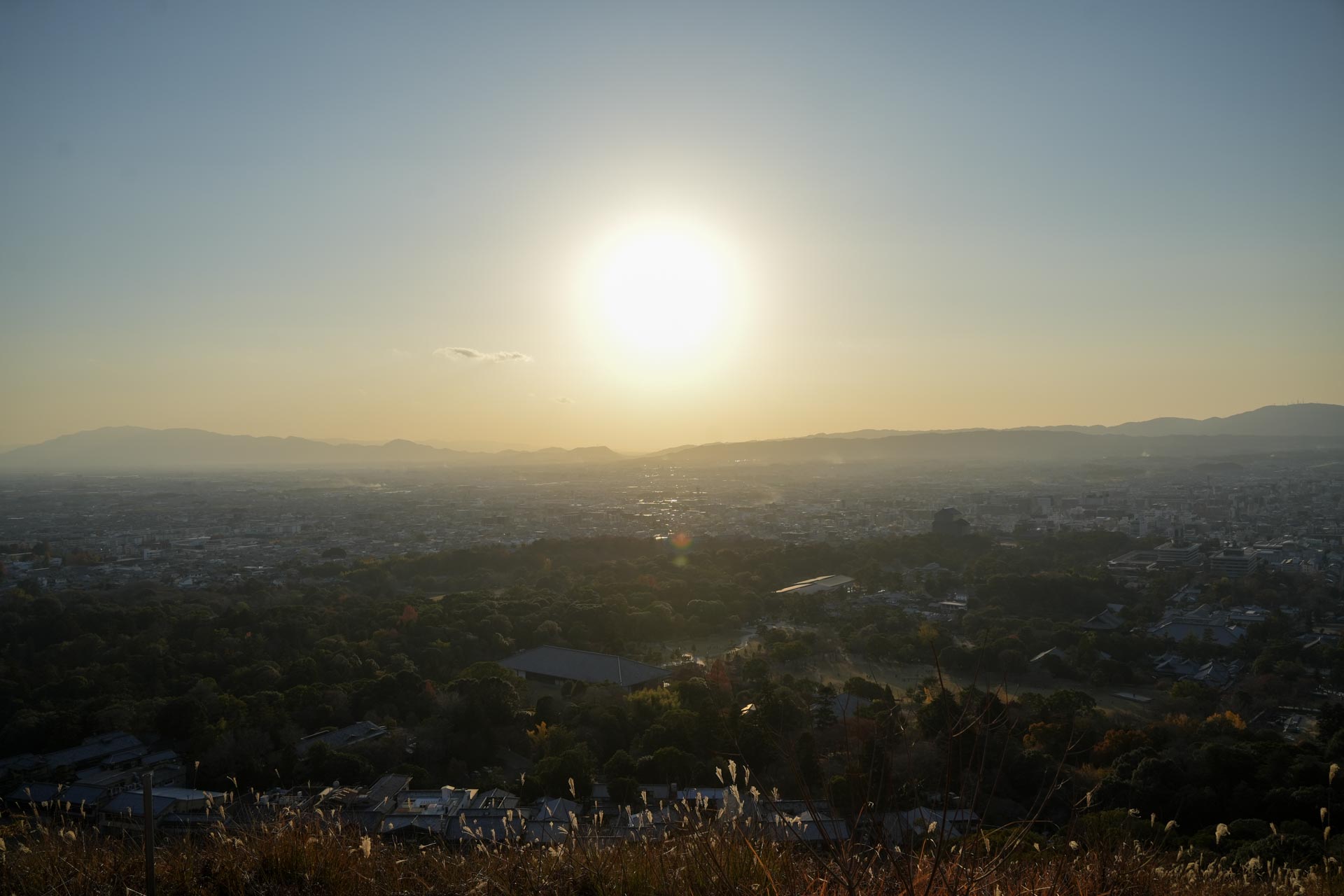
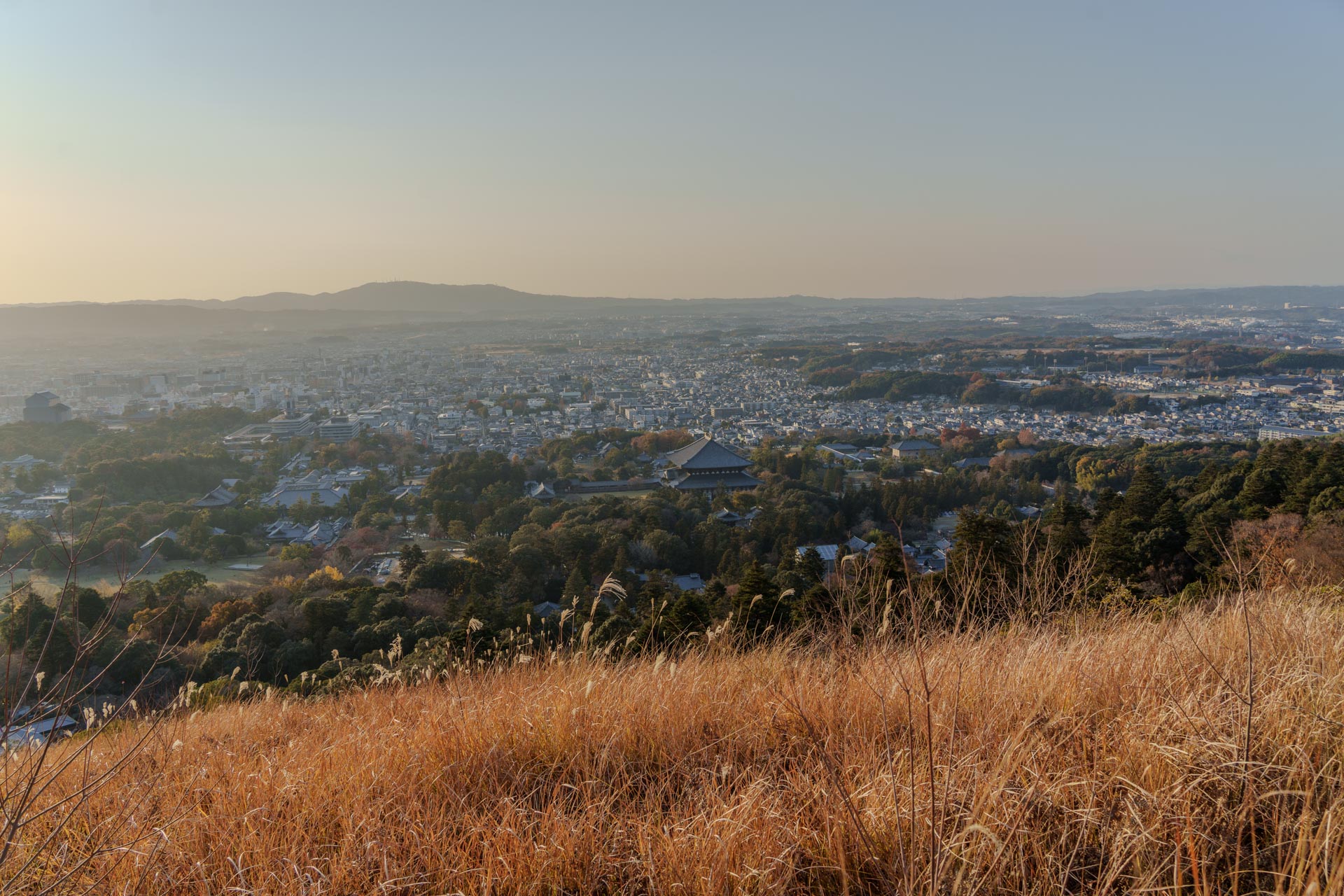
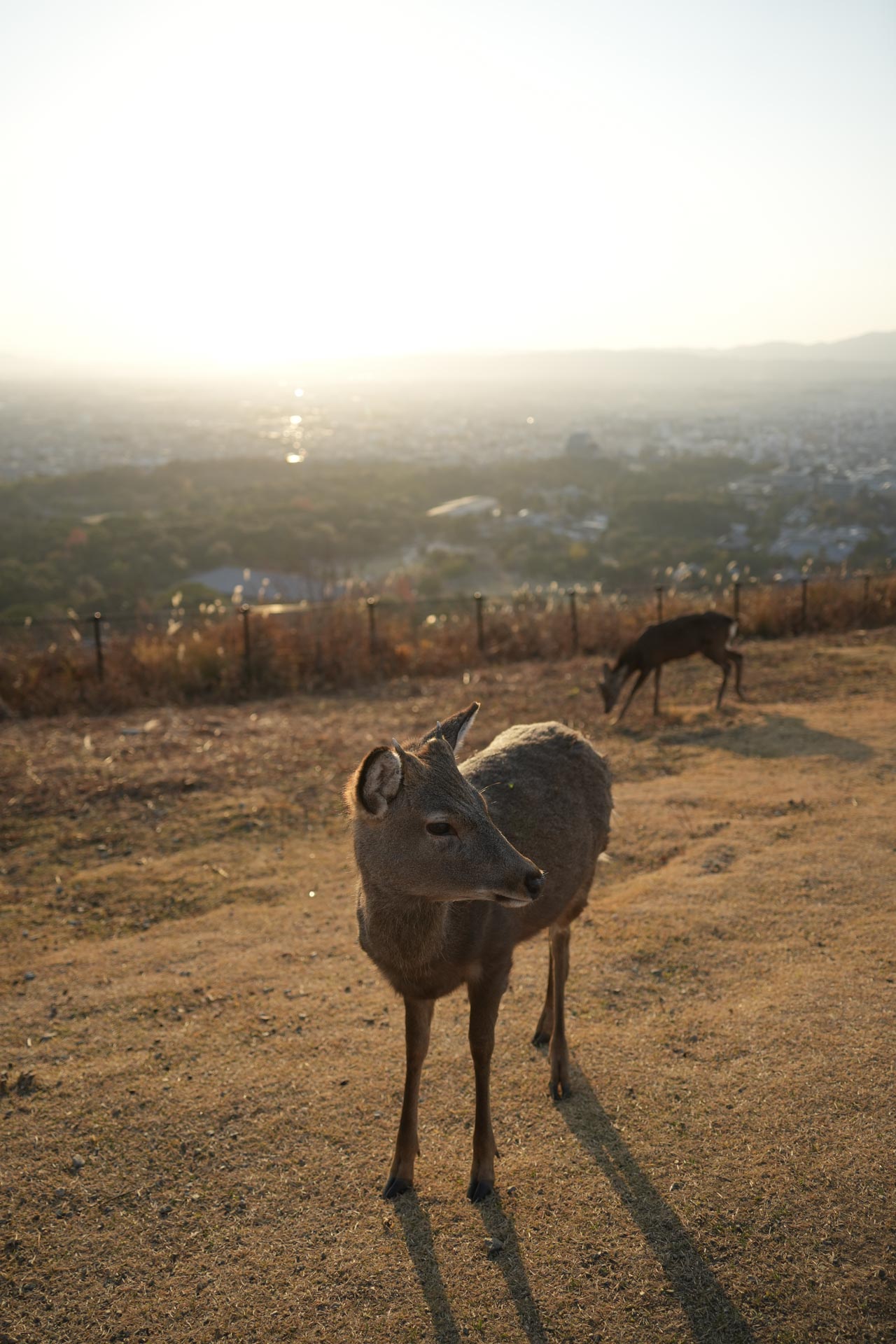
After entering, we took the path on the far left up to the first peak (Ichigome) of Mount Wakakusa, where the view became much more open and expansive.
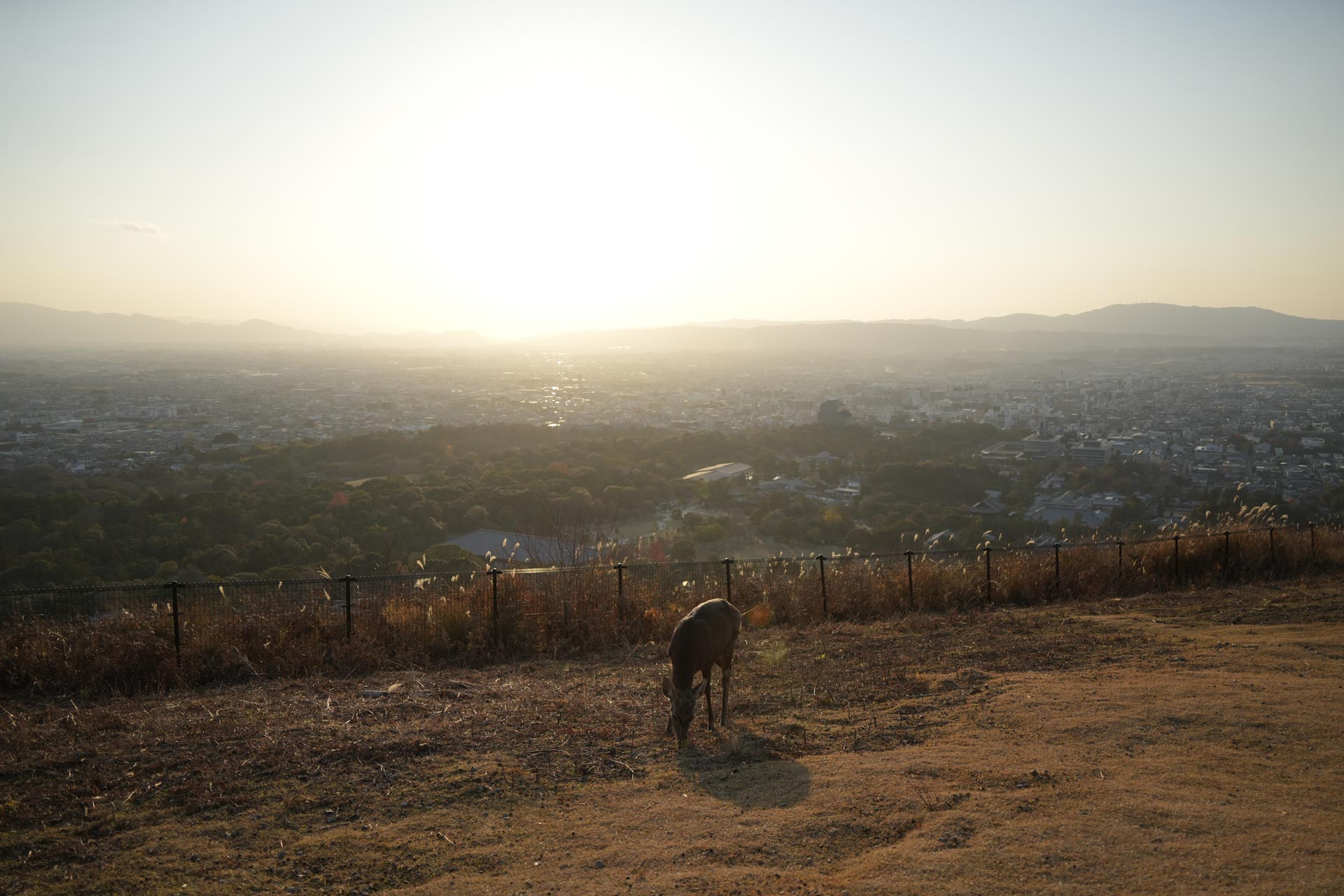
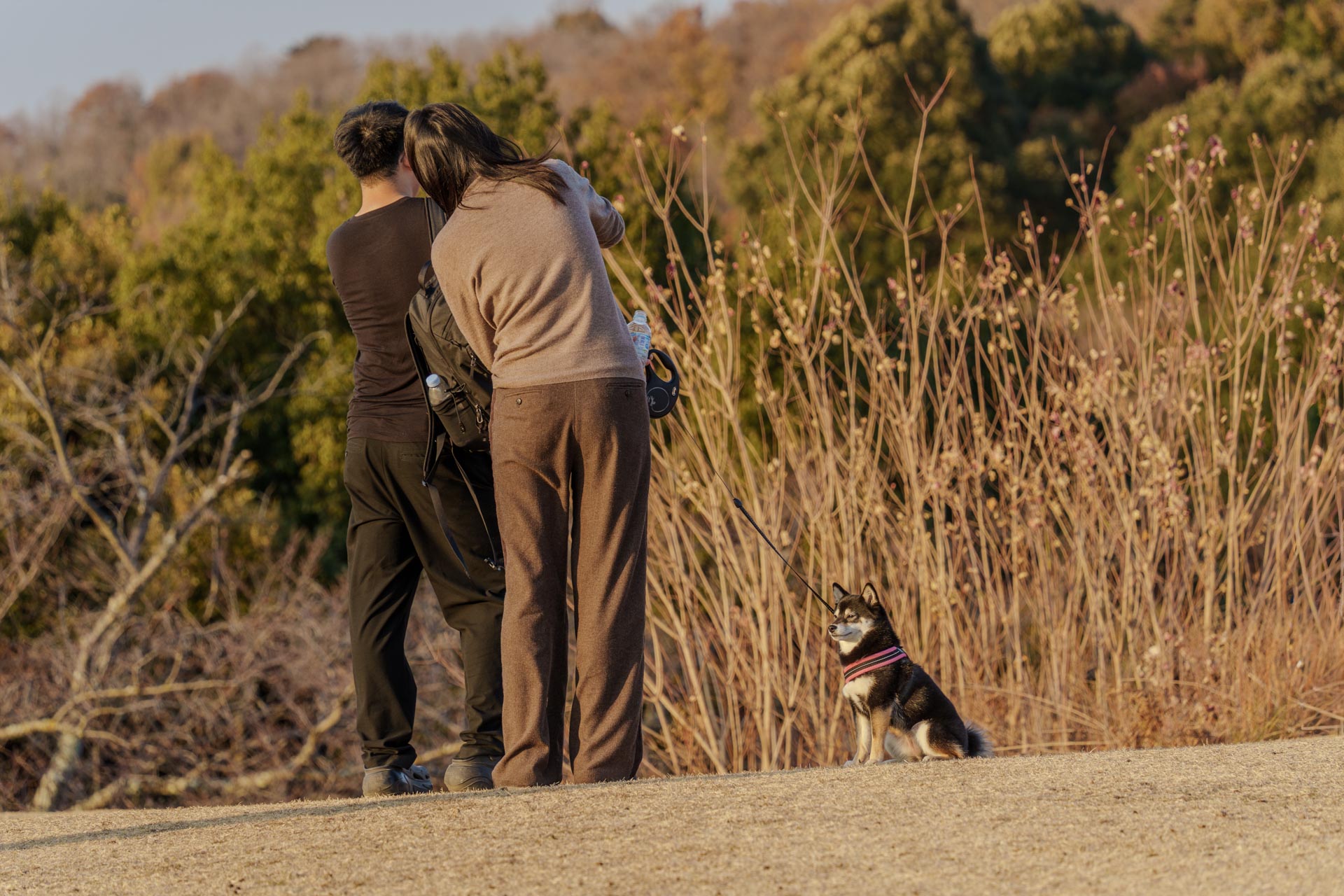 全世界最乖的小狗
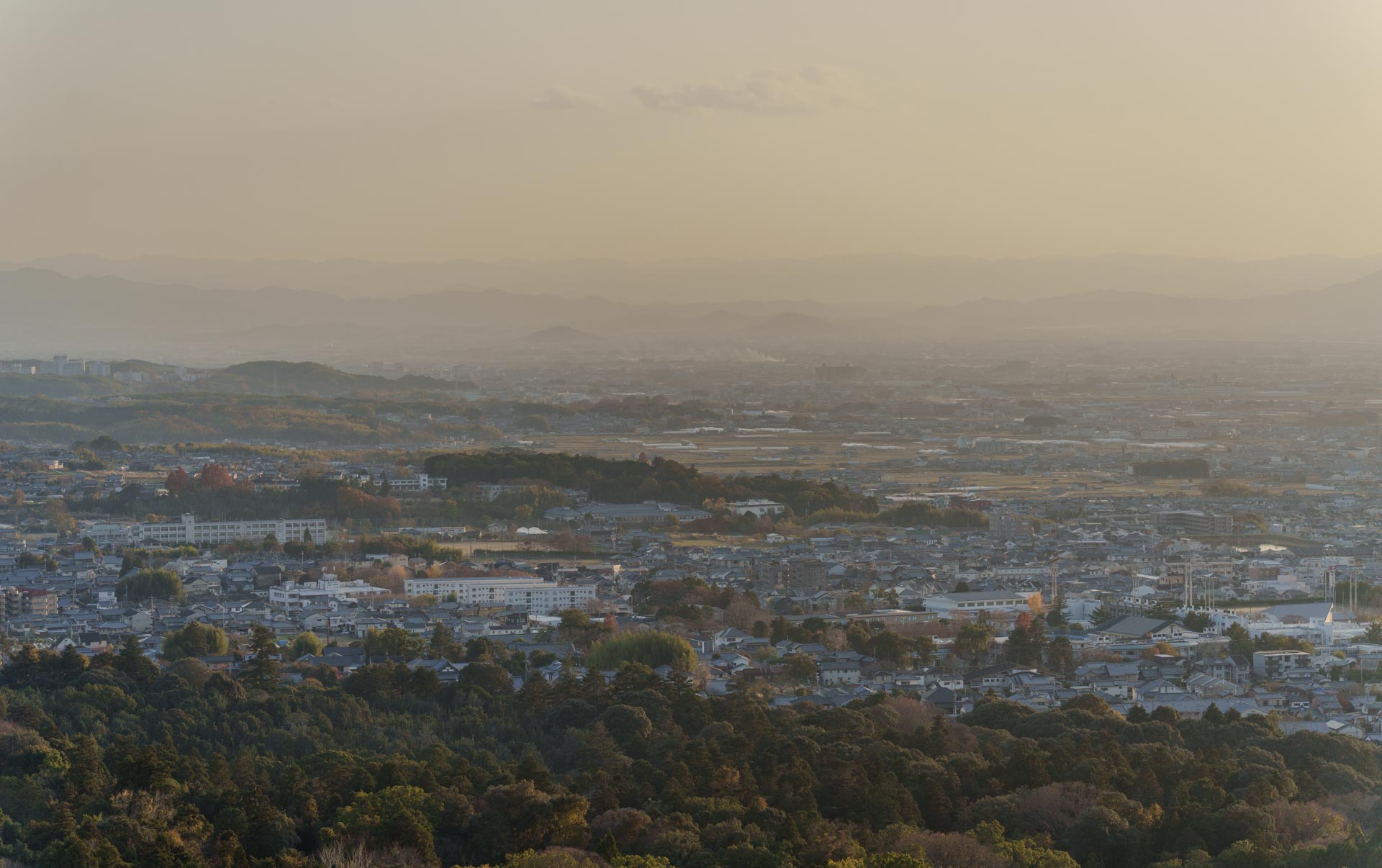
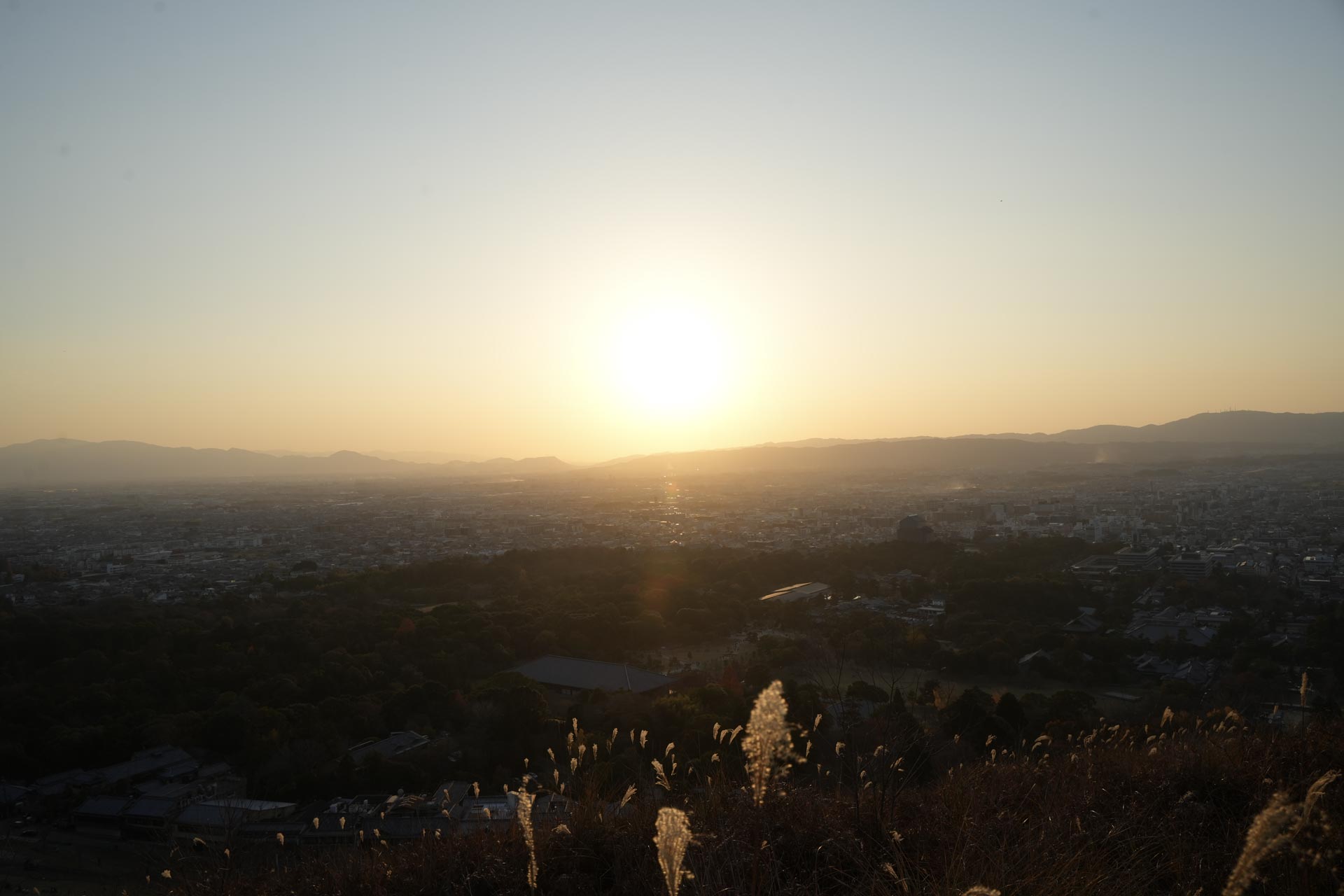
We headed down to the large lawn at the base about 20 minutes before sunset.
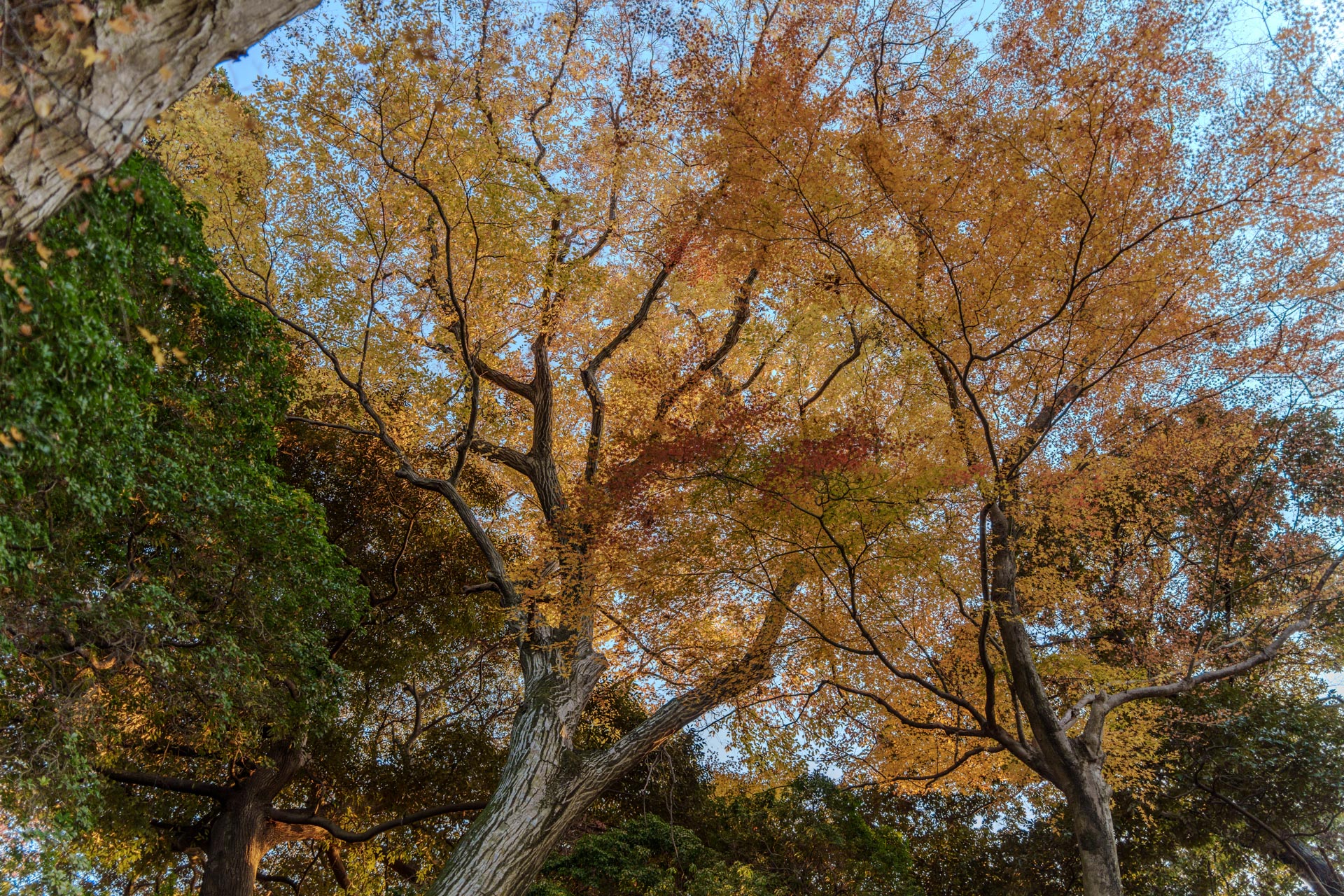
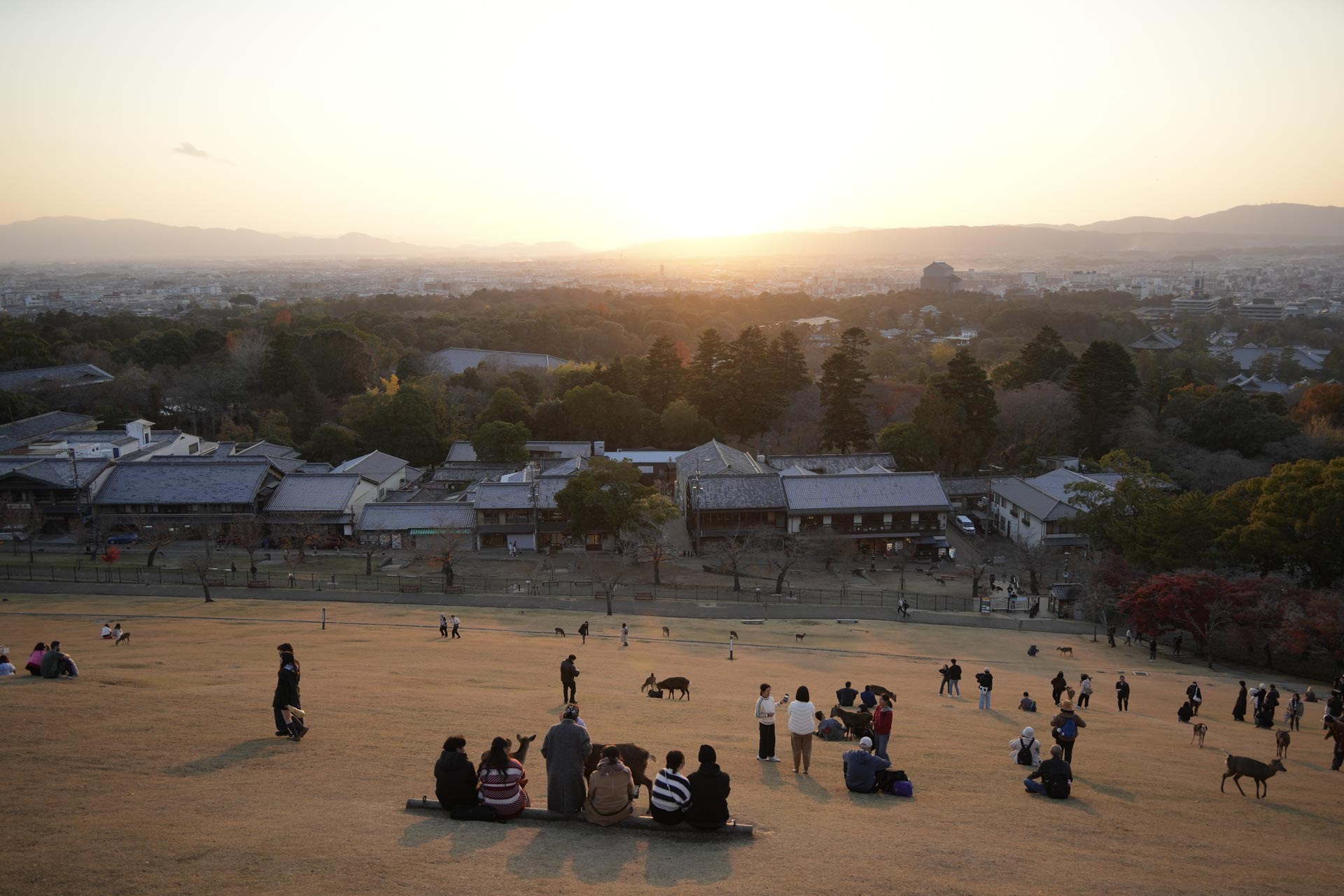
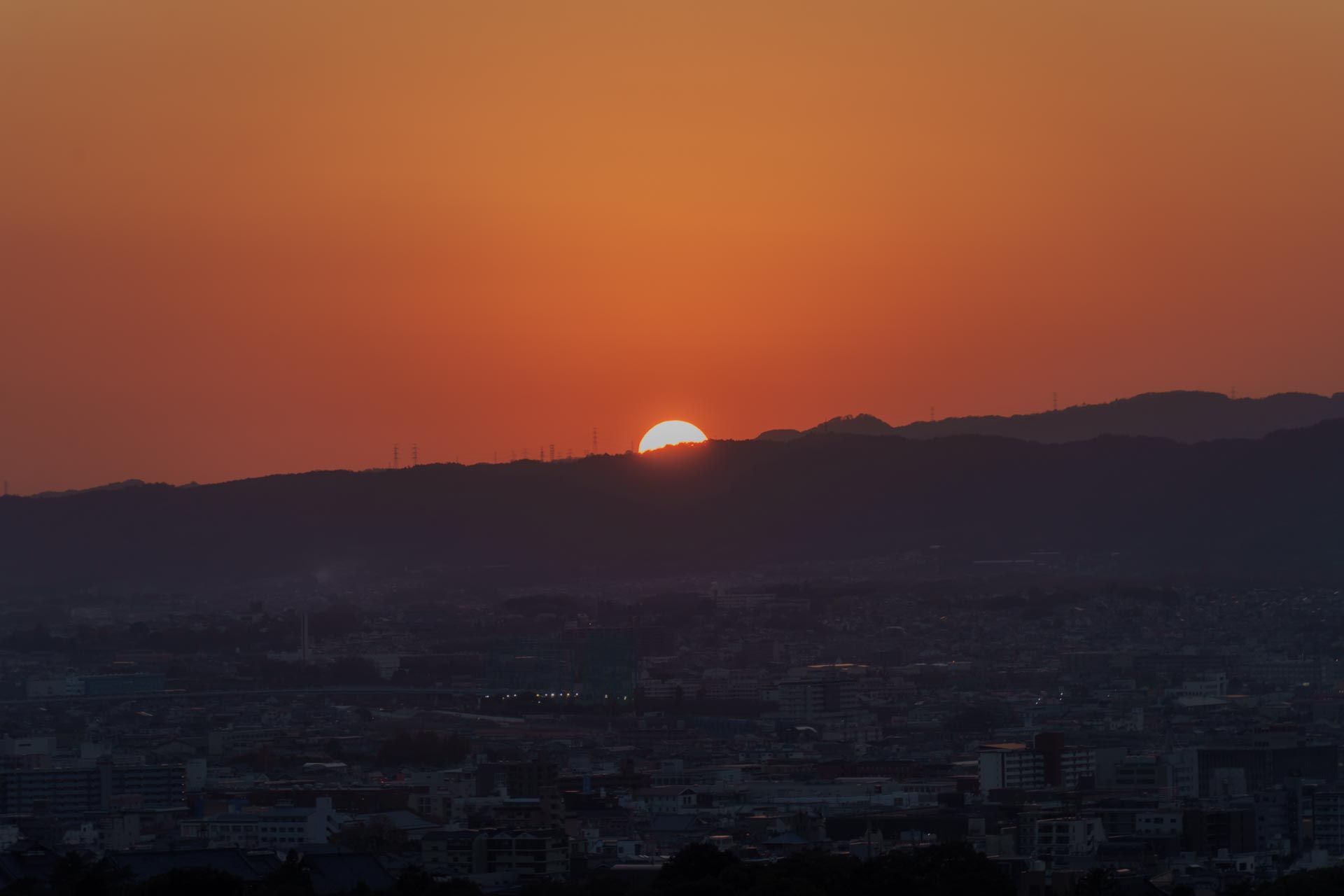
After the sun set, we grabbed some dinner and headed back to the hotel.
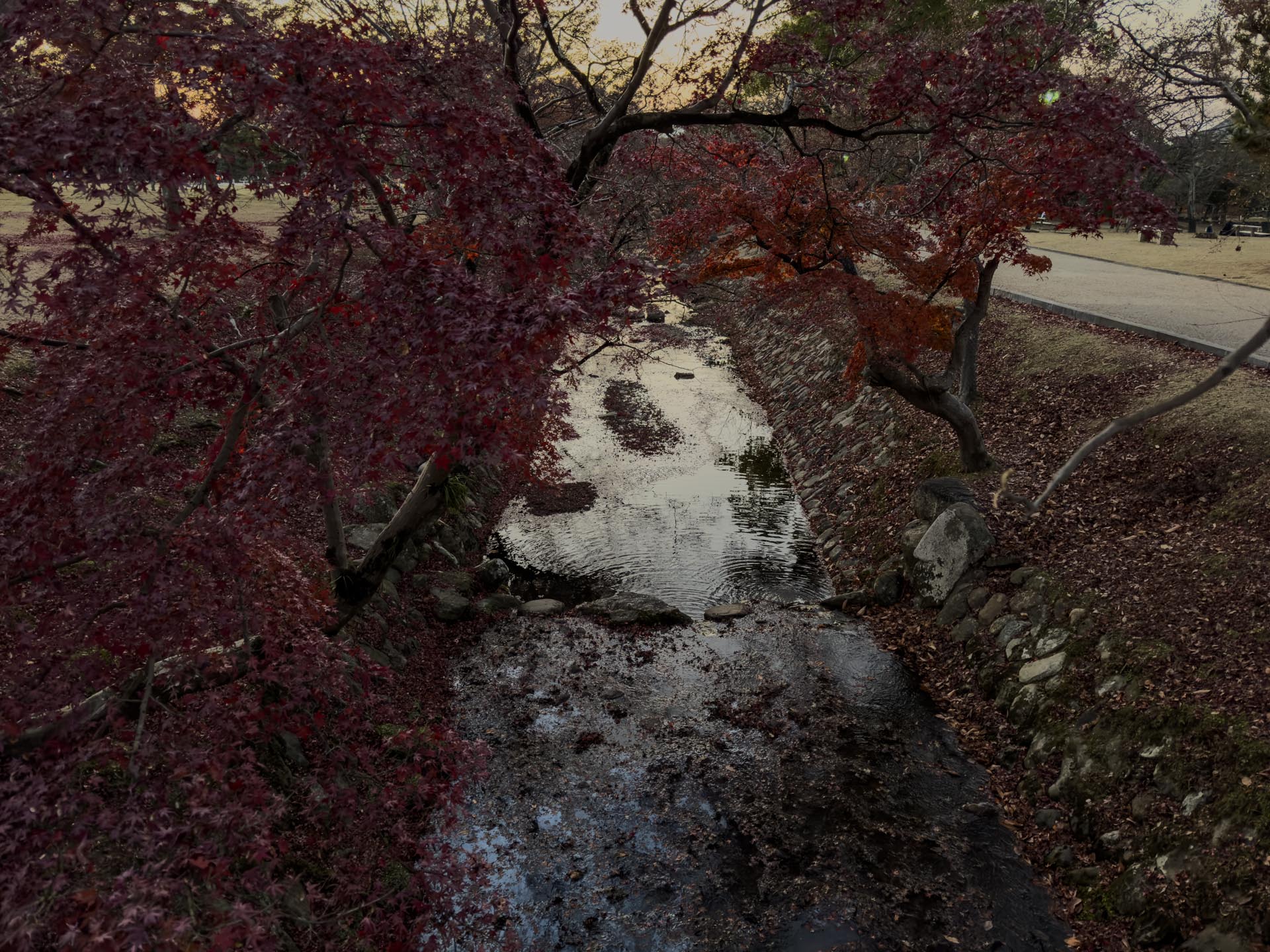
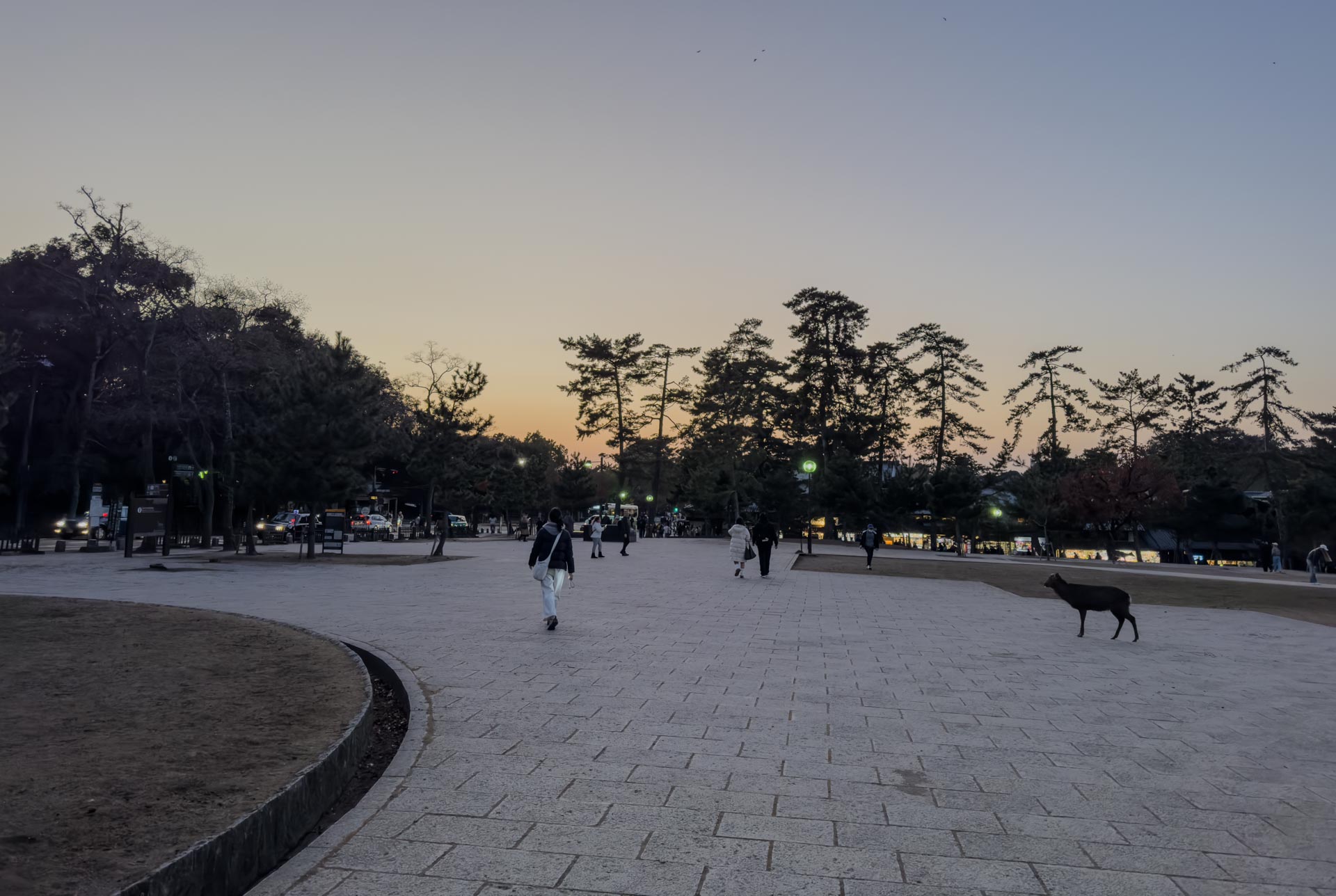
We ate at Matsunoya for dinner tonight.
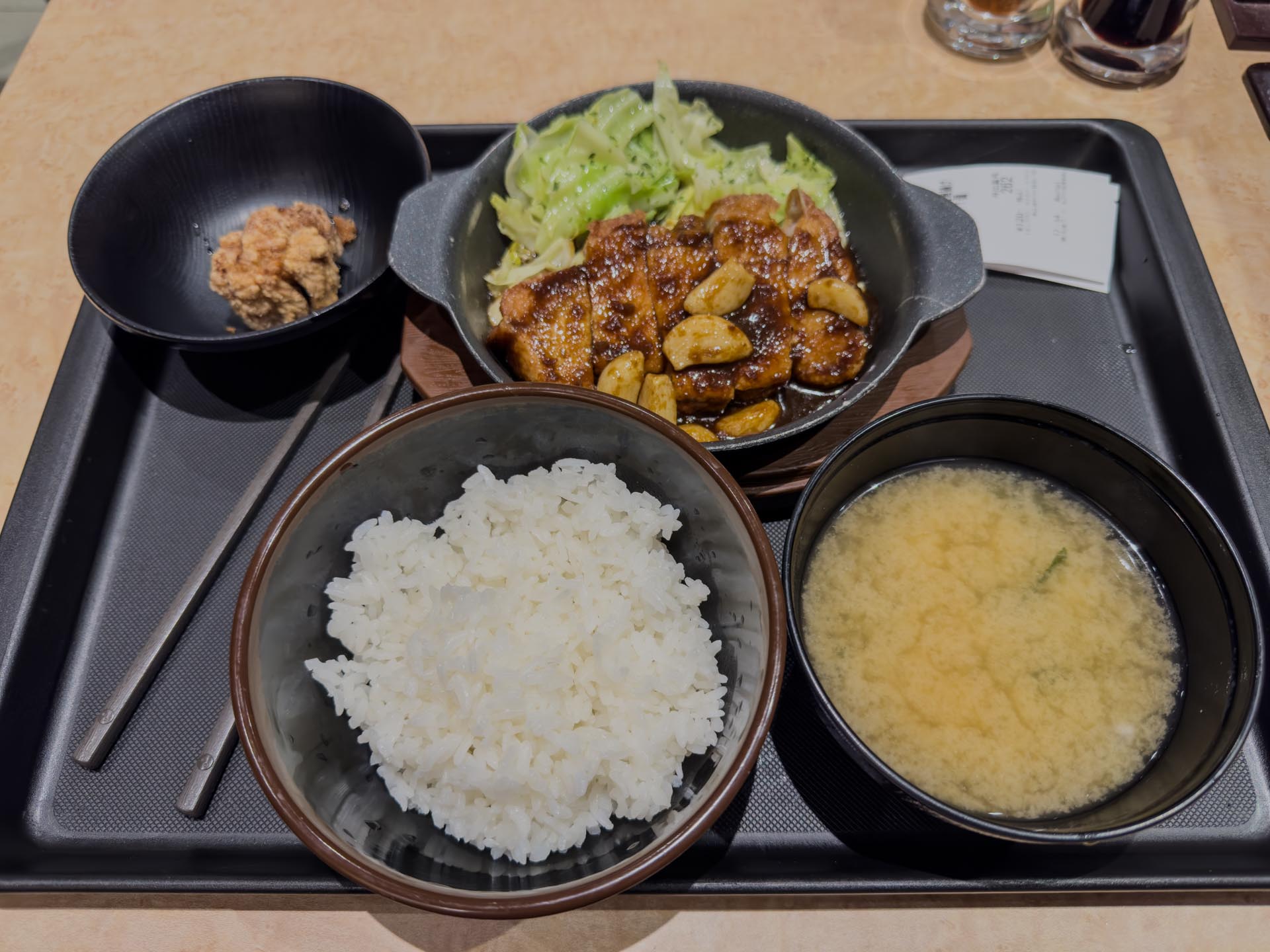 Tonkatsu (Pork Cutlet)
Then we returned to the hotel to get some rest.
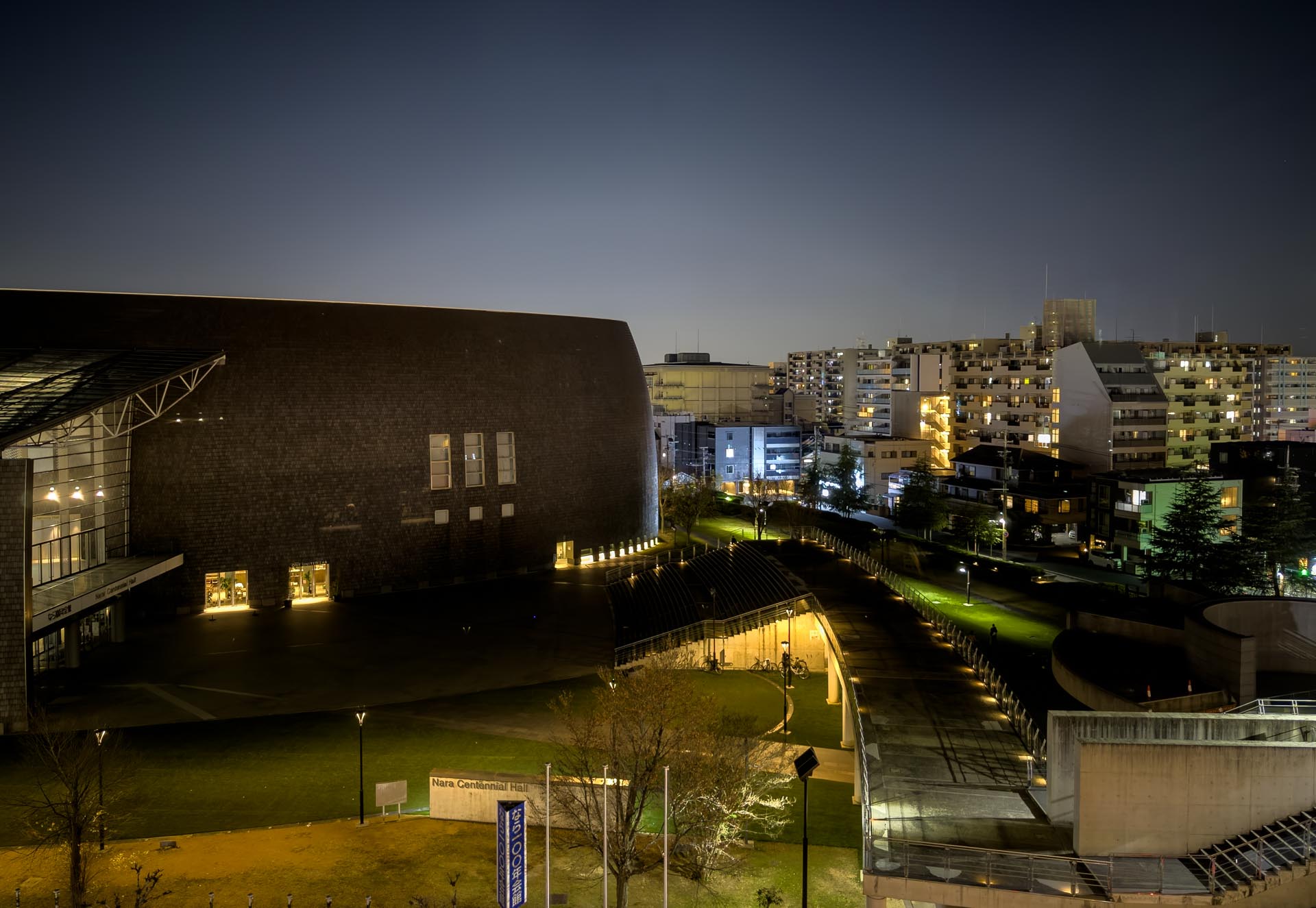
Day 10 Nara & Kobe
The night before, I told my friend that I wanted to get up early to capture the morning light (Links’ photos were so incredible that I wanted to give it a shot myself). I packed my luggage in advance so my friend could sleep in a bit and then help me bring it down during check-out.
I got up on my own and took a bus to Nara Park.
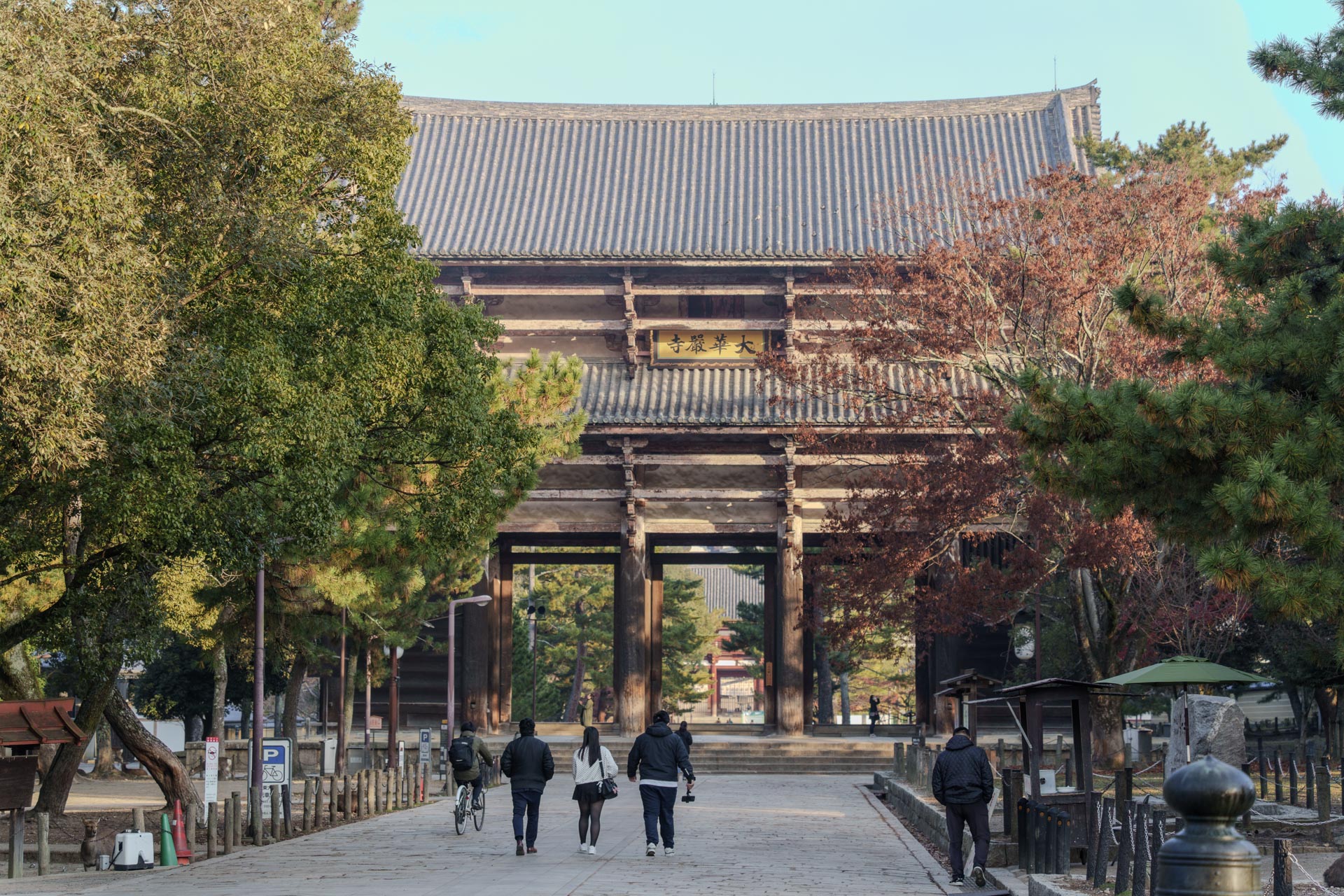
The morning light—I captured it. As for the “flavor” of the shots, they’re still missing that tiny bit of something, but I’m already quite satisfied.
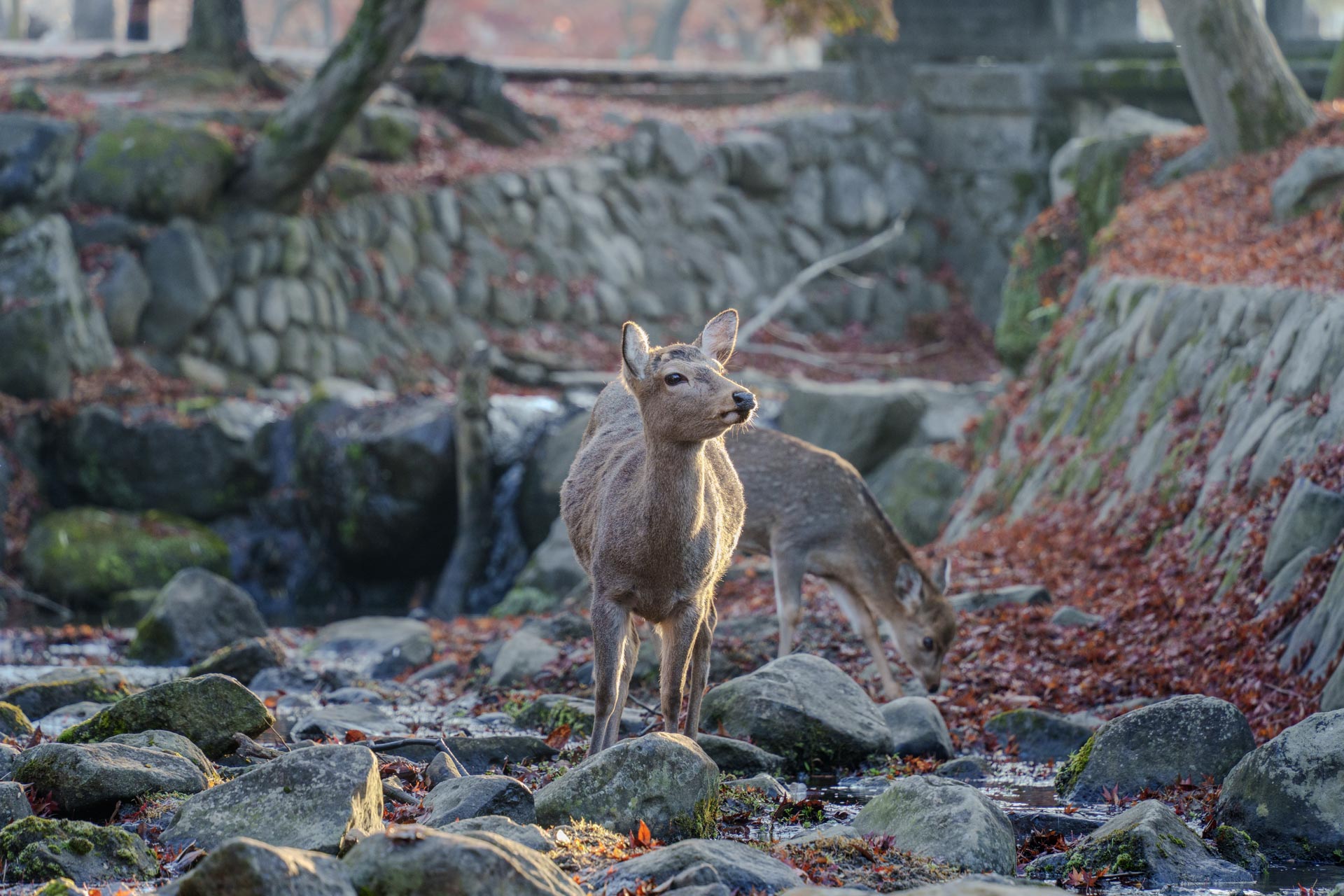
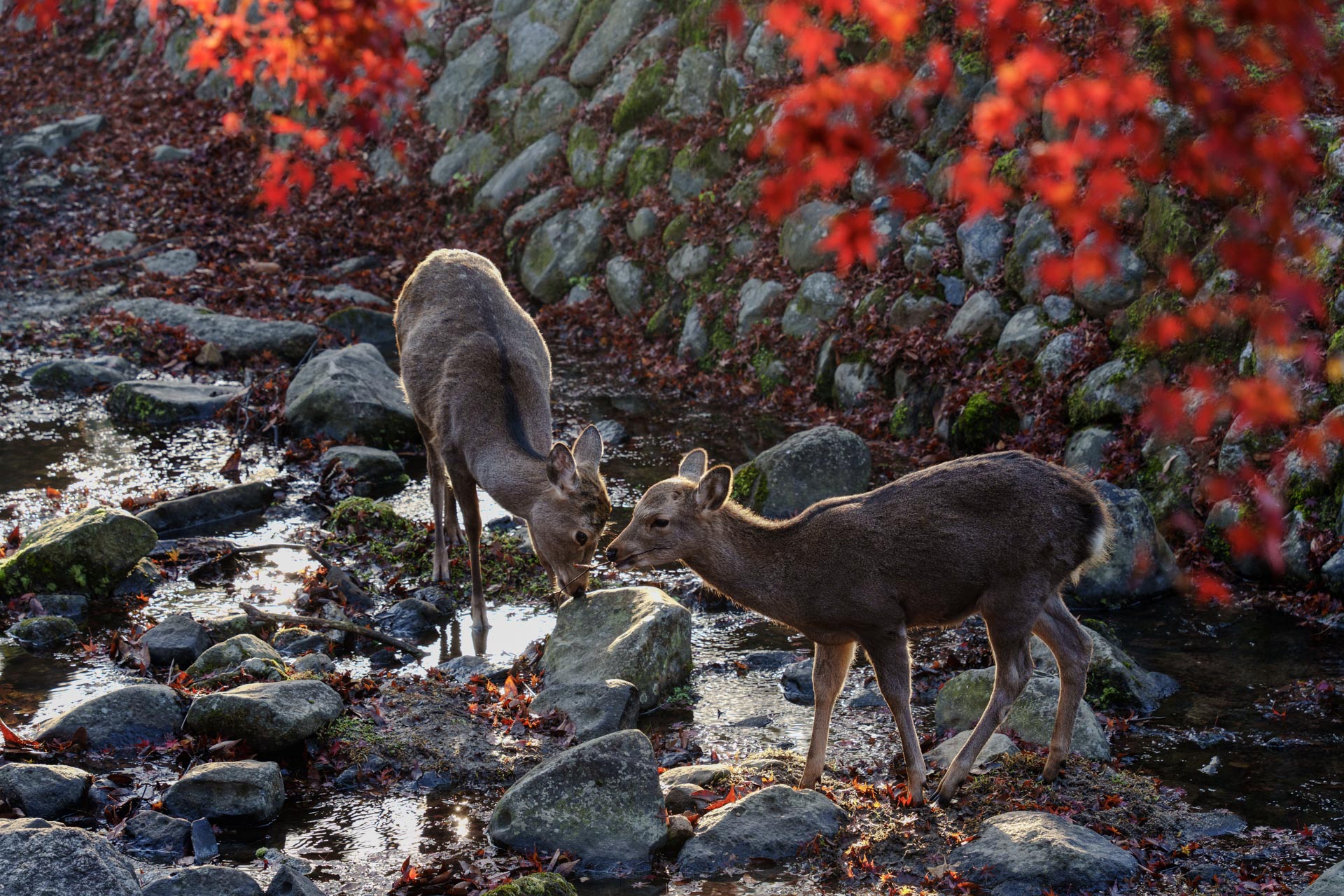
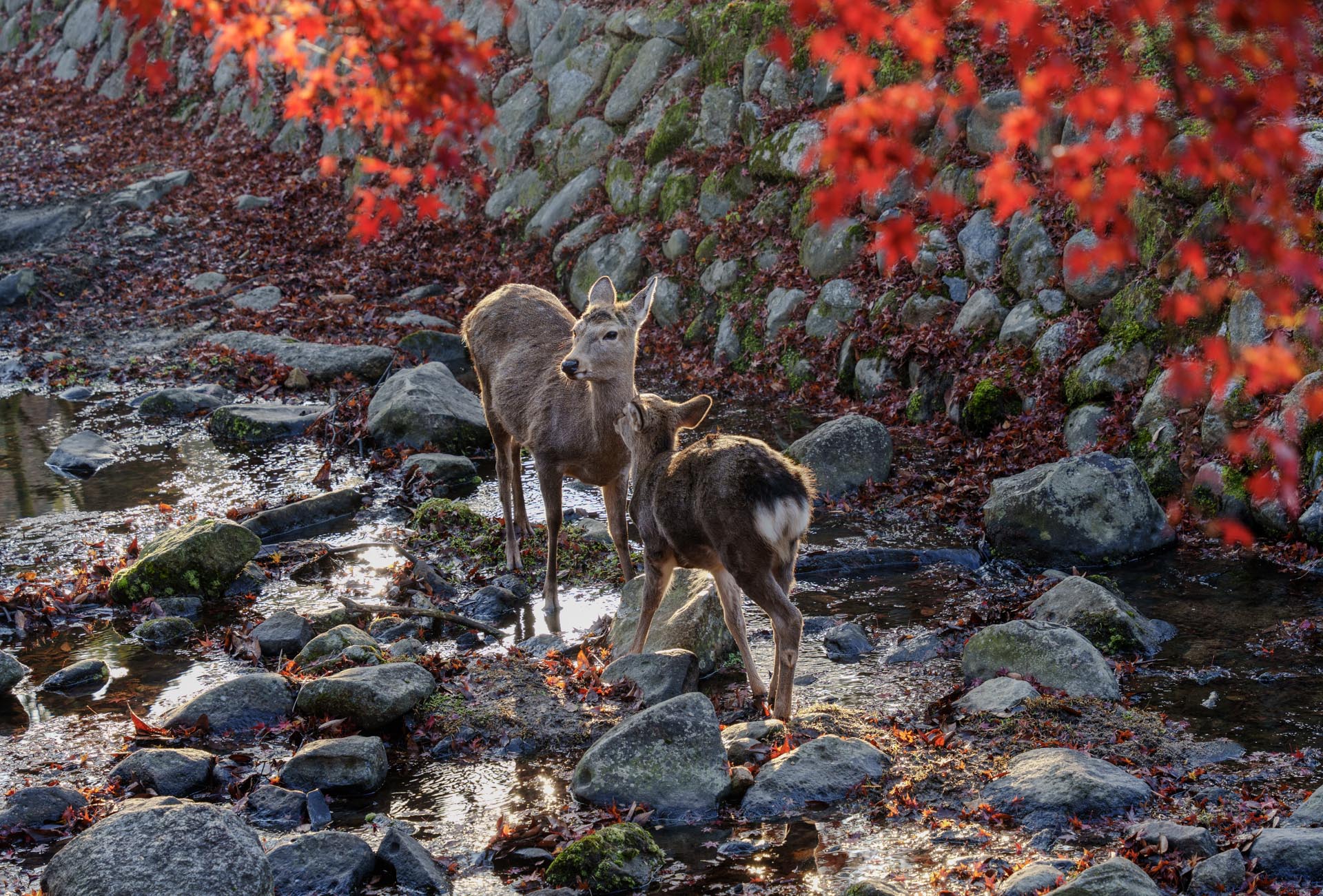
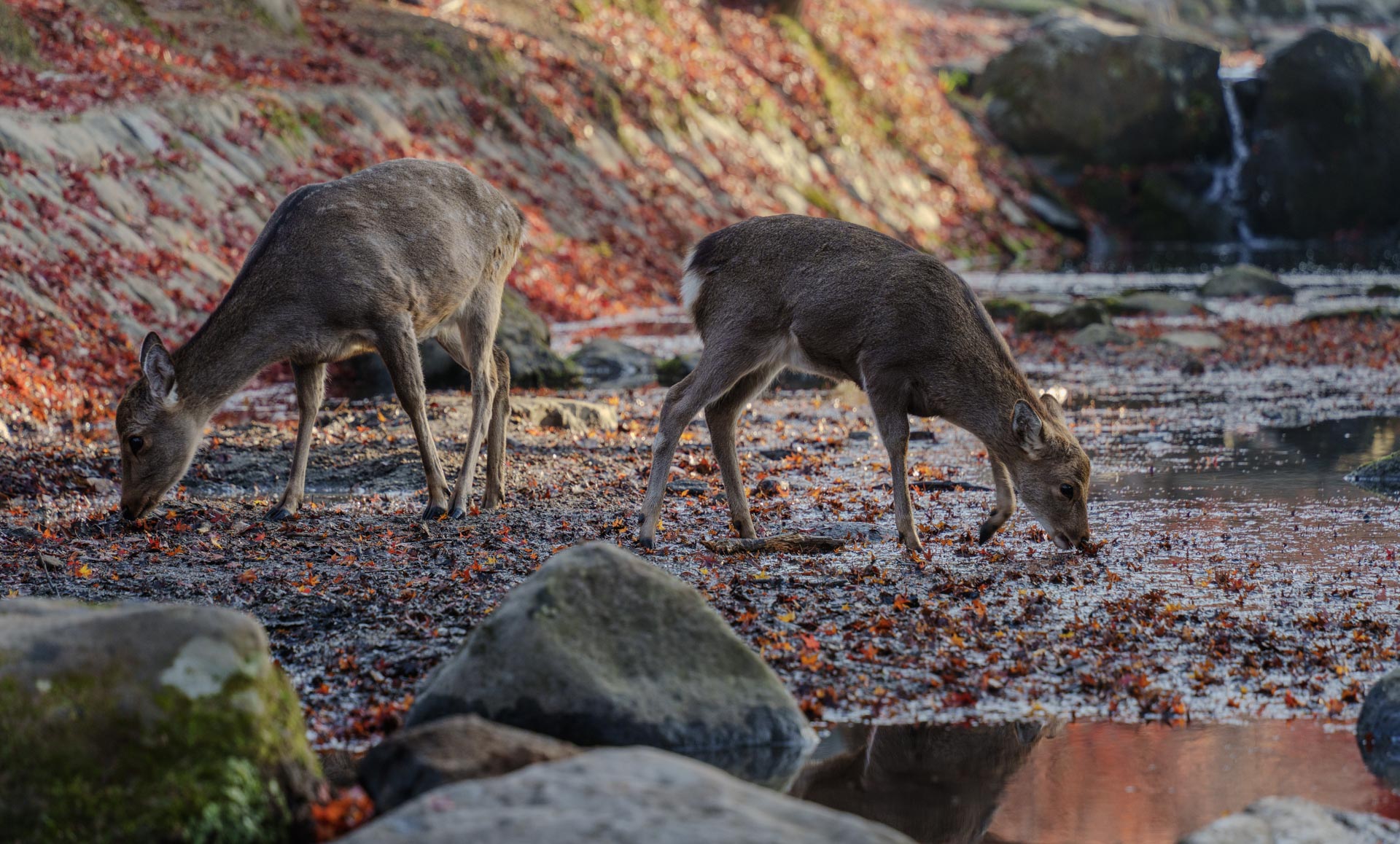
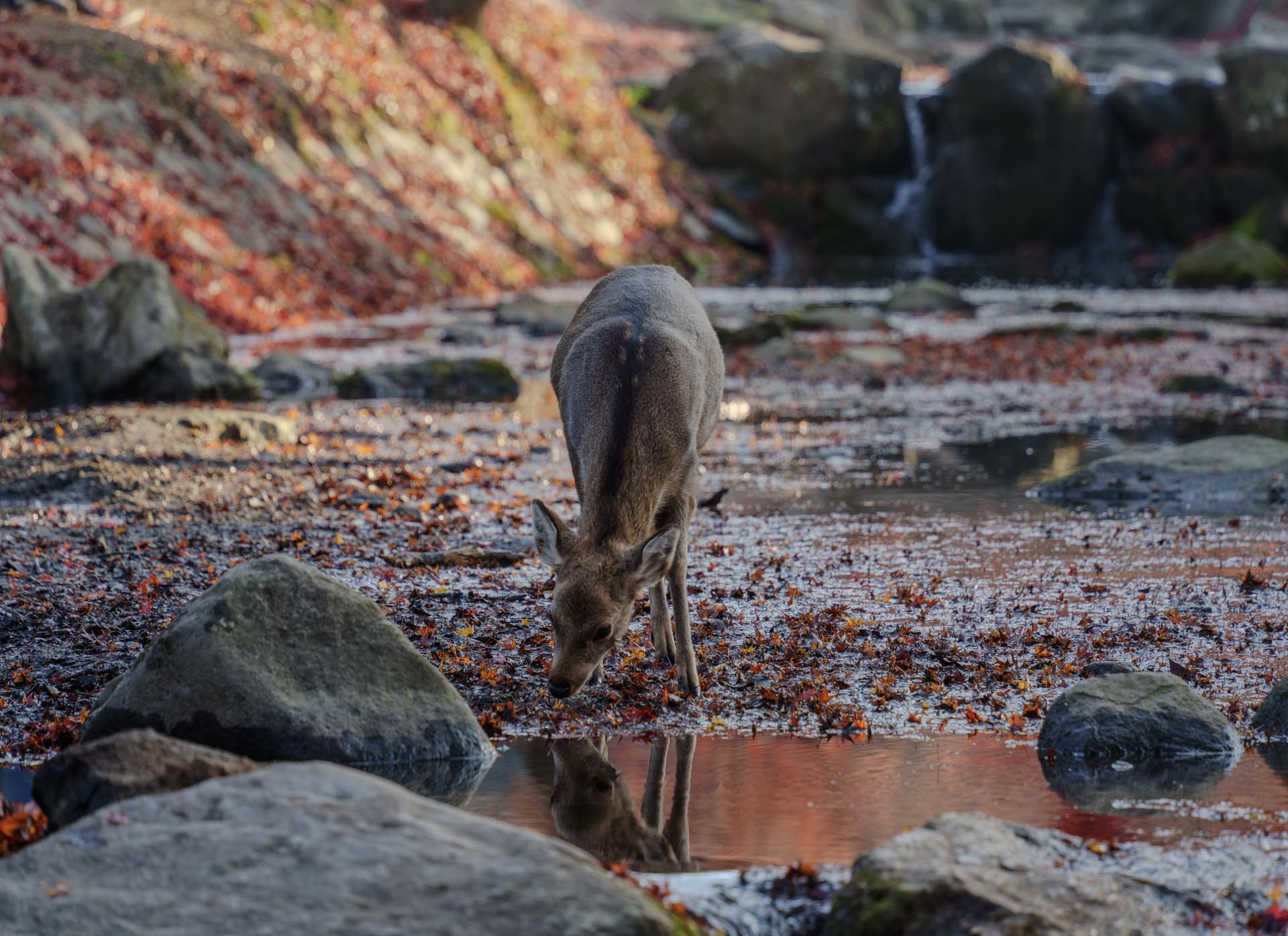
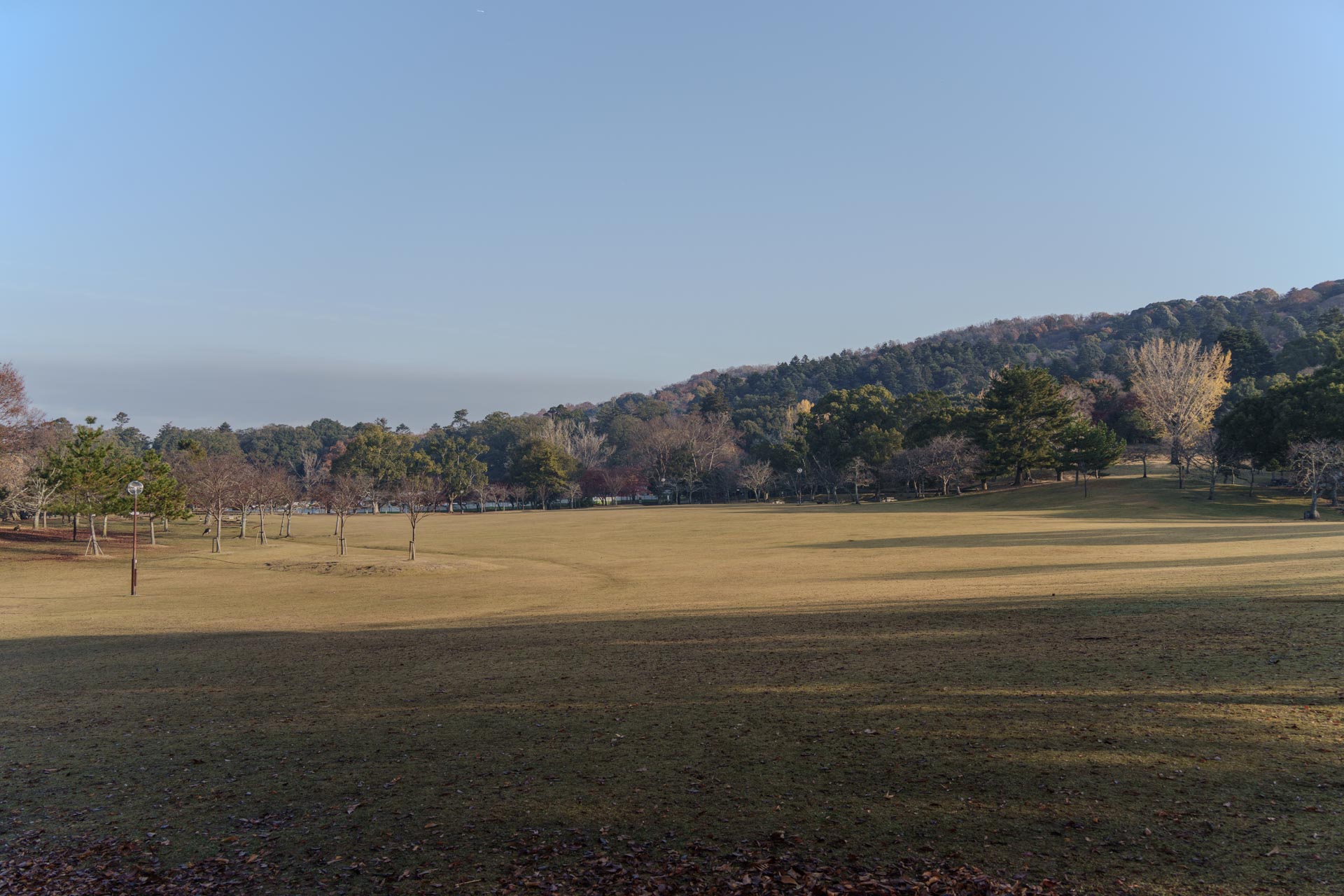
Not a single soul in sight.
The little deer are just like children.
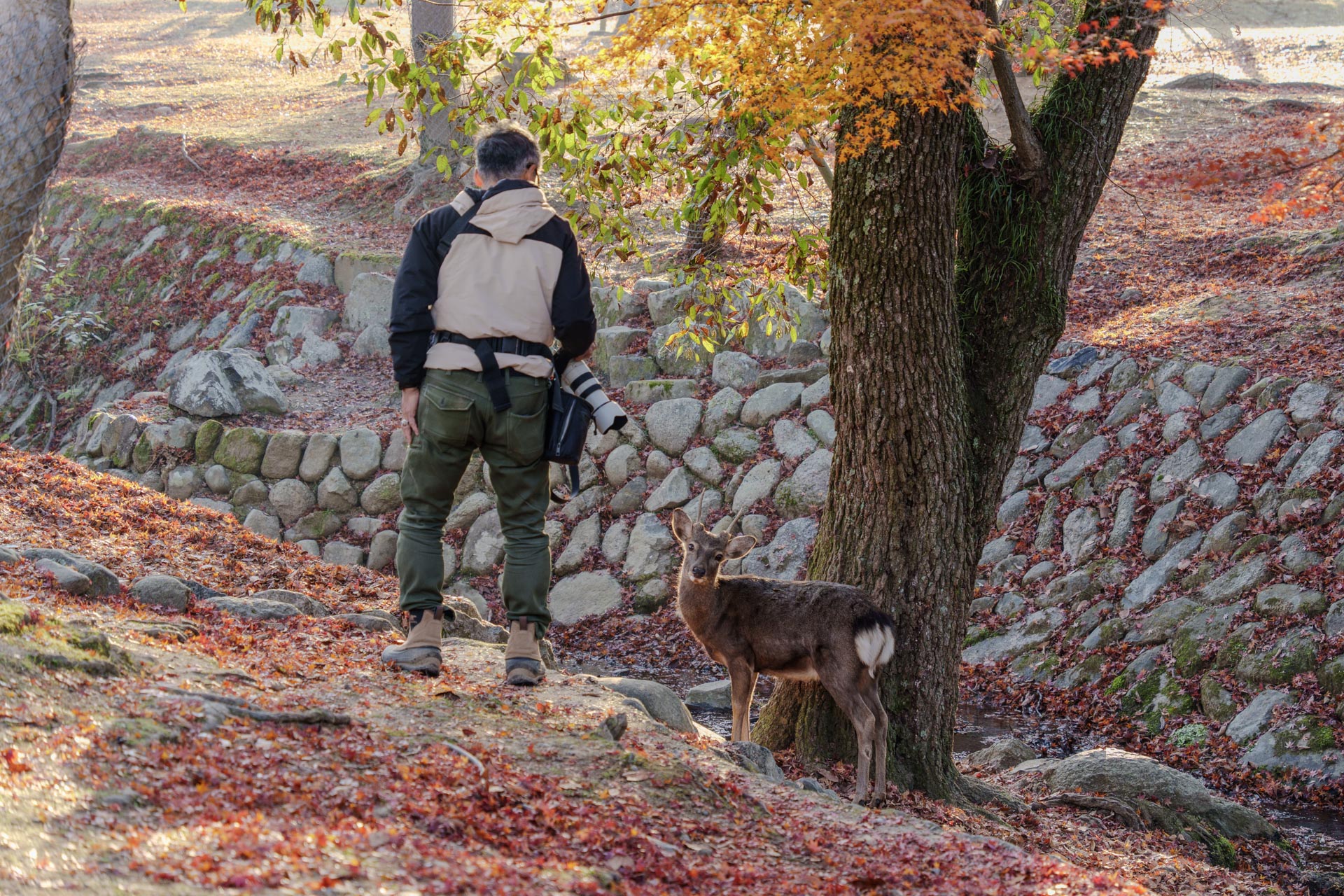
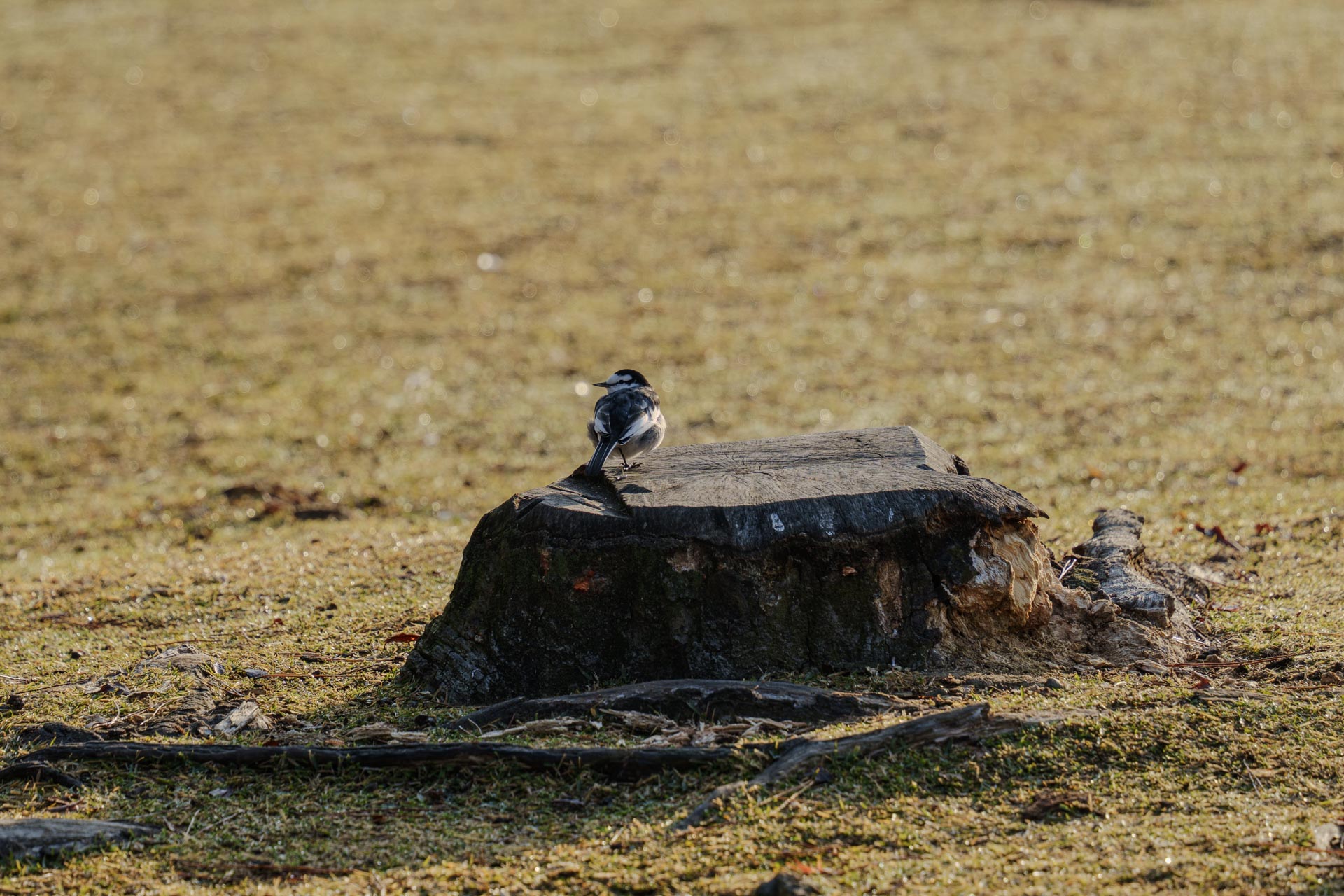 Kiss
Kiss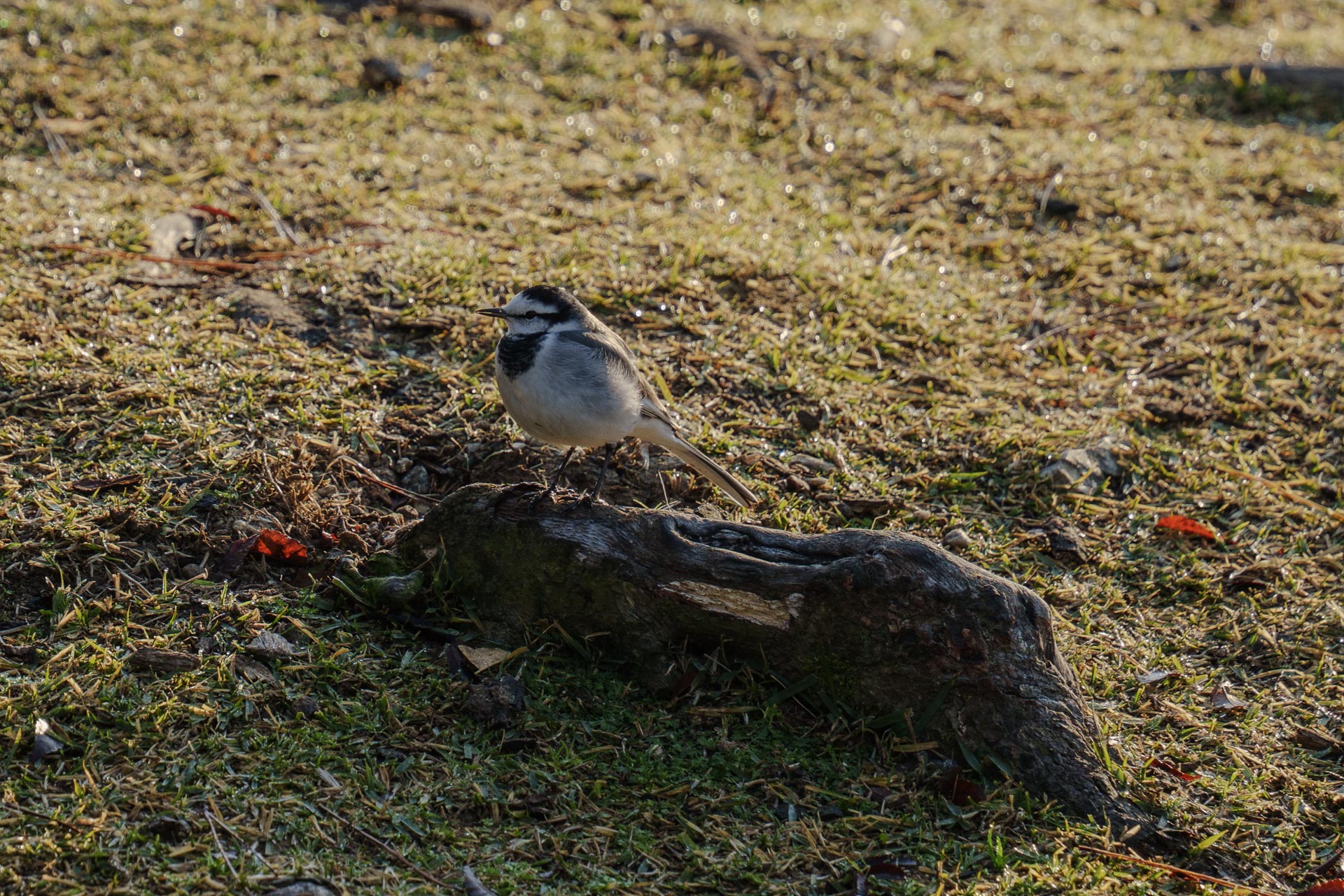 Kiss
Kiss
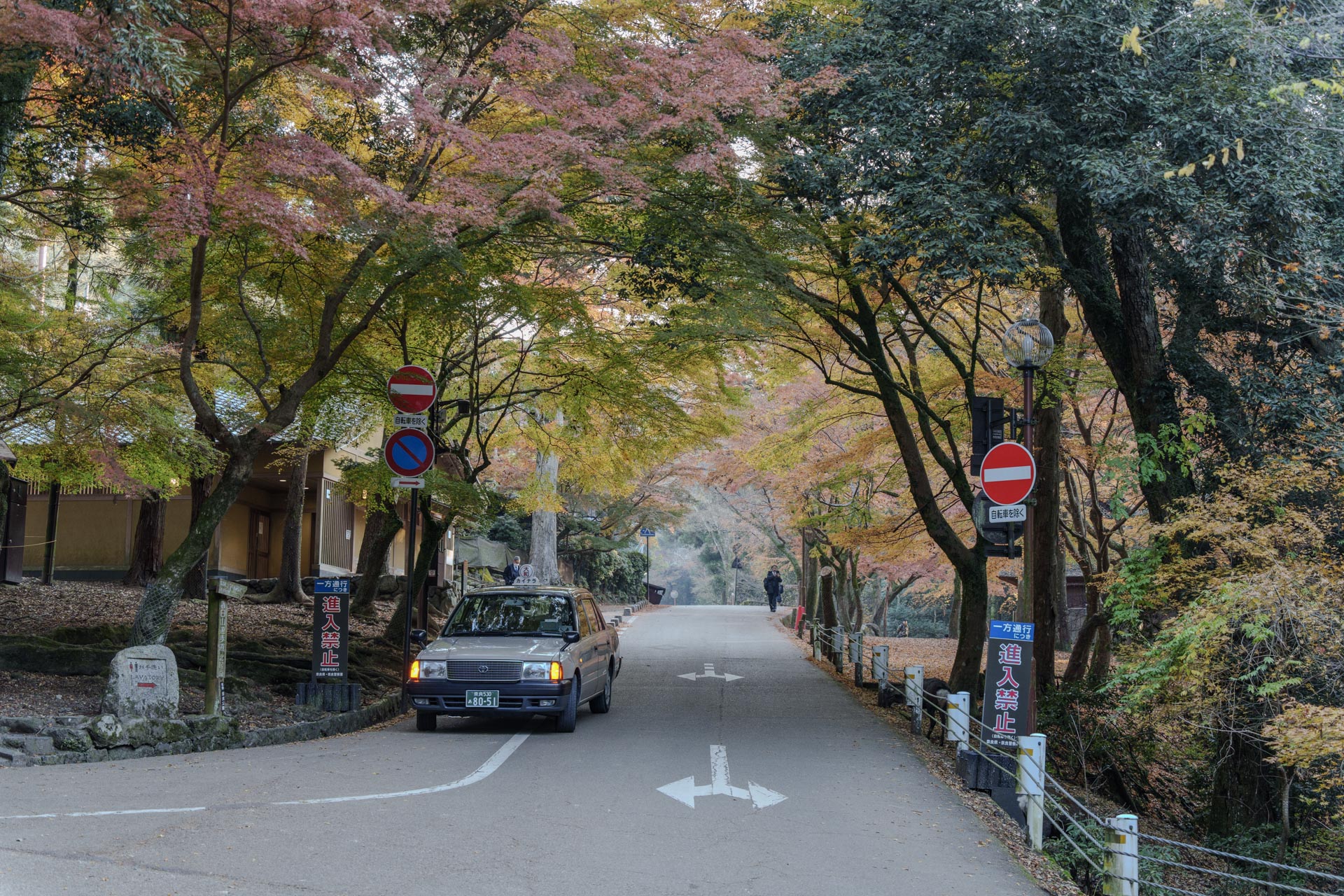
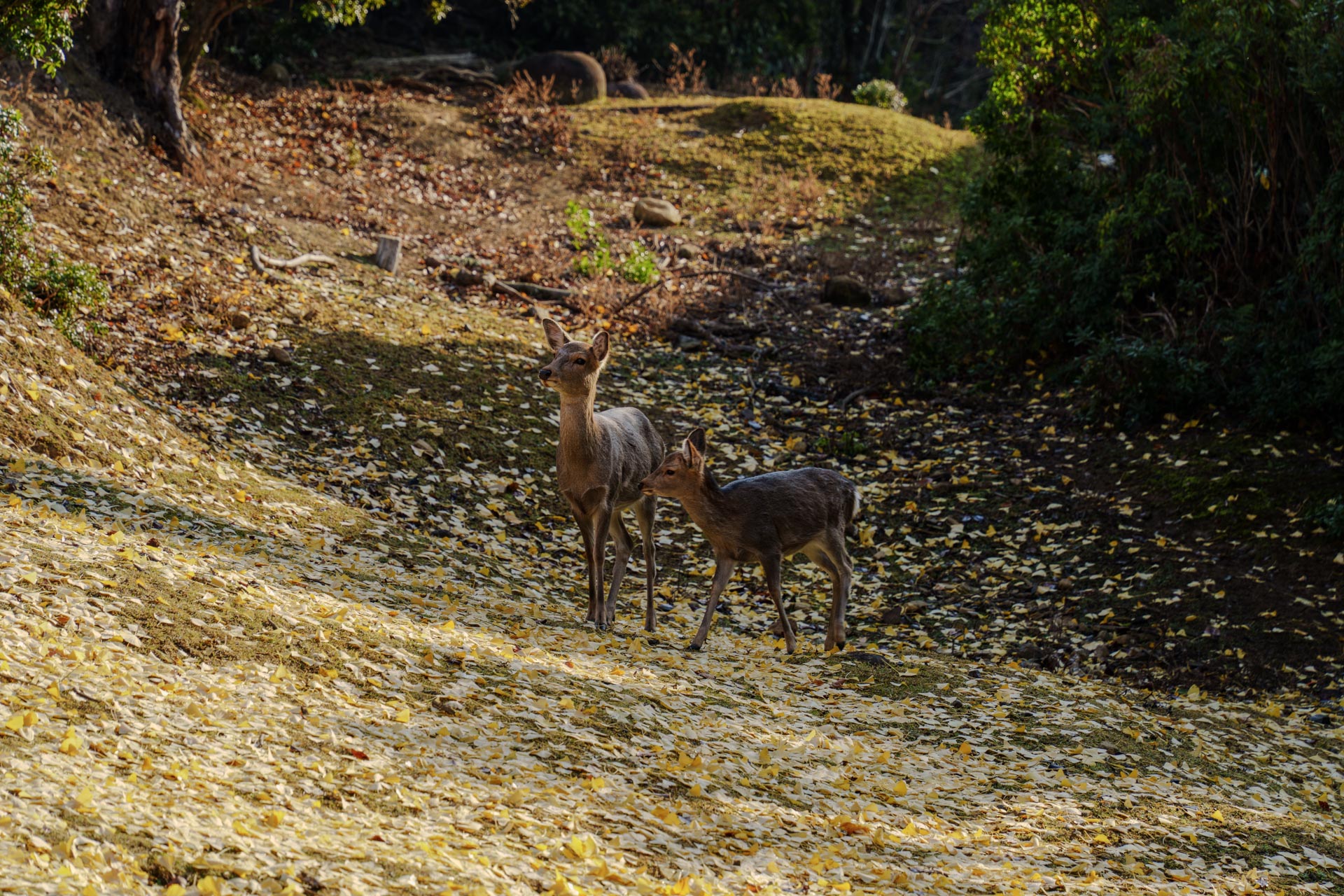
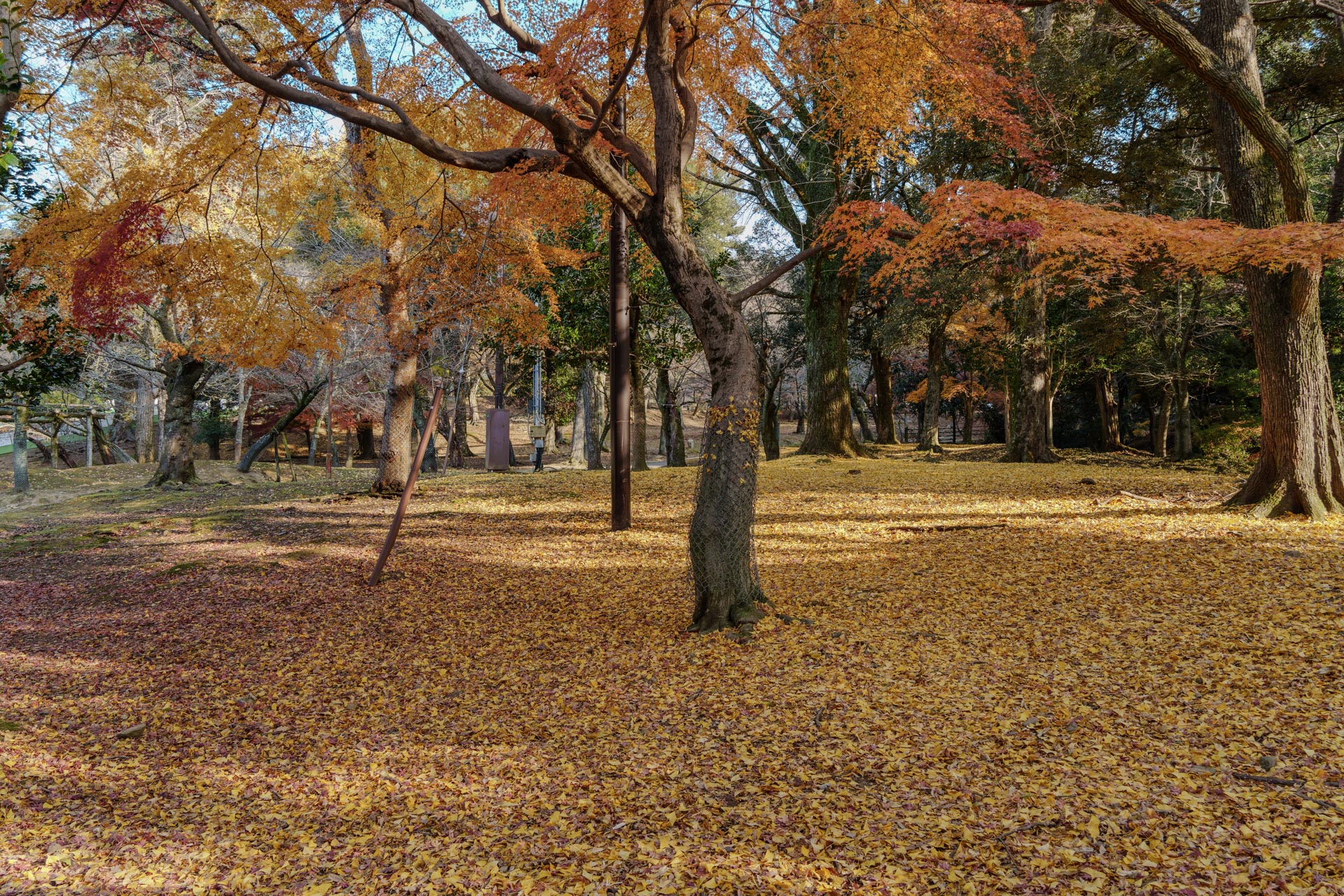
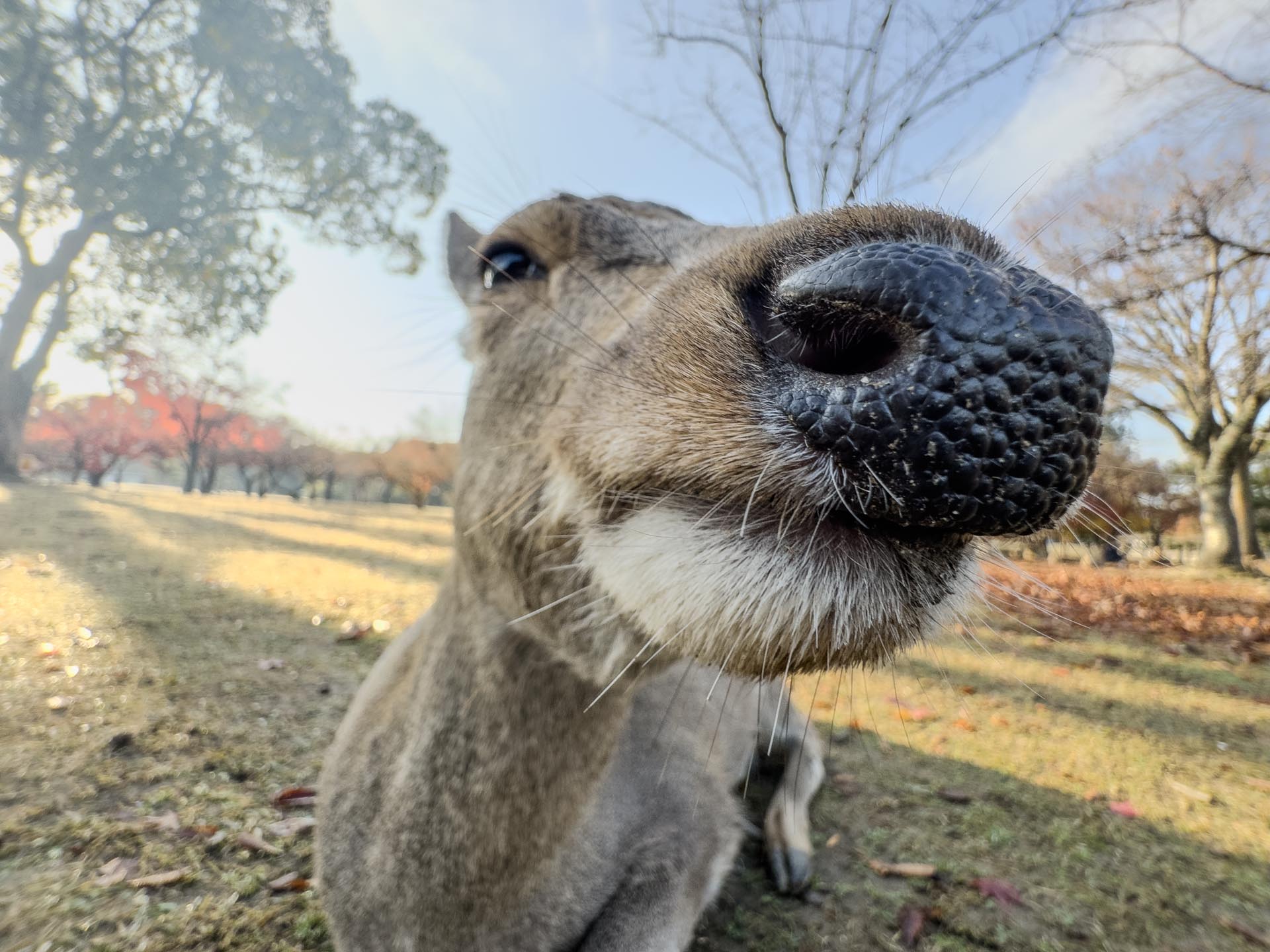
A quick sniff, and the verdict is: 100% a good person.
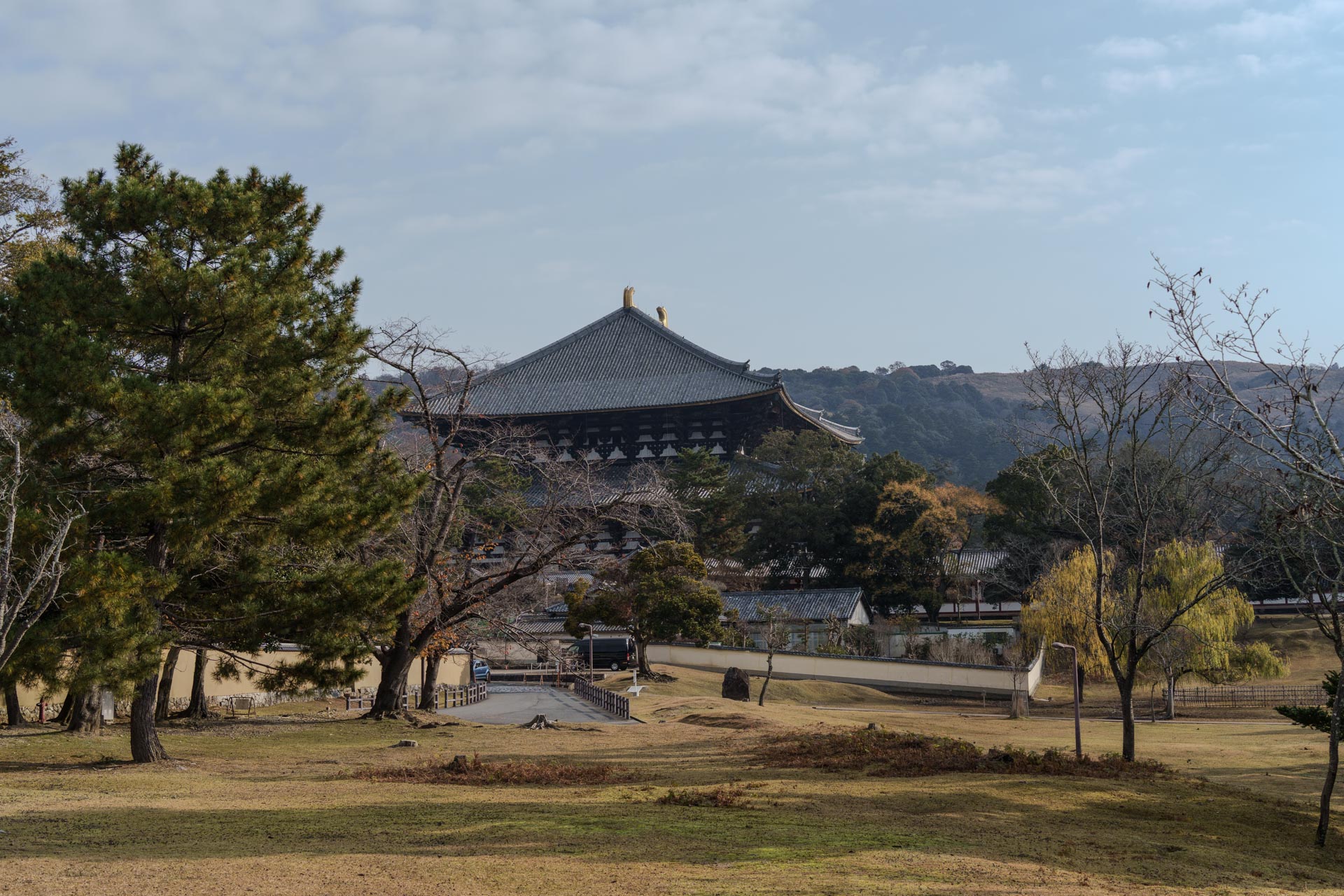
I took a walk around the outer perimeter of Todai-ji Temple.
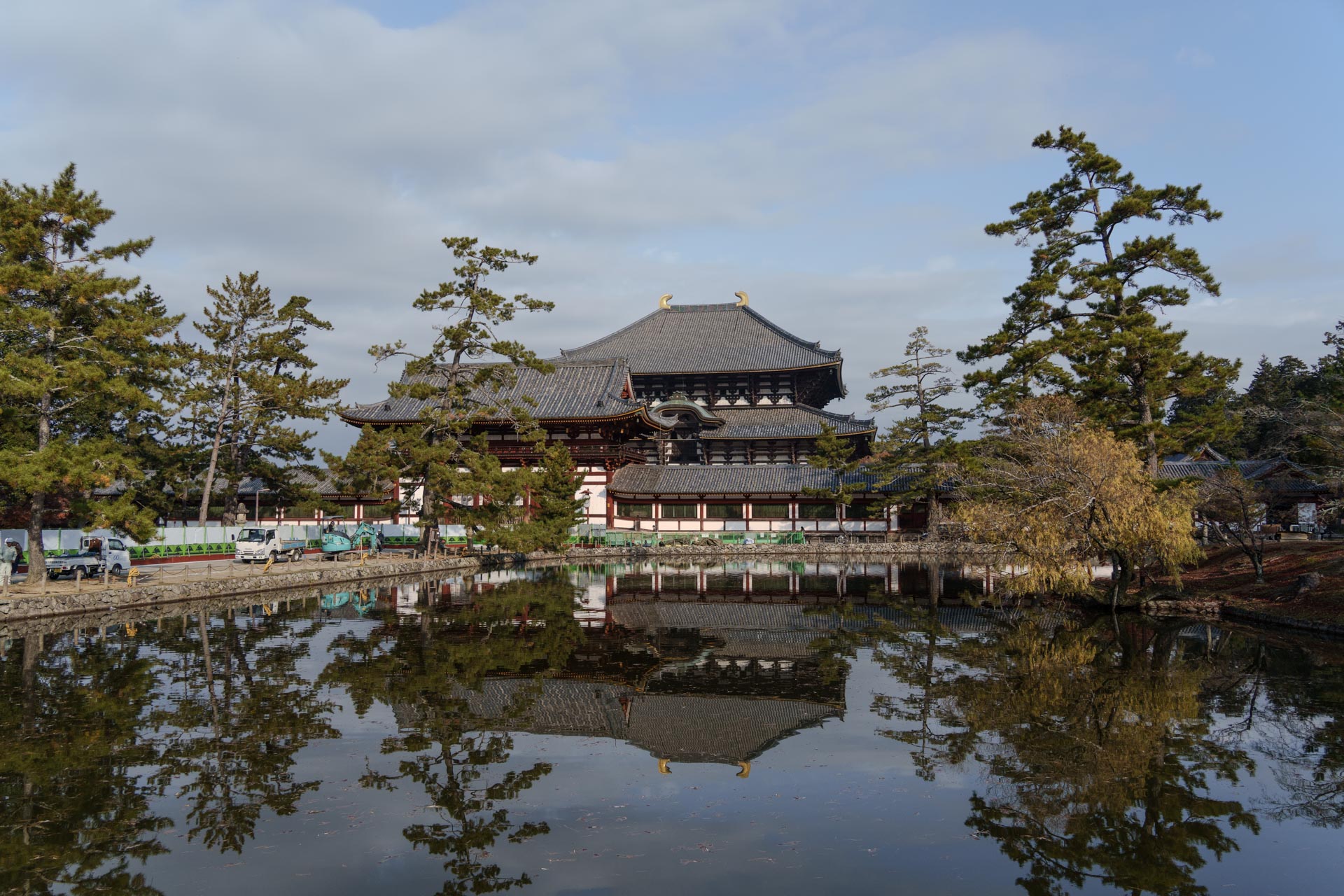 Todai-ji Temple
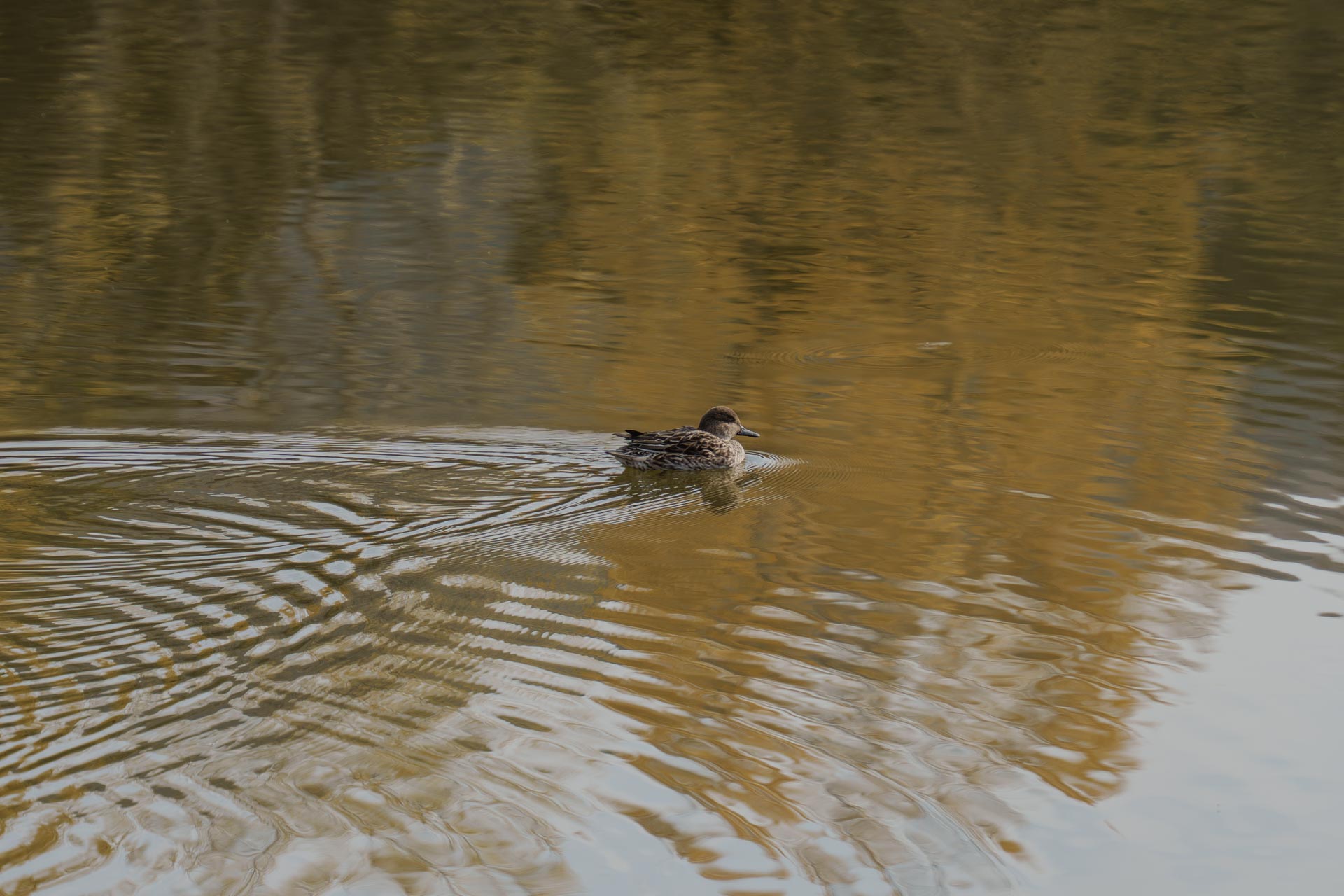
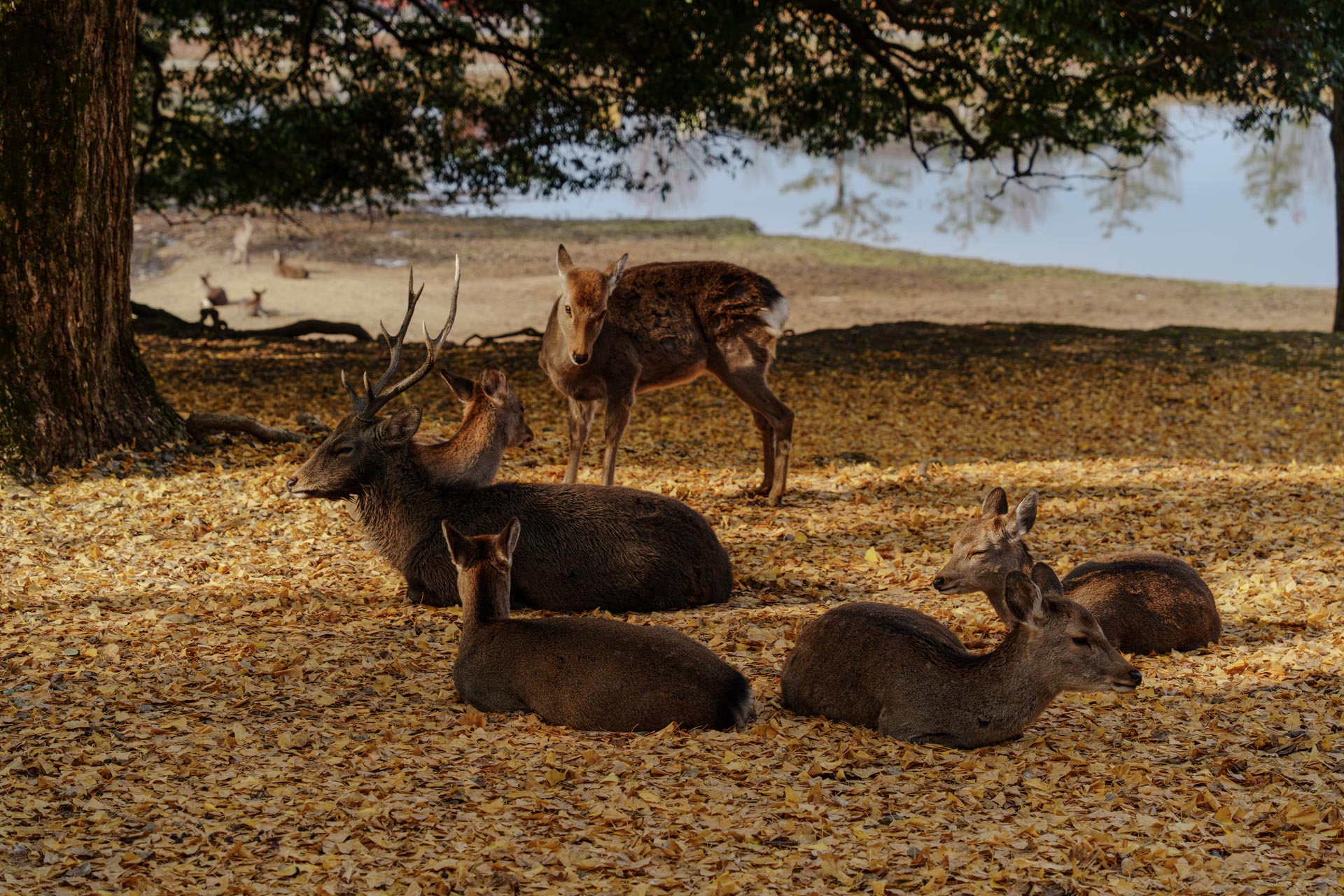
Food for the little deer.
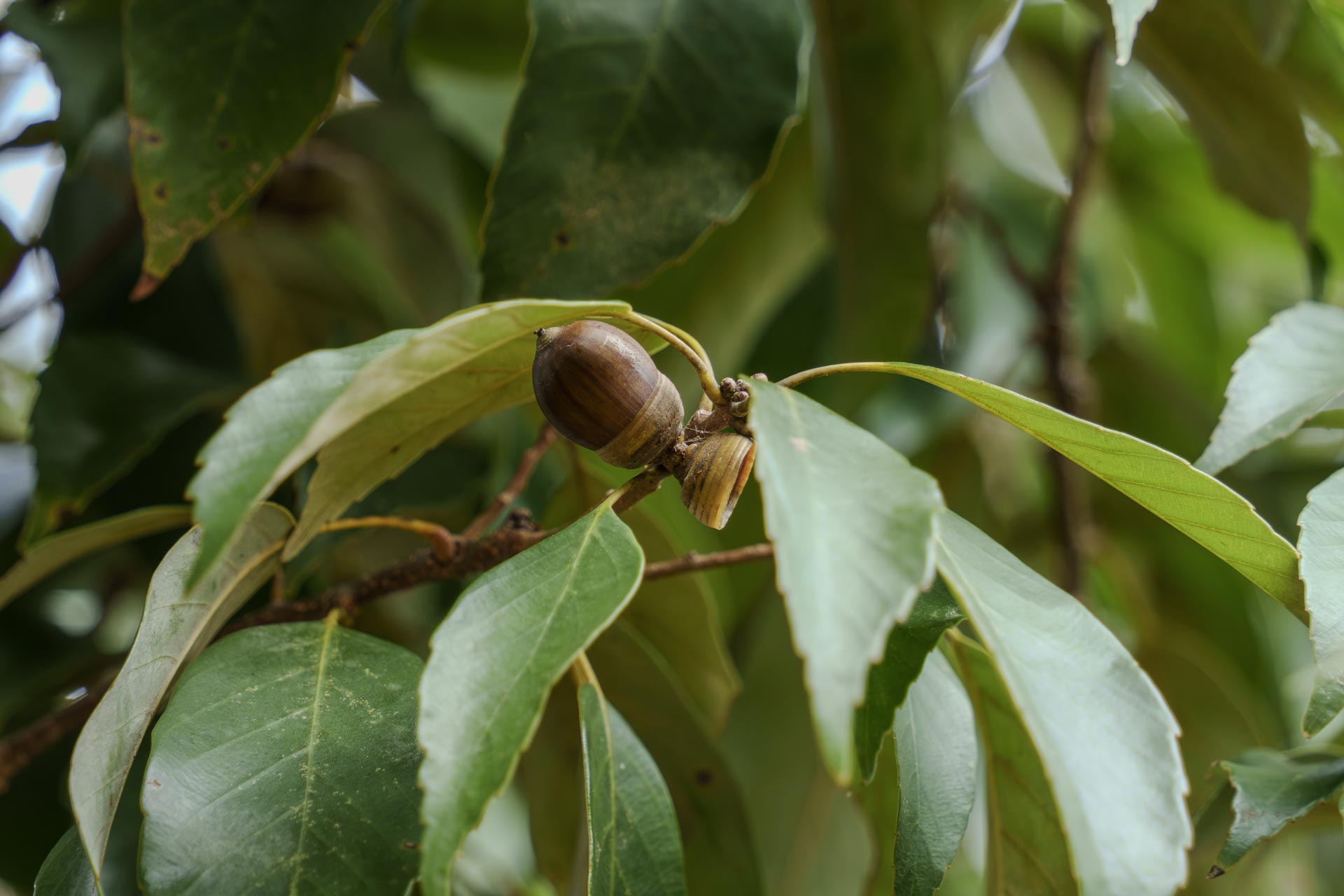 Acorns
Yoshikien Garden
I walked over to Yoshikien Garden—it was fantastic! Admission is free, and the landscaping is absolutely beautiful.
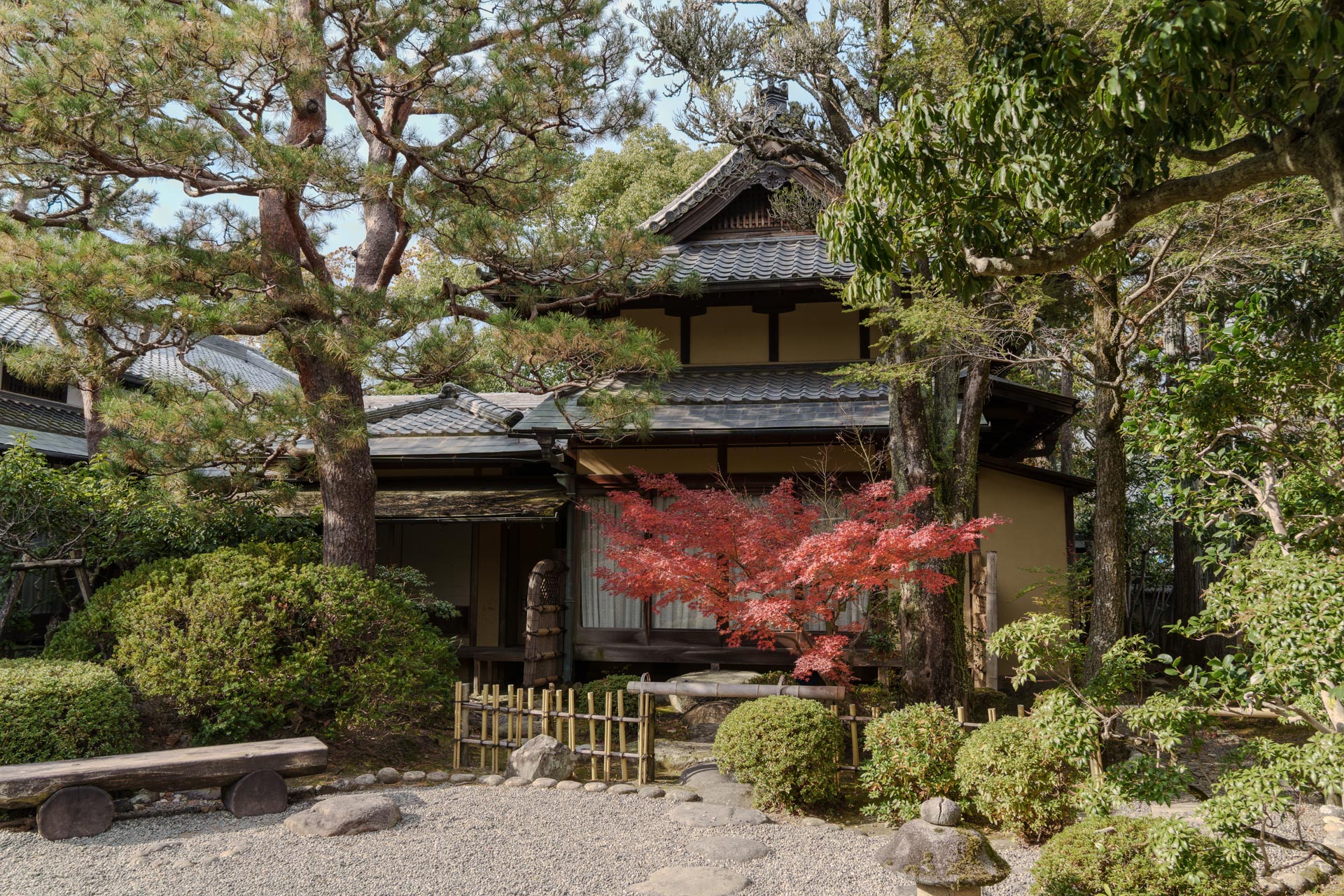
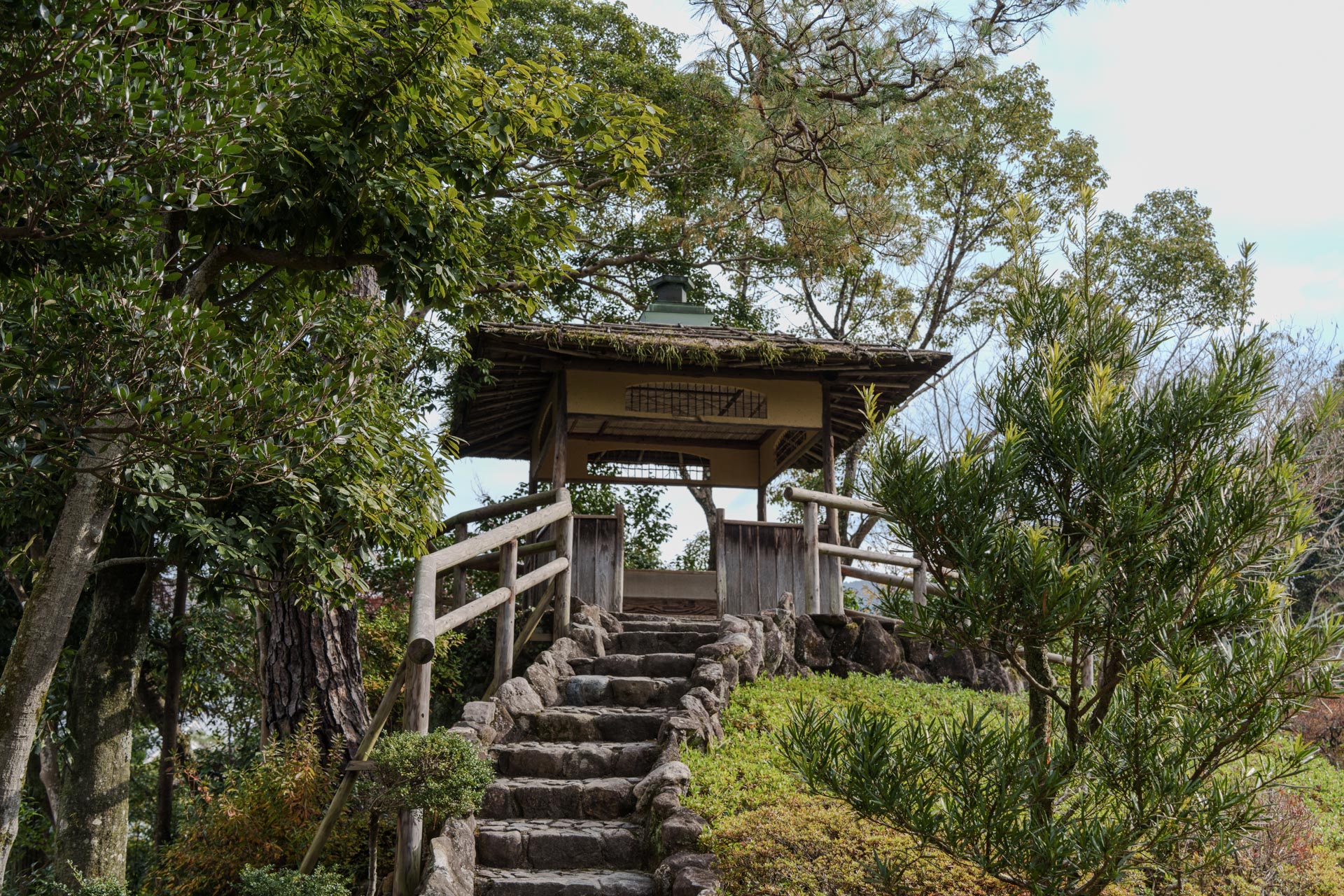
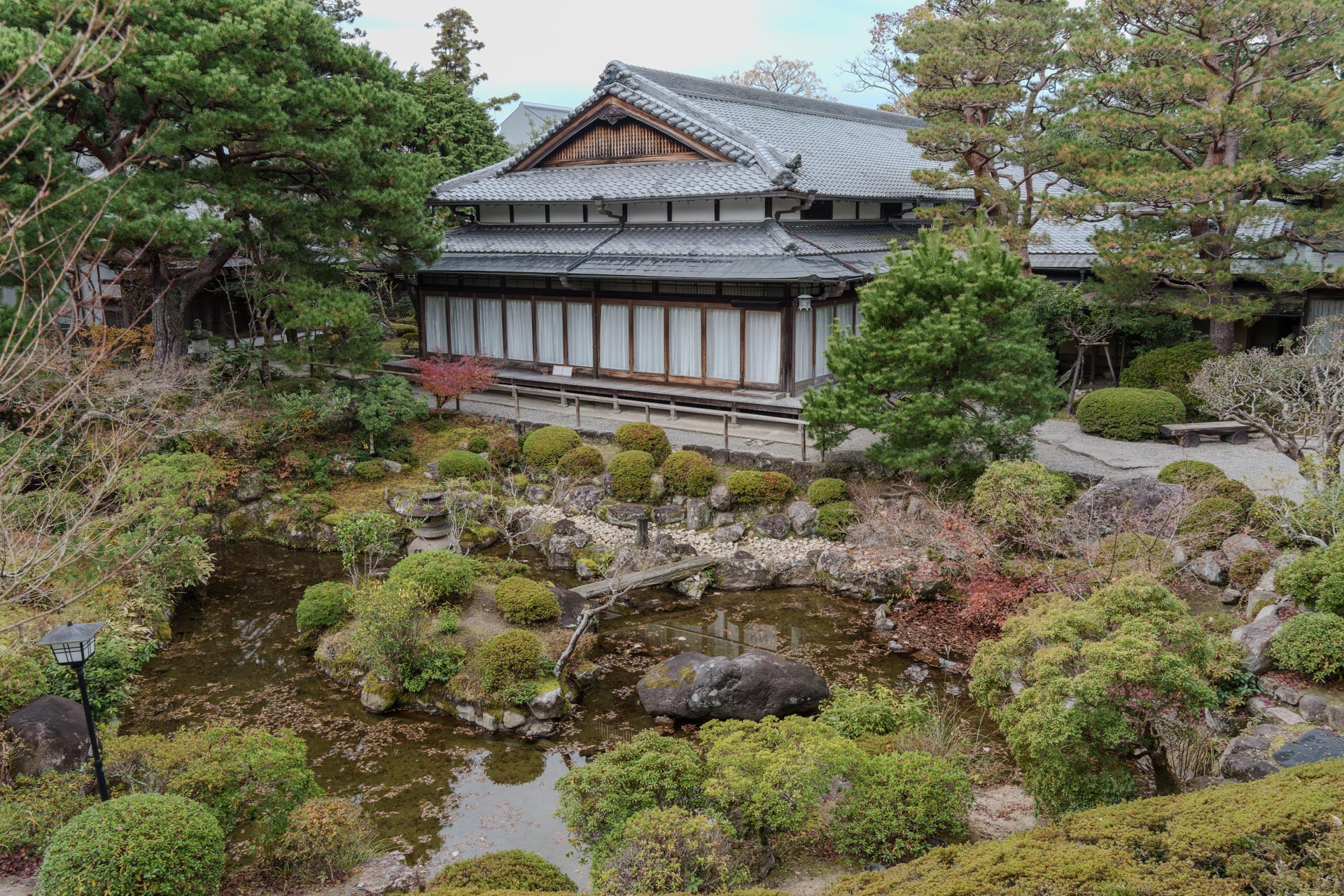
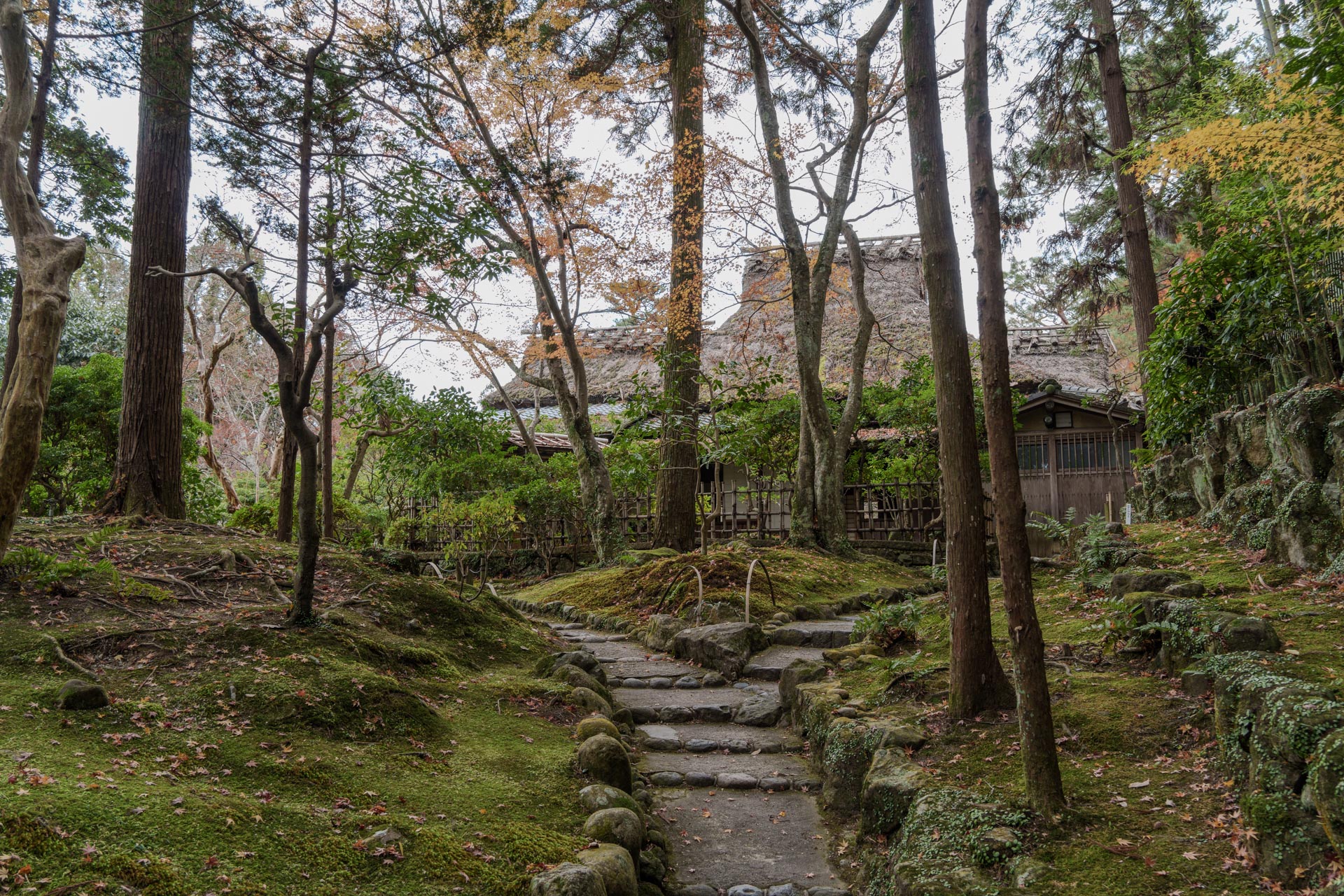
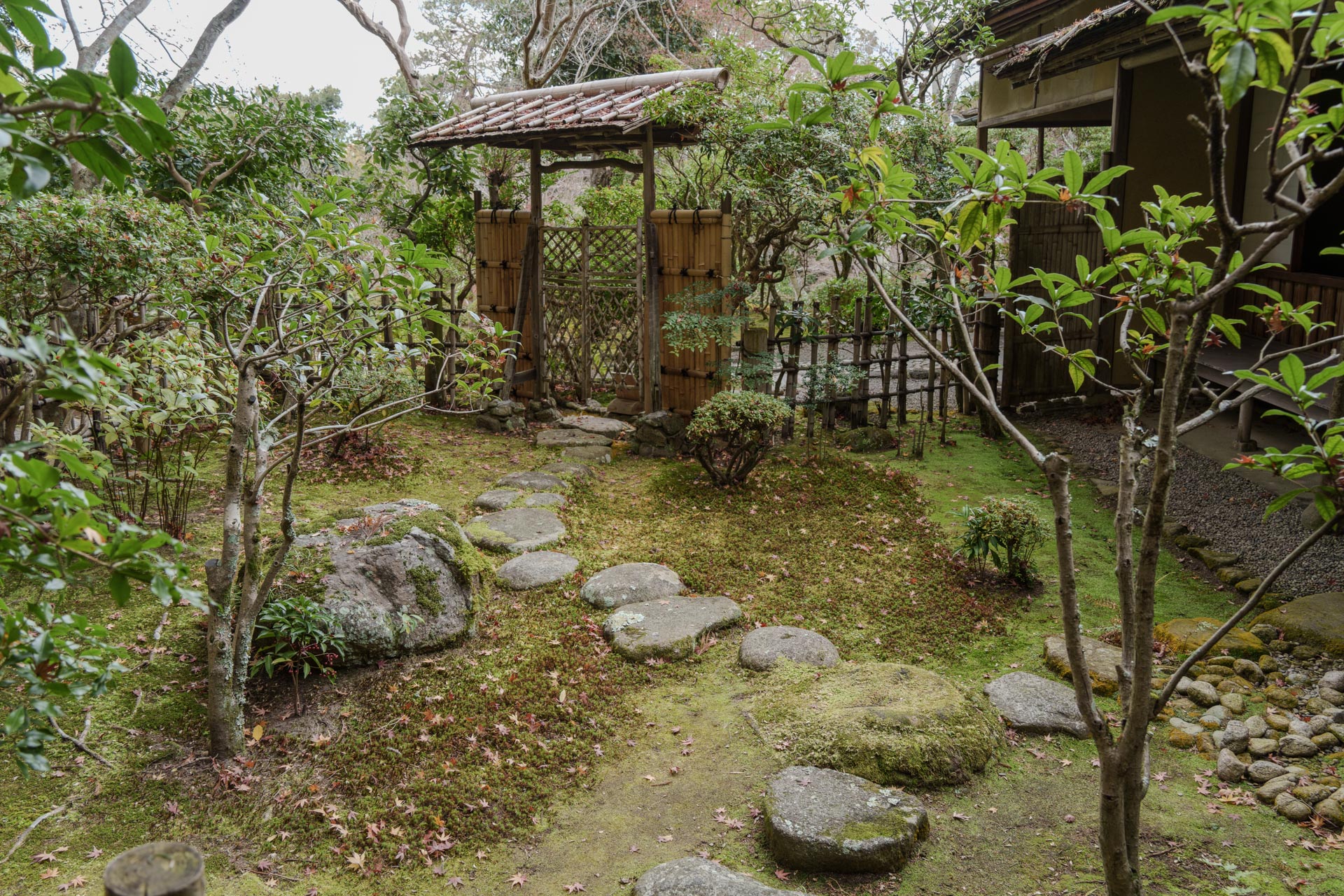
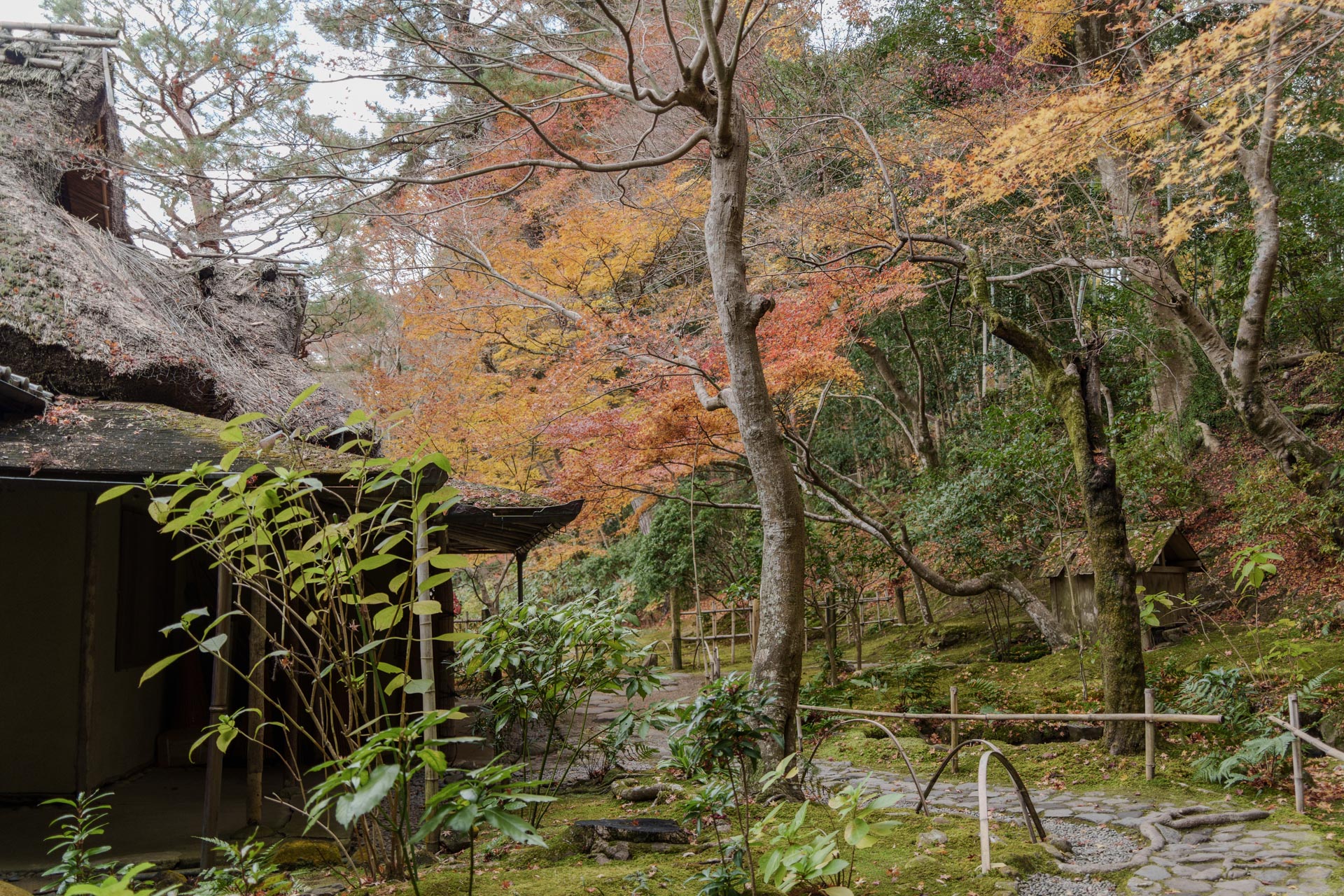
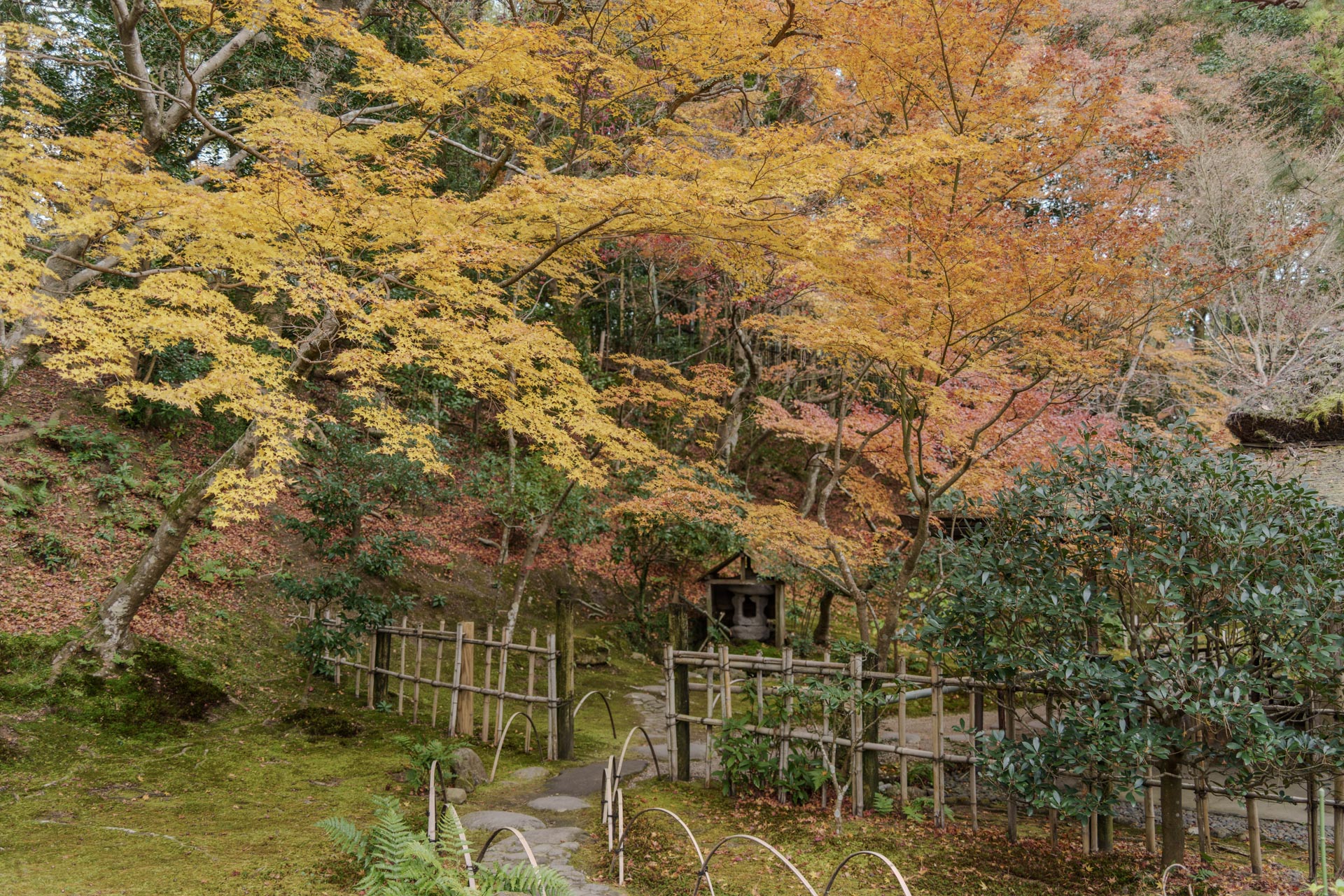
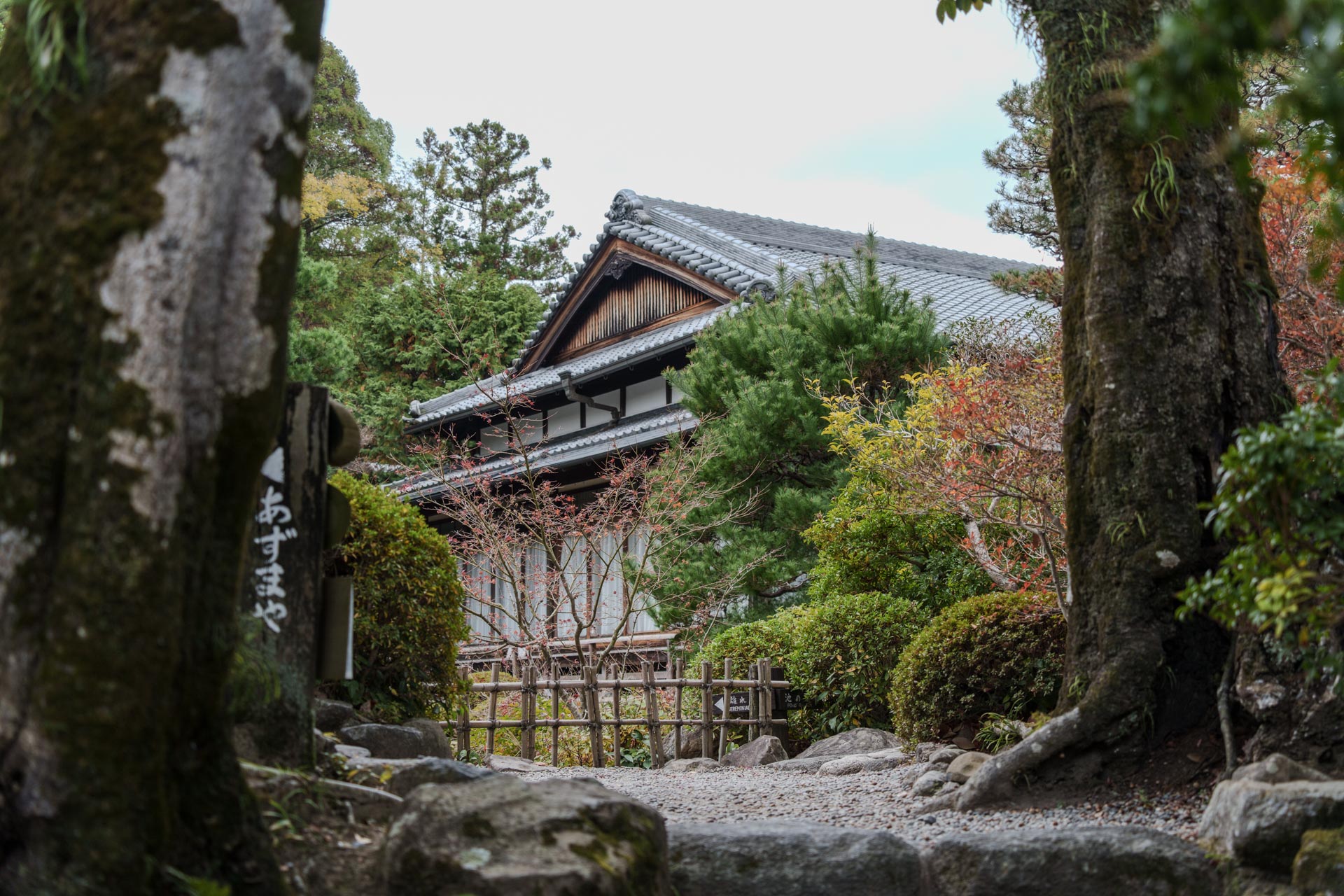
Stopped by Starbucks for a coffee break. By noon, my friend had finished touring Kasuga-taisha and Todai-ji. I suggested we meet up at Starbucks and highly recommended Yoshikien Garden, which I had just visited.
We met up and grabbed lunch. After taking the bus back to Nara JR Station, we went to Matsuya. For some reason, this branch didn’t serve Tonkatsu (fried pork cutlets). After eating, we headed back to the hotel to pick up our luggage and caught the JR train to Kobe.
Kobe
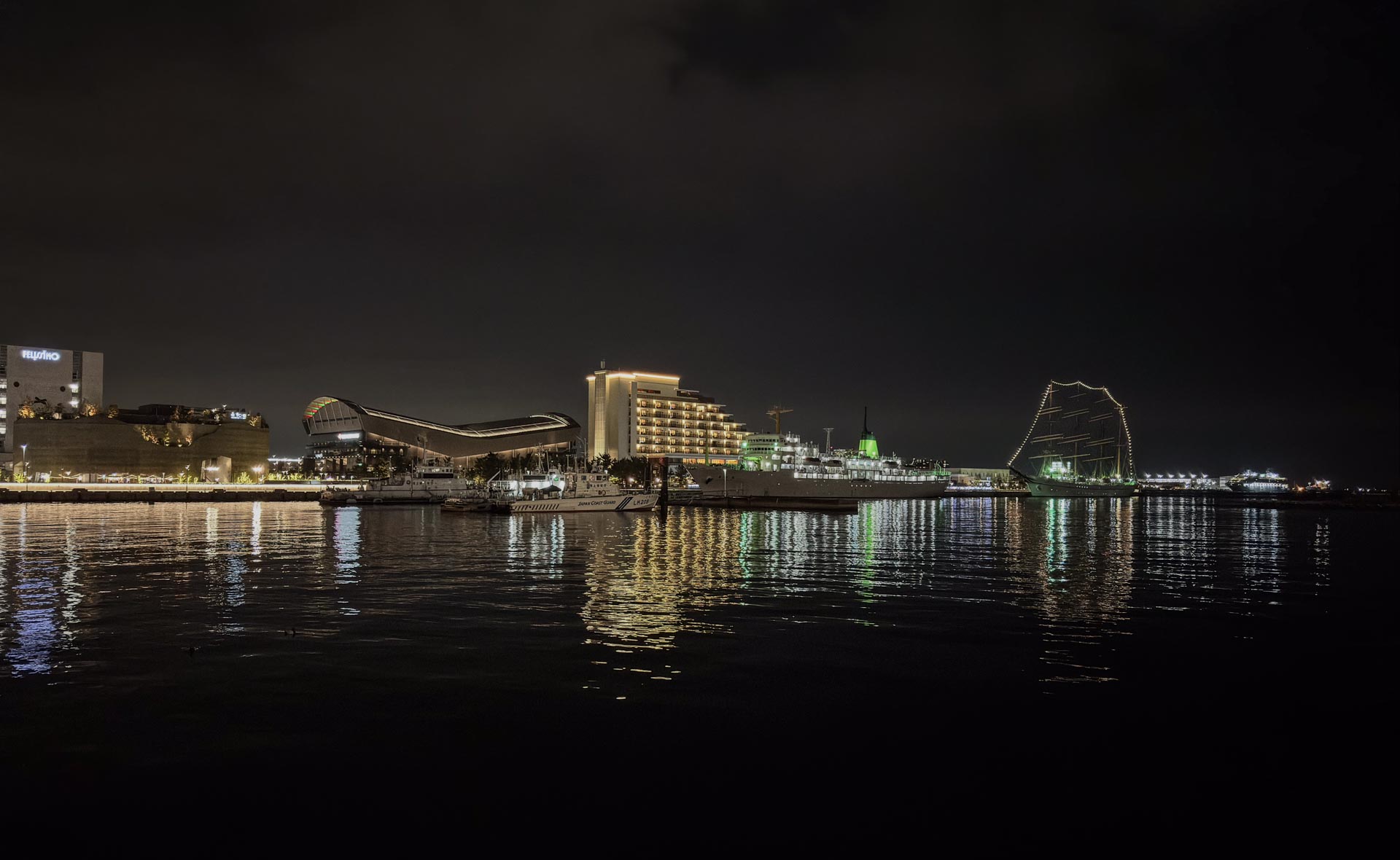
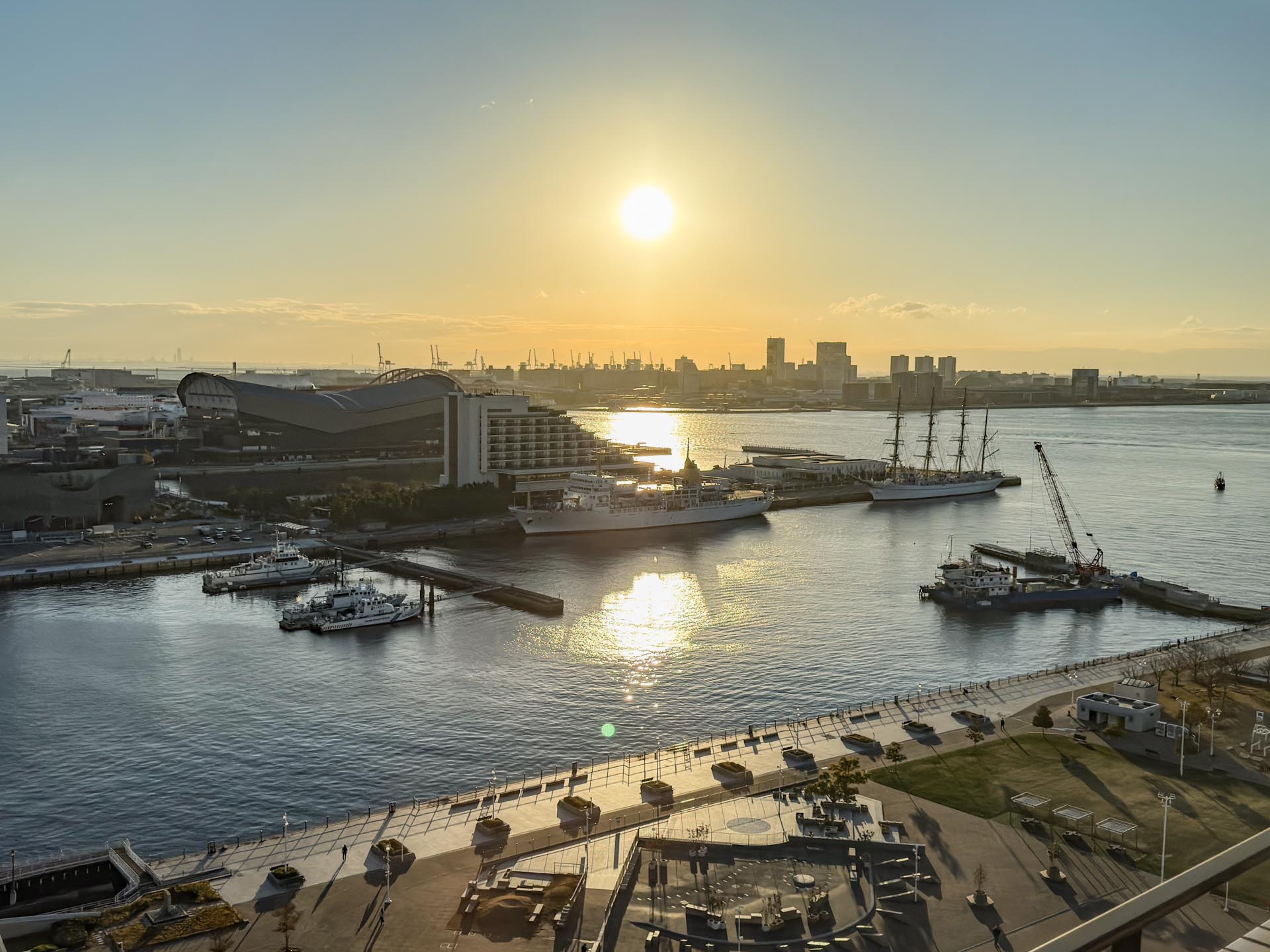
Arriving in Kobe, we rolled our suitcases toward today’s hotel. This place looks like a classic, established grand hotel. The room has a great view, and the window glass is incredibly clean. There’s even a FamilyMart convenience store at the far end of the lobby. The downstairs exit leads directly to Meriken Park.
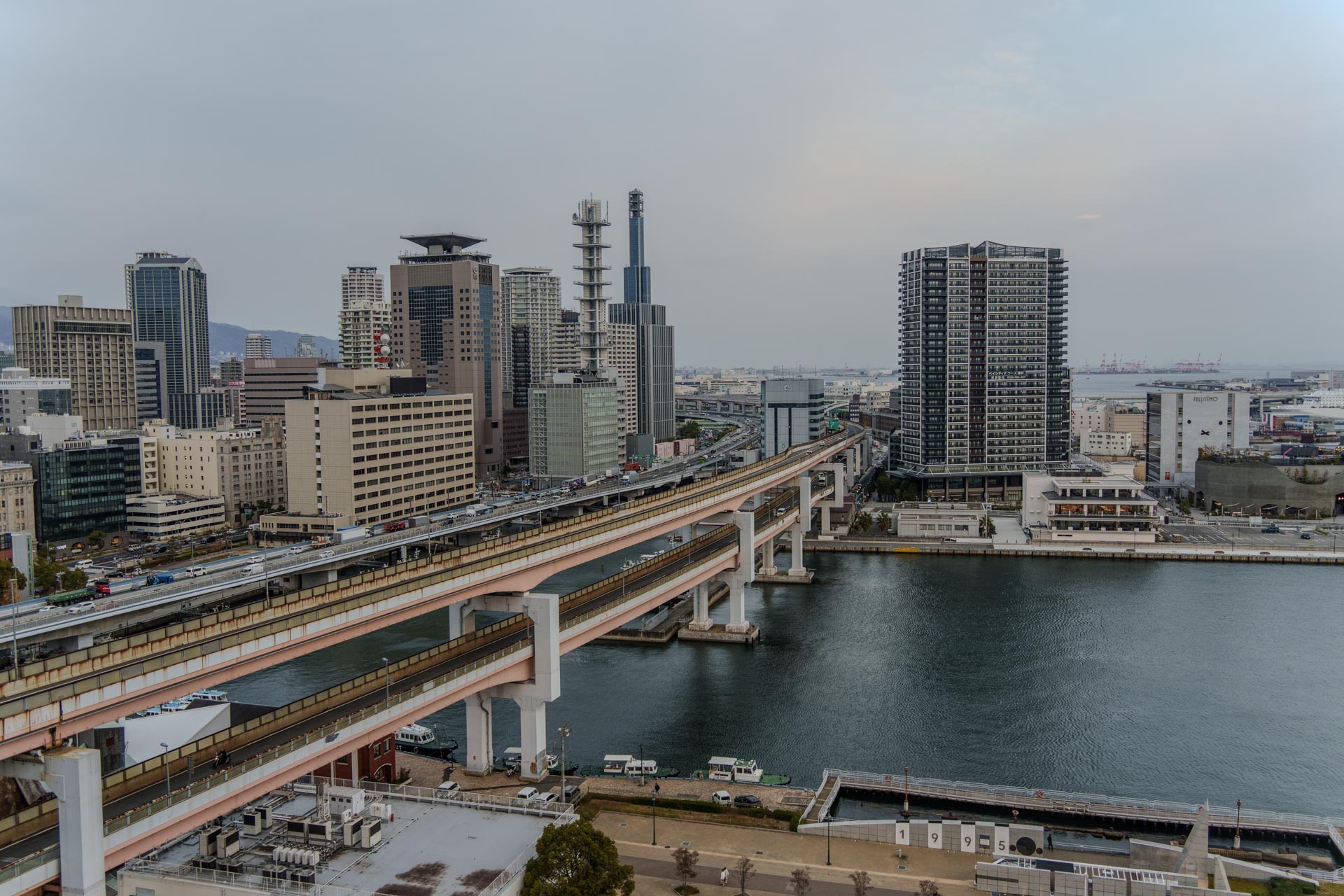 Day
Day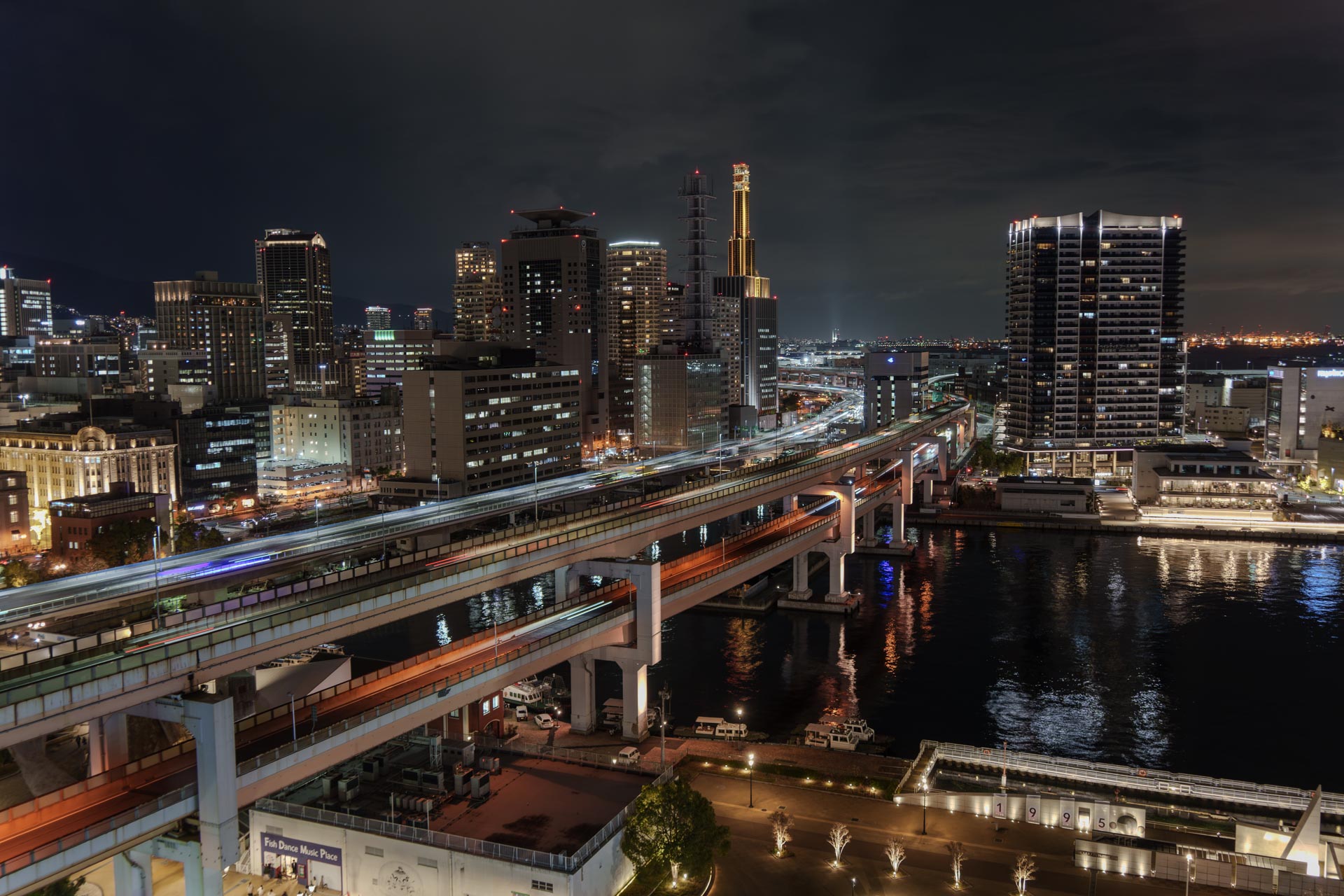 Night
Night
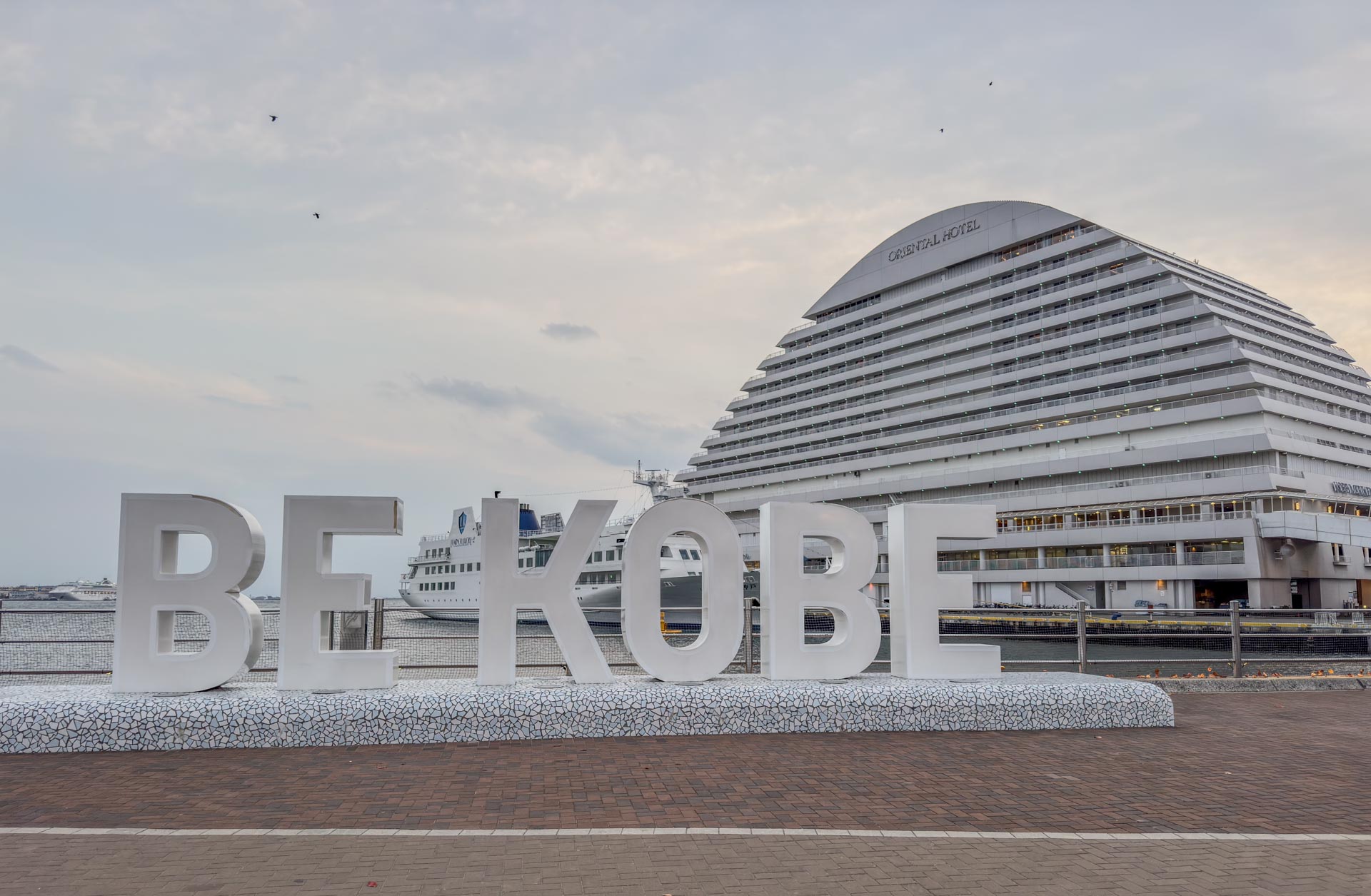
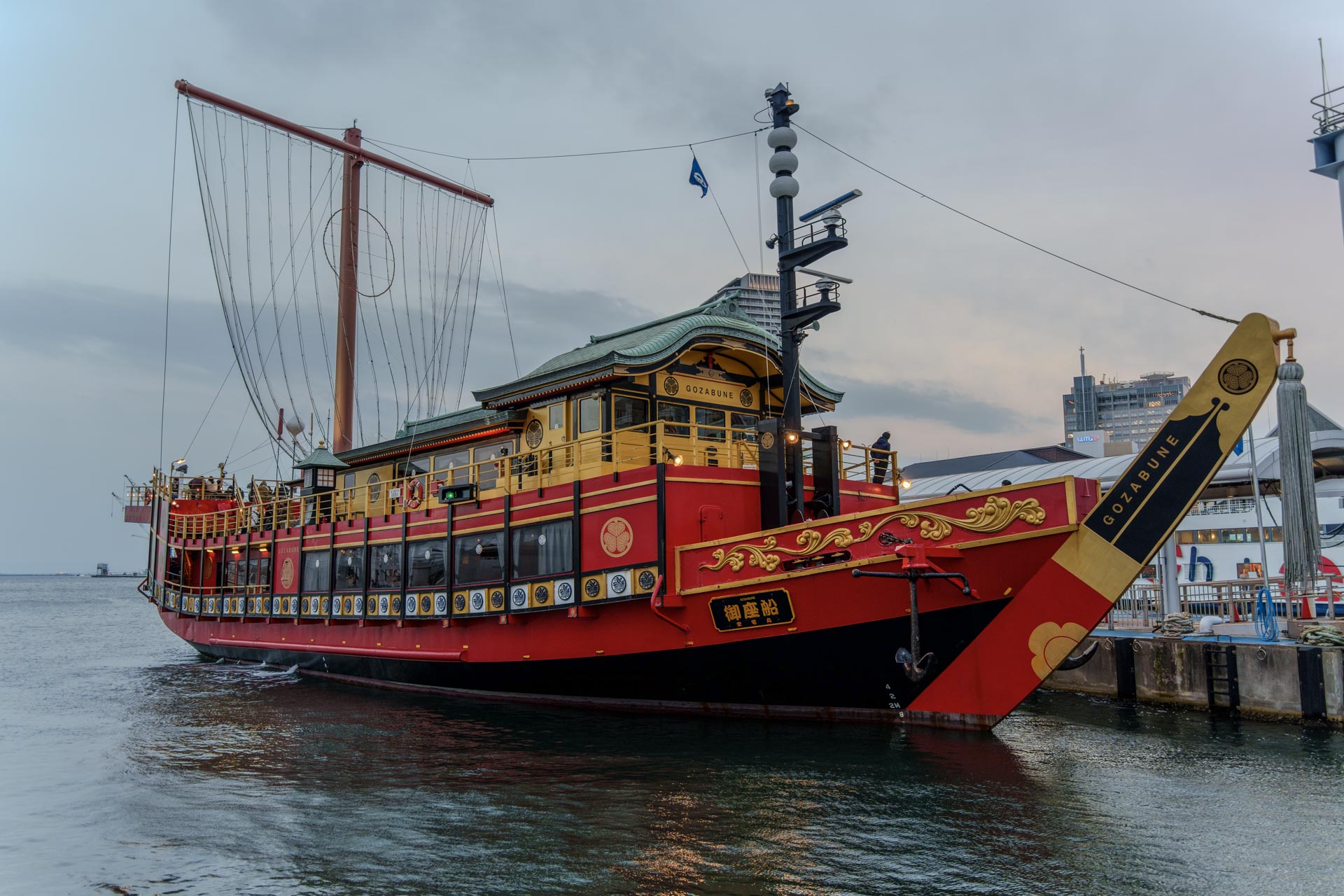
There are sightseeing cruise ships at the Meriken Park harbor.
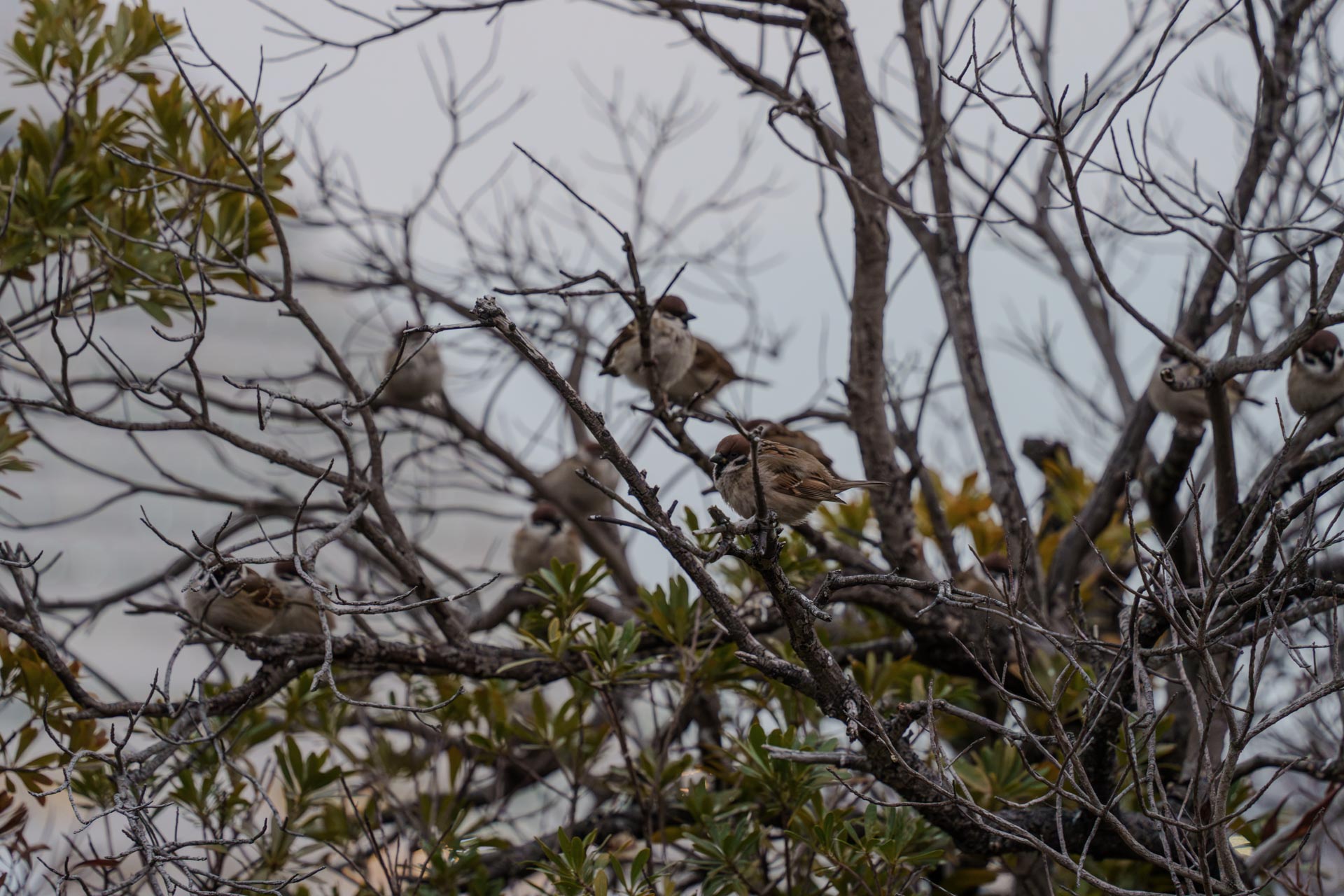
A sparrow.
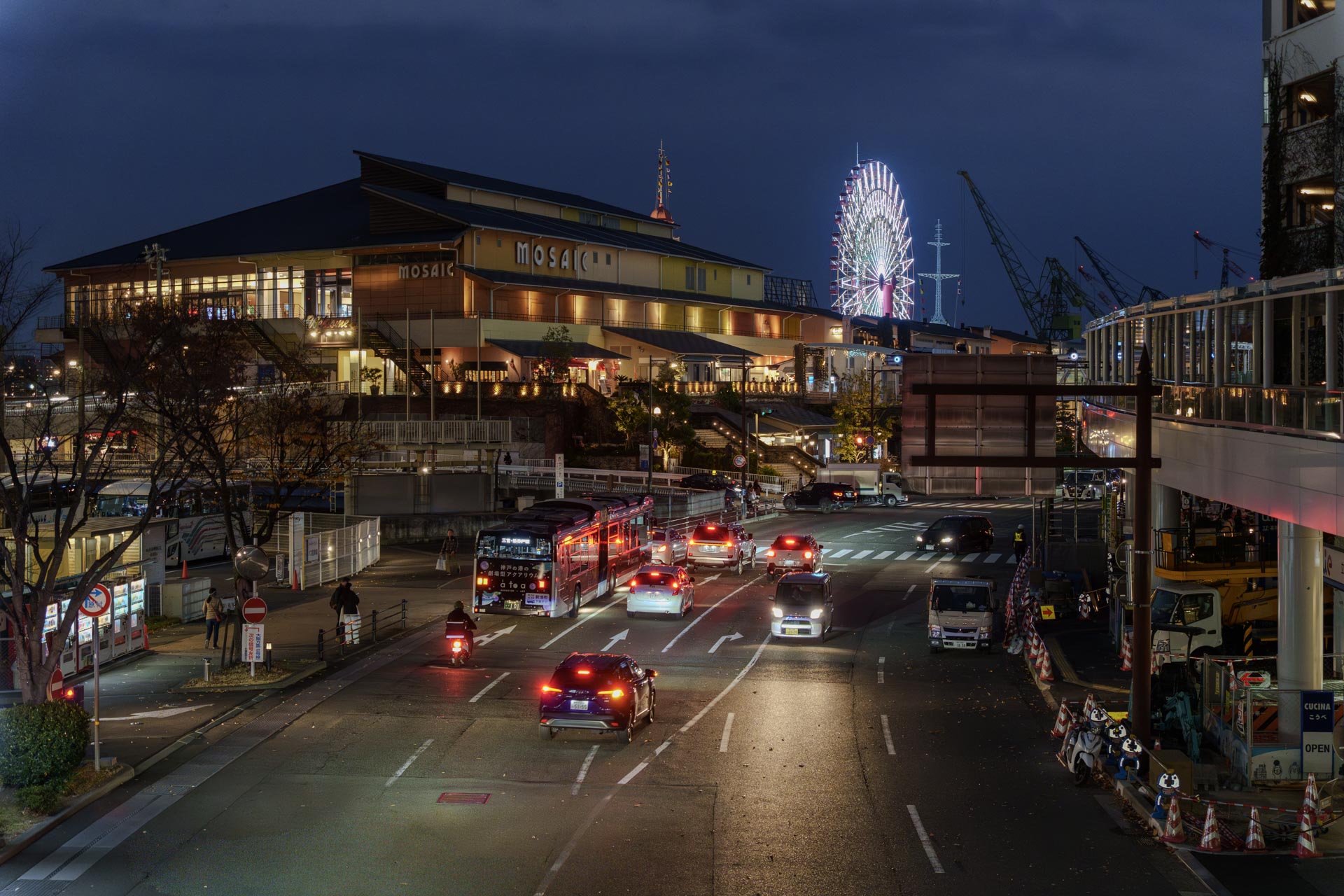
After a stroll around the area, we had Yakiniku (Japanese BBQ) for dinner. The taste was just mediocre.
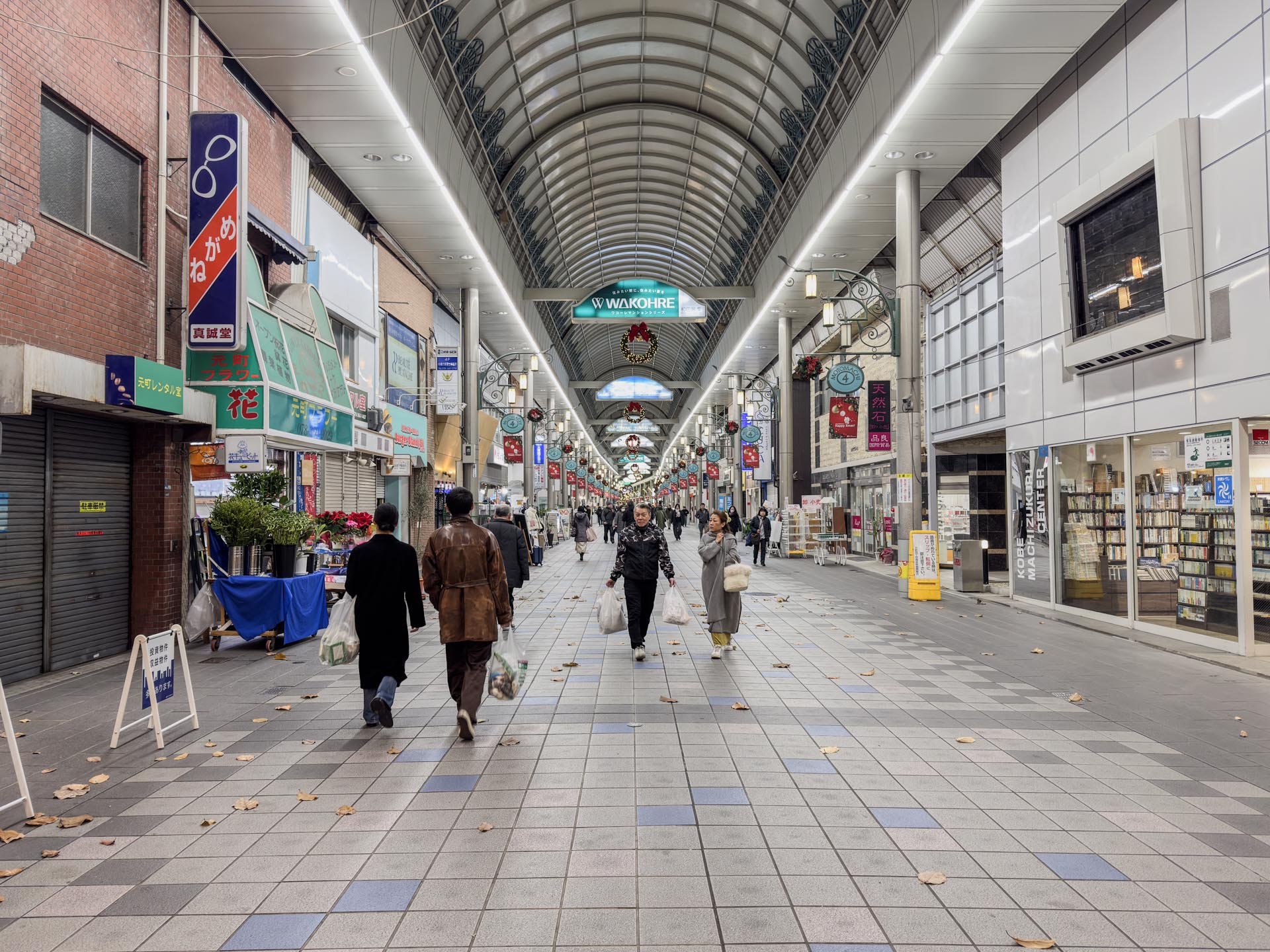
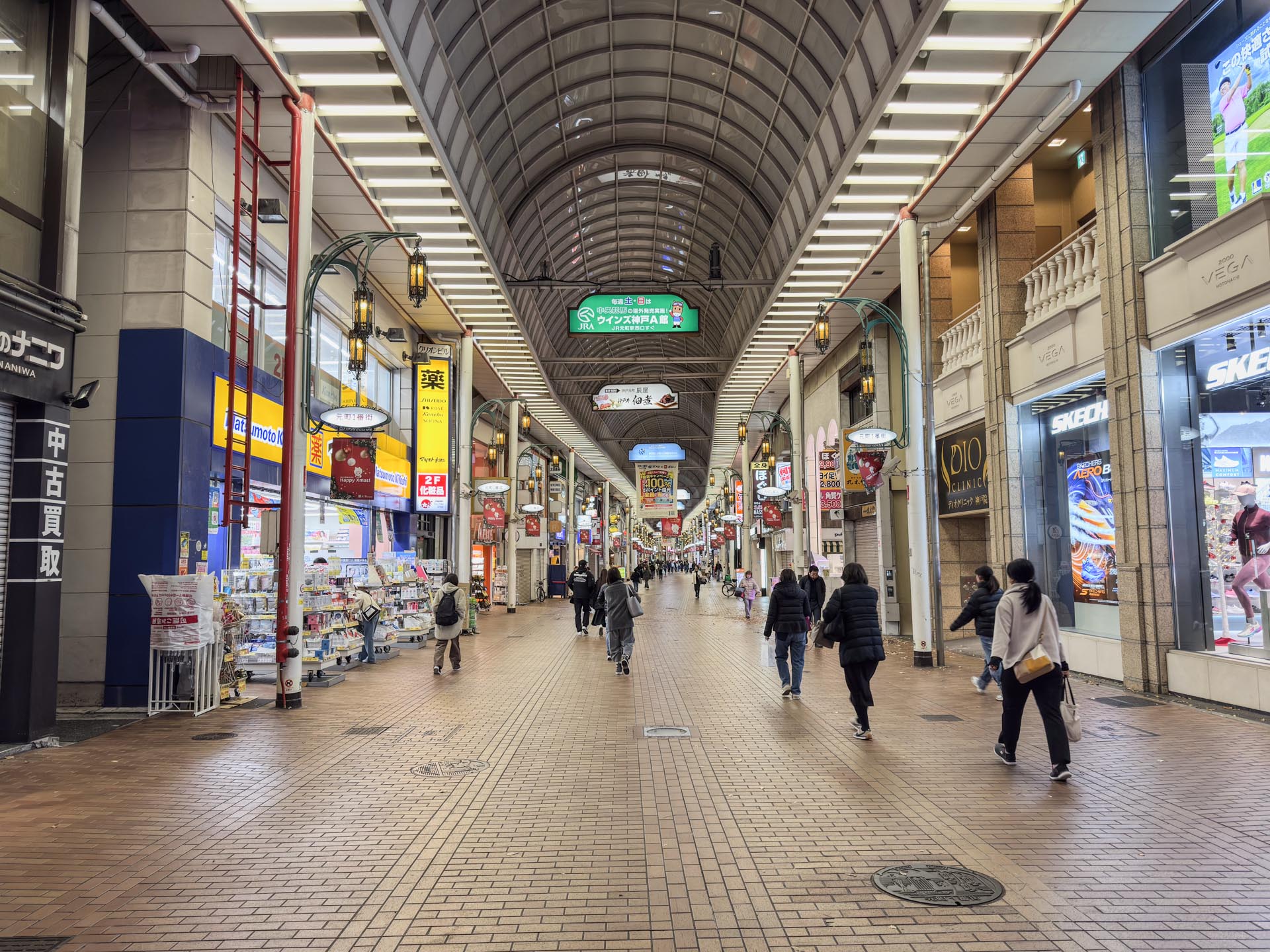
The shopping streets near Sannomiya were quite empty. So far, the liveliest shopping district I’ve seen is Shinsaibashi in Osaka; I haven’t visited the Kanto region yet.
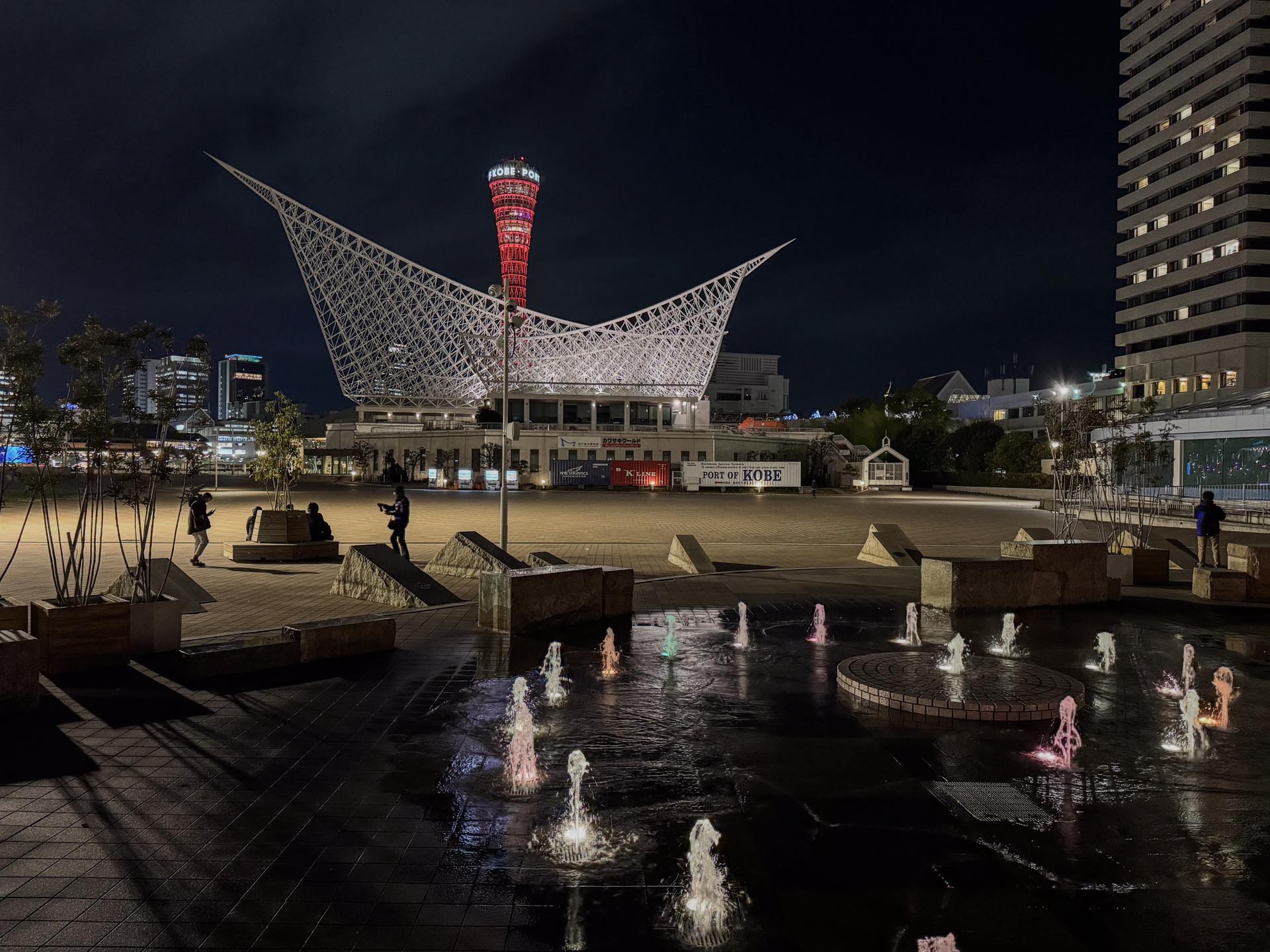
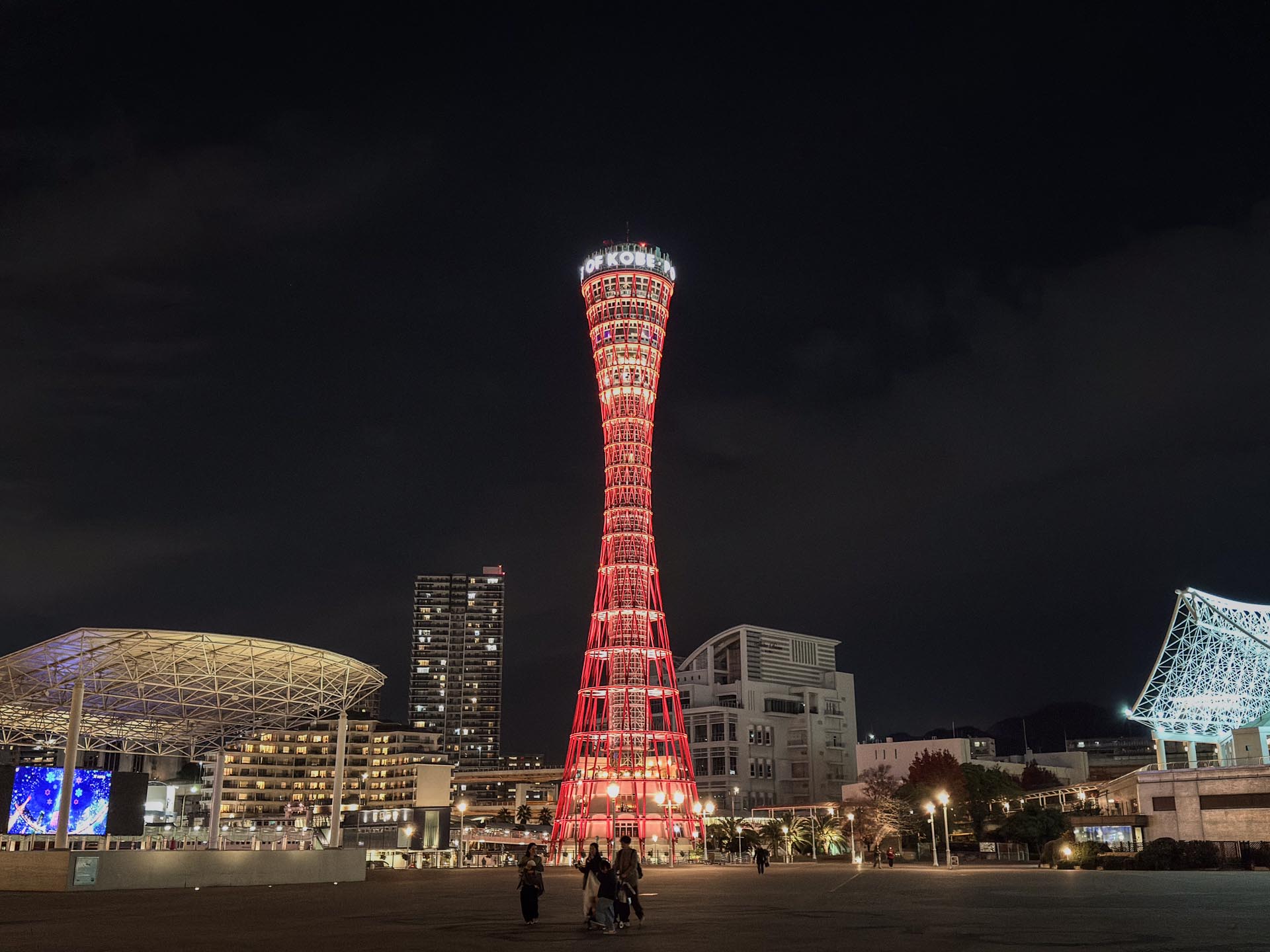 It looks like Guangzhou Tower
Day 11 Kobe & Wakayama
Waking up in the morning, embracing the sun, and filling my body with brilliant sunshine 😊.
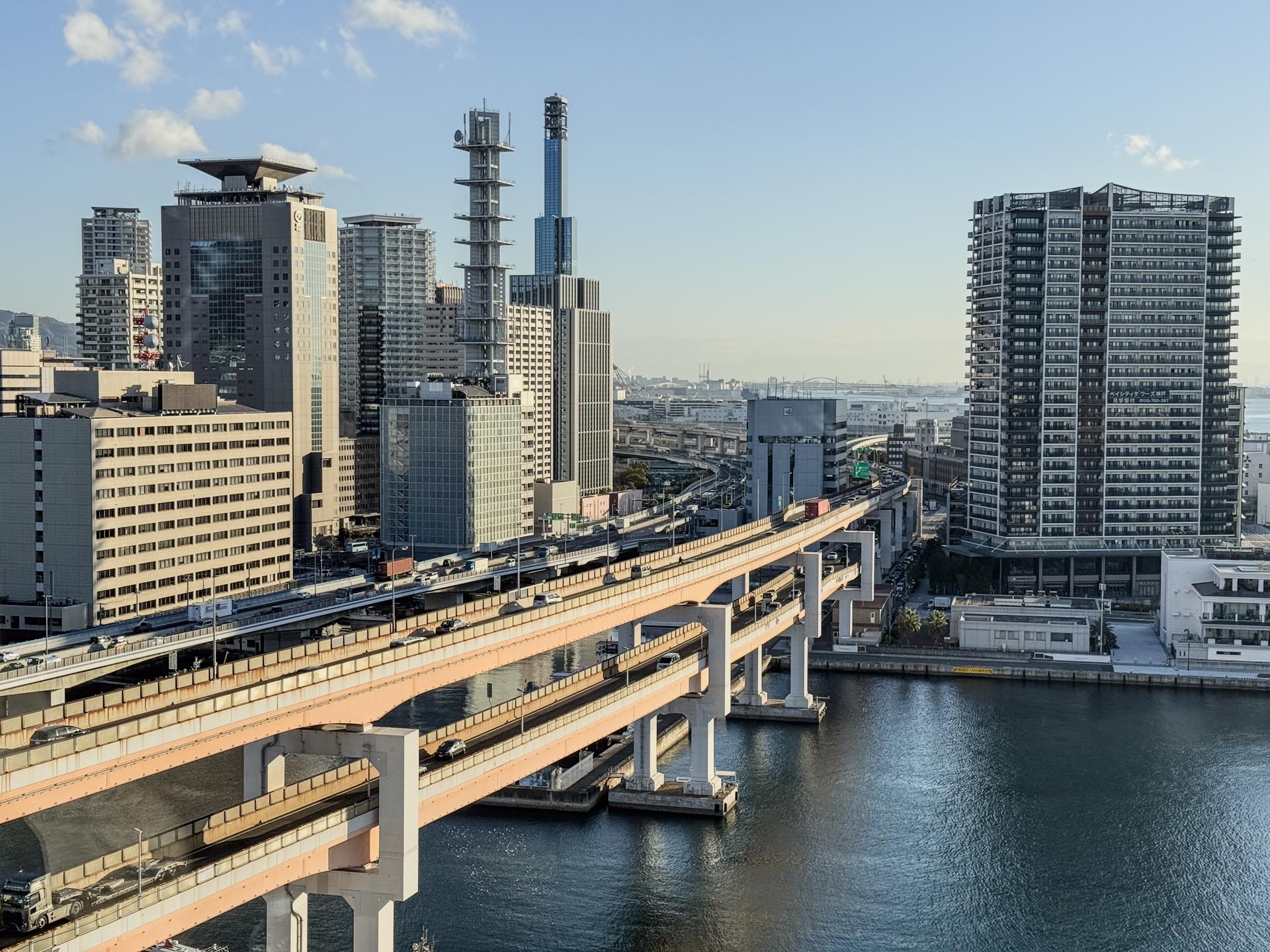
Checked out, took the JR train to Sannomiya Station, and stored our luggage in the station lockers before heading to Maiko Park via JR.
Maiko Park
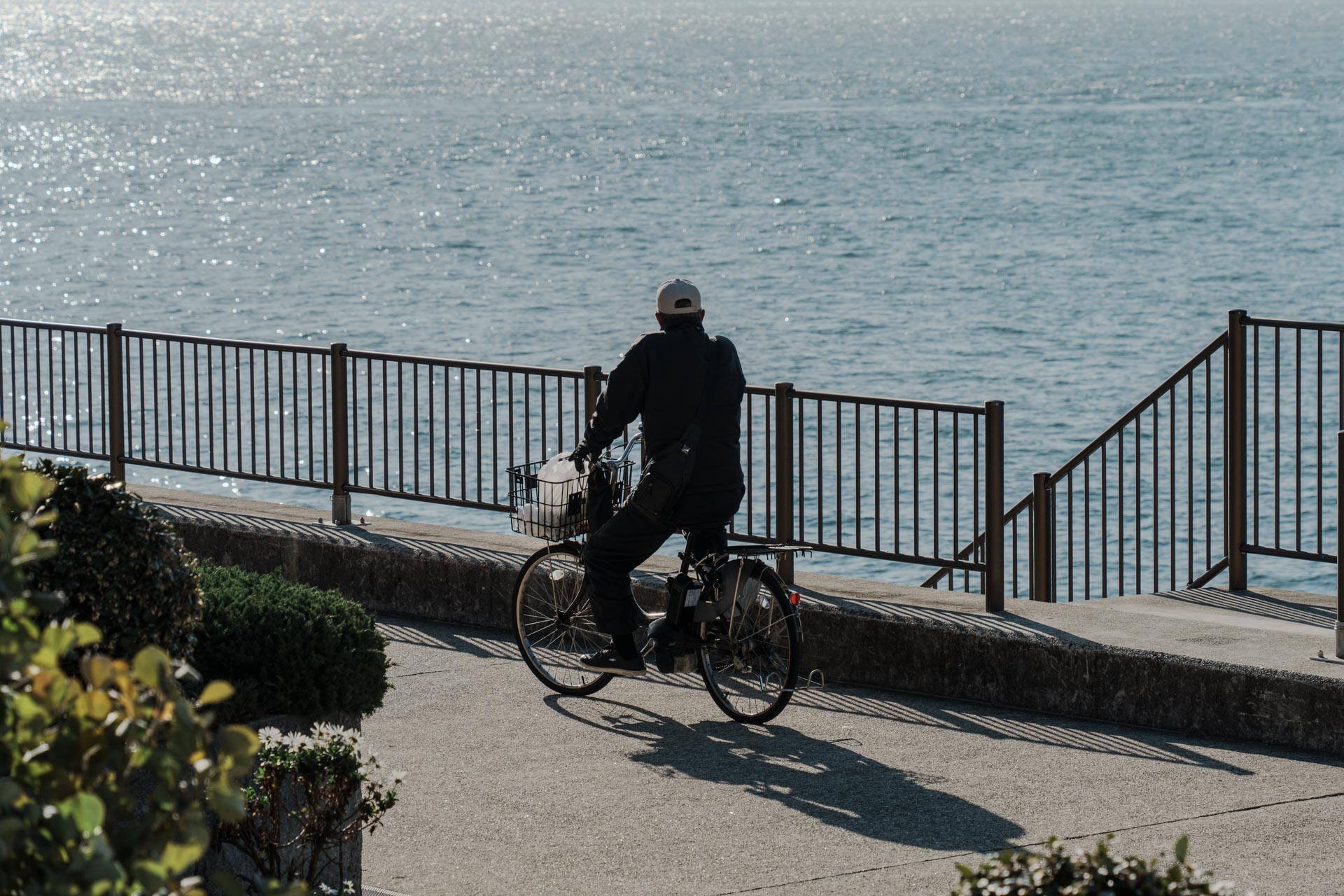
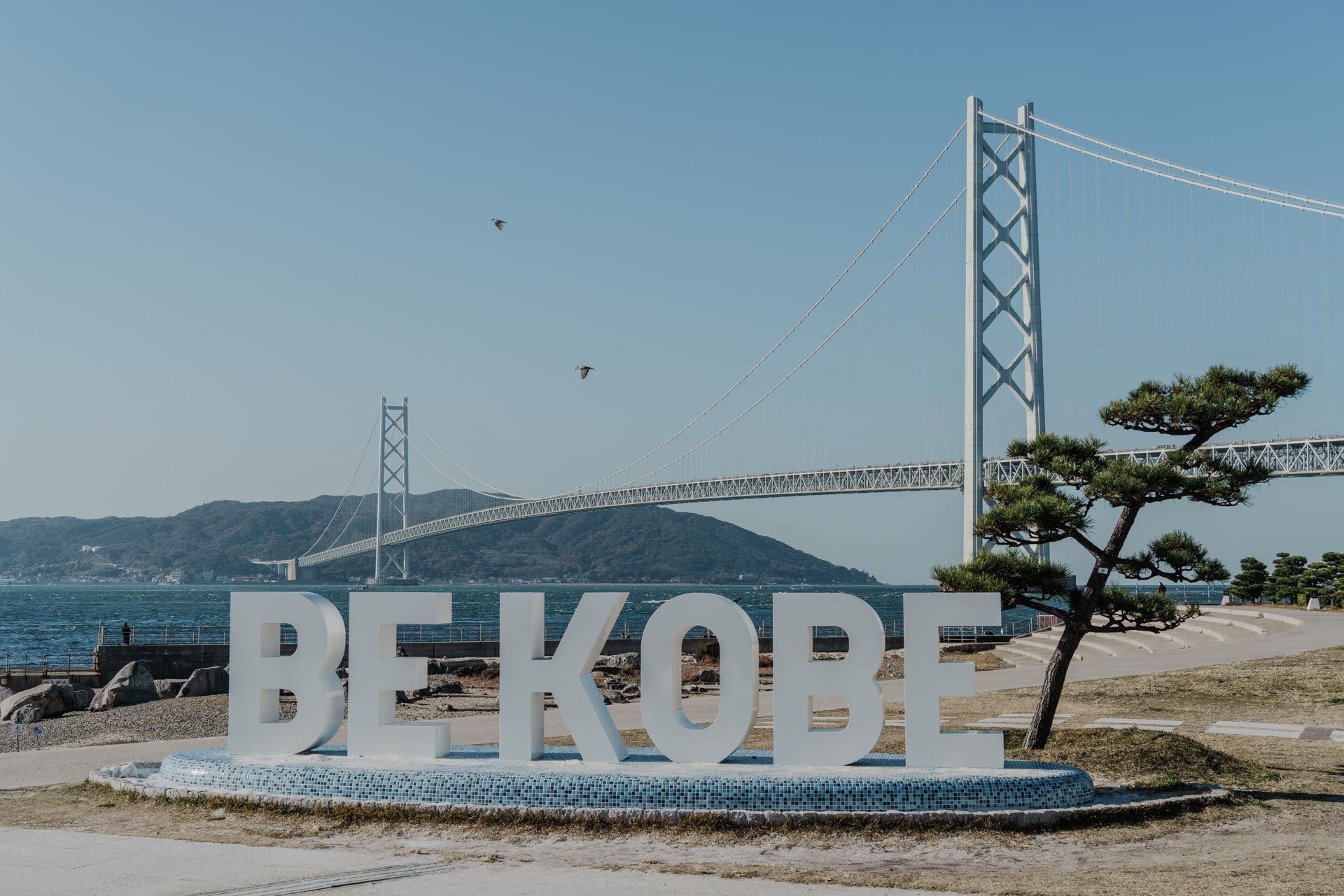
Arrived at Maiko and saw the ocean! As I walked under the bridge, I suddenly felt a strong gust of wind, so I quickly bundled up with my scarf and hat.
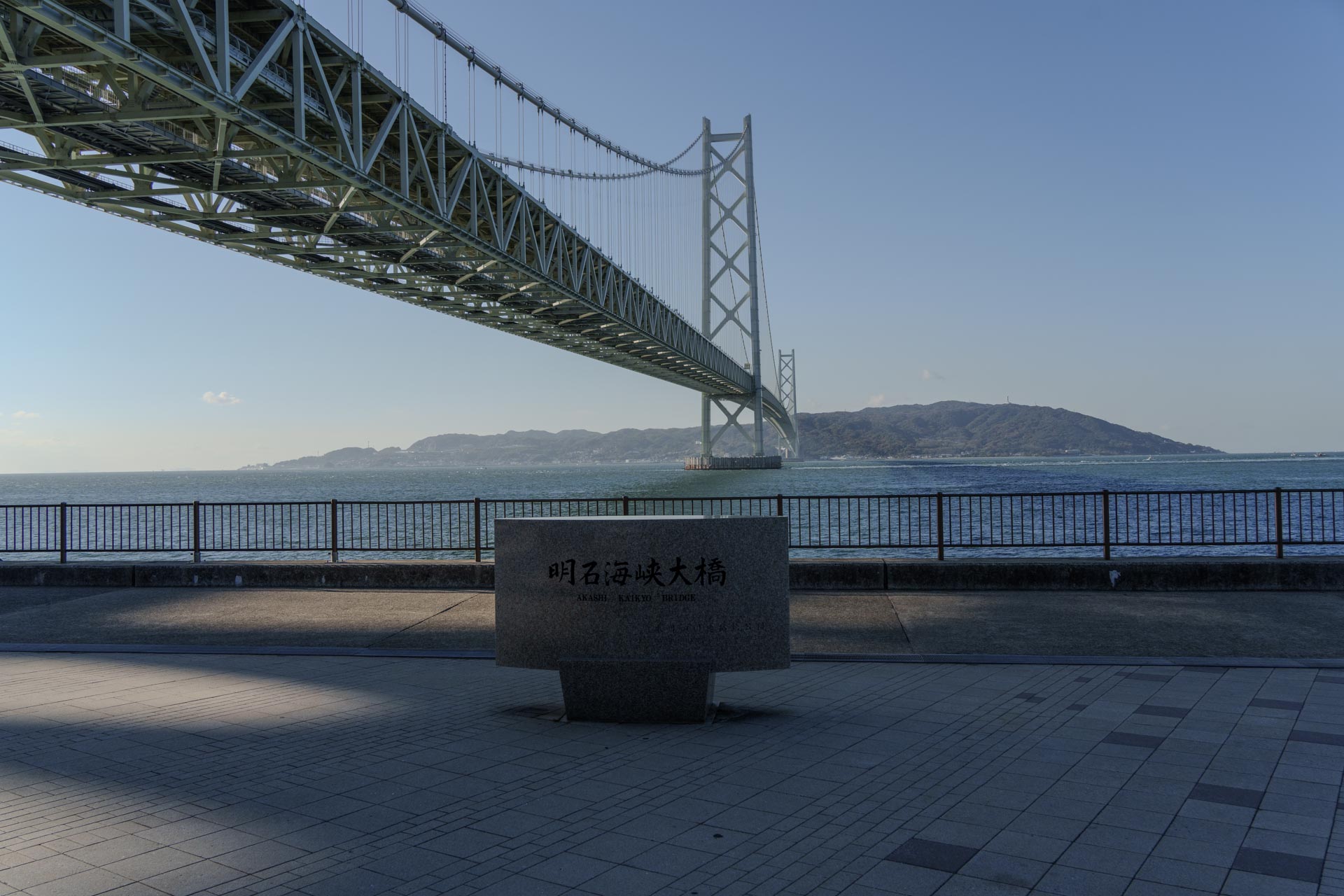
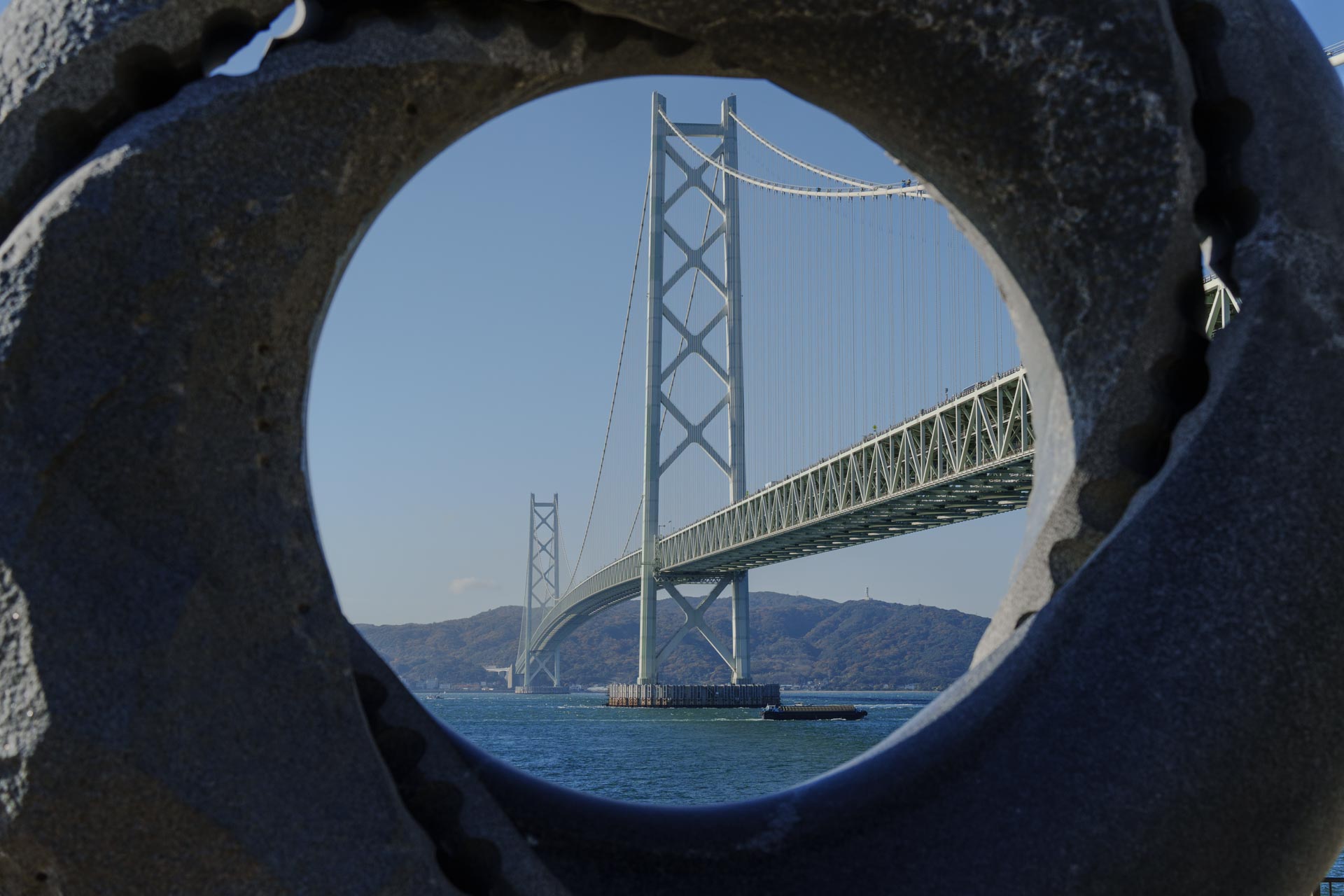
Once I stepped out of that specific area, the wind didn’t feel strong anymore. It probably has something to do with the bridge structure or some kind of physical phenomenon.
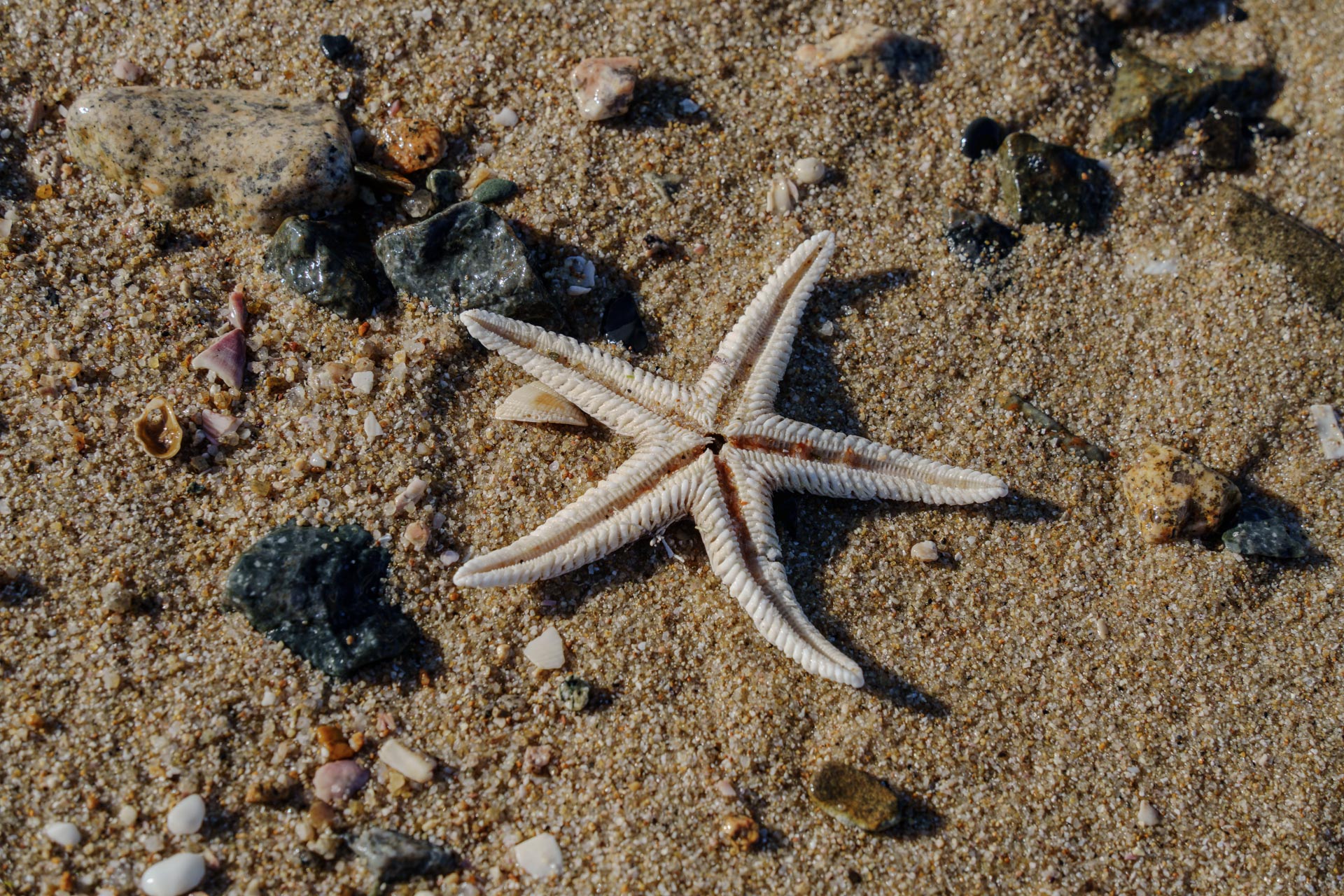
I spotted a starfish on the beach. Not knowing if it was dead or alive, and too scared to touch it with my bare hands, I used a stone to gently push it back into the water. Hope it makes it!
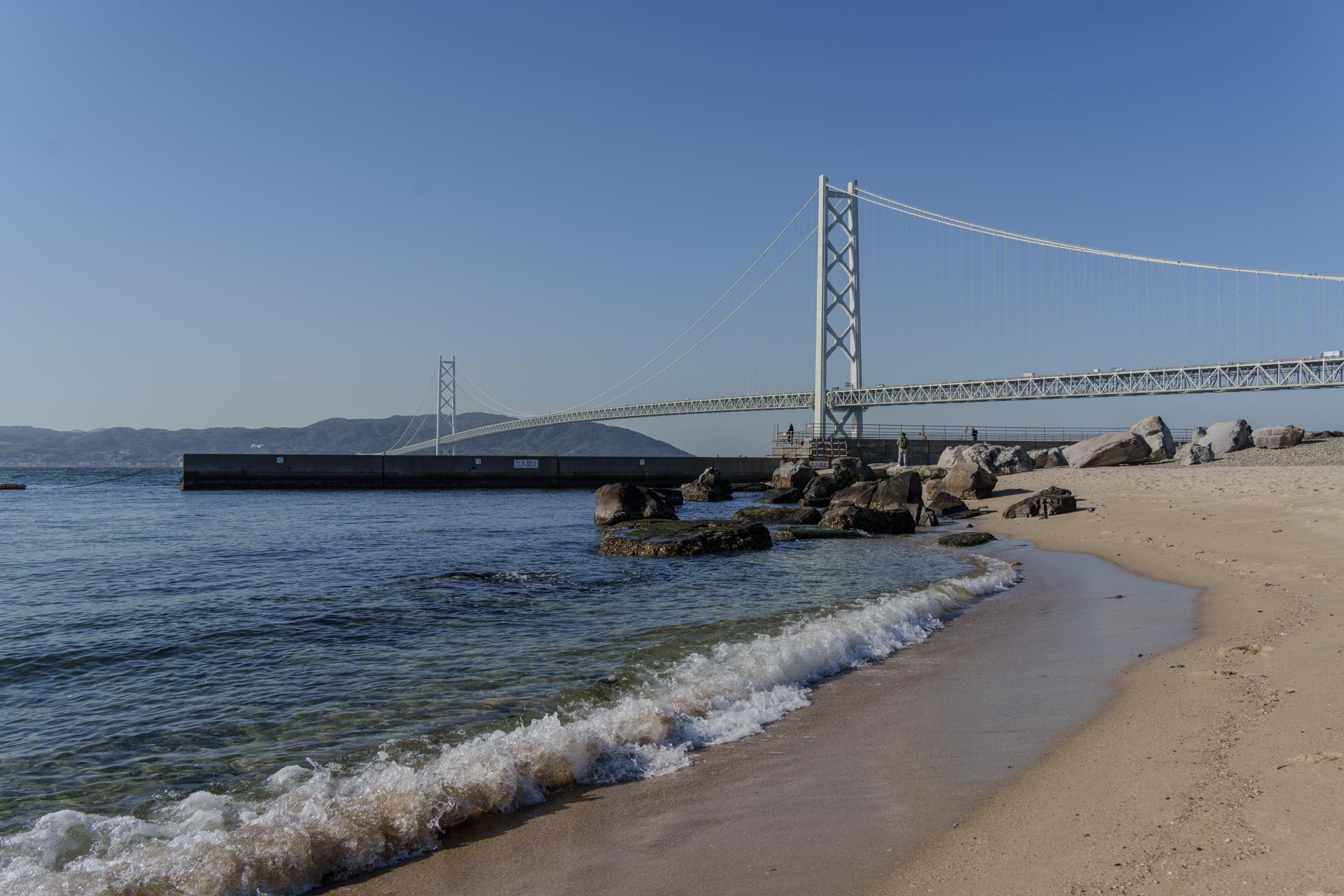
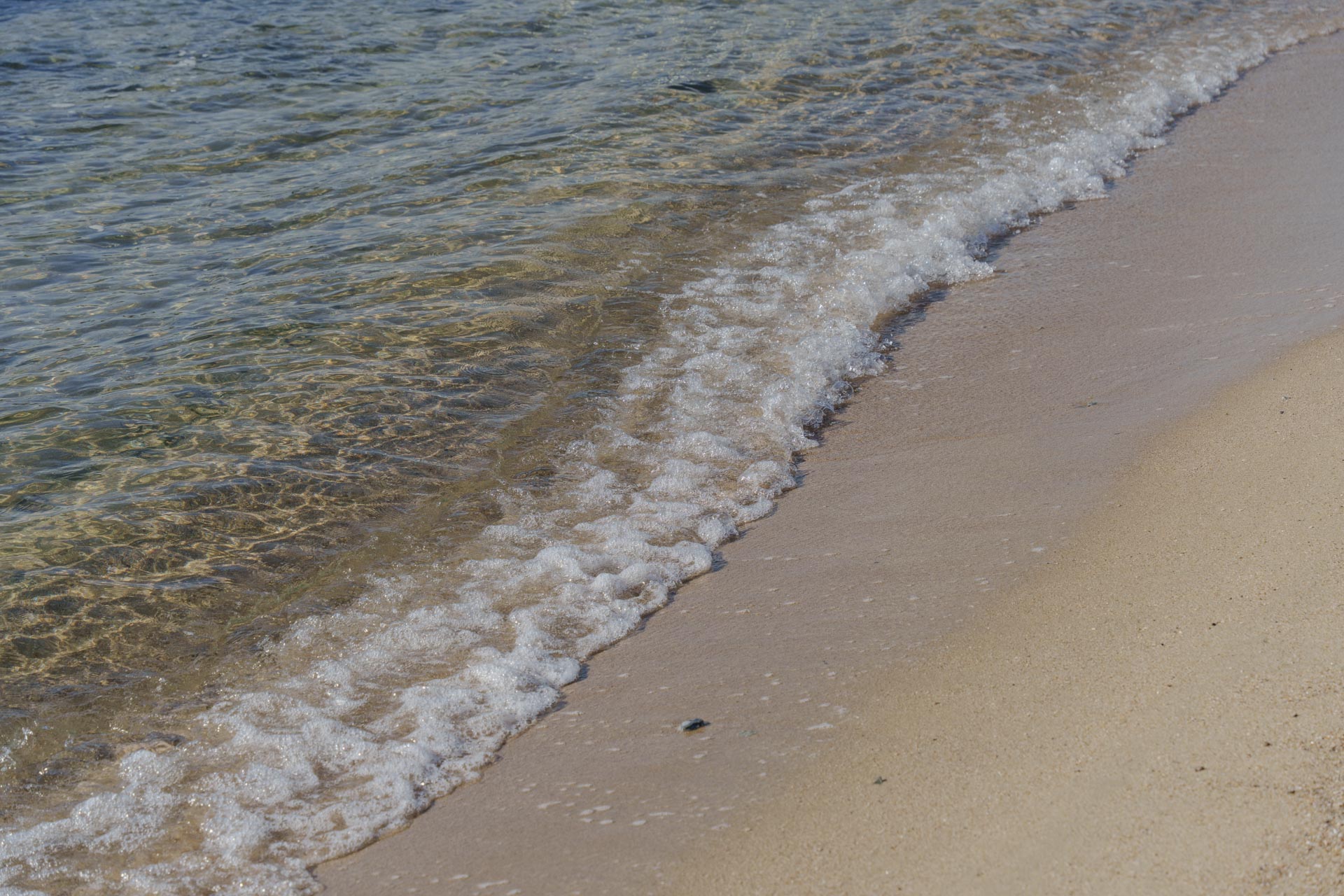
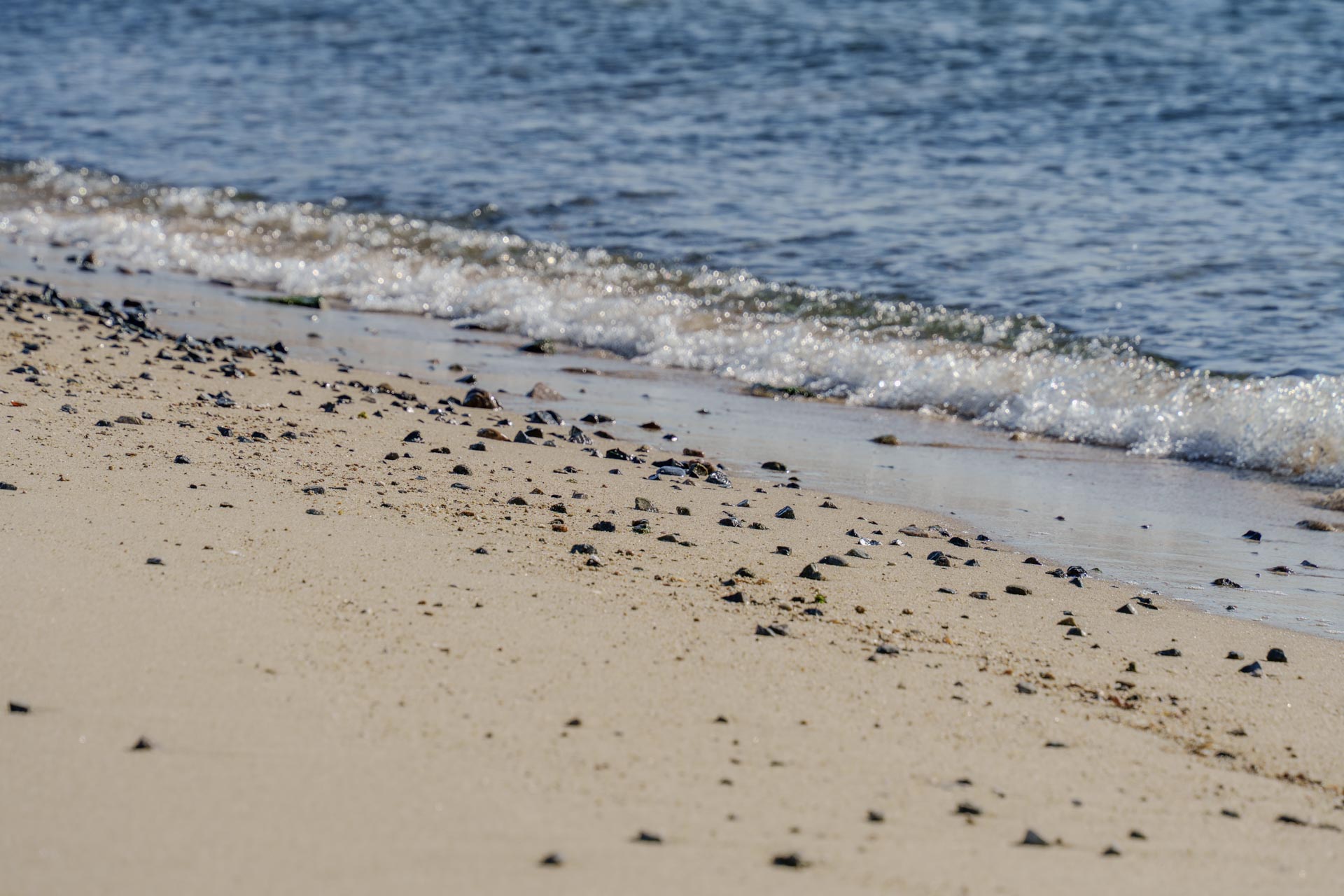
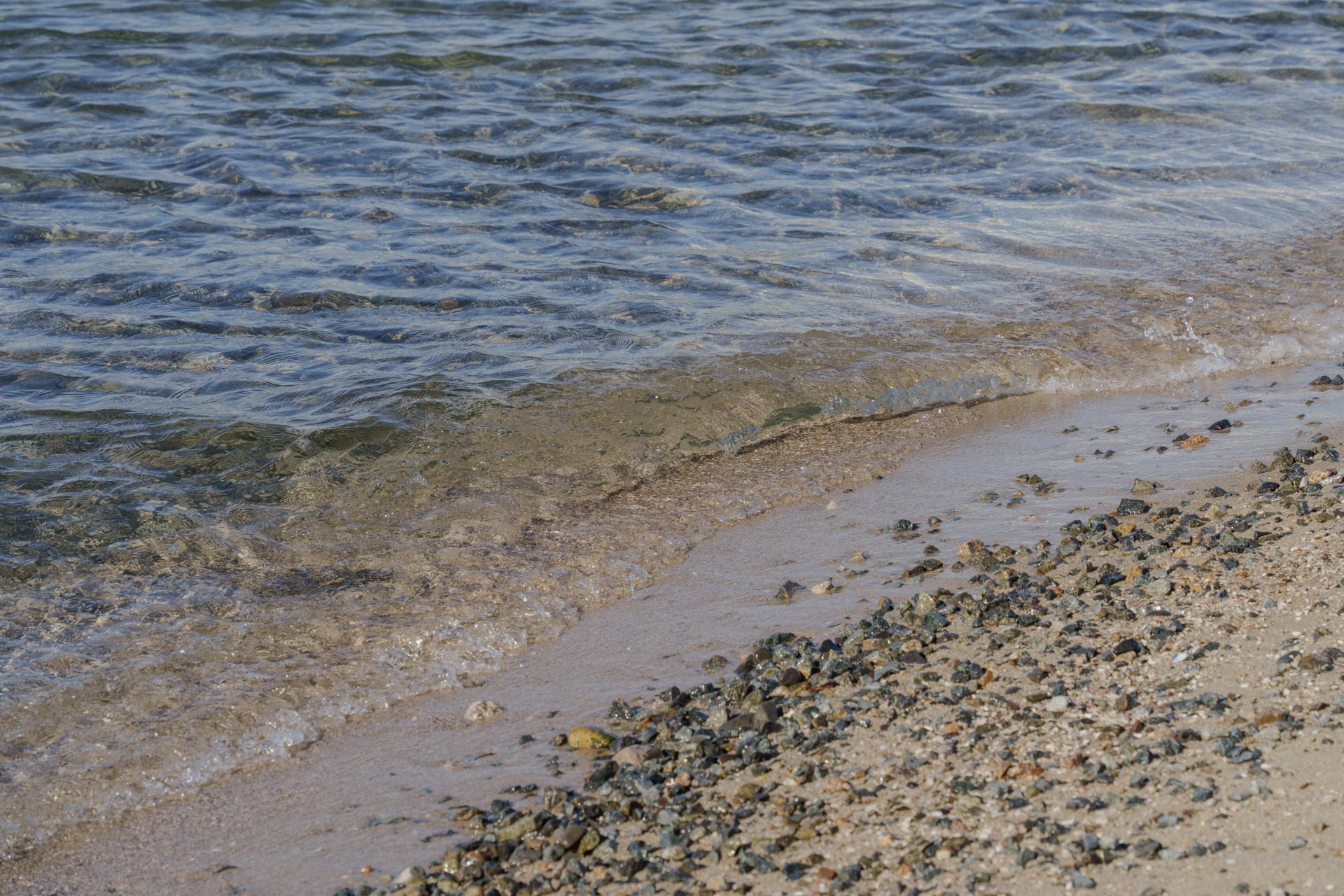
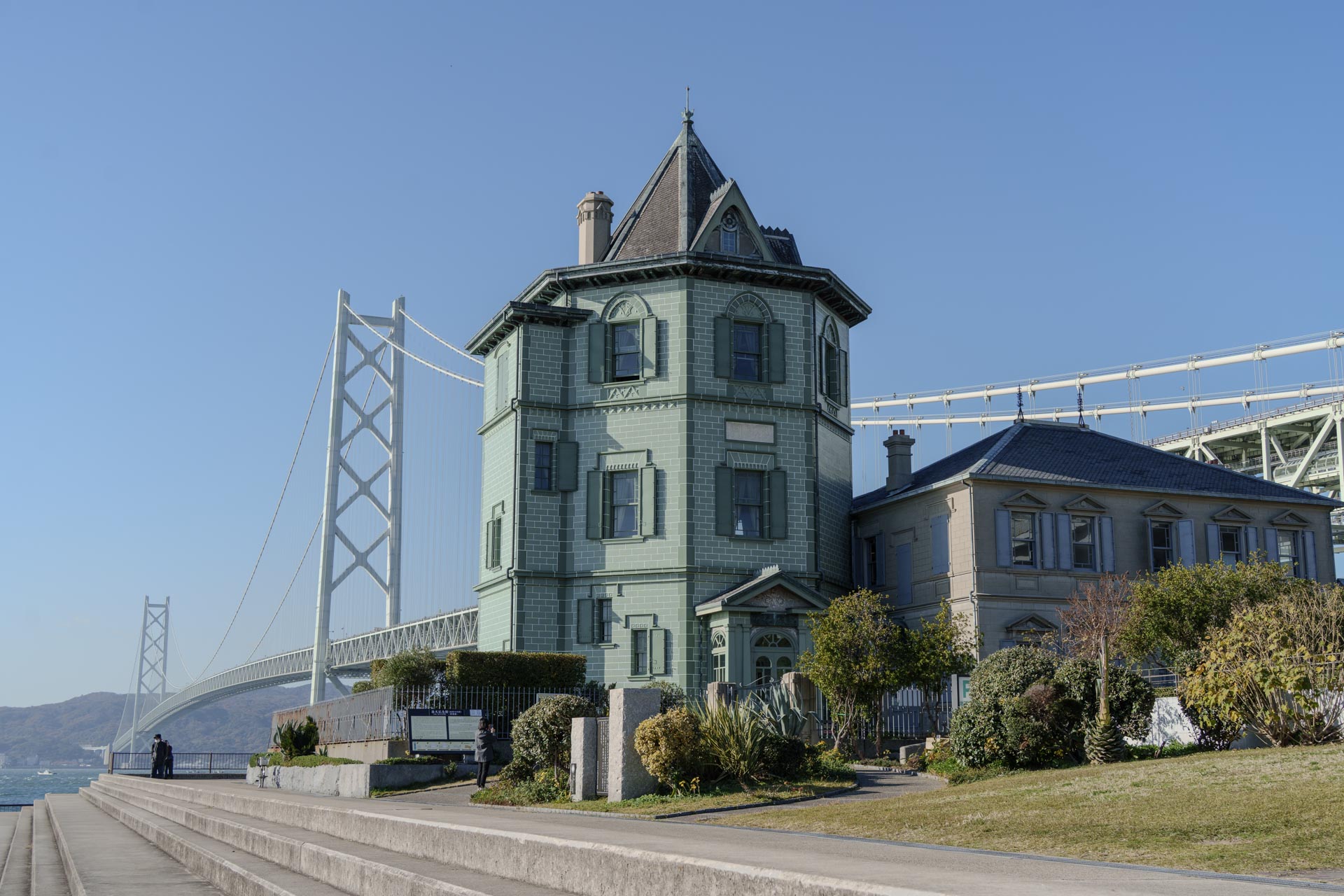
After walking along the seaside for a while, we headed back and took a quick tour inside the Sun Yat-sen Memorial Hall (Maikovilla).
Once we came out, we went to the Maiko Park ticket office, bought our tickets, and headed up onto the bridge.
The wind up here was incredibly strong—I was honestly worried it might blow my baseball cap right off.
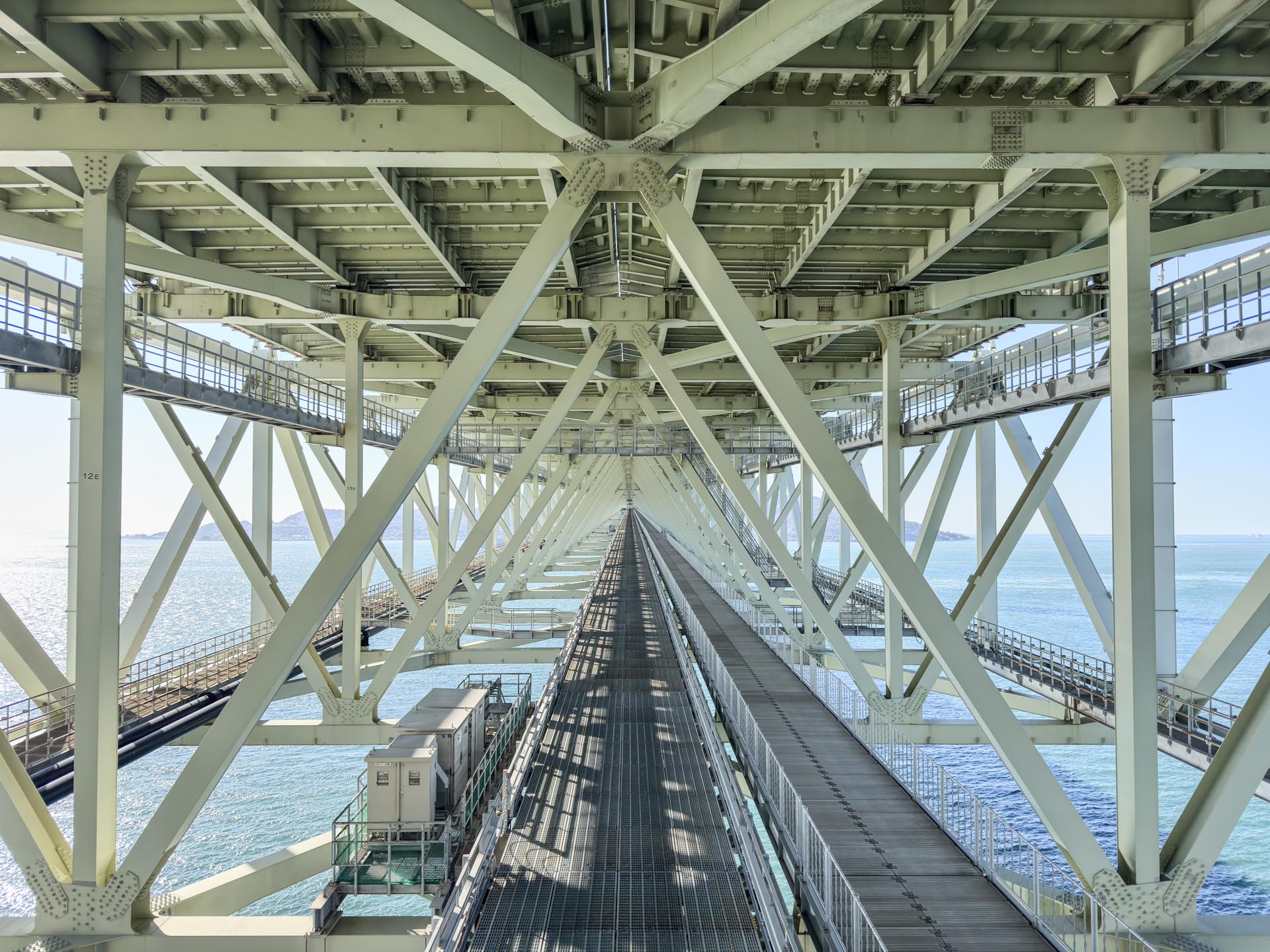
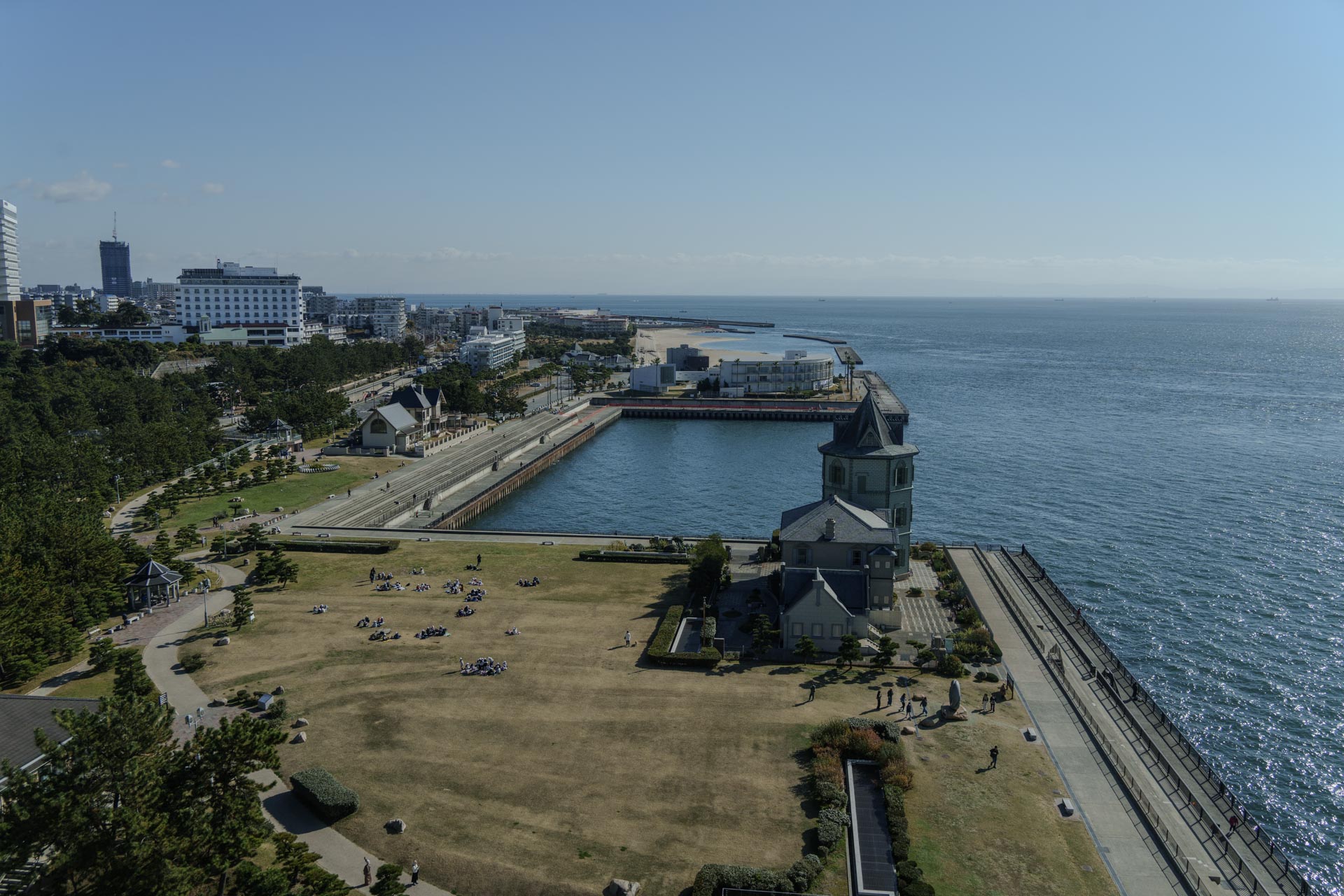
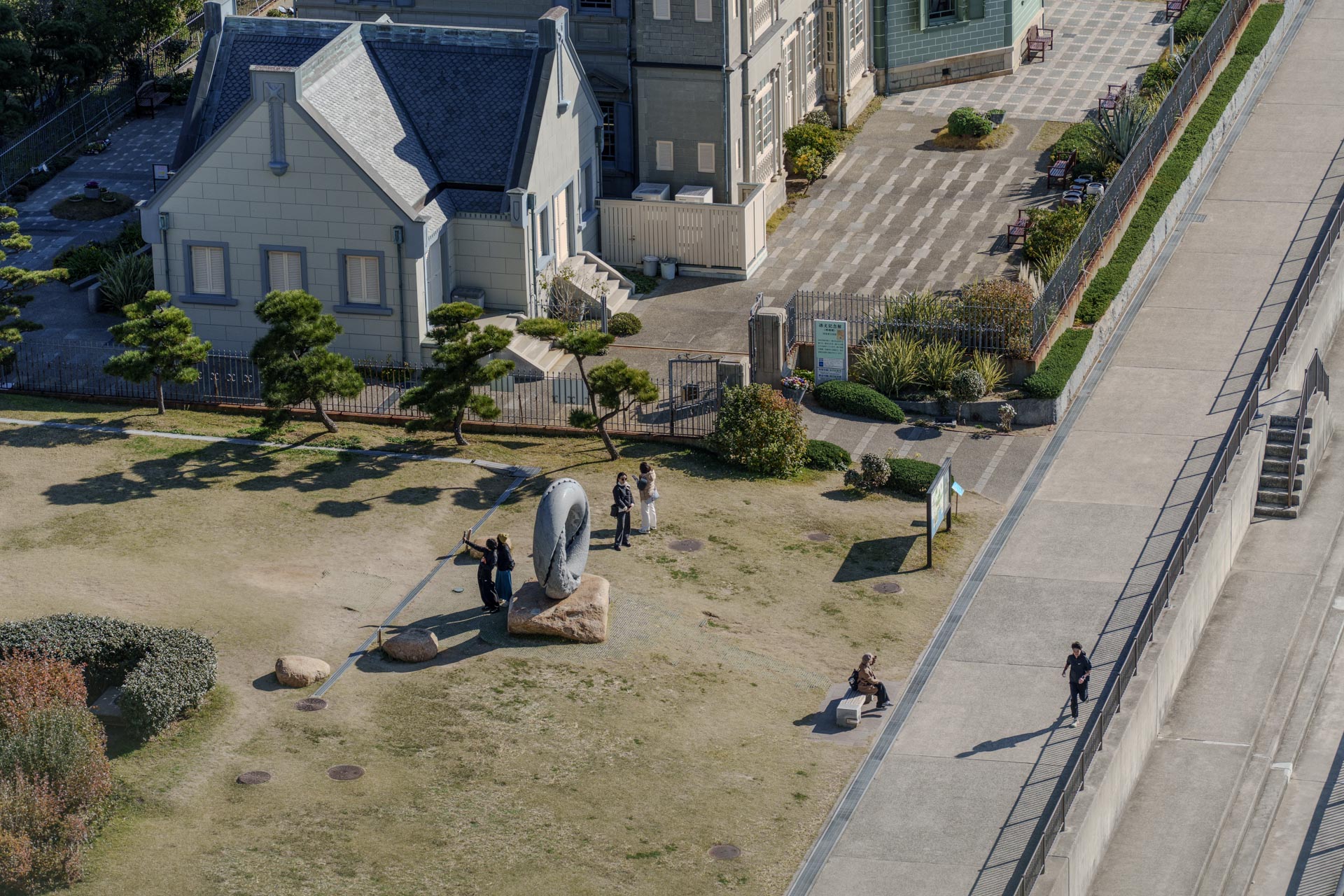
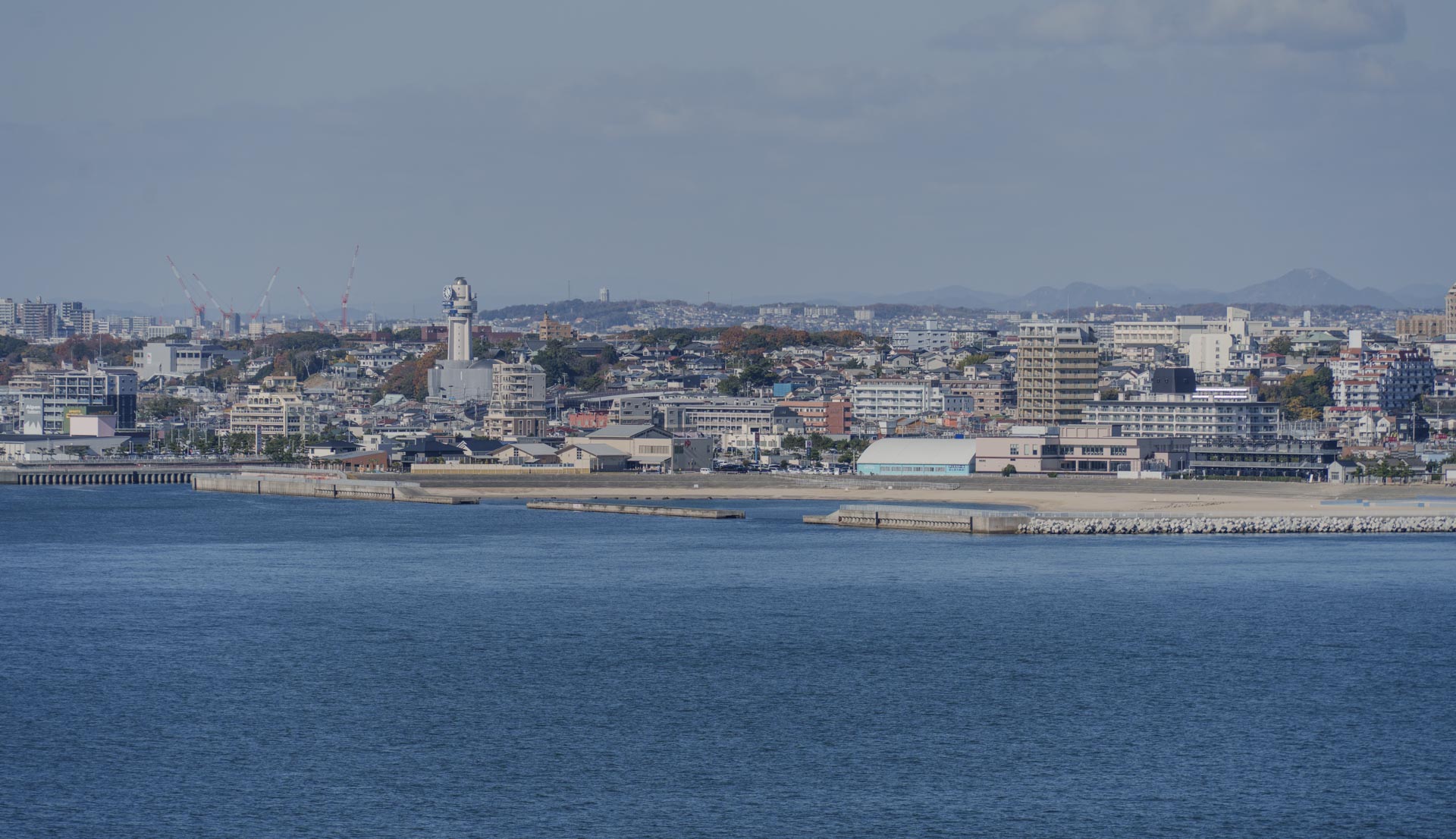
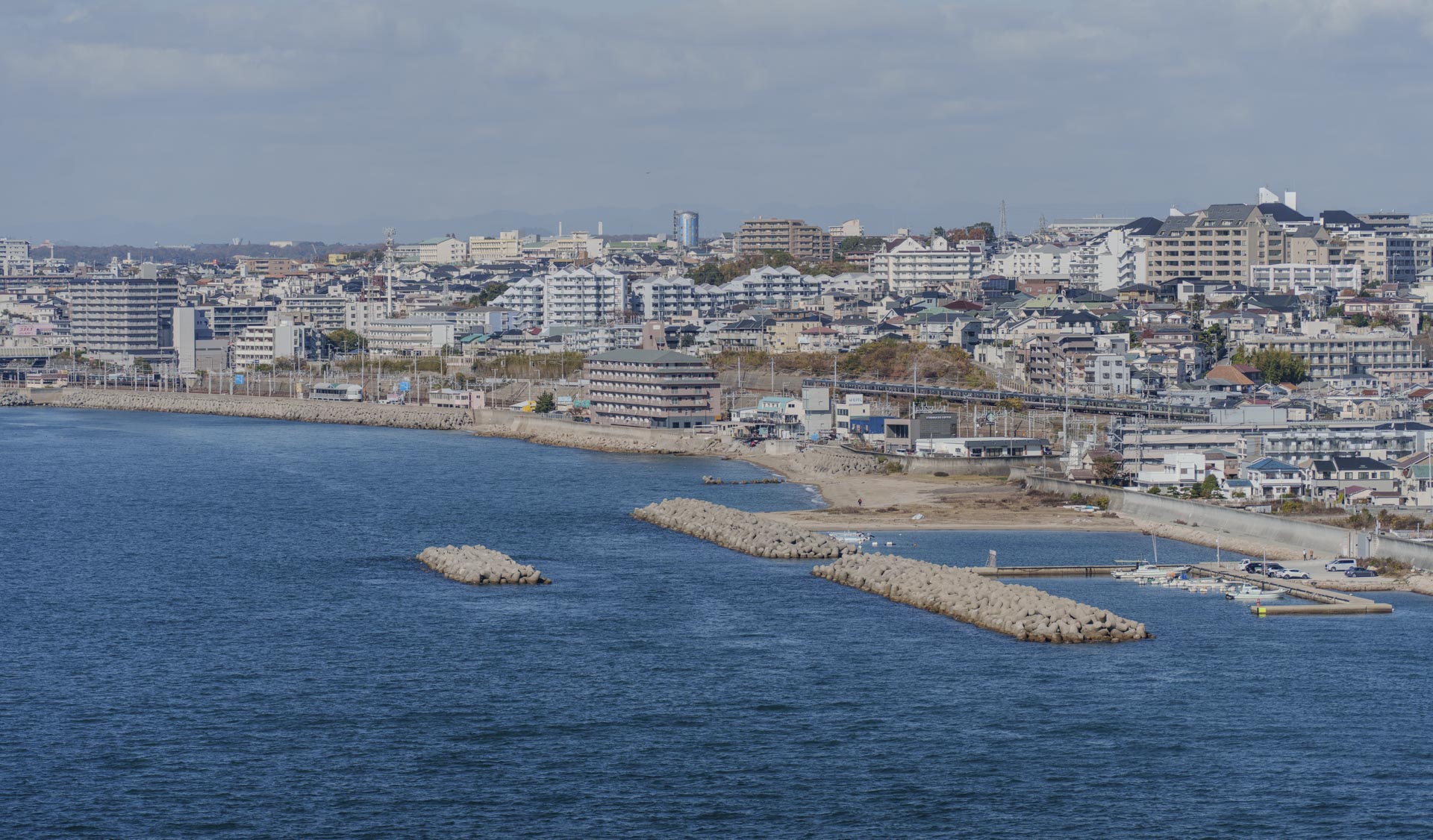
There was even a glass-floor section where you could look directly down at the seawater below. Since I’m afraid of heights, I didn’t dare step onto it.
There were snacks for sale up there. I ordered some Akashiyaki (which tastes like boiled Takoyaki) and an ice cream. Eating something hot and cold together made my teeth feel a bit “off”—not the best sensation!
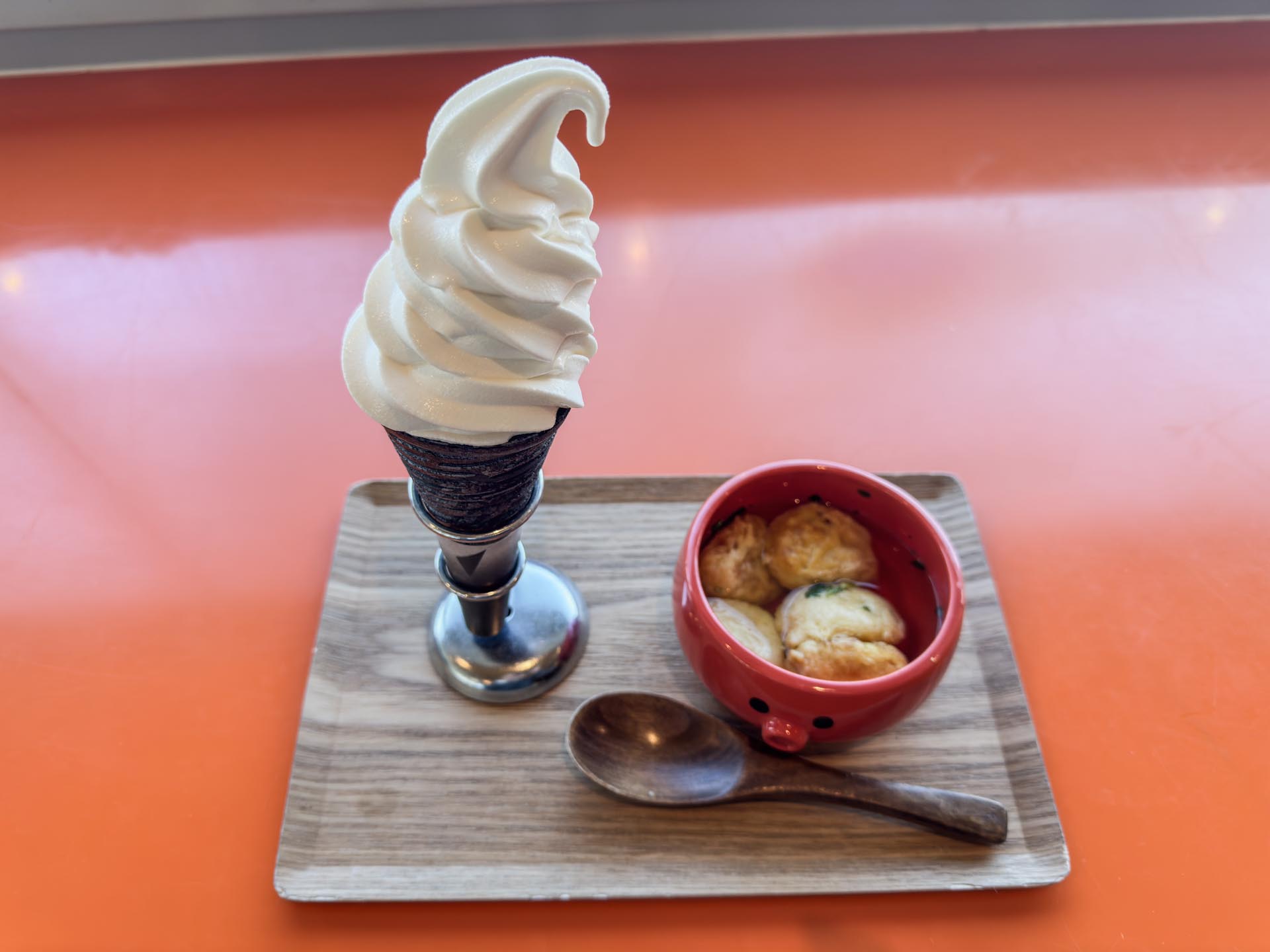
It was so cozy sitting there; with the glass and solid ground, my acrophobia wasn’t an issue anymore. Though I think a refreshing drink would have been a better choice for that spot.
After lunch, we took the JR train to Wakayama.
Now, here’s the interesting part: we were sitting in the second carriage. In this specific train, cars 1–4 head to Kansai Airport, while cars 5–8 go to Wakayama. My friend told me we had to switch carriages before reaching Hineno Station. Having just woken up, I was quite confused until I saw the reminder on the overhead screen—thanks for having my back, my friend!
Actually, it wouldn’t have been a huge deal if we had ended up in the wrong place since we were using the JR PASS; it just would have meant a bit of backtracking and a later arrival in Wakayama.
Sidenote: Why didn’t we take the Limited Express Kuroshio? Because the timing wasn’t right. If we had waited for the Kuroshio after arriving in Osaka, it would have added another hour to our
Wakayama City
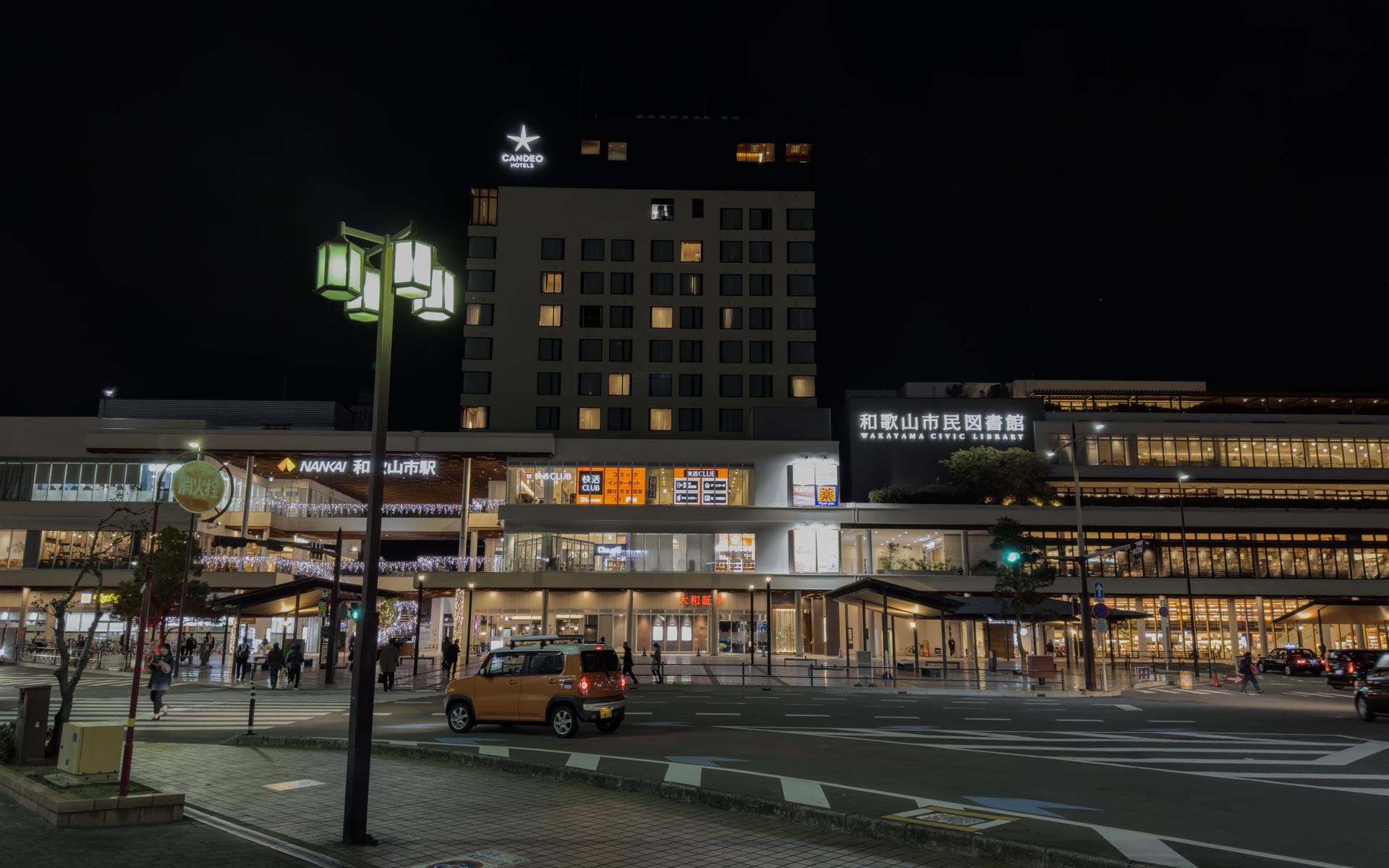
We booked the Candeo Hotels Wakayama, located right above Wakayamashi Station. After arriving at Wakayama Station, we had to take another short JR ride to get to Wakayamashi Station. Originally, I had booked a hotel near Wakayama Station, but I switched to this one near Wakayamashi Station because we needed to take the Nankai Line to Kansai Airport the next day (and I still had one day left on my Nankai 2-Day PASS).
The lobby of the hotel offers a fantastic view. After dropping my luggage in the room, I specifically came back down to the lobby just to watch the sunset.
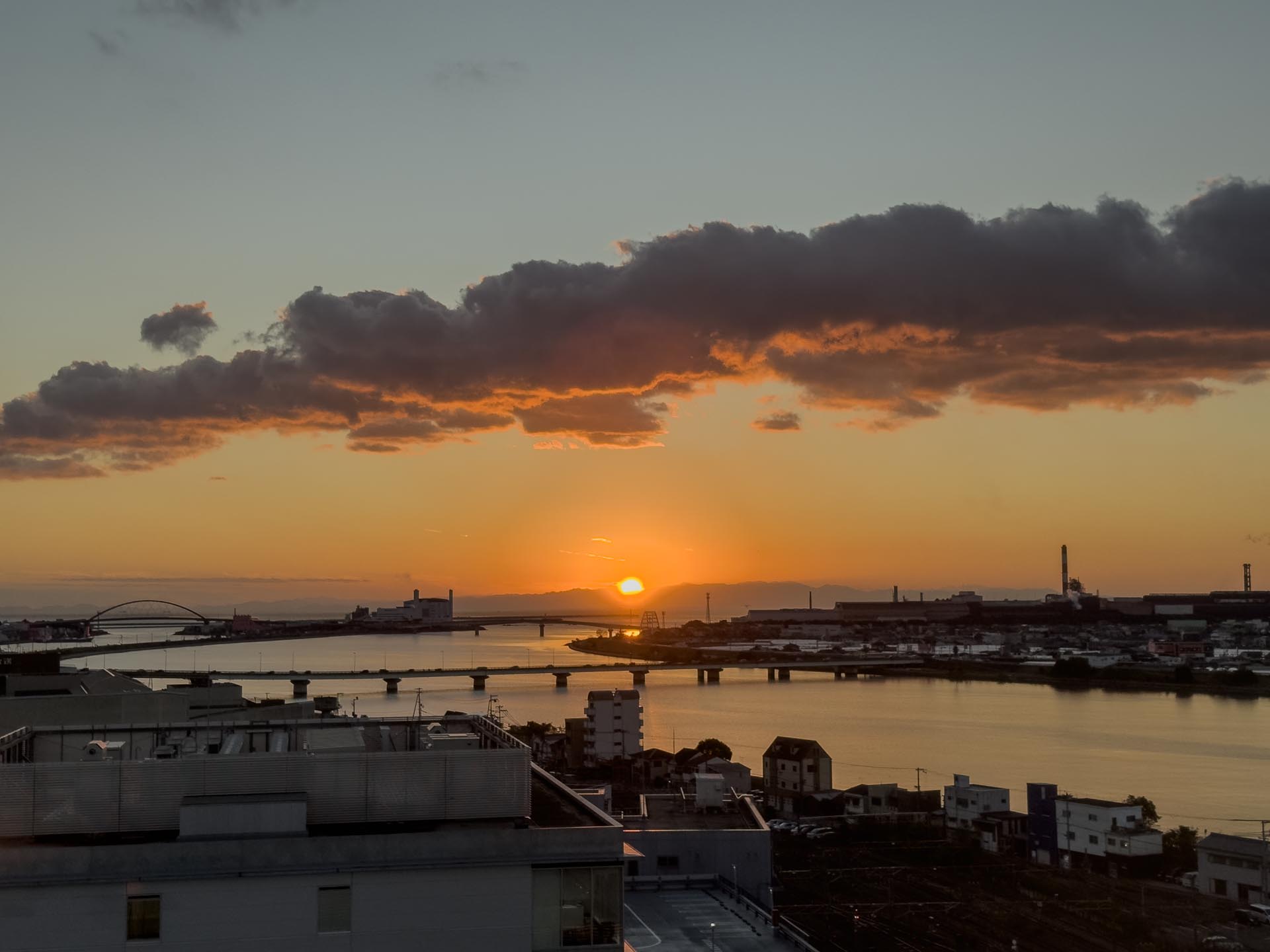
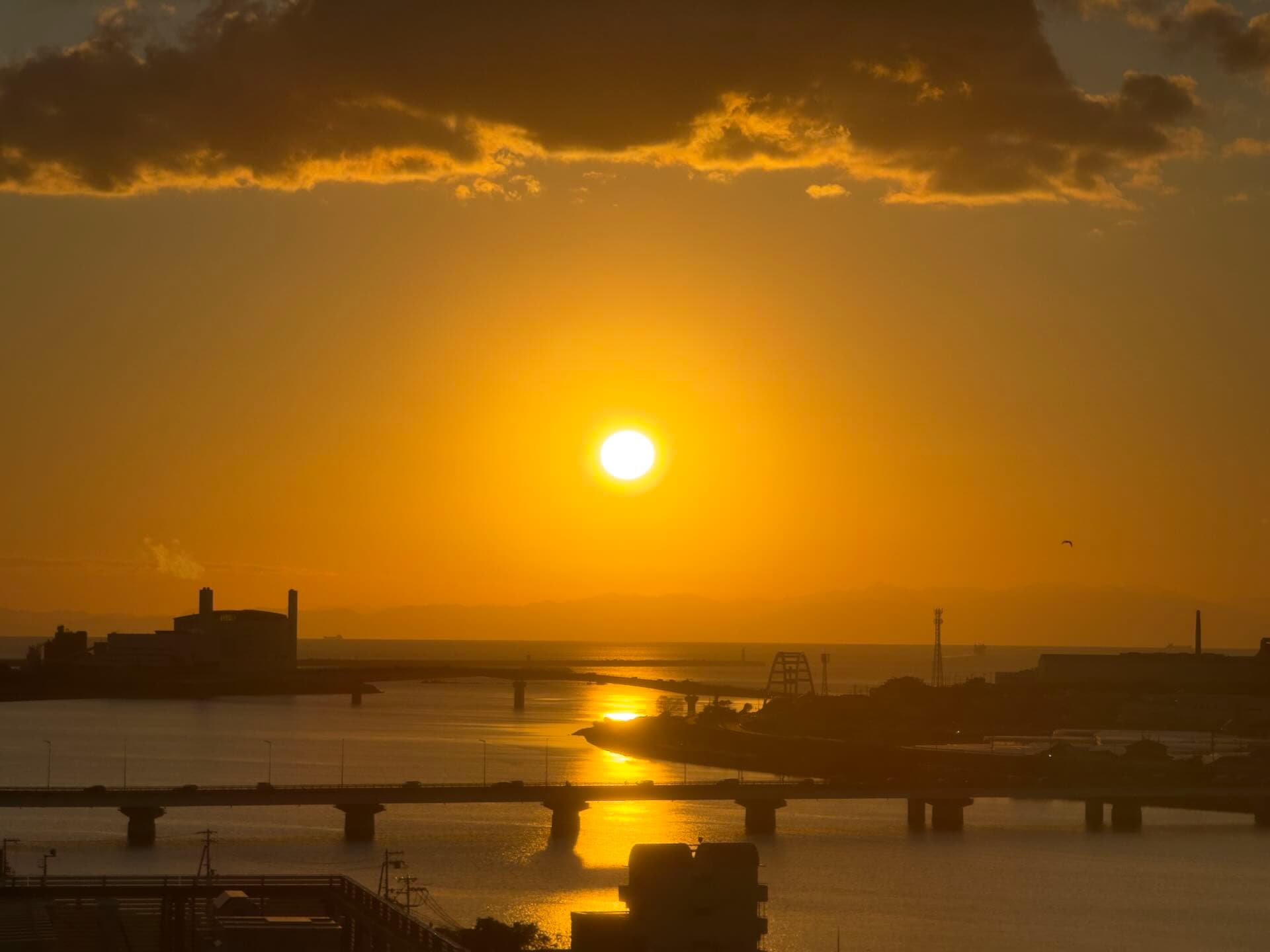
Me: “Clouds fly with the lone wild duck; the autumn water is the same color as the vast sky. What a poem, what a masterpiece!”
Friend: Scrolling through Douyin (TikTok) in the room.
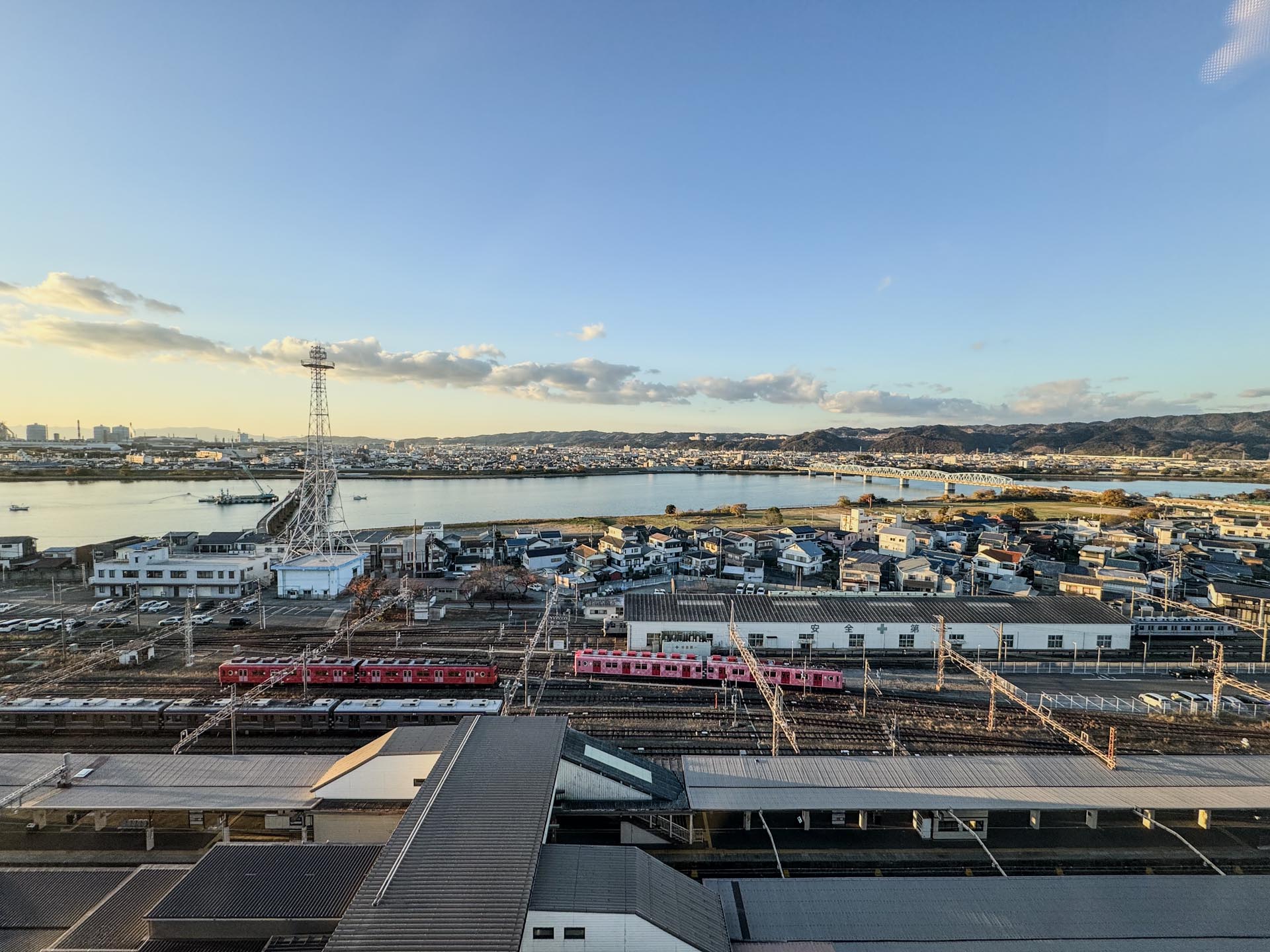
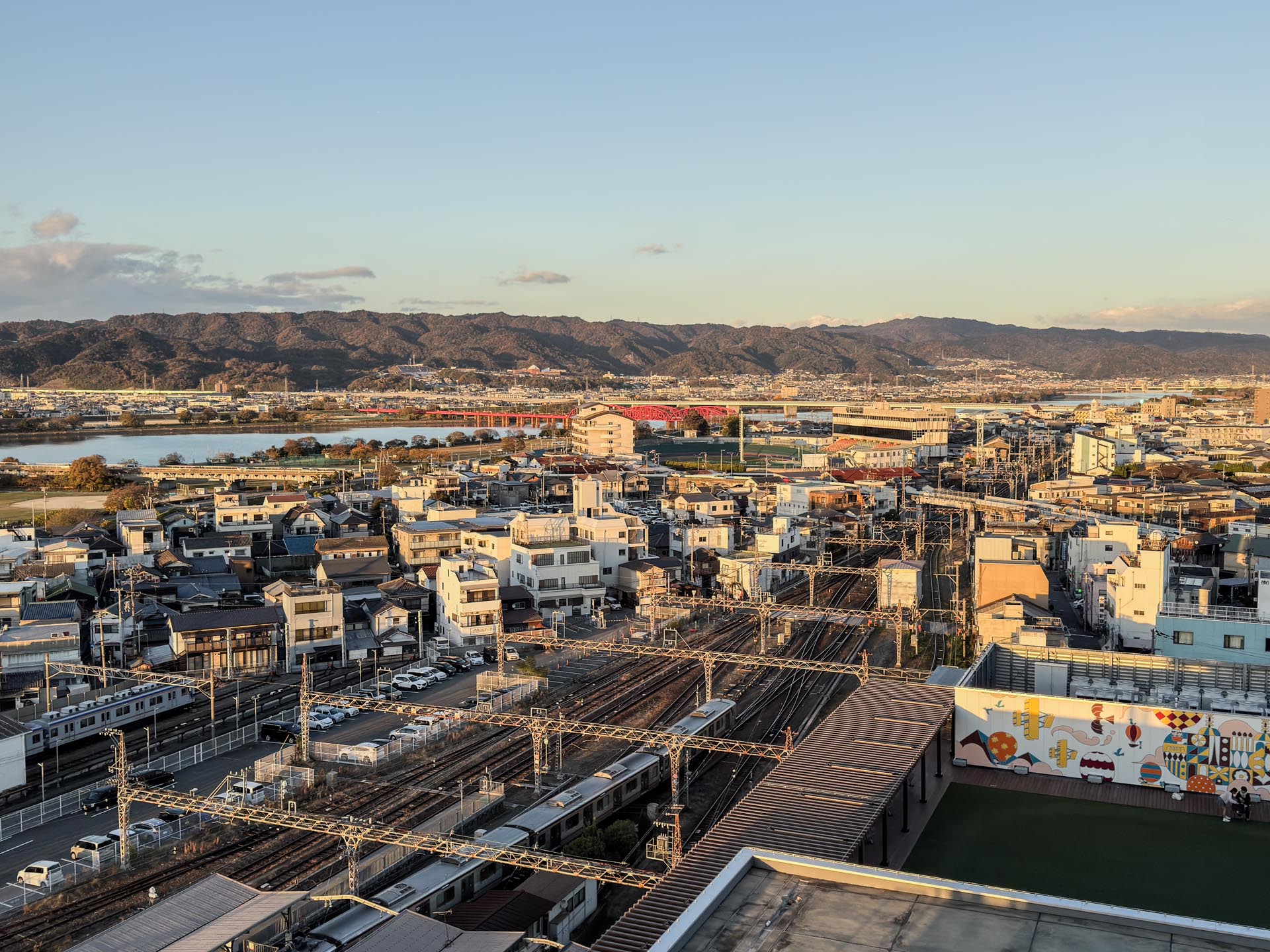
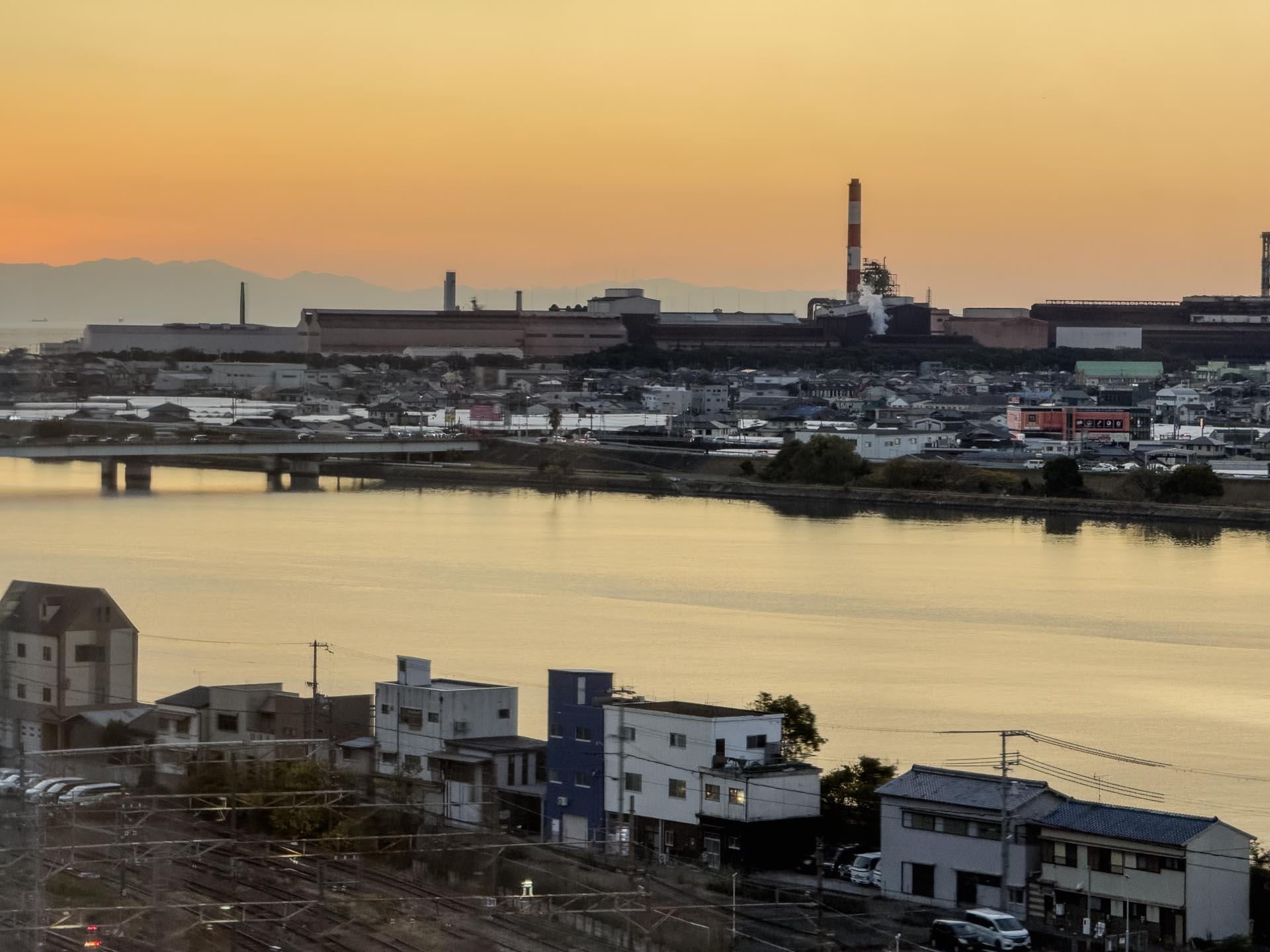
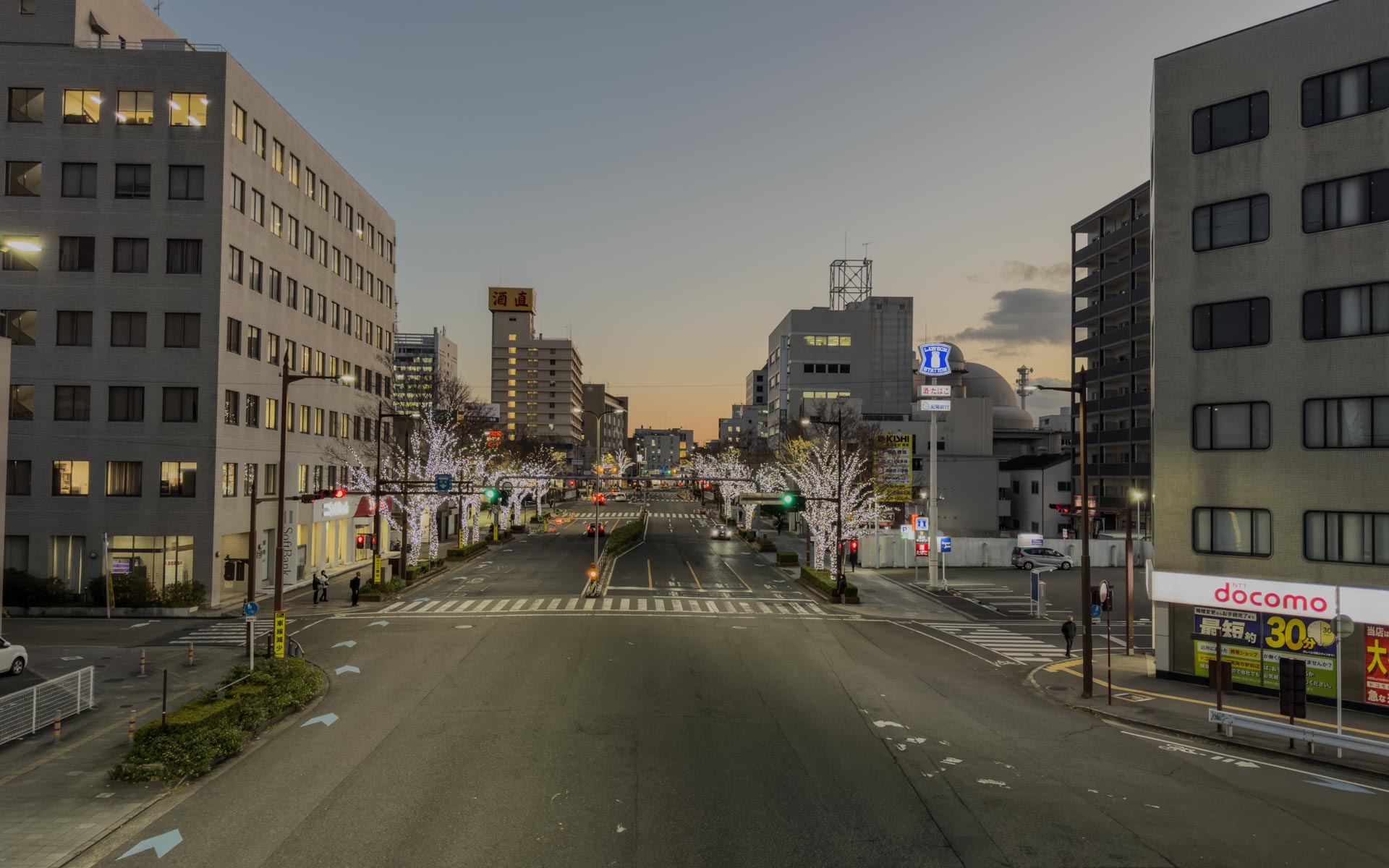 Few people, few cars
In the evening, I suggested we try Yakitori, so we headed to a local shop. Well, “expect the unexpected”—neither of us could handle these charred, burnt skewers. The blackened bits were incredibly bitter, which totally ruined the flavor. Luckily, we only ordered about 200 RMB worth of food.
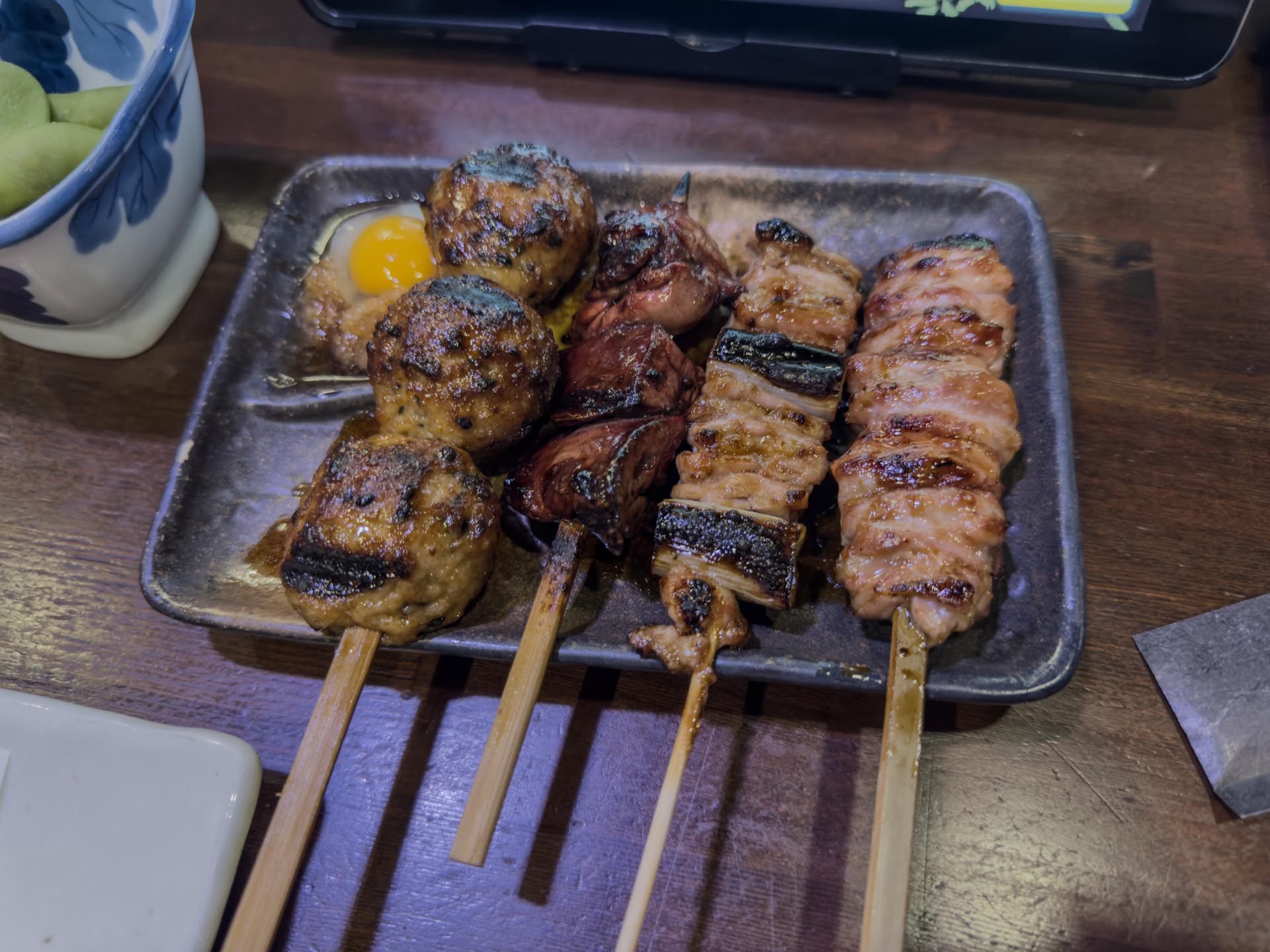
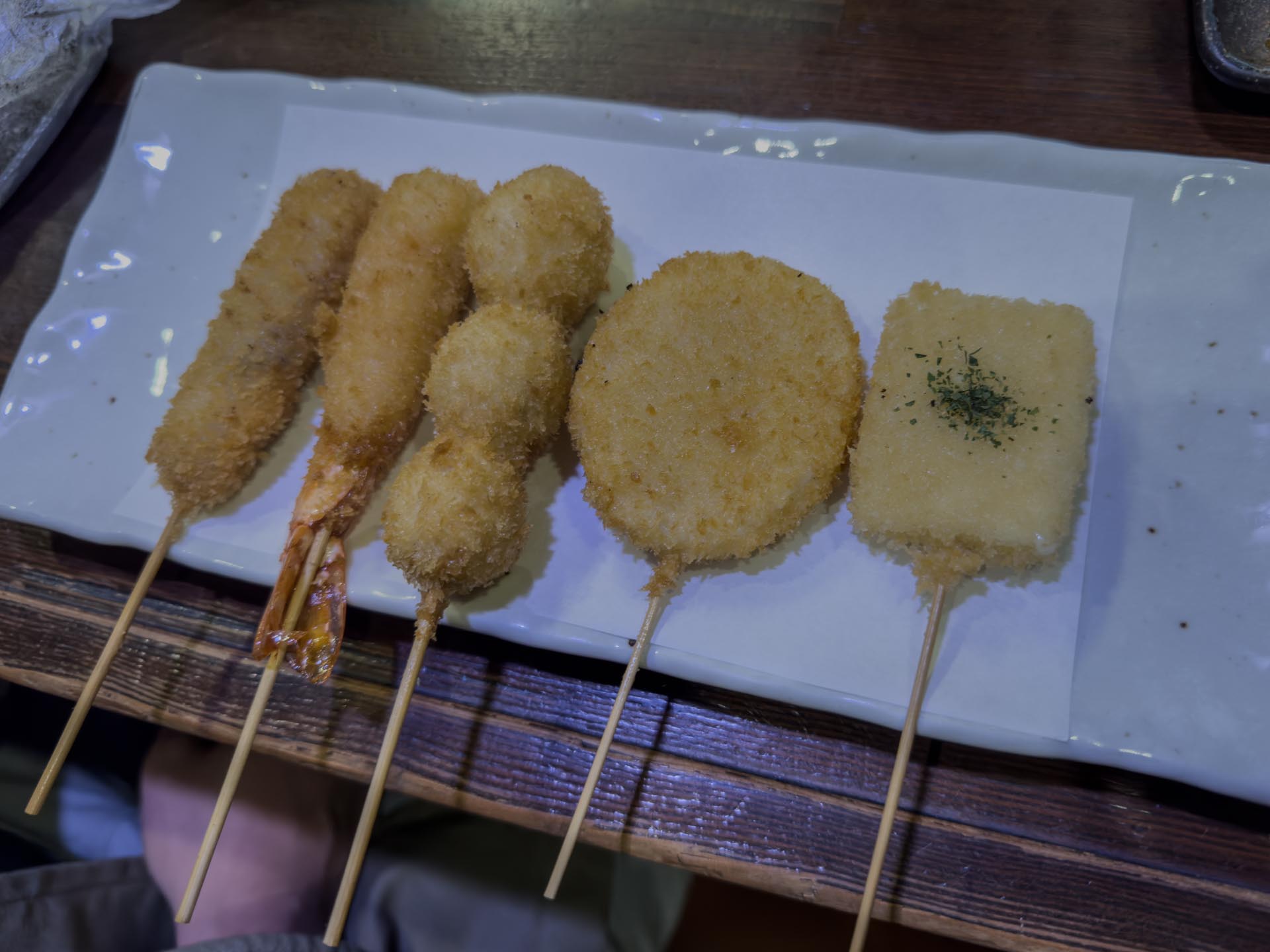
My friend mentioned he didn’t have any cash, but I told him not to worry. When it was time to pay, I asked if they accepted WeChat Pay or Alipay (since WeChat can actually scan PayPay QR codes now), but the owner said they only took cash or credit cards. I opted for the credit card, but as he pulled out the terminal, I noticed something: “Oh, it has Alipay—maybe we can try 😉.” We gave it a shot, and it worked perfectly. The owner was impressed: “Sugoi!” (Amazing!) 👍
After leaving, we went to a convenience store to buy some snacks. That dinner didn’t count—let’s call it a “re-do” 🥺.
After resting at the hotel for a bit, I went up to the rooftop onsen. It had just been maintained today (maybe a fresh water change), and after showering, I found the pool to be exceptionally clean. Plus, there was no one else there—hehe, a total “private moment.” The public bath felt like a private spa experience! There were both indoor and outdoor pools; stepping into the outdoor one felt a bit like streaking on a rooftop.
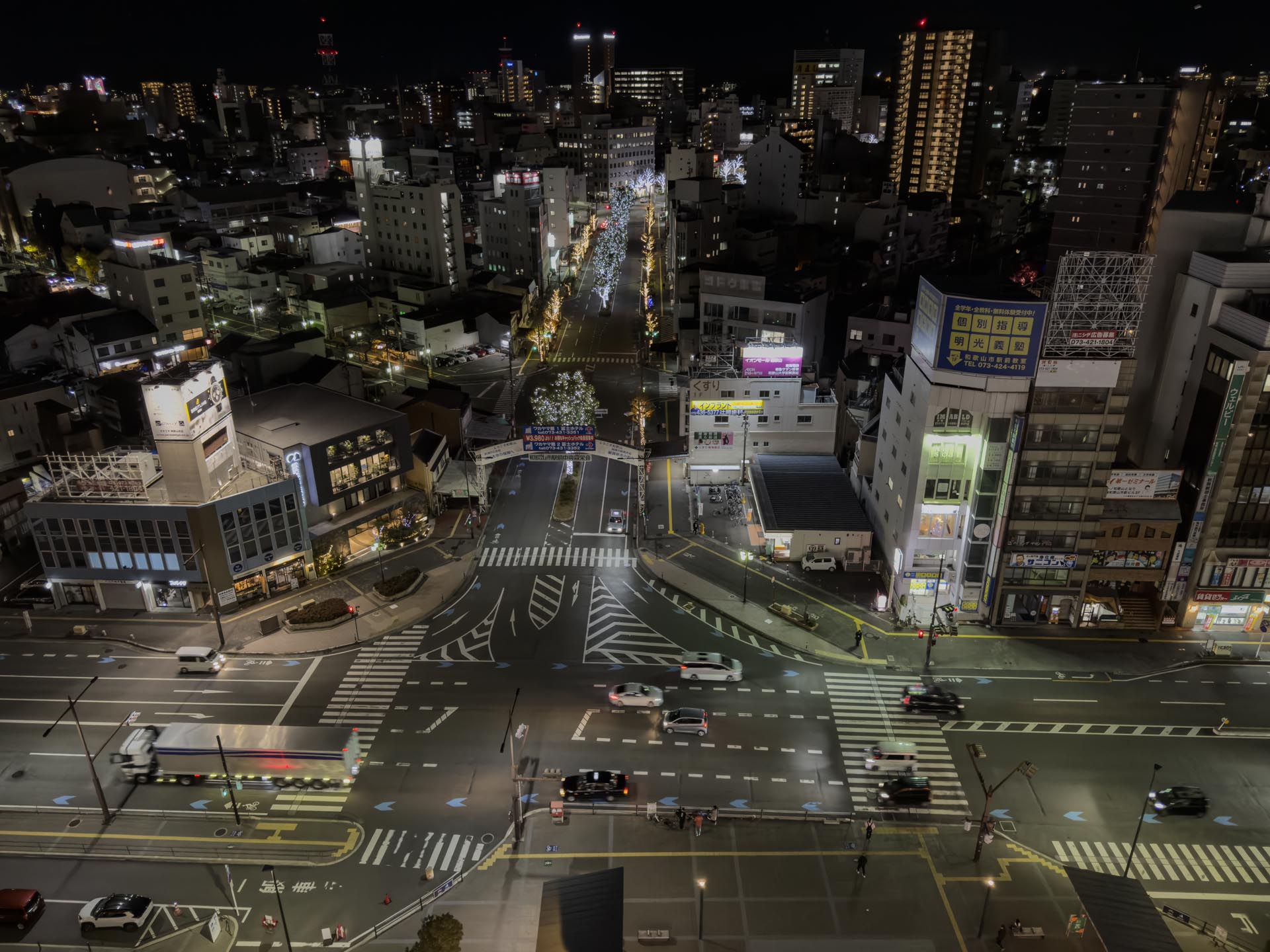
The view from the outdoor pool was great, though the night lights in Wakayama are much scanter compared to the big cities. After the soak, I headed back to the room. We both agreed to sleep in tomorrow and check out directly.
Day 12 Rinku Town
Slept in, got up, freshened up, had breakfast, and packed our bags to check out. Our destination: Rinku Town.
We dropped our luggage at the JLS store run by a Chinese lady near Exit 4 of Rinku Town Station. At 300 yen per piece, the price was quite reasonable.
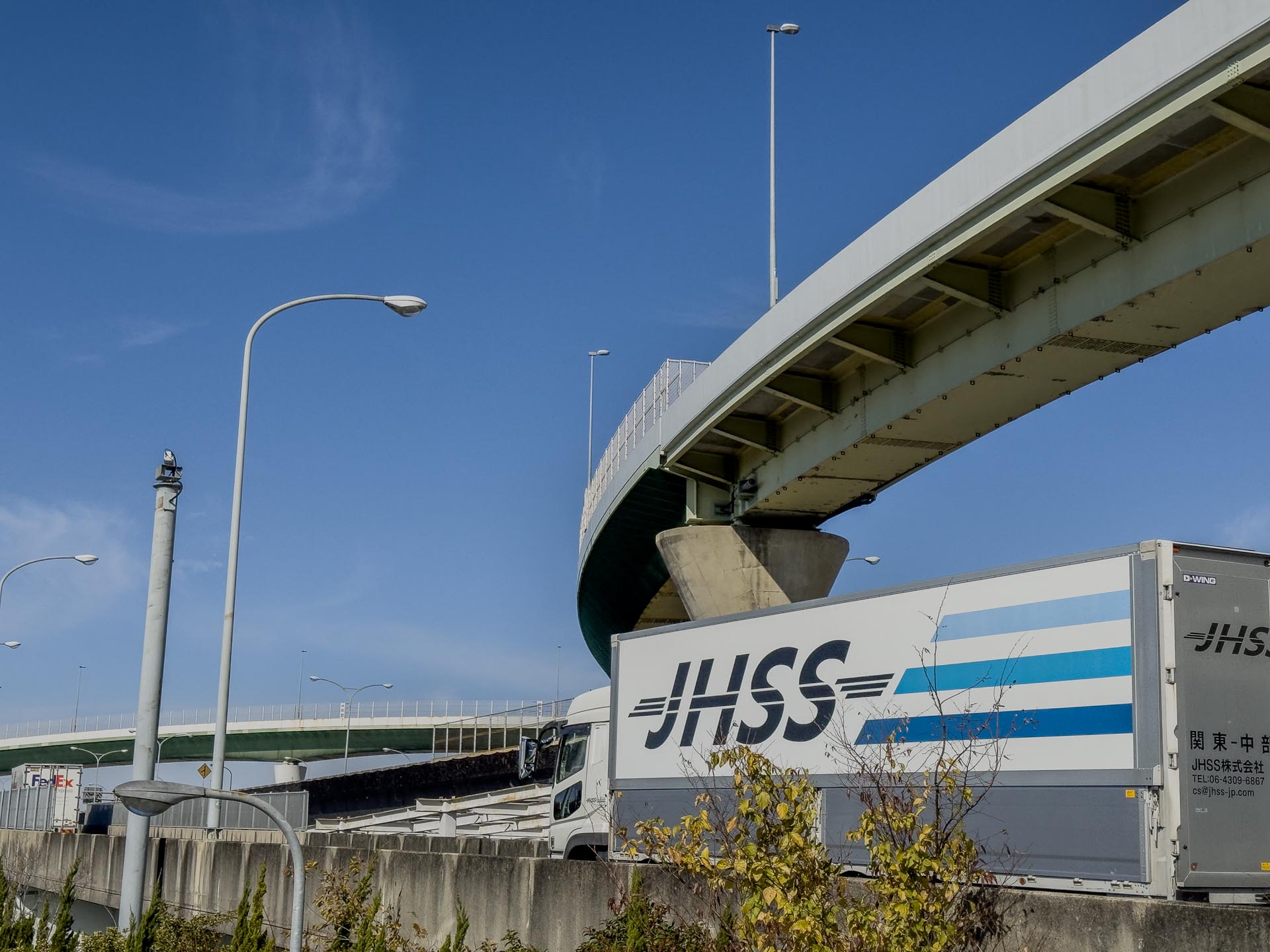
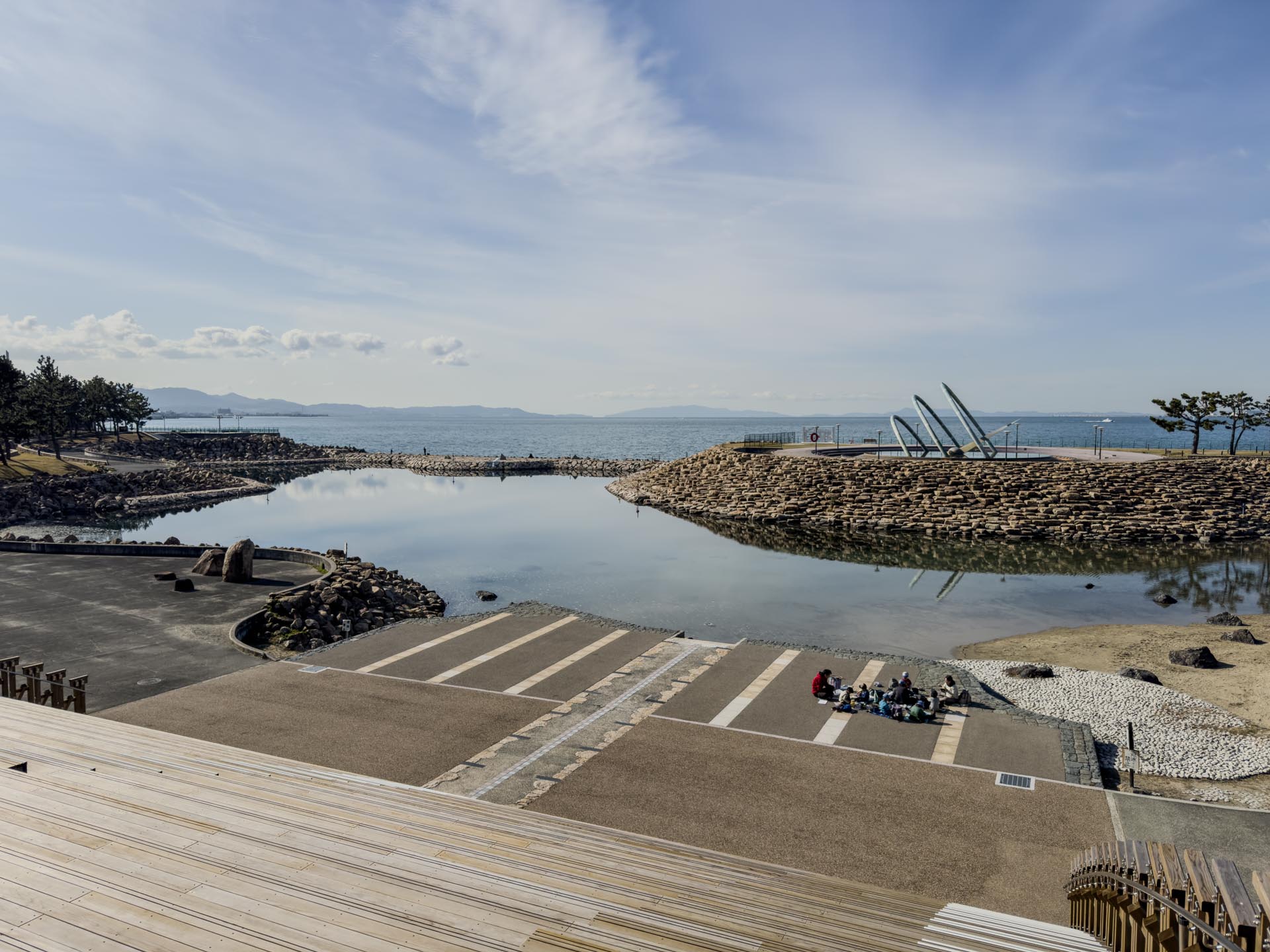
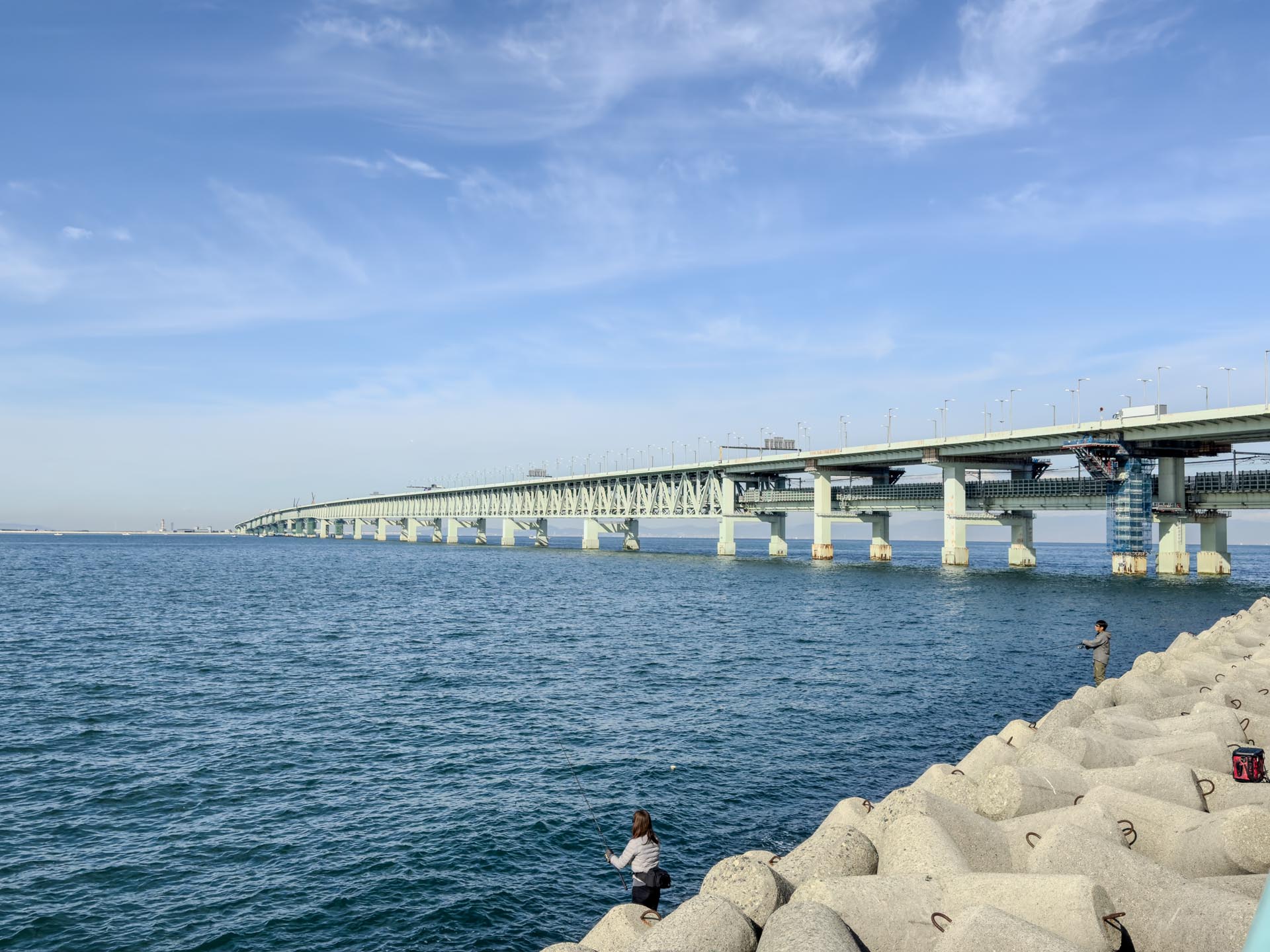
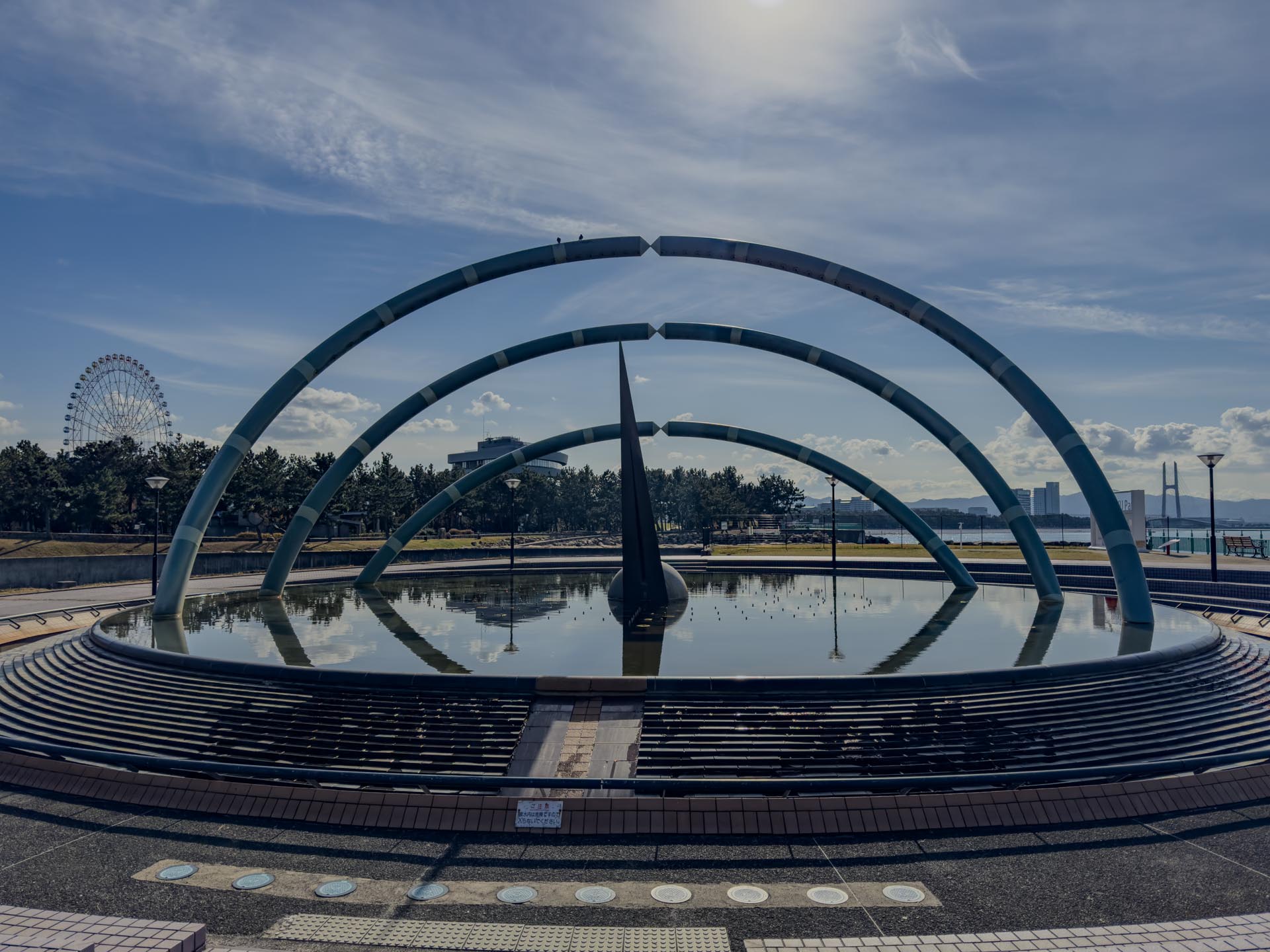
After storing our bags, we took a stroll through Rinku Park.
Rinku Park
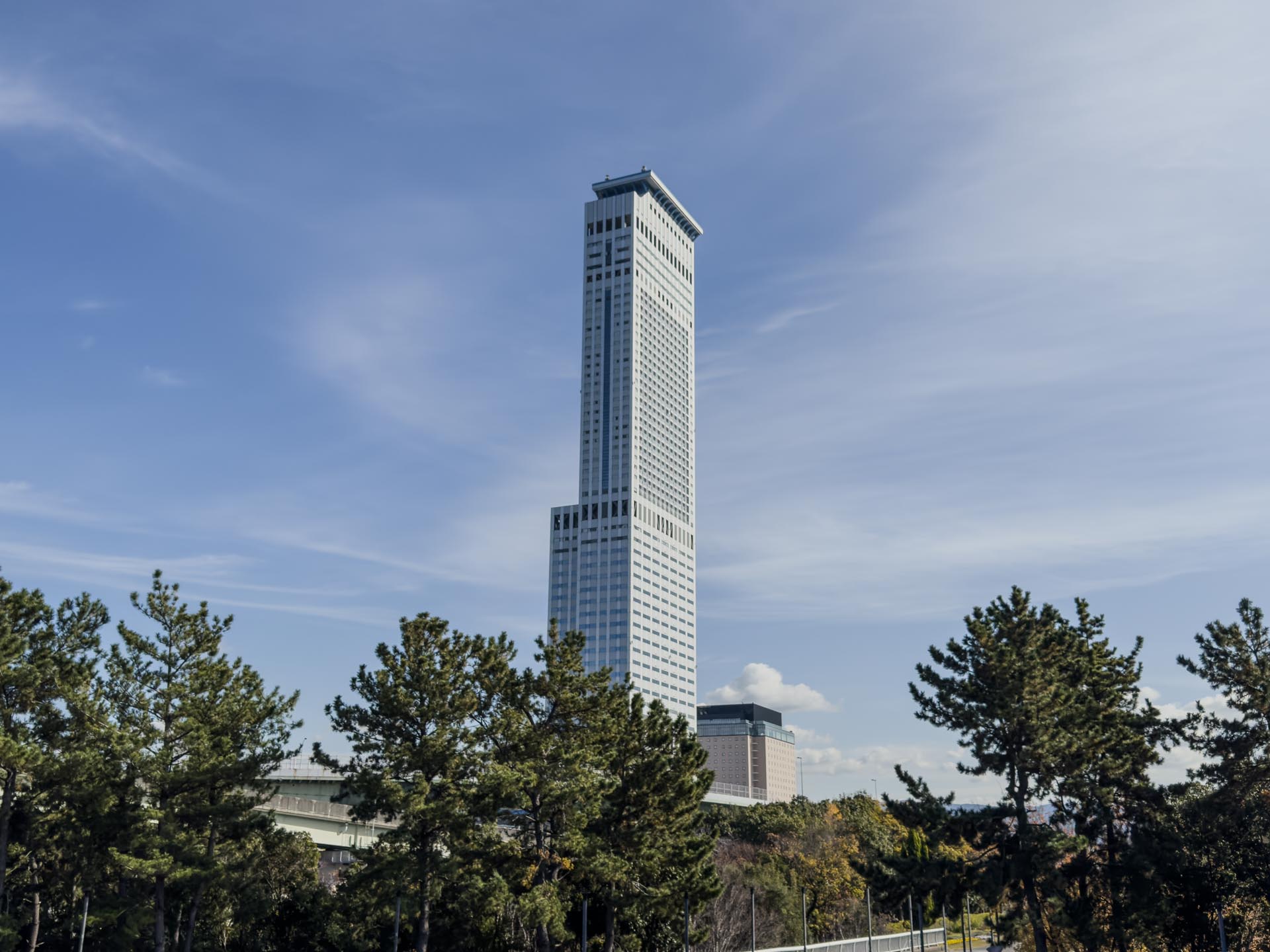
Rinku Premium Outlets
Then we headed to the Outlets. First, we visited the beach right outside the mall; the water here was incredibly clear and transparent.
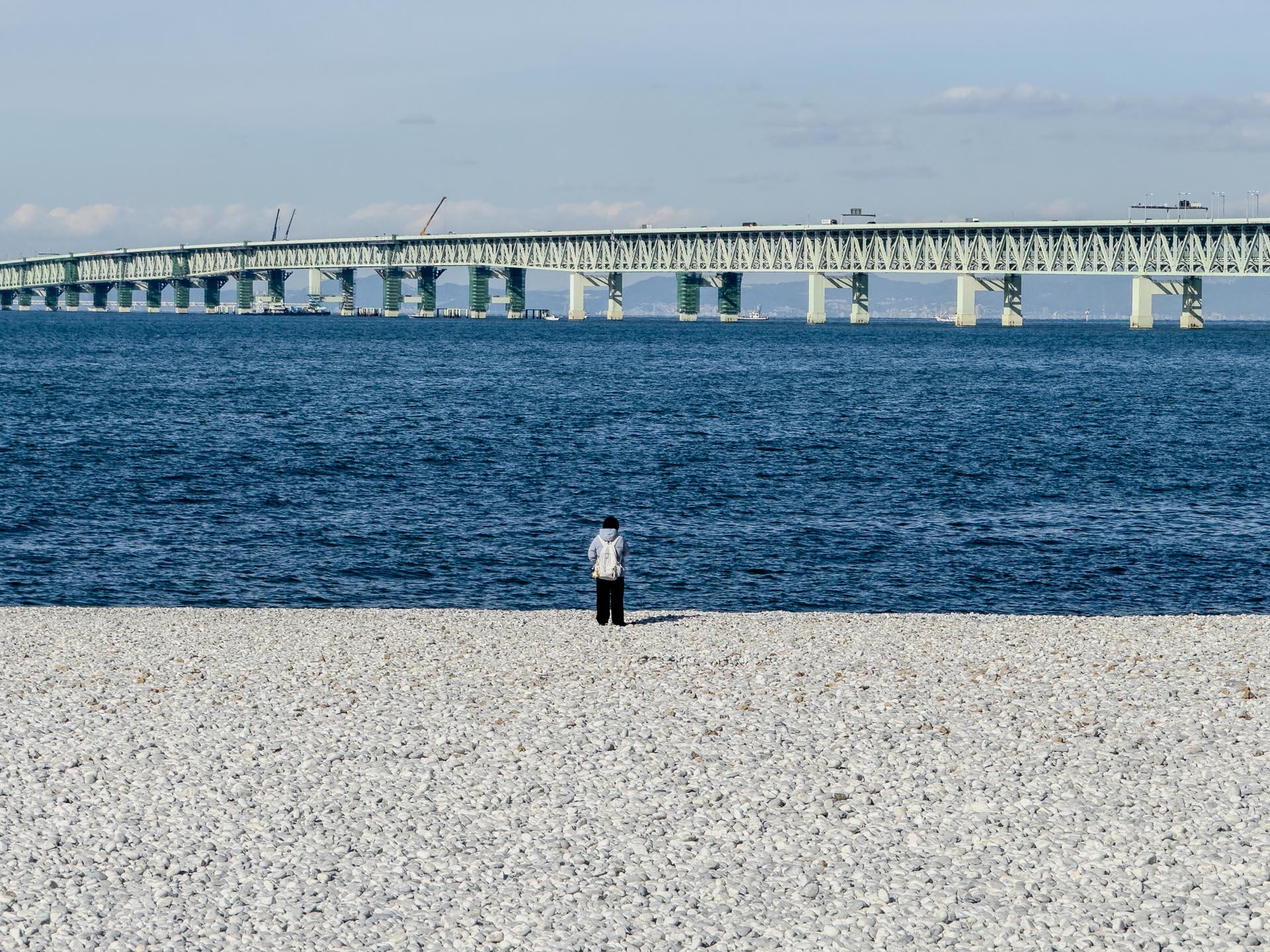
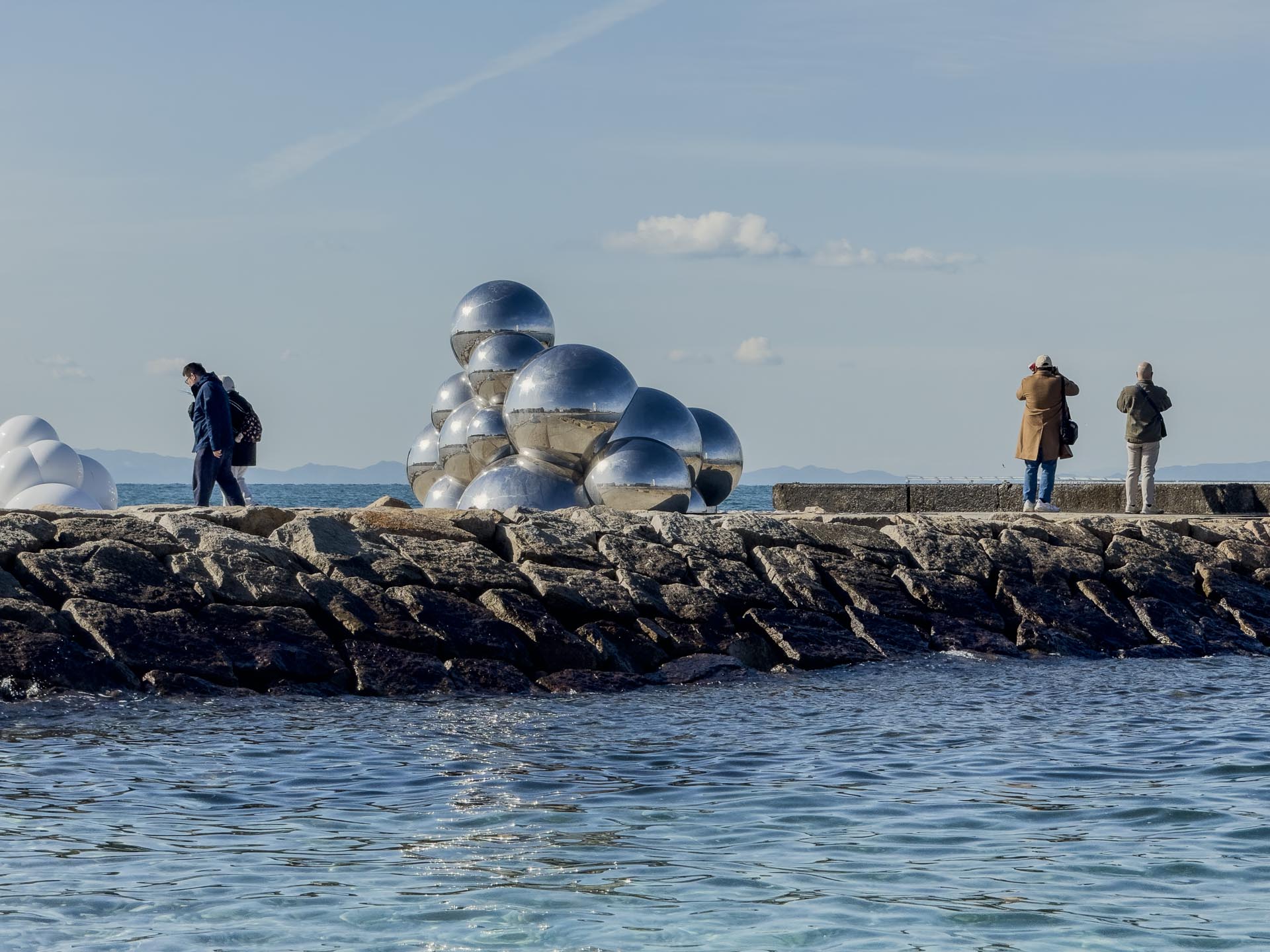
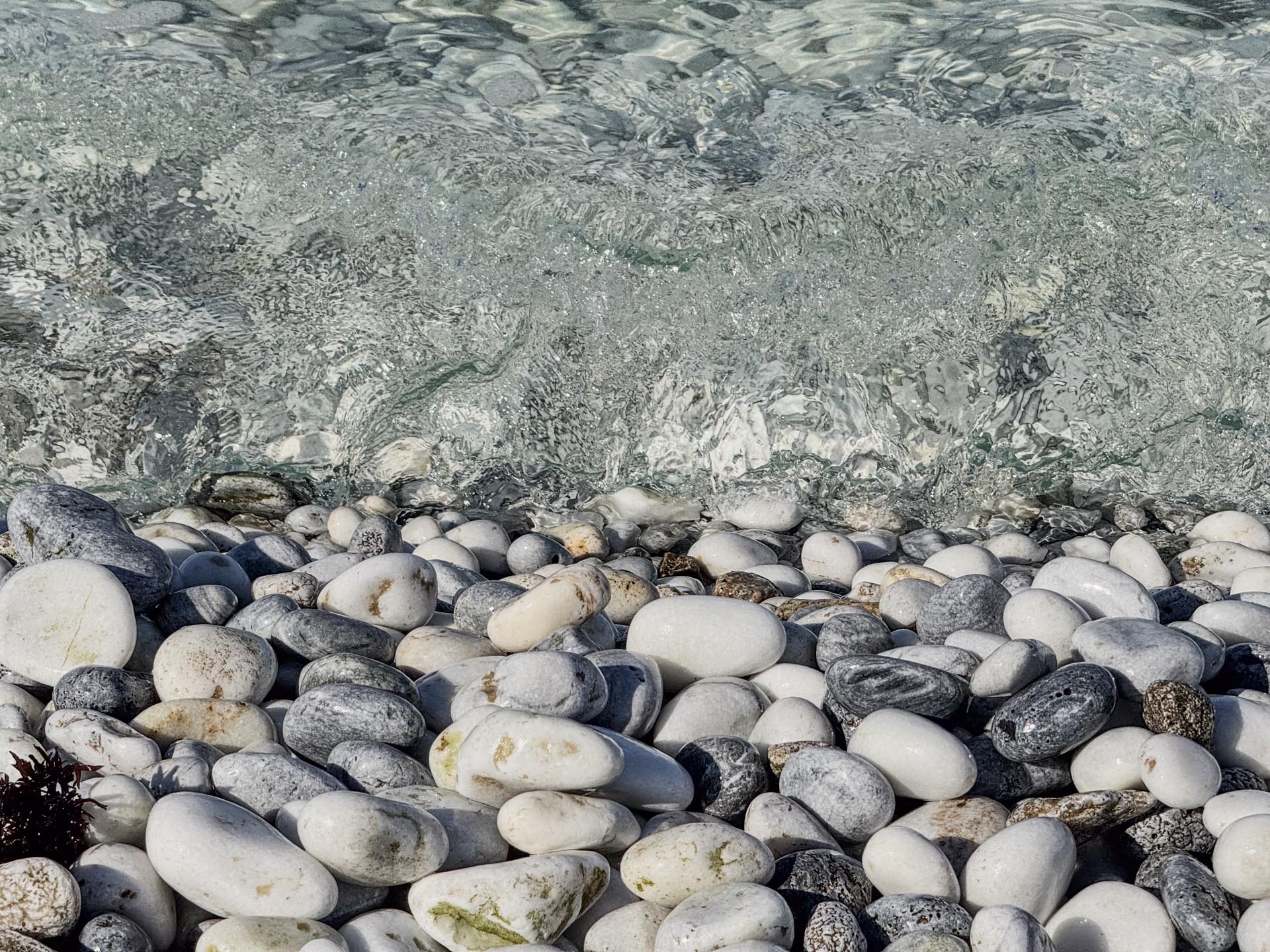
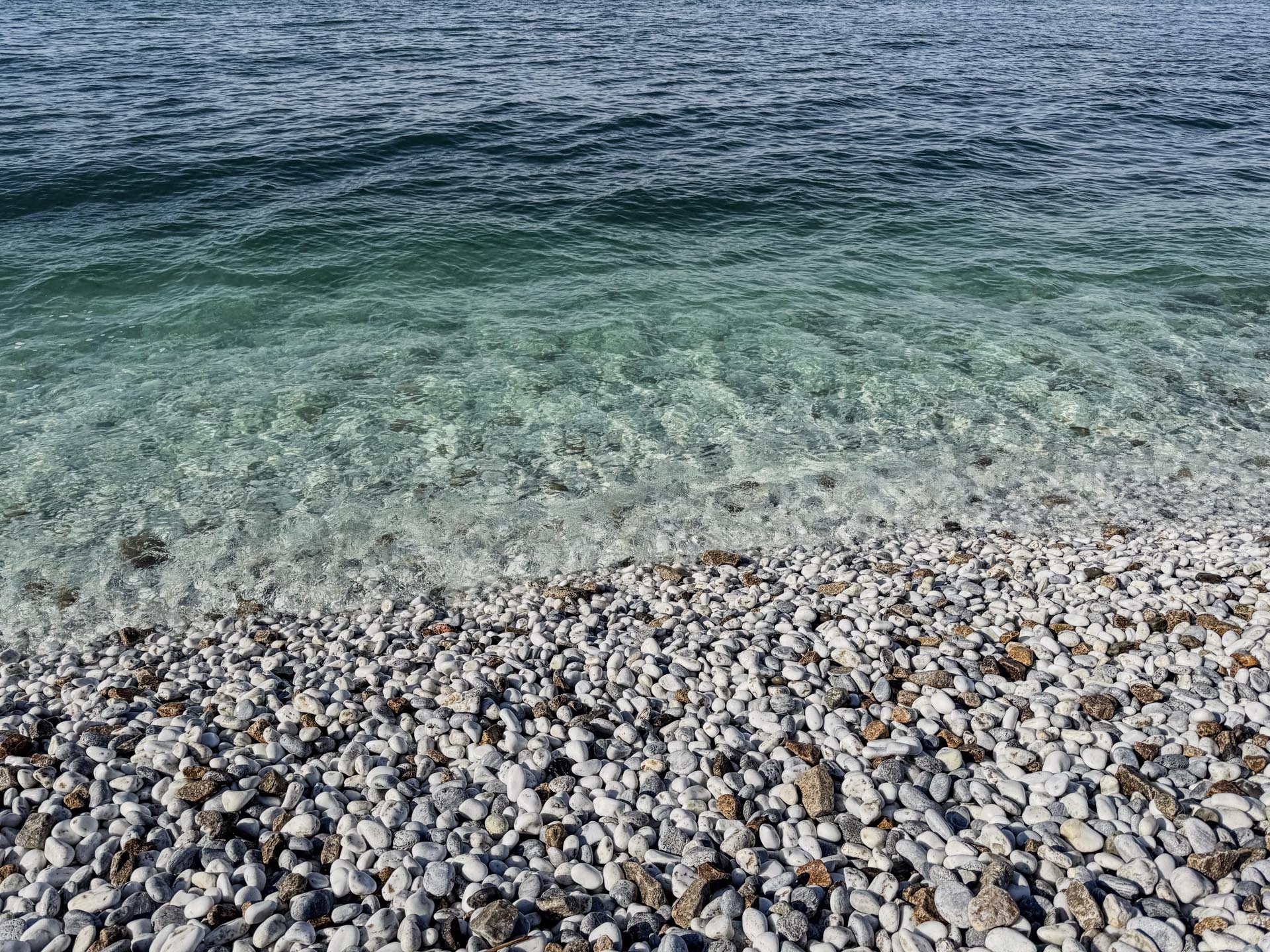
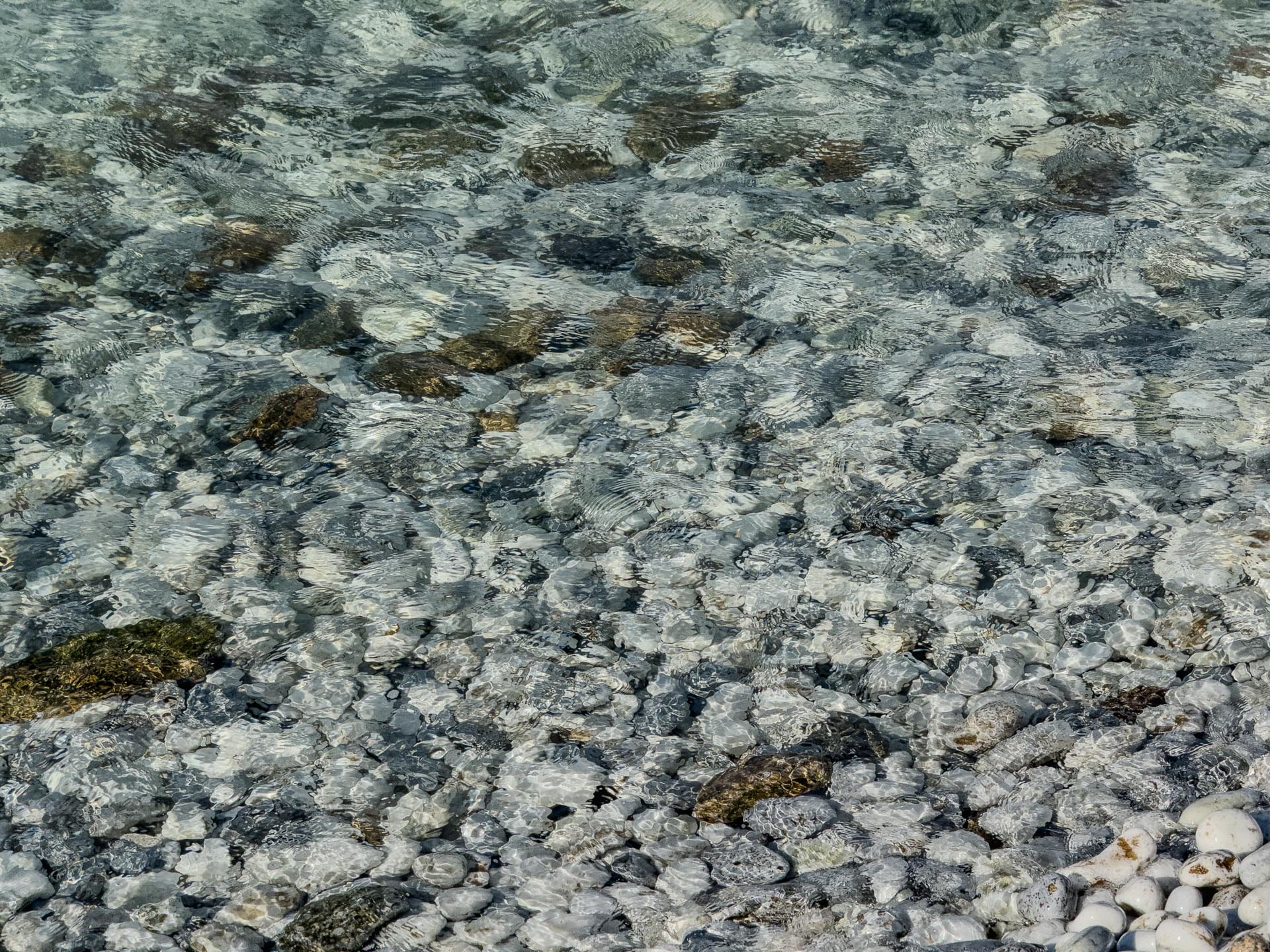
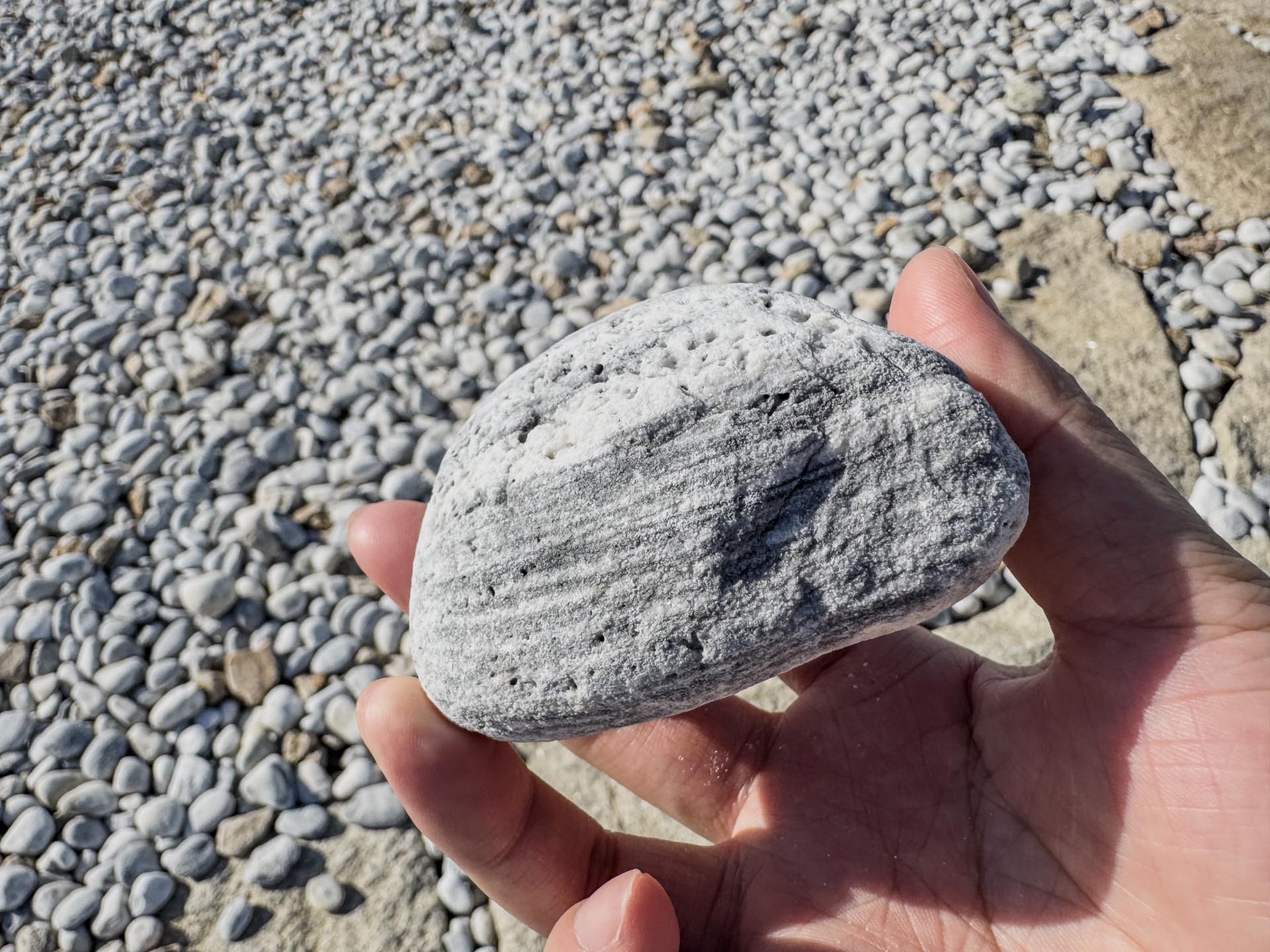
Feeling the sea breeze—it was so comfortable.
Returned to the Outlets, walked around for a bit, and ended up spending exactly 0 yen.
Had Ramen for lunch.
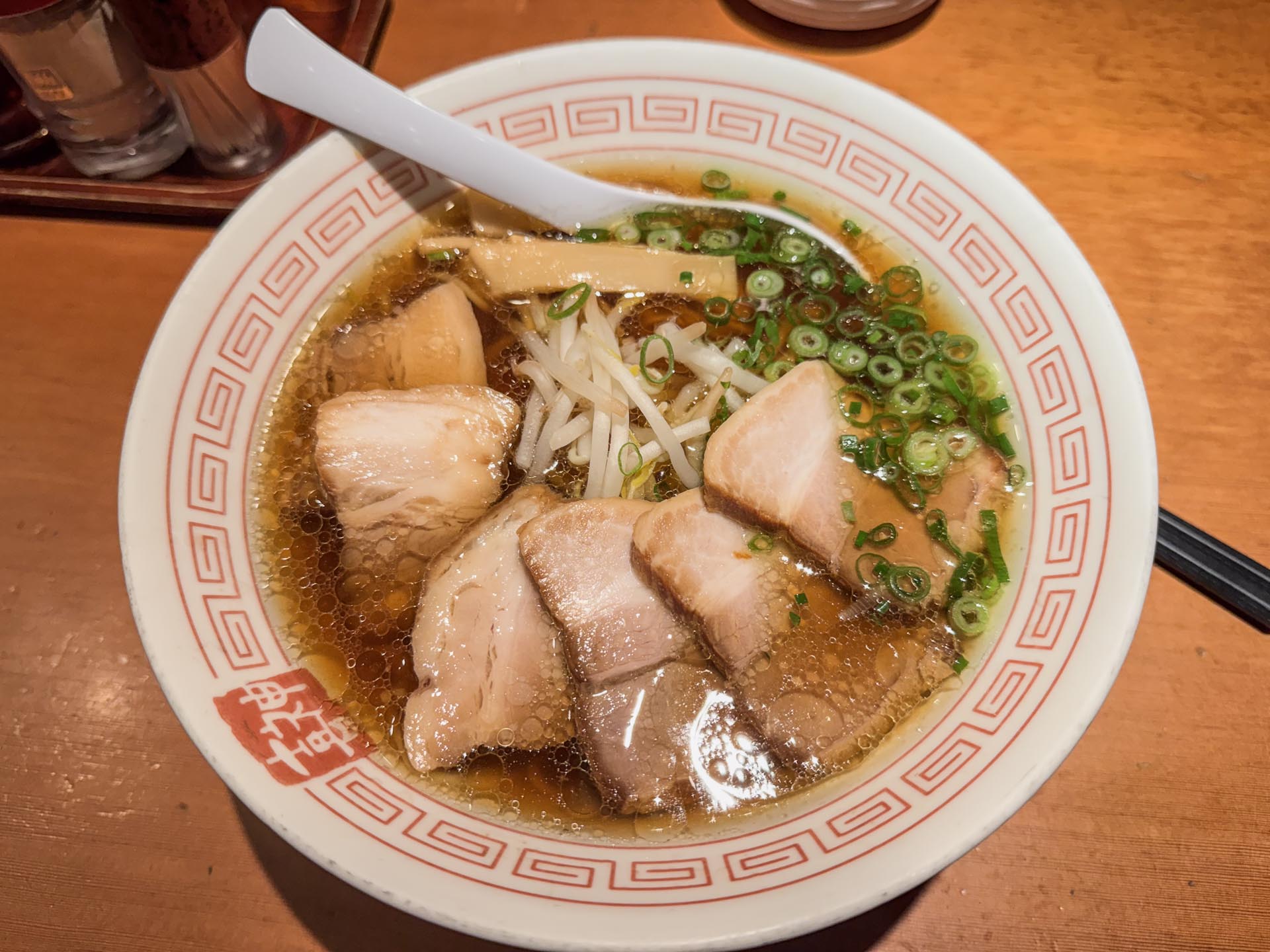
Headed to the airport and arrived right as check-in opened. We were at the front of the line, so there was hardly any waiting—perfect.
After passing through security, I picked up a bunch of Royce’ Nama Chocolate.
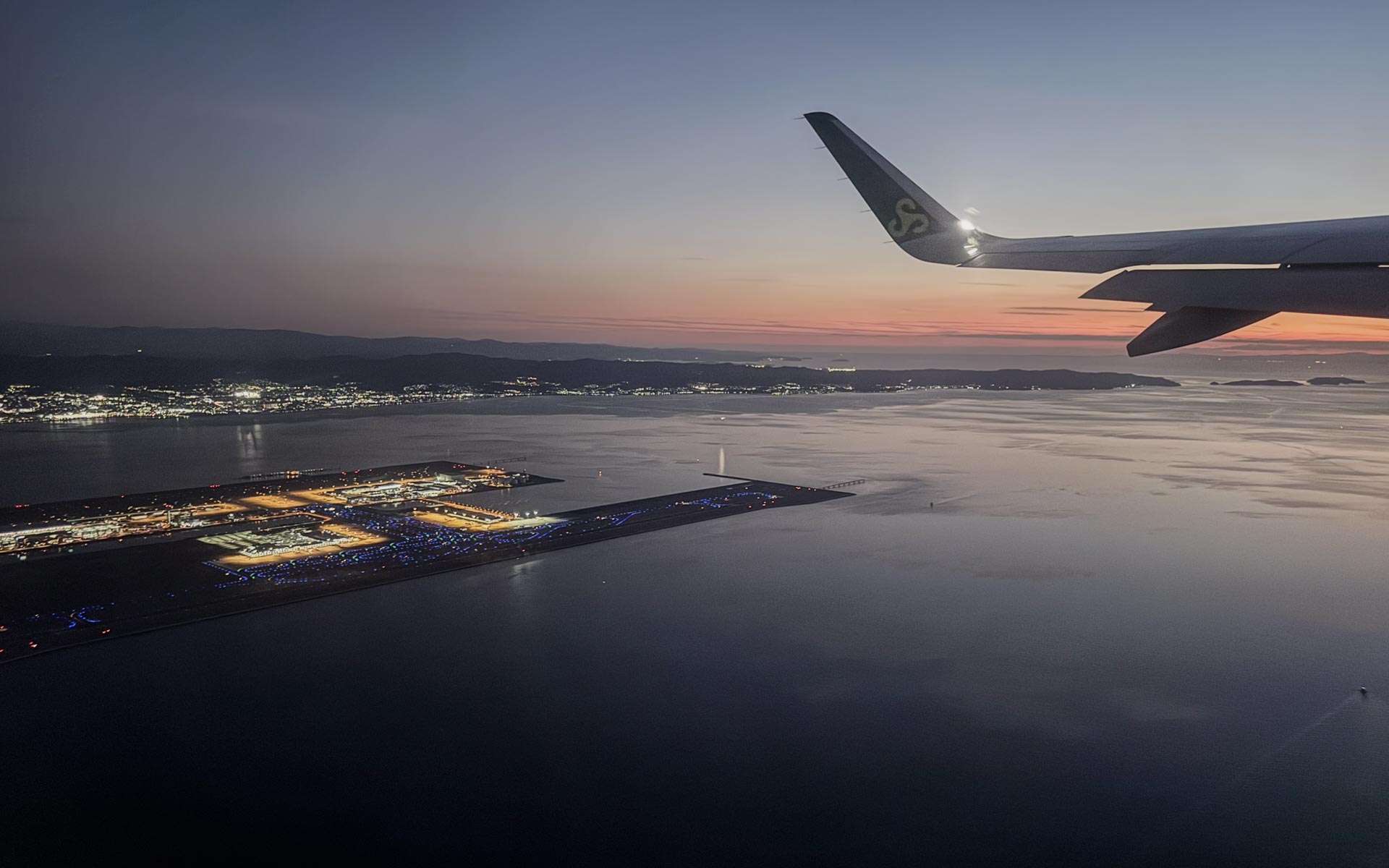
Heading back to Shanghai! This trip was a complete success.
Expenses
Total spent: Approximately 9,268 RMB per person.
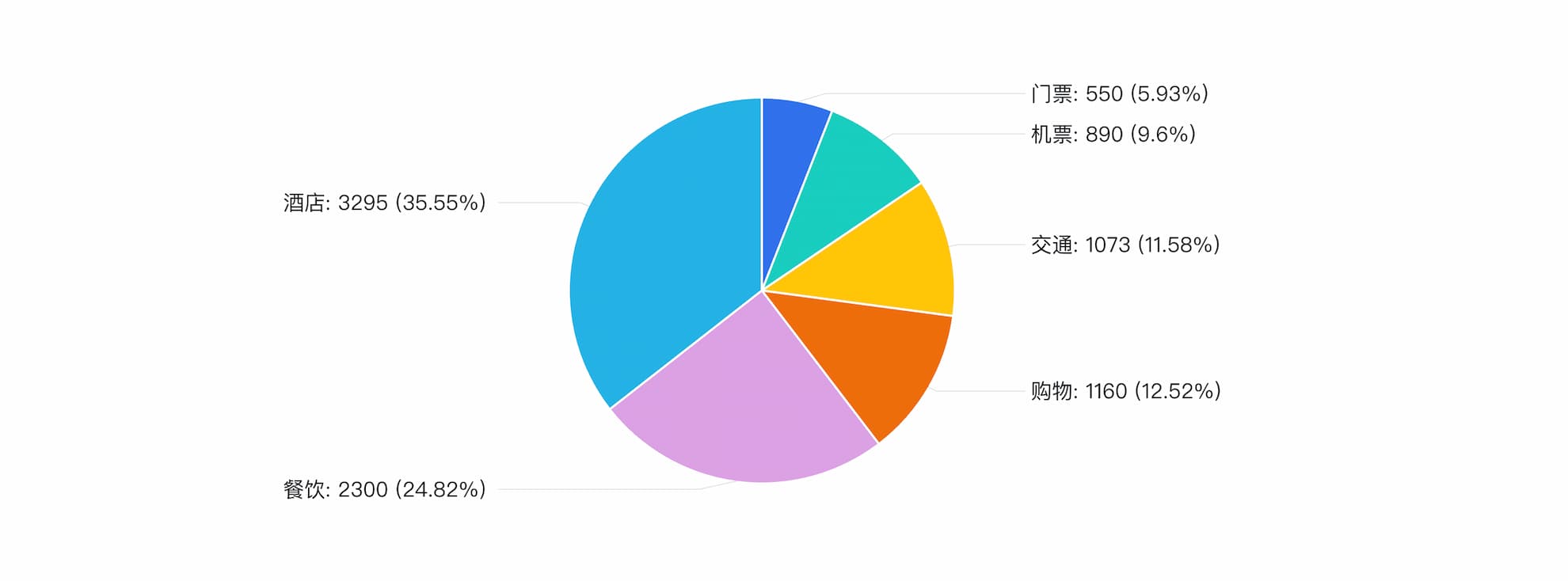
Hotels
- Agora Regency Osaka Sakai: Opened in 2025. Very new, located near Nankai Sakai Station with beautiful harbor views.
- Hotel Vista Premio Kyoto (Kawaramachi St.): Opened in 2011. Located in a bustling area; there’s a Little Sheep Hot Pot downstairs that offers discounts for hotel guests. Rooms feature traditional Japanese-style windows.
- Cross Hotel Kyoto: Opened in 2018. Located in a prime downtown area with a Uniqlo right across the street. The toiletries are lavender-scented—so strong they made me feel a bit dizzy! Laundry service is pricey (charged per item, e.g., ~50 RMB for a T-shirt); I suggest using the nearby CoCoNe Internet Cafe for laundry instead.
- Hotel M’s Plus Shijo Omiya: Opened in 2017. Close to the JR station.
- Piazza Hotel Nara: Very new and right next to the JR station. Convenient transportation. They provide POLA toiletries, which are excellent.
- Hotel Okura Kobe: Located next to Meriken Park and near the harbor. Great window views and free laundry service. They also use POLA toiletries—highly recommended.
- Candeo Hotels Wakayama: Opened in 2020. Located next to Nankai Wakayamashi Station. Features a rooftop open-air onsen with a fantastic view.
Q&A
What camera did you use?
I’m skipping this one. If you are viewing this page on the web, just click on the images to see the detailed EXIF/shooting parameters.
Did you edit the photos?
No. But to be honest, they still look a bit different from what the naked eye sees. My photography skills aren’t quite there yet.
HDR Photos
These are HDR JPGs exported using Adobe Camera RAW. The effect isn’t perfect; the highlights around the sun look a bit funky.
Why go to Japan when relations are tense?
The itinerary was planned back in August, long before things escalated.
Were you worried about anything?
Yes. I even joked with my friend that we should speak English instead of Mandarin while in Japan. However, from the moment we arrived until the end of the trip, everything felt fine. I didn’t experience anything unusual.
Why do you keep going to Japan?
A few key reasons:
- Japan actively promotes tourism, and their infrastructure is very friendly to foreign travelers.
- The cost is well within an acceptable range.
- The locals are traditional and follow the rules.
- Most public places are non-smoking.
- The scenery is very delicate and refined.
Any new experiences?
Yes. This time, I tried out various railway and bus/subway PASSES in the Kansai region.
Across the entire trip, the various transportation passes saved me about 300 RMB. Specifically, the Amanohashidate-Ine 2-Day PASS saved about 200 RMB on its own.
The prerequisite for buying a PASS is knowing exactly where you want to go. If your itinerary is relaxed or flexible, you likely won’t break even. In that case, just sticking to a regular transit card is better.
Closing Remarks
I was 29 when I went on this trip, but as I write this travelogue, I have already turned 30. At 30, it feels as though I’m living the life others had in their 20s—happy and fulfilled.
I’d like to recommend the website https://kyoto.travel/en/. This is the official information site provided by the Kyoto City Tourism Association. It’s available in multiple languages and is incredibly detailed, rich, and practical.
This is my longest travelogue to date. Although it’s written in a “journal-style” (day-to-day) format, it still took quite a bit of time to organize. Thank you so much for reading this far.
2025 has come to a wonderful close. Here’s to staying happy next year too!